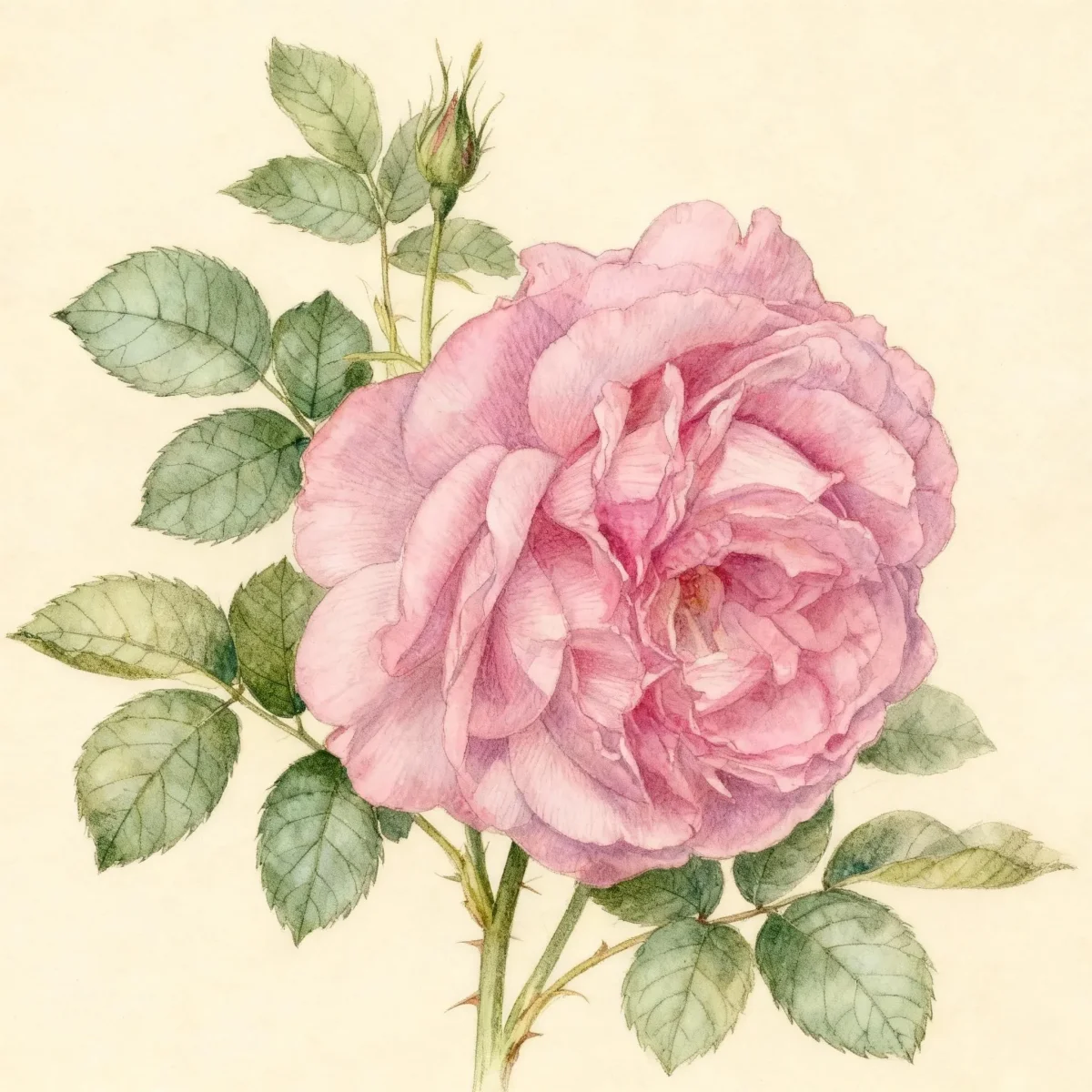
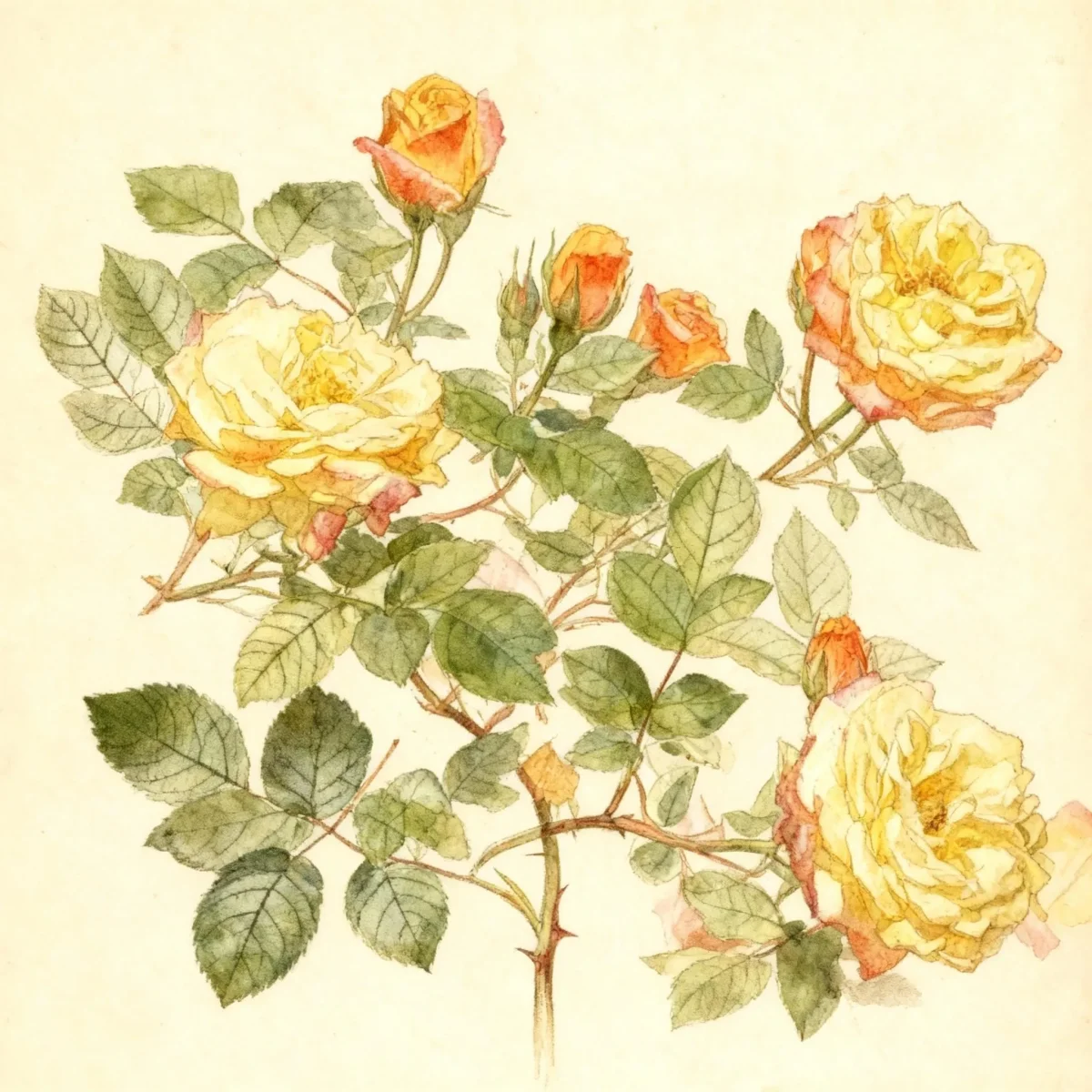
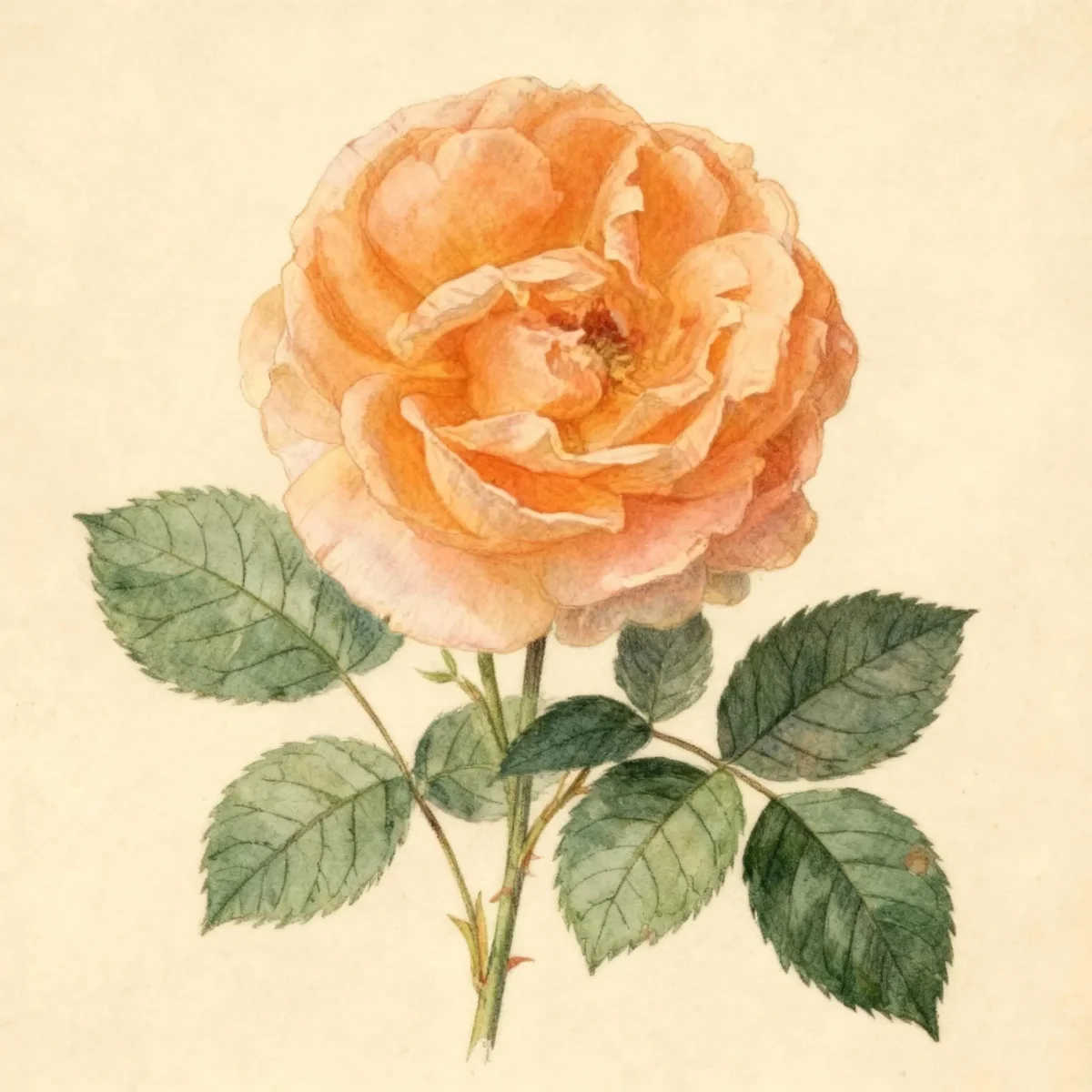
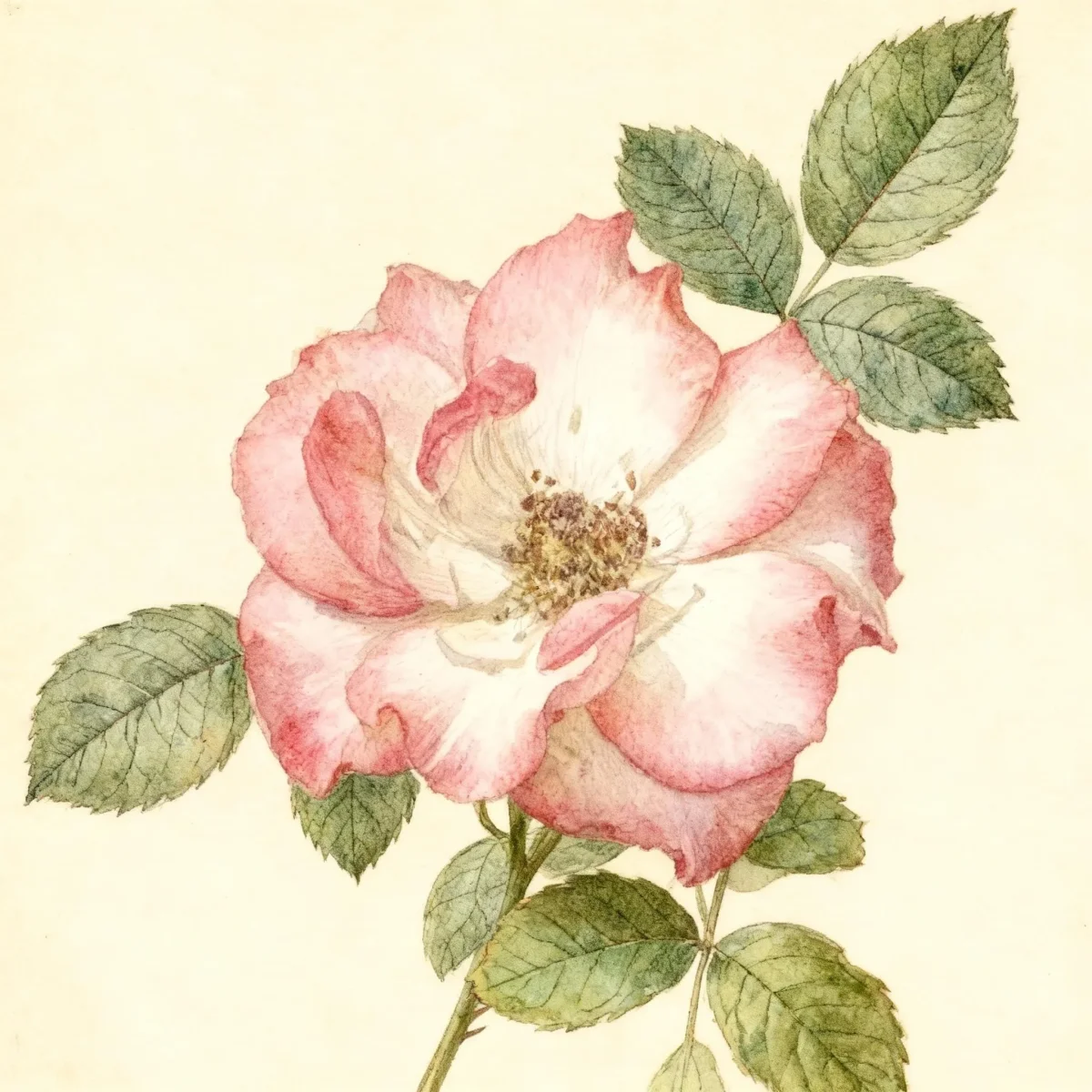
Rose (Rosa 'HORcogjil' AT LAST)
Discover Rosa 'HORcogjil' AT LAST Rose, a medium-maintenance shrub prized for showy, fragrant orange blooms from June to frost.
Scroll down to discover growing tips, care requirements, companion plants, and more
Complete Plant Information
Overview
Rosa ‘HORcogjil’ AT LAST is a standout addition to any garden, classified as a compact, dense, and mounding shrub Rose. Known commercially as AT LAST®, this cultivar is highly valued for its glossy, disease-resistant foliage and its abundant flowering habit that extends from early summer until the first hard frost. Gardeners appreciate this Rose for providing reliable color and fragrance without the intense care often associated with traditional hybrid roses.
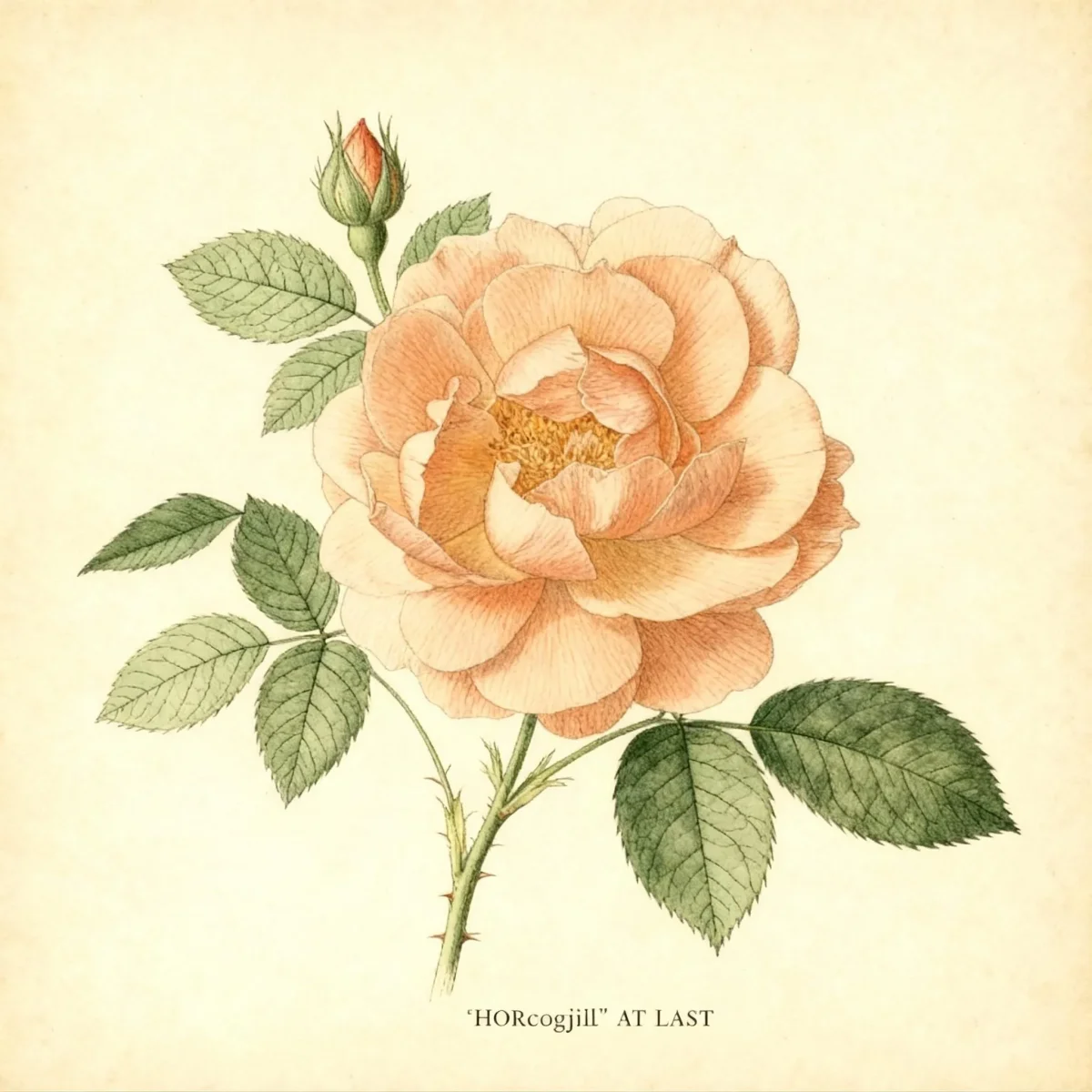
This particular selection of Rosa originated in Great Britain and offers a manageable size, reaching only about 2.5 to 3 feet tall and wide. Its hardiness in Zones 5 through 9 makes it a reliable performer across a wide geographical area. True to its lineage, Rosa ‘HORcogjil’ AT LAST delivers double flowers displaying a deep apricot orange hue that gracefully fades to a lighter pink as they mature.
For those seeking beautiful, low-fuss flowering shrubs, the Rosa ‘HORcogjil’ AT LAST provides excellent aesthetic appeal. It fits seamlessly into mass plantings or as a specimen accent, delivering continuous visual interest throughout the growing season. Its notable disease resistance is a significant advantage, making it a practical choice for beginners and seasoned gardeners alike looking for a dependable Rose variety.
Fast Facts
- Plant Family: Rosaceae
- Plant Type: Deciduous shrub
- Hardiness Zones: USDA Zones 5-9
- Size at Maturity:
- Height: 2.5-3 ft
- Spread: 2.5-3 ft
- Bloom Time: June to frost
- Bloom Description: Orange
- Sun Exposure: Full sun
- Water Needs: Medium
- Maintenance Level: Medium
How to Grow
The ideal time to establish your Rosa ‘HORcogjil’ AT LAST is when the soil conditions are amenable, usually in spring or fall. Plant this Rose in well-drained garden loams that are slightly acidic for best results. While it performs well in part shade, achieving the best flowering and maximum disease resistance requires placement in full sun. Ensure the planting location has good air circulation to promote vigorous, healthy growth and deter potential fungal issues.
Watering should be deep and consistent, preferably performed in the morning to allow foliage to dry before evening. Avoid overhead watering whenever possible. Applying a layer of summer mulch will significantly help retain soil moisture, keep the root zone cool, and suppress competitive weeds, thereby reducing overall maintenance. Deadheading spent flowers regularly is crucial for encouraging the continuous rebloom expected from this repeat-flowering shrub Rose.
For gardeners in colder reaches of its range, such as St. Louis and northward, providing winter protection for the crowns is a necessary late-season task. As winter transitions to early spring, conduct any needed pruning at that time to shape the plant and remove any winter-killed wood. A crucial cultural practice for managing potential problems involves stringent cleanup: remove and destroy all diseased leaves during the growing season and perform a thorough cleanup of all dead foliage in the dormant season.
Landscape Uses
The compact, mounding habit of the Rosa ‘HORcogjil’ AT LAST makes it exceptionally versatile in landscape design. It excels when used as an informal hedge, providing a low barrier or border definition that blooms profusely. Furthermore, this Rose is highly effective when planted in small groups to create sweeps of continuous color in cottage gardens or foundation plantings where a tidy, disease-resistant shrub is desired.
Because of its reliably fragrant and showy nature, think of this Rose as an outstanding specimen plant where its dense form can anchor a focal point. It pairs well visually with contrasting foliage textures, such as ornamental grasses or fine-textured perennials that don’t compete heavily for nutrients. In formal rose gardens, the consistent performance of Rosa ‘HORcogjil’ AT LAST provides dependable structure between more demanding hybrid tea varieties.
This Rose offers fantastic utility in border creation, whether lining a walkway or separating lawn from flowerbed. Its manageable size means it rarely overwhelms smaller spaces, making it perfect for suburban settings. Ensure each bush receives adequate light and air circulation, which are key cultural requirements for keeping this beautiful Rose healthy and flowering robustly from June through the fall.
Standout Features
Flower Qualities
- Showy
- Fragrant
Noteworthy Characteristics
The genus Rosa encompasses about 150 species known for their often fragrant, single to double flowers on prickly stems. Rosa ‘HORcogjil’ AT LAST, sold as AT LAST®, is a compact, dense, and mounding shrub rose developed in Great Britain. It is distinguished by its glossy, disease-resistant leaves and its profuse, fragrant, double flowers, which exhibit a rich apricot orange color that softens to light pink. This cultivar is genetically favored, showing excellent resistance to common foliar diseases, making it an easier winner in the garden.
Tolerances
Potential Problems
Roses, in general, are prone to several common issues, including black spot, powdery mildew, rust, and rose rosette. While cultural practices like good airflow and watering techniques form the primary defense, high-humidity or rainy climates often necessitate preventative fungicide treatments throughout the season to maintain impeccable foliage. Insect pests such as aphids, borers, and spider mites may also require vigilance.
Fortunately, a major benefit of selecting Rosa ‘HORcogjil’ AT LAST is its reputed resistance to two of the most notorious Rose ailments: black spot and powdery mildew. Maintaining consistent cultural care, especially rigorous sanitation (destroying fallen leaves), will further minimize the risk of disease development in this already robust Rose. Consult local agricultural experts for the best product recommendations specific to your microclimate.
Frequently Asked Questions
What hardiness zones is Rose (Rosa ‘HORcogjil’ AT LAST) suitable for?
Rosa ‘HORcogjil’ AT LAST is reliably grown in USDA Hardiness Zones 5 through 9.
How large does Rose (Rosa ‘HORcogjil’ AT LAST) grow?
This shrub Rose matures to a compact size, typically reaching a height between 2.5 and 3 feet, with a corresponding spread of 2.5 to 3 feet.
When does Rose (Rosa ‘HORcogjil’ AT LAST) bloom?
The blooming period for Rosa ‘HORcogjil’ AT LAST is extensive, running continuously from June until the first frost, featuring attractive orange-hued flowers.
What sun exposure does Rose (Rosa ‘HORcogjil’ AT LAST) need?
For optimum health, flowering, and disease resistance, this Rose requires full sun exposure.
Conclusion
The Rosa ‘HORcogjil’ AT LAST offers gardeners remarkable value through its long blooming season, appealing fragrant orange flowers, compact size, and superior disease resistance profiles. Incorporating this strong-performing Rose into your landscape provides reliable, low-effort beauty across multiple seasons. Before planting, confirm that your local USDA Zone falls between 5 and 9 and plan your site selection to maximize exposure to afternoon sun.
Design Ideas
This compact shrub Rose shines when used in foundational plantings immediately adjacent to the house, provided adequate spacing allows for good air movement around the dense foliage. Its manageable 3-foot height prevents it from obscuring windows, offering a tidy, colorful foundation edge that remains attractive long after other spring bloomers have faded. Consider grouping three or five plants of Rosa ‘HORcogjil’ AT LAST together rather than planting singles to create a more substantial mass of color.
For cottage garden style, utilize the continuous flowering of this Rose to bridge gaps between earlier blooming perennials. Pair the deep apricot orange tones with soft blues or silvers, such as blue fescue grass or Lamb’s Ears (Stachys byzantina), creating a classic textured contrast. Because it responds well to pruning and deadheading, it serves as a wonderful, colorful mid-layer plant in deeper perennial borders.
Companion Planting
When selecting companions for Rosa ‘HORcogjil’ AT LAST, prioritize plants that share similar sun and moisture needs—full sun and medium water—while offering textural or color variance. Low-growing, creeping herbs like Thyme or Oregano work well as groundcovers beneath the shrub, helping to shade the soil surface and maintain cooler root temperatures. Avoid planting overly aggressive spreaders whose dense root systems might compete directly with the Rose.
Deeper-rooted, drought-tolerant perennials that bloom in the mid to late summer complement the continuous display of the Rose. Good partners include varieties of Russian Sage (Perovskia atriplicifolia) for silver foliage and spiky blue flowers, or Catmint (Nepeta), which offers a sprawling, soft texture near the base of the shrub. These companions enhance the visual appeal without demanding excessive maintenance or interfering with the required cleanup around the Rose base.