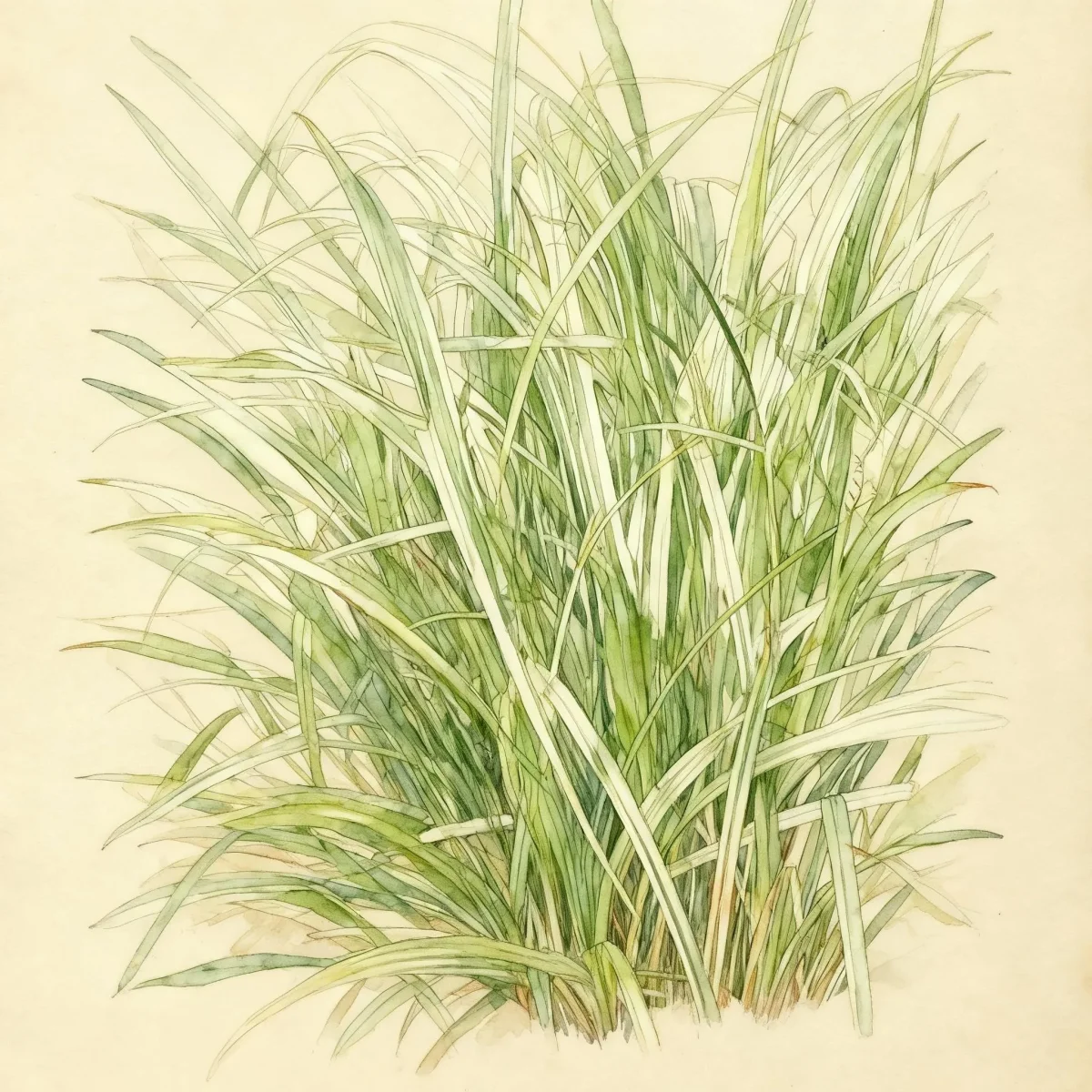
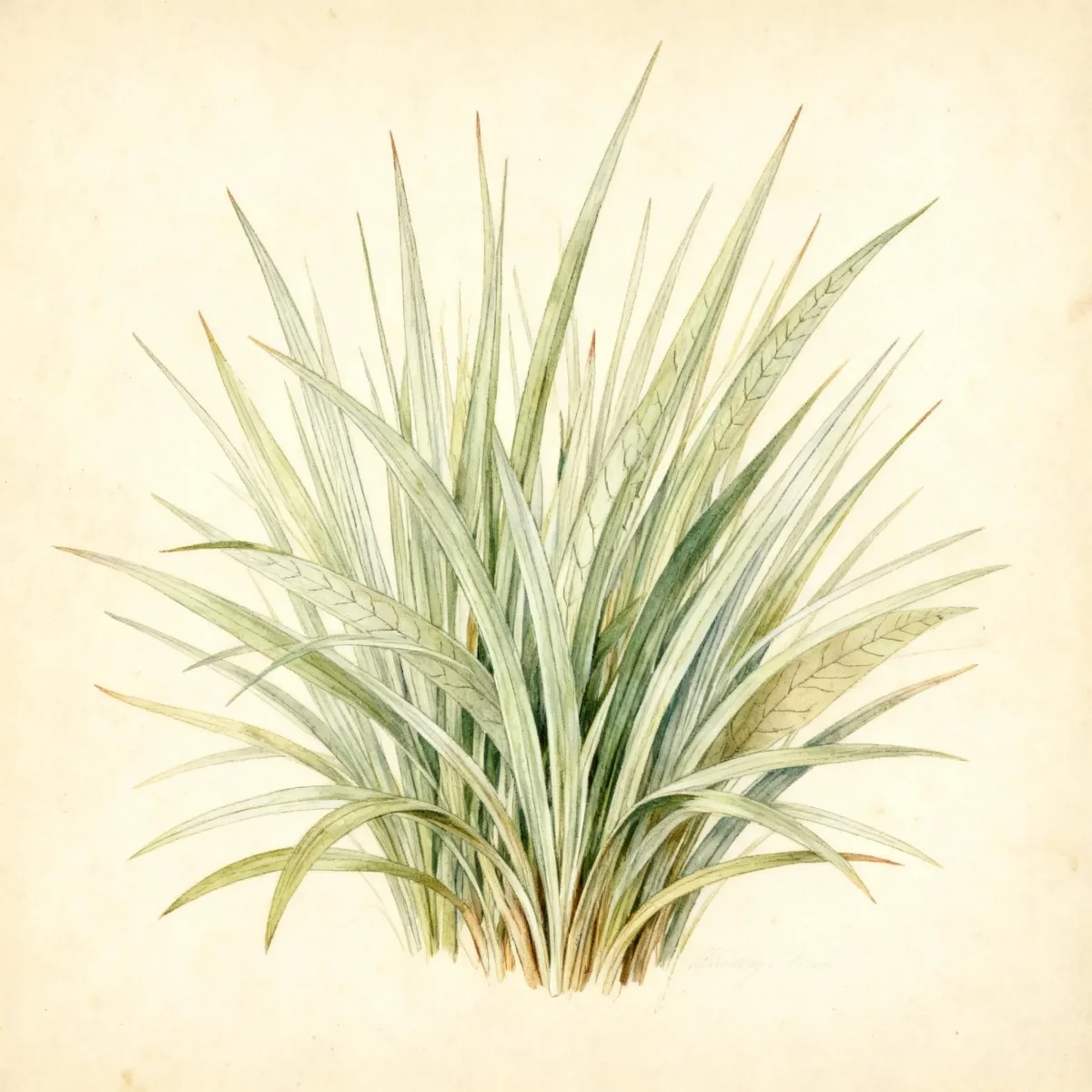
Sedge (Carex oshimensis 'Everillo')
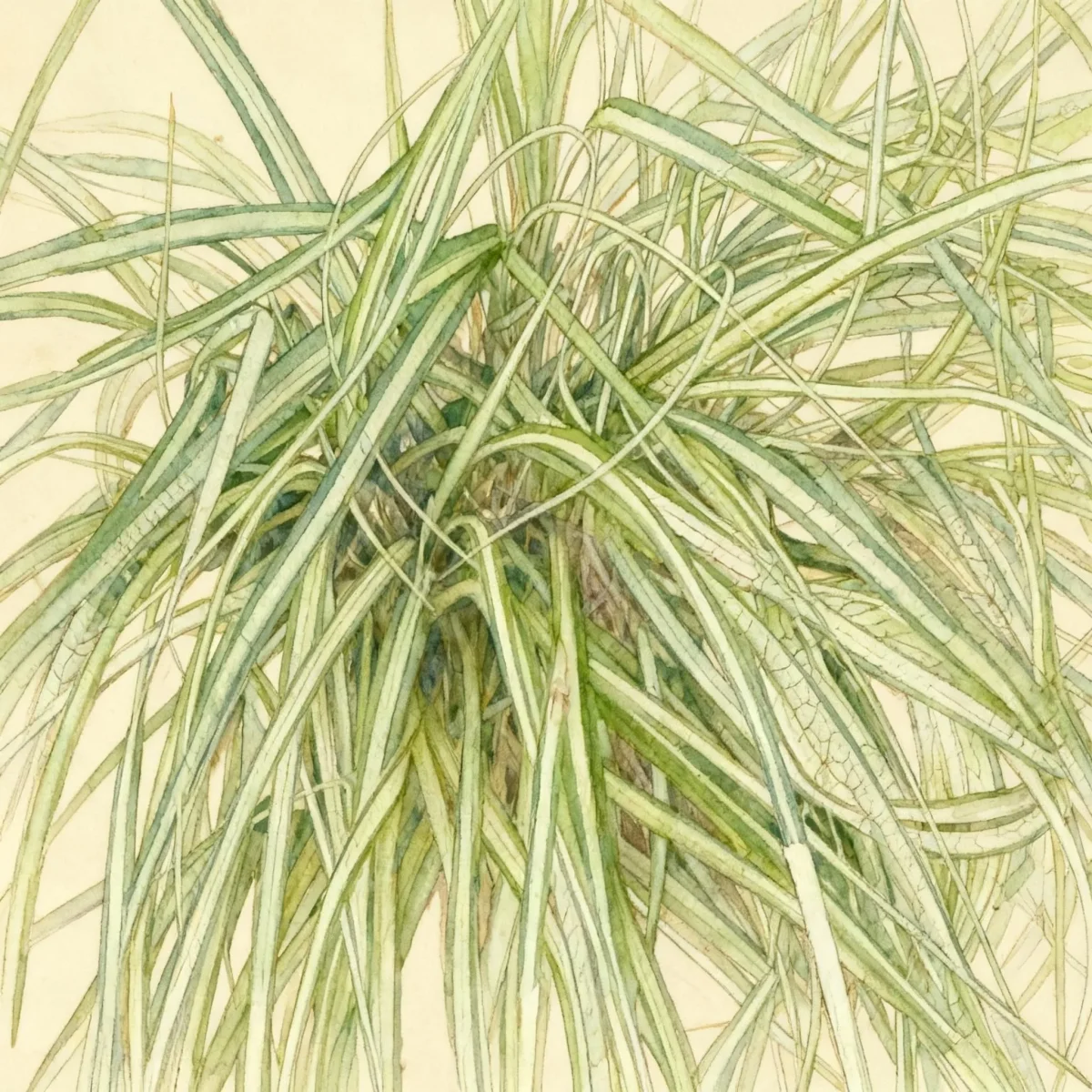
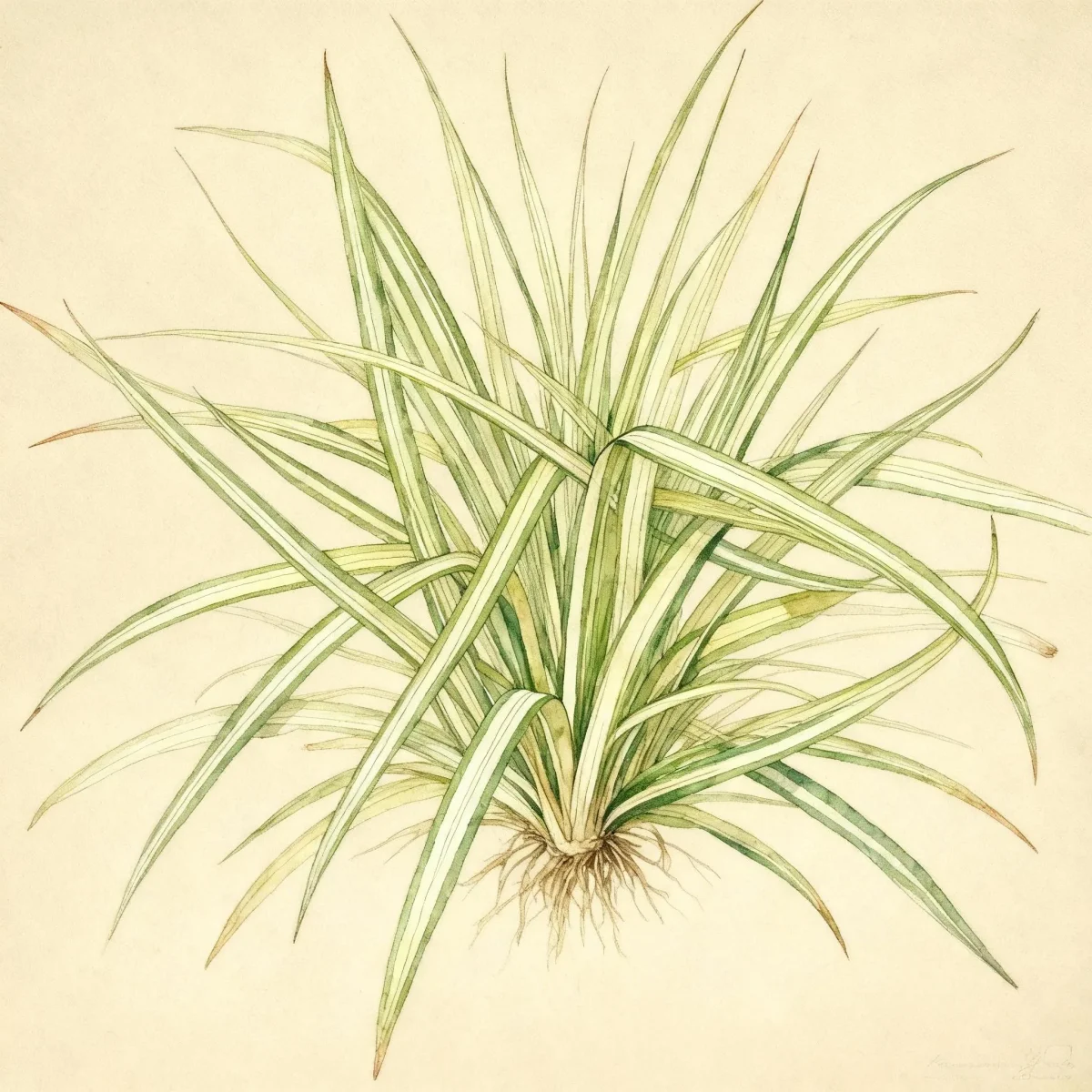
Carex oshimensis 'Everillo' Sedge is a low-maintenance, fine-textured ornamental grass prized for its cascading yellow foliage.
Scroll down to discover growing tips, care requirements, companion plants, and more
Complete Plant Information
Overview
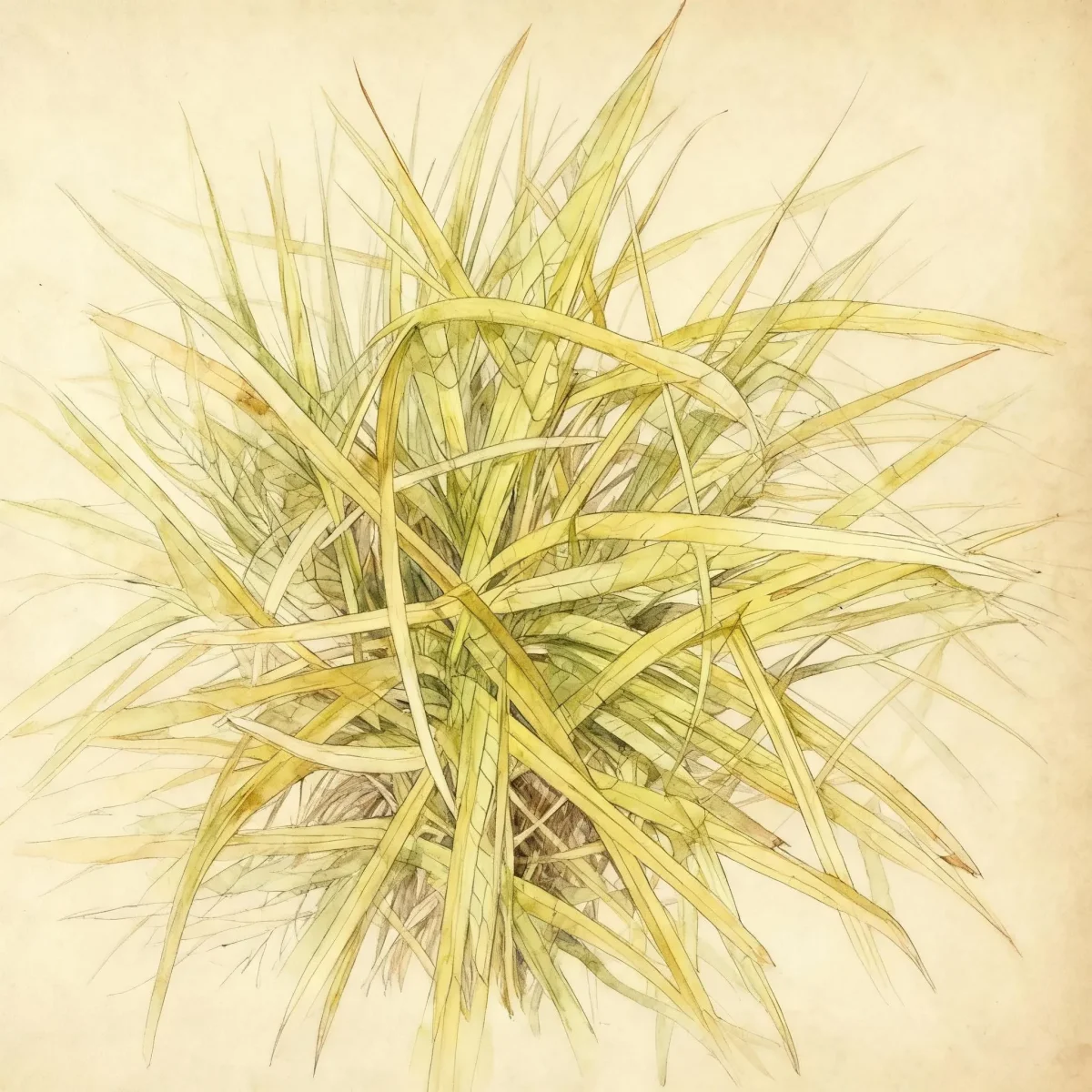
The Carex oshimensis ‘Everillo’ Sedge is a fantastic choice for gardeners seeking year-round interest and minimal fuss. This specific cultivar offers cheerful, cascading foliage that maintains its striking yellow color if provided appropriate light conditions. As a member of the Cyperaceae family, this Sedge forms a neat, grass-like mound that brightens shady borders.
This ornamental grass replacement performs best when planted in moist conditions, though it shows surprising adaptability compared to many other sedges. Its low maintenance profile and tidy growth habit make Carex oshimensis ‘Everillo’ an extremely valuable addition to contemporary and naturalistic landscapes alike.
Gardeners appreciate its evergreen nature in warmer climates, ensuring structure and color persist through the winter months. The bright foliage shines beautifully when contrasted against darker green plantings, making this Sedge a dependable low-growing structural element.
Fast Facts
- Plant Family: Cyperaceae
- Plant Type: Rush or Sedge
- Hardiness Zones: USDA Zones 5-9
- Size at Maturity:
- Height: 1.5-2 ft
- Spread: 1.5-2 ft
- Bloom Time: May
- Bloom Description: Brown
- Sun Exposure: Part shade
- Water Needs: Medium to wet
- Maintenance Level: Low
How to Grow
The best time to establish your Carex oshimensis ‘Everillo’ is when conditions are mild, generally spring or early fall. Select a location offering part shade; while it thrives in moist soils, the foliage color of this sought-after Sedge will be significantly richer under partial shade than in full sun exposure. Although this plant likes moisture, it possesses better tolerance for brief dry spells than many other sedges, performing well even in average garden soils.
Water consistently to maintain medium to wet soil conditions, especially during establishment. Fertilizing is rarely necessary; this robust plant puts its energy into its vibrant foliage. Keep an eye on the climate; Carex oshimensis ‘Everillo’ tends to struggle in hot and humid summer environments.
Maintenance is notably low. If you are growing in regions where the Sedge is fully evergreen, trim back any damaged foliage as needed. Where the plant is not fully evergreen, cut the entire mass of foliage to the ground in late winter just before new growth begins, ensuring a clean start for spring. Plants spread slowly via short rhizomes, and propagation is easily achieved through division.
Landscape Uses
The Carex oshimensis ‘Everillo’ Sedge is exceptionally versatile, providing texture and color contrast across various garden settings. It is perfectly suited for use in rain gardens or low-lying areas where soils remain consistently moist, living up to its “medium to wet” water needs. Consider massing this Sedge as a lush, bright ground cover where you desire uniform, cascading color beneath taller shrubs or trees in a woodland garden setting.
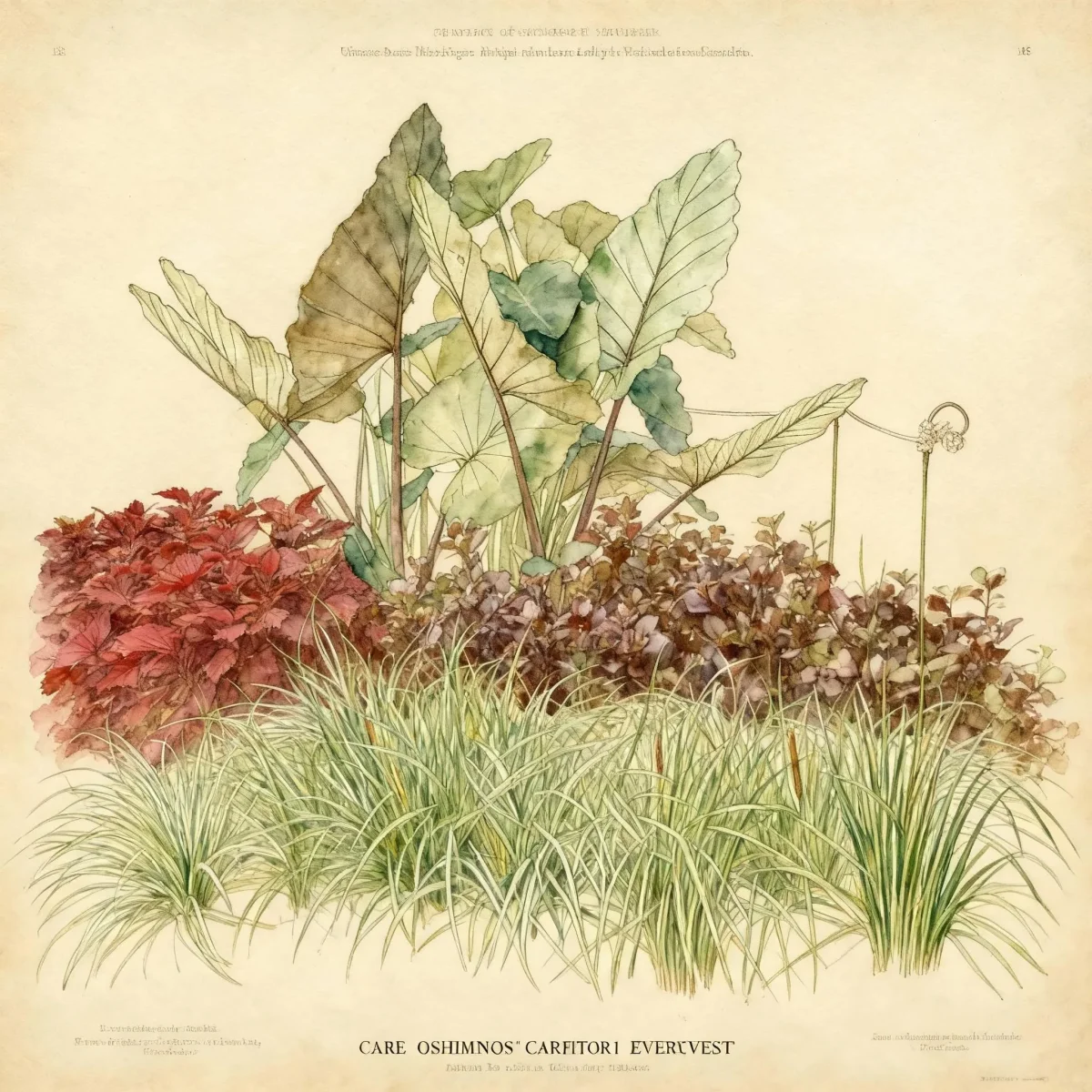
For smaller properties or contemporary designs, this cultivar serves as an effective accent plant, drawing the eye with its bright yellow cast. Furthermore, its uniform mound shape makes it an excellent, non-aggressive edging plant for defining walkways, paths, or the front of a mixed perennial border. The bright foliage of this Sedge pairs well with dark green hostas, deep purple heucheras, or fine-textured ferns that enjoy similar part shade requirements.
Standout Features
Flower Qualities
- Insignificant
Noteworthy Characteristics
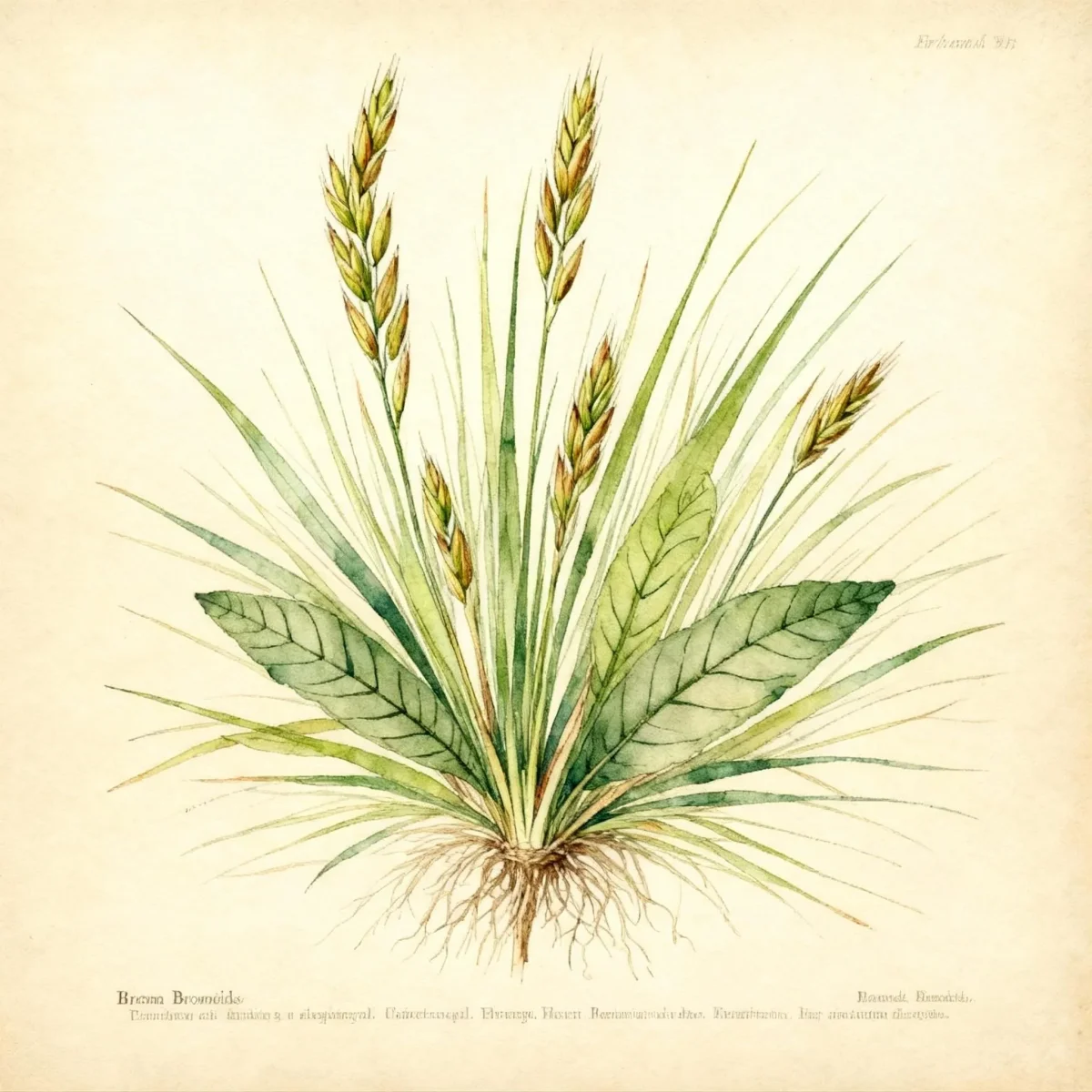
Carex oshimensis, commonly known as Oshima kan suge, is a fine-textured sedge that typically grows in a low, grass-like mounded clump to 10-16” tall and as wide. It is native to dry woods and rocky slopes throughout Honshu Island, Japan. This sedge features narrow leaves (typically to 16” long by 5/16” wide). Insignificant brownish flower spikes appear on triangular stems in spring. This sedge is evergreen in the deep South, maintaining good foliage in both summer and winter. It is not totally evergreen in the St. Louis area, although some foliage color will persist through mild winters. Plants are similar in appearance to Carex morrowii.Genus name from Latin means cutter in reference to the sharp leaves and stem edges (rushes are round but sedges have edges) found on most species’ plants.‘Everillo’ is a bright new compact cultivar. Cheery cascading foliage is uniformly yellow in color growing up to 27 inches in height and 18 inches in width. It occurred as a whole-plant mutation of Carex oshimensis ‘Evergold.’ Grown for colorful container and landscape use, primarily in shaded exposures. US PP21,002 awarded on May 18, 2010 to Fitzgerald Nursuries of Kilkenny, Ireland.
Tolerances
- Deer
Potential Problems
Fortunately, the Carex oshimensis ‘Everillo’ Sedge is known for having no serious insect or disease problems in recommended growing conditions. Its robust nature means gardeners rarely need to resort to chemical controls for pests or pathogens. The primary concern is cultural: ensuring it receives adequate moisture while avoiding overly soggy, poorly draining conditions, particularly during hot summer weather.
If the plant exhibits lackluster performance, examine the light levels. Too much sun can scorch the delicate foliage, while deep shade will lead to muted, dull coloration, losing the signature bright yellow hue that makes this Sedge so desirable. Promptly removing older winter foliage in late winter promotes the best appearance for the season ahead.
Frequently Asked Questions
What hardiness zones is Sedge suitable for?
Carex oshimensis ‘Everillo’ is reliably hardy in USDA Zones 5 through 9.
How large does Sedge grow?
This compact cultivar generally reaches a mature height between 1.5 and 2 feet, with a similar spread of 1.5 to 2 feet, forming an attractive mounding clump.
What sun exposure does Carex oshimensis ‘Everillo’ need?
This plant thrives best in part shade; ensure it is protected from the harshest afternoon sun to preserve the rich yellow color of the leaves.
When does Sedge bloom?
The insignificant flowers typically appear in May, generally described as brown in color.
Conclusion
The bright, cascading foliage of Carex oshimensis ‘Everillo’ offers essential color, texture, and low-maintenance structure to any damp or shaded part of the garden. This Sedge is highly valued for its reliable performance and evergreen qualities in many climates. Before planting, confirm your location falls within USDA Zones 5-9 and plan a spot with consistent moisture and reliable afternoon shade to maximize the brilliance of your Carex oshimensis ‘Everillo’.
Companion Planting
When designing a border featuring this low-mounded Sedge, focus on companions that share its love for consistent moisture and part shade protection. Hostas are classic partners; pairing the fine texture and bright yellow of the Carex oshimensis ‘Everillo’ with the broader, darker green leaves of a Hosta creates stunning textural contrast. Consider woodland perennials like Astilbe or Waldsteinia for sequential interest throughout the season.
These companions often appreciate the same medium to wet soil conditions that keep the Sedge looking its best. Planting the Carex oshimensis ‘Everillo’ near ferns, such as Japanese Painted Ferns (Athyrium niponicum), establishes a cool, verdant understory effect, perfect for woodland garden designs. Ensure enough space is given for the Sedge to form its natural mound without being overwhelmed by larger neighbors.
Design Ideas for Architectural Interest
Utilize the uniform, cascading habit of Carex oshimensis ‘Everillo’ to introduce architectural lines into shaded areas. Use rows of this Sedge as a flowing, soft border along curved pathways, substituting it for more rigid edging materials. Its evergreen nature provides crucial winter contrast when deciduous plants have lost their leaves.
For container gardening, this is an outstanding “spiller” element in mixed pots. Position the Carex oshimensis ‘Everillo’ near the edge of the container so its bright foliage can cascade over the rim, softening hard edges. Combine it with upright annuals or structural tropicals that require similar shade and moisture levels to create a season-long display.