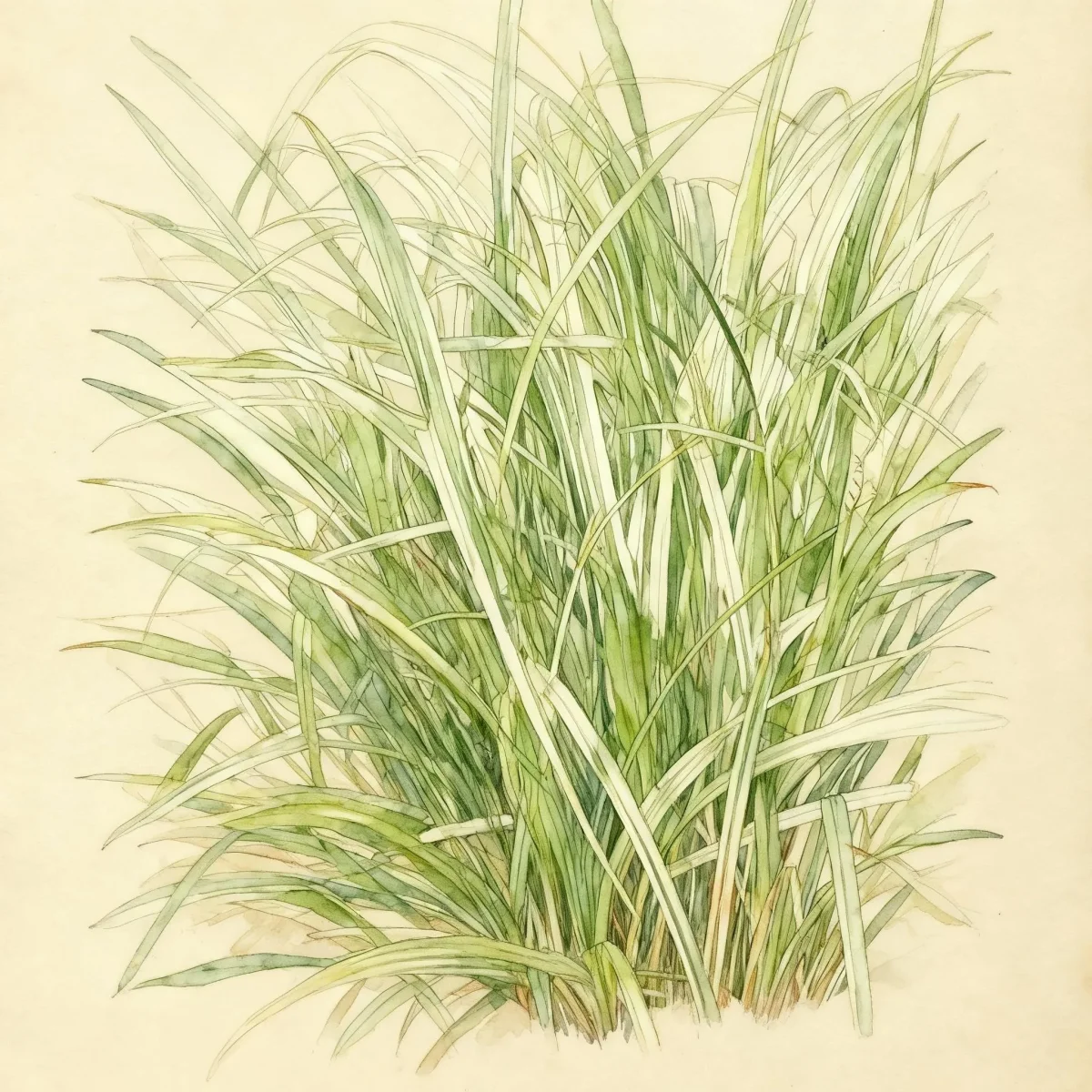
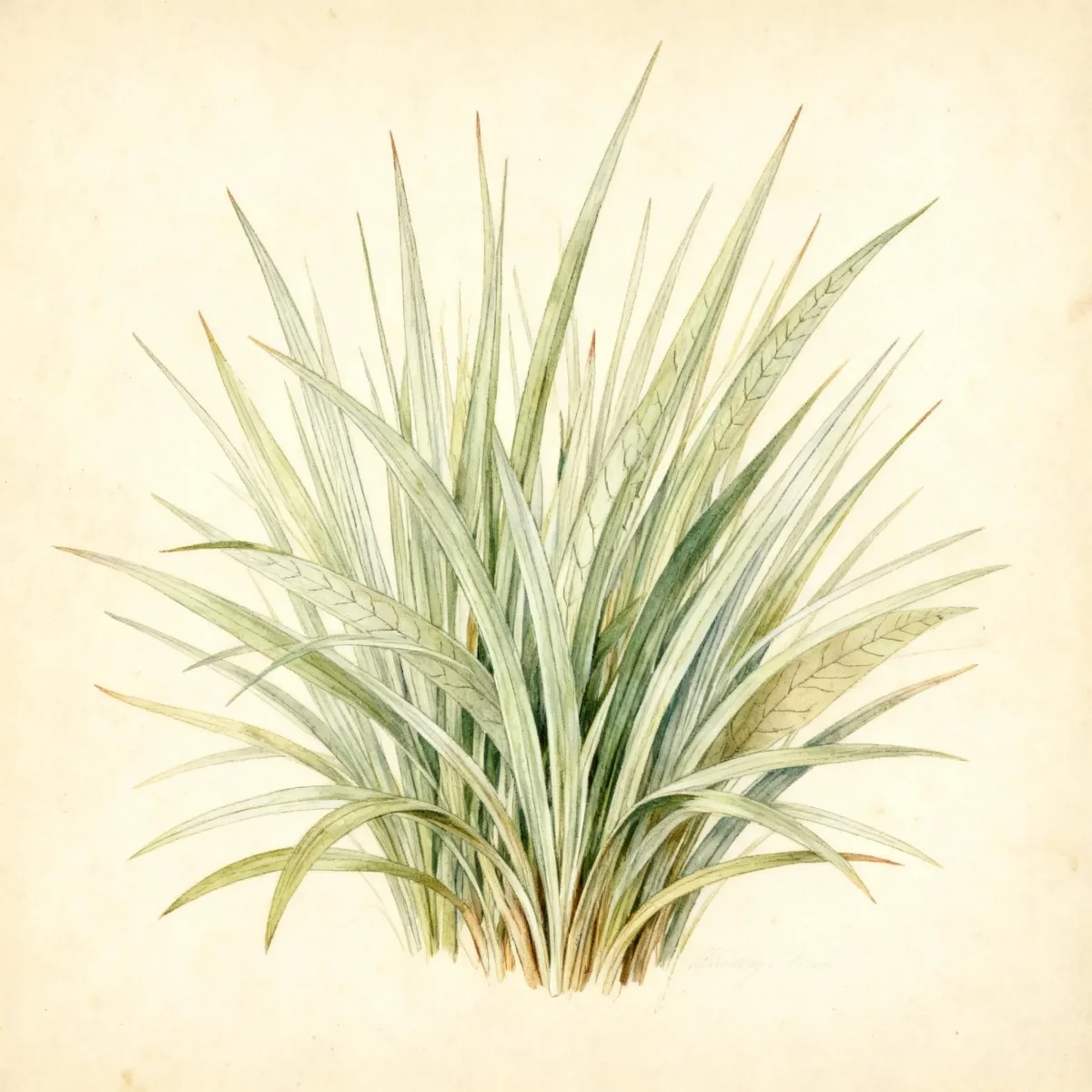
Sedge (Carex oshimensis 'Everoro')
Carex oshimensis 'Everoro' Sedge offers elegant, evergreen, mounding foliage with striking golden centers and dark green margins. A low-maintenance choice for moist, shaded gardens.
Scroll down to discover growing tips, care requirements, companion plants, and more
Complete Plant Information
Overview
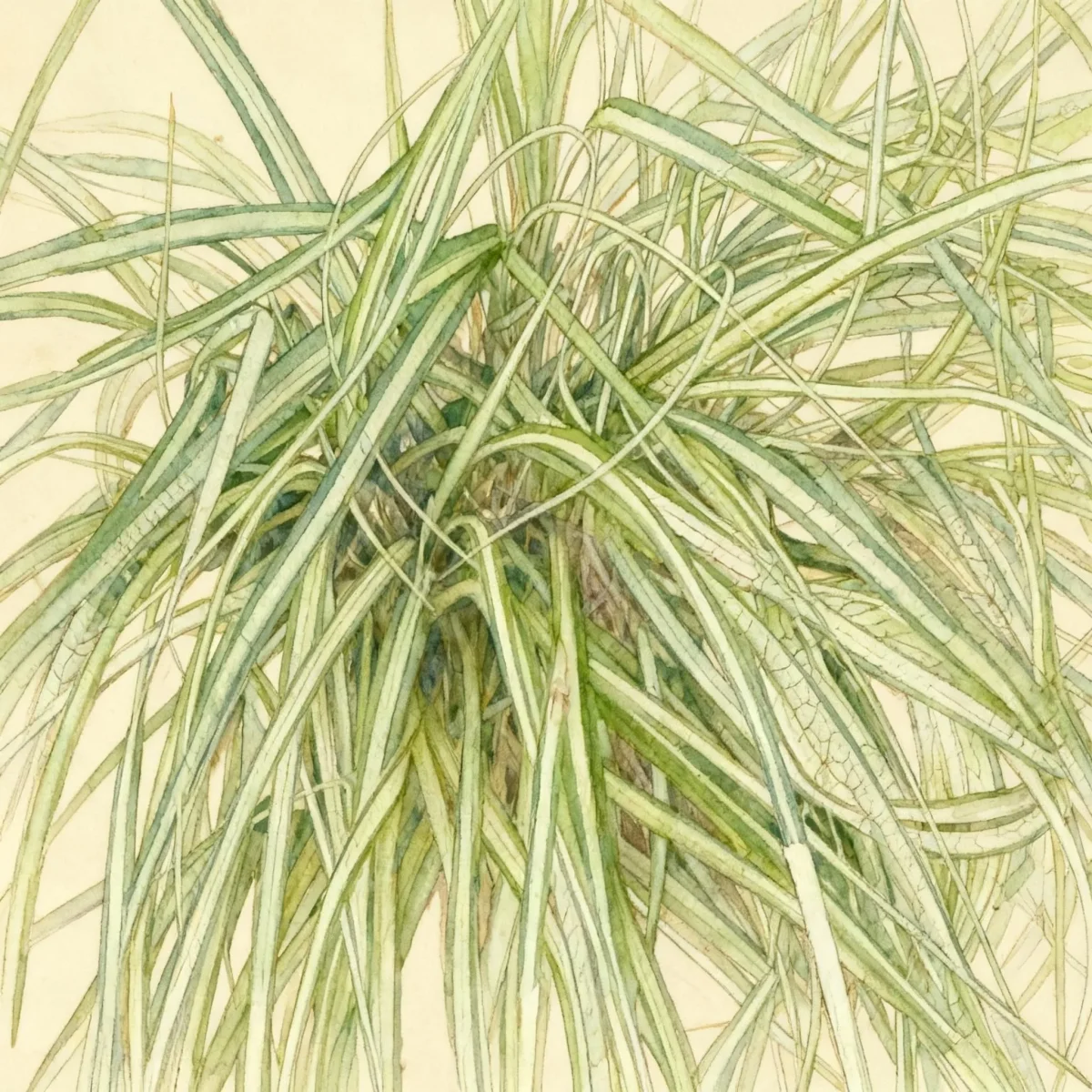
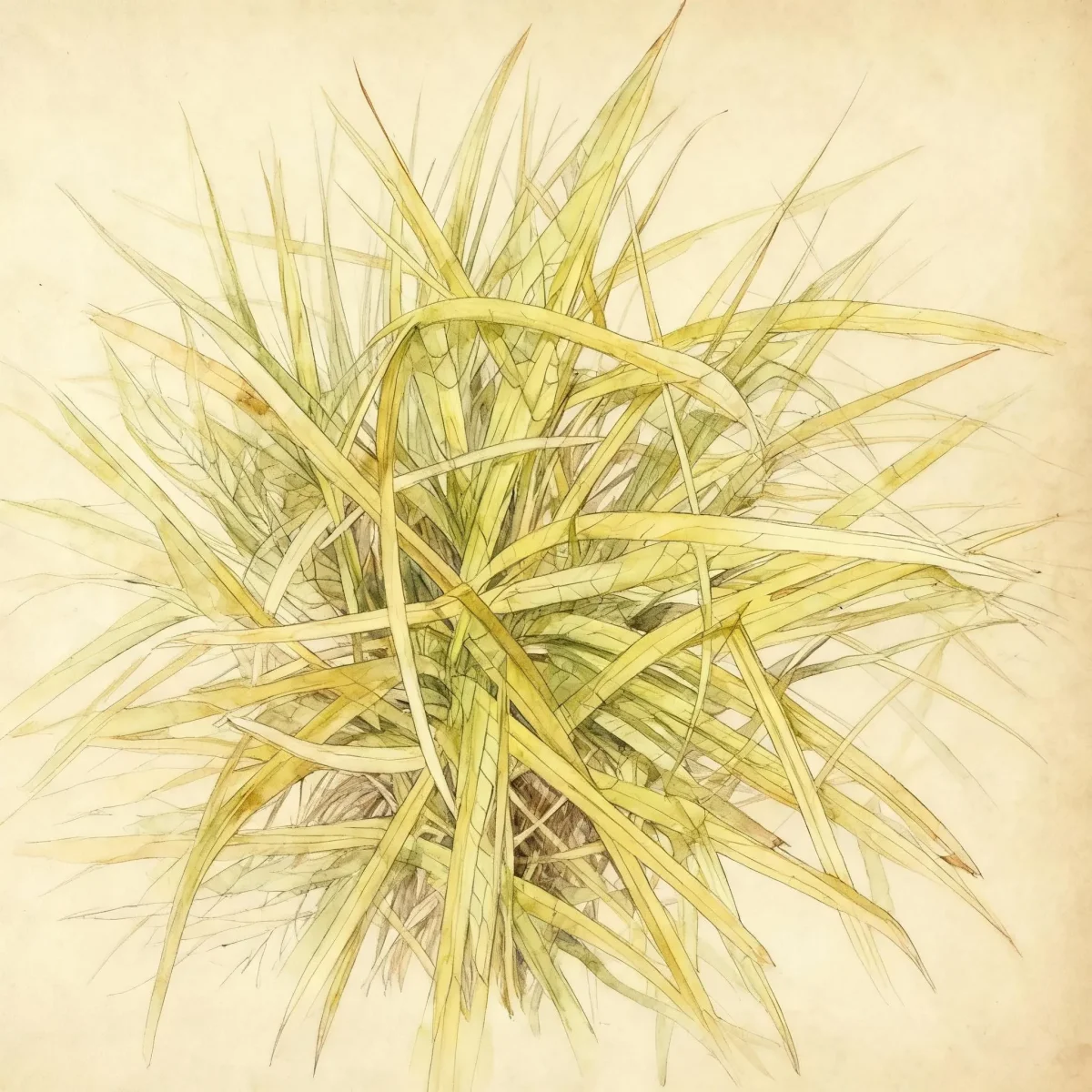
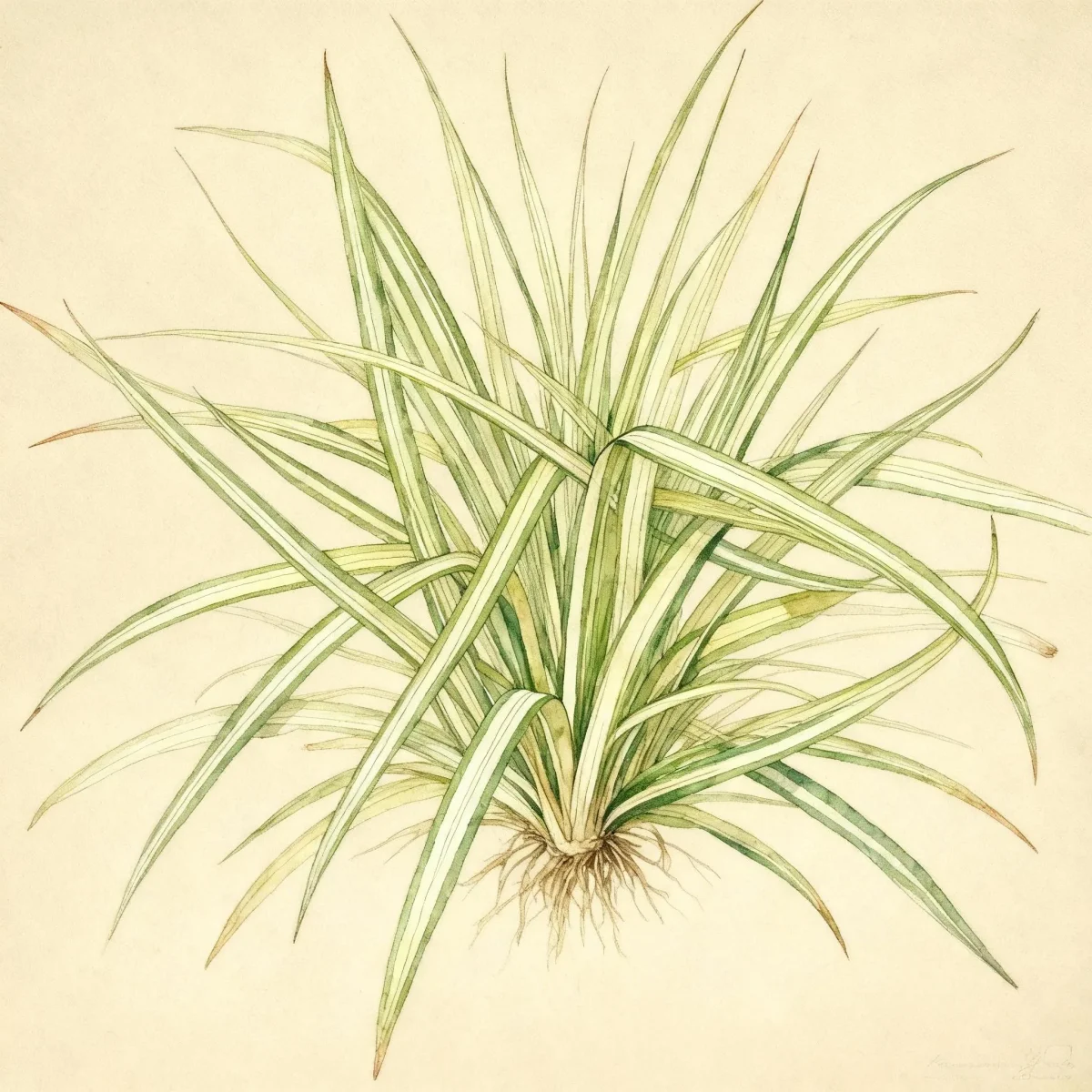
The Carex oshimensis ‘Everoro’ Sedge is prized for its fine texture and vibrant, contrasting coloration. This cultivar features narrow, grass-like foliage highlighted by vivid golden-yellow centers bordered by deep green margins, offering ornamental interest for larger parts of the year. It forms a tidy, low-growing clump, making it an excellent structural plant where fine texture is needed near bolder foliage.
As a member of the Evercolor® Series, this Sedge brings dependable, low-maintenance beauty to landscapes, especially in partial shade. While it thrives in consistently moist conditions, it possesses better drought tolerance than many other sedges once established. The rich foliage color of Carex oshimensis ‘Everoro’ intensifies when sheltered from direct, hot afternoon sun.
Gardeners favor this evergreen Sedge for its versatility, using it to soften edges, stabilize rain garden margins, or provide continuous groundcover interest. Its tidy, mounded habit requires minimal attention, ensuring reliable performance with very little maintenance input throughout its range in USDA Zones 5 through 9.
Fast Facts
- Plant Family: Cyperaceae
- Plant Type: Rush or Sedge
- Hardiness Zones: USDA Zones 5-9
- Size at Maturity:
- Height: 1-1.5 ft
- Spread: 1-1.5 ft
- Bloom Time: May
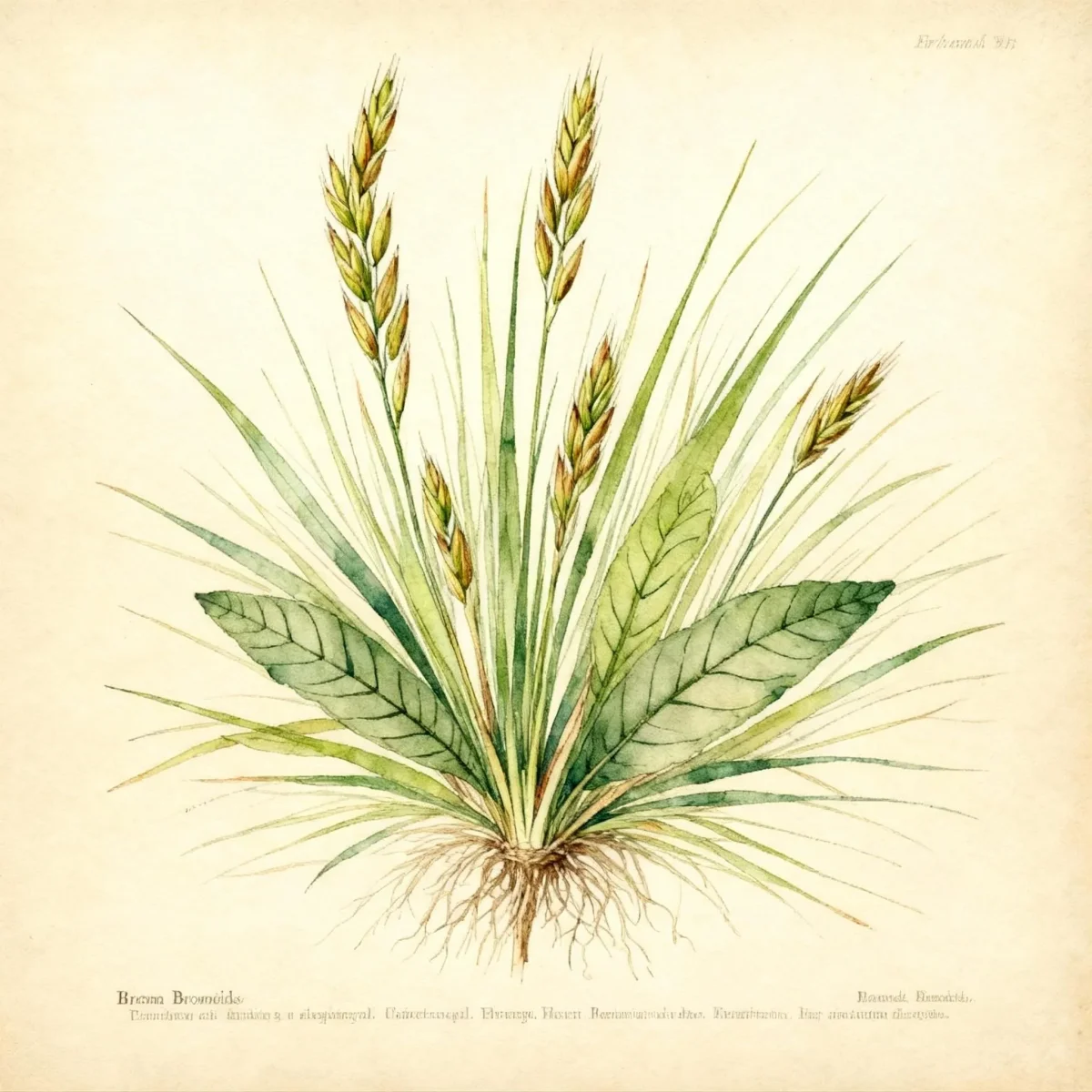
- Bloom Description: Brown
- Sun Exposure: Part shade
- Water Needs: Medium to wet
- Maintenance Level: Low
How to Grow
Carex oshimensis ‘Everoro’ is most successfully established in the spring or fall, prioritizing well-draining soil that remains consistently moist. While the plant thrives in moist soils suitable for a rain garden, it will perform adequately in average garden soil, provided it avoids excessive dryness during hot weather. Ensure location receives part shade; be aware that foliage color darkens significantly or the plants may languish if placed in deep shade.
Water deeply and regularly, especially during the first growing season, to encourage robust root establishment. This Sedge handles the medium to wet conditions well, making it ideal for low spots near ponds or streams. Fertilization is rarely required; the plant maintains excellent health with minimal supplemental feeding.
Maintenance for this Sedge is generally low. Throughout most of its growing range, the foliage remains evergreen. If you reside in colder regions where plants are not fully evergreen, cut the foliage back to the ground in late winter before new growth begins. This easy-to-care-for plant spreads slowly via short rhizomes, and propagation can be achieved simply by dividing the clumps during spring cleanup.
Landscape Uses
The compact, mounded form of Carex oshimensis ‘Everoro’ makes it exceptionally useful for defining borders or creating continuous sweeps of color. Grouping or massing this Sedge functions excellently as a living groundcover throughout shaded areas in woodland gardens or near foundation plantings. It serves as an effective visual accent, especially in smaller gardens where its bright variegation draws the eye without overwhelming the space.
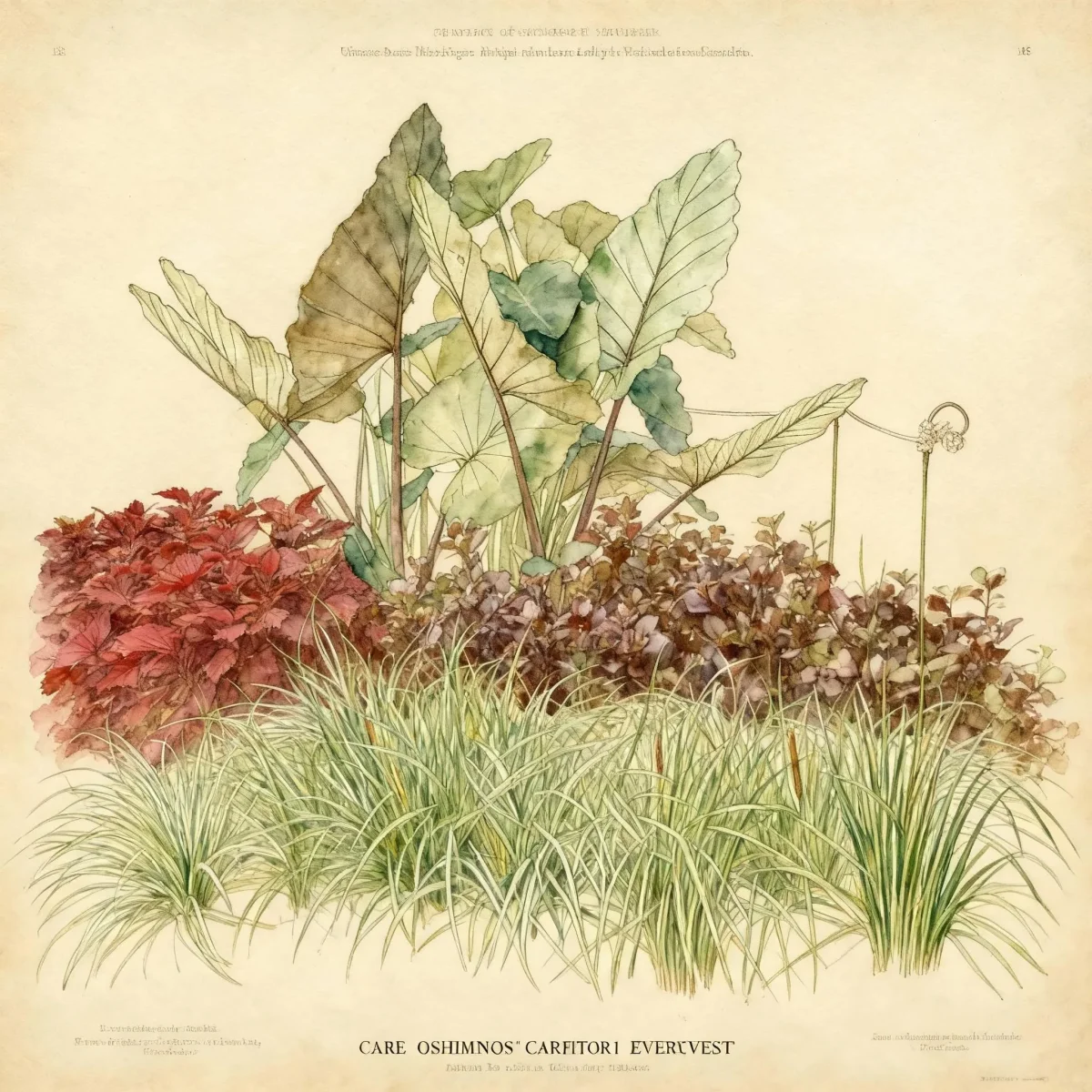
Consider using this evergreen Sedge as formal edging along curved paths or walkways, where its crisp outline contrasts beautifully with stepping stones. Because Carex oshimensis ‘Everoro’ tolerates moist soil, it is perfectly suited for enhancing the margins of rain gardens, stream banks, or other low spots where water tends to collect. Plant it alongside moisture-loving perennials like ferns, hostas, or Astilbe for layered texture and color palettes suited to shade.
Standout Features
Flower Qualities
- Insignificant
Noteworthy Characteristics
Carex oshimensis, commonly known as Oshima kan suge, is a fine-textured sedge that typically grows in a low, grass-like mounded clump to 10-16” tall and as wide. This cultivar, ‘Everoro,’ is a compact, clump-forming, evergreen sedge distinguished by its golden yellow leaf centers sharply contrasted by wide, dark green margins, growing to about 1 to 1 1/2 feet tall and wide. Discovered originally as a mutation of ‘Evergold,’ this Sedge maintains excellent foliage color in both summer and winter in milder climates.
Tolerances
- Deer
Potential Problems
This Sedge variety exhibits high resistance to common garden ailments, presenting no serious insect or disease problems under typical conditions. Good air circulation and avoiding perpetually waterlogged soil will prevent most issues. If the plant begins to look tired in late summer heat, ensure adequate, consistent watering, as brief dry spells can cause aesthetic decline, though the plant is relatively tolerant compared to other sedges.
Frequently Asked Questions
What hardiness zones is Sedge suitable for?
Carex oshimensis ‘Everoro’ is reliably hardy in USDA Zones 5 through 9.
How large does Carex oshimensis ‘Everoro’ grow?
When mature, this Sedge typically reaches a height between 1 and 1.5 feet, with a corresponding spread of 1 to 1.5 feet, forming a neat mound.
What sun exposure does Sedge need?
This ornamental grass requires part shade; direct, intense sun can scorch the foliage, and deep shade will diminish the richness of its variegation.
When does Sedge bloom?
The insignificant flowers appear in May and are typically described as brown, providing minimal ornamental fanfare compared to the evergreen foliage display.
Conclusion
The robust performance and striking, bicolored foliage ensure that Carex oshimensis ‘Everoro’ remains a highly recommended ornamental grass selection for shaded, moist areas. This beautiful Sedge adds crucial year-round structure and excellent contrast to woodland borders and rain gardens. Before planting, confirm your location falls within USDA Zones 5-9 and plan to site this fine-textured beauty in partial shade for the best golden-green display.
Design Ideas
When integrating Carex oshimensis ‘Everoro’ into a formal design, use its consistent clumping habit for repetitive accents along paths or as low, structured groupings. The sharp definition between the gold center and dark edges provides a clean, modern line that looks excellent when juxtaposed with rougher textures like fine bark mulch or large, smooth river stones. Use multiple rows to create a vibrant, low-maintenance visual barrier without the heaviness of conventional shrubs.
For a woodland edge planting, pair this Sedge with plants that share its moderate water needs and preference for dappled light. Excellent companions include Hosta varieties with blue or green foliage, delicate shade-loving ferns, or emerging spring bulbs. The consistent upright texture of the Sedge helps anchor the softer forms of perennials, carrying the design interest through seasons when flowering plants have finished blooming.
Companion Planting
Since Carex oshimensis ‘Everoro’ prefers medium to wet soil and part shade, successful companion planting relies on selecting other plants that share these mesic site conditions. Consider pairing it with Hellebores (Lenten Rose), which offer early winter interest and tolerate similar light levels, or Coral Bells (Heuchera) where the foliage colors can be coordinated against the Sedge’s bright gold. If the area is reliably moist—perfect for a true rain garden—Cimicifuga (Black Cohosh) or certain moisture-loving Astilbes can create beautiful vertical accents against the fine, mounding Carex Oshimensis ‘Everoro’.