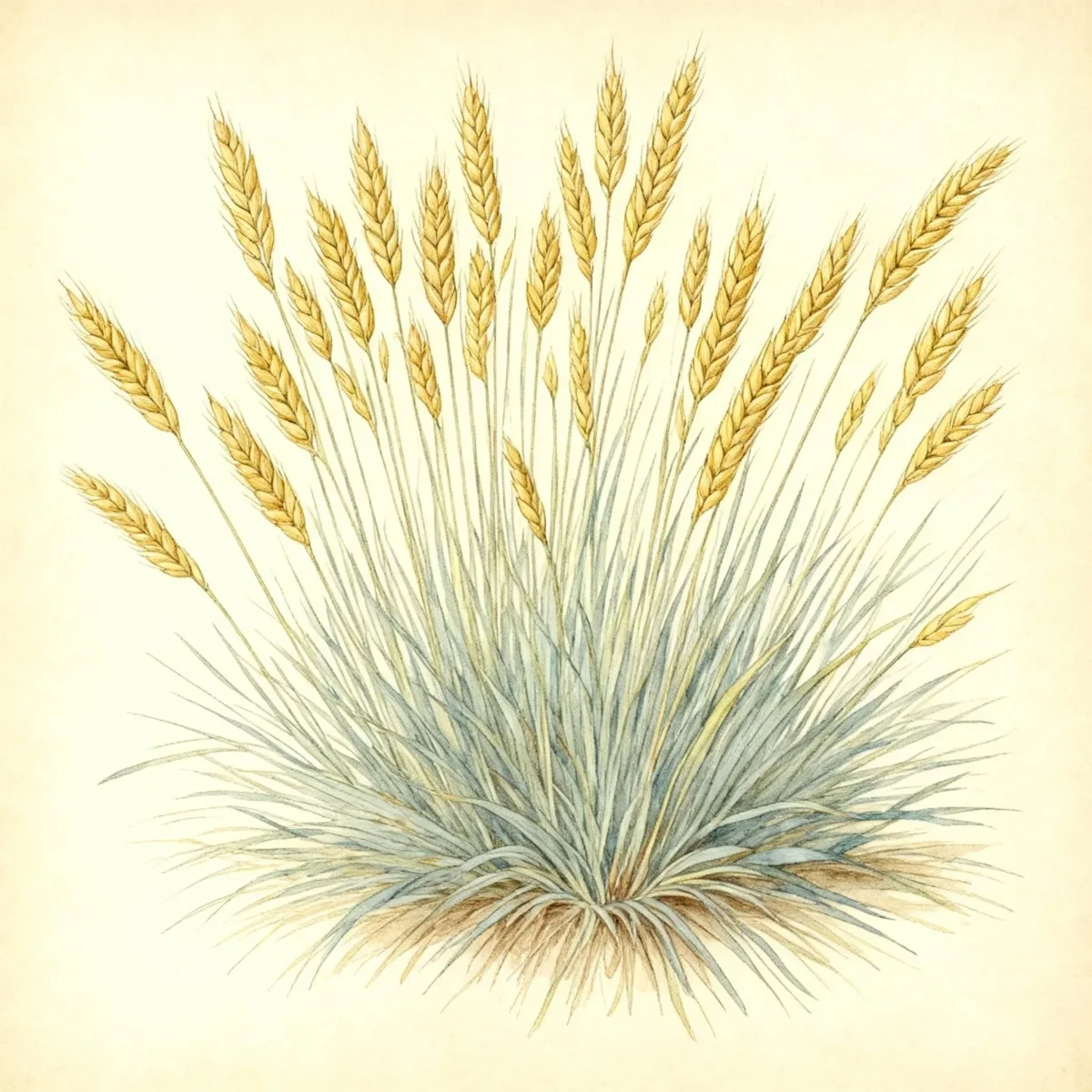
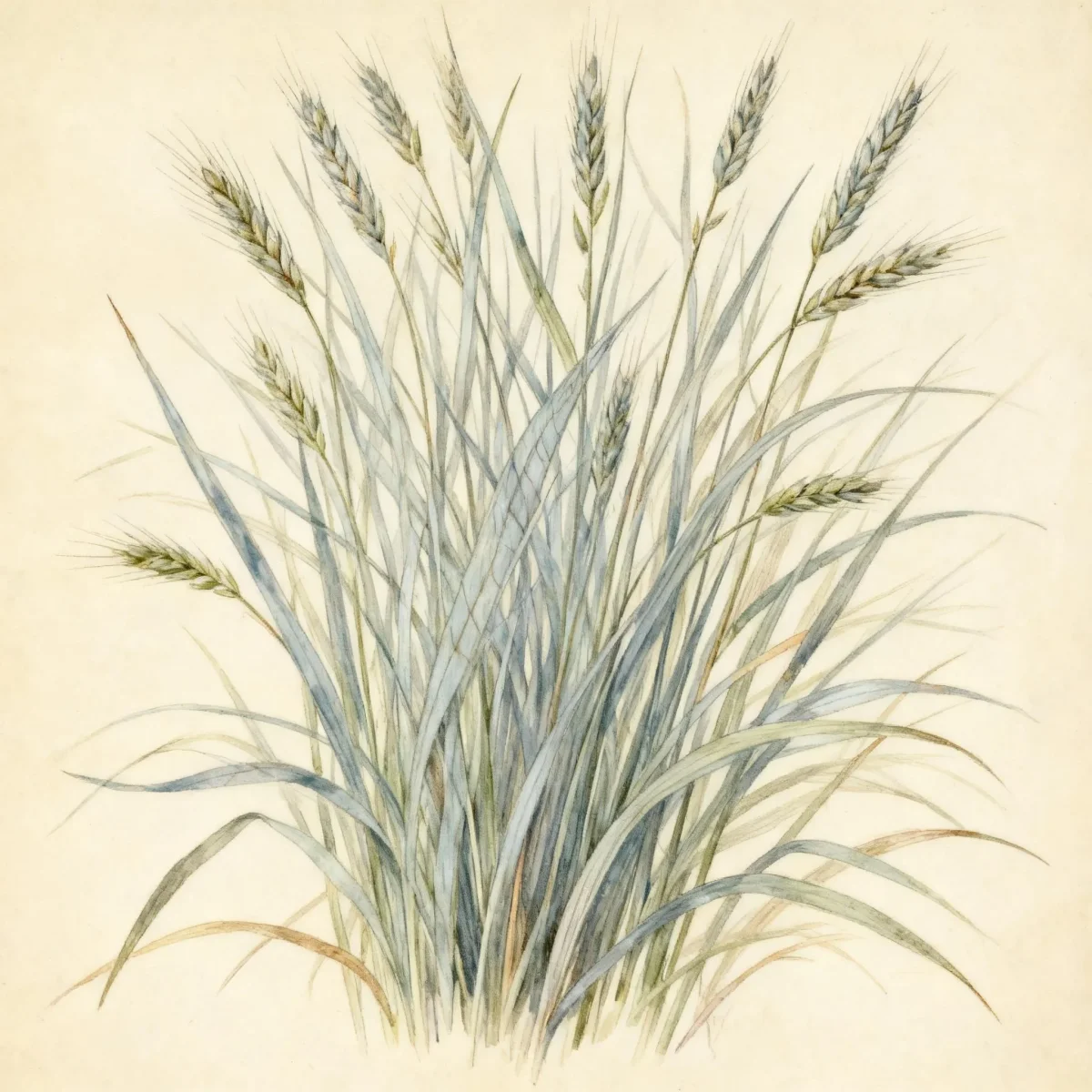
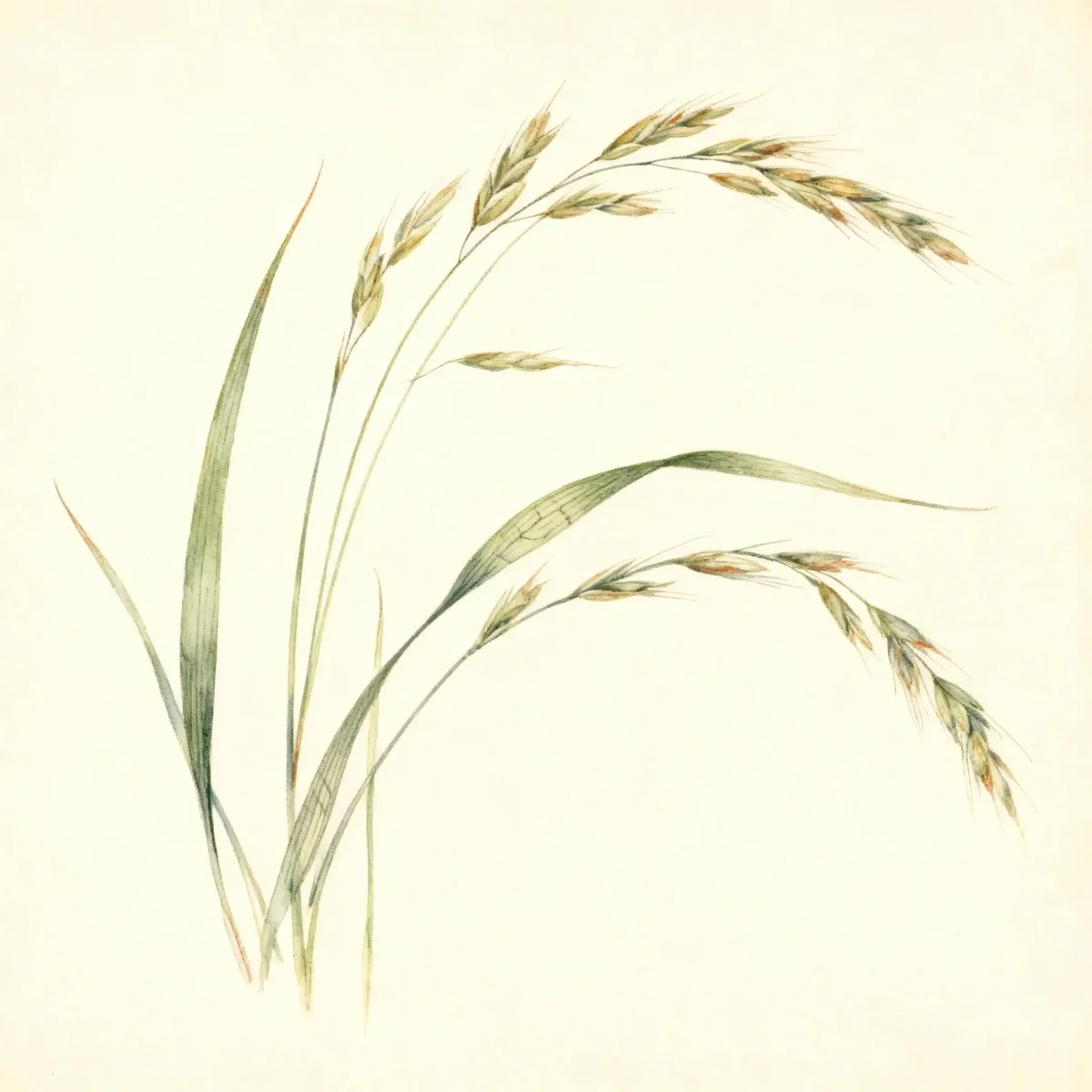
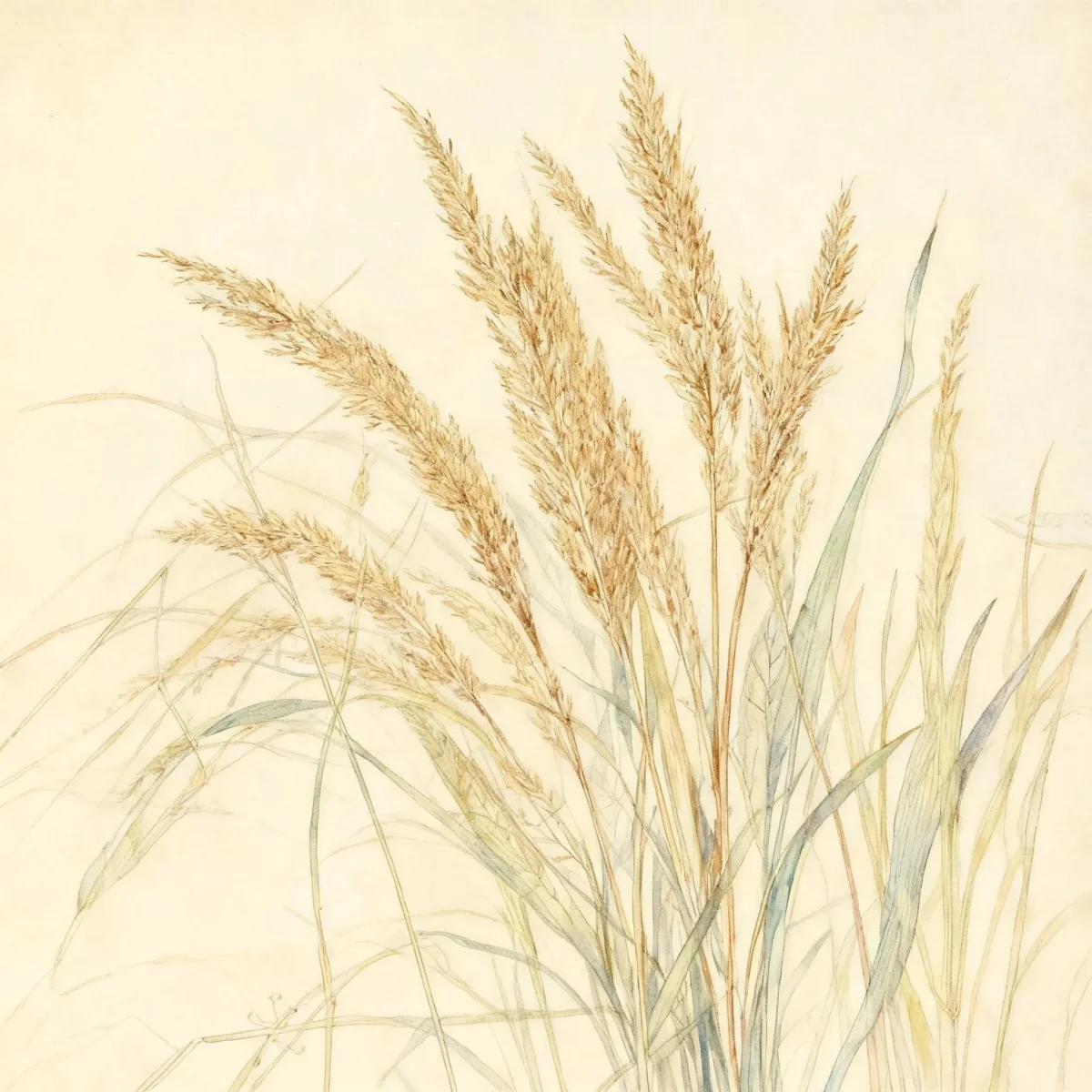
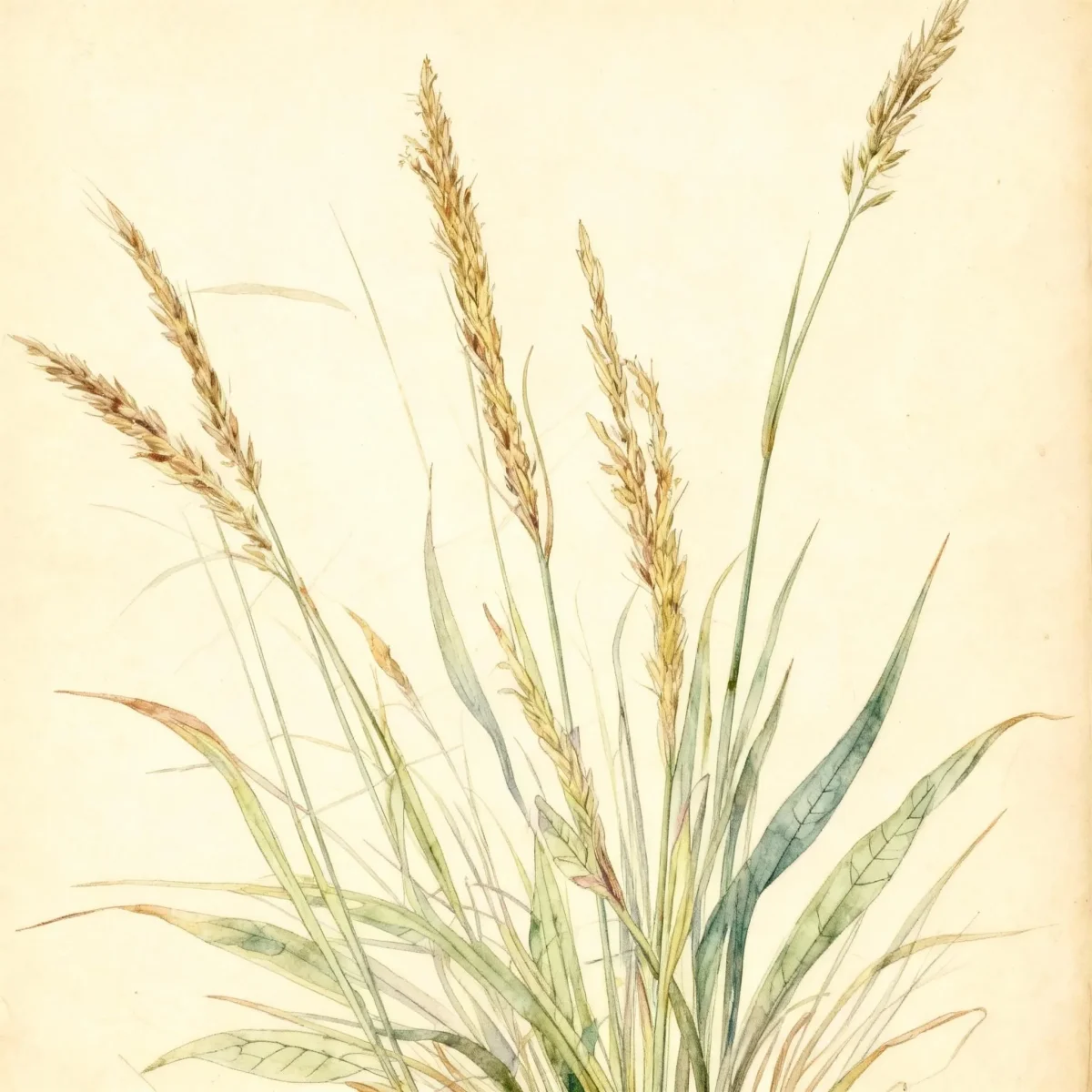
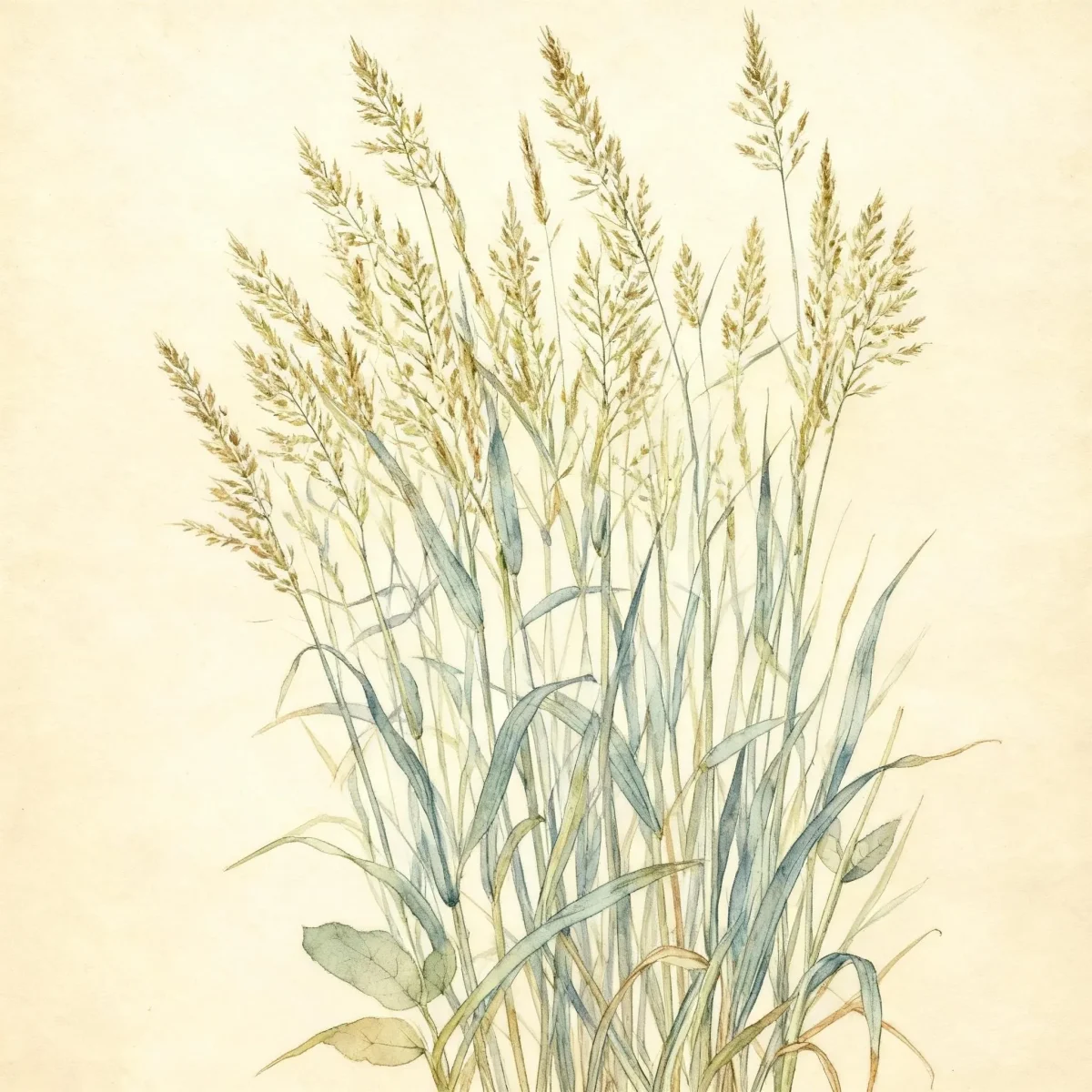
Blue fescue (Festuca glauca 'Casca11' BEYOND BLUE)
Festuca glauca 'Casca11' BEYOND BLUE, or Blue fescue, offers intensely silver-blue, fine-textured foliage in a compact clump ideal for borders and ground cover.
Scroll down to discover growing tips, care requirements, companion plants, and more
Complete Plant Information
Overview
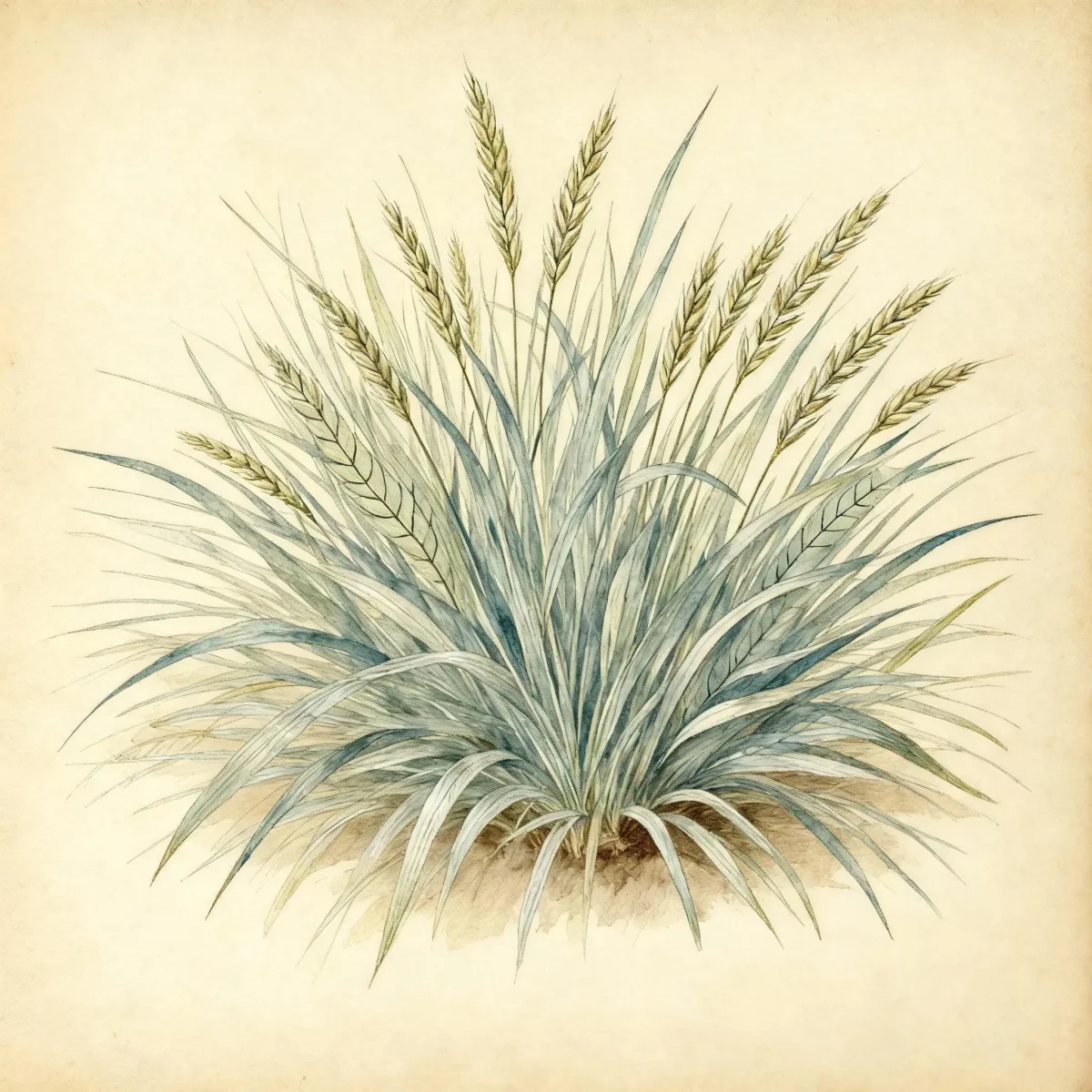
Festuca glauca ‘Casca11’ BEYOND BLUE is a highly valued ornamental grass prized for its strikingly intense silver-blue, finely-textured foliage, which provides year-round color contrast in beds and borders. This cultivar, compared to older blue fescue types, maintains a superior, compact, dome-shaped habit making it extremely versatile for low plantings. As a semi-evergreen clump former, it offers structure through the seasons, thriving where many other plants might struggle due to dry conditions.
The appeal of this Blue fescue lies in its low-maintenance nature once established and its vivid color, which pops against green or dark-leaved companions. While it does flower, the blooms are subtle, ensuring the focus remains squarely on the evergreen-to-semi-evergreen silvery mound of foliage that defines this specific Festuca glauca introduction.
It is perfect for gardeners seeking low-growing texture and cool tones without requiring constant moisture or high fertility. Ensure placement maximizes its brilliant blue hue by utilizing full sun exposure.
Fast Facts
- Plant Family: Poaceae
- Plant Type: Ornamental grass
- Hardiness Zones: USDA Zones 4-9
- Size at Maturity:
- Height: 0.75-1 ft
- Spread: 1-1.5 ft
- Bloom Time: June to July
- Bloom Description: Green
- Sun Exposure: Full sun
- Water Needs: Dry to medium
- Maintenance Level: Medium
How to Grow
The best time to plant Festuca glauca ‘Casca11’ BEYOND BLUE is during the spring or fall in average, well-drained soils. This Blue fescue demands full sun for optimal, intense blue foliage color; while it tolerates light shade, the color will diminish significantly. It is highly tolerant of dry soil and poor conditions but absolutely intolerant of wet, poorly-drained sites, which will quickly cause crown rot.
Watering should be kept to a dry to medium schedule, especially once the grass is established, as it handles drought conditions well. Fertilization is generally unnecessary due to its tolerance for poor soils. The primary maintenance task involves tidying the clumps in early spring. Cut back the old foliage to about 3-4 inches from the base to allow the new blades of Festuca glauca ‘Casca11’ BEYOND BLUE to emerge cleanly.
Clumps of this ornamental blue fescue grass tend to die out in the center as they age. Plan to divide and replant or simply replace the clumps every two to three years to maintain dense, attractive coverage. In hot, humid summers, foliage decline can occur; cutting back immediately will help refresh the plant for recovery.
Landscape Uses
Festuca glauca ‘Casca11’ BEYOND BLUE shines as a versatile edging plant along walkways or in front of taller borders, defining spaces with its neat, mounded habit. Its intense silvery-blue color makes it an excellent accent in rock gardens or gravel plantings where its texture contrasts beautifully with stone. When used as a ground cover for smaller areas, it must be planted densely—about 8 to 10 inches apart—because the individual tufts do not spread aggressively.
This Blue fescue mixes exceptionally well with plants that bloom in yellows, oranges, or deep burgundies, creating striking seasonal contrasts. Consider pairing it with low-growing sedums, ornamental garlic, or fine-textured perennials that share similar dry soil preferences. Its low profile ensures it never obstructs views of neighboring specimens.
Standout Features
Flower Qualities
- Insignificant
Noteworthy Characteristics
Festuca glauca, commonly called blue fescue, is a short-lived, low-growing, semi-evergreen, clump-forming ornamental grass noted for its glaucous, finely-textured, blue-gray foliage. Foliage forms a dome-shaped, porcupine-like tuft of erect to arching, needle-like blades radiating upward and outward to a height of 6-8” (inflorescences typically bring total clump height to 10-14”). Light green flowers with a purple tinge appear in terminal panicles atop stems rising above the foliage in late spring to early summer, but inflorescences are not very showy. Flowers give way to buffy seed heads which some gardeners find attractive but others find detractive to both the symmetry of the plant and the foliage color. Synonymous with Festuca ovina var. Glauca and Festuca ovina ‘Glauca’.Genus name comes from the Latin word meaning a grass stalk or straw.Specific epithet means with a white, powdery coating.‘Casca11’, sold under the trade name of BEYOND BLUE, was discovered in 2002 by Annemarie Blom of Haarsteeg, The Netherlands as a naturally occurring mutation of Festuca glauca ‘Elijah Blue’. It is an evergreen to semi-evergreen grass with a compact, dwarf habit that grows 3/4 to 1 ft. Tall and 1 to 1 1/2 ft. Wide. It has slender, cascading foliage that is intensely silver-blue throughout the growing season. United States Plant Patent PP#23,307 awarded January 1, 2013
Tolerances
- Drought
- Dry Soil
- Shallow-Rocky Soil
- Black Walnut
- Air Pollution
Potential Problems
The most significant issue with this species is its relatively short lifespan, necessitating frequent division or replacement every few years to prevent center die-out. This task should ideally be performed in early spring. Additionally, the foliage of this Blue fescue can decline considerably during hot, humid summers, often turning brown or losing its vibrant color. To mitigate summer stress, ensure the plant has excellent drainage and avoid overwatering, as wet conditions exacerbate decline.
Frequently Asked Questions
What hardiness zones is Festuca glauca ‘Casca11’ BEYOND BLUE suitable for?
This ornamental blue fescue grass is suitable for USDA Hardiness Zones 4 through 9.
How large does Blue fescue grow?
The mature clump typically reaches a height between 0.75 and 1 foot tall, spreading 1 to 1.5 feet wide.
What sun exposure does Festuca glauca ‘Casca11’ BEYOND BLUE need?
For the best, most intense silver-blue coloration, this grass requires full sun exposure throughout the growing season.
When does Blue fescue bloom?
Flowering occurs relatively early, typically from June into July, producing inconspicuous green blooms.
Conclusion
Festuca glauca ‘Casca11’ BEYOND BLUE is unmatched for adding cool, fine texture and brilliant silver-blue color to dry, sunny garden spots. The superior performance and compact habit of this specific Blue fescue make it an essential structural element. Before planting, confirm your zone falls within USDA 4-9 and prepare your soil for excellent drainage to ensure many seasons of vibrant Blue fescue enjoyment.
Companion Planting
When selecting companions for Festuca glauca ‘Casca11’ BEYOND BLUE, focus on texture and form that complements its fine blades and dome shape, while respecting its preference for dry conditions. Excellent partners include various low-growing Sedums, especially those with golden or burgundy foliage, which provide a striking color contrast against the silver-blue mounds. Consider pairing it with other drought-tolerant plants like Lavender (Lavandula spp.) or Thyme (Thymus spp.) for low-maintenance rock gardens.
Avoid areas where these grasses will have to compete with aggressive spreaders or receive excessive supplemental water, as Blue fescue cannot tolerate consistently moist roots. The fine texture of this ornamental grass also pairs well with the broad leaves of some Heuchera or the structural spears of Iris, creating layered visual interest through the season.
Design Ideas for Cool Tones
The intense blue of Festuca glauca ‘Casca11’ BEYOND BLUE locks it firmly into cool-toned landscape designs or modern minimalist plantings. Use mass plantings of this grass to create a soft, undulating river of cool color that borders sunny pathways. Because the clumps do not spread significantly, repeating the planting pattern creates a predictable, tailored look ideal for formal edging.
For dramatic effect, integrate Festuca glauca ‘Casca11’ BEYOND BLUE with plants featuring deep purple or dark gray foliage, such as Cotoneaster horizontalis cultivars or certain varieties of Artemisia. This combination maximizes the perceived coolness of the blue while enhancing the contrast. Its small size also makes it perfect for pocket plantings among paving stones or within decorative gravel mulch beds where traditional ground covers may fail.