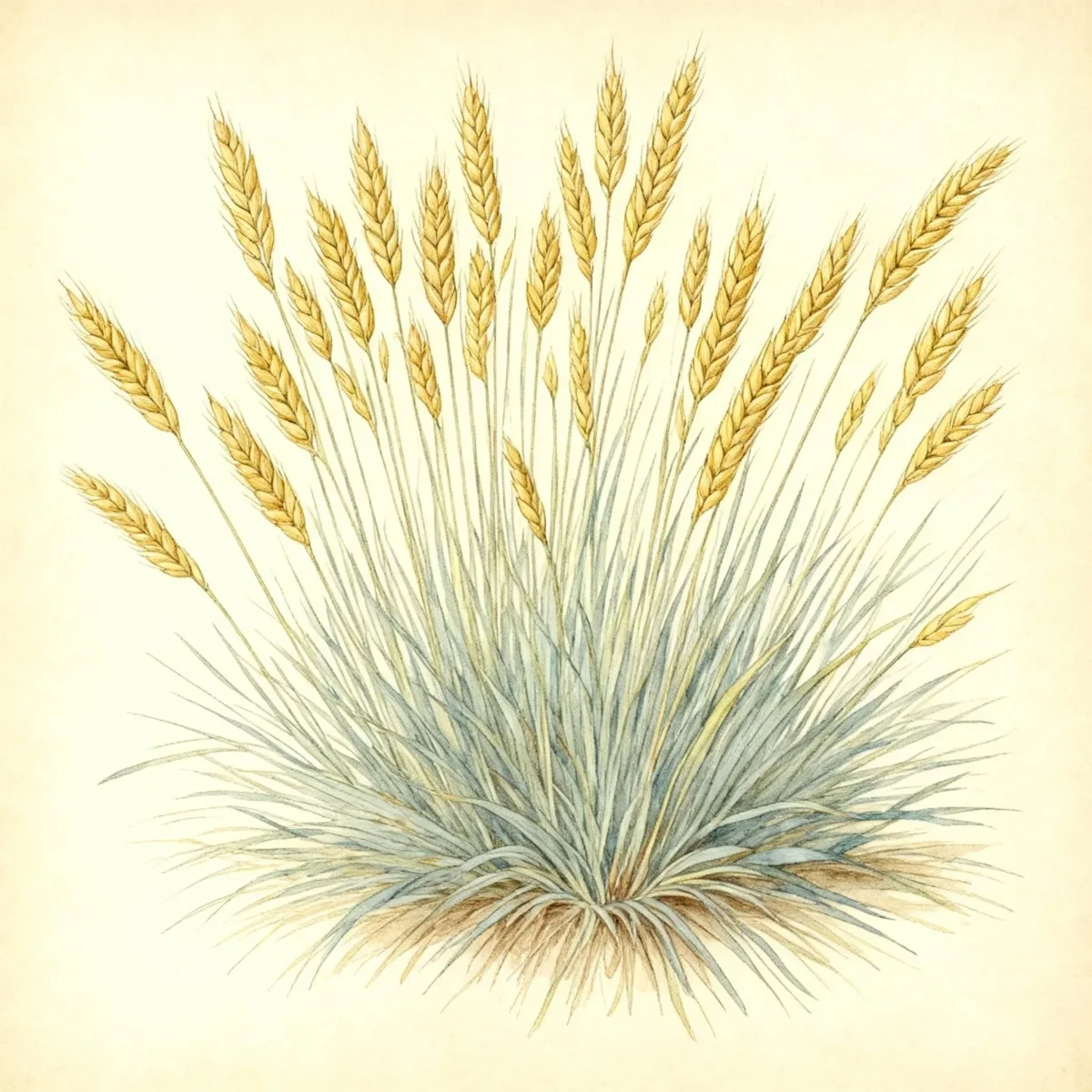
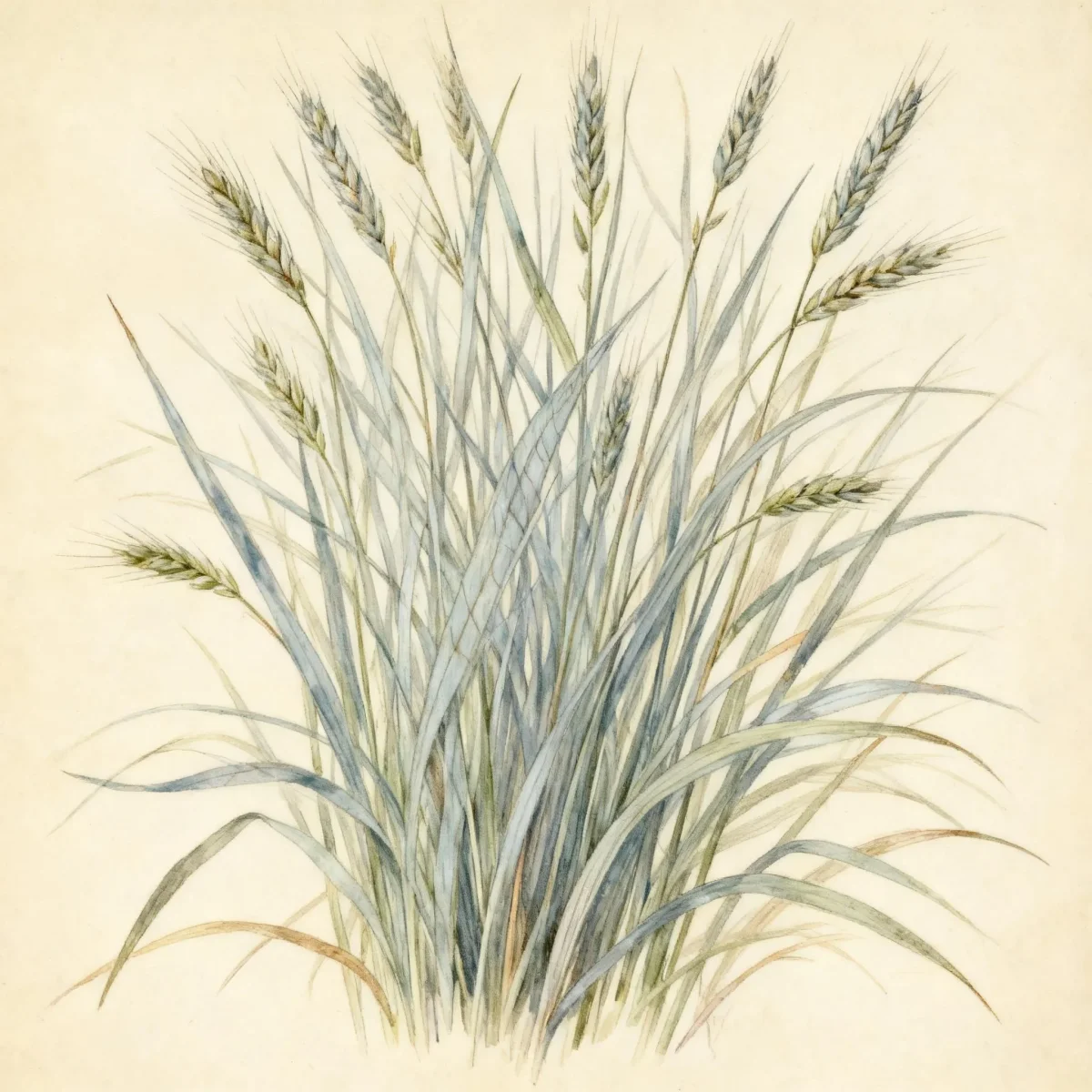
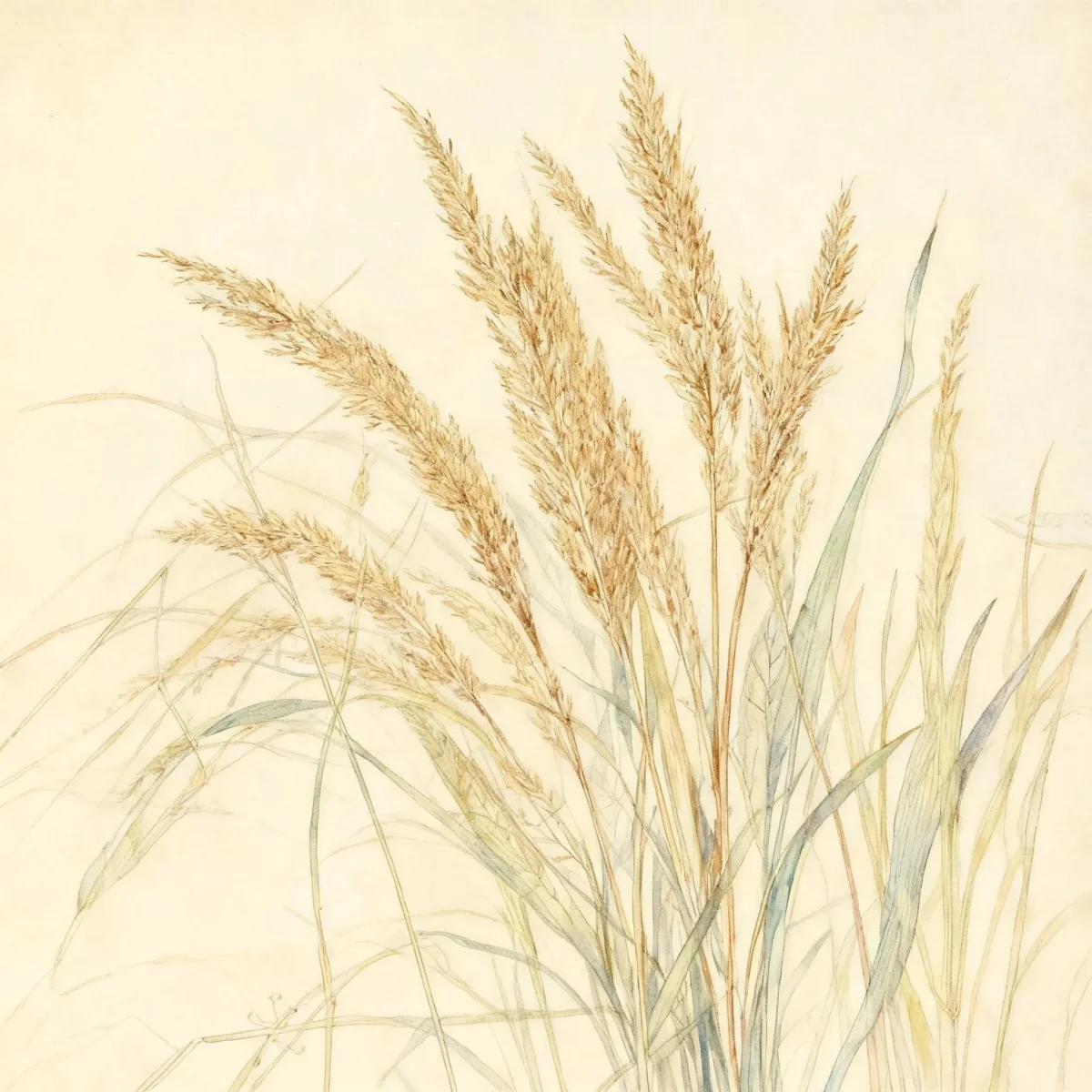
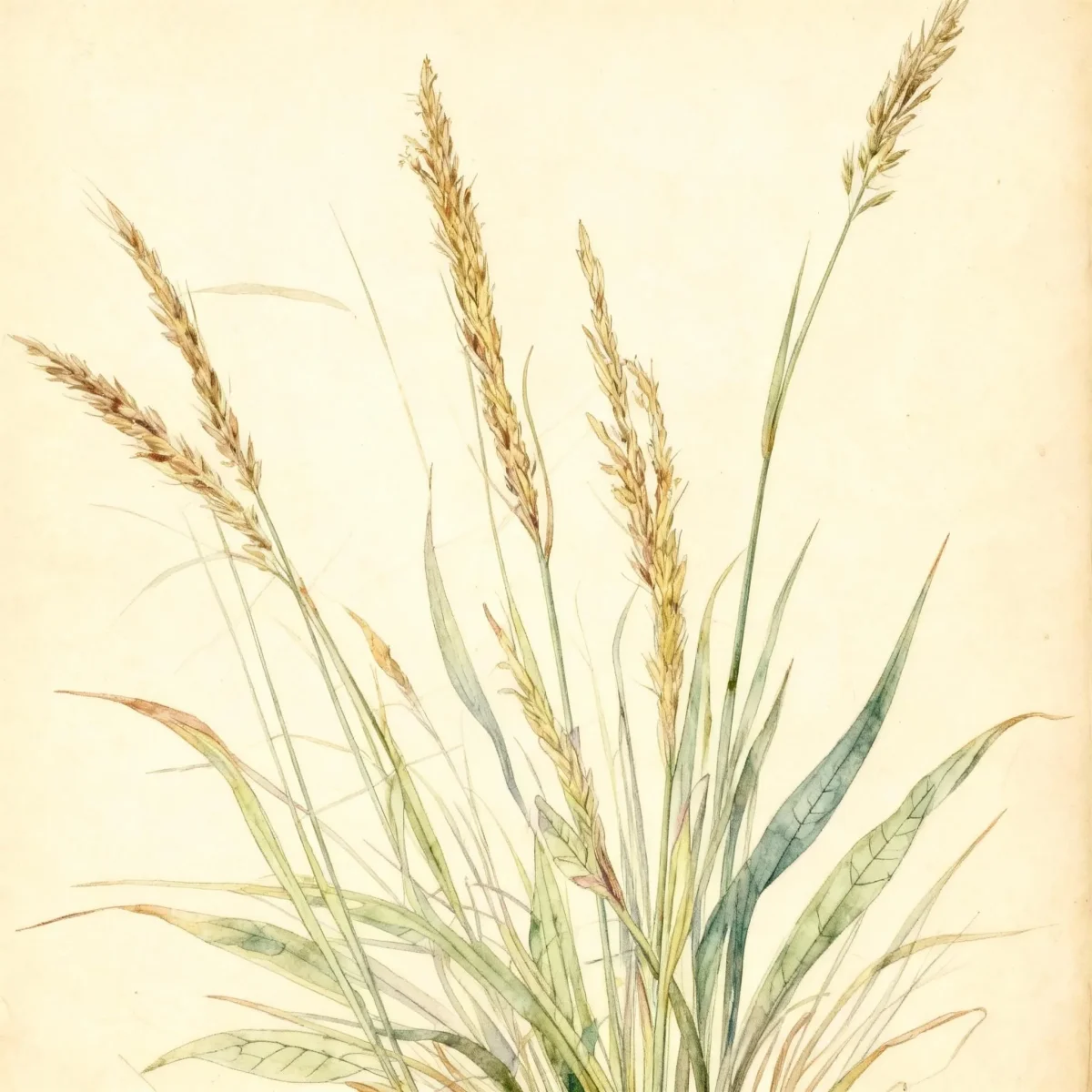
Blue fescue (Festuca glauca 'Casca11' BEYOND BLUE)
'Beyond Blue' fescue makes compact silver-blue clumps for sunny, dry sites. Learn how drainage, summer climate, division, and spacing affect its shape.
Complete Plant Information
Interactive Detour
Keep exploring with a quick garden quiz
Blue fescue is easier to remember when you mix reading with a quick challenge. Try a related quiz, then jump back into the care guide.
Can You Identify These Common Garden Plants? Test Your Plant Knowledge
Think you know your roses from your peonies? Test your plant identification skills with our comprehensive garden plant quiz featuring 10 challenging questions.
Start quiz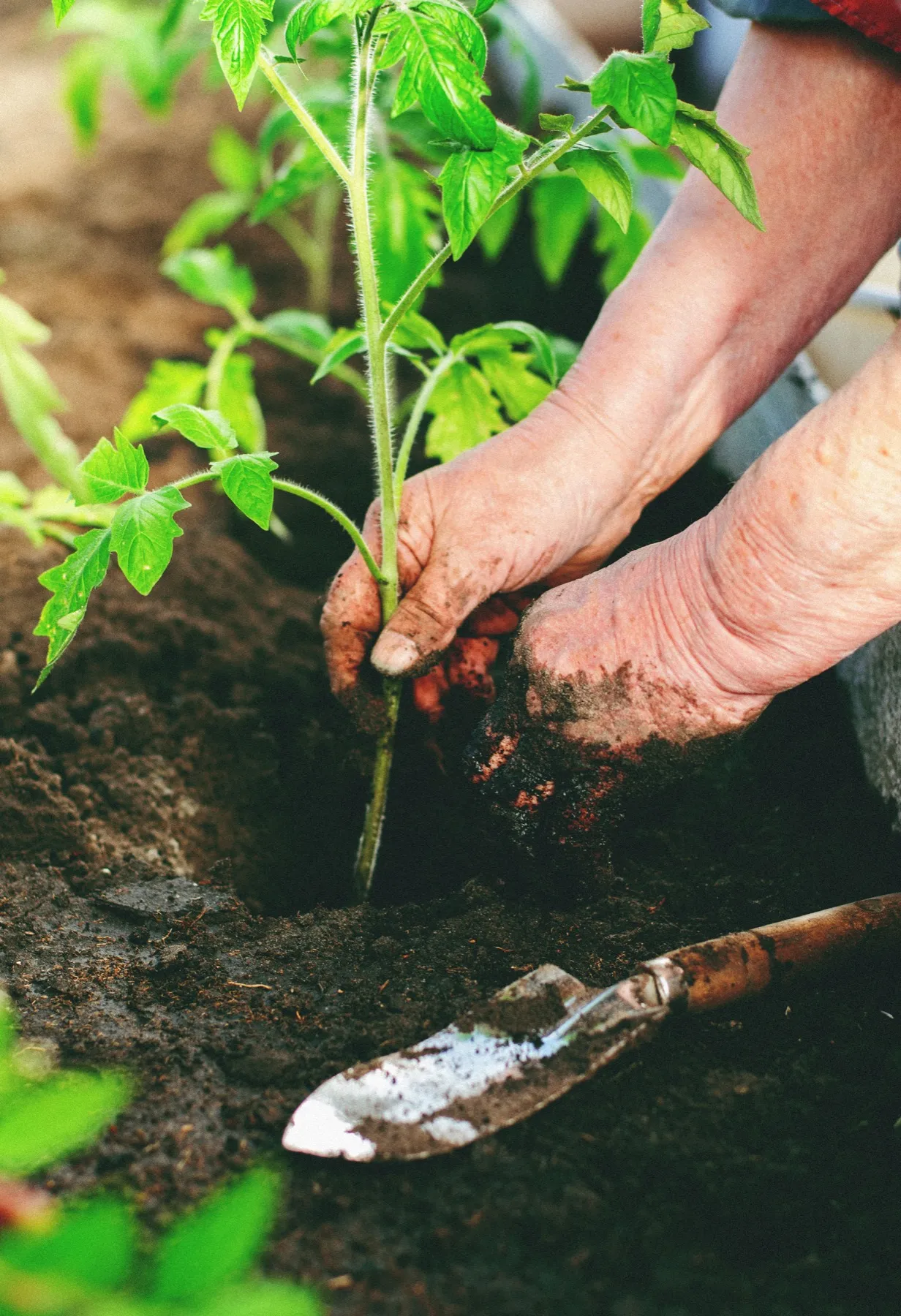
USDA Garden Zone Map Quiz
Use this USDA garden zone map quiz to check whether you can read hardiness zones and choose plants with more confidence.
Start quizBrowse the full quizzes section
Explore plant identification, zone strategy, and seasonal gardening challenges.
View all quizzesField Guide Continues
Ready for care notes, companion picks, and planting tips?
The map is just the start. The full guide below covers growth habits, seasonal performance, and landscape uses.
Blue Foliage for a Dry, Sunny Edge
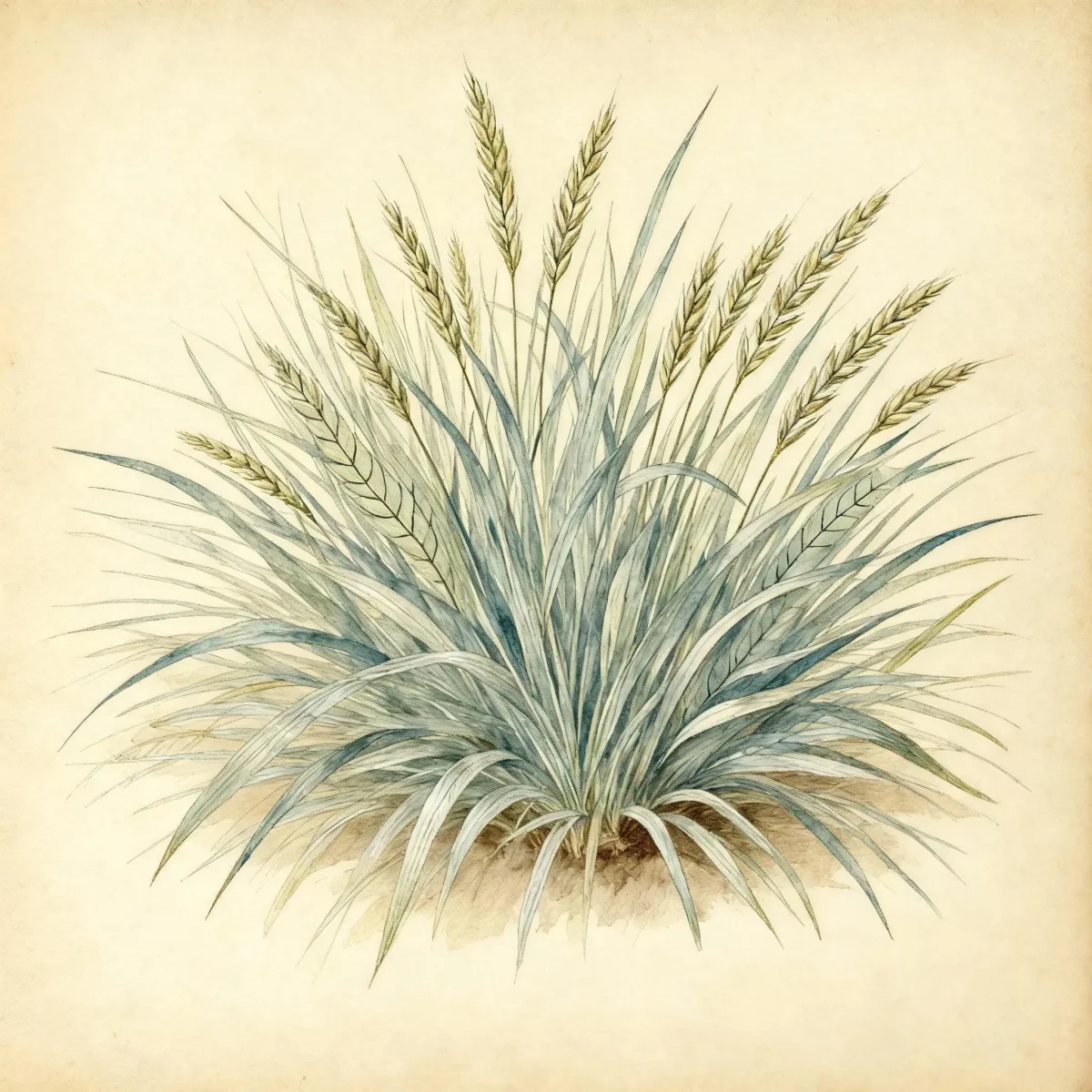
‘Beyond Blue’ blue fescue (Festuca glauca ‘Casca11’) forms a tight mound of fine silver-blue leaves, usually 9 to 12 inches high and 12 to 18 inches wide. Its value is the foliage rather than the small greenish flower panicles that rise in June and July. Use it where the compact dome can be seen: along a sunny path, at the front of a border, in a rock garden, or repeated through a gravel planting.
This grass is a good fit for gardeners who can offer lean, sharply drained soil. It is a poor fit for a frequently irrigated lawn edge, a low wet bed, or a hot, humid pocket with little air movement. Although the listed hardiness range is Zones 4–9, winter survival and attractive summer growth are different questions. Check the USDA hardiness zone map, then weigh local summer heat and humidity as well.
How to Keep the Mound Blue and Compact
Give ‘Beyond Blue’ full sun. Shade encourages looser growth and greener foliage. Average to poor soil is adequate; rich soil and heavy feeding can produce soft growth that opens in the center. Drainage matters more than fertility.
Plant with the crown level with the soil surface and space plants for their mature width. A little open ground between young clumps is healthier than packing them into an instant carpet. Water regularly during establishment, then reduce irrigation once roots are growing well. Established plants tolerate dry spells, but “drought tolerant” does not mean a newly planted grass can be forgotten.
Blue fescue is a cool-season grass. It looks strongest in spring and fall and may slow or brown during hot summers. Wet soil can cause rot, while hot, humid weather can leave clumps tired or hollow in the center. If your climate routinely produces that combination, consider whether the plant’s best-season color is worth periodic replacement.
Grooming and Division
In late winter or early spring, comb out loose brown blades with gloved fingers or a small hand rake. If most of the top has browned, cut it back carefully before new growth gets long; avoid slicing into fresh green shoots. Flower stalks can stay for a soft, buff-colored effect or be removed when they fade for a cleaner mound.
Older clumps often develop a dead center. Dig and divide them in cool spring weather, keep vigorous outer sections, and discard the woody middle. Replant divisions at the original depth and water while they re-establish. This is routine renewal, not a sign that you failed.
Gardeners who like the form but want to compare cultivars can look at ‘Boulder Blue’ fescue. For a warmer-season North American grass with a taller, more naturalistic habit, sideoats grama fills a different role.
Using the Color Without Overdoing It
One blue mound can look isolated. Repeat three or more at intervals, leaving enough room for each plant to retain its outline. The foliage pairs well with purple, white, pale yellow, and warm apricot flowers, and it separates neighboring colors that might otherwise clash. Dark mulch creates strong contrast but can add heat around the crown; gravel or a thin mineral mulch often suits the plant’s drainage needs better.
Do not treat blue fescue as turf. It does not tolerate foot traffic, and close mowing destroys its form. It also works better as a repeated accent than as a large, seamless ground cover because individual clumps age at different rates.
Quick Answers
Is it evergreen?
It is often semi-evergreen. How much foliage remains attractive depends on winter severity and summer stress.
Why is my plant turning green?
Too much shade is a common cause. Seed-grown offspring can also vary in color, so division is the reliable way to preserve a named cultivar.
Does it need fertilizer?
Usually not. Correct light and drainage are more important than rich soil.
Browse the plant collection for other compact grasses and dry-site companions.