Taro (Colocasia esculenta 'Black Ripple')
Colocasia esculenta 'Black Ripple' (Taro) offers iridescent, puckered, dark black-purple foliage, reaching 3-4 ft tall in zones 8-11.
Scroll down to discover growing tips, care requirements, companion plants, and more
Complete Plant Information
Overview
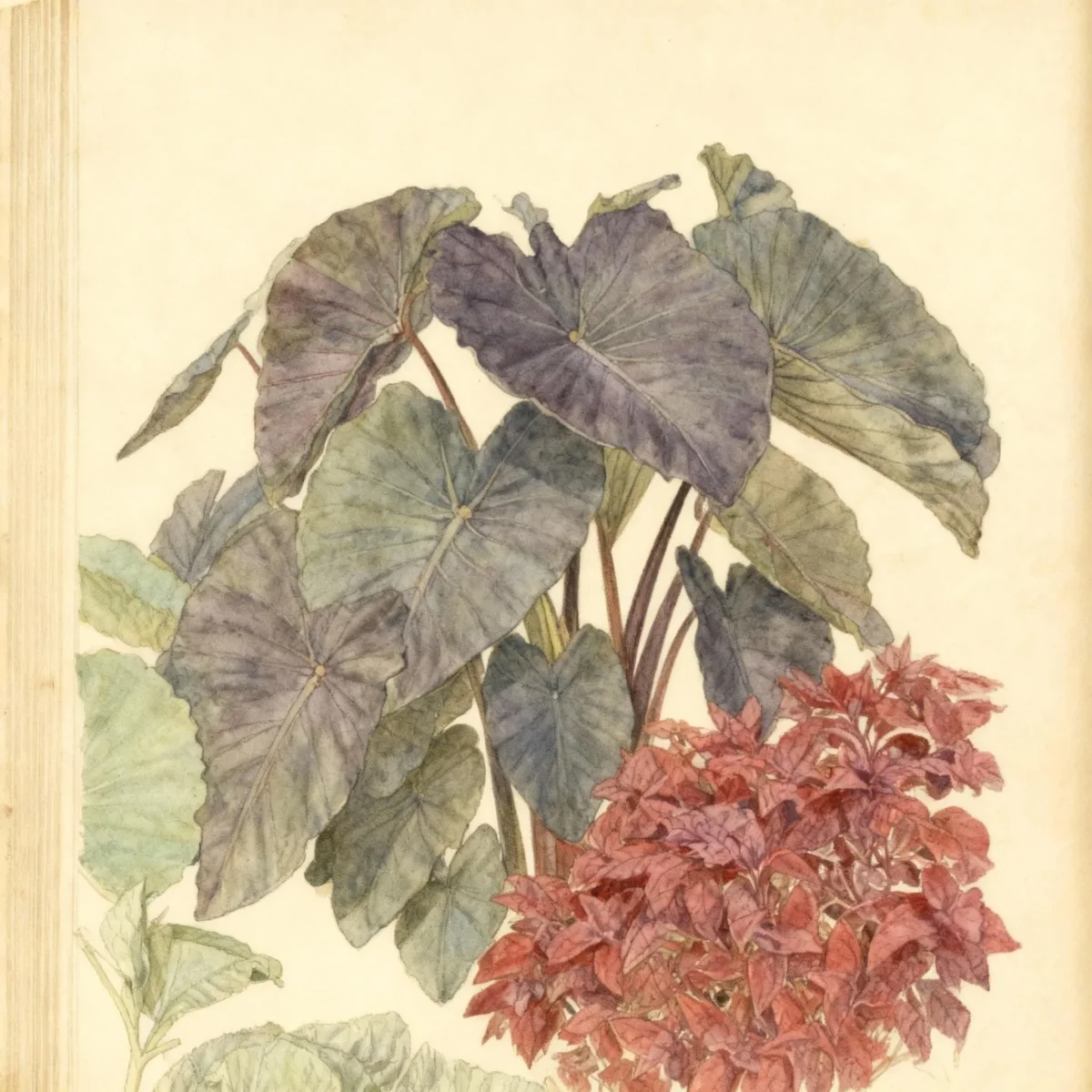
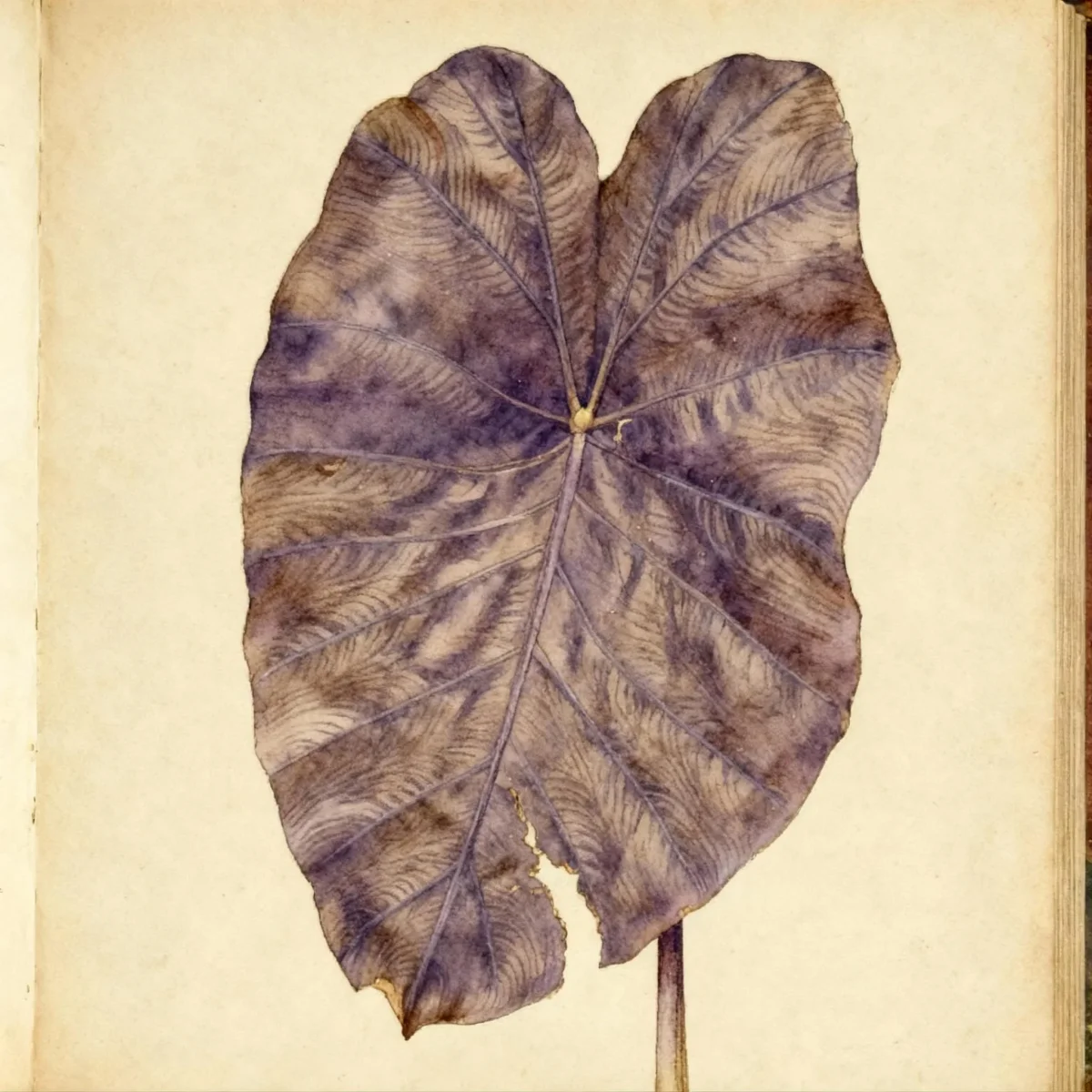
Colocasia esculenta ‘Black Ripple’, commonly known as Taro or Elephant Ear, is highly prized for its dramatic, textural foliage. This selection stands out with iridescent, puckered leaves that exhibit a very dark black-purple hue, contrasting beautifully with maroon undersides. It creates an immediate, bold tropical statement in any landscape setting.
As a tuberous perennial, the versatility of Colocasia esculenta ‘Black Ripple’ allows it to thrive in garden beds, containers, or even at the water’s edge in warmer climates. It is known for producing prodigious amounts of growth throughout the warm season, rewarding attentive gardeners with lush coverage.
This compact cultivar brings dynamic color and structure, making it essential for adding depth to mixed borders and rain gardens. Growing Taro successfully requires consistent moisture management, ensuring this tropical beauty maintains its deep coloration.
Fast Facts
- Plant Family: Araceae
- Plant Type: Bulb
- Hardiness Zones: USDA Zones 8-11
- Size at Maturity:
- Height: 3-4 ft
- Spread: 3-4 ft
- Bloom Time: July to August
- Sun Exposure: Full sun to part shade
- Water Needs: Medium to wet
- Maintenance Level: Medium
How to Grow
Planting Taro in the ground should occur in mid-spring, generally after the danger of the last frost has passed and when soil temperatures are warm. Colocasia esculenta ‘Black Ripple’ demands fertile, humusy, and organically rich soils. Aim for locations receiving full sun, although afternoon shade is beneficial when growing plants in regions experiencing intense summer heat.
Consistency is key for watering this plant; maintain medium to wet soil conditions and never allow the soil to dry out completely, especially during summer. For gardeners in suitable zones (8-10), tubers can often remain in the ground year-round. If overwintering is necessary (e.g., St. Louis area), dig tubers up after the first fall frost.
These plants are heavy feeders and appreciate regular fertilization throughout the active growing season to support their massive foliage production. Site Colocasia esculenta ‘Black Ripple’ where it is shielded from strong, damaging winds to protect the large leaves. Those wishing to give it a more aquatic habitat can successfully grow this Taro as a pond marginal in up to six inches of standing water.
Landscape Uses
The bold architectural presence of ‘Black Ripple’ is unmatched for creating instant drama in the garden. It lends a large tropical look ideal for mixed borders where it can anchor other plantings or serve as a striking specimen plant. Its cultural needs make it perfectly suited for rain gardens or the margins of water features.
Use this compact Elephant Ear in large containers situated on patios or decks, allowing its dark foliage to contrast against brightly colored annuals or silver foliage plants. When massed in groups, the sheer volume of the iridescent, black-purple leaves forms an impressive, near-monochromatic backdrop that highlights nearby textures.
Standout Features
Flower Qualities
- Showy
Noteworthy Characteristics
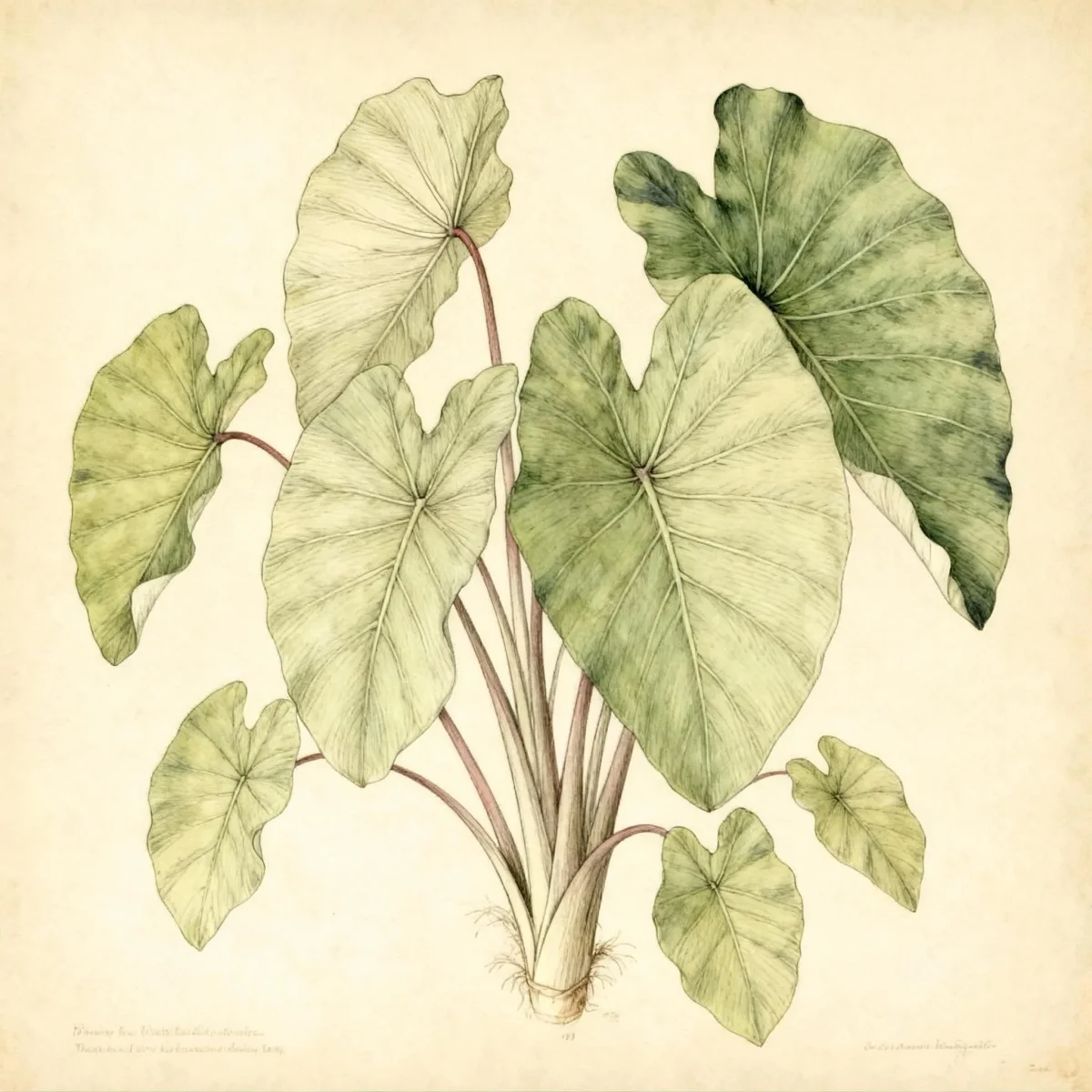
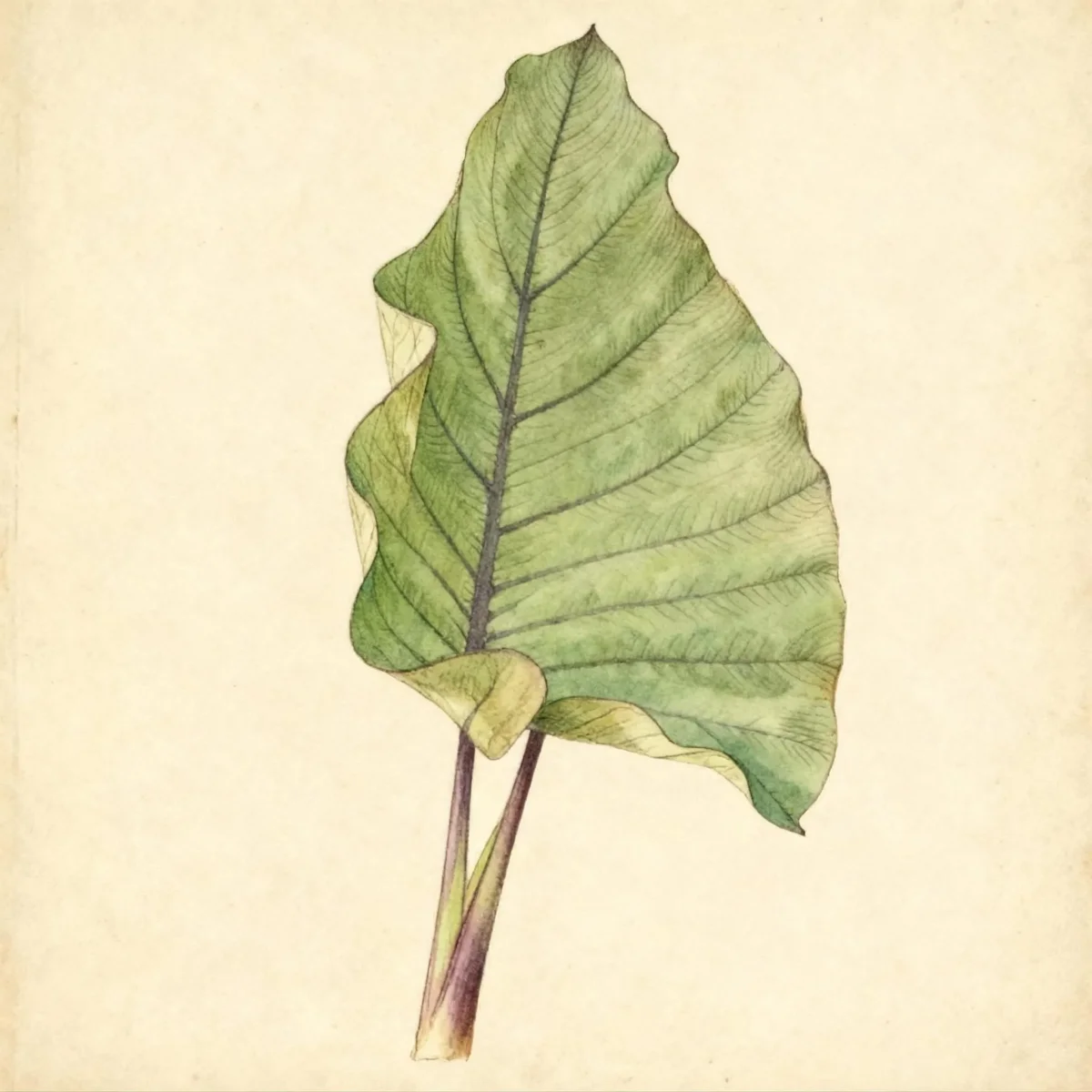
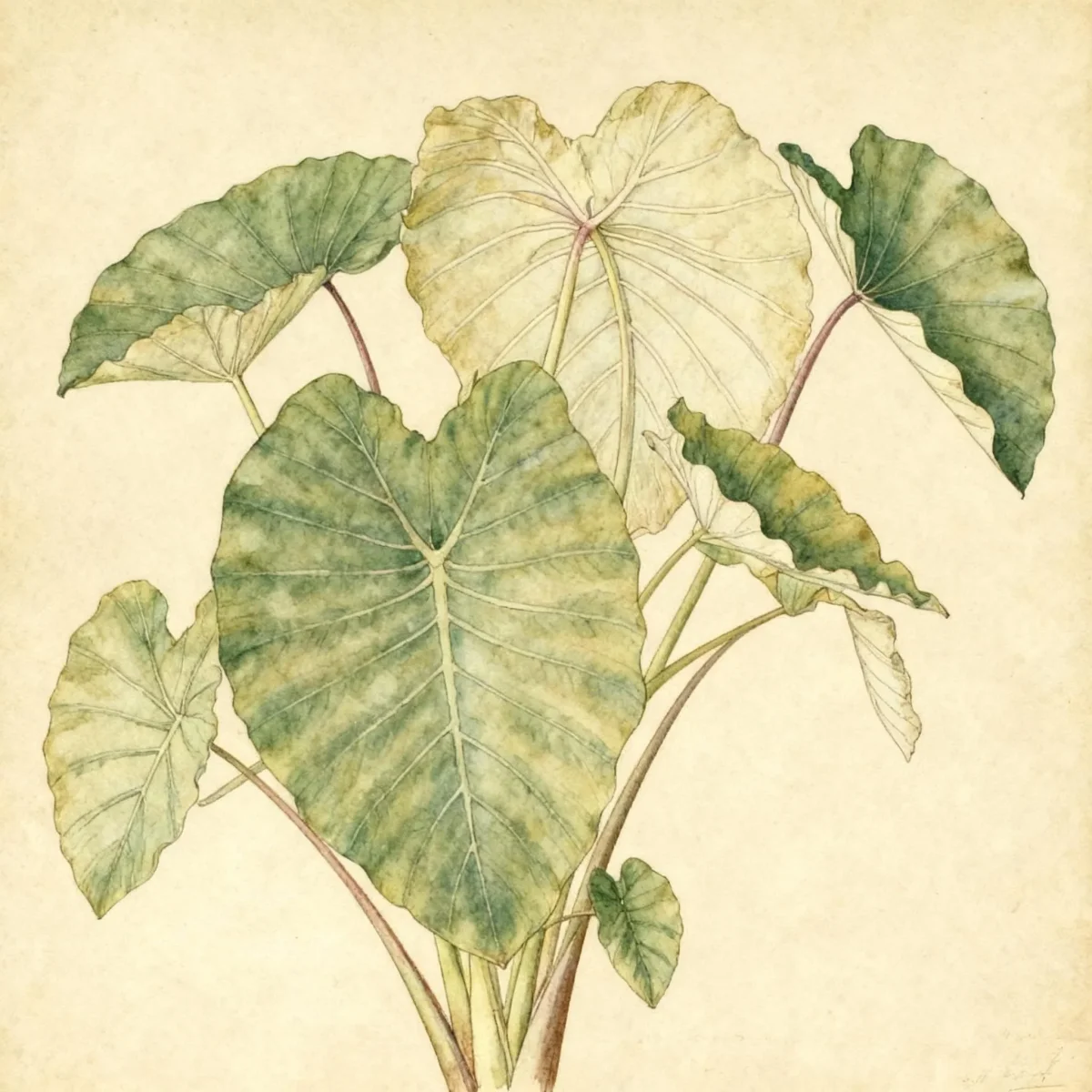
Colocasia esculenta, commonly called taro or elephant ear, is primarily grown as a foliage plant featuring huge, heart-shaped to arrowhead-shaped, green leaves. The specific cultivar ‘Black Ripple’ was introduced to exhibit iridescent, puckered leaves that are very dark black-purple with a maroon underside and deep purple to black petioles. This is a compact, clump-forming plant that offers a unique aesthetic rarely seen in temperate gardens.
Tolerances
- Wet Soil
Potential Problems
This plant generally experiences no serious insect or disease problems, making maintenance relatively straightforward outside of cultural requirements. Monitor for common pests like slugs or snails, especially on new growth, or ensure adequate drainage exists if planting in soil rather than water to prevent tuber rot. Preventative care centers on consistent moisture and appropriate fertilization rather than constant chemical intervention.
Frequently Asked Questions
What hardiness zones is Taro suitable for?
Colocasia esculenta ‘Black Ripple’ thrives year-round in USDA Zones 8 through 11.
How large does Colocasia esculenta ‘Black Ripple’ grow?
This cultivar typically reaches a mature height between 3 and 4 feet, with a similar spread of 3 to 4 feet wide.
What sun exposure does Colocasia esculenta ‘Black Ripple’ need?
It performs best in full sun to part shade conditions, appreciating protection from intense afternoon sun in hotter climates.
When does Taro bloom?
The bloom time for this species is generally from July into August, though the flowers are often inconspicuous compared to the foliage.
Conclusion
The dramatic, deep coloring and puckered texture of Colocasia esculenta ‘Black Ripple’ make it an indispensable plant for achieving a lush, tropical ambiance during the growing season. Whether used as a specimen, in containers, or near water, this Taro variety performs beautifully when given ample moisture and rich soil. Check your local zone compatibility now, and ensure you have a plan ready for overwintering tubers if needed to enjoy this superb foliage plant next year.
Companion Planting
When designing a tropical border using the dark foliage of Colocasia esculenta ‘Black Ripple’, consider incorporating plants that offer bright contrast. Companions with chartreuse or lime-green leaves, such as certain sweet potato vines (Ipomoea batatas) or Hakone grass (Hakonechloa macra), will make the black-purple of the Taro truly pop. For height variation, try pairing it with structural Canna lilies or tall ornamental grasses that appreciate similar wet conditions.
Design Ideas for Water Margins
Utilizing Taro near ponds or as a rain garden element maximizes its water needs suitability. When planting Colocasia esculenta ‘Black Ripple’ at the water’s edge, plant it in submerged containers or heavy-duty pots to maintain control over its spread while meeting its requirement for consistent water saturation. Use lighter-colored gravel or marginal bog plants around its base to reflect light toward the dark foliage, enhancing the iridescent quality of the leaves.