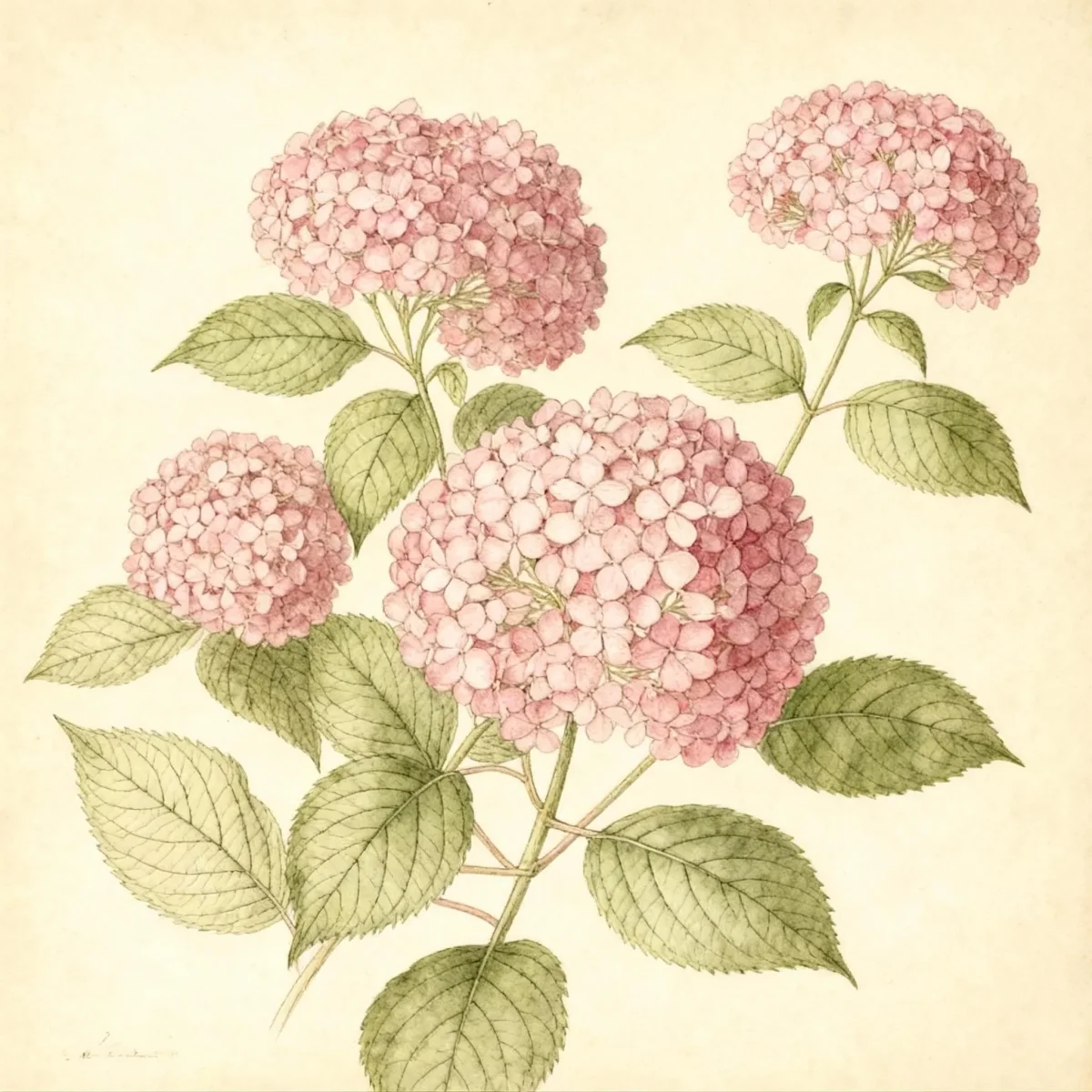
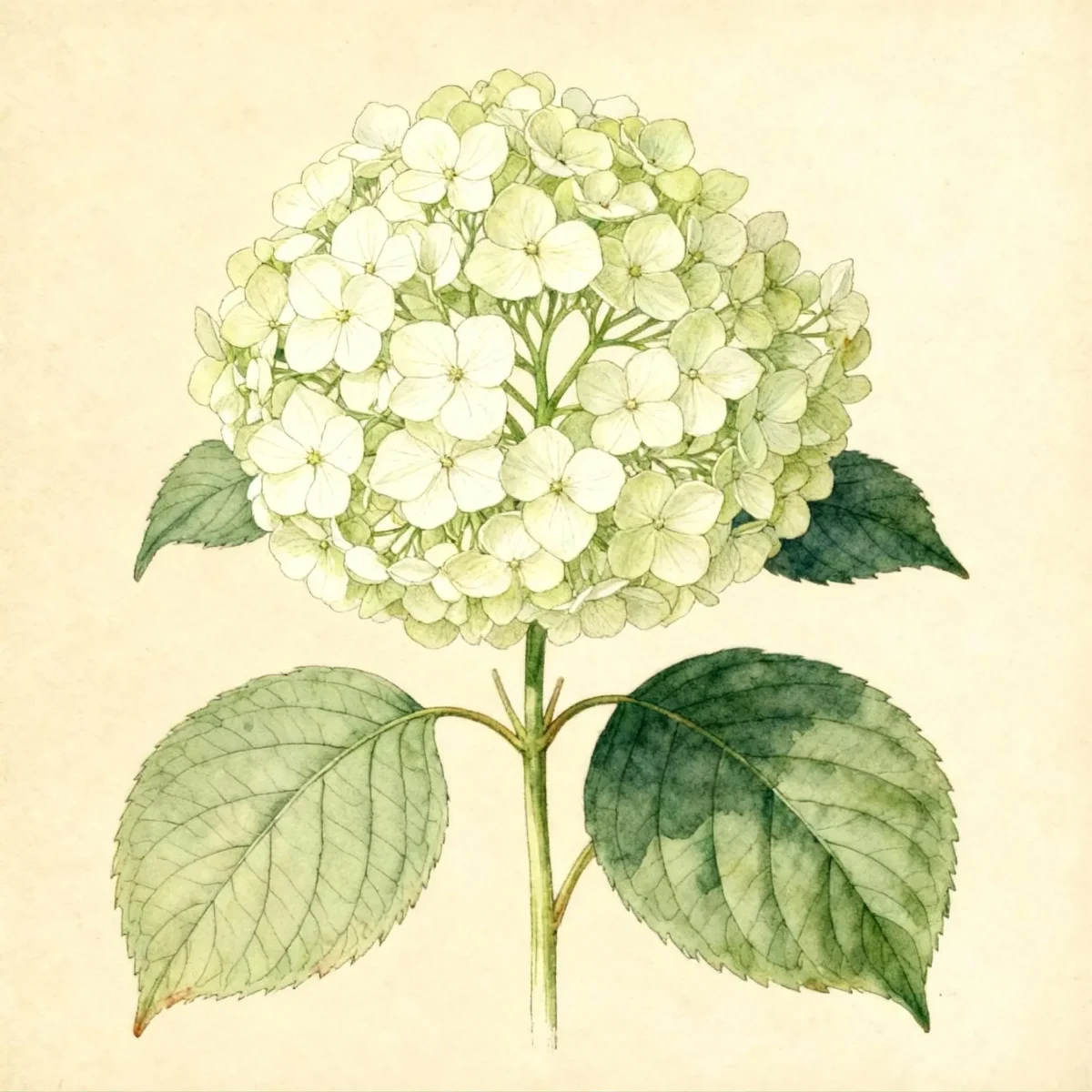
Smooth hydrangea (Hydrangea arborescens 'NCHA4' INCREDIBALL BLUSH)
Discover Hydrangea arborescens 'NCHA4' INCREDIBALL BLUSH, a low-maintenance Smooth hydrangea with showy pink blooms from June to September.
Scroll down to discover growing tips, care requirements, companion plants, and more
Complete Plant Information
Overview
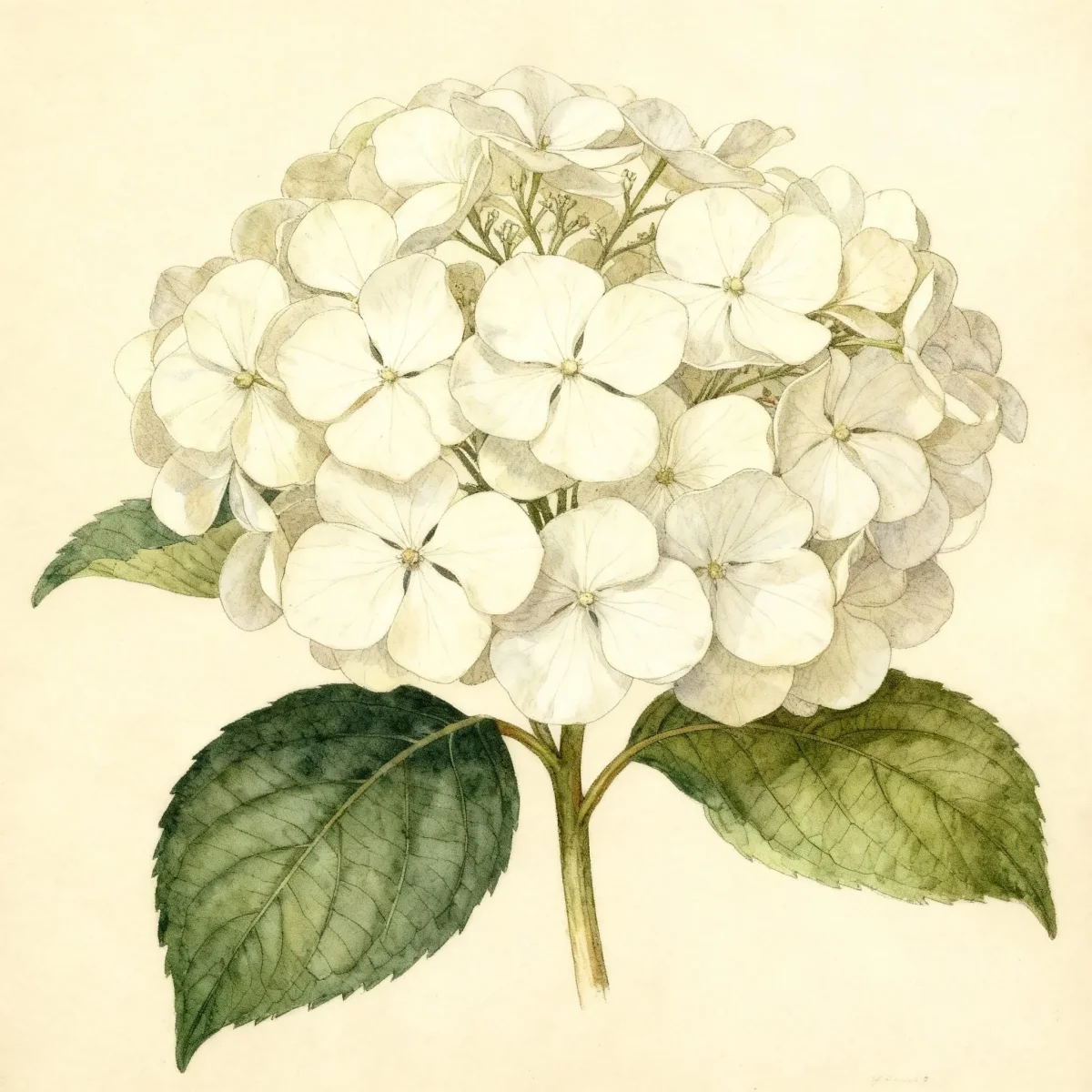
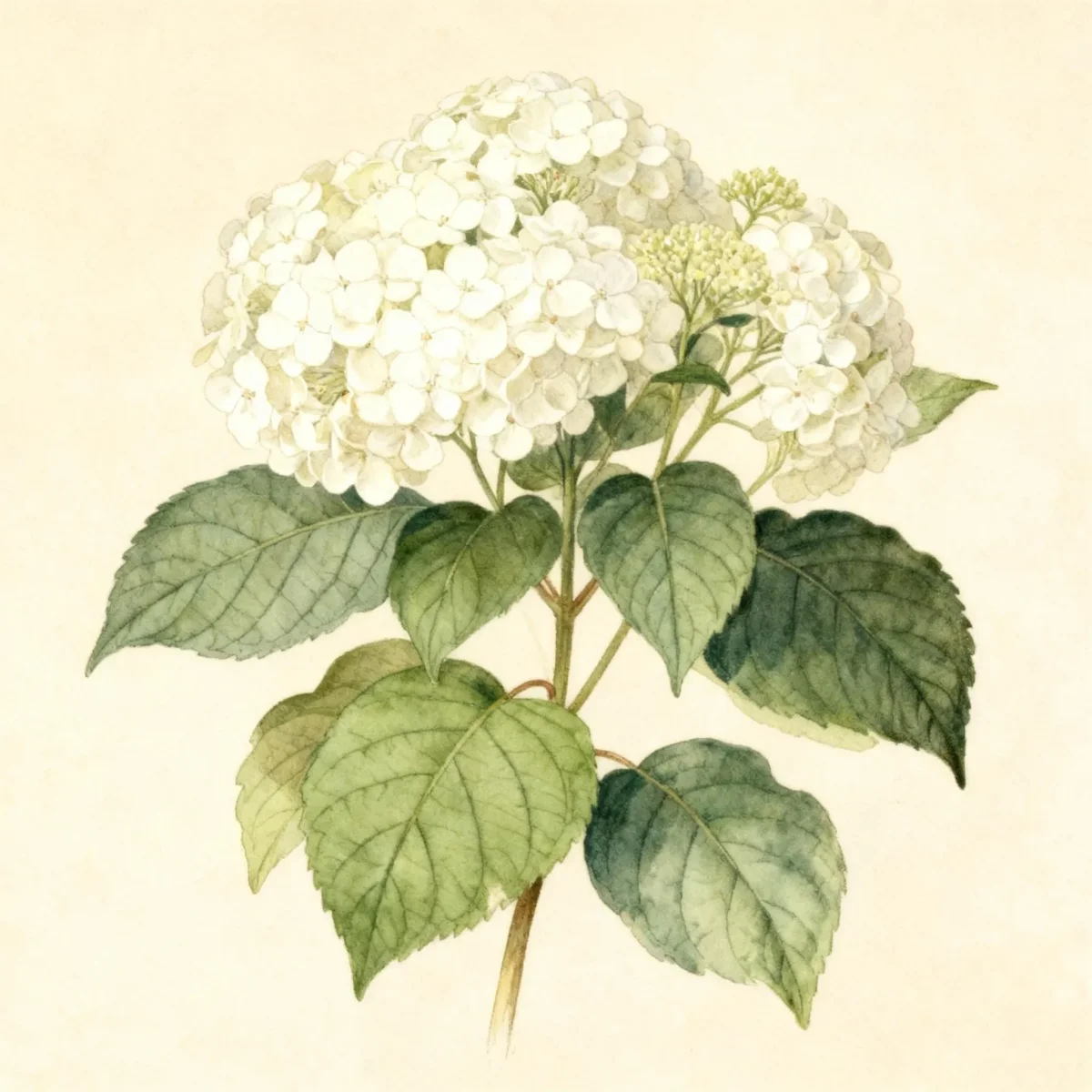
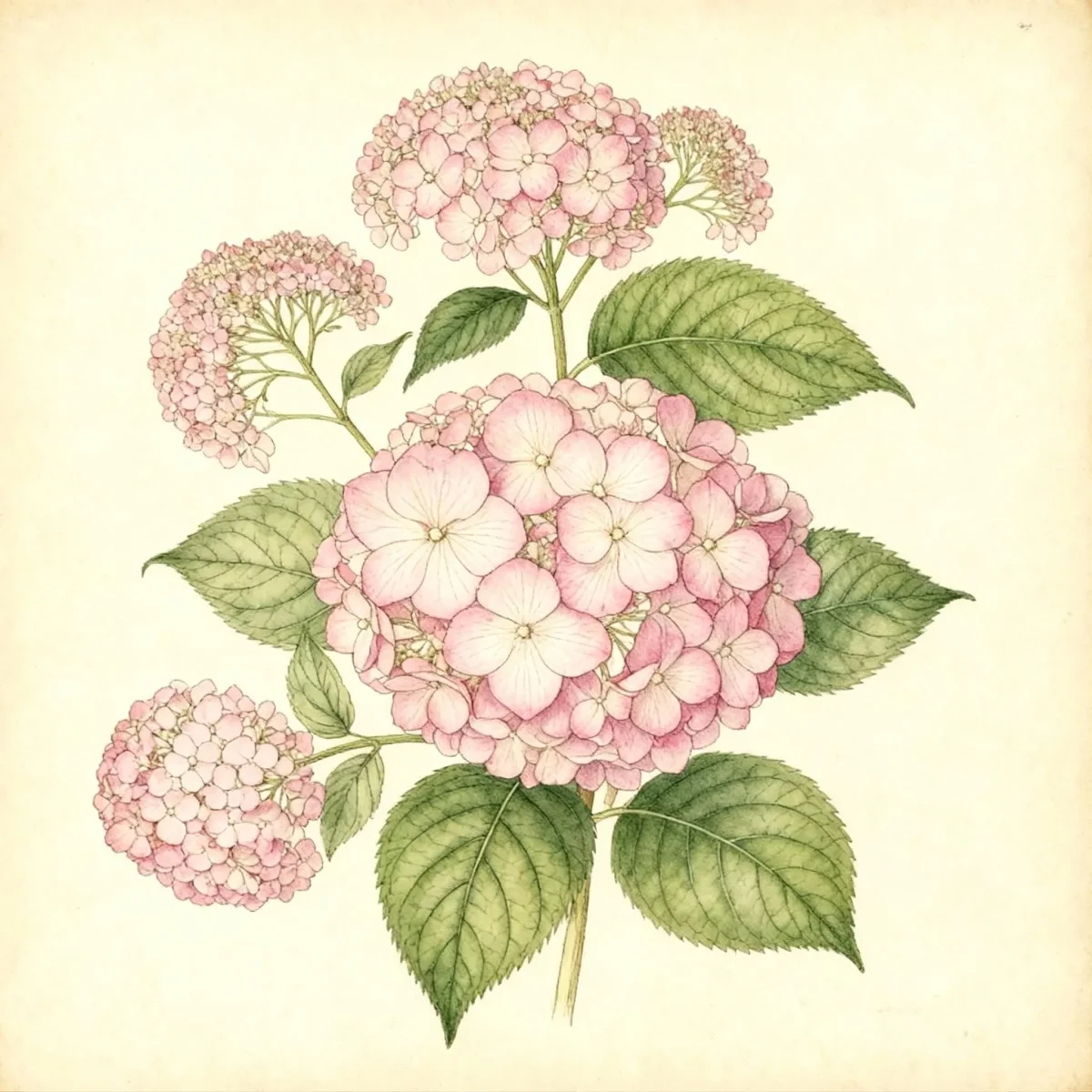
Hydrangea arborescens ‘NCHA4’ INCREDIBALL BLUSH offers gardeners a reliable season of color, known for its exceptionally sturdy stems that hold up large flower heads even when wet. This cultivar, part of the Smooth hydrangea family, transitions attractively from pale pink buds to a deeper blush, providing continuous visual interest throughout the summer months. Its relatively small stature makes Hydrangea arborescens ‘NCHA4’ INCREDIBALL BLUSH versatile for various landscape designs.
Native to eastern North America, the smooth hydrangea is lauded for its adaptability and relatively simple cultural needs, making it a favorite for low-effort gardening. It thrives in part shade environments, though it can handle more sun if provided consistent hydration throughout the growing season. Gardeners appreciate its vigorous nature and its ability to withstand significant pruning.
A significant feature of this variety is its long bloom period spanning from June well into September, ensuring reliable color succession where other early bloomers might fade. Whether used as a specimen, in masses, or integrated into a rain garden, the Hydrangea arborescens ‘NCHA4’ INCREDIBALL BLUSH adds texture and robust floral display to shaded borders.
Fast Facts
- Plant Family: Hydrangeaceae
- Plant Type: Deciduous shrub
- Hardiness Zones: USDA Zones 3-9
- Size at Maturity:
- Height: 4-5 ft
- Spread: 4-5 ft
- Bloom Time: June to September
- Bloom Description: Pink
- Sun Exposure: Part shade
- Water Needs: Medium
- Maintenance Level: Low
How to Grow
The best time to plant Hydrangea arborescens ‘NCHA4’ INCREDIBALL BLUSH is generally in the spring or fall when temperatures are moderate. This shrub prefers average, well-drained soils that maintain medium moisture. While it tolerates a wide range of soil conditions, including clay, it strictly requires consistent moisture and will suffer decline, especially in drought, as it is generally intolerant of dry conditions.
For optimal growth, site the shrub in part shade. It can manage full sun exposure only if irrigation is meticulously maintained throughout the hottest parts of the summer. Consistent watering is crucial, especially for young plants establishing their root systems.
Maintenance is generally low, but specialized pruning greatly benefits this cultivar. Because bloom occurs on new wood, gardeners should plan to prune back close to the ground in late winter. This hard cut revitalizes the shrub, encouraging vigorous new stem growth necessary to support the large blossoms of the INCREDIBALL BLUSH series. Any damaged or weak stems should be removed in early spring before new growth fully emerges.
Landscape Uses
The versatility of the Smooth hydrangea makes it an excellent choice for integrating structure into shaded garden spaces. Hydrangea arborescens ‘NCHA4’ INCREDIBALL BLUSH is highly recommended for rain gardens due to its tolerance for wet, even soggy, soil conditions. It excels when massed or grouped in the middle or back of mixed shrub borders, providing a consistent visual anchor.
Consider pairing this adaptable shrub with woodland companions that share similar light and moisture needs, such as diverse hostas or ferns, to create a lush, layered effect. Its rounded habit and large pink blooms also make named cultivars like INCREDIBALL BLUSH excellent, showy specimens when placed near entryways or walkways where their season-long performance can be fully appreciated. Naturalizing species plants in native plant gardens is also a worthwhile endeavor for low-maintenance screening.
Standout Features
Flower Qualities
- Showy
- Good Cut
- Good Dried
Noteworthy Characteristics
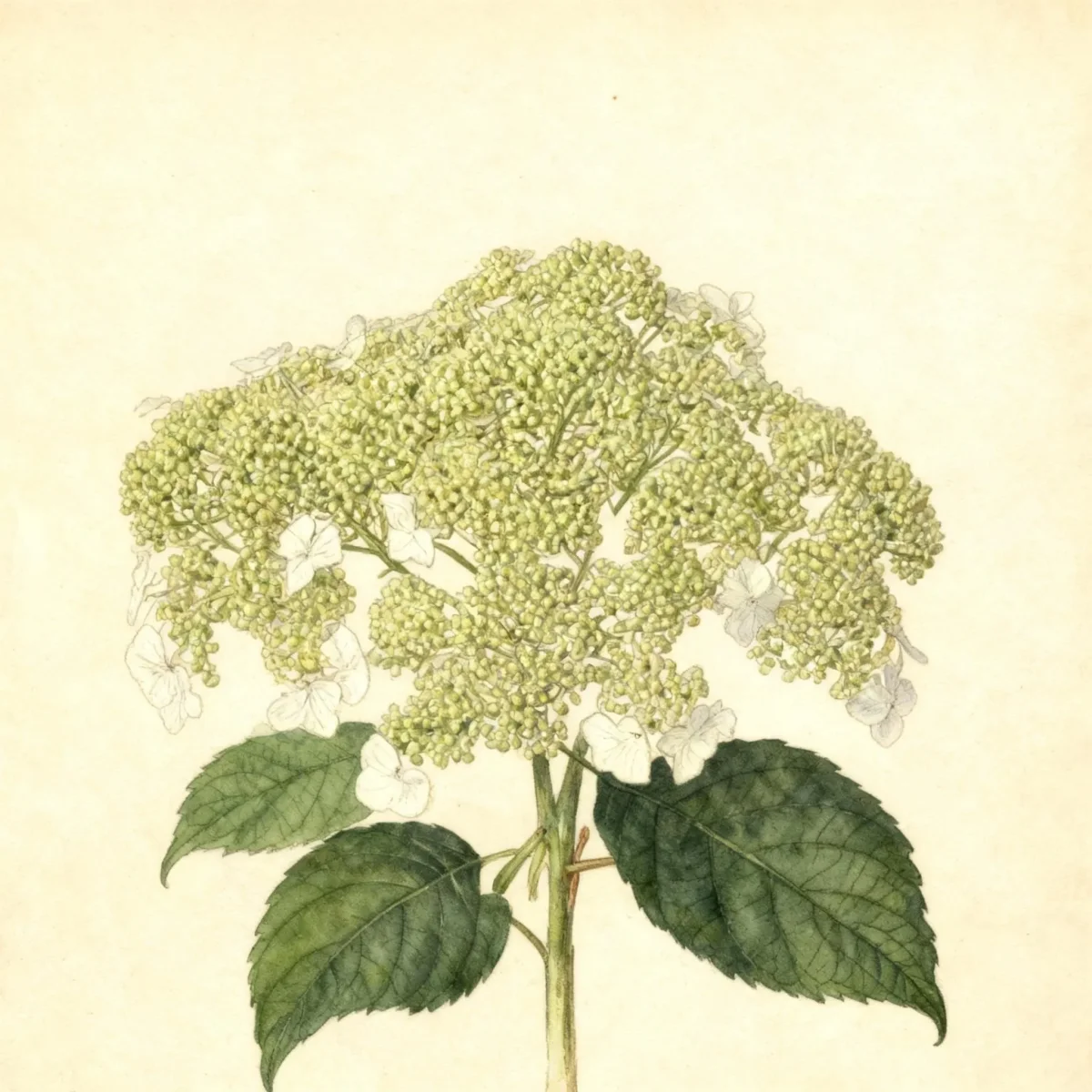
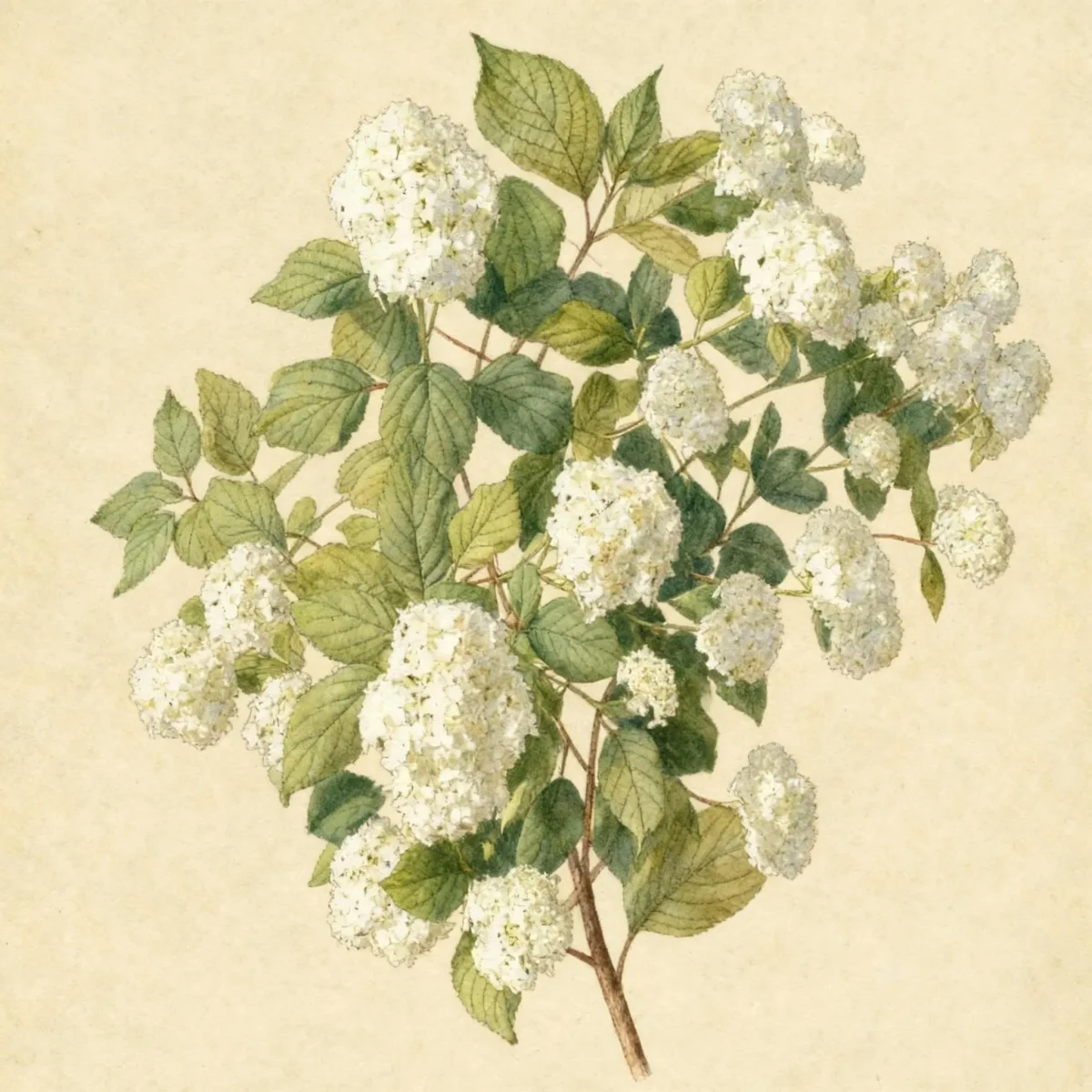
Hydrangea arborescens, commonly known as smooth hydrangea or wild hydrangea, is a loosely and widely branched deciduous shrub that typically grows to 3-6 feet tall, native to moist wooded slopes and streambanks. The notable ‘NCHA4’ cultivar, INCREDIBALL® BLUSH, features very large flowering heads held on stout stems, opening from pale pink buds to blush pink flowers that deepen before fading to chartreuse in fall. The genus name Hydrangea references water, reflecting its historical preference for moist environments, while the species epithet refers to its tree-like form similarity.
Tolerances
- Rabbit
- Erosion
- Clay Soil
- Dry Soil
- Wet Soil
- Shallow-Rocky Soil
- Black Walnut
Potential Problems
While low maintenance, like many members of the genus, Hydrangea arborescens ‘NCHA4’ INCREDIBALL BLUSH can be susceptible to various fungal issues, including leaf spots, rust, and powdery mildew. Vigilant observation should be paired with ensuring good air circulation around the plant to mitigate these problems. Pests such as aphids, scale, and mites may occasionally be present, requiring standard insecticidal soap applications if infestations become significant.
Pruning management significantly impacts plant health and vigor. Annually pruning stems back close to the ground in late winter is a recommended cultural practice for this species, as it strongly promotes strong, vigorous new stems capable of supporting the large blooms and helps prevent the decline often associated with older, weaker wood. Furthermore, rabbits generally avoid this particular shrub.
Frequently Asked Questions
What hardiness zones is Smooth hydrangea suitable for?
Hydrangea arborescens ‘NCHA4’ INCREDIBALL BLUSH performs reliably across USDA Zones 3 through 9.
How large does Hydrangea arborescens ‘NCHA4’ INCREDIBALL BLUSH grow?
This cultivar typically matures to a height and spread between 4 and 5 feet tall and wide.
What sun exposure does Smooth hydrangea need?
This plant thrives best in settings receiving part shade, though it can tolerate some full sun provided moisture is consistently supplied.
When does Hydrangea arborescens ‘NCHA4’ INCREDIBALL BLUSH bloom?
It produces distinctive blush pink flowers prominently throughout the season, generally blooming from June to September.
Conclusion
The Hydrangea arborescens ‘NCHA4’ INCREDIBALL BLUSH offers exceptional value through its robust structure, low-maintenance care needs, and dependable, long-lasting pink blooms. This superior variety of Smooth hydrangea proves ideal for gardeners seeking impactful summer flowering without demanding constant attention. Ensure you check your landscape zone compatibility and plan for that crucial late-winter pruning to maximize the impressive performance of your INCREDIBALL BLUSH this coming season.
Companion Planting
When selecting companions for your Hydrangea arborescens ‘NCHA4’ INCREDIBALL BLUSH, focus on plants that share its preference for part shade and medium moisture. Ferns, such as large Japanese Painted Ferns or robust Autumn Ferns, provide beautiful textural contrast beneath the shrub’s rounded canopy. Hostas work excellent as groundcover beneath the Hydrangea, offering various foliage colors from deep green to blue variegations that offset the pink flowers.
For color repetition throughout the season, consider woodland perennials like Astilbe or Bleeding Heart, which thrive in similar bright or dappled shade. These companions help create the feeling of a cohesive, lush woodland edge, softening the base of the shrub. All these suggested partners complement the water needs of the Smooth hydrangea without intense competition.
Seasonal Care Calendar
Late Winter (February/Early March): This is the prime time for rejuvenation pruning. Cut all stems of the Hydrangea arborescens ‘NCHA4’ INCREDIBALL BLUSH back to 2-3 inches above the ground. This encourages the strong new wood necessary for large flowers this summer.
Late Spring (May): As new growth emerges, monitor soil moisture closely. Apply a 2-3 inch layer of organic mulch (like shredded bark) around the base, keeping it away from the actual stems, to conserve water and regulate soil temperature. This is also when you should watch for early signs of pests like aphids.
Mid-Summer (July/August): Ensure consistent medium watering during peak heat to keep the shrub from suffering drought stress, which causes foliage decline. Enjoy the peak performance of the blush pink flowers and harvest blooms if you wish to use them as cut arrangements.