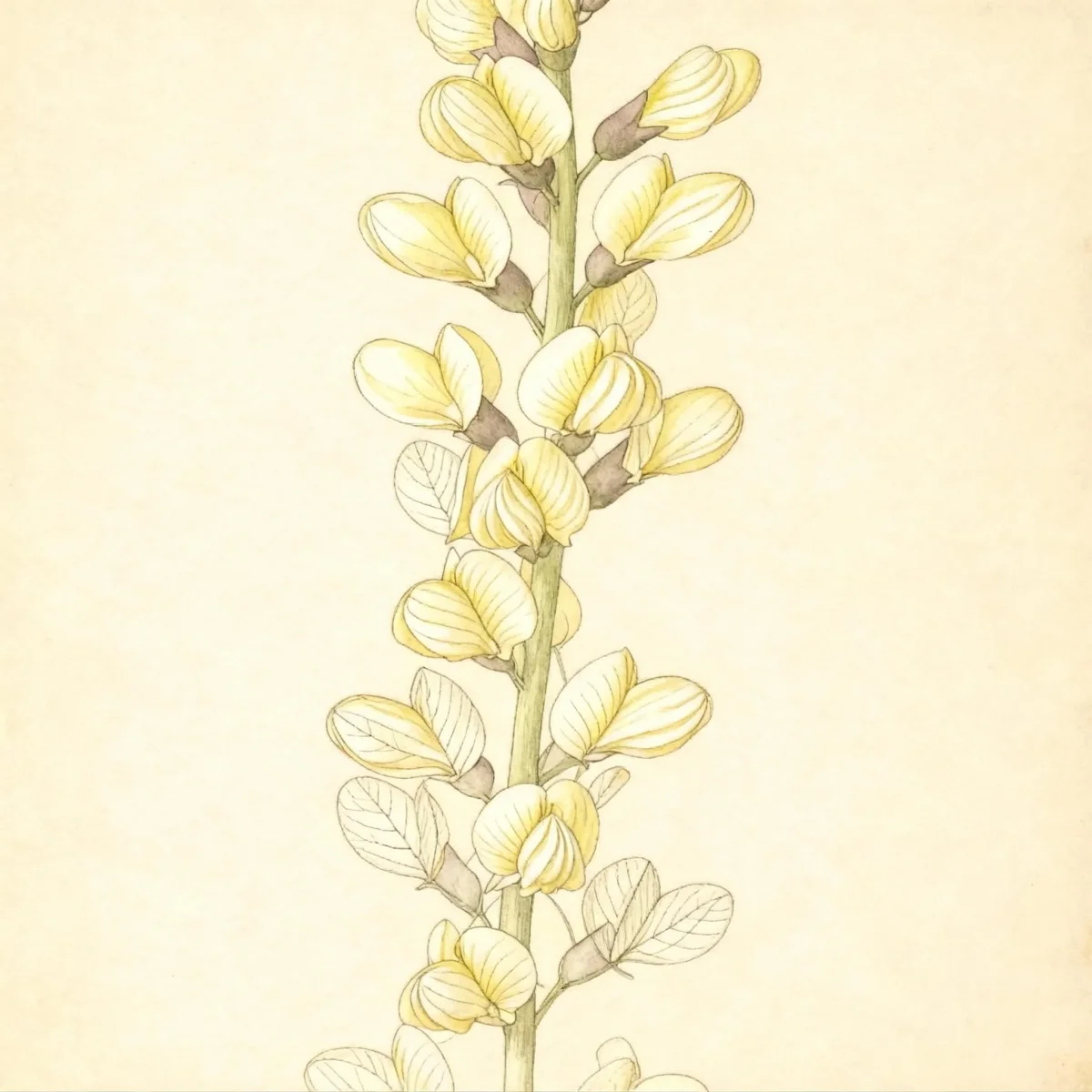
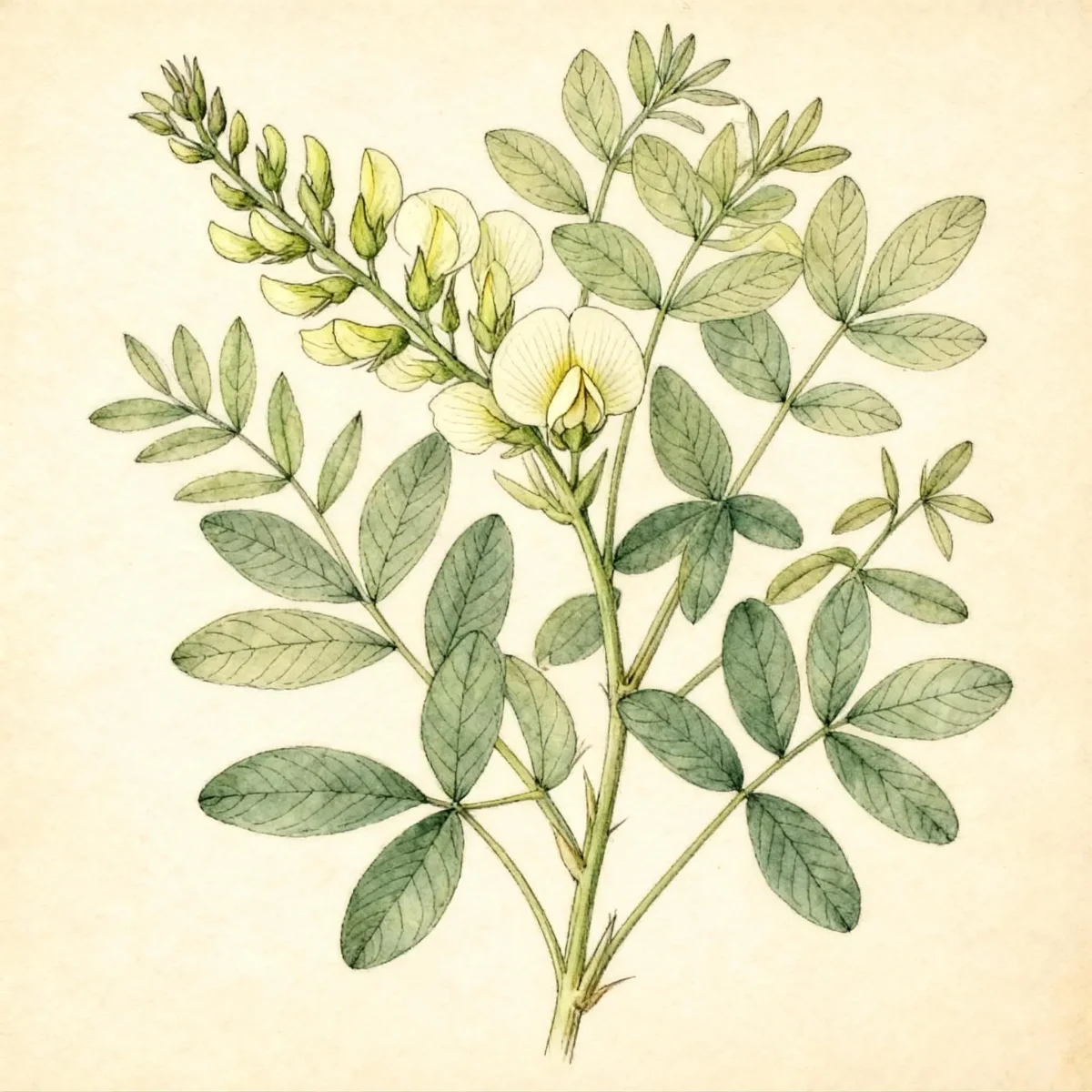
False indigo (Baptisia 'Lunar Eclipse')
Baptisia 'Lunar Eclipse' (False indigo) offers dramatic bicolor spikes against tough, drought-tolerant foliage. Ideal for structure.
Scroll down to discover growing tips, care requirements, companion plants, and more
Complete Plant Information
Overview
Baptisia ‘Lunar Eclipse’, a celebrated cultivar of False indigo, provides exceptional structure and seasonal interest in the perennial garden. This herbaceous perennial is valued for its sturdy upright habit and its unique springtime floral display. Its performance is reliable, setting it apart as a centerpiece for mixed borders.
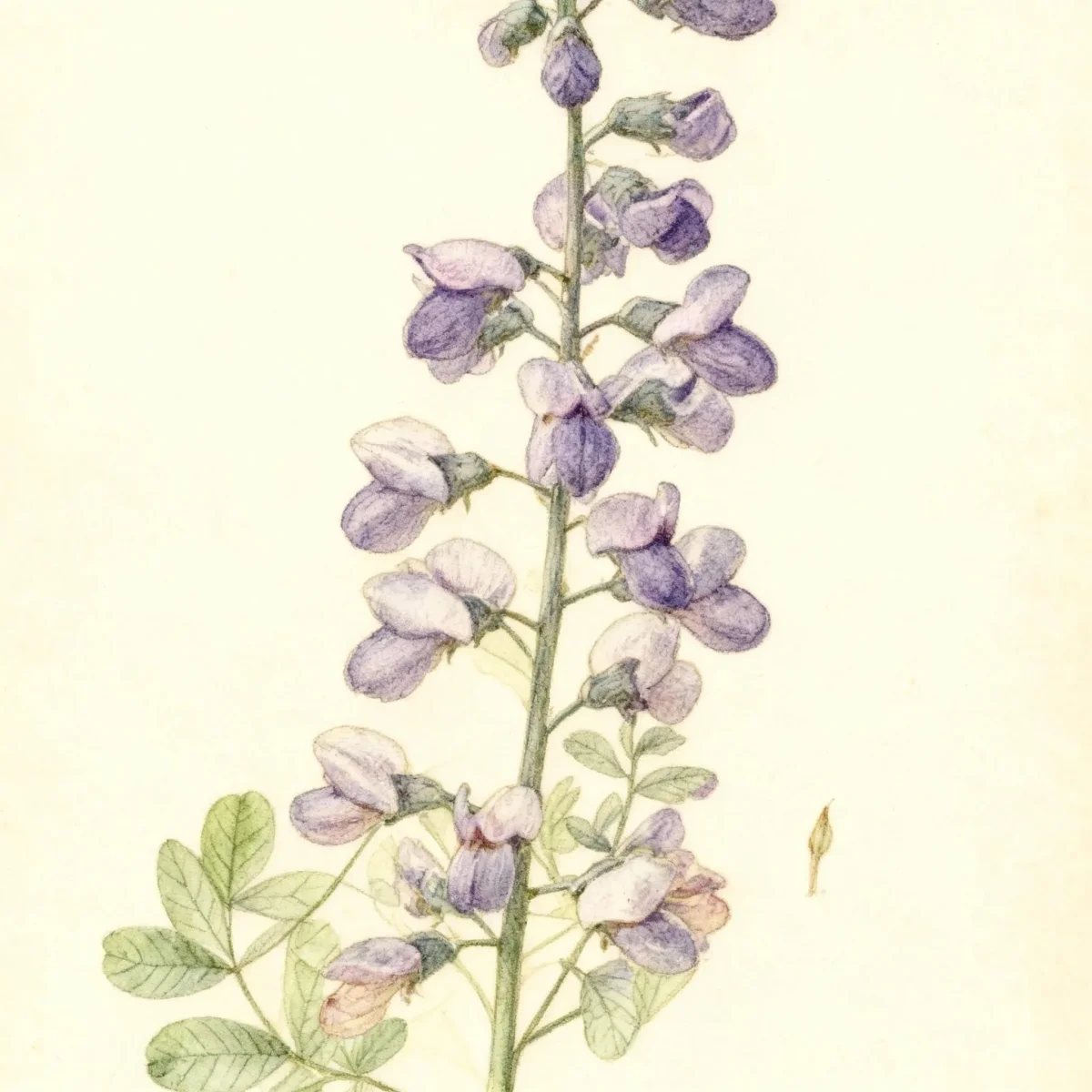
The visual appeal begins early as its showy racemes emerge creamy white before beautifully maturing to shades of lavender-blue. Once established, False indigo demands very little attention, thriving in conditions that challenge lesser plants. This ease of culture, combined with its notable drought tolerance, makes Baptisia ‘Lunar Eclipse’ an indispensable choice for low-maintenance landscapes.
Furthermore, the genus Baptisia has historical significance, linked to early dye production, though modern gardeners appreciate it primarily for its robust structure and ability to support pollinators. Its deep root system enhances soil stability while its attractive summer foliage persists long after the blooms fade.
Fast Facts
- Plant Family: Fabaceae
- Plant Type: Herbaceous perennial
- Hardiness Zones: USDA Zones 4-8
- Size at Maturity:
- Height: 2-3 ft
- Spread: 2-3 ft
- Bloom Time: April to May
- Bloom Description: Creamy white maturing to lavender-blue
- Sun Exposure: Full sun to part shade
- Water Needs: Dry to medium
- Maintenance Level: Low
How to Grow
For the best performance of Baptisia ‘Lunar Eclipse’, plant it during the fall or spring in a location receiving full sun. This selection thrives in average, well-drained soil, performing exceptionally well even in acidic or somewhat poor soil conditions. Remember that False indigo develops a significant taproot early on, so select its permanent home carefully, as it strongly prefers to be left undisturbed once established.
Watering needs for established plants are minimal; they possess good drought tolerance and require supplemental water only during extended dry spells, thriving in dry to medium soil moisture levels. Fertilization is generally unnecessary, as excessive richness can encourage floppiness. Ensure excellent drainage, as sitting in wet soil is detrimental to this deep-rooted perennial.
In terms of seasonal care, take note that plants may lean or “open up” after their initial bloom period. Gardeners have two options: allow the plant to maintain its natural, slightly open summer shape, or cut the foliage back immediately after flowering. Cutting back promotes a more compact, bushy form for the rest of the summer, though this practice eliminates the attractive, showy seed pods that follow the flowers.
Landscape Uses
Baptisia ‘Lunar Eclipse’ excels as a foundational plant within various garden designs due to its substantial, upright presence. It serves perfectly as an anchor in cottage gardens, providing height and texture amid softer companions. Consider using it in small groups or as a single specimen where its unique, maturing flower color can be fully appreciated.
Its structural integrity makes it perfectly suited for the front or middle of mixed perennial borders, providing strong vertical lines that contrast beautifully with mounding plants. For a more naturalistic approach, False indigo integrates seamlessly into prairies and meadows, where its drought tolerance ensures survival in low-intervention settings. Its architectural form also lends itself well to defining the edges of pathways or entryways.
Standout Features
Flower Qualities
- Showy
Fruit Qualities
- Showy
Noteworthy Characteristics
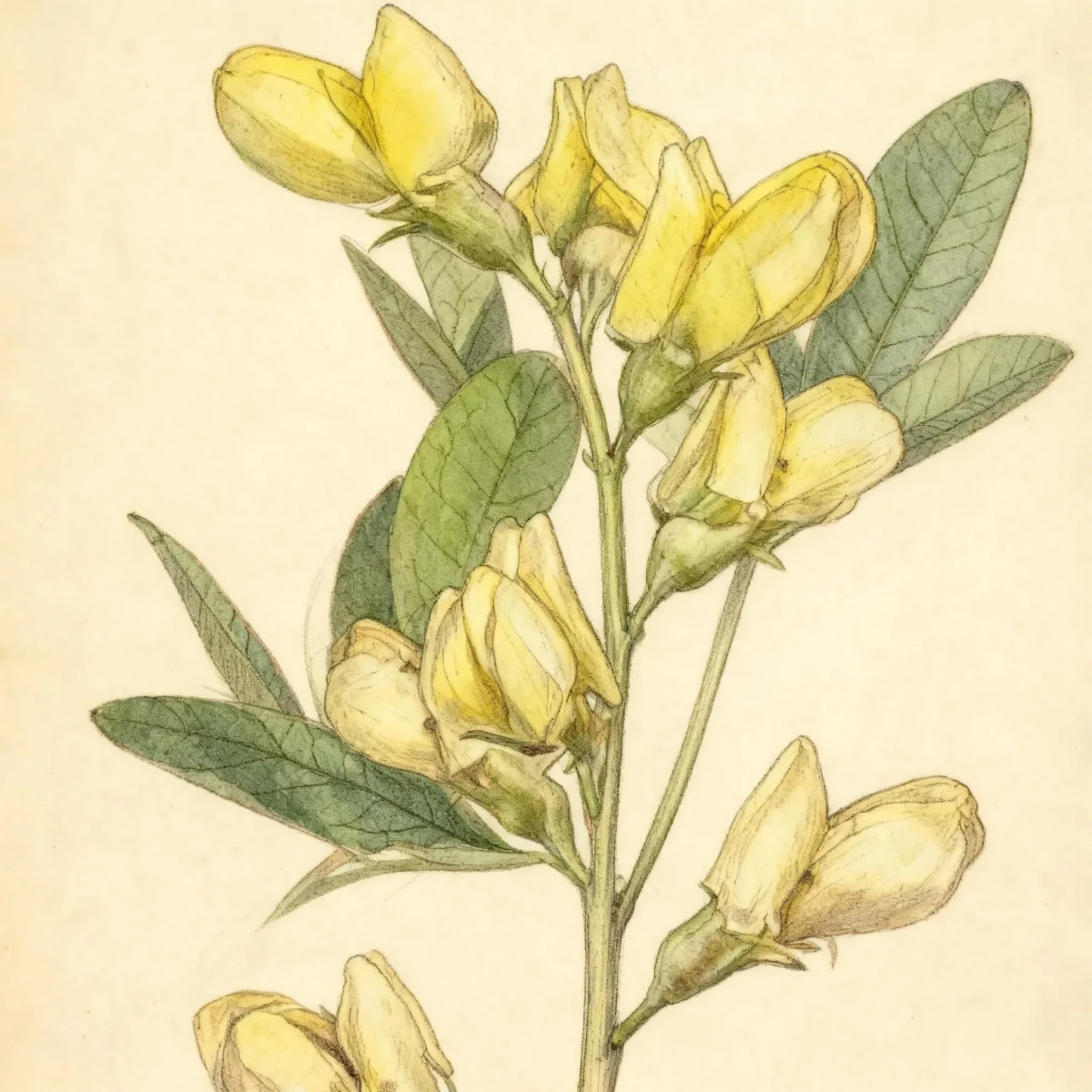
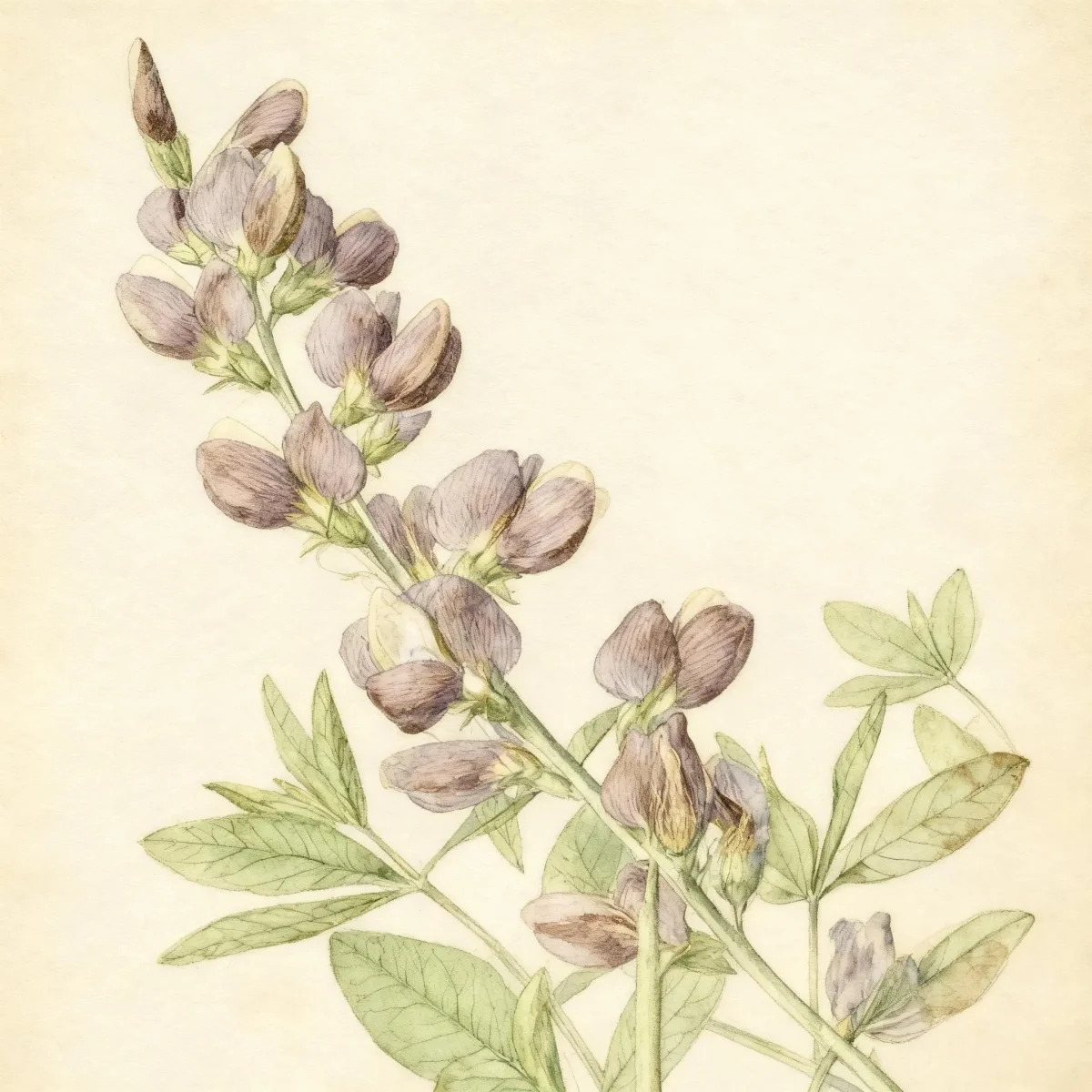
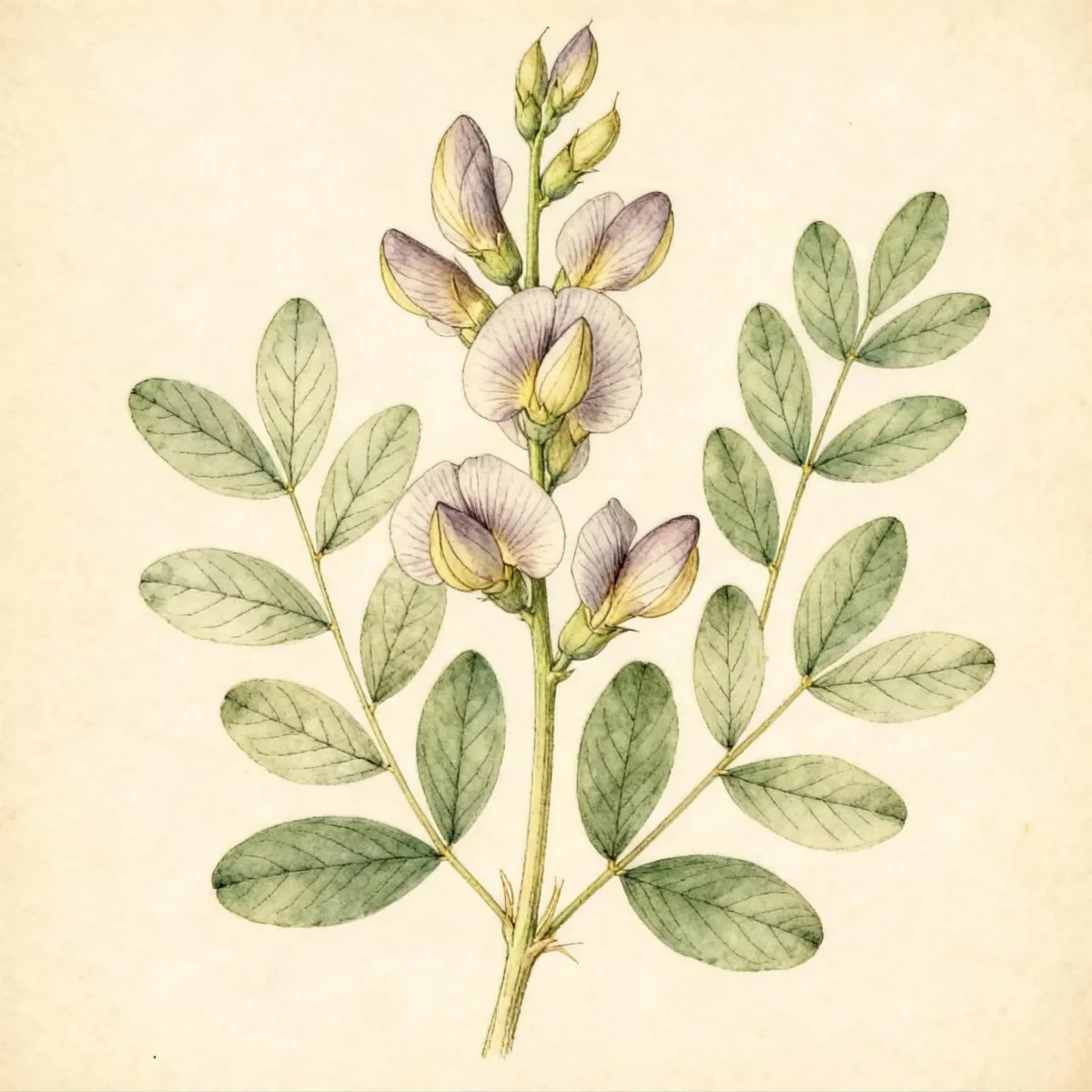
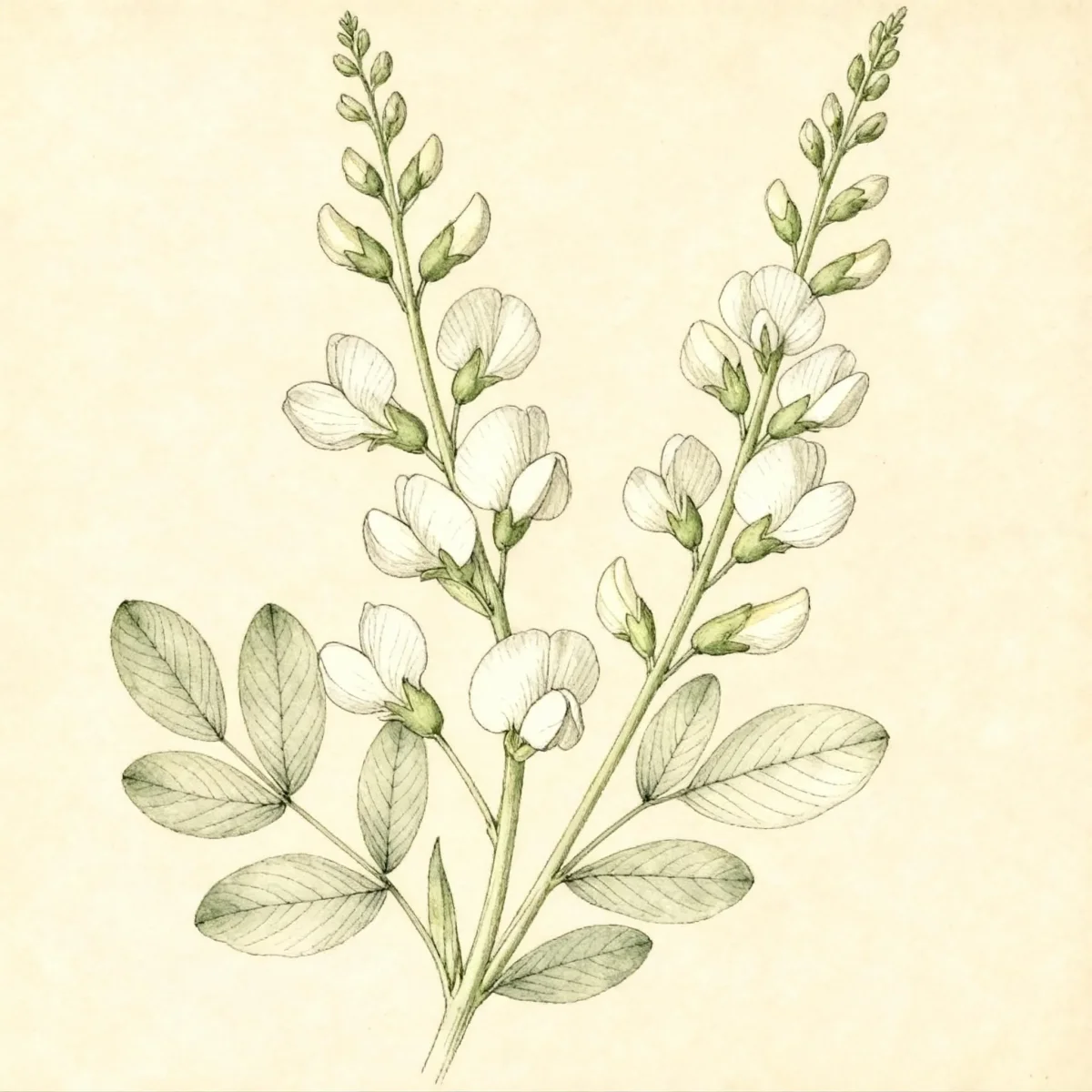
The defining feature of Baptisia ‘Lunar Eclipse’ is its upright, bicolor racemes, which begin their display as creamy white buds and transition to a soft lavender-blue as they mature. These impressive, pea-like blooms measure about 1 inch in diameter and are borne on racemes that can reach up to 15 inches long. This cultivar maintains a vase-shaped habit on sturdy stems, growing up to 3 feet tall, and is protected under Plant patent number PP25875. The genus name, Baptisia, is derived from the Greek word bapto, meaning “to dye.”
Tolerances
- Drought
- Erosion
- Dry Soil
Potential Problems
Baptisia is renowned for its excellent disease and pest resistance, meaning serious insect or disease issues are rare. The primary management consideration relates to structure. Taller plants, especially those situated in partial shade, may become top-heavy after flowering and lean or flop, requiring support if you wish to maintain perfect upright form throughout the summer. A key sensitivity to note is juglone; Baptisia tends to perform poorly when planted in close proximity to Black Walnut trees.
Frequently Asked Questions
What hardiness zones is False indigo suitable for?
Baptisia ‘Lunar Eclipse’ is reliably hardy across USDA Zones 4 through 8.
How large does Baptisia ‘Lunar Eclipse’ grow?
Mature plants typically reach a height between 2 and 3 feet, with a similar spread of 2 to 3 feet wide.
When does False indigo bloom?
This perennial displays its flowers between April and May, featuring blooms that start creamy white and age to lavender-blue.
What sun exposure does False indigo need?
It performs best with full sun exposure, though it can tolerate light or partial shade.
Conclusion
For gardeners seeking long-term structure combined with low maintenance, Baptisia ‘Lunar Eclipse’ offers superb value through its striking bicolor blooms and inherent toughness. This False indigo cultivar establishes easily and provides critical early-season color and pollinator support. Evaluate your site conditions now to ensure adequate sun and drainage before planting this exceptional perennial.
Companion Planting
When selecting companions for Baptisia ‘Lunar Eclipse’, focus on plants that share their preference for full sun, good drainage, and low moisture requirements once established. Grouping False indigo with plants that bloom later in the season helps mask any mid-summer laxity in its shape, should you choose not to cut it back. Excellent partners include Ornamental Grasses like Panicum virgatum (Switchgrass) which provide vertical interest and movement near the sturdy base of the Baptisia.
Another strong pairing involves drought-tolerant flowering perennials that appreciate similar soil conditions. Consider silvery foliage plants like Stachys byzantina (Lamb’s Ears) or contrast its blue-toned mature flowers with warm colors from plants like Coreopsis verticillata ‘Zagreb’. Because the taproot of Baptisia dislikes disturbance, ensure these neighbors are also long-lived and don’t require frequent division or amendment near the crown.
Design Ideas
The vase-shaped habit of Baptisia ‘Lunar Eclipse’ makes it invaluable for creating structure in informal or naturalized designs. In the context of a meadow planting, place several False indigo specimens irregularly spaced to act as vertical accents that rise above drifts of prairie flowers. Their long lifespan means they become reliable anchors in the landscape for decades.
For a more formal cottage garden setting, use Baptisia ‘Lunar Eclipse’ at the back of the border, spaced generously to allow its full 3-foot spread to develop unimpeded. The contrast between the sturdy, lupine-like foliage of the False indigo and the airy texture of plants like Salvia nemorosa or Nepeta creates visual depth. Focus on planting them where their unique transitional bloom color—from cream to lavender-blue—can be observed closely.