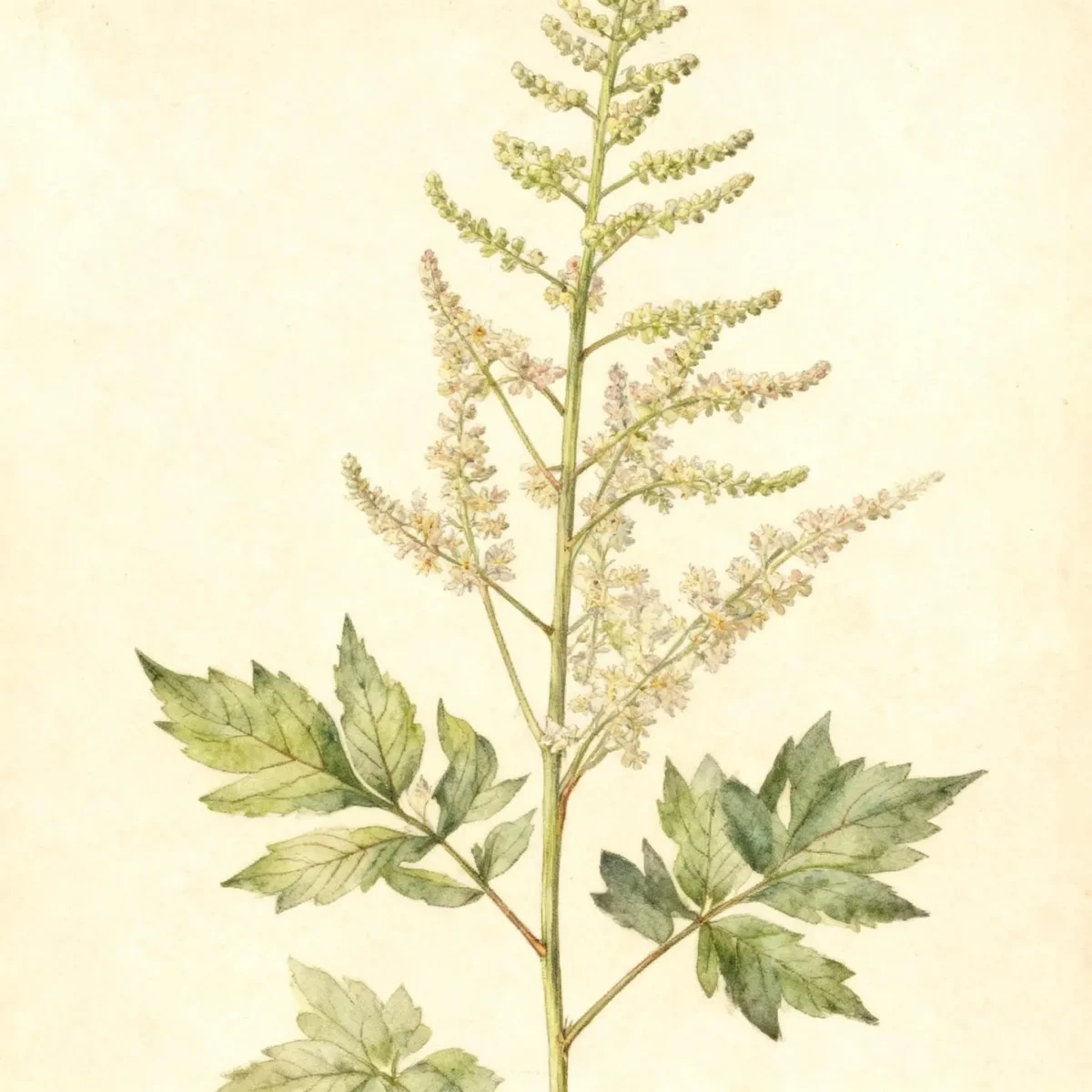
Astilbe (Astilbe × arendsii ASTARY PINK)
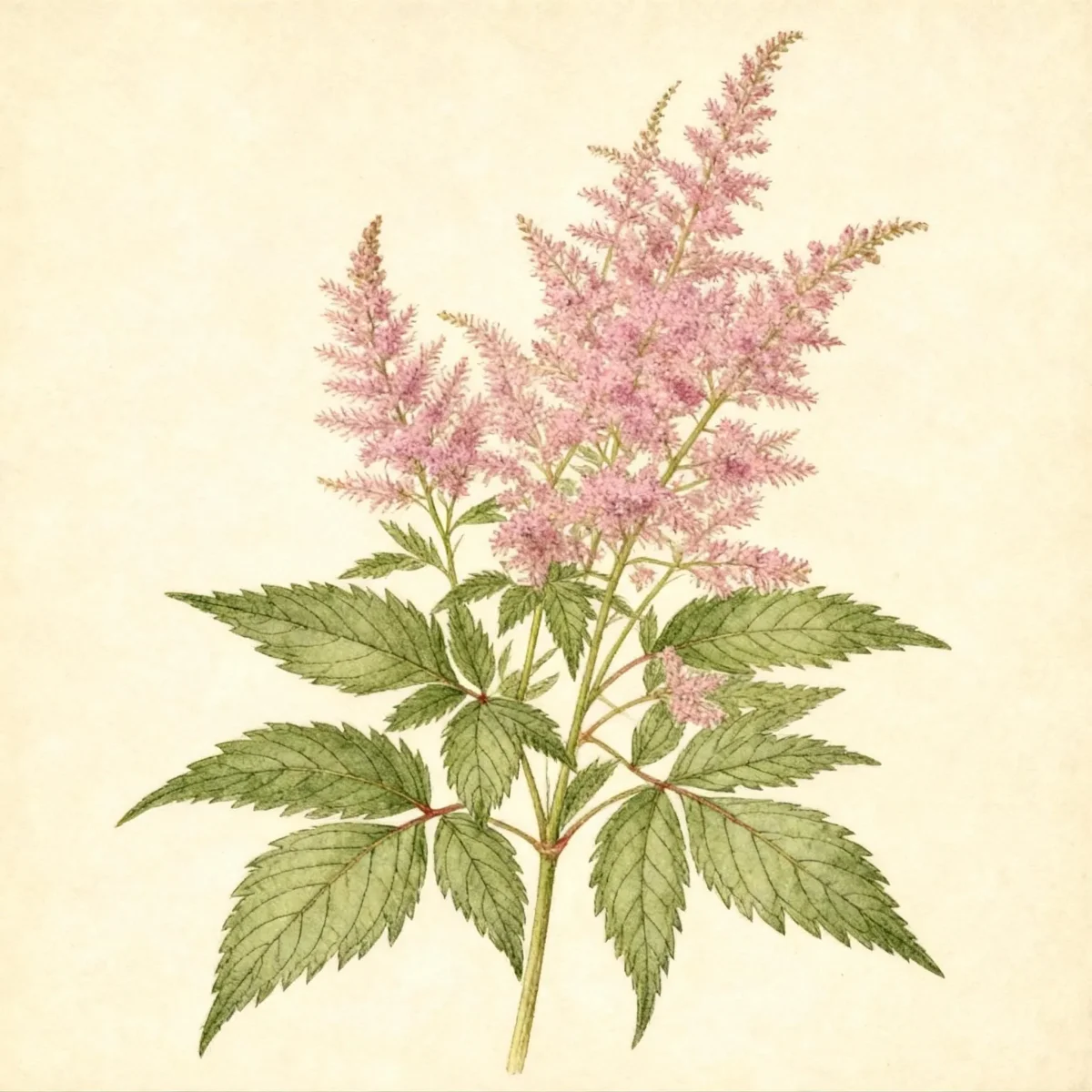
Dwarf Astilbe × arendsii ASTARY PINK offers showy light pink plumes in late spring. Low maintenance perennial perfect for part shade.
Scroll down to discover growing tips, care requirements, companion plants, and more
Complete Plant Information
Overview
Astilbe × arendsii ASTARY PINK is a highly valued, dwarf herbaceous perennial celebrated for its airy, light pink, plume-like flower spikes that emerge reliably in late spring to early summer. This cultivar of Astilbe provides essential vertical texture and color for shaded garden spaces where few other perennials shine brightly. Gardeners appreciate the compact mound of glossy, deep green foliage which often remains attractive all season if cultural needs are met.
As a member of the Saxifragaceae family, this Astilbe hybrid thrives in moist, rich conditions, making it an excellent anchor for woodland or cottage garden designs. Its low maintenance needs and tolerance for heavy shade ensure reliable performance year after year, adding consistent beauty to otherwise dark corners. The fine texture of the foliage contrasts beautifully with broader-leafed shade plants.
The Astilbe × arendsii ASTARY PINK cultivar specifically reaches only about 1 foot tall, providing delicate structure without imposing on neighboring shade-loving plants. Whether used for mass planting or as an edging feature, this Astilbe confirms the genus’s reputation as indispensable shade garden performers.
Fast Facts
- Plant Family: Saxifragaceae
- Plant Type: Herbaceous perennial
- Hardiness Zones: USDA Zones 4-9
- Size at Maturity:
- Height: 0.75-1 ft
- Spread: 0.75-1 ft
- Bloom Time: May to June
- Bloom Description: Pink
- Sun Exposure: Part shade to full shade
- Water Needs: Medium
- Maintenance Level: Low
How to Grow
Planting Astilbe × arendsii ASTARY PINK is ideally done in the spring or early fall when temperatures are moderate. Locate these plants where they receive part shade to full shade; too much direct, hot sun will scorch the foliage. Optimal soil composition must be moist, humusy, and organically rich, requiring excellent drainage to prevent crown rot.
Consistent moisture is the key to success for this Astilbe. Soils must not be allowed to dry out, especially during hot summers. Regular watering ensures the foliage remains attractive throughout the growing season. Applying a summer compost mulch helps significantly in retaining necessary soil moisture around the roots.
Maintenance is relatively low for this perennial. While removing faded flower stalks can neaten the appearance, many gardeners leave the dried seed heads for winter interest. Clumps should be divided every three to four years when overcrowding occurs to refresh vigor and maximize flowering performance.
Landscape Uses
Astilbe × arendsii ASTARY PINK is perfectly suited for mass planting or grouping within shade gardens and woodland settings, providing splashes of pink color below taller trees or shrubs. Its compact habit makes it an excellent edging plant for deeply shaded borders or cottage garden paths where neatness is desired. The strong vertical lines of the flower plumes add dynamic contrast.
Consider integrating this Astilbe along pond or stream banks where natural moisture levels are dependable, as they tolerate consistently damp soil conditions well. They also perform admirably in shaded foundation plantings, offering seasonal relief from the heat and harshness of reflected light, blending well with hostas and ferns.
Standout Features
Flower Qualities
- Showy
Noteworthy Characteristics
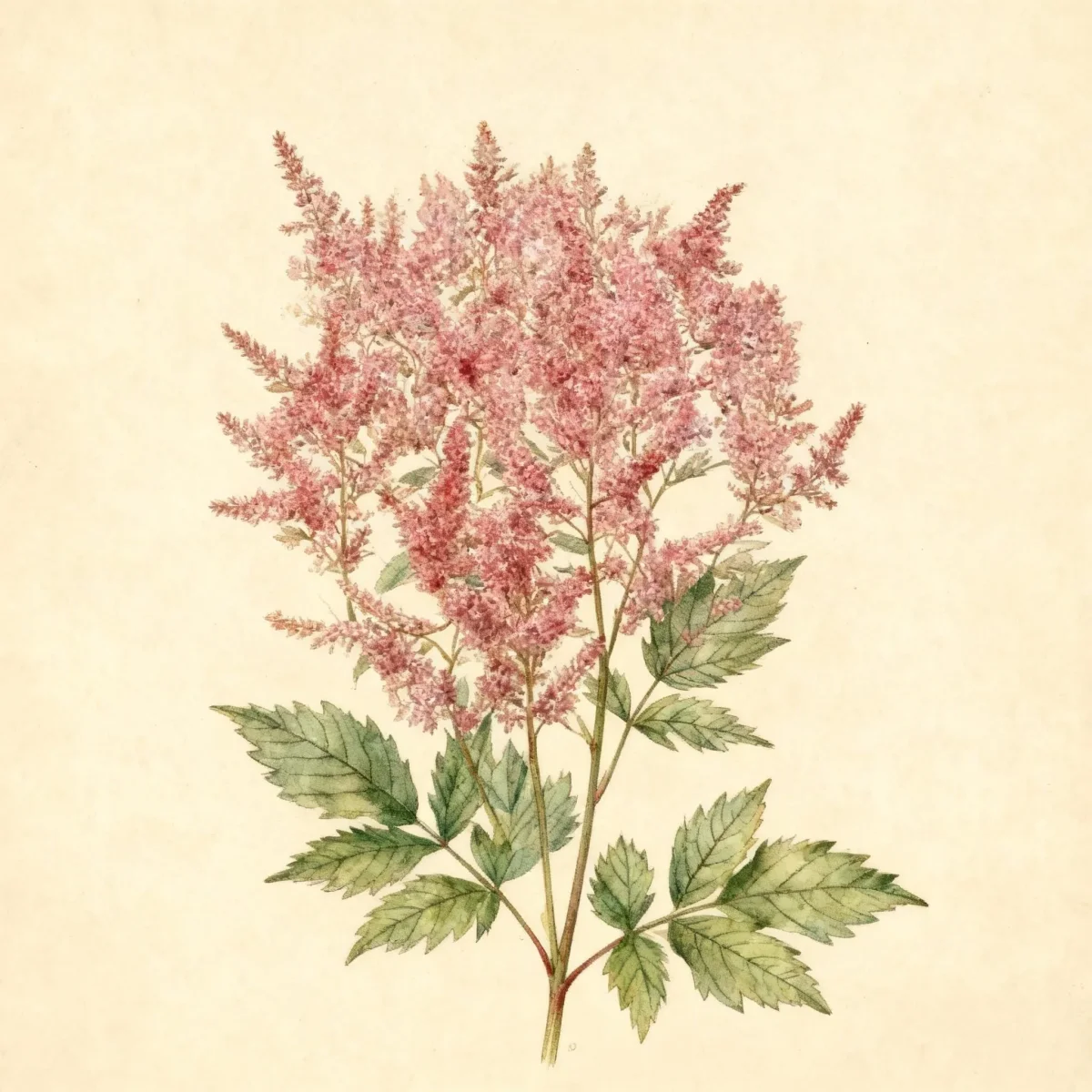
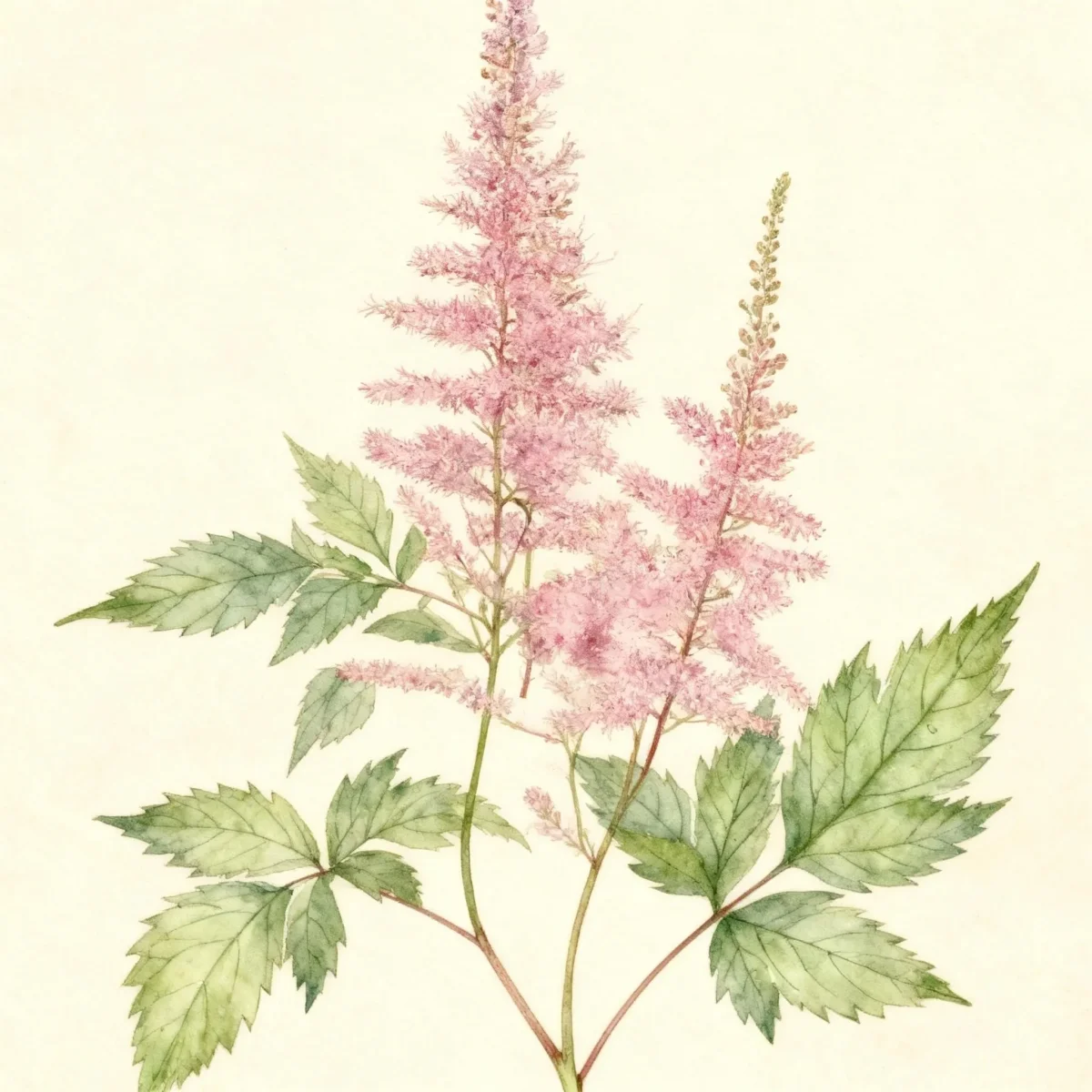
Astilbe × arendsii hybrids are a large group of hybrids involving crosses between A. Chinensis, A. Japonica, A. Thunbergii and A. Astilboides and named after German nursery man George Arends (1862-1952). They are clump-forming perennials which feature graceful, fern-like mounds of mostly basal, 2-3 ternately compound leaves, usually with sharply-toothed leaflets, and tiny flowers densely packed into erect to arching, plume-like flower panicles rising above the foliage on slender, upright stems. ASTARY PINK is a dwarf hybrid cultivar reaching 1’ tall when in bloom; its showy, flowering plumes are light pink and held above a compact mound of glossy green foliage reaching 1’ wide at maturity.
Tolerances
- Rabbit
- Deer
- Heavy Shade
- Black Walnut
Potential Problems
Astilbe × arendsii ASTARY PINK boasts generally robust health with no serious insect or disease problems when properly sited. The primary concern revolves around drought and heat stress; foliage decline, evidenced by browning leaves, occurs rapidly in hot summers or dry spells if soil moisture is not maintained. Ensure steady watering to prevent this and keep the plant looking its best.
Minor issues may include the appearance of powdery mildew or wilt, usually linked to poor air circulation in dense shade or persistent dampness. Japanese beetles might occasionally chew on the foliage, which can be managed through topical treatments if necessary.
Frequently Asked Questions
What hardiness zones is Astilbe suitable for?
Astilbe × arendsii ASTARY PINK is reliably hardy in USDA Zones 4 through 9.
How large does Astilbe × arendsii ASTARY PINK grow?
This dwarf cultivar typically reaches a height between 0.75 and 1 foot tall, with a similar spread of 0.75 to 1 foot wide at maturity.
What sun exposure does Astilbe need?
For the best performance and foliage health, ensure Astilbe × arendsii ASTARY PINK receives part shade to full shade exposure.
When does Astilbe bloom?
This variety produces its characteristic pink blooms throughout the late spring and early summer months, generally from May to June.
Conclusion
The beauty of Astilbe × arendsii ASTARY PINK lies in its reliability, providing low-maintenance, vibrant pink color specifically tailored for shaded landscapes. This compact Astilbe hybrid ensures textural contrast and consistent performance throughout the season. Before planting, verify your garden conditions align with its medium water needs and confirm zone compatibility within USDA 4-9.
Companion Planting for Shade Gardens
When designing a space for Astilbe × arendsii ASTARY PINK, pairing it with plants that share similar cultural needs—namely, moisture and shade—will guarantee a harmonious look. Hostas are classic companions, offering broad, contrasting foliage textures to highlight the Astilbe’s fine, airy plumes. Ferns, such as Japanese Painted Ferns or Autumn Ferns, thrive in the same humus-rich, consistently damp soils, creating a lush, layered woodland effect.
For continuous color, consider pairing the May-to-June bloom time of this pink Astilbe with spring-blooming shade bulbs or late-season bloomers like Tricyrtis (Toad Lily). The goal should always be to complement the fern-like texture of the Astilbe foliage while respecting its aversion to drying out, ensuring all companions also appreciate rich, moist soil.
Propagation and Division
Since Astilbe × arendsii ASTARY PINK is a clump-forming perennial, the primary method of propagation for maintaining cultivar purity is division. Clumps should be divided every 3 to 4 years, ideally in early spring just as new growth is emerging or in the fall after the foliage has died back. Overcrowding hinders flowering, making this routine division crucial for perennial health and vigor.
To divide, carefully lift the entire clump from the soil using a sharp spade, taking care not to damage the root mass excessively. Gently divide the root ball into smaller sections, ensuring each new division has several healthy growth buds attached to the crown. Replant these divisions immediately into prepared soil, watering thoroughly to eliminate air pockets and settle the soil around the roots.