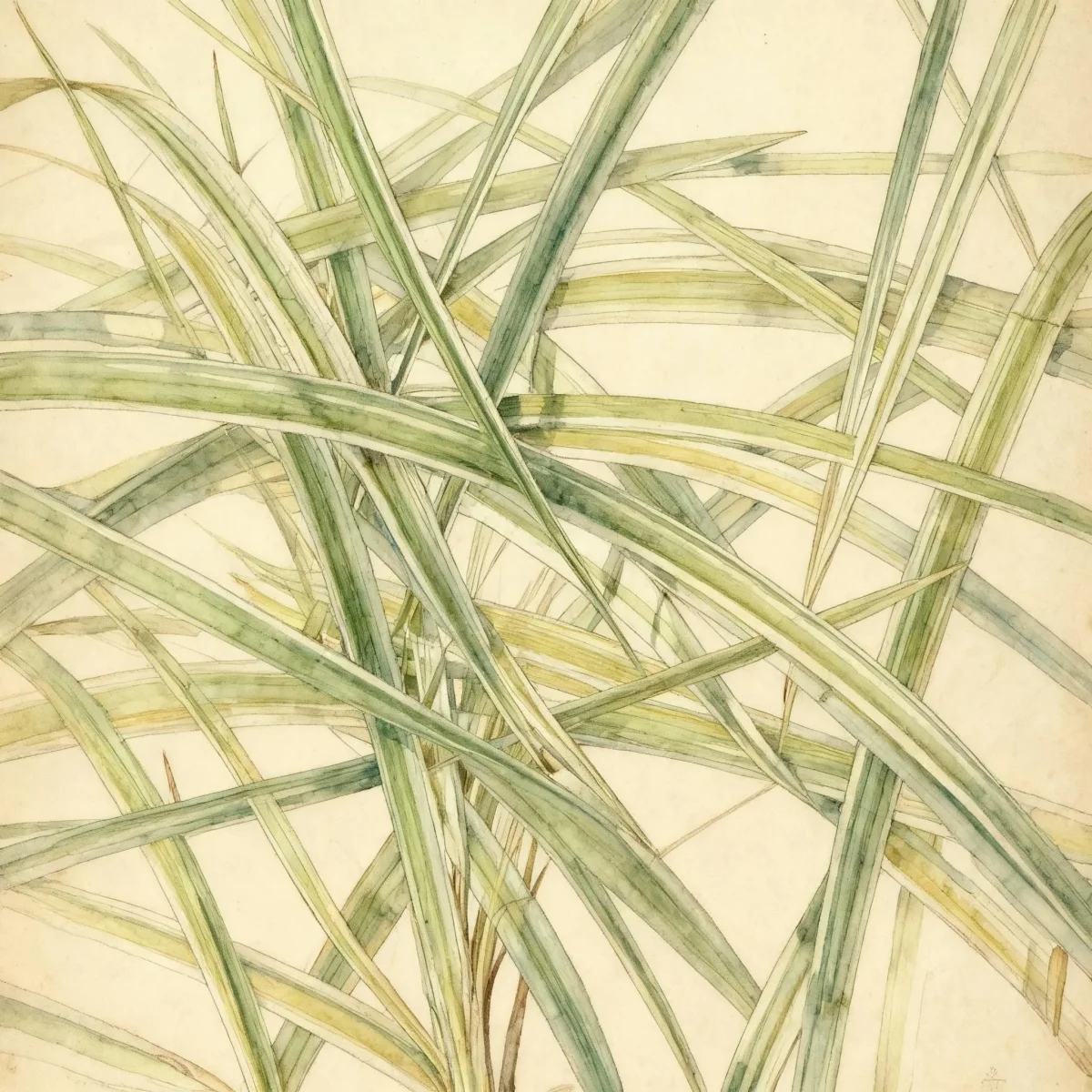
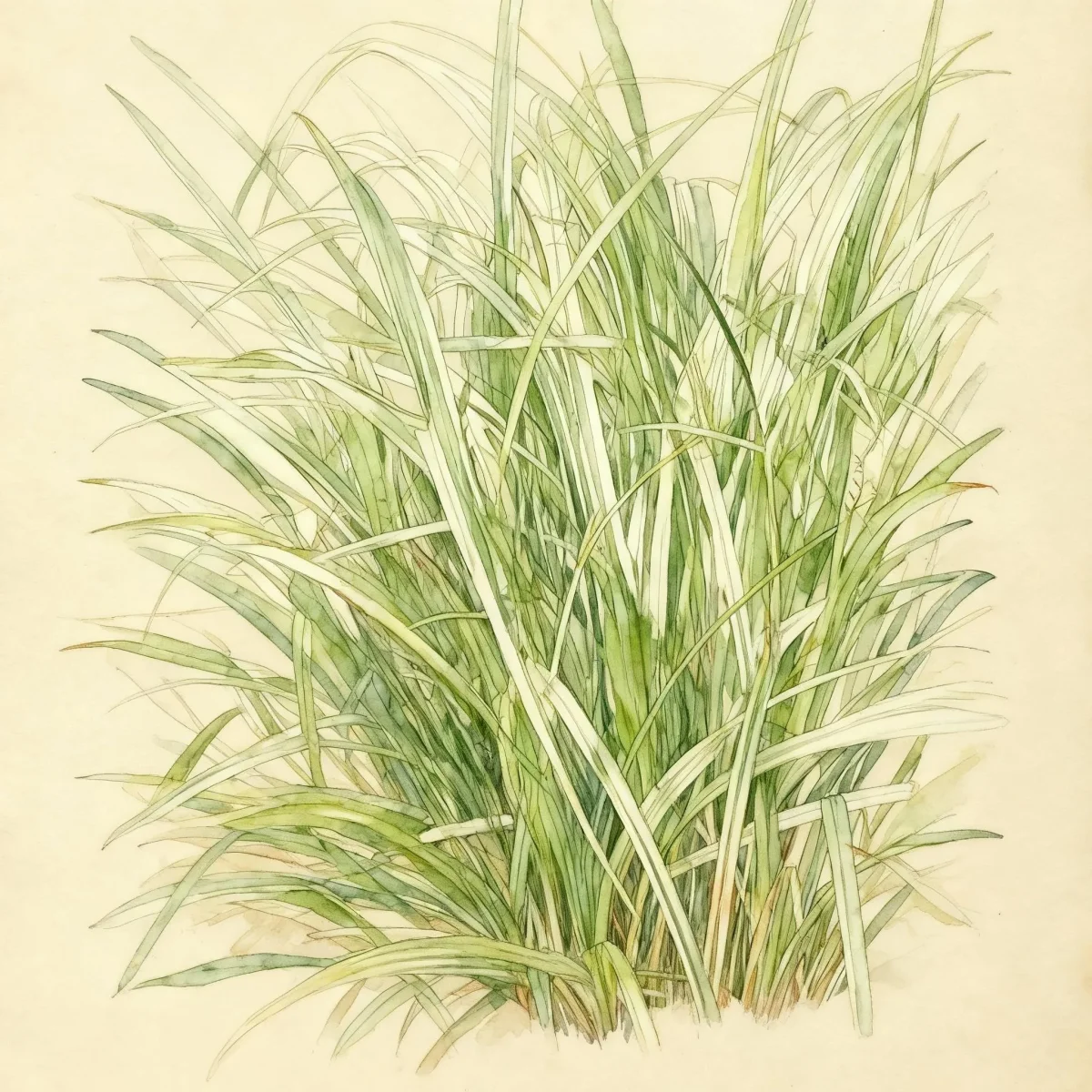
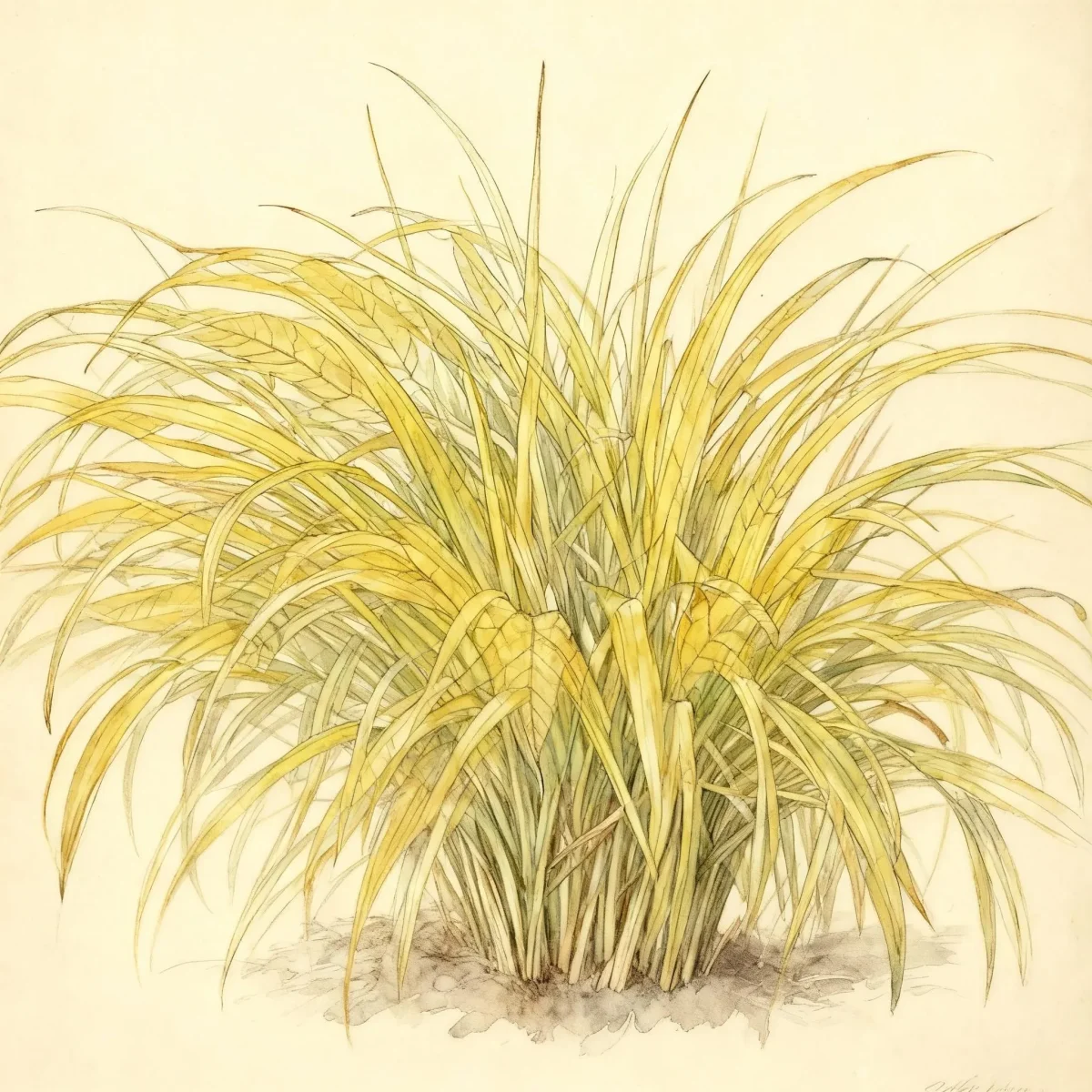
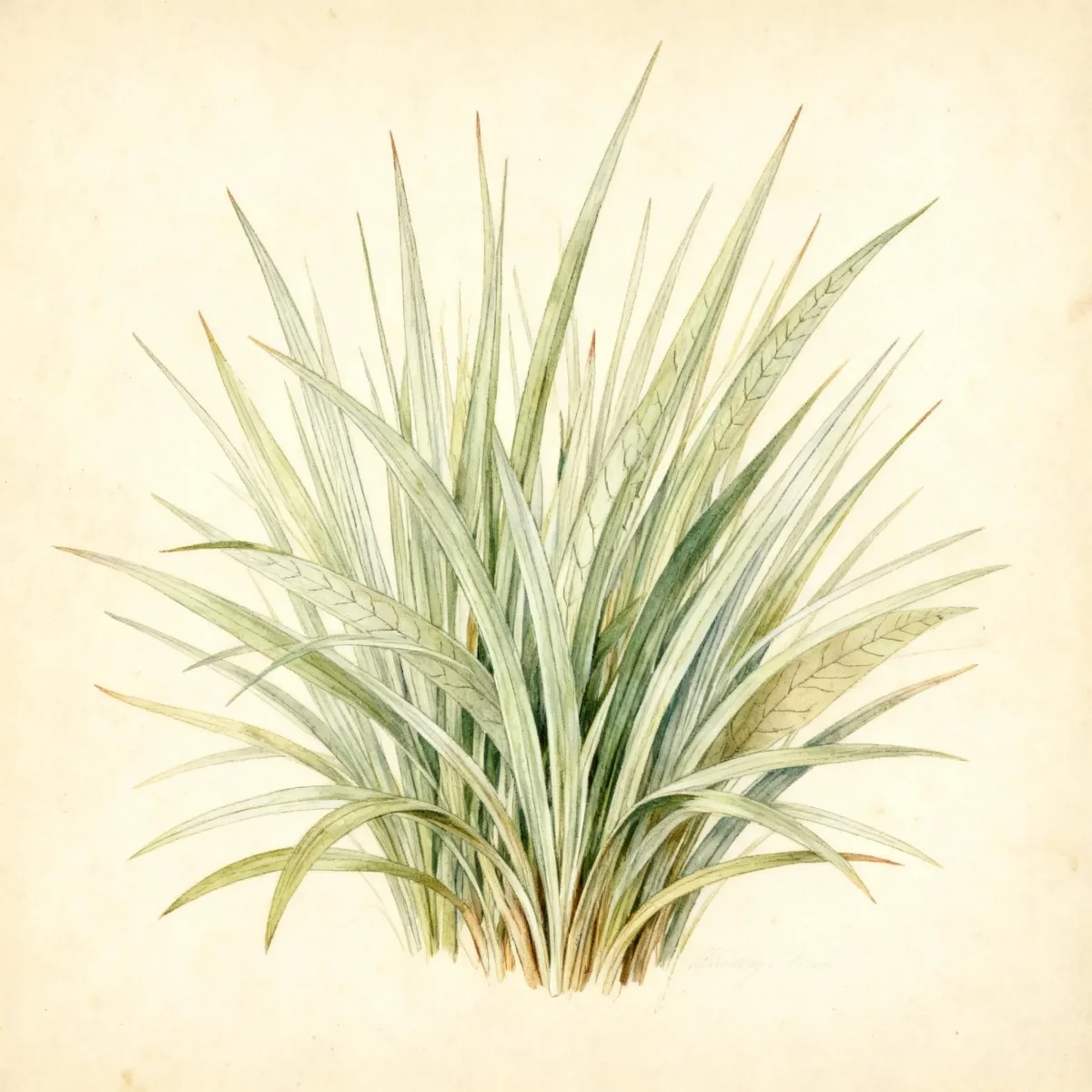
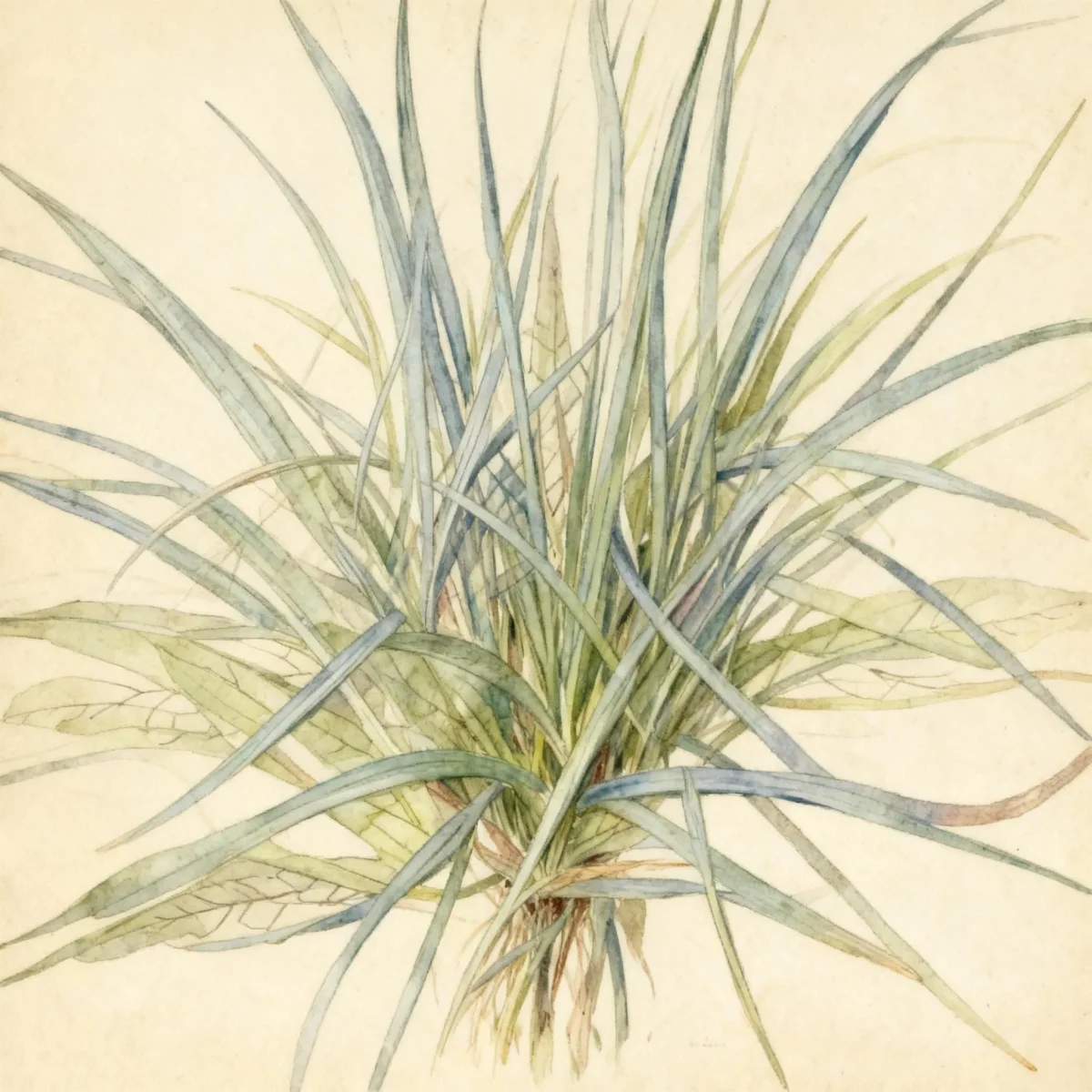
Blue sedge (Carex flacca 'Blue Zinger')
Elevate shady, moist spots with Blue sedge (Carex flacca 'Blue Zinger'), offering year-round blue-gray, arching foliage. Low maintenance.
Scroll down to discover growing tips, care requirements, companion plants, and more
Complete Plant Information
Overview
Carex flacca ‘Blue Zinger’, commonly known as Blue sedge, is prized for its dense, cool-season foliage that offers striking blue-green color contrast in shaded areas. This rhizomatous, evergreen sedge forms attractive clumps of narrow, arching leaves superior to the species for landscape definition. The improved size and clumping habit of Carex flacca ‘Blue Zinger’ make it an exceptional low-maintenance ground cover or accent plant.
This grass-like perennial thrives in moist conditions, lending vibrant texture to rain gardens and woodland settings. Its evergreen nature ensures color retention through mild winters, providing consistent visual structure when many other plants are dormant. Cultivating Blue sedge is straightforward, particularly when mimicking its native marshy or calcareous grassland habitats.
For gardeners seeking reliable texture and color retention in challenging shady, damp spots, the Blue sedge is an ideal choice. Its resilience against deer and tolerance for heavy shade further cement its utility in modern landscape design.
Fast Facts
- Plant Family: Cyperaceae
- Plant Type: Rush or Sedge
- Hardiness Zones: USDA Zones 5-9
- Size at Maturity:
- Height: 1-1.5 ft
- Spread: 1-1.5 ft
- Bloom Time: July to August
- Bloom Description: Greenish-white
- Sun Exposure: Part shade to full shade
- Water Needs: Medium to wet
- Maintenance Level: Low
How to Grow
Plant carex flacca ‘Blue Zinger’ during the spring or fall for best establishment; locate it where it receives part shade to full shade, though it can manage full sun if the summer climate is cool. This sedge prefers medium to wet soils and excels in consistently moist environments, even tolerating standing water up to 1-2 inches deep, making it perfect for naturalized rain gardens and bog peripheries. Established plants show moderate drought tolerance, but consistent moisture maintains the best blue coloration.
As a low-maintenance choice, Blue sedge generally requires minimal input once established. Fertilizing is rarely necessary, as rich soil can lead to excessive flopping. In cold winter climates, the foliage goes dormant and should be cut back close to the ground in late winter or early spring before new growth begins.
In warmer regions where Carex flacca ‘Blue Zinger’ remains evergreen, removing old or tattered foliage in late winter keeps the display neat and fresh for the coming growing season. Avoid heavy foot traffic, although the plant tolerates very light passage.
Landscape Uses
The striking blue coloration and fine texture of Carex flacca ‘Blue Zinger’ make it an invaluable asset in shade gardens, woodland borders, and for edging walkways where dry feet are an issue. It is perfectly suited for rain gardens, acting as an excellent textural mass planting that manages runoff and thrives in low spots, stream margins, or even pond edges where water levels fluctuate.
Utilize Blue sedge as an effective ground cover to suppress weeds and provide year-round interest beneath taller flowering shrubs or deciduous trees. Its upright, clumping form also provides effective contrast when grouped near bold-leaved hostas or ferns, offering a reliable, low-profile accent plant for smaller, intimate garden spaces.
Standout Features
Flower Qualities
- Insignificant
Noteworthy Characteristics
Carex flacca, commonly called blue-green sedge, is a dense, cool-season, clump-forming but slowly creeping, grass-like, rhizomatous, evergreen sedge which typically grows to 6-10” tall and features narrow, arching, somewhat coarse leaves (3/16” wide) which are blue-green above but blue-gray beneath. ‘Blue Zinger’ is a tall, upright cultivar featuring attractive, grass-like, blue-green foliage, typically growing in clumps to 10-20” tall, and it shows good leaf color retention in milder climates during the winter months. Plants spread somewhat slowly but will form colonies, making them an effective ground cover that tolerates very light foot traffic.
Tolerances
- Deer
- Heavy Shade
Potential Problems
This species exhibits no significant insect or disease problems, contributing greatly to its low maintenance profile. Gardeners should primarily focus on ensuring appropriate soil moisture levels, as prolonged dry spells, especially in full sun locations, can stress the plant and reduce its vibrant blue hue. Proper hardiness zone selection remains the most critical preventative measure for long-term success.
Frequently Asked Questions
What hardiness zones is Blue sedge suitable for?
Carex flacca ‘Blue Zinger’ is reliably hardy in USDA Zones 5 through 9. Ensure your location falls within this range for perennial success.
How large does Carex flacca ‘Blue Zinger’ grow?
This cultivar typically reaches a mature height between 1 and 1.5 feet tall, with a similar spread of 1 to 1.5 feet, forming dense clumps.
What sun exposure does Blue sedge need?
This sedge performs best in part shade to full shade conditions, where the foliage color remains most saturated and the soil stays consistently moist.
When does Carex flacca ‘Blue Zinger’ bloom?
The inconspicuous flowers appear from July to August, described generally as greenish-white and held above the blue-gray foliage.
Conclusion
The Blue sedge offers reliable, year-round architectural color, making Carex flacca ‘Blue Zinger’ an indispensable plant for managing moist, shadier areas of the landscape. Its low maintenance needs and strong tolerance for wet conditions simplify garden planning. Check your local USDA zone compatibility and aim to plant this attractive grass relative in spring or fall for the best results.
Companion Planting in Moist Shade
When planning a grouping around Carex flacca ‘Blue Zinger’, focus on plants that share similar preferences for medium to wet, part-shaded soil. Large-leaved Hostas provide the perfect textural contrast to the fine, arching foliage of the sedge. Ferns, such as the Ostrich Fern or Japanese Painted Fern, thrive in similar conditions and enhance the woodland aesthetic sought after when growing Blue sedge.
For seasonal color, consider Astilbe or Ligularia, both of which enjoy consistent moisture and part shade. Placing these complementary plants near the blue foliage of the sedge emphasizes the color while ensuring all specimens benefit from the rich, damp soil conditions provided in rain gardens or low spots.
Seasonal Care Calendar
Spring preparation for Carex flacca ‘Blue Zinger’ involves cutting back the old winter foliage, especially in colder zones, right before new blue growth emerges. This simple step keeps the planting area tidy and encourages fresh spring color.
Throughout the summer months, monitor moisture levels, ensuring the soil remains medium to wet, particularly during dry spells. While established plants handle some drought, the best foliage color for the Blue sedge is achieved with consistent hydration.
As fall approaches, no significant cutting back is required, as this evergreen—or semi-evergreen in cold areas—provides excellent winter interest. In very cold locations, a light mulch application after the ground freezes can offer extra root protection during harsh winters.