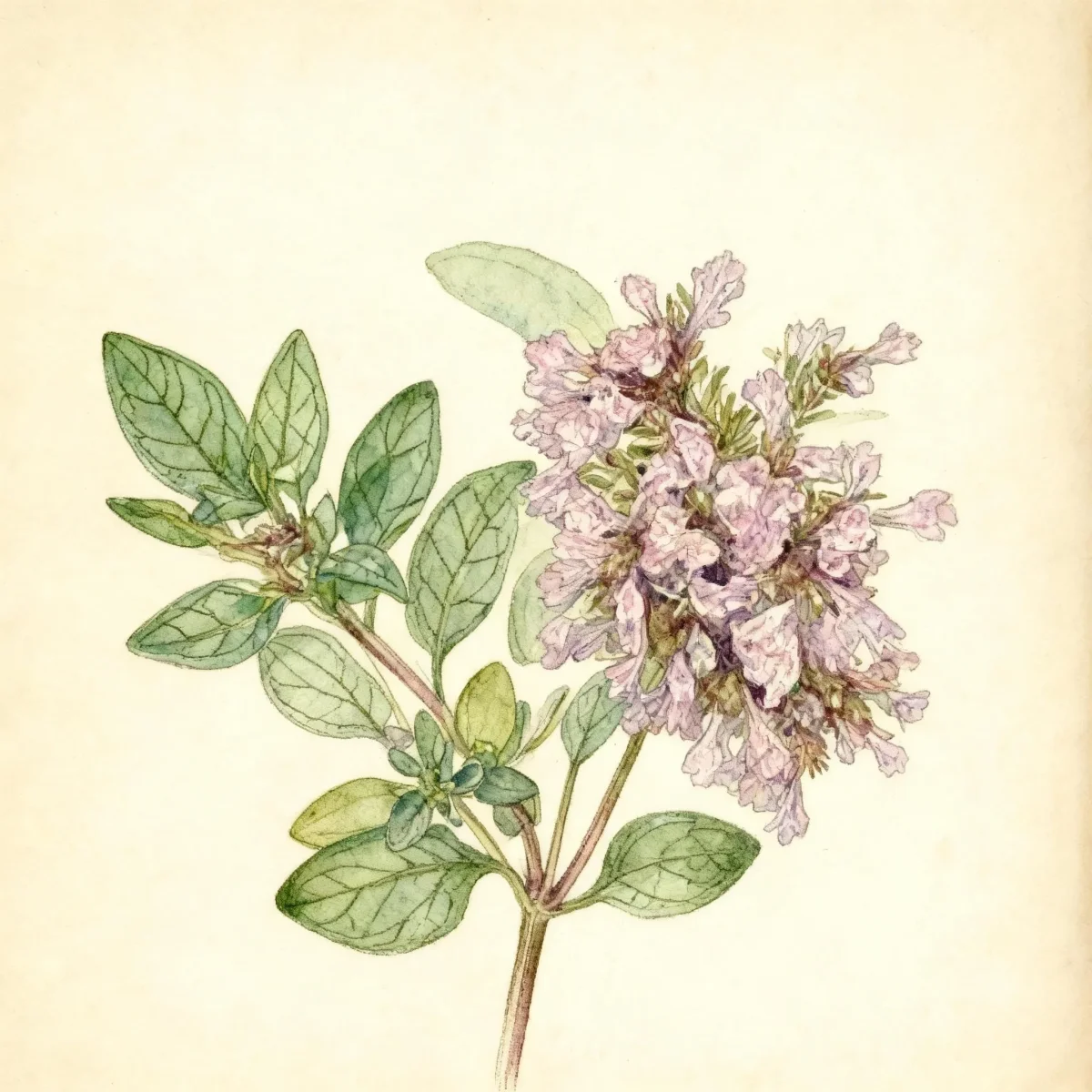
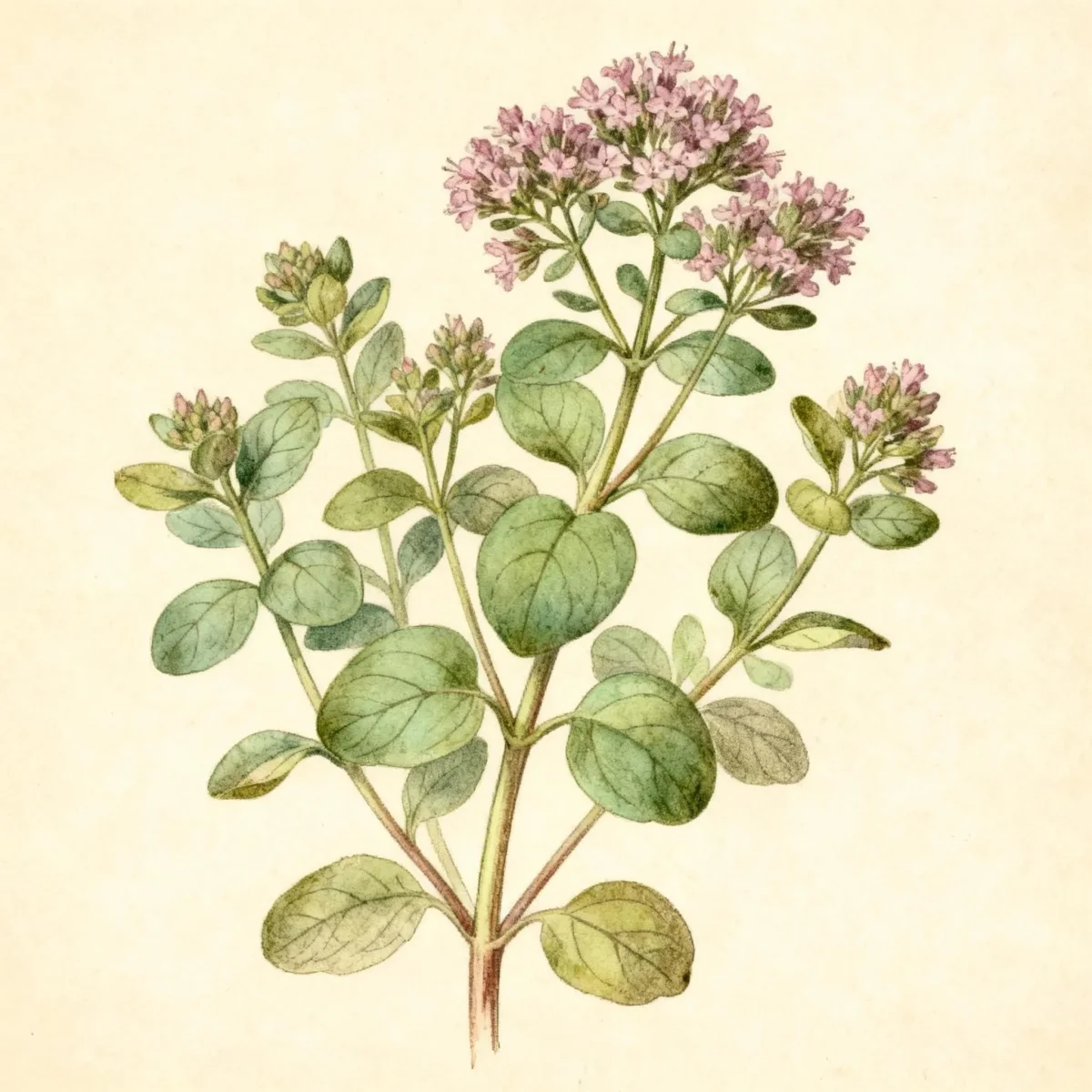
Creeping savory (Satureja spicigera)
Discover Creeping savory (Satureja spicigera), a low-maintenance, aromatic perennial perfect for sunny rock gardens, thriving in dry, well-drained soils.
Scroll down to discover growing tips, care requirements, companion plants, and more
Complete Plant Information
Overview
Creeping savory, scientifically known as Satureja spicigera, offers gardeners a wonderfully fragrant and highly resilient groundcover option. This low-growing herbaceous perennial sub-shrub is valued both for its tidy habit and its aromatic foliage, making it an excellent addition to culinary or rock gardens. Its preference for lean, well-draining conditions means it thrives where many other ornamentals struggle.
Native to the rocky slopes of the Caucasus region, Satureja spicigera develops a dense mat of spreading branches that rarely exceed three-quarters of a foot in height but can spread up to two feet wide. From mid to late summer, the plant is adorned with charming, spike-like clusters of small white flowers, providing continuous interest throughout the flowering season.
The practical appeal of Creeping savory lies in its easy care and deer resistance, coupled with its utility as a culinary herb. Handling full sun exposure beautifully, this plant represents a low-maintenance choice for gardeners seeking textural contrast and fragrance in dry, sunny borders.
Fast Facts
- Plant Family: Lamiaceae
- Plant Type: Herbaceous perennial
- Native Range: Iran, Caucasus, Turkey
- Hardiness Zones: USDA Zones 6-9
- Size at Maturity:
- Height: 0.25-0.75 ft
- Spread: 1.5-2 ft
- Bloom Time: July to October
- Bloom Description: White
- Sun Exposure: Full sun
- Water Needs: Dry to medium
- Maintenance Level: Low
How to Grow
For successful establishment, plant Creeping savory in the spring after the last frost, ensuring the location receives full sun throughout the day. This herb crucially requires slightly alkaline, rocky to sandy soils that are sharply well-draining. Avoid planting Satureja spicigera in heavy clay or areas prone to holding water, as poor drainage is its primary threat.
Maintenance for this hardy perennial is minimal once established. Water sparingly; allow the soil to dry out significantly between waterings, as it prefers dry to medium moisture conditions. Fertilizing is rarely necessary; rich, heavily amended soils can actually diminish its characteristic fragrance and robust nature.
Pruning can be done lightly in early spring to maintain a tidy shape and encourage fresh, aromatic growth. Since the plant emerges from a woody base, be careful not to cut back into old wood too aggressively. Hardy in Zones 6 through 9, this robust perennial generally requires no winter protection, though a dry mulch layer can occasionally benefit young plants in colder zones.
Landscape Uses
The dense, spreading form of Creeping savory makes it an exceptional choice for edging pathways or softening the harsh lines of stone walls and rockeries. Its low profile allows it to shine as a specimen plant in small groupings, where its aromatic leaves and summer blooms can be easily appreciated. As a culinary option, it should be placed near the kitchen door for convenient harvesting.
When designing mixed borders, pair Satureja spicigera with other Mediterranean or drought-tolerant herbs such as Thyme or Oregano, or use it as a fragrant replacement for traditional creeping groundcovers in lean, sunny spots. Its tolerance for shallow, rocky soil makes it ideal for xeriscaping projects where water conservation is a priority.
The delicate white flowers attract beneficial insects, and its foliage is known to deter browsing deer, offering functional benefits alongside its aesthetic appeal in herb gardens or along sunny cottage garden borders.
Standout Features
Flower Qualities
- Showy
Noteworthy Characteristics
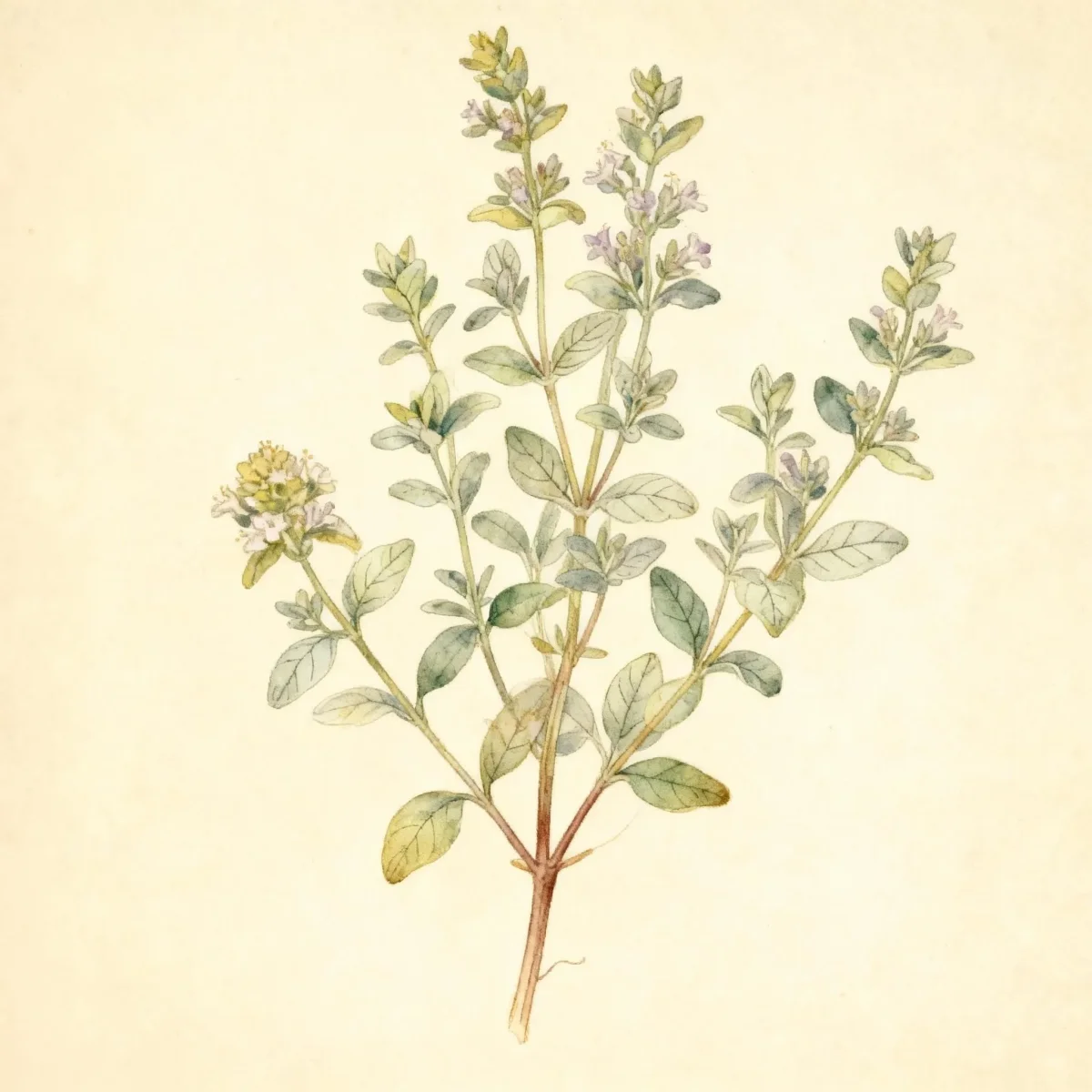
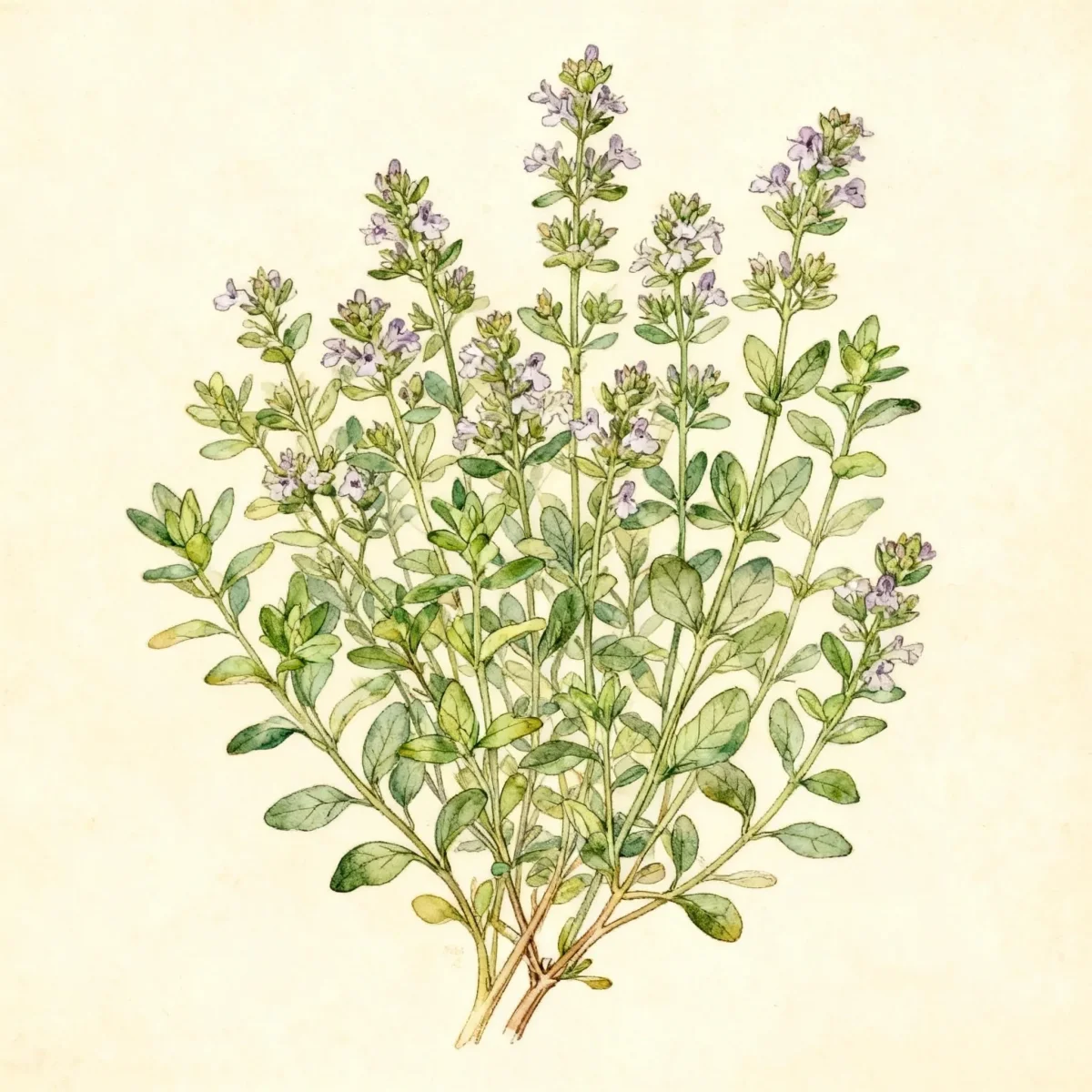
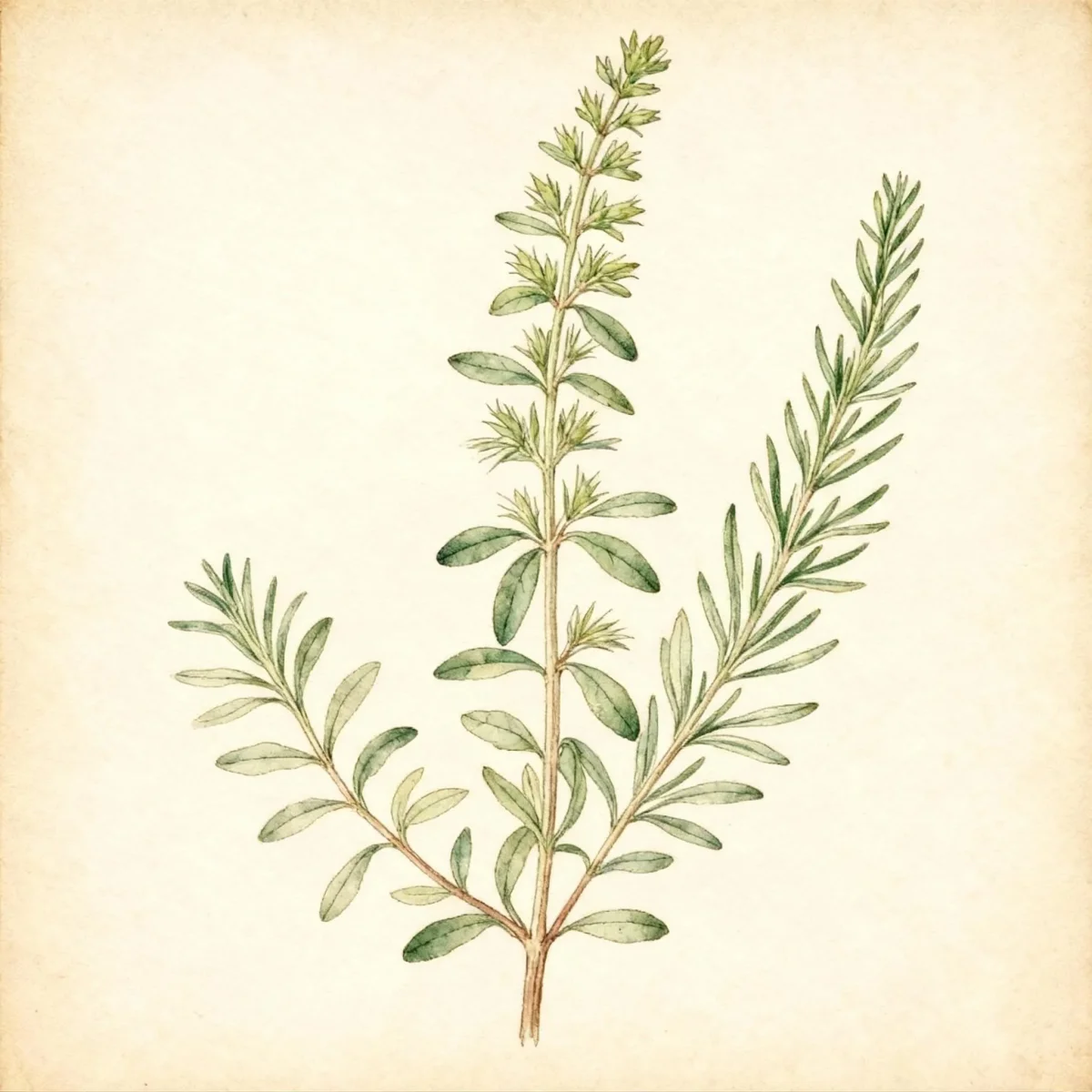
Satureja spicigera, commonly called creeping savory, is a low-growing, herbaceous perennial sub-shrub native to open, rocky, wooded slopes in the Caucasus Mountains of Georgia, Armenia, and Iran. The upright, slender stems can reach 4-8” tall and emerge from a woody base of spreading branches reaching 2’ wide. The small, lanceolate to linear leaves are spotted with glands filled with aromatic essential oils. Dense, spike-like, terminal inflorescence emerge in mid to late summer bearing small, white flowers.
Tolerances
- Deer
- Drought
- Dry Soil
- Shallow-Rocky Soil
Potential Problems
The primary danger to well-established Creeping savory involves excessive moisture management. Overly wet or waterlogged soils will rapidly lead to root or crown rot, quickly collapsing the plant structure. Since this plant thrives in dry, lean conditions, consistently overwatering is the most common cultural error. Fortunately, deer tend to avoid this aromatic plant when seeking forage. Always ensure soil drainage is excellent before planting to prevent these inevitable fungal issues.
Frequently Asked Questions
What hardiness zones is Creeping savory suitable for?
Satureja spicigera is hardy and recommended for USDA Zones 6 through 9.
How large does Creeping savory grow?
This perennial typically reaches a height between 0.25 and 0.75 feet tall, spreading outward to occupy an area of 1.5 to 2 feet wide.
What sun exposure does Satureja spicigera need?
This plant thrives best when grown in full sun conditions.
When does Creeping savory bloom?
The small white flowers of Creeping savory are displayed throughout the summer and into early fall, typically blooming from July to October.
Conclusion
Satureja spicigera, or Creeping savory, provides outstanding value in the low-maintenance garden due to its drought tolerance, deer resistance, and fragrant summer blooms. This versatile herb excels in challenging, sunny locations where drainage is paramount. Check your local USDA hardiness zone to ensure compatibility, and plan to incorporate this tough perennial into your rock garden or herb patch this coming growing season.
Companion Planting
When selecting companions for Satureja spicigera, focus on plants that share its affinity for dry, sunny environments and lean soil composition. Excellent partners include various Mediterranean herbs such as standard Thyme (Thymus species), Greek Oregano (Origanum vulgare), and Lavender (Lavandula). These companions not only thrive under similar neglect but also create a unified textural and sensory landscape, making for a beautiful and functional herb garden display. Avoid moisture-loving plants like Hostas or Ferns, as the wet feet required by those favorites will quickly undermine the health of the Creeping savory.
Design Ideas for Rocky Slopes
The tough, mat-forming habit of Satureja spicigera makes it a perfect choice for stabilizing sunny, south-facing slopes or filling the narrow gaps between pavers or flagstones in a path. Its ability to thrive in shallow, rocky soil mimics its native environment, providing reliable year-round groundcover where turf grass might otherwise fail. Use contrasting foliage colors—such as the silvery tones of Artemisia or the upright, architectural shape of slow-growing Sedums—to highlight the fine texture of the spreading Creeping savory mat.