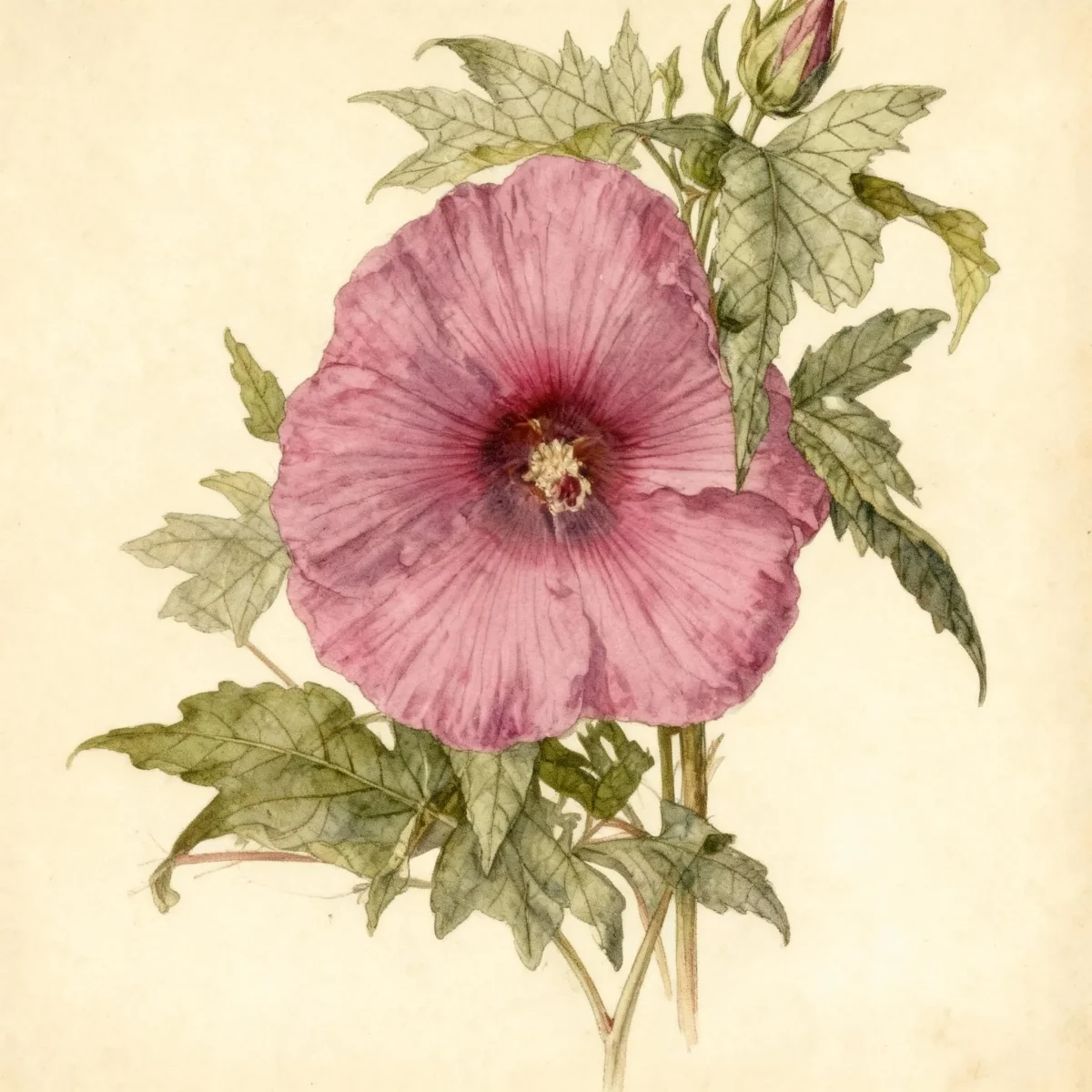
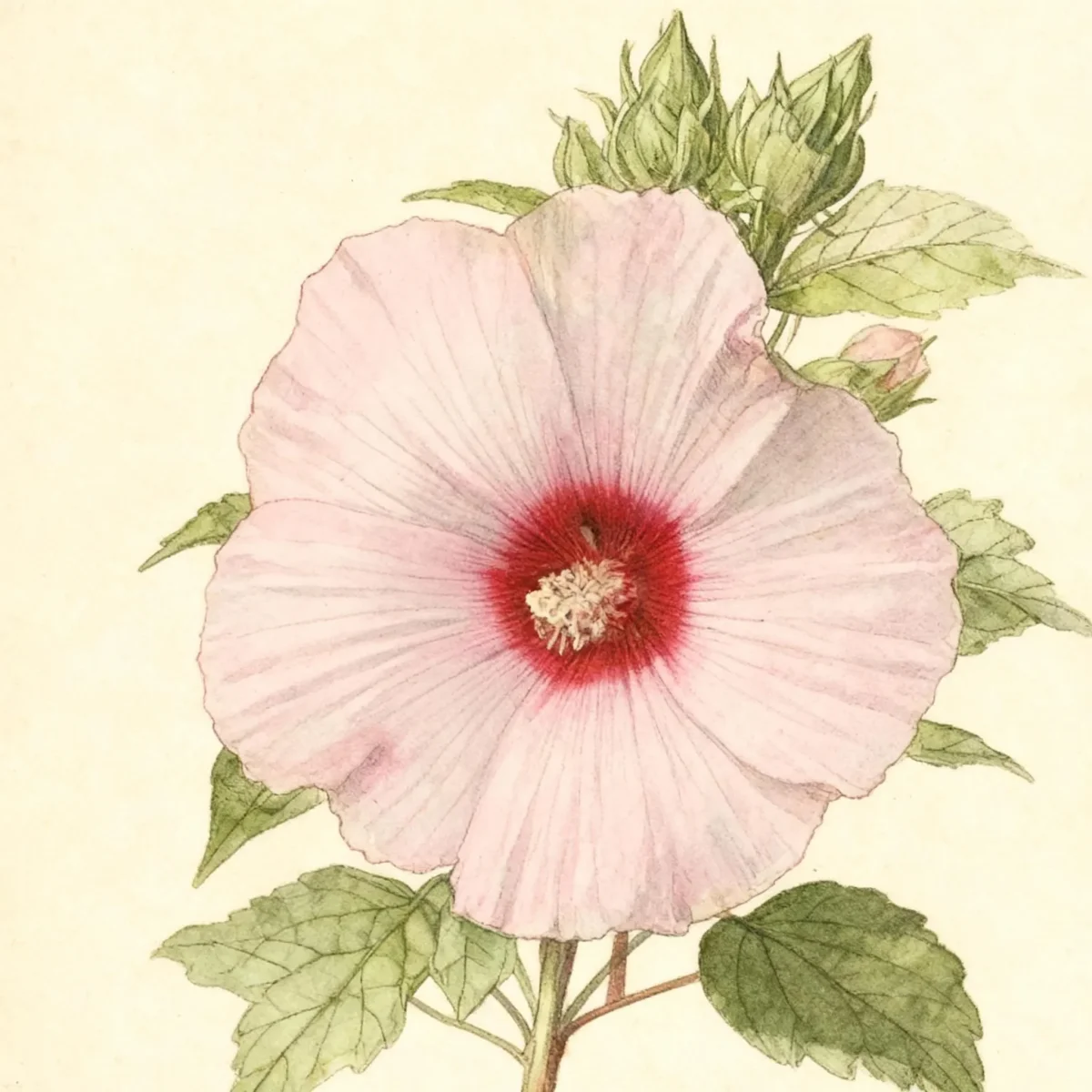
Hardy hibiscus (Hibiscus moscheutos 'Luna Rose')
The Hibiscus moscheutos 'Luna Rose' is a low-maintenance, showy perennial, perfect for wet areas of the garden.
Scroll down to discover growing tips, care requirements, companion plants, and more
Complete Plant Information
Overview
The Hibiscus moscheutos ‘Luna Rose’ offers spectacular summer color with minimal fuss, making it an outstanding choice for many landscapes. This herbaceous perennial, widely known as hardy hibiscus, produces massive, deep rose pink blooms that truly command attention from mid-summer right into early autumn. Its compact size, reaching only 2 to 3 feet tall and wide, makes Hibiscus moscheutos ‘Luna Rose’ an excellent specimen plant or border accent, especially in challenging moist conditions.
As a member of the Luna™ series, this variety boasts a well-branched, bushy habit and good durability, thriving even in heat and humidity. Gardeners value this plant not just for its dramatic flowers, which are highly attractive to pollinators, but also for its ability to manage wet sites where other shrubs might struggle. It is a true powerhouse perennial providing large, tropical-looking flowers on hardy, manageable stems.
Fast Facts
- Plant Family: Malvaceae
- Plant Type: Herbaceous perennial
- Hardiness Zones: USDA Zones 5-9
- Size at Maturity:
- Height: 2-3 ft
- Spread: 2-3 ft
- Bloom Time: July to September
- Bloom Description: Deep rose pink
- Sun Exposure: Full sun
- Water Needs: Medium to wet
- Maintenance Level: Low
How to Grow
Establish your hardy hibiscus in the spring after the danger of frost has passed, placing it in a location receiving full sun for the best stem strength and flower production. Ideal conditions involve moist, organically rich soils, though this variety tolerates average garden soils well, provided they do not dry out entirely during the growing season. Remember that regular, deep watering is crucial to prevent leaf scorch, especially during hot spells.
Maintenance for Hibiscus moscheutos ‘Luna Rose’ is generally low. Because it is tolerant of heat and humidity, pest pressure is often low if the plant retains vigor. To encourage extra bushiness, pinch back the growing tips when the plant reaches 8 inches tall, repeating the pinch again when it reaches 12 inches. Deadhead fading individual flowers to keep the display tidy throughout the long bloom period.
Do not worry when spring arrives slowly; new growth on hardy hibiscus can be delayed. Once shoots finally appear, growth is rapid. In late autumn, after the foliage has died back, cut the woody stems down to about 3 to 4 inches above the ground. This herbaceous perennial benefits significantly from regular fertilization throughout the active growing season to support its heavy blooming schedule.
Landscape Uses
This specific cultivar, Hibiscus moscheutos ‘Luna Rose’, excels in landscape roles where moisture is plentiful. It is perfectly suited for rain gardens or along the edges of ponds and streams, fulfilling its native preference for wet spots. For a dramatic temporary screen or summer hedge, group several plants together, taking advantage of their rapid growth habit.
Their compact habit also makes them surprisingly effective in large containers, though container specimens will require more consistent watering than those planted in the ground. When designing borders, pair the dazzling pink blooms of the hardy hibiscus with plants that tolerate similar moist conditions but offer contrasting foliage textures, such as ornamental grasses or irises.
Standout Features
Flower Qualities
- Showy
Noteworthy Characteristics
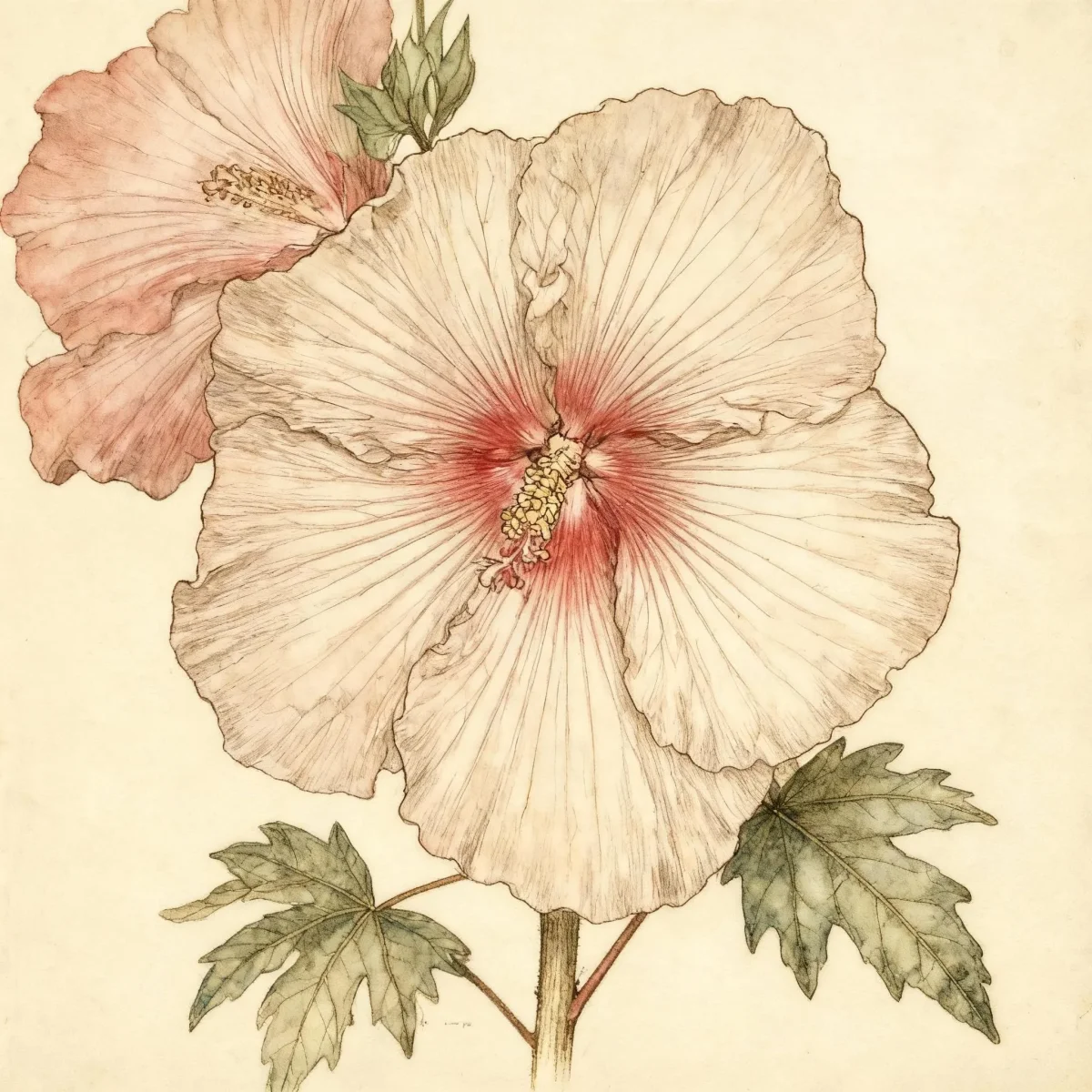
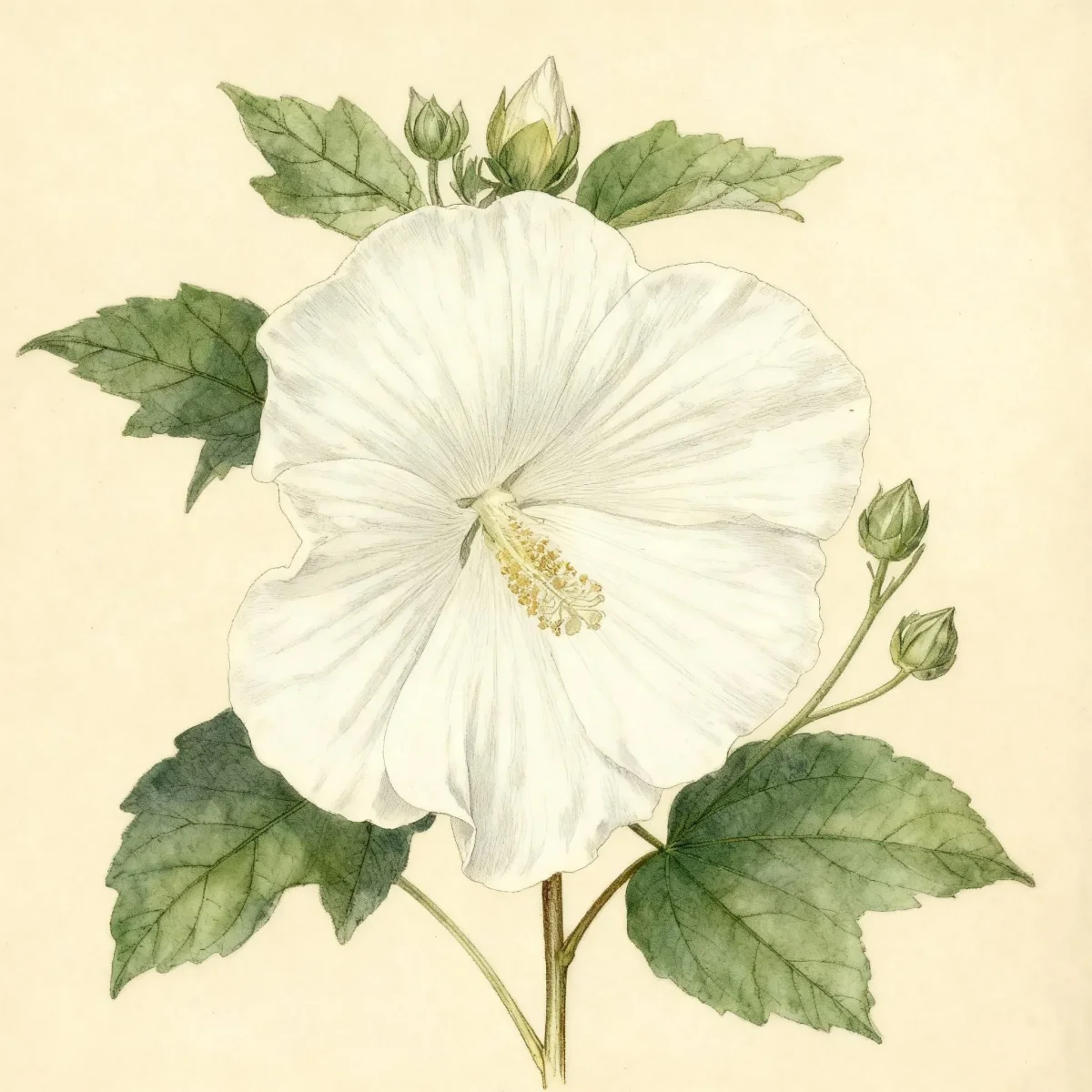
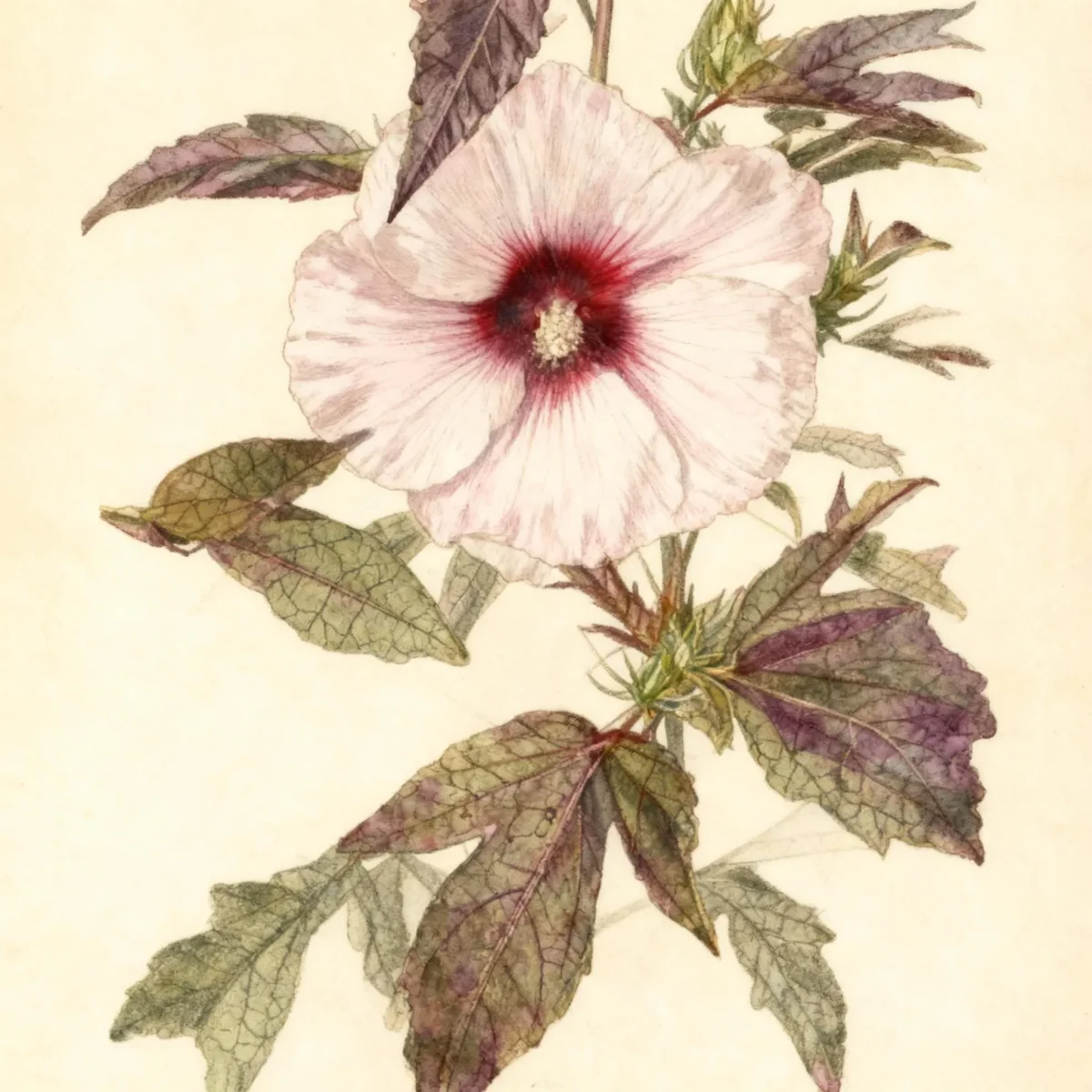
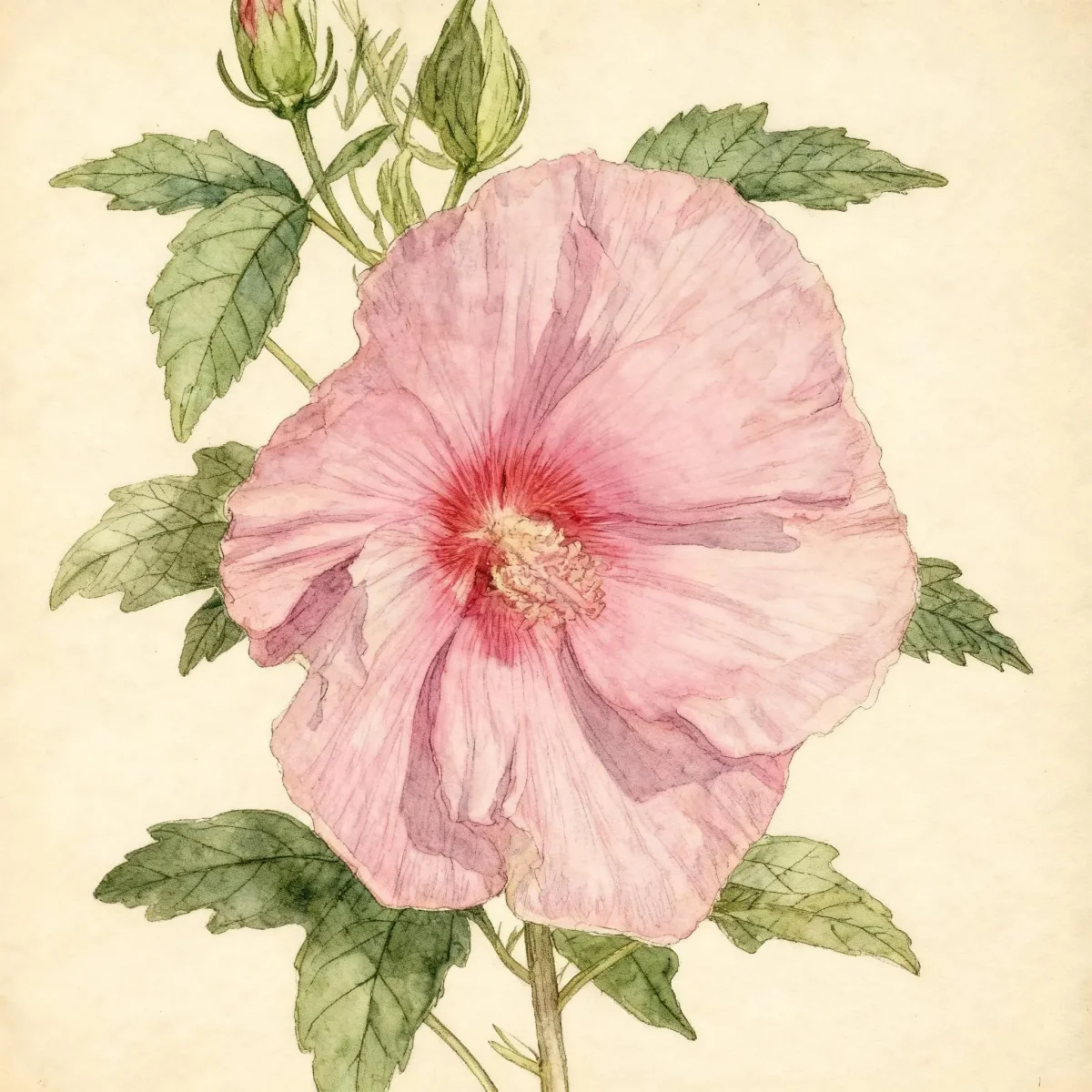
Hibiscus moscheutos, commonly known as hardy hibiscus or swamp rose mallow, is a vigorous, sturdy, rounded, somewhat shrubby, hairy-stemmed, woody-based perennial of the mallow family. Showy, dinner plate-sized, hollyhock-like flowers have five overlapping petals with a contrasting dark crimson base, accompanied by prominent yellow stamens. The blooms are attractive to butterflies and other pollinators, opening daily in rapid succession throughout the summer. The compact ‘Luna Rose’ specifically forms a bushy mound of dark green leaves, reaching 2 to 3 ft tall and wide with magnificent deep rose pink flowers up to 8 inches across.
Tolerances
- Deer
- Wet Soil
Potential Problems
While generally robust, Hibiscus moscheutos ‘Luna Rose’ can occasionally face fungal issues like leaf spots, blights, or rusts, especially if air circulation is poor or humidity is constantly high. Japanese beetles may appear and quickly skeletonize foliage if left unchecked; manual removal or appropriate beetle controls are necessary if damage is severe. Watch for occasional small pests like whiteflies or aphids. Ensure consistent moisture, as allowing the soil to dry out will result in leaf scorch, which is the most common non-pest related issue.
Frequently Asked Questions
What hardiness zones is Hardy hibiscus suitable for?
Hibiscus moscheutos ‘Luna Rose’ is reliably hardy in USDA Zones 5 through 9.
How large does Hardy hibiscus grow?
This cultivar typically reaches a mature height between 2 and 3 feet, with a comparable spread of 2 to 3 feet.
When does Hardy hibiscus bloom?
You can expect the deep rose pink blooms of Hibiscus moscheutos ‘Luna Rose’ to appear continuously from July through September.
What sun exposure does Hardy hibiscus need?
This plant requires full sun exposure to develop the strongest stems and produce the best abundance of flowers.
Conclusion
The Hibiscus moscheutos ‘Luna Rose’ provides an indispensable element of drama for the summer garden without demanding excessive attention, thanks to its native toughness and low maintenance requirement. Its ability to flourish alongside wet areas makes this hardy hibiscus a practical and breathtaking choice for rain gardens. Before planting, confirm that your location falls within USDA Zones 5-9 and plan for consistent moisture to unlock the full potential bloom power of your Hibiscus moscheutos ‘Luna Rose’.
Companion Planting
Selecting appropriate companions is key when planting near bog-loving species like hardy hibiscus. Look for plants that thrive in consistently moist, even wet, conditions and share similar sun needs. Large ornamental grasses, such as switchgrass (Panicum virgatum), create excellent structural contrast to the broad leaves and large flowers of the hibiscus. Daylilies (Hemerocallis) are also excellent partners, tolerating moist soil while offering different textures and bloom times that extend visual interest beyond the late-summer peak of the hibiscus.
Wildlife Benefits
Beyond their stunning visual appeal, these large-flowered perennials are excellent for supporting local ecosystems. The massive, open blooms of Hibiscus moscheutos ‘Luna Rose’ are magnets for large, long-tongued pollinators like large bees and swallowtail butterflies, which can easily access the nectar located deep within the flower structure. The prominent central staminal column ensures that these visitors become dusted with pollen. Planting this hardy hibiscus directly contributes to biodiversity by providing a reliable, high-nectar food source during the hottest part of the growing season.