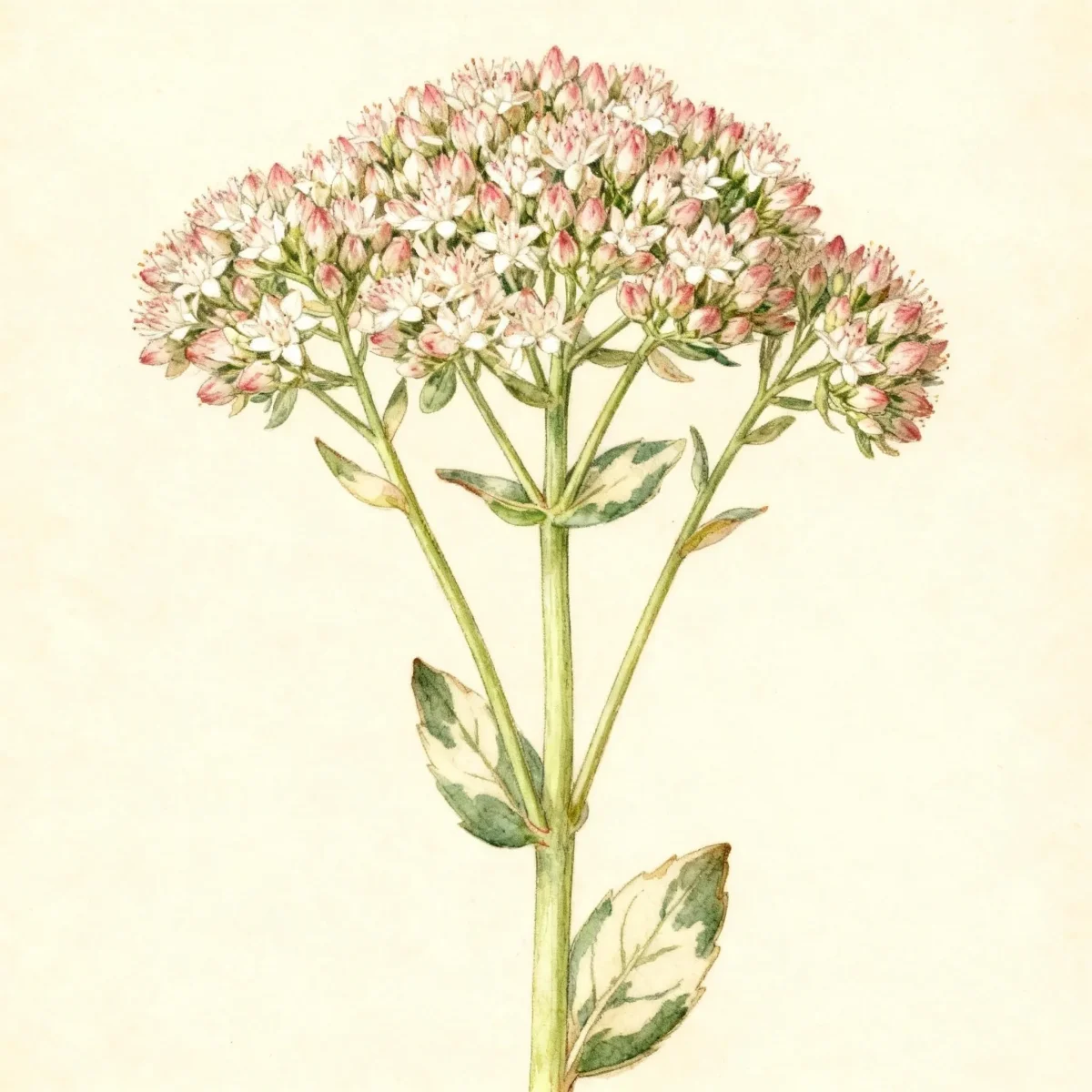
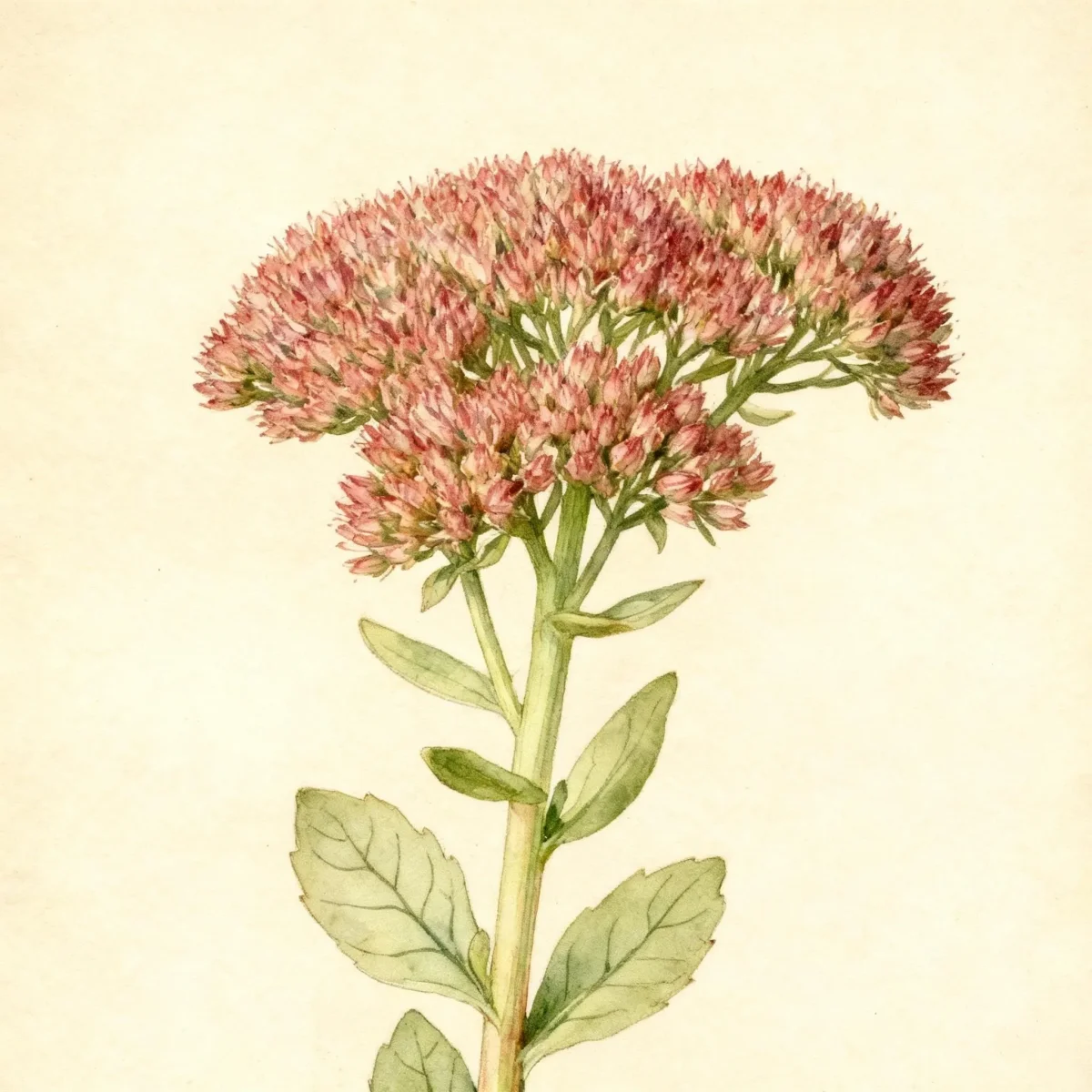
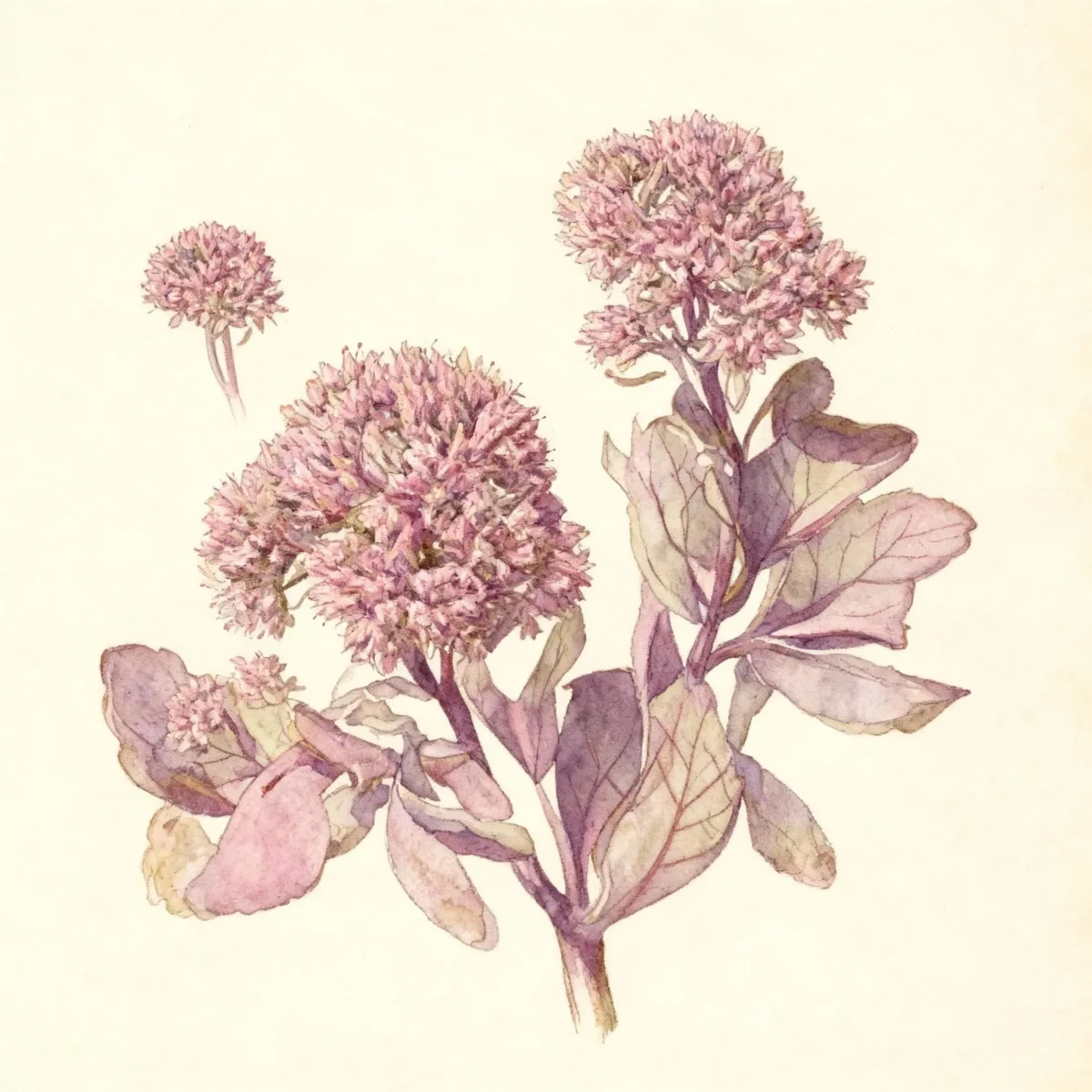
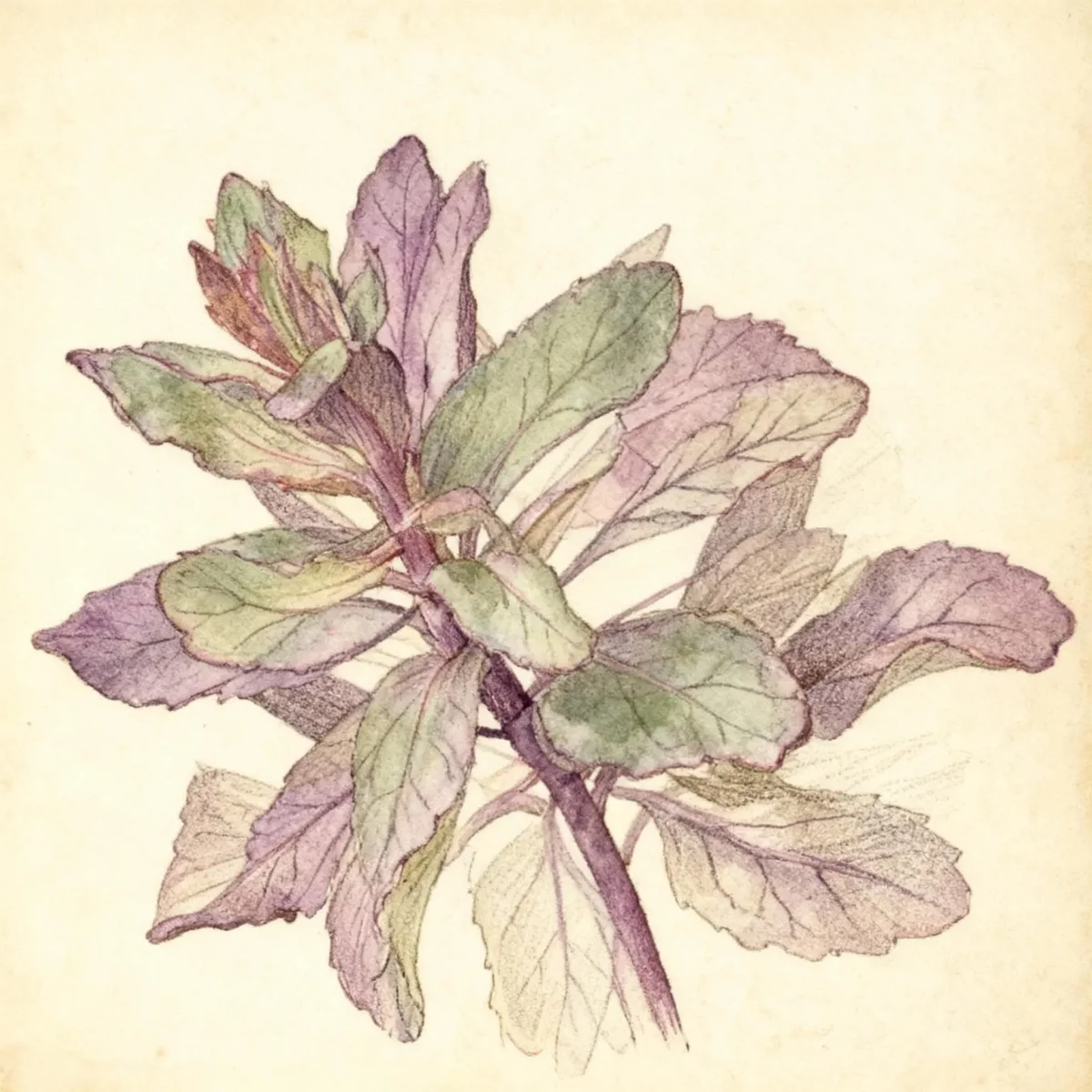
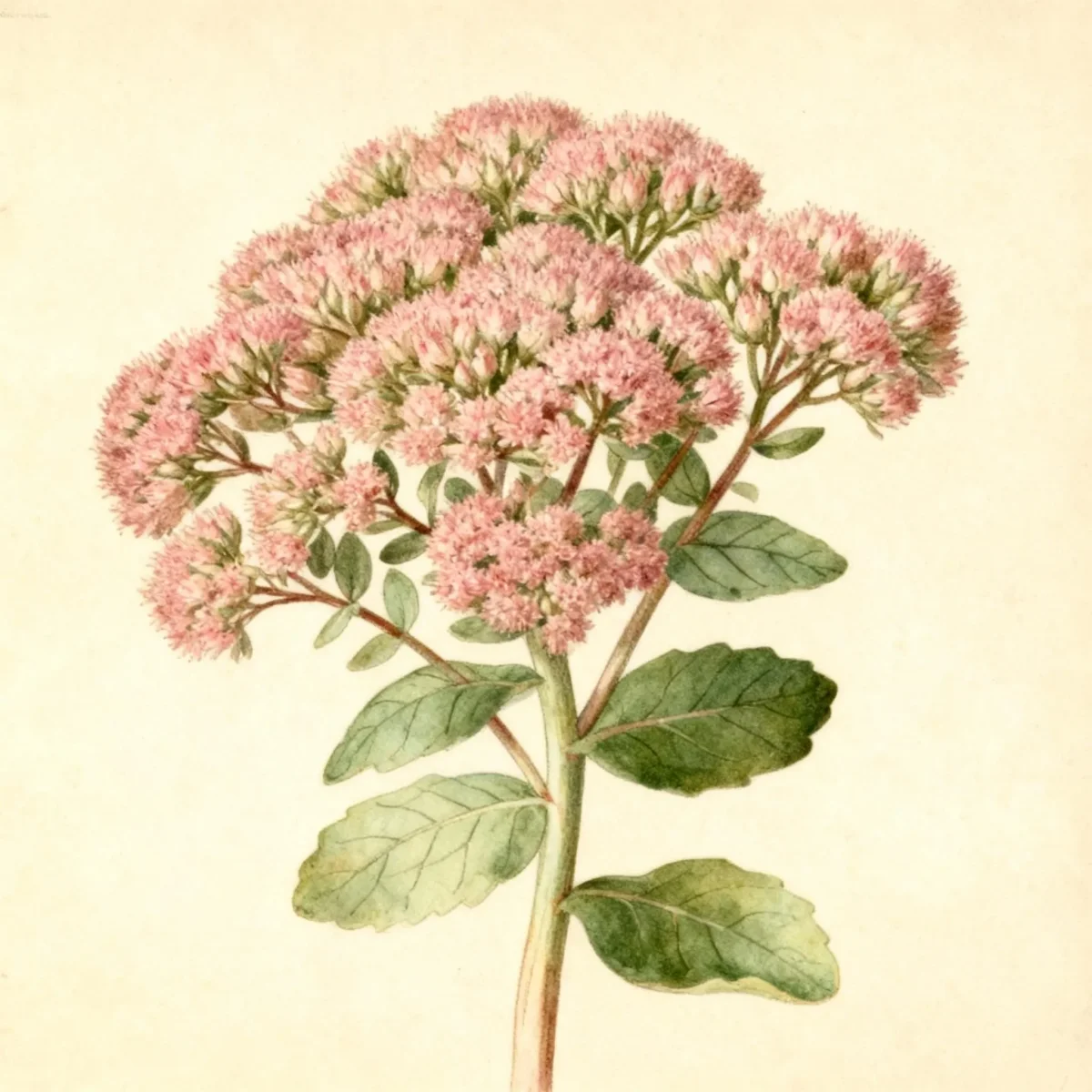
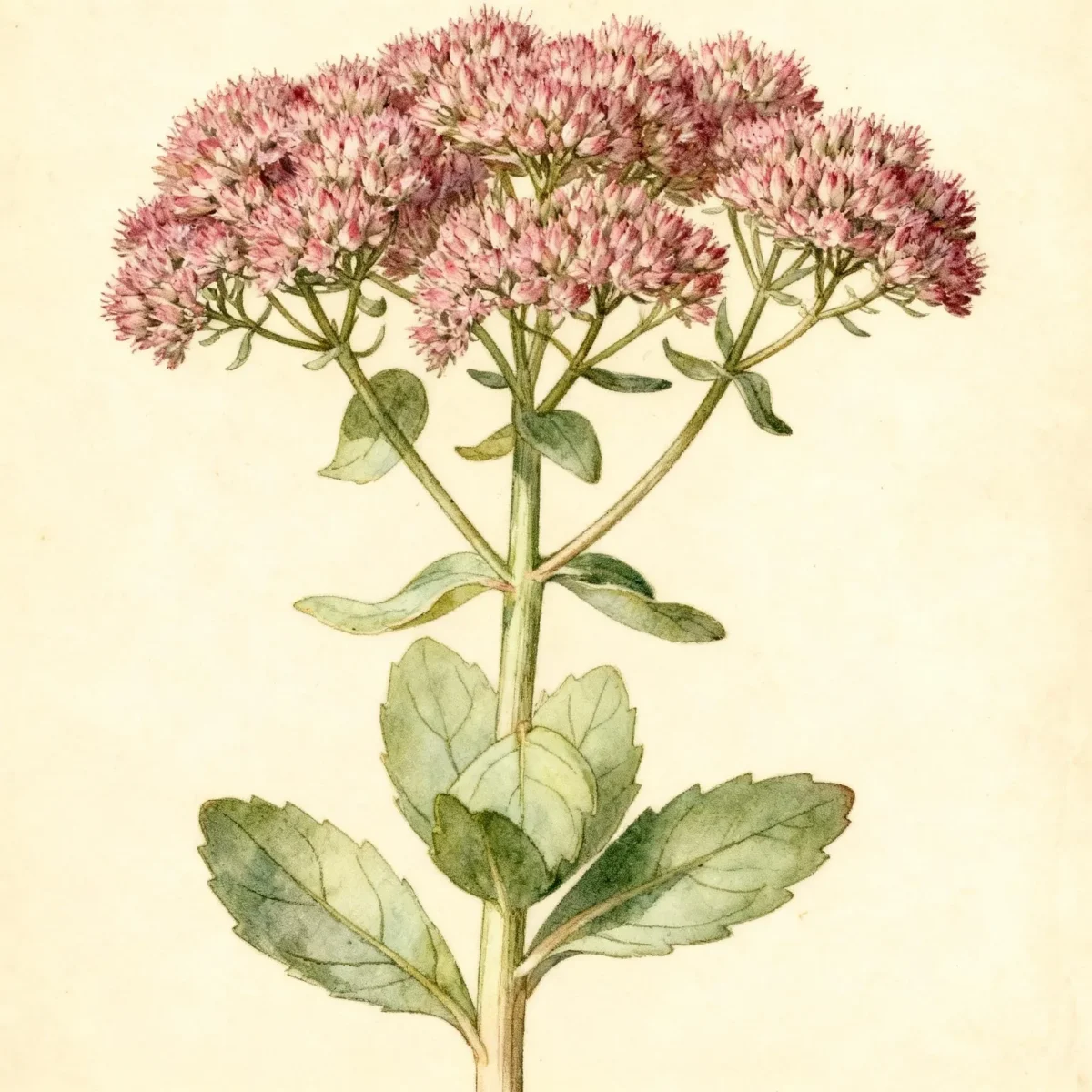
Stonecrop (Hylotelephium telephium 'Cherry Truffle')
Hylotelephium telephium 'Cherry Truffle' is a striking Stonecrop perennial offering dark purple foliage and late-season pink blooms.
Scroll down to discover growing tips, care requirements, companion plants, and more
Complete Plant Information
Overview
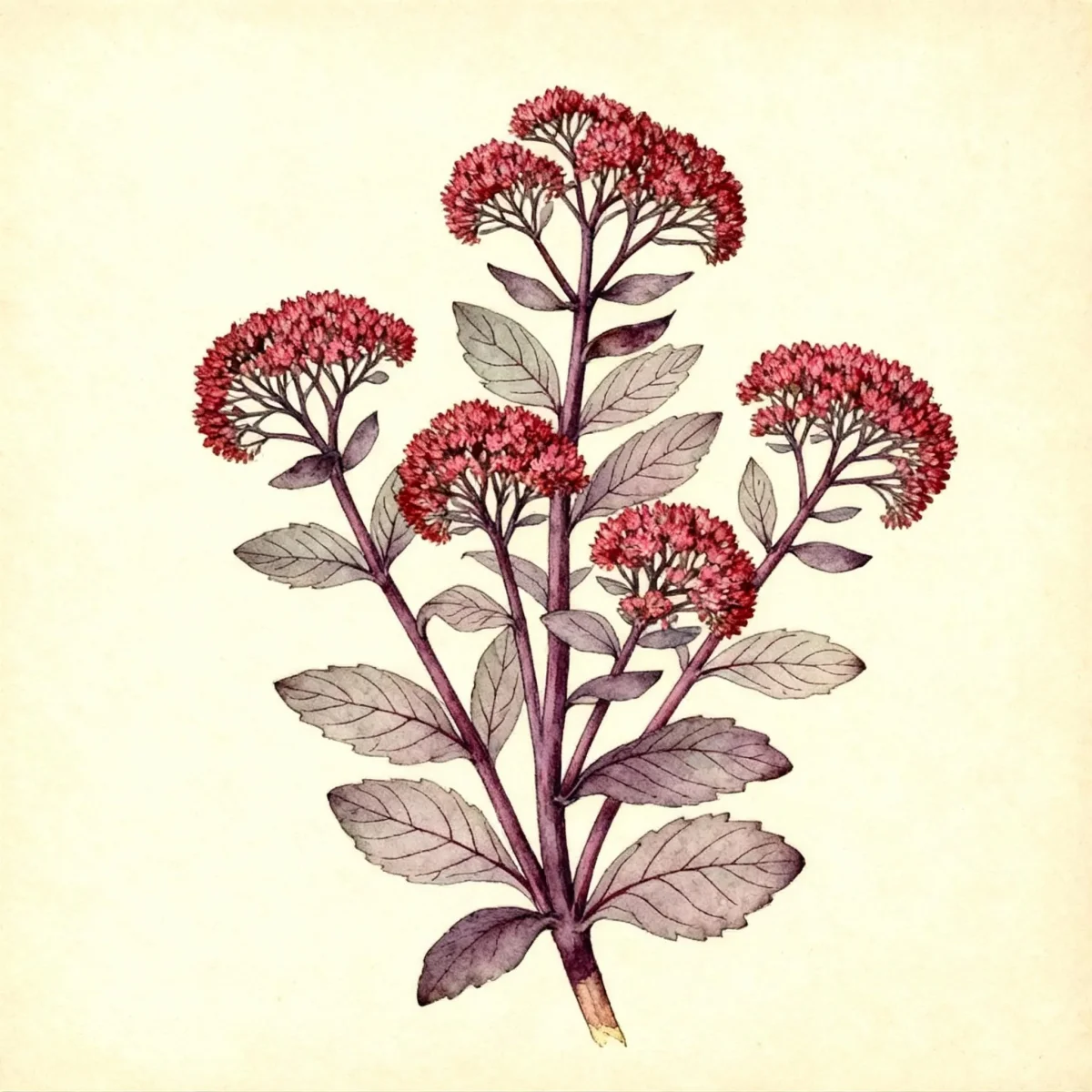
Hylotelephium telephium ‘Cherry Truffle’ is a highly valued cultivar within the Stonecrop family, celebrated for its dramatic, dark purple foliage that provides stunning contrast throughout the growing season. This succulent herbaceous perennial forms an upright, clump-forming mound, adding excellent structure and late-season color to the garden. As a type of Sedum, it inherits the robust, drought-tolerant nature of its relatives, making it exceptionally easy to care for.
The appeal of Hylotelephium telephium ‘Cherry Truffle’ extends into late summer when it produces attractive heads of soft pink flowers that attract late-season pollinators. Its ability to thrive in less-than-ideal conditions—such as dry, rocky soils—coupled with its low maintenance needs, solidifies its place as a dependable backbone plant for perennial borders and contemporary landscapes. Gardeners rely on this Stonecrop for its reliable performance from early spring foliage emergence until the winter frost.
This cultivar, sometimes still referenced as Sedum, is officially recognized under the genus Hylotelephium. Its specific distinction lies in its upright habit and rich leaf color. For gardeners seeking reliable structure that requires minimal water once established, Hylotelephium telephium ‘Cherry Truffle’ is an outstanding choice that offers persistent color and texture.
Fast Facts
- Plant Family: Crassulaceae
- Plant Type: Herbaceous perennial
- Hardiness Zones: USDA Zones 4-9
- Size at Maturity:
- Height: 1.5-2 ft
- Spread: 2-2.5 ft
- Bloom Time: August to September
- Bloom Description: Pink
- Sun Exposure: Full sun
- Water Needs: Dry to medium
- Maintenance Level: Low
How to Grow
Hylotelephium telephium ‘Cherry Truffle’ performs best when planted in the spring or fall in a location that receives full sun exposure. This Stonecrop demands sharp drainage; it thrives in sandy or gravelly soils with moderate to low fertility. Avoid overly rich garden soils, as rich conditions encourage weak, floppy growth rather than the dense, sturdy mounds desired for this cultivar. If your climate experiences very hot summers, a location receiving only light afternoon shade can be acceptable, but otherwise, prioritize full sun for the best color and compact form.
Watering requirements are minimal once the plant is established. As a drought-tolerant succulent, it should only be watered if the soil becomes completely dry for an extended period. Overwatering or poorly drained soil are the primary threats to the health of your Stonecrop. Fertilization is generally unnecessary; providing rich compost or heavy fertilizers will work against its natural preference for leaner soil mediums.
Maintenance for Hylotelephium telephium ‘Cherry Truffle’ is minimal. Deadheading the faded flower heads can tidy the display, though the dried flower heads often persist into winter, providing structure. To propagate, divide clumps in the spring or take stem cuttings during the summer. The remarkable persistence of this plant means that even a detached leaf placed on dry soil can often root and form a new plant.
Landscape Uses
The upright, colorful masses of Hylotelephium telephium ‘Cherry Truffle’ make it highly versatile in the landscape. It is perfectly suited for the front or middle of borders, where its dark foliage contrasts beautifully with lighter green or silver-leafed perennials. Consider using it to line pathways or fill large rock gardens where sharp drainage is naturally supplied.
Its semi-compact structure (reaching up to 2 feet tall) also makes it an excellent specimen plant when massed together for impact or thoughtfully placed in large, mixed containers. When grouping this Stonecrop, pair it with plants that appreciate similar dry, sunny conditions, such as ornamental grasses, Rudbeckia, or Coreopsis varieties. The late-season bloom period ensures continual interest when many other summer bloomers begin to fade.
Standout Features
Flower Qualities
- Showy
Noteworthy Characteristics
Hylotelephium telephium, commonly known as stonecrop, orpine or live-forever, is a succulent herbaceous perennial which typically grows in an upright to semi-upright mound on unbranched stems rising to 18-24” tall. It is primarily distinguished from its relative, H. Spectabile, by its alternate leaves. It features fleshy, flat, coarsely-toothed leaves and tiny, star-like pink to reddish purple flowers which bloom from late summer into autumn in dense rounded flower heads. The flower color of ‘Cherry Truffle’ fades pleasingly to burgundy brown, and the foliage and dead flower heads often persist into winter, providing textural interest.
Tolerances
- Drought
- Dry Soil
- Shallow-Rocky Soil
Potential Problems
This Stonecrop exhibits excellent resilience and rarely suffers from serious insect or disease problems when grown in appropriate conditions. The most common minor issues involve soft-bodied pests that are attracted to the succulent nature of the plant. Slugs and snails may chew holes in the foliage, particularly when the plant is young or conditions are damp.
To manage pests organically, ensure good air circulation around the plants and avoid overhead watering late in the day. Watch for scale, mealybugs, aphids, or weevils, which can sometimes colonize the stems or leaf axils. Mild infestations can often be managed by wiping them away or applying a strong jet of water, though horticultural oil treatments may be necessary for severe outbreaks. Nematodes are a rare but possible issue in certain soil types.
Frequently Asked Questions
What hardiness zones is Stonecrop suitable for?
Hylotelephium telephium ‘Cherry Truffle’ is hardy across a wide range, thriving in USDA Zones 4 through 9.
How large does Hylotelephium telephium ‘Cherry Truffle’ grow?
This cultivar typically reaches a mature height between 1.5 to 2 feet tall, spreading to 2 to 2.5 feet wide, forming an upright clump.
What sun exposure does Stonecrop need?
For the best performance, compact growth, and richest dark foliage color, Hylotelephium telephium ‘Cherry Truffle’ requires full sun exposure.
When does Stonecrop bloom?
The showy flowers of this Stonecrop appear reliably in late summer, blooming from August well into September.
Conclusion
Hylotelephium telephium ‘Cherry Truffle’ offers gardeners a fantastic combination of low-maintenance reliability and striking visual appeal, anchored by its dark, structural foliage. This dependable Stonecrop reliably delivers late-season pink blooms, making it a vital late-summer anchor in any sunny planting scheme. Review your site conditions and confirm that you have plenty of sun and excellent drainage before planting this superb perennial.
Propagation Tips
Propagation of Hylotelephium telephium ‘Cherry Truffle’ is wonderfully easy due to its semi-succulent nature. The easiest method is division, best performed in the spring just as new growth is emerging from the ground. Carefully lift the clump, separate it into sections ensuring each piece has healthy roots and several growing points, and replant immediately.
Stem cuttings taken during the summer months offer another highly effective way to multiply your stock. Select healthy stem tips, cut sections about 4 inches long, and remove the lower leaves. Allow the cut end to dry and callus over for a day or two before planting into moist, well-draining potting mix.
For a fascinating experiment, detached leaves can also be rooted. Simply pull off a healthy leaf and lay it on dry, gritty soil in partial shade. With patience, miniature rosettes will form near the base of the leaf, eventually developing roots and starting new Stonecrop plants.
Wildlife Benefits
As a late-season bloomer, Hylotelephium telephium ‘Cherry Truffle’ provides a crucial nectar source when many other summer flowers are finished. The dense, rounded flower heads (corymbose cymes) are highly attractive to various late-season pollinators, including bees and butterflies seeking vital energy before migrating or closing down activity for winter.
The structure provided by this plant also offers minimal winter interest and potential cover. While not a primary bird food source, the dried seed heads and stems remain standing, which is beneficial for garden structure and potential insect overwintering sites until early spring tidying. Planting this Stonecrop contributes significantly to a sustained pollinator-friendly season.