Shoebutton (Ardisia elliptica)
Ardisia elliptica (Shoebutton) is a tropical evergreen shrub for zones 8-10, noted for leathery foliage and persistent black fruit.
Scroll down to discover growing tips, care requirements, companion plants, and more
Complete Plant Information
Overview
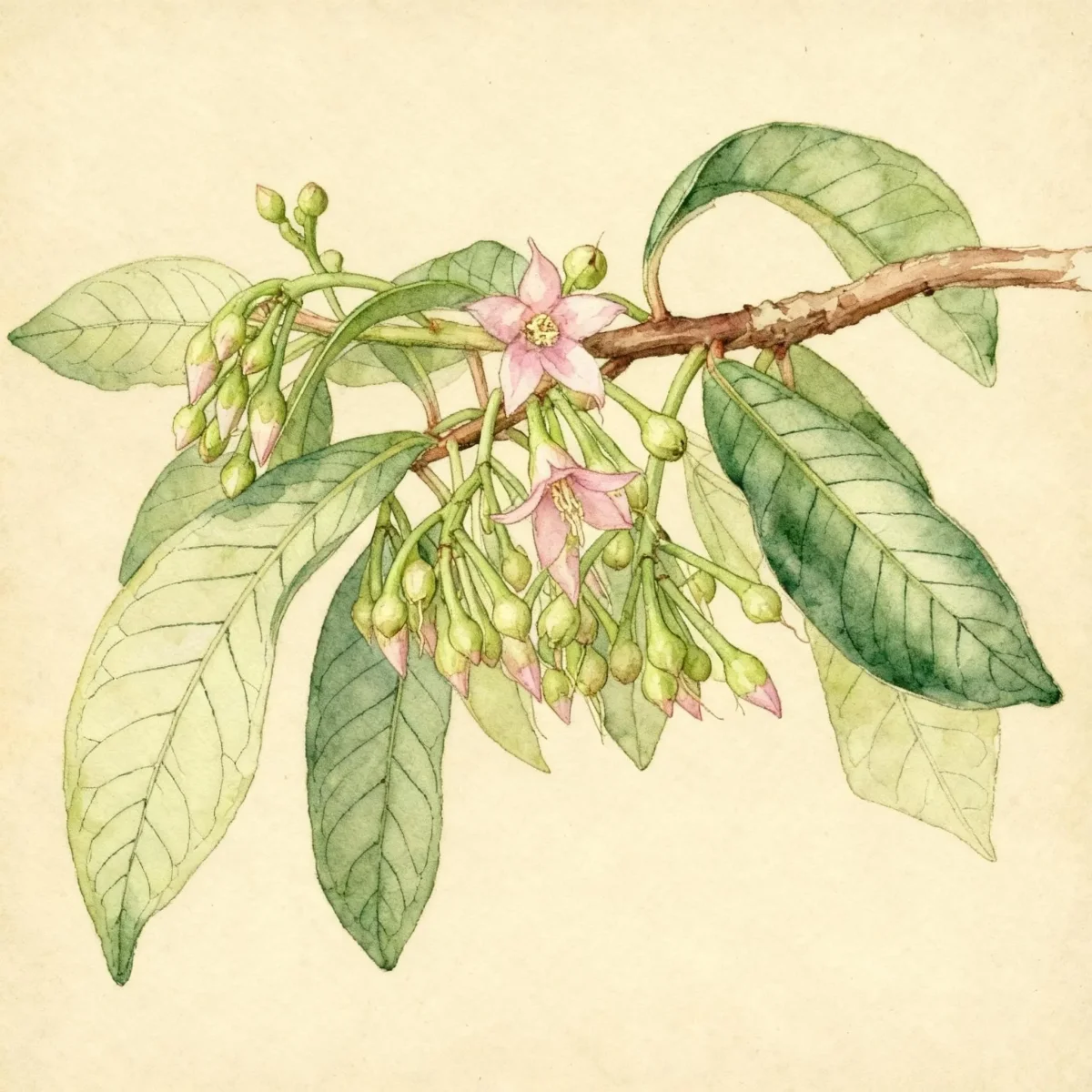
The Shoebutton ardisia, scientifically known as Ardisia elliptica, is a striking broadleaf evergreen distinguished by its tough, leathery foliage and lasting berry-like fruit. This tropical to semi-tropical shrub or small tree thrives in the understory, offering dense coverage when established. Its ornamental value persists throughout the seasons, contrasting the light pink to pale violet blooms with the eventual deep purple-black fruits.
While highly valued for its dense growth habit, gardeners must be aware that Ardisia elliptica can become aggressively self-seeding in ideal, warm, and moist conditions. It performs exceptionally well where protection from intense sun is provided, thriving in the deep shade common beneath larger trees.
For southern gardeners in USDA Zones 8 through 10, this plant offers reliable structure and vibrant color contrast year-round. When sited correctly, the Shoebutton provides excellent textural interest in shaded landscape areas, though careful management is needed to prevent unwanted spread.
Fast Facts
- Plant Family: Primulaceae
- Plant Type: Broadleaf evergreen
- Native Range: Asia-Tropical
- Hardiness Zones: USDA Zones 8-10
- Size at Maturity:
- Height: 10-16 ft
- Spread: 10-16 ft
- Bloom Time: June to August
- Bloom Description: Light pink to pale violet
- Sun Exposure: Part shade to full shade
- Water Needs: Medium to wet
- Maintenance Level: Medium
How to Grow
Planting Ardisia elliptica is best accomplished when conditions are optimal in its hardiness range, typically spring or early fall, allowing roots time to establish before temperature extremes. Locate this shrub where it receives part shade to full shade, as direct, intense sun will likely scorch the foliage. Success relies heavily on soil quality: this plant requires moist, naturally acidic, and organically rich soils. It specifically thrives in moderately wet soil conditions.
Maintenance is generally considered medium. Ensure consistent moisture, particularly during establishment, as Ardisia elliptica prefers wet soil. Fertilization is usually minimal if the soil is already rich in organic matter; otherwise, use a balanced, slow-release fertilizer formulated for acid-loving plants. Pruning is rarely necessary other than for shaping or removing errant growth.
Seasonal attention focuses on managing its aggressive tendencies outside of managed areas. Be vigilant, especially after fruiting, as birds disperse seeds readily, leading to aggressive self-seeding in suitable landscapes. In cooler parts of its range (Zone 8), ensure it is planted in a protected microclimate to guard against winter stress.
Landscape Uses
The suggested use for Ardisia elliptica is naturalizing, leveraging its ability to form dense, attractive thickets in shaded, moist environments. Where legally permissible and spread can be controlled, it is an excellent choice for deep shade gardens or woodland borders where few other shrubs perform robustly. It creates a lush, tropical ambiance even far from the tropics, provided winter temperatures remain above freezing in Zone 8.
Gardeners should recognize that this species is considered invasive in certain regions, such as South Florida, where its aggressive proliferation can crowd out native flora. Therefore, its use must be carefully considered based on local environmental regulations and landscape goals. If naturalizing is not desired, place the Shoebutton in large, contained beds where its size and potential seeding can be managed through regular removal of seedlings.
Standout Features
Flower Qualities
- Showy
Fruit Qualities
- Showy
Noteworthy Characteristics
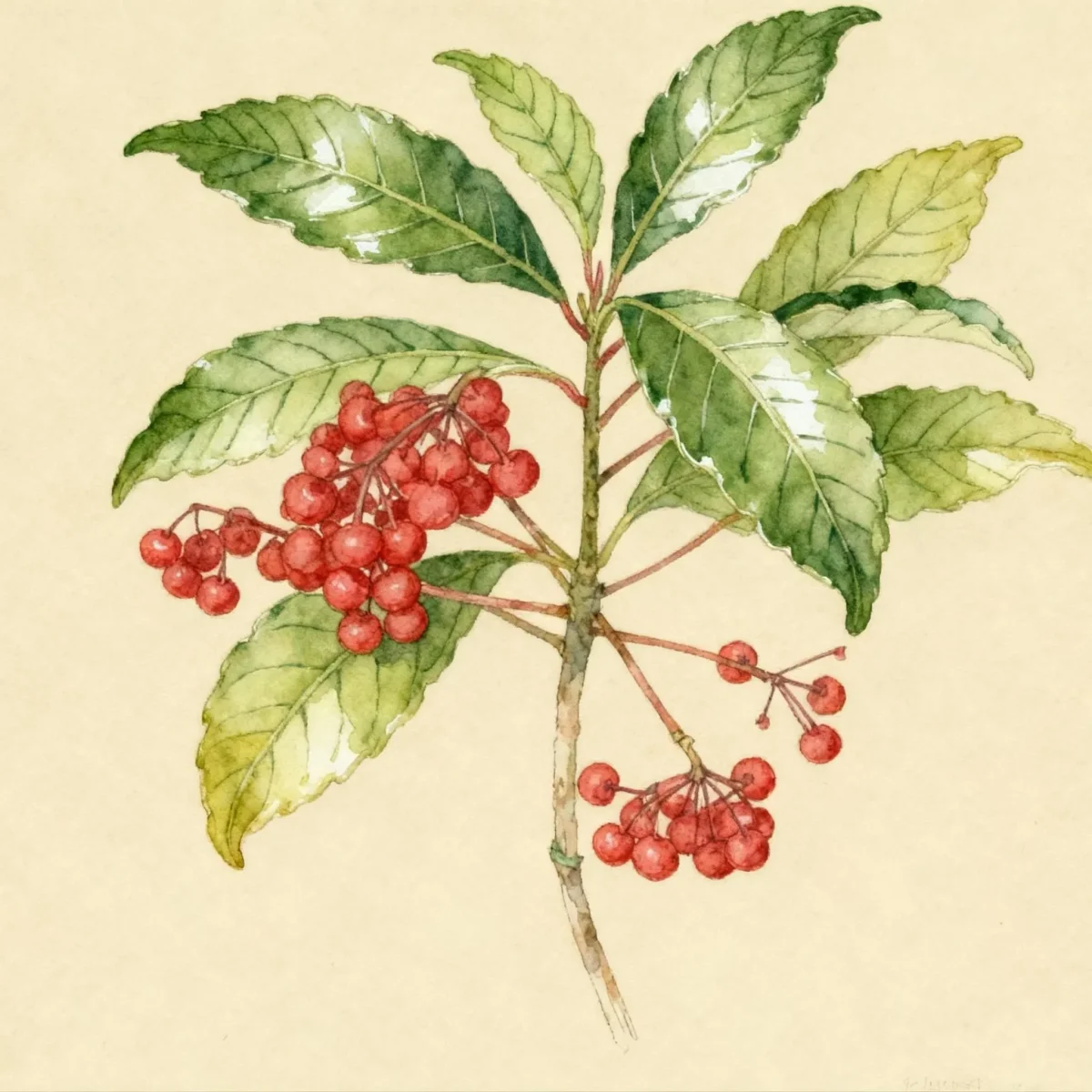
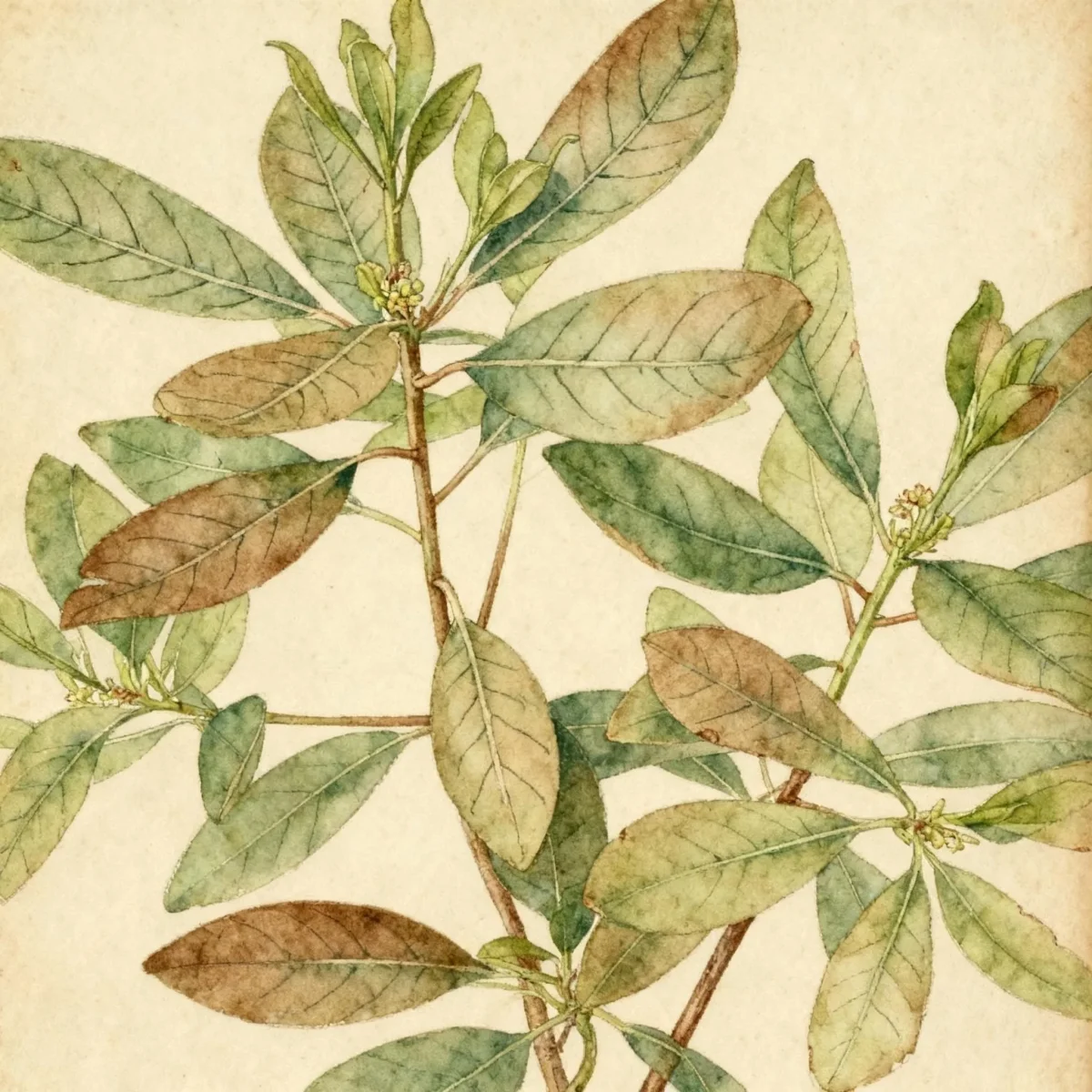
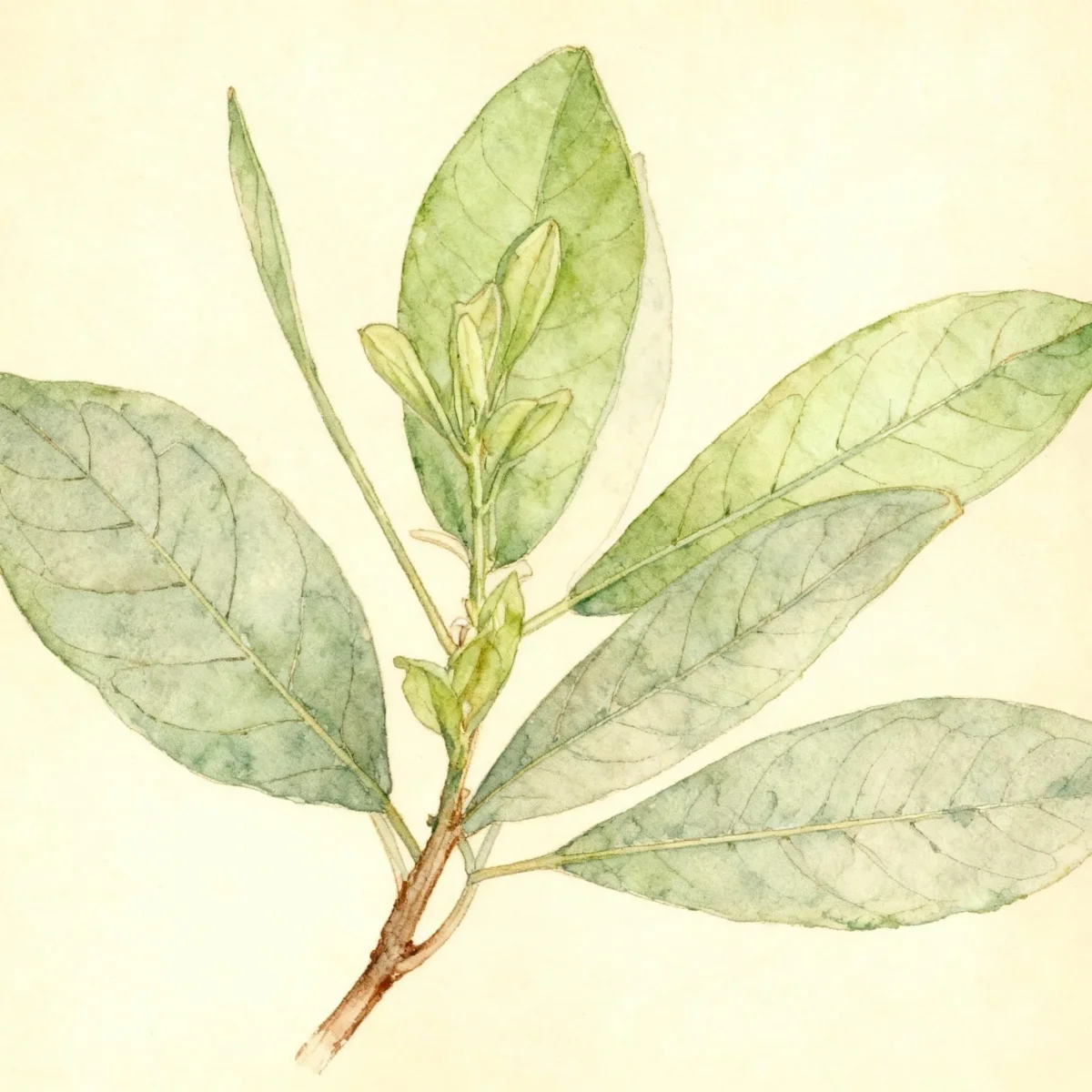
Ardisia elliptica, commonly known as shoebutton ardisia or duck’s-eyes, is a tropical to semi-tropical broadleaf evergreen shrub or small tree that typically grows in understory thickets to 10-16’ tall and as wide. Its leaves are leathery and evergreen, perfectly complementing the star-shaped flowers and the final deep purple-black fruits, which resemble old-fashioned shoe buttons. The genus name Ardisia references the pointed anthers found on its blossoms.
Tolerances
- Heavy Shade
- Wet Soil
Potential Problems
The Shoebutton ardisia generally exhibits good resistance to common garden pests and diseases, meaning gardeners rarely need to contend with serious insect infestations or fungal issues. This robust nature contributes to its ability to naturalize aggressively when conditions are favorable. Management focuses primarily on containing its spread rather than pest control.
When problems do arise, they are usually cultural, stemming from incorrect placement. For instance, foliage burn is a common complaint when the plant is exposed to full, unfiltered sunlight, indicating that observation during the first summer is crucial for successful establishment.
Frequently Asked Questions
What hardiness zones is Shoebutton suitable for?
Ardisia elliptica is best grown in USDA Hardiness Zones 8 through 10, requiring protection from hard freezes.
How large does Ardisia elliptica grow?
At maturity, this broadleaf evergreen typically reaches a height and spread between 10 to 16 feet.
When does Shoebutton bloom?
The small, star-shaped flowers of Ardisia elliptica typically appear from June to August, displaying colors ranging from light pink to pale violet.
What sun exposure does Shoebutton need?
This plant performs best in part shade conditions, excelling in deep, full shade, and should avoid direct, intense sunlight which can damage the foliage.
Conclusion
Ardisia elliptica offers unparalleled evergreen structure and year-round interest for gardeners operating within USDA Zones 8-10, particularly in richly moist, shaded areas. The distinctive foliage and persistent fruit make the Shoebutton a memorable component of subtropical landscapes. Before incorporating this species, carefully assess your site conditions and local regulations concerning its invasive potential.
Companion Planting
When designing the woodland floor beneath your Shoebutton, choose companion plants that share similar requirements for moisture and shade. Good partners include ferns that anchor the texture of the understory, such as Autumn Fern or Japanese Painted Fern, offering delicate contrast to the Ardisia elliptica’s broad leaves. Hostas, while perhaps needing slightly less water than Ardisia elliptica, can thrive nearby if the soil remains consistently moist in deeper shade.
For continuous color below its canopy, consider shade-loving groundcovers that do not compete aggressively. Ajuga (Bugleweed) spreads well to cover bare soil and provides spikes of blue flowers, complementing the muted tones of the Shoebutton’s own blooms. These pairings ensure a dense, thriving tapestry where sun exposure is minimal.
Seasonal Care Calendar
Spring preparation involves reviewing the plant after winter dormancy; remove any obviously dead or damaged branches from early frosts. This is the ideal time to amend the soil around established Ardisia elliptica with compost to boost organic matter before the primary growing season begins. Monitor watering closely as temperatures rise, ensuring the soil remains medium to wet.
During the summer growing peak, focus on seedling management. The fruits ripen in the heat, and bird activity will lead to germination of the Shoebutton across the landscape. Promptly remove any seedlings to prevent the landscape from becoming overgrown or creating an invasive situation. Watering should be consistent to meet its medium to wet needs.
Fall preparation is minimal indoors its hardiness range, beyond enjoying the maturation of the dramatic black fruit display. If living near the edge of Zone 8, ensure the plant is well-watered heading into winter, as hydrated tissues resist cold damage better than dry ones; avoid heavy late-season fertilization.