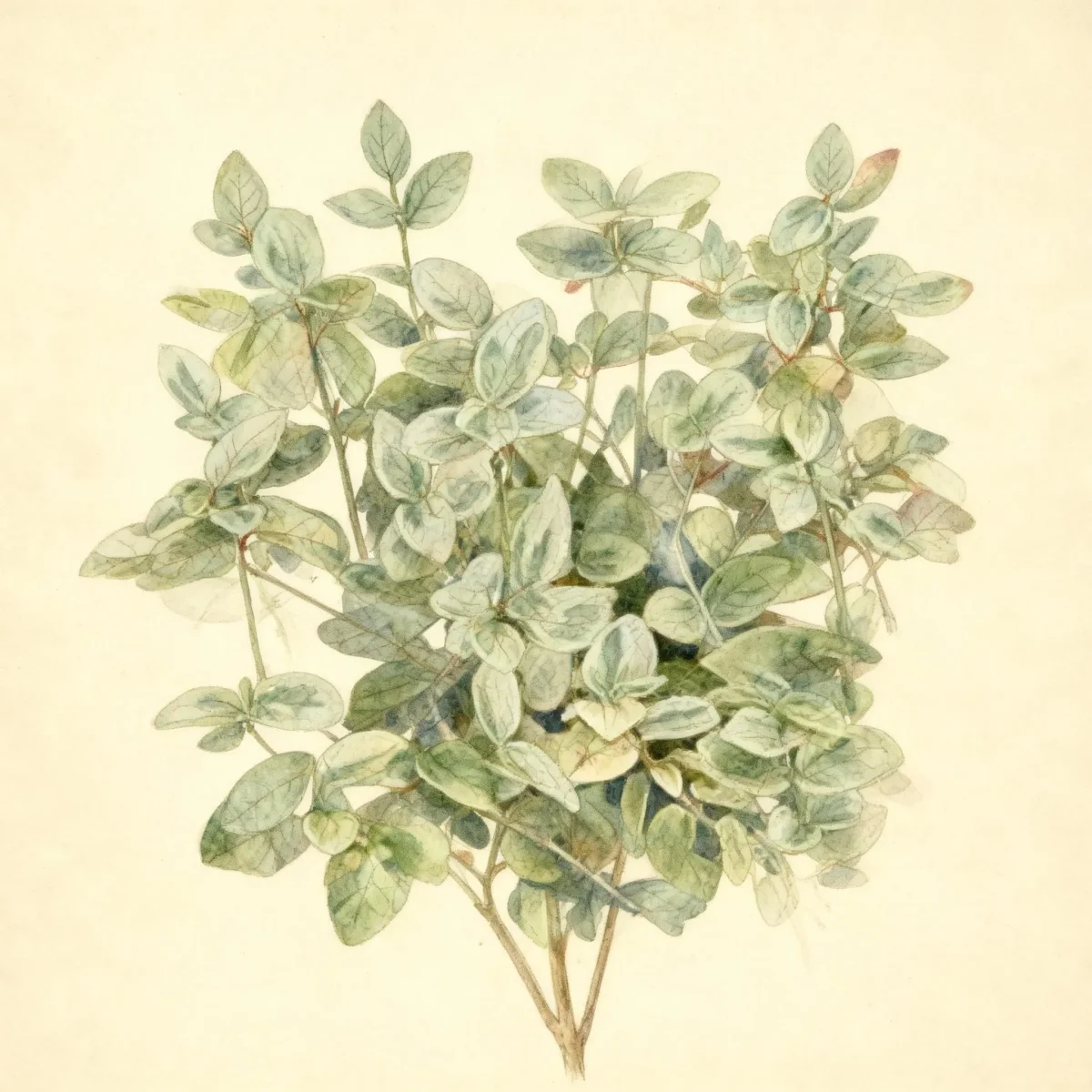
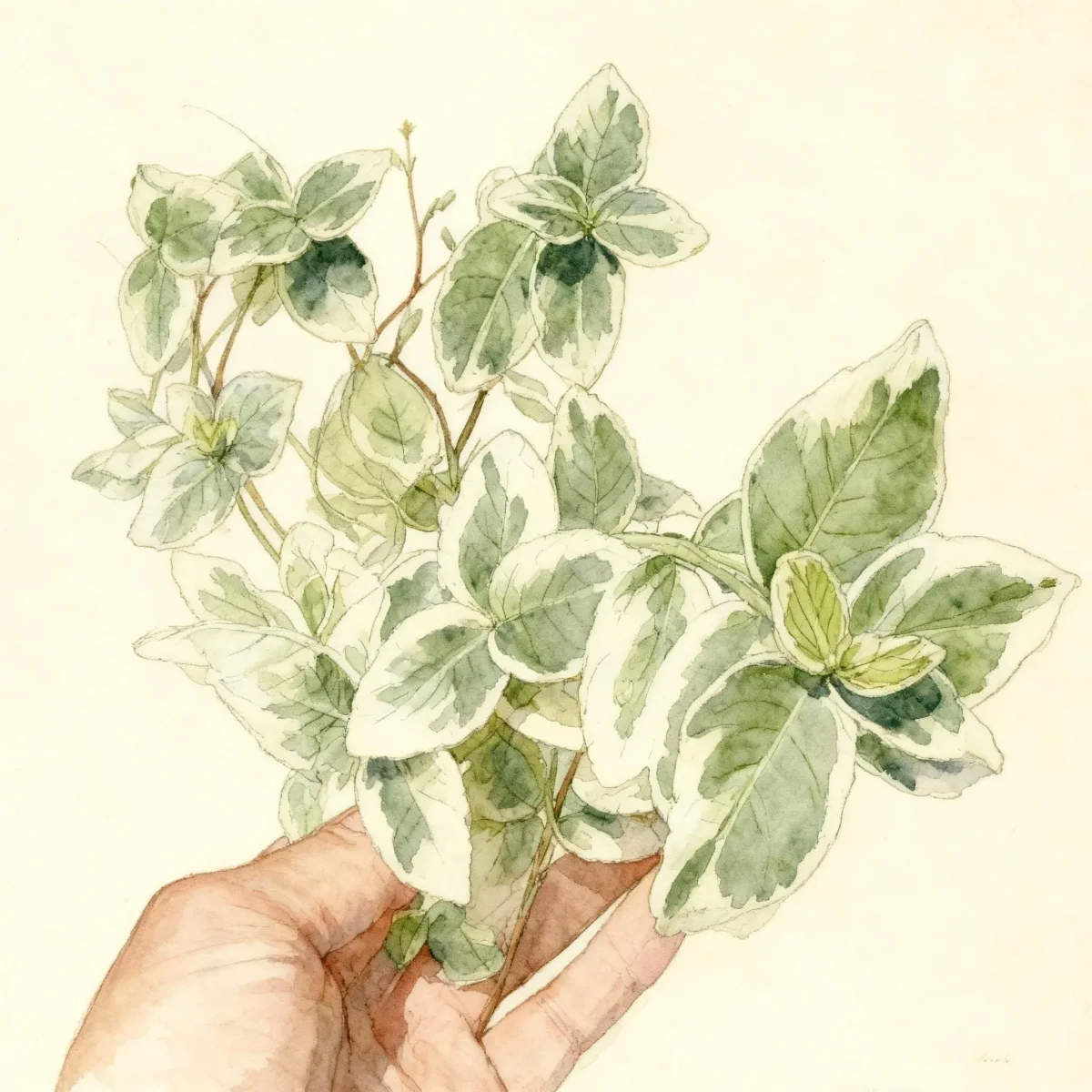
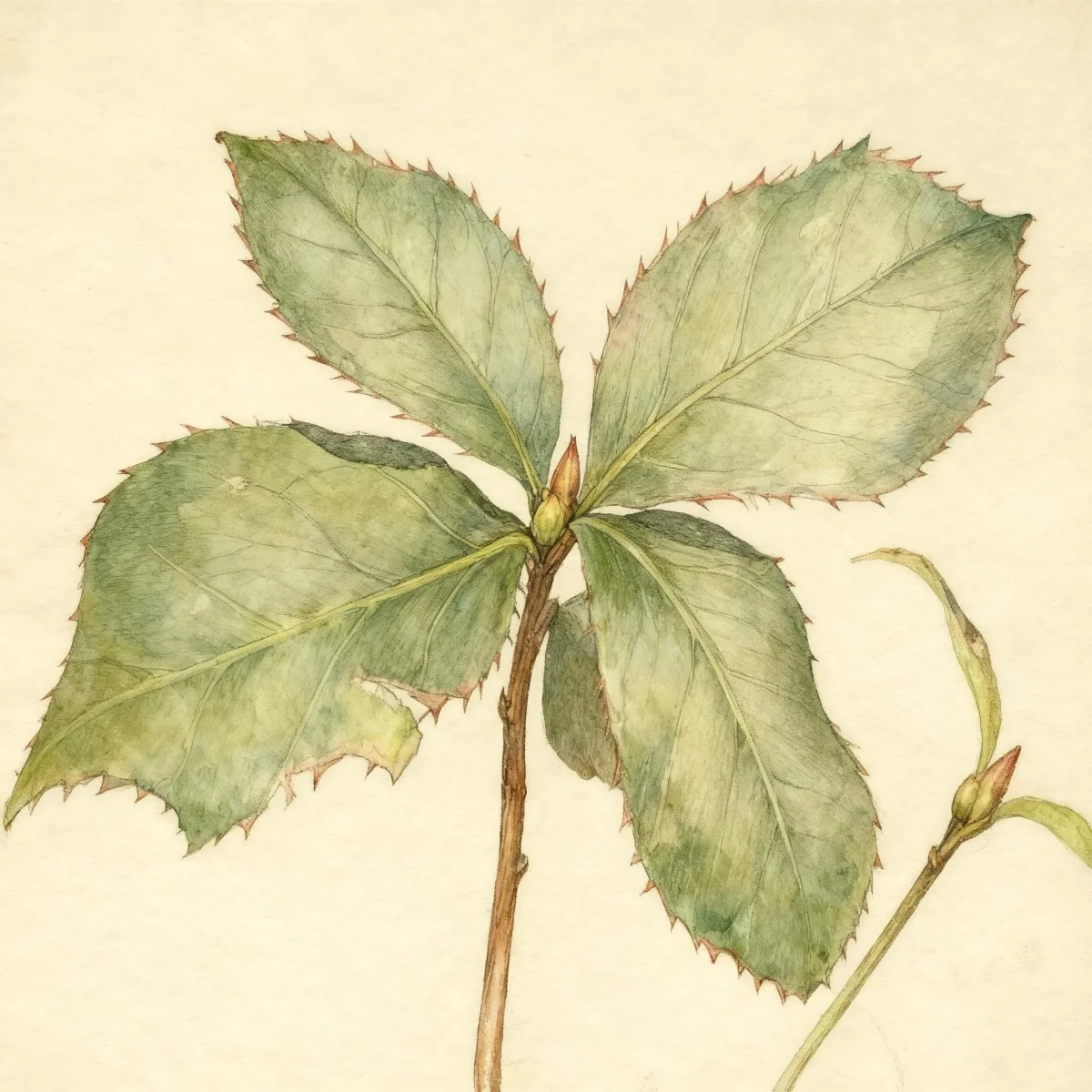
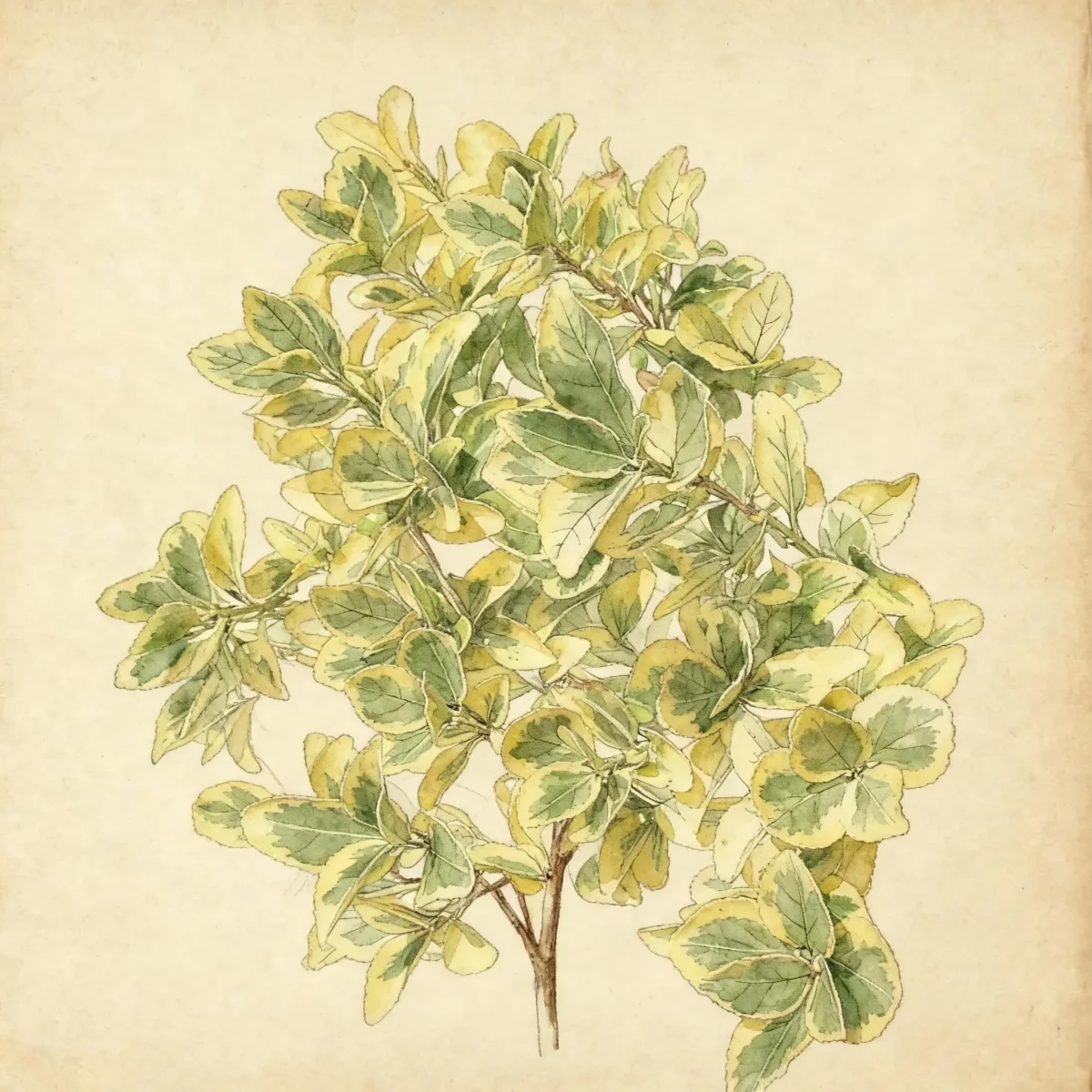
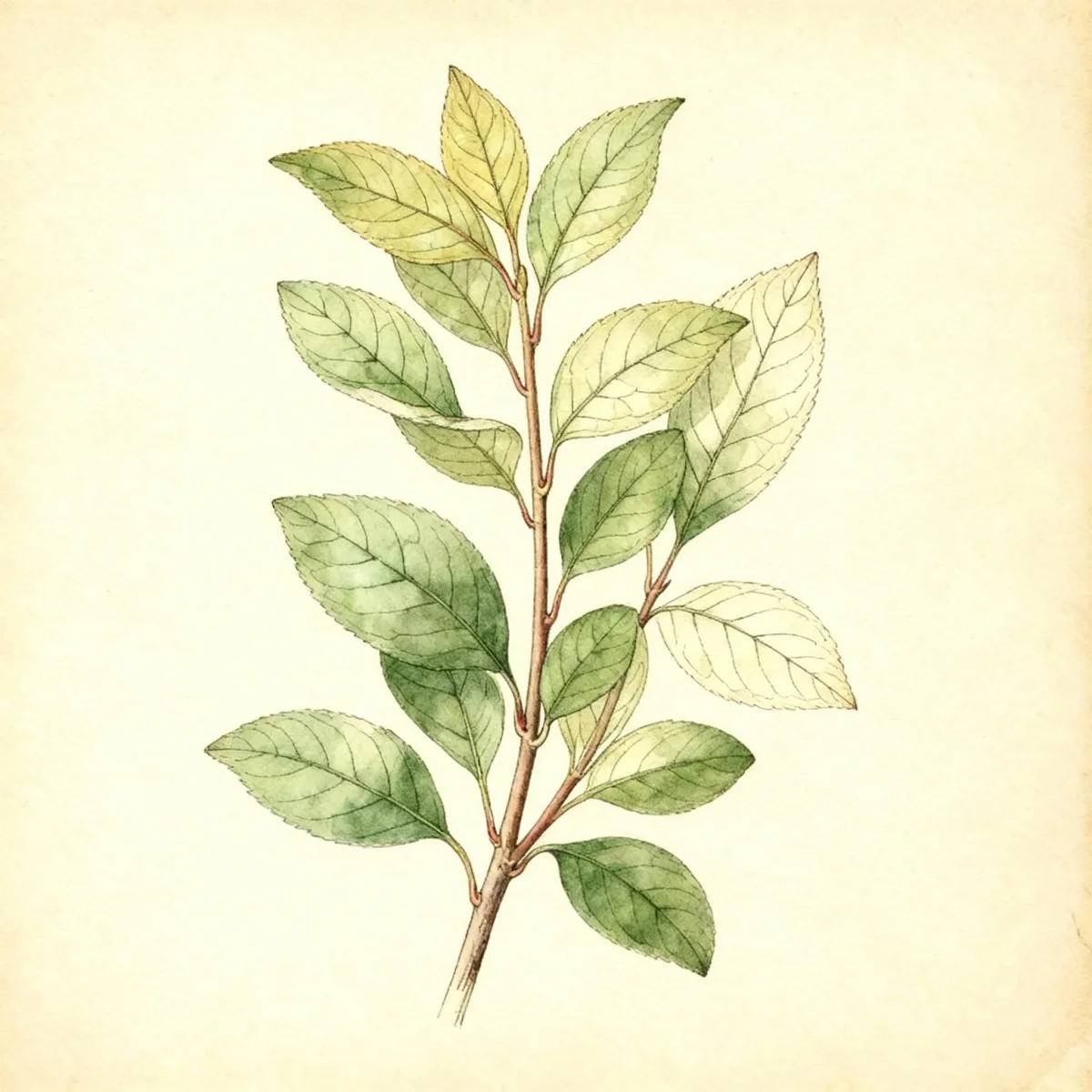
Winter creeper (Euonymus fortunei)
Euonymus fortunei, or Winter creeper, is a dense, adaptable broadleaf evergreen valued as a vigorous ground cover. Hardy in Zones 5-9, it tolerates deep shade and urban conditions.
Scroll down to discover growing tips, care requirements, companion plants, and more

Complete Plant Information
Overview
Winter creeper, scientifically known as Euonymus fortunei, is a highly adaptable broadleaf evergreen cherished for its year-round texture and coverage. This plant can function dynamically as a low-growing ground cover, a dense mounding shrub, or even a clinging vine using its adventitious roots. The versatility of Euonymus fortunei makes it useful across various landscape scenarios, providing consistent color even through colder months.
While adaptable to significant shade, this species thrives best when provided with full sun to partial shade exposure. It establishes well in average, medium-moisture soils, though established specimens show noticeable drought tolerance. Gardeners should be mindful that the Winter creeper has escaped cultivation in many regions and can spread aggressively, potentially outcompeting native flora.
Despite its vigorous nature, the primary aesthetic appeal lies in its dense foliage and resilience in tough conditions. Proper siting and regular pruning are essential management tools to harness the benefits of this robust evergreen without allowing it to dominate the landscape unduly.
Fast Facts
- Plant Family: Celastraceae
- Plant Type: Broadleaf evergreen
- Native Range: East Asia
- Hardiness Zones: USDA Zones 5-9
- Size at Maturity:
- Height: 3-20 ft
- Spread: 5-60 ft
- Bloom Time: Flowers not showy
- Bloom Description: Greenish-white
- Sun Exposure: Full sun to part shade
- Water Needs: Medium
- Maintenance Level: Medium
How to Grow
The best time to plant Euonymus fortunei is typically during the spring or fall when temperatures are mild, allowing the root system to establish before extreme heat or cold strikes. This species is exceptionally tolerant, flourishing in average, medium-moisture, well-drained soils. It performs adequately even in significant shade but requires sun to part shade for optimal density.
Watering requirements are medium; provide consistent moisture until the plant is fully established, after which established Winter creeper plants can tolerate periods of drought. Maintenance is generally low, although to keep the habit tidy and encourage dense, attractive growth, trim annually after the inconspicuous greenish-white flowers appear in June. Stems that touch the ground readily root, which is a form of natural spread; new plants can also be easily propagated via rooted stem cuttings.
Good urban tolerance is a hallmark of this plant, meaning it handles pollution and restricted root zones well. Avoid planting in excessively wet soil conditions, as this is one site requirement the Winter creeper does not tolerate.
Landscape Uses
When kept in bounds, the diverse growth habits of Euonymus fortunei allow it to serve multiple roles in the landscape. Its primary function is often as a tough, evergreen ground cover, an excellent solution for steep slopes requiring erosion control or filling in shady spots where other perennials struggle. It also works very effectively as an edging plant along walkways and sidewalks, providing a neat, low boundary.
For foundation plantings, the dense, mounding forms help anchor structures to the landscape year-round. If allowed to climb, this Euonymus fortunei can cover walls, fences, or chimneys, behaving much like ivy, although this use also facilitates flowering and seed dispersal, increasing its potential for spread. Where its use is restricted due to invasiveness concerns, consider using it strictly as a formally contained foundation planting.
Standout Features
Flower Qualities
- Insignificant
Noteworthy Characteristics
Euonymus fortunei, commonly called wintercreeper euonymus, is a dense, creeping to mounding, broadleaf evergreen to semi-evergreen subshrub that will also climb using adventitious roots. Native to East Asia where it can be found in forests, thickets, and scrublands. It may appear as a trailing ground cover, a mounding shrub or a climbing vine. This adaptable plant has escaped cultivation and is considered highly invasive in much of the eastern United States where it smothers and out competes native vegetation.
Tolerances
- Black Walnut
Potential Problems
Pest management is a key aspect of keeping Winter creeper healthy; Euonymus scale is a recurring and often significant issue that requires prompt treatment upon detection. Beyond scale, this plant can suffer from various fungal issues, including anthracnose, leaf spot, and mildew, alongside common aphid infestations. Preventing these issues involves ensuring good air circulation and avoiding overly wet sites. It is crucial to monitor for aggressive spread, as the plant can readily invade lawns or climb adjacent structures, necessitating vigilant containment strategies.
Frequently Asked Questions
What hardiness zones is Winter creeper suitable for?
This evergreen is generally suitable for USDA Hardiness Zones 5 through 9.
How large does Euonymus fortunei grow?
When mature, Euonymus fortunei typically reaches a height between 3 and 20 feet, with a spread that can range widely from 5 to 60 feet depending on whether it is trailing, mounding, or climbing.
What sun exposure does Winter creeper need?
The ideal sun exposure for this plant is full sun to part shade, though it can tolerate significant amounts of shade.
When does this plant bloom?
The flowers of Winter creeper are not showy and bloom time is typically listed as June, producing inconspicuous, greenish-white flowers.
Conclusion
The dense, evergreen coverage provided by Euonymus fortunei makes it a highly valuable, low-maintenance choice for challenging ground cover sites across many climates. While you must respect its invasive tendencies and manage potential pest pressures like scale, the adaptability of Winter creeper ensures year-round structure. Before planting, confirm that it is not prohibited in your locale and verify that your site provides medium moisture and well-drained soil conditions.
Propagation Tips
If you desire more Winter creeper for your landscape, propagation via stem cuttings is straightforward due to the plant’s natural habit. When stems contact the ground, they naturally develop adventitious roots, a process that can be leveraged for propagation. Simply take semi-hardwood stem cuttings, ensuring each piece has a few nodes, and place them in a moist, shaded rooting medium. This makes increasing your ground cover stock easy and effective for filling larger areas quickly.
Companion Planting Considerations
Due to the wide range of light tolerance exhibited by Euonymus fortunei, it pairs well with many complementary shrubs and perennials. In shady, moist areas where you want texture, consider underplanting the Winter creeper with hostas or ferns that also thrive in lower light. For sunny areas where it is used as an effective slope stabilizer, plants that prefer well-drained soil, such as Sedum varieties or ornamental grasses, make excellent companions. Always ensure companion plants do not aggressively compete with the spreading nature of the Euonymus.