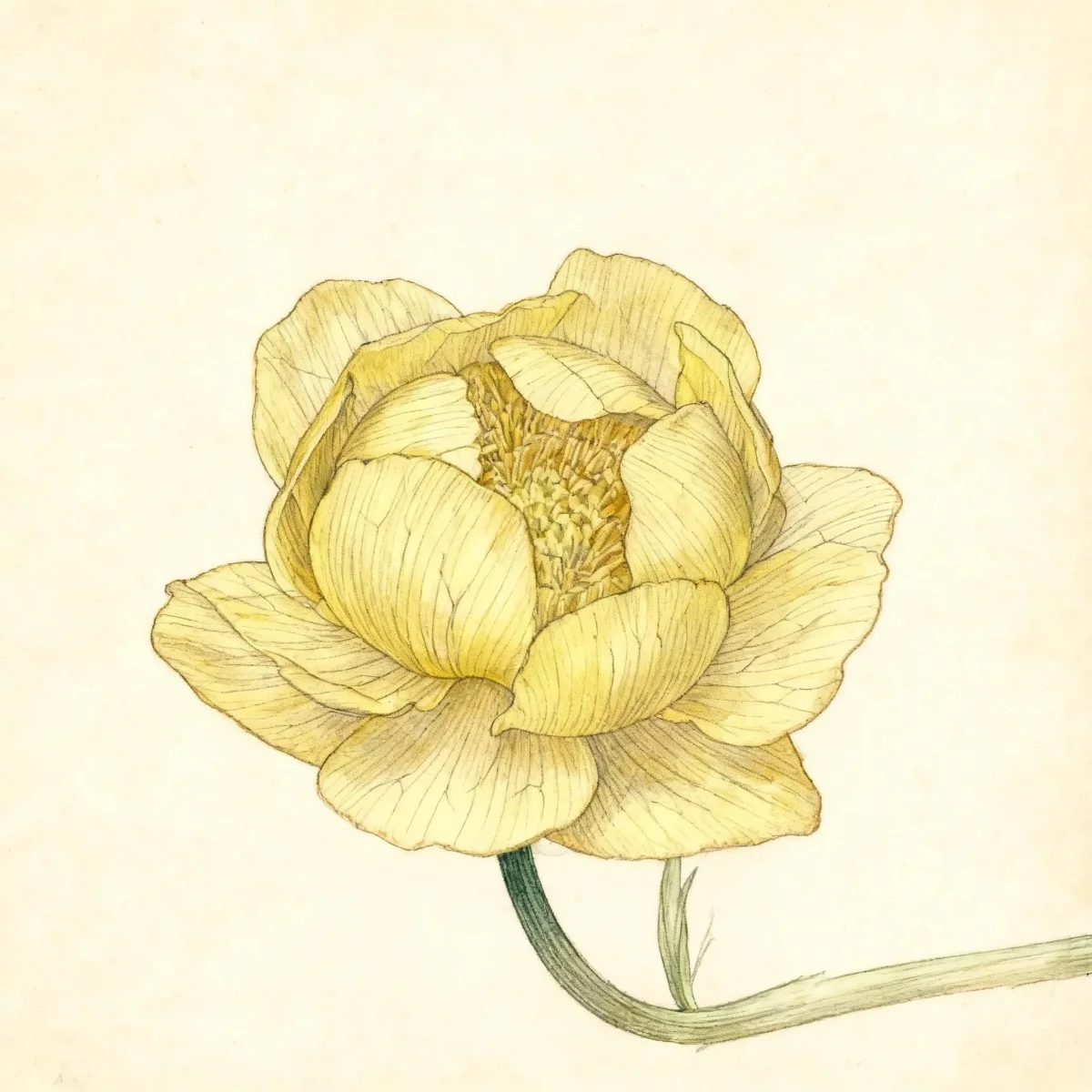
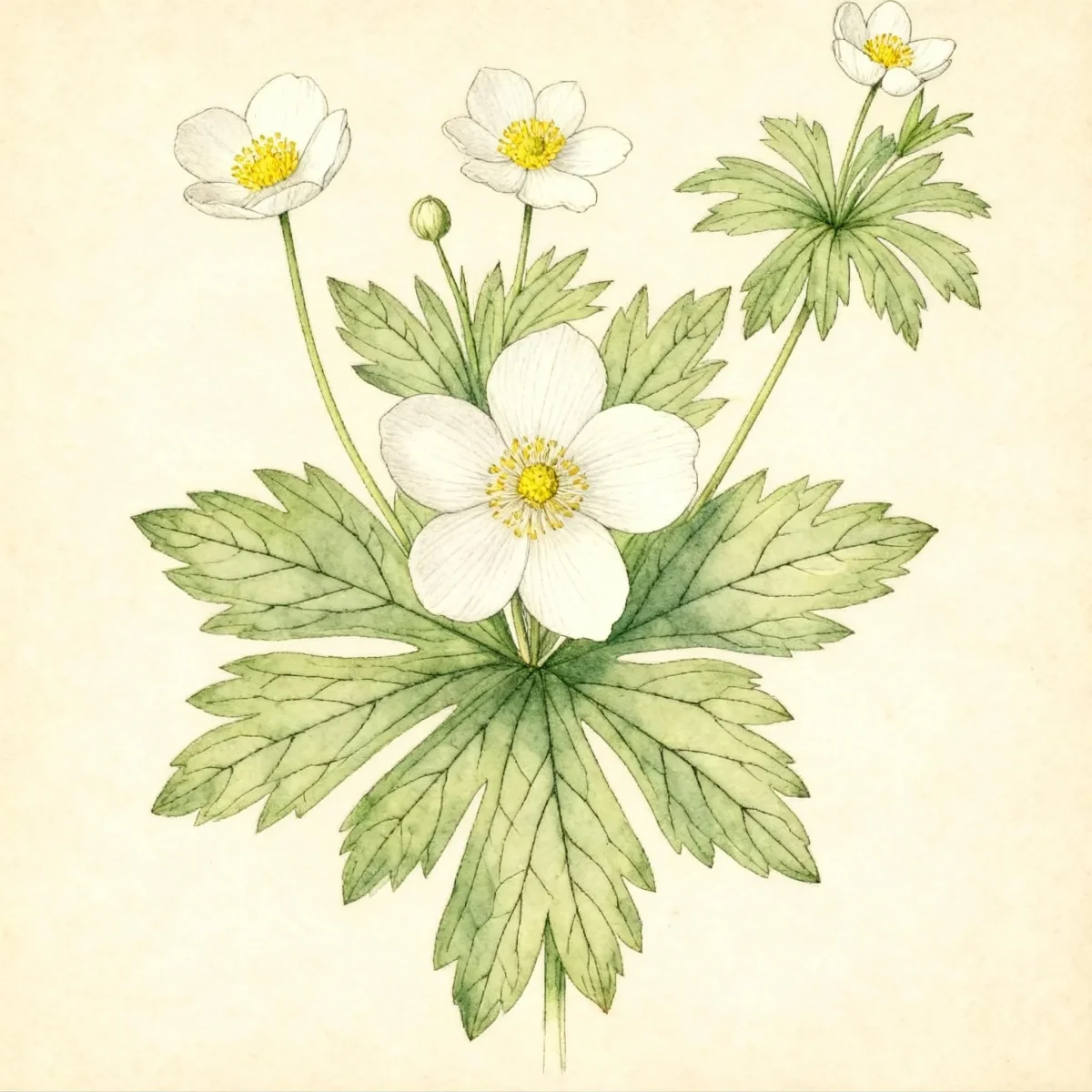
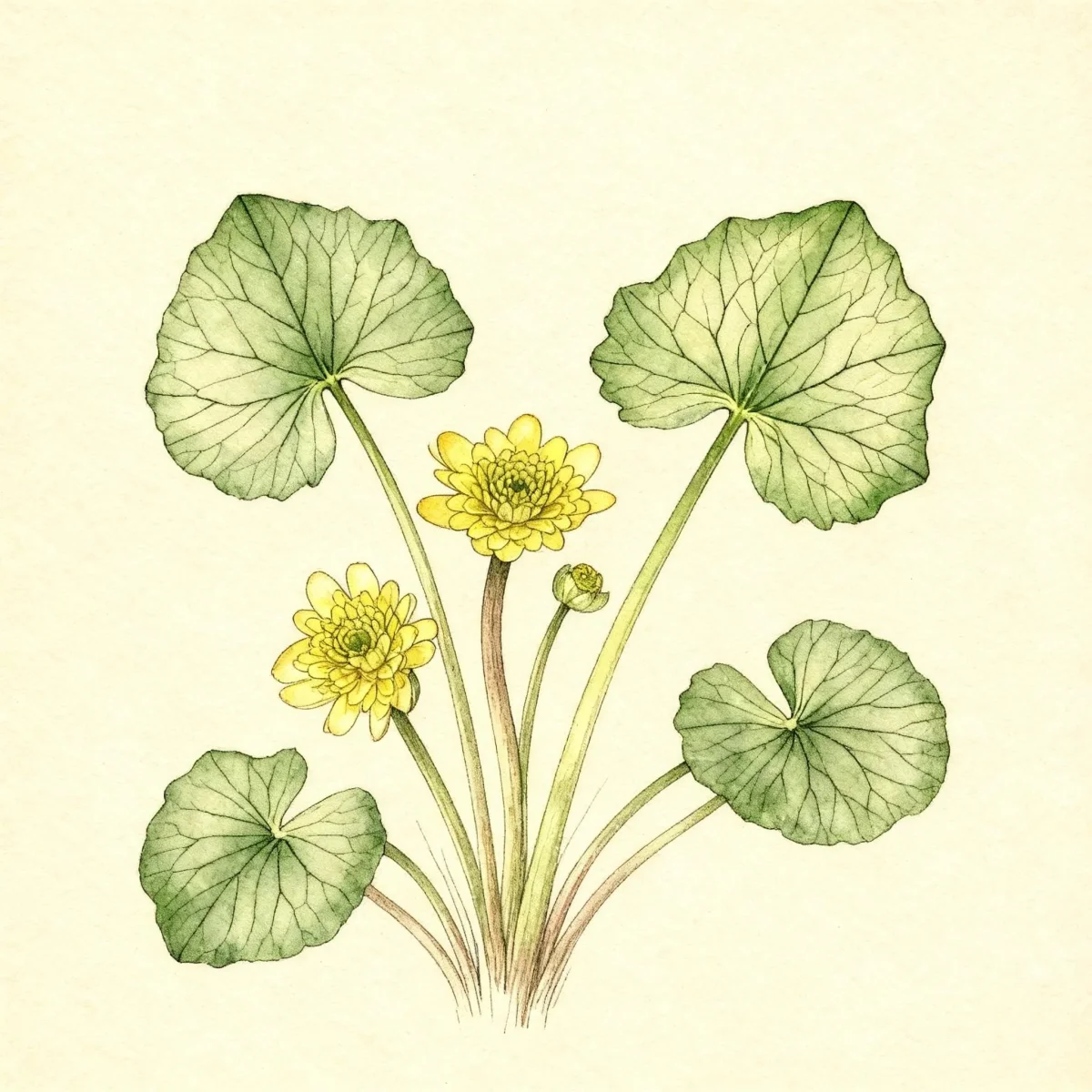
Fig buttercup (Ficaria verna)
The vivid, early spring blooms of Fig buttercup (Ficaria verna) create dense groundcover, ideal for naturalizing in moist zones.
Scroll down to discover growing tips, care requirements, companion plants, and more
Complete Plant Information
Overview
Ficaria verna, commonly recognized as Fig buttercup or lesser celandine, introduces brilliant color to the landscape very early in the season. This herbaceous perennial delights gardeners with masses of bright, buttercup-like yellow flowers emerging in early spring. Its glossy, dark green leaves form dense mats that are especially striking before deciduous trees leaf out.
While visually appealing, this is a vigorous spring ephemeral that performs most of its growing cycle before disappearing by early summer. Its ability to spread rapidly via underground tubers and aerial bulblets makes it an effective, albeit aggressive, naturalizing choice. Careful selection of planting location is essential when incorporating Ficaria verna into planned garden spaces.
This plant thrives in moist conditions, making it suitable for areas where other groundcovers struggle due to excess moisture. The combination of early blooms and lush foliage provides significant springtime interest, showcasing the resilience of Ficaria verna.
Fast Facts
- Plant Family: Ranunculaceae
- Plant Type: Herbaceous perennial
- Native Range: Western and central Asia, Europe
- Hardiness Zones: USDA Zones 4-8
- Size at Maturity:
- Height: 0.25-0.75 ft
- Spread: 0.5-1 ft
- Bloom Time: March to May
- Bloom Description: Yellow
- Sun Exposure: Full sun to part shade
- Water Needs: Medium to wet
- Maintenance Level: Medium
How to Grow
The best time to establish Fig buttercup is typically in the fall or early spring before active growth begins. Ensure the planting area has average soil that remains consistently moist to wet, as the plant prefers humidity. While it tolerates full sun, the growth of spring ephemerals like Ficaria verna often benefits from partial shade, especially as summer heat approaches, which aligns with its culture preference.
Watering requirements are medium to wet; do not allow the soil to dry out completely during the active growing season from bloom time through foliage dieback. Maintenance is moderate; since this plant goes dormant, minimal summer care is needed. Avoid fertilizing heavily, as this may encourage excessive vegetative growth that is challenging to manage once the plant enters dormancy.
Managing the spread is the key cultural task. Since the foliage dies back by early summer, be mindful of where you plant, as the vacant space might need filling with summer annuals. Ensure planting zones are clearly defined to prevent the underground tubers from invading desirable perennial borders.
Landscape Uses
Both the ground cover and naturalizing suggested uses for Ficaria verna come with strong caveats regarding its invasive potential. Where a truly aggressive cover is desired—perhaps in a large, unmanicured woodland setting or bank stabilization where competition is desired—Fig buttercup can be highly effective. It creates dense mats that successfully exclude most other vegetation.
However, due to invasive qualities, caution should be exercised in planting this perennial in the landscape. It easily spreads via bulblets and tubers, potentially outcompeting less vigorous, native spring ephemerals. If planting cultivars are used, check reports noting they are reportedly less aggressively spreading than the wild species plants.
This plant effectively covers bare soil very early in the year, providing excellent backdrop coverage before later perennials emerge. Avoid planting near fine borders or into manicured lawn areas unless intense management is planned to control its rapid expansion.
Standout Features
Flower Qualities
- Showy
Noteworthy Characteristics
Ficaria verna, commonly known as lesser celandine, is a weedy, tuberous rooted, herbaceous perennial that features bright, buttercup-like, yellow flowers that bloom in spring (March to May) and spreading rosettes of glossy, ovate-cordate, fleshy, dark green leaves (to 2”). This is a spring ephemeral. Plants form foliage mounds to 3-4” tall, with flower stems rising to 8-9” tall. When in bloom, colonies of plants are easily spotted, dense and vigorous. Mats of foliage exclude most other vegetation. After flowering, the plant foliage dies back by early summer as the plants go dormant. Lesser celandine is native to Europe and eastern Asia. It was introduced into North America many years ago (presumably for ornamental purposes), but has now naturalized in 19 states in the Northeast, the Pacific Northwest and eastern Canada. In wild areas, plants may spread over time to form large colonies sometimes covering several acres of land, and in the process compete with and displace less vigorous native spring ephemerals. Bulblets on above ground stems and underground tubers are the primary methods of propagation. And the spread of those bulblets and tubers can be accelerated by such factors as animal digging and downstream flooding. Formerly known as Ranunculus ficaria.Genus name comes from a medieval plant name probably from Ficus (fig) in reference to tubers somewhat resembling figs.Specific epithet means of spring or spring-flowering.
Tolerances
Potential Problems
This plant is celebrated for having no serious insect or disease problems, offering relatively straightforward care concerning pests. However, slugs and snails may appear, especially when the foliage is lush and actively growing in the damp spring conditions it favors. The most significant issue relates not to typical pests but to management: When planted in a garden, plants tend to spread invasively into adjacent areas. Controlling this invasiveness requires diligence, particularly stopping the spread of underground tubers or aerial bulblets before they fully establish.
Frequently Asked Questions
What hardiness zones is Fig buttercup suitable for?
Ficaria verna is suitable for USDA Hardiness Zones 4 through 8, indicating good cold tolerance across much of the temperate US.
How large does Ficaria verna grow?
At maturity, the plant typically reaches a low height ranging from 0.25 to 0.75 feet, with a spread spanning 0.5 to 1 foot wide.
What sun exposure does Fig buttercup need?
This perennial performs best in conditions ranging from full sun to light part shade, though it appreciates moisture during both exposures.
When does Fig buttercup bloom?
The vibrant yellow flowers of Fig buttercup appear reliably in early spring, generally blooming between March and May.
Conclusion
The Fig buttercup (Ficaria verna) offers unmatched brilliance early in the season with its dense coverage and striking yellow flowers. Gardeners should leverage its preference for medium to wet soils and its vigorous growth habit for large-scale naturalizing projects. Always check local regulations regarding Ficaria verna, and plan its establishment carefully to suit your zone compatibility and desired level of landscape containment.
Companion Planting
When seeking early spring companions for Ficaria verna, choose plants that emerge later or tolerate the ensuing summer dormancy. Daffodils (Narcissus) and tulips (Tulipa) are excellent partners, as their larger foliage emerges just as the Fig buttercup begins to senesce, effectively masking the dying leaves. Alternatively, select shade-loving perennials that prefer consistently moist soils, such as Hosta or various ferns, which will appreciate the ground cover provided during the early spring months.
Ensure any companion plant chosen for the sunnier spots can handle medium to wet soil, as Ficaria verna requires consistent moisture to thrive during its active phase. By staggering bloom times, you ensure continuous interest in the garden bed while utilizing the early-season coverage provided by the lesser celandine.
Propagation Tips
Propagation of Ficaria verna is highly efficient, primarily occurring through two mechanisms: underground tubers and aerial bulblets formed on the stems. Gardeners looking to deliberately spread the plant, perhaps to cover a large bank, can divide the tuberous roots in late summer or early fall when the plant is dormant. Ensure each division retains some root structure for successful re-establishment.
To utilize the bulblets, simply allow the plants to mature and drop their stem pieces after flowering. These small, bulb-like structures will readily establish themselves wherever they fall, particularly if soil disturbance occurs or if they are moved by water flow. Due to the aggressive nature of Ficaria verna, propagation should be approached with restraint regarding where seeds or tubers are distributed across the landscape.