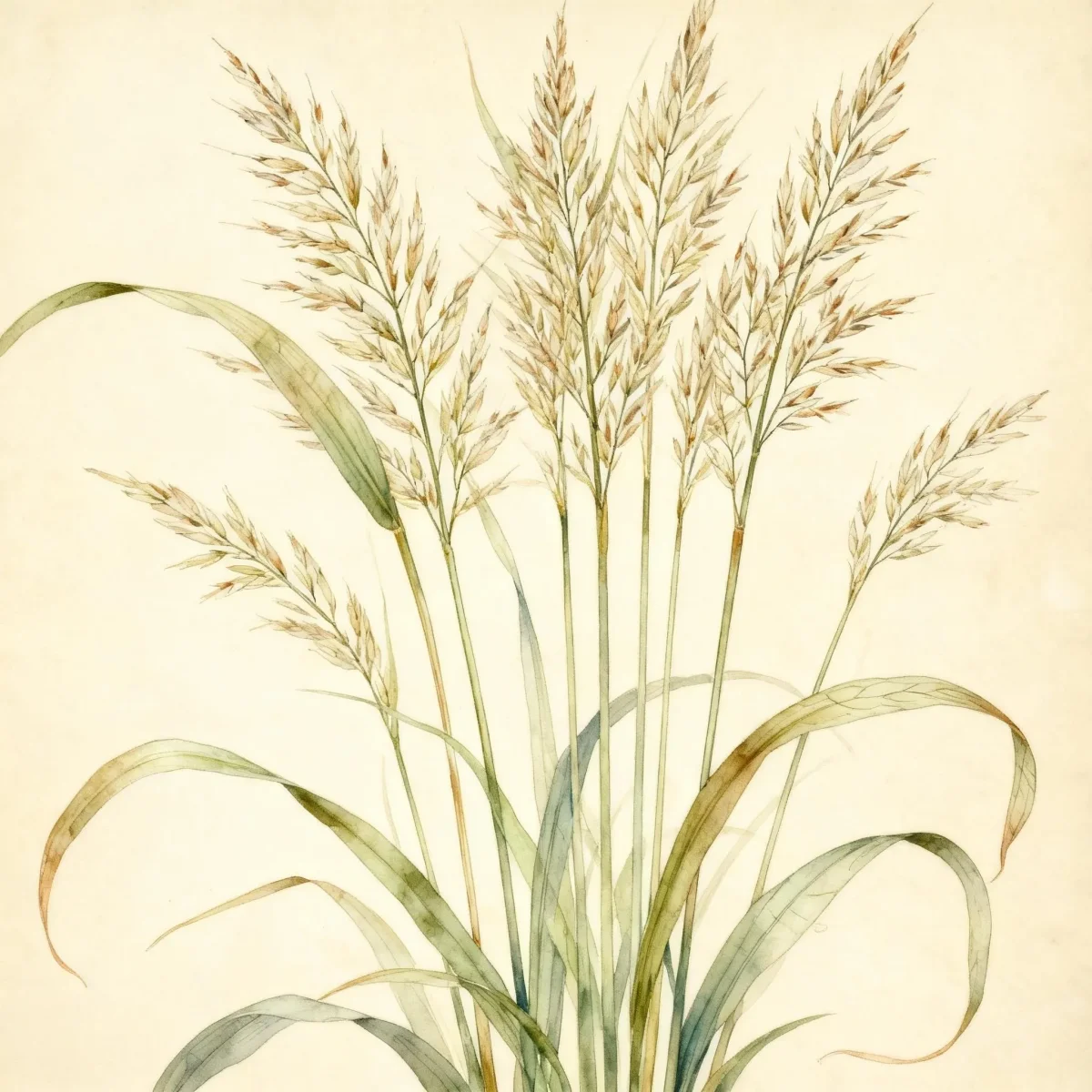
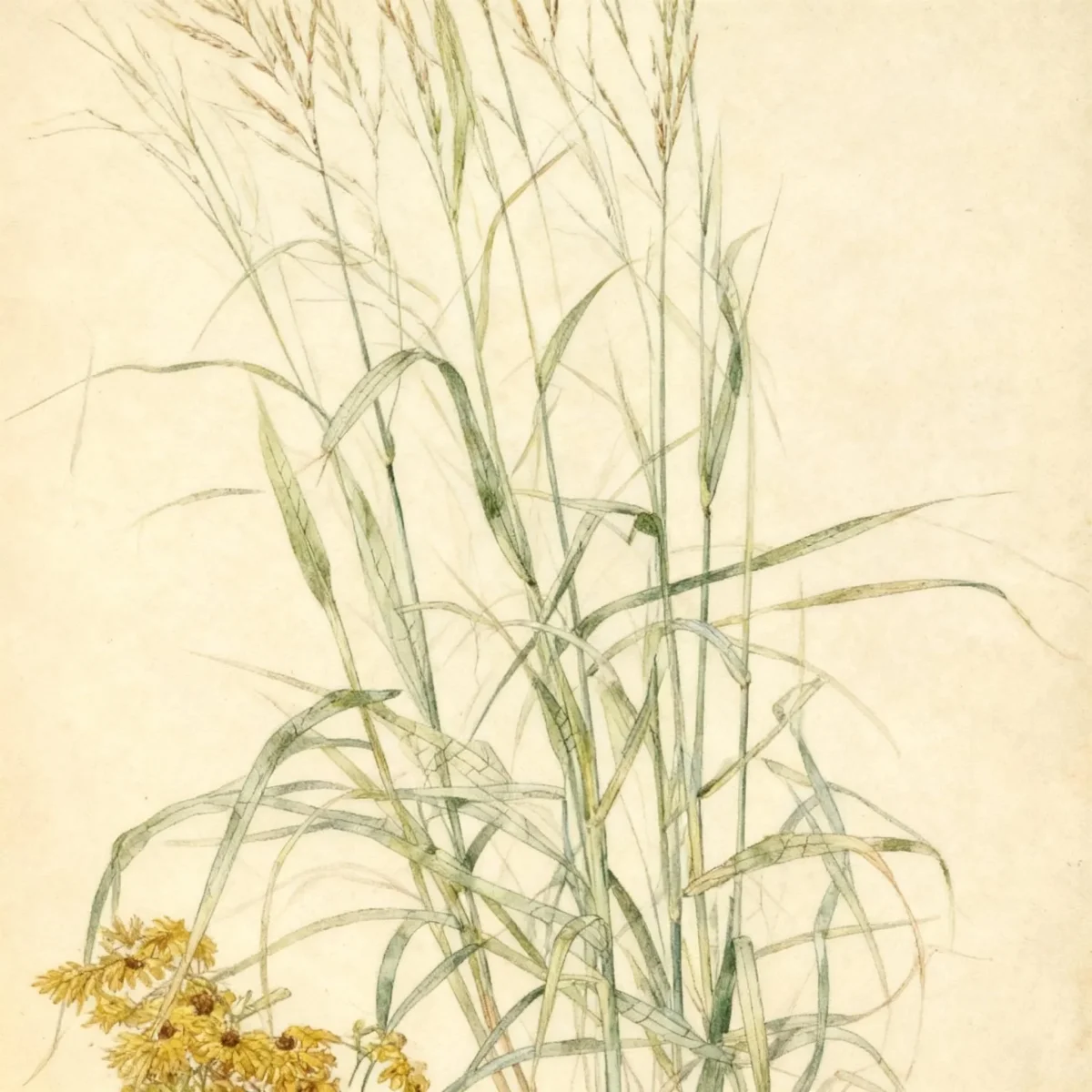
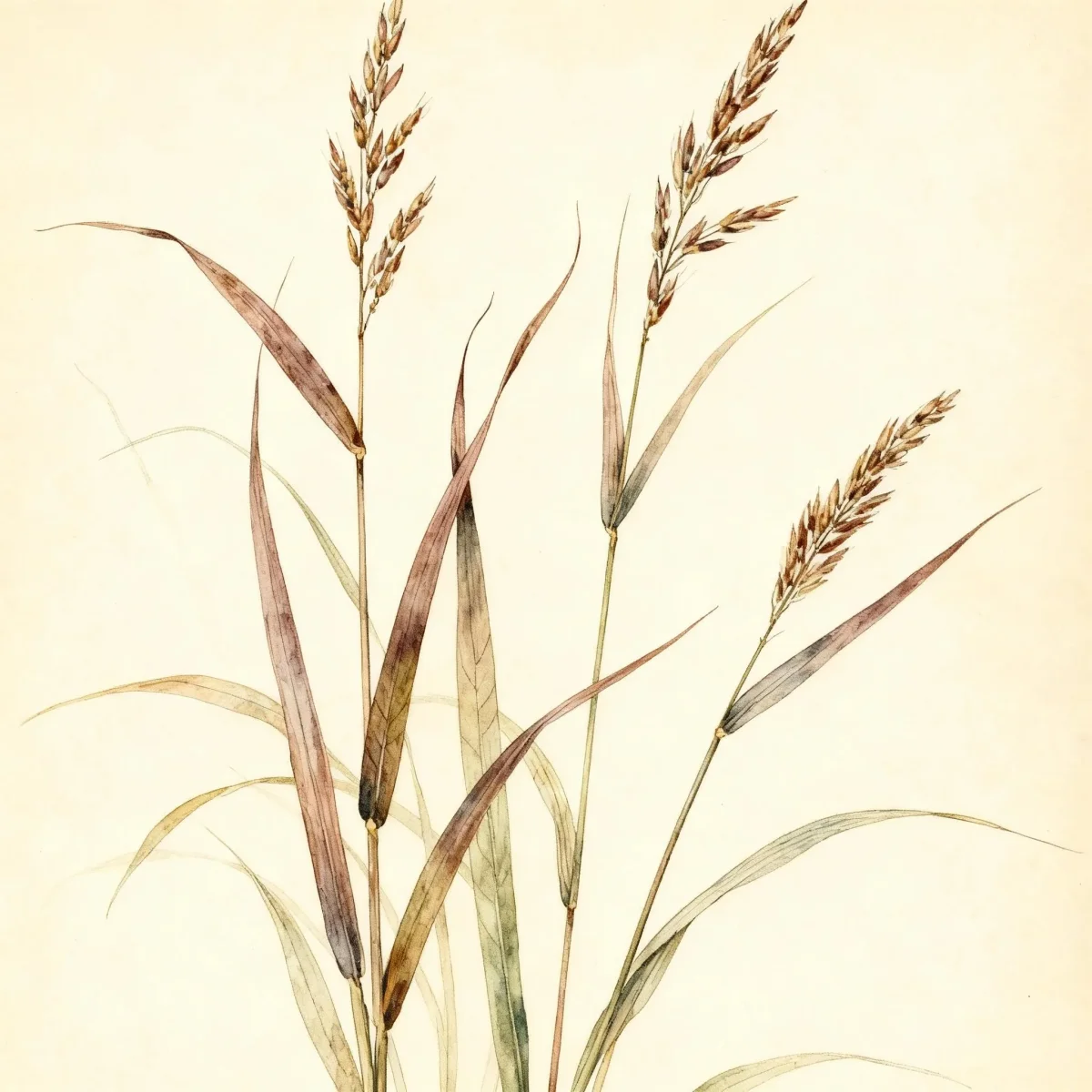
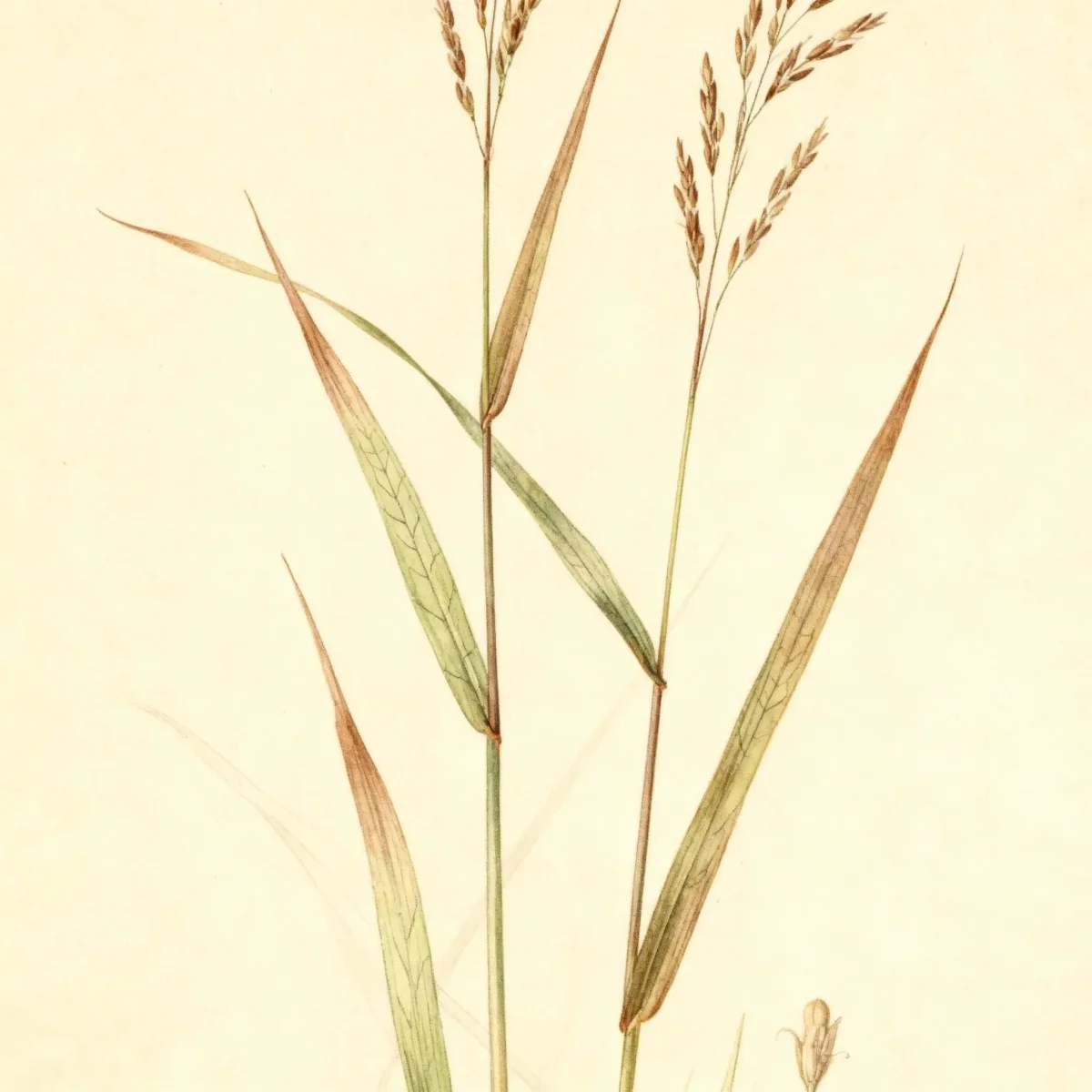
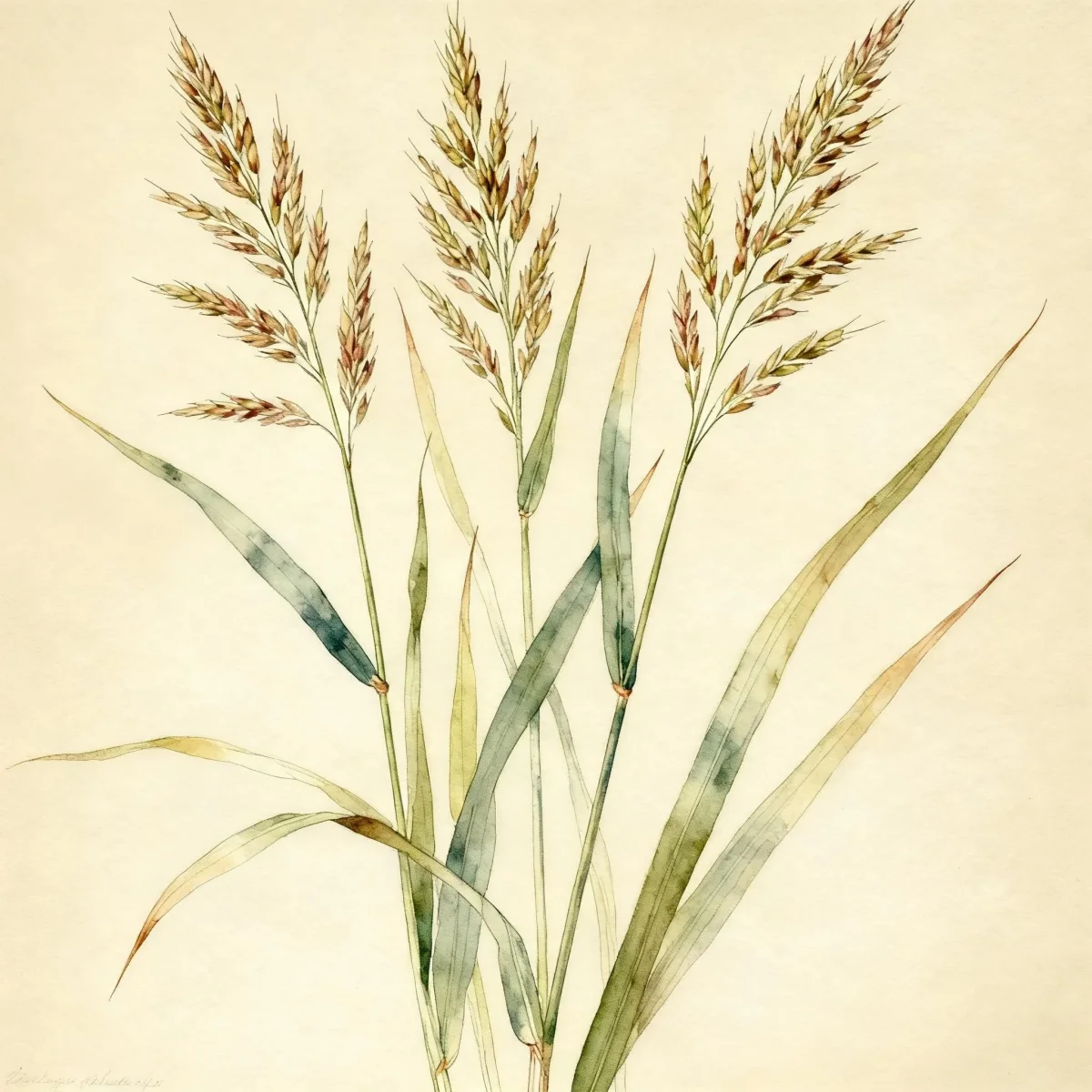
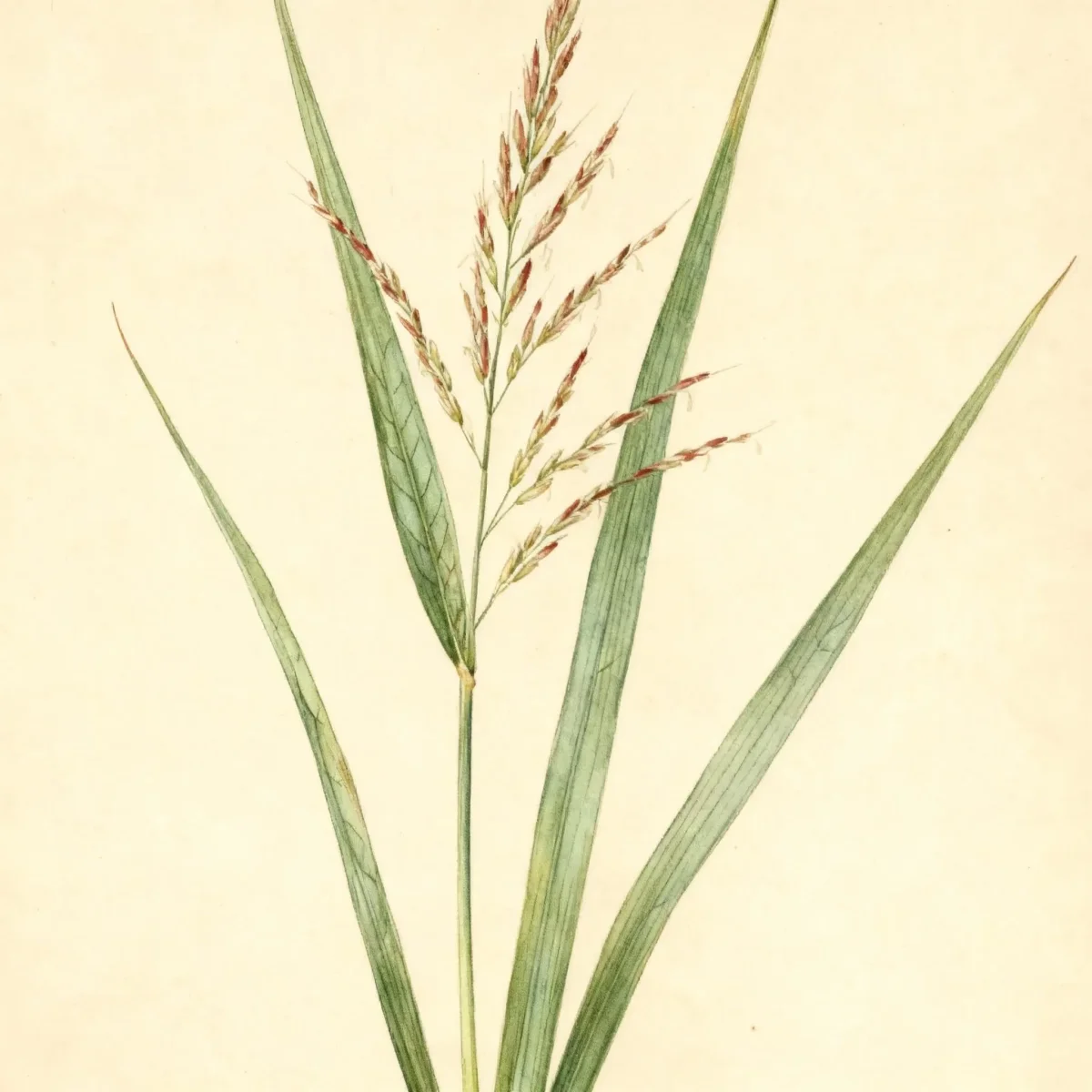
Amur silvergrass (Miscanthus sacchariflorus)
Amur silvergrass (Miscanthus sacchariflorus) is a vigorous, rhizomatous grass thriving in wet soils, offering silvery plumes and low maintenance.
Scroll down to discover growing tips, care requirements, companion plants, and more
Complete Plant Information
Overview
Miscanthus sacchariflorus, commonly known as Amur silvergrass, is a robust, deciduous perennial grass valued for its tolerance of wet conditions and its striking late-season plumes. This warm-season grass establishes a strong, clump-forming habit aided by stout rhizomes, making it an excellent architectural element in the landscape. Gardeners turn to Amur silvergrass when they need reliable height and movement, particularly in challenging moist environments where other ornamentals might fail.
Native to wet lowlands across East Asia, this species has naturalized in parts of North America due to its vigorous spreading capability. The foliage is rigid and blue-green, featuring silvery midribs that contrast beautifully with the tall, airy, silvery-white flower heads that appear in late summer and early autumn. This grass demands little attention once established, fitting perfectly into low-maintenance and naturalized planting schemes.
The defining feature of Miscanthus sacchariflorus is its adaptability, especially its preference for moisture, allowing it to thrive near water features or in rain gardens. While it spreads readily, its aesthetic payoff—showy, persistent winter interest from its plumes—makes it a highly functional and visually rewarding choice for large-scale plantings, massing, or stabilizing disturbed, wet ground.
Fast Facts
- Plant Family: Poaceae
- Plant Type: Ornamental grass
- Native Range: Japan, Korea, Russia
- Hardiness Zones: USDA Zones 4-9
- Size at Maturity:
- Height: 5-8 ft
- Spread: 3-4.5 ft
- Bloom Time: August to September
- Bloom Description: Silvery-white
- Sun Exposure: Full sun to part shade
- Water Needs: Medium to wet
- Maintenance Level: Low
How to Grow
Planting the rhizomatous Miscanthus sacchariflorus is best done in spring or fall. Select a location receiving full sun for the best flowering, although it tolerates light shade. This grass thrives best when situated in moist to very wet soils, and it can handle temporary flooding conditions common near ponds or streams. Ensure you provide adequate space for its mature spread, remembering that rhizomatous spread is more pronounced in wetter areas.
Watering requirements are medium to wet; consistent moisture supports vigorous growth and prevents flopping, which is more likely if the grass is sited in too much shade or suffers from drought stress. Fertilization is generally unnecessary as this species adapts well to rich, moist sites. The foliage turns yellow in autumn, and after flowering, the stiff inflorescences persist well into winter, offering crucial structure.
For late winter maintenance, cut the foliage and old flower stalks down to the ground just before new spring shoots emerge. This late cleanup preserves winter interest and protects the crowns. Remember that Miscanthus sacchariflorus will self-seed, and propagation can also be achieved via division of the crown in early spring.
Landscape Uses
Amur silvergrass excels in landscape situations demanding both vigor and a preference for wet conditions. It is highly recommended for riparian environments, such as pond margins, stream banks, or the periphery of water gardens and wet meadows. Its spreading nature makes it an excellent tool for naturalizing or colonizing large, difficult-to-manage areas, including stabilizing wet, disturbed sites.
Due to its swift, rhizomatous spread, gardeners must use Miscanthus sacchariflorus judiciously. It is not recommended for tight borders where its invasive potential risks crowding or overwhelming less vigorous neighboring plants. Instead, embrace its colonizing habit by planting it deliberately in areas where mass coverage or rapid establishment is the goal, such as screening problematic views or surrounding large parking lot islands.
When used intentionally in large drifts of wet meadow planting, Amur silvergrass provides amazing texture and scale. Pair it with moisture-loving perennials that can handle competition, allowing the grass to form a dynamic, textural backdrop highlighted by its silvery plumes in late summer.
Standout Features
Flower Qualities
- Showy
- Good Cut
- Good Dried
Noteworthy Characteristics
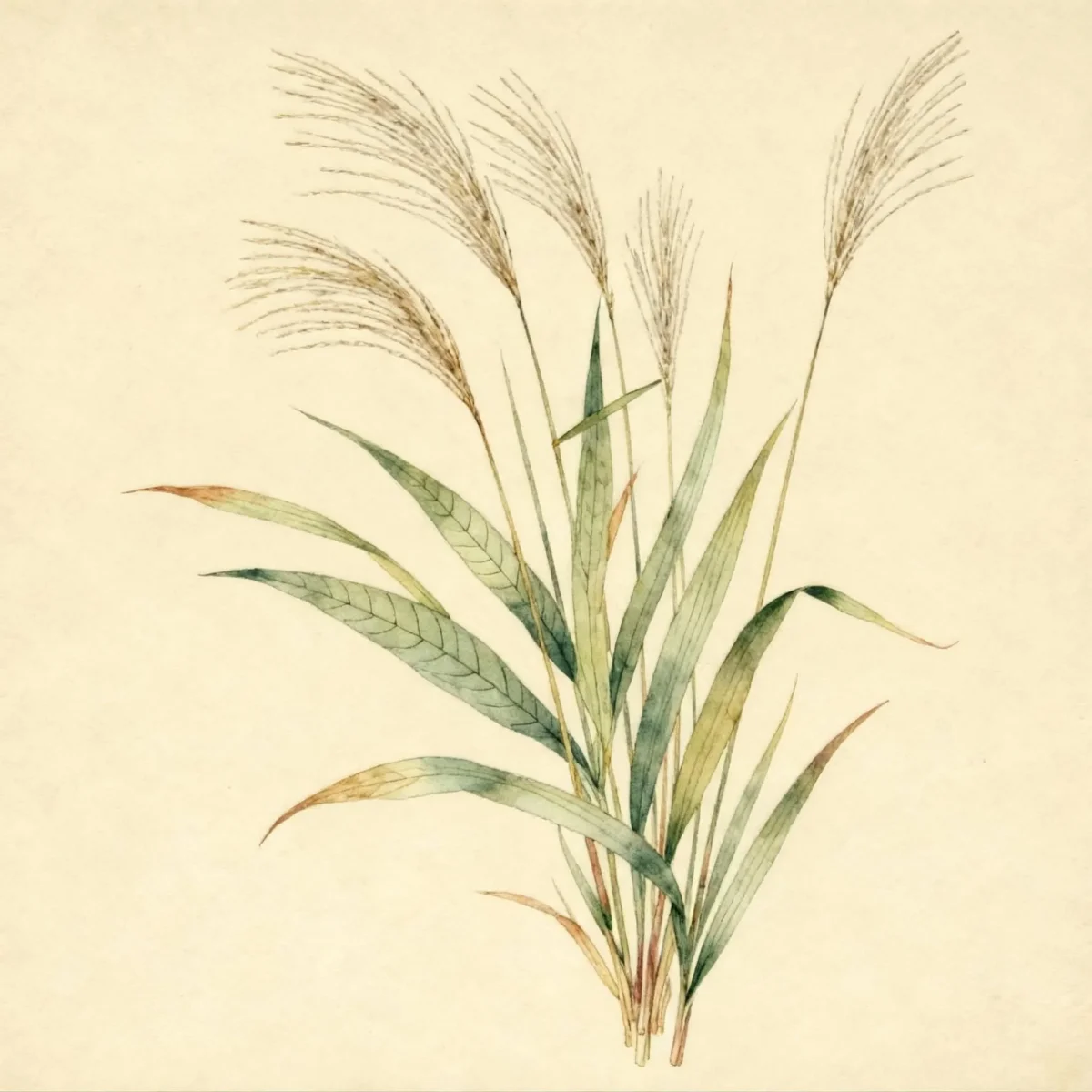
Miscanthus sacchariflorus, commonly known as silver banner grass or Amur silver grass, is a deciduous, rhizomatous, clump-forming, warm season, perennial grass that typically grows to 5-8’ tall and to 4 1/2’ wide. It is primarily distinguished by its preference for moist to wet soils, stout rhizomes, a somewhat invasive spreading habit, and spikelets which lack awns. The plume-like flowers, which resemble corn tassles, are held well above the foliage, opening silver and becoming fluffy white upon drying, remaining attractive through much of the winter.
Tolerances
- Erosion
- Wet Soil
- Black Walnut
- Air Pollution
Potential Problems
Miscanthus sacchariflorus generally experiences few frequently occurring insect or disease problems, contributing to its low maintenance profile. However, gardeners in some regions of the U.S. should be aware of emerging issues. The miscanthus mealybug is problematic because it resides deep inside the stems, making it hard to eradicate and often causing stunted growth.
A fungal issue known as miscanthus blight is also noted, which attacks the leaf blades and sheaths, diminishing aesthetic quality. Prevention centers around proper cultural care; ensuring good air circulation (as opposed to overcrowding) and maintaining a clean aesthetic by aggressively cutting back old foliage in late winter helps minimize the carryover of fungal spores.
Frequently Asked Questions
What hardiness zones is Amur silvergrass suitable for?
Amur silvergrass is hardy and reliably grows in USDA Zones 4 through 9.
How large does Miscanthus sacchariflorus grow?
This ornamental grass typically reaches a mature height between 5 to 8 feet tall and spreads between 3 to 4.5 feet wide.
What sun exposure does Amur silvergrass need?
Miscanthus sacchariflorus prefers full sun but will successfully grow in areas receiving partial shade, though heavy shade may lead to reduced vigor and floppier flowering.
When does Amur silvergrass bloom?
The striking plumes of Amur silvergrass appear from August into September, displaying a beautiful, silky, silvery-white coloration.
Conclusion
Miscanthus sacchariflorus stands out as a superior choice for wet areas needing significant vertical texture and reliable, low-input screening. Its tolerance for moisture and air quality issues makes it a practical workhorse among ornamental grasses. Before installing, confirm that your site conditions allow for its spreading nature; if so, Amur silvergrass will reward you with striking aesthetic appeal throughout the growing season and deep into winter.
Companion Planting
Selecting companions for Miscanthus sacchariflorus should prioritize other plants that thrive in medium to wet soil conditions, similar to its native habitat in wet lowlands. Consider grouping it with moisture-loving perennials that offer contrasting foliage texture or earlier blooms to extend seasonal interest. Plants like Caltha (Marsh Marigold) in spring, or late-season moisture lovers such as Iris ‘Louisiana’ hybrids or Swamp Milkweed (Asclepias incarnata), pair well physically and culturally.
Avoid placing this vigorous grass near sensitive perennials that require well-drained, drier soil, as the consistent moisture Miscanthus sacchariflorus demands can harm drought-tolerant species. Its height also dictates its location; use it as a background element planted near the back of wet borders, allowing shorter, sturdy plants to complement its base without being completely overshadowed prematurely.
Propagation Tips
The primary method for propagating established clumps of Miscanthus sacchariflorus is by division of the crown. This should be done in early spring just before new growth begins. Dig up portions of the established clump, ensuring each division has a healthy quantity of roots and several growing points (eyes). Replant the divisions immediately at the same level they were growing before.
Because Amur silvergrass self-seeds readily in the landscape, collecting and sowing seeds is another viable, though often less preferred, propagation route. Sow seeds indoors several weeks before the last frost date, or directly outdoors in prepared moist soil once all danger of frost has passed. Be aware that seedlings may exhibit slight variations in height and plume color compared to the parent plant.