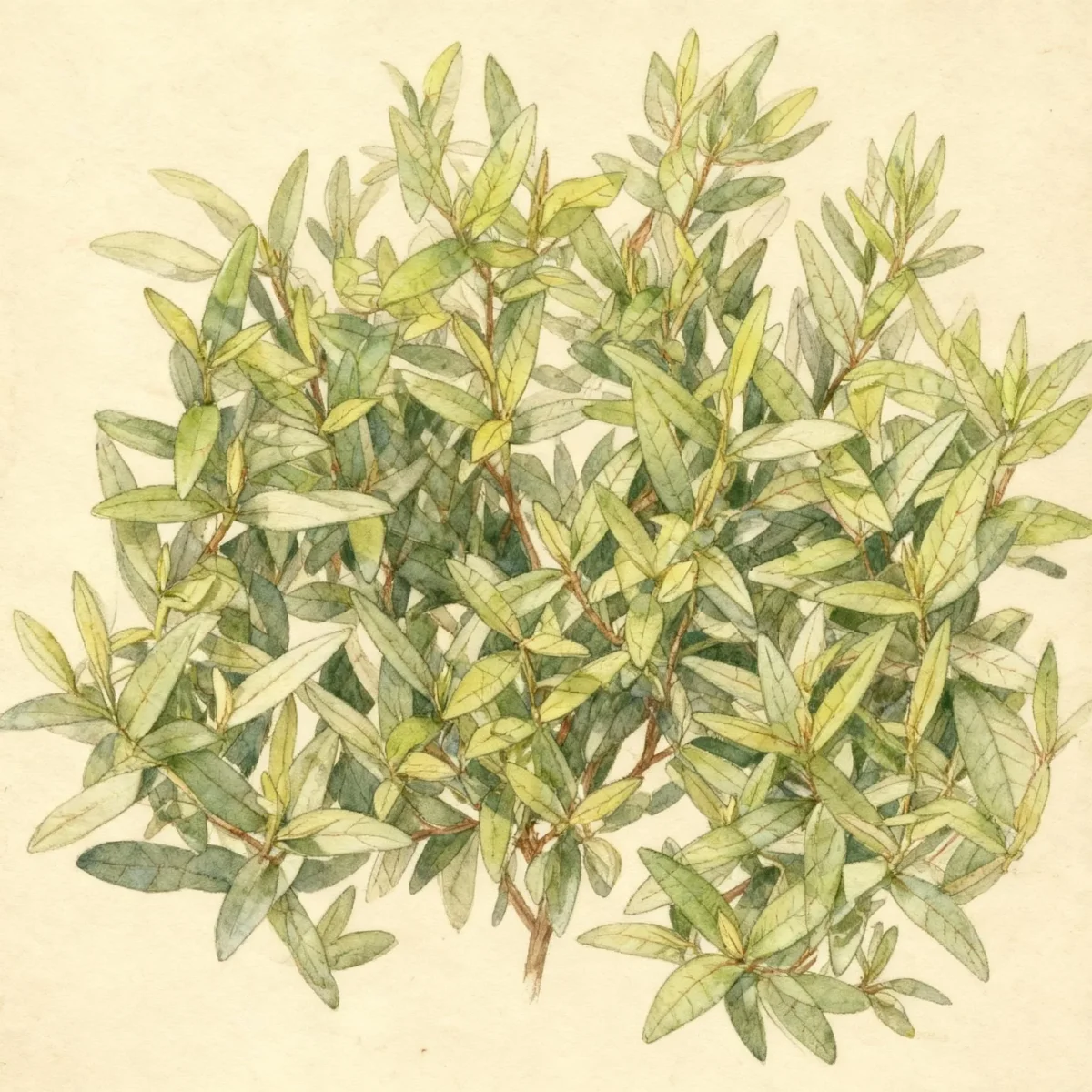
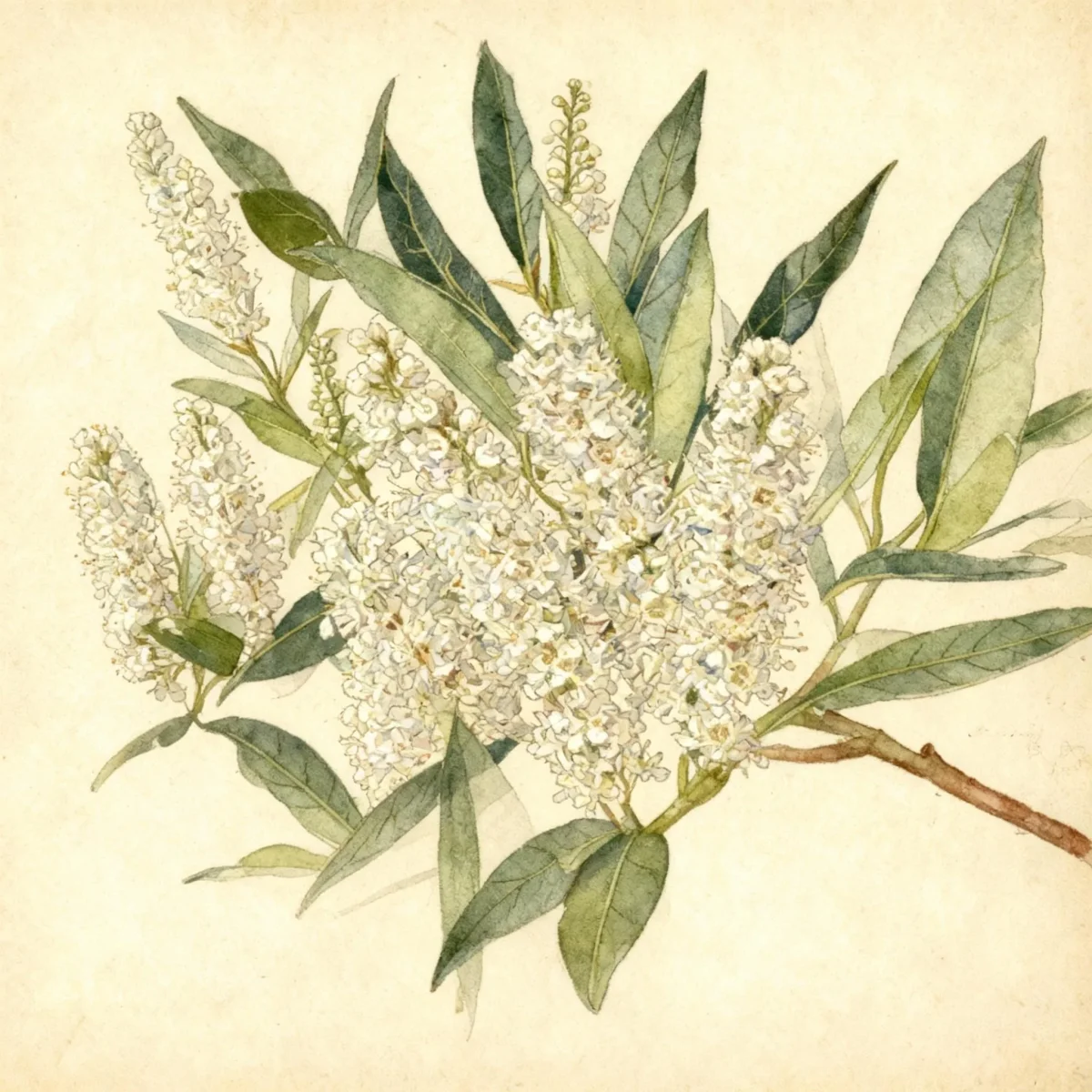
Escallonia (Escallonia × rigida)
The Escallonia × rigida hybrid is a low-maintenance, dense broadleaf evergreen shrub, perfect for hedges.
Scroll down to discover growing tips, care requirements, companion plants, and more
Complete Plant Information
Overview
The Escallonia × rigida hybrid offers gardeners a highly reliable and dense broadleaf evergreen shrub valued for its structure and late spring blooms. This specific cultivar, commonly known as escallonia, thrives across a moderate temperature range, providing year-round foliage interest. Its relatively compact size and low maintenance requirements make it an increasingly popular choice for formal and informal garden settings alike.
Originating as a cross between two South American species, Escallonia × rigida exhibits robust growth seldom troubled by major pests or diseases. It forms an attractive, solid green screen, making it highly functional as a boundary plant or background structure in perennial borders. Gardeners can rely on the vibrant red flowers that emerge mid-season, punctuating the dark green foliage.
For effective establishment, place your Escallonia hybrid where it receives dedication sunlight but is shielded from intense afternoon heat in the hottest climates. As a hardy specimen in Zones 7 through 9, the Escallonia provides excellent structural backbone, offering consistent performance with minimal intervention once established in suitable soil conditions.
Fast Facts
- Plant Family: Escalloniaceae
- Plant Type: Broadleaf evergreen
- Native Range: Chile, Argentina
- Hardiness Zones: USDA Zones 7-9
- Size at Maturity:
- Height: 6-8 ft
- Spread: 3-6 ft
- Bloom Time: June to July
- Bloom Description: Red
- Sun Exposure: Full sun to part shade
- Water Needs: Medium
- Maintenance Level: Low
How to Grow
Planting Escallonia × rigida is best done in spring or early fall, allowing the root system to establish before temperature extremes. Select a location offering full sun, though afternoon shade is beneficial where summers are intensely hot. This shrub performs exceptionally well in average soils, provided they are consistently moist and drain effectively, preventing root saturation which can cause issues.
Once established, maintain a medium watering schedule, ensuring deep saturation during dry spells rather than frequent, shallow watering. Escallonia generally requires little supplemental feeding; typical garden fertility is usually sufficient for maintaining healthy, dense growth. Pruning, if desired, should focus on shaping or removing spent stems immediately after the main flowering period concludes in mid-summer.
Seasonal care should center around vigilance during establishment. For gardeners in the warmer end of its range (Zone 9), ensure planting sites offer some relief from the harshest afternoon sun to prevent leaf scorch. Winter preparation is minimal for established plants within Zones 7 to 9, as the selection itself carries adequate cold tolerance needed for those regions.
Landscape Uses
The Escallonia’s natural dense habit makes it an ideal candidate for formal hedging where a trim, defined line is required. However, its visual appeal also lends itself well to softening foundations or defining shrub borders within a mixed planting scheme. Consider pairing the deep green foliage and red flowers of Escallonia × rigida with white-flowering companions or plants providing contrasting textural elements.
Larger established specimens of Escallonia can serve as excellent backdrop screens, providing privacy and year-round structure due to its broadleaf evergreen nature. For foundation plantings, ensure adequate space (at least 3 feet clearance on all sides) to allow the mature 3-6 foot spread to develop naturally without cramping the structure.
Standout Features
Flower Qualities
- Showy
Noteworthy Characteristics
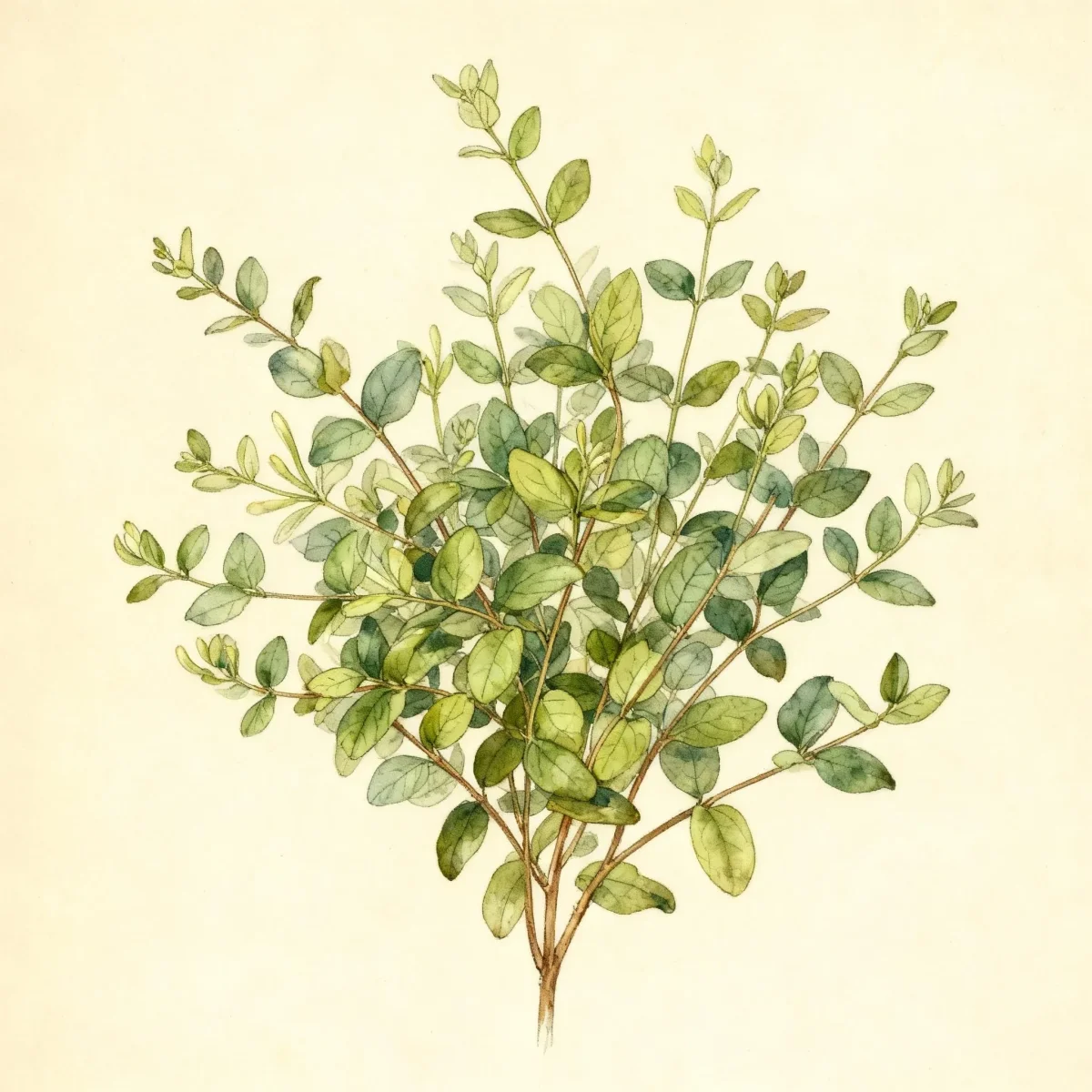
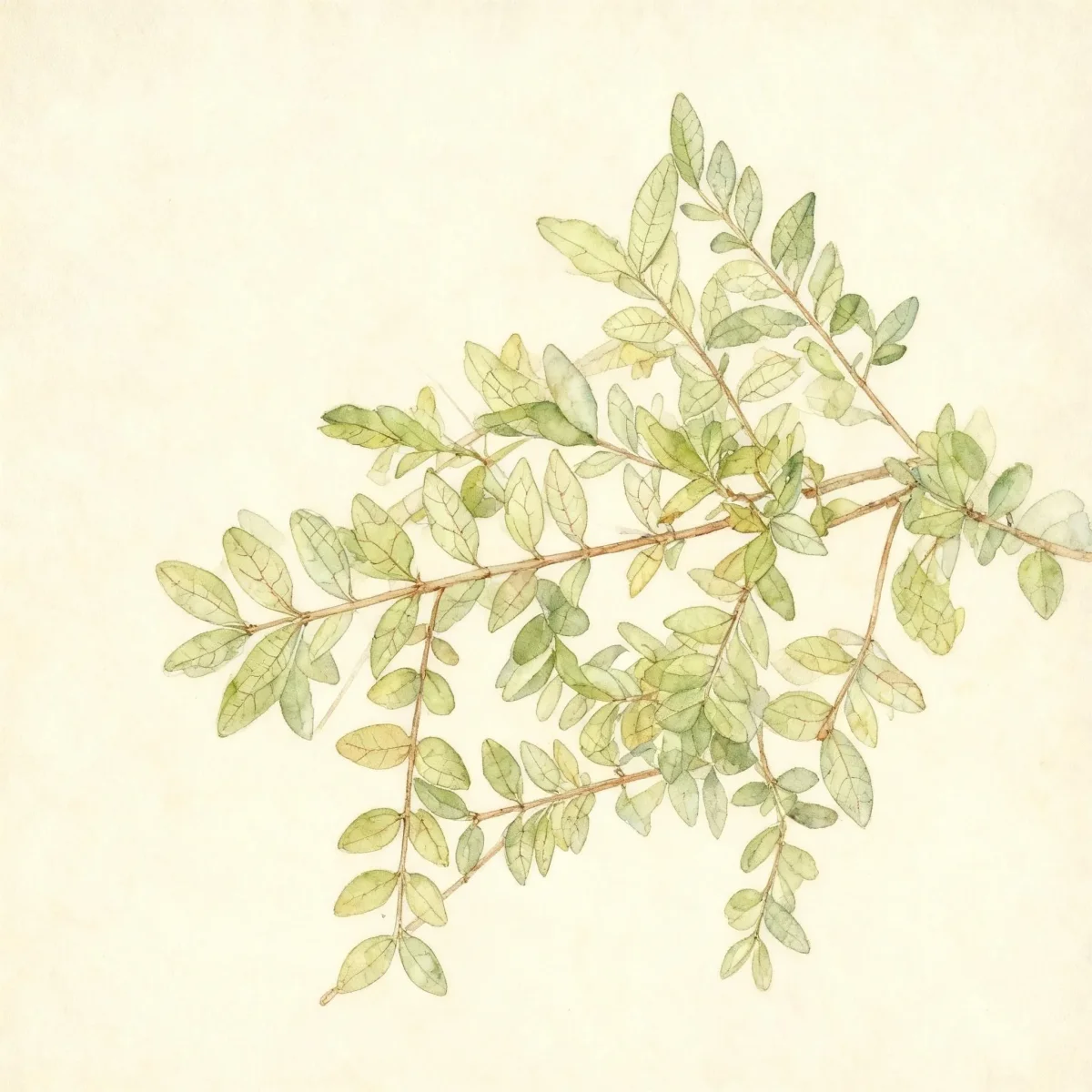
Escallonia x rigida, commonly called escallonia, is a dense evergreen to semi-evergreen shrub that typically matures to 6-8’ tall and to 3-6’ wide. It is a hybrid resulting from a cross between E. Virgate (deciduous) and E. Rubra (evergreen), both parents being native to Chile and Argentina. E. X rigida features alternate, simple, narrow, toothed, dark green leaves (each to 1” long) which have tiny resinous glands spotting the undersides. Scarlet to rosy red flowers (each to 1/2” across) bloom in short terminal racemes in late spring to mid-summer, primarily during June-July but sometimes continuing sporadically into late summer.
Tolerances
Potential Problems
This hardy specimen is generally free from serious pest or disease issues, which contributes significantly to its low maintenance rating. Gardeners should focus primarily on cultural requirements—ensuring good drainage and consistent moisture—rather than aggressive chemical treatments. Monitoring for common fungal issues is prudent if humidity levels remain excessively high or air circulation is poor, though widespread infestation is rare for Escallonia.
Frequently Asked Questions
What hardiness zones is Escallonia suitable for?
The Escallonia × rigida hybrid is winter hardy across USDA Zones 7 through 9.
How large does Escallonia grow?
Mature Escallonia typically reaches heights of 6 to 8 feet with a spread between 3 and 6 feet wide, forming a dense shrub.
What sun exposure does Escallonia need?
This plant thrives best in full sun but benefits significantly from partial shade, especially during the hottest part of the afternoon in warmer climates.
When does Escallonia bloom?
You can expect vibrant red flowers primarily throughout June and July, although sporadic blooming may continue into the late summer months.
Conclusion
The versatility and straightforward care requirements of Escallonia × rigida make it an outstanding addition to temperate landscapes looking for reliable evergreen screening. Its vibrant summer bloom and low maintenance profile confirm its status as a garden stalwart. Evaluate your growing area to ensure it meets the USDA Zone 7-9 requirements before planting this beautiful escallonia this season.
Design Ideas
When incorporating Escallonia into a mixed border, consider placing it behind shorter, deciduous perennials that die back in winter. This strategy ensures that the reliable structure and deep green of the Escallonia × rigida remain visible even when neighboring plants are dormant. Contrast the fine-textured leaves of the shrub with broader-leaved evergreens, such as certain hollies or camellias, to add visual depth throughout the year.
For a classic, resilient hedge, plant the Escallonia on a tight center-to-center spacing appropriate for the desired density, remembering that 3-6 feet is its mature spread. Keep ground-level pruning selective, focusing on maintaining side clearances to promote airflow around the base, which helps uphold the plant’s natural resistance to disease. This shrub’s habit responds well to shearing, making it adaptable to architectural forms if a higher degree of formality is desired over its natural mounding shape.
Companion Planting
Due to the requirement for consistently moist, well-drained soil, Escallonia pairs naturally with other acid-loving or moisture-tolerant evergreen shrubs common to these environments. Plants like Camellia, Rhododendron, and Azalea are excellent companions, as they share similar cultural needs regarding water and soil acidity, creating a cohesive planting bed.
When selecting flowering companions for summer color near your Escallonia, choose mid-season bloomers that enjoy similar light exposure, such as Hydrangeas (if protected from extreme afternoon sun) or certain varieties of Veronica. This ensures that the garden remains visually active from the time the Escallonia finishes its June-July display through the remainder of the growing season.