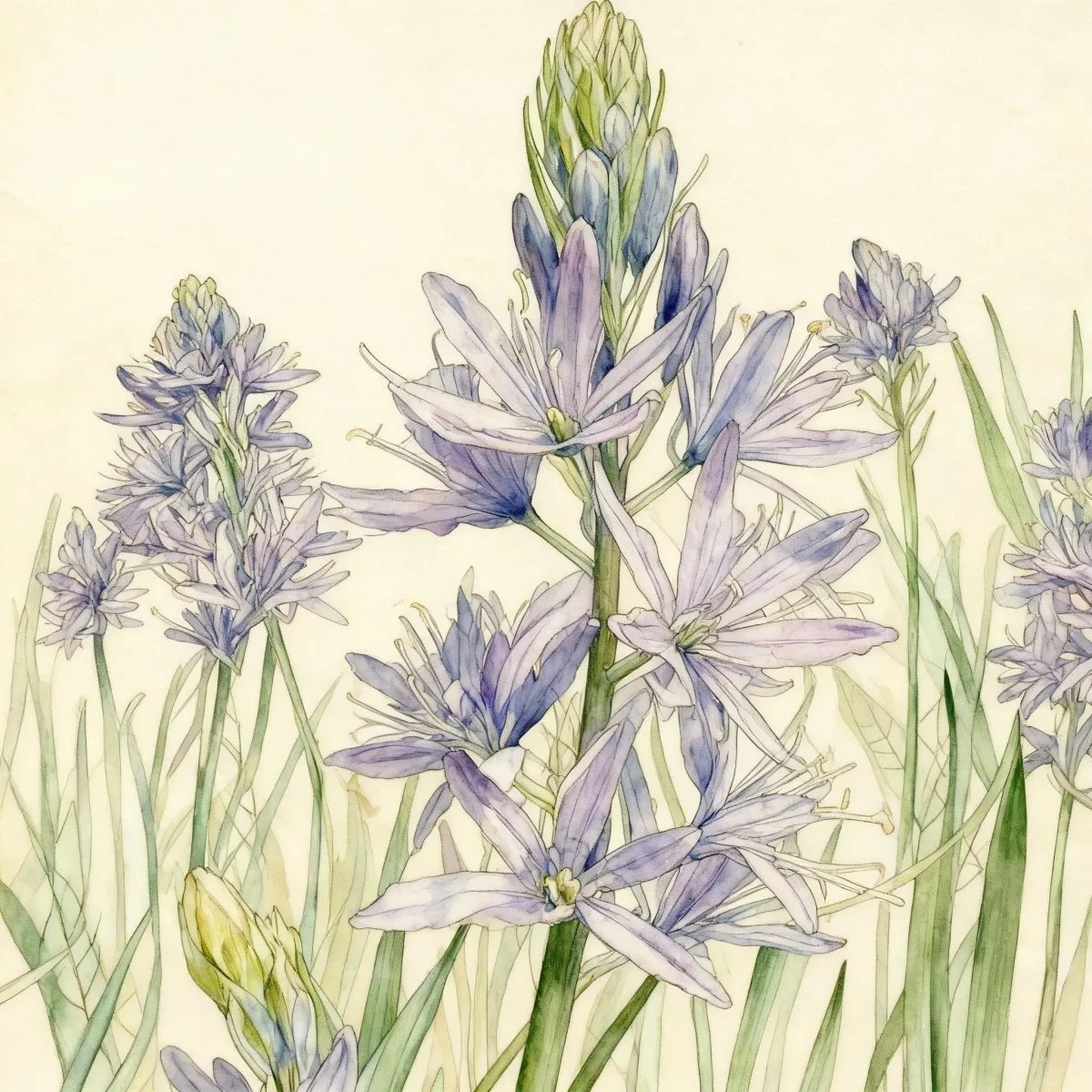
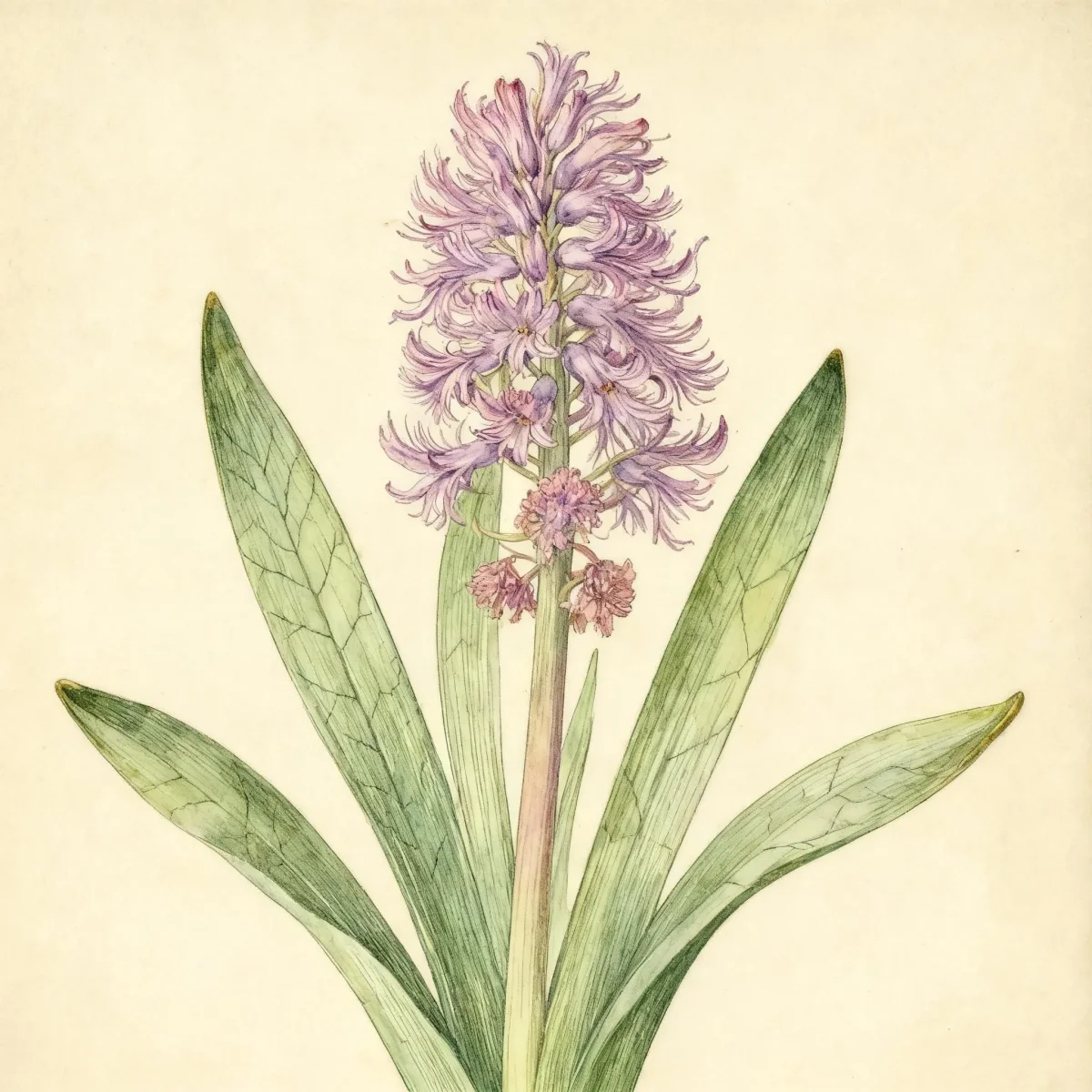
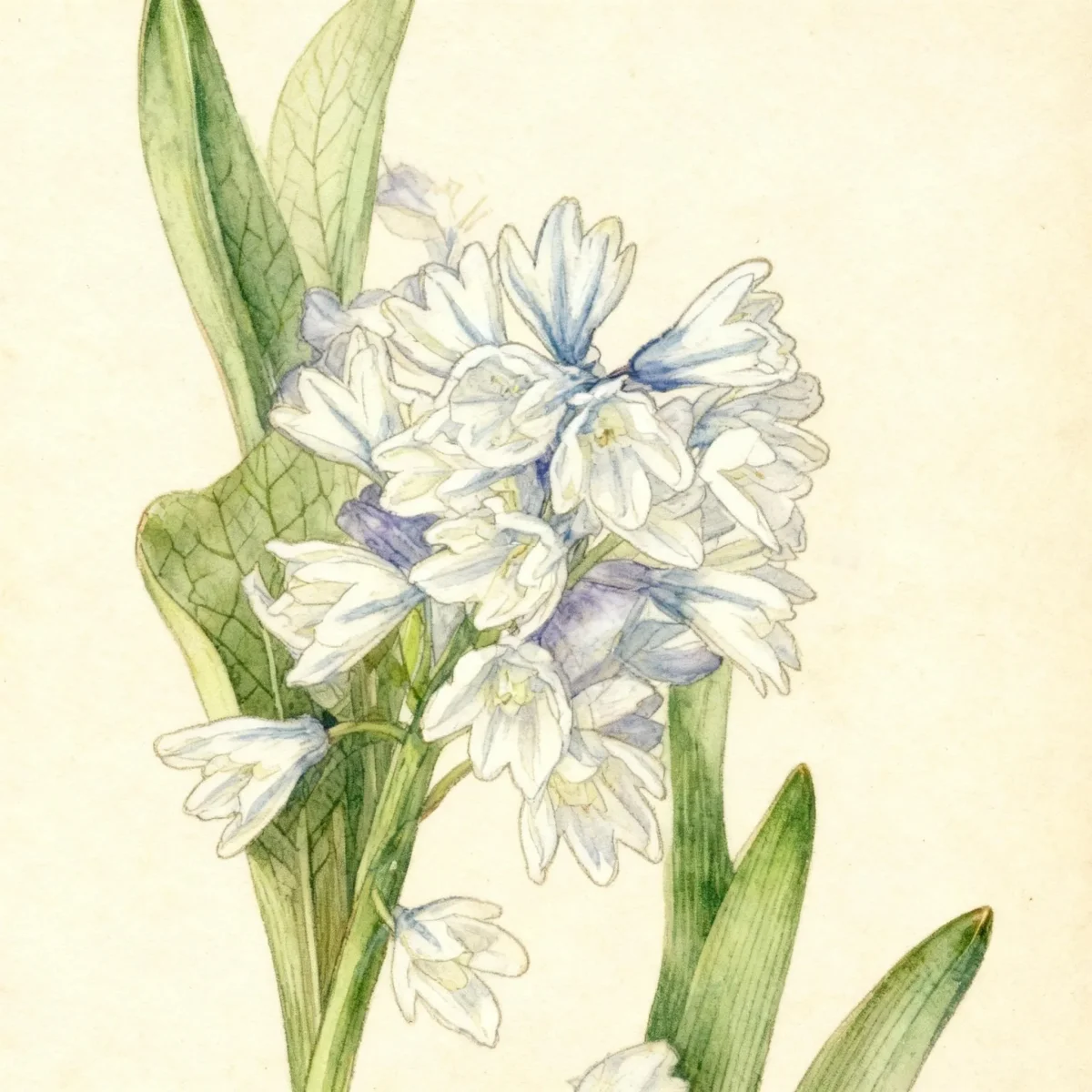
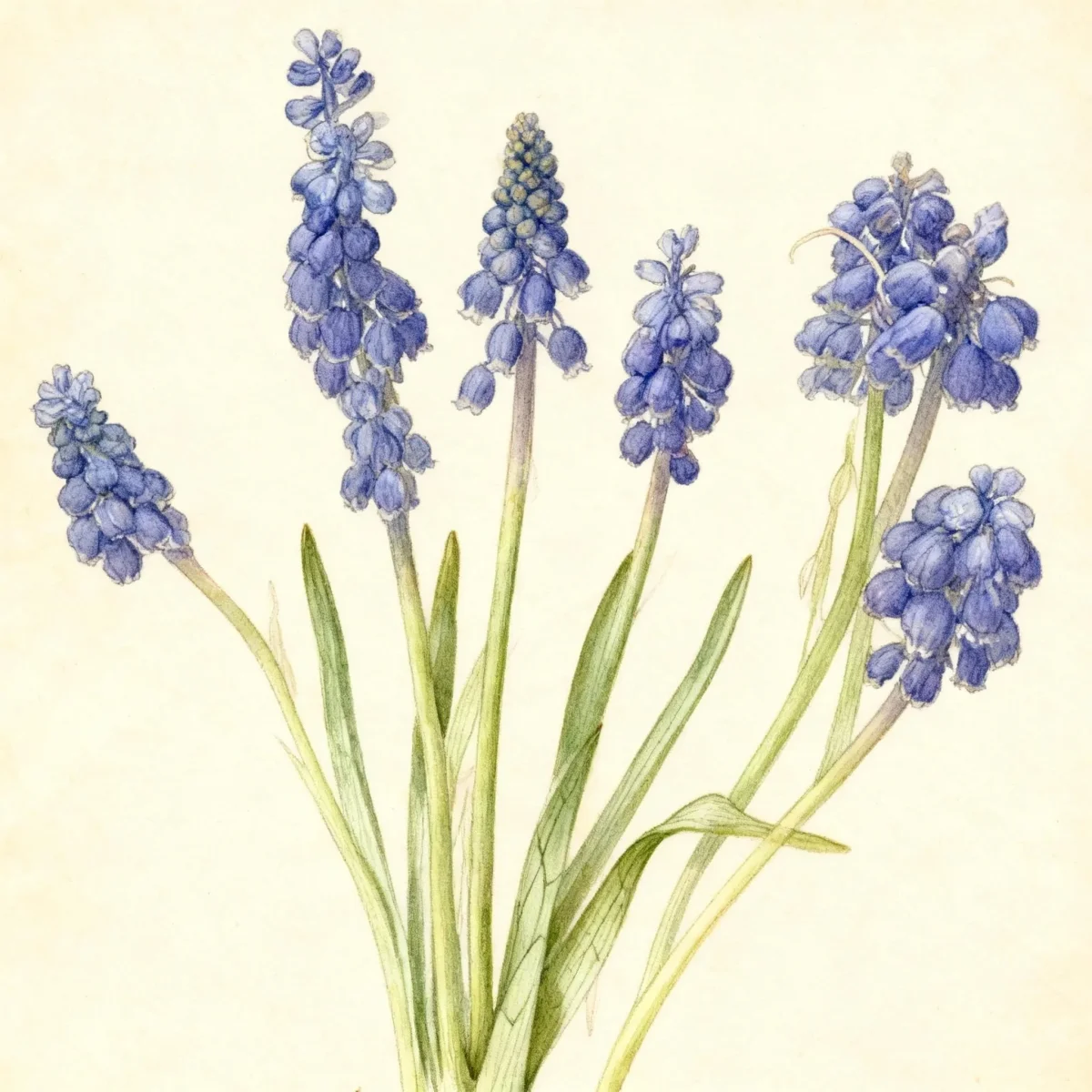
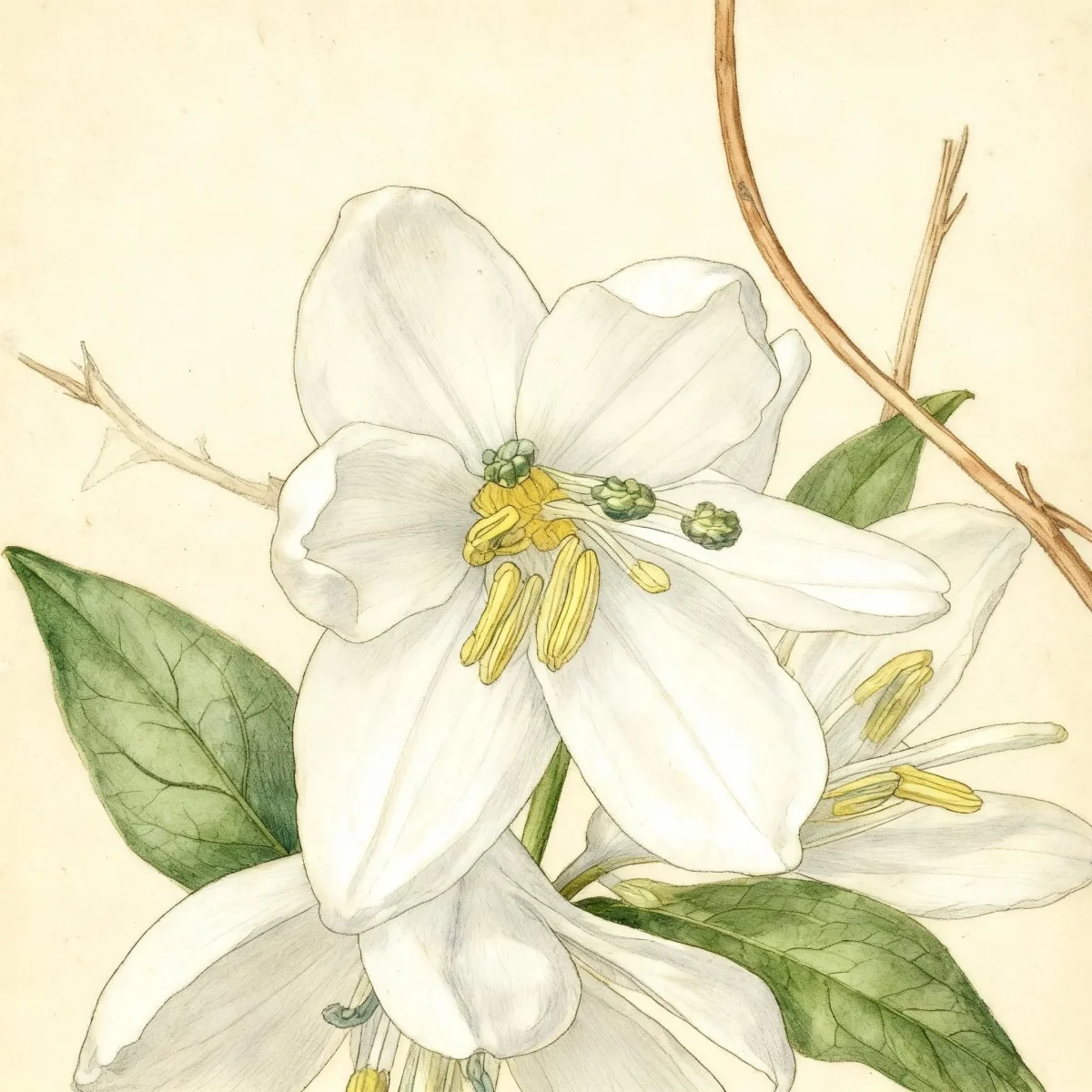
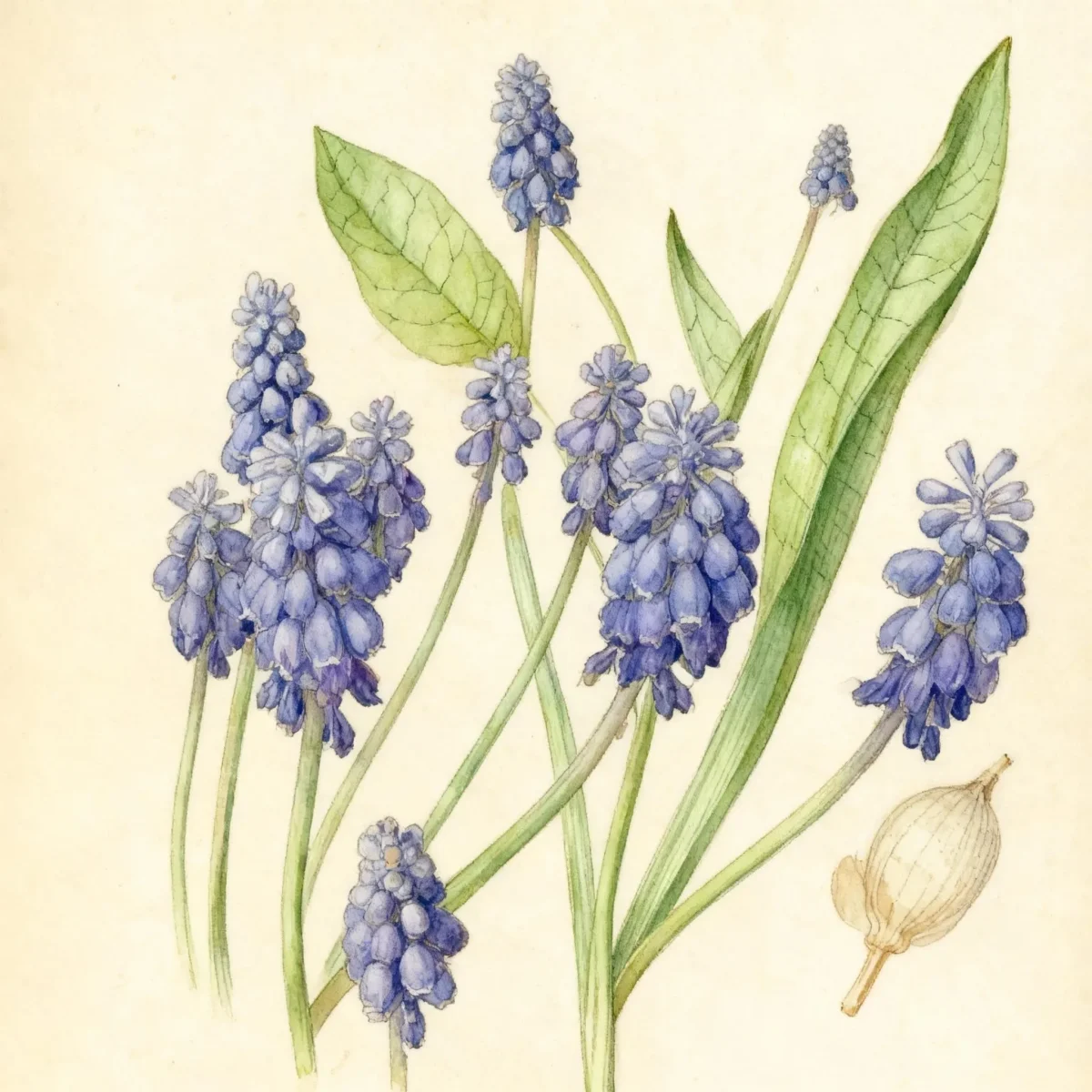
Prairie camas (Camassia angusta)
Prairie camas (Camassia angusta) offers stunning lavender blooms in late spring, requiring low maintenance in zones 5-8.
Scroll down to discover growing tips, care requirements, companion plants, and more
Complete Plant Information
Overview
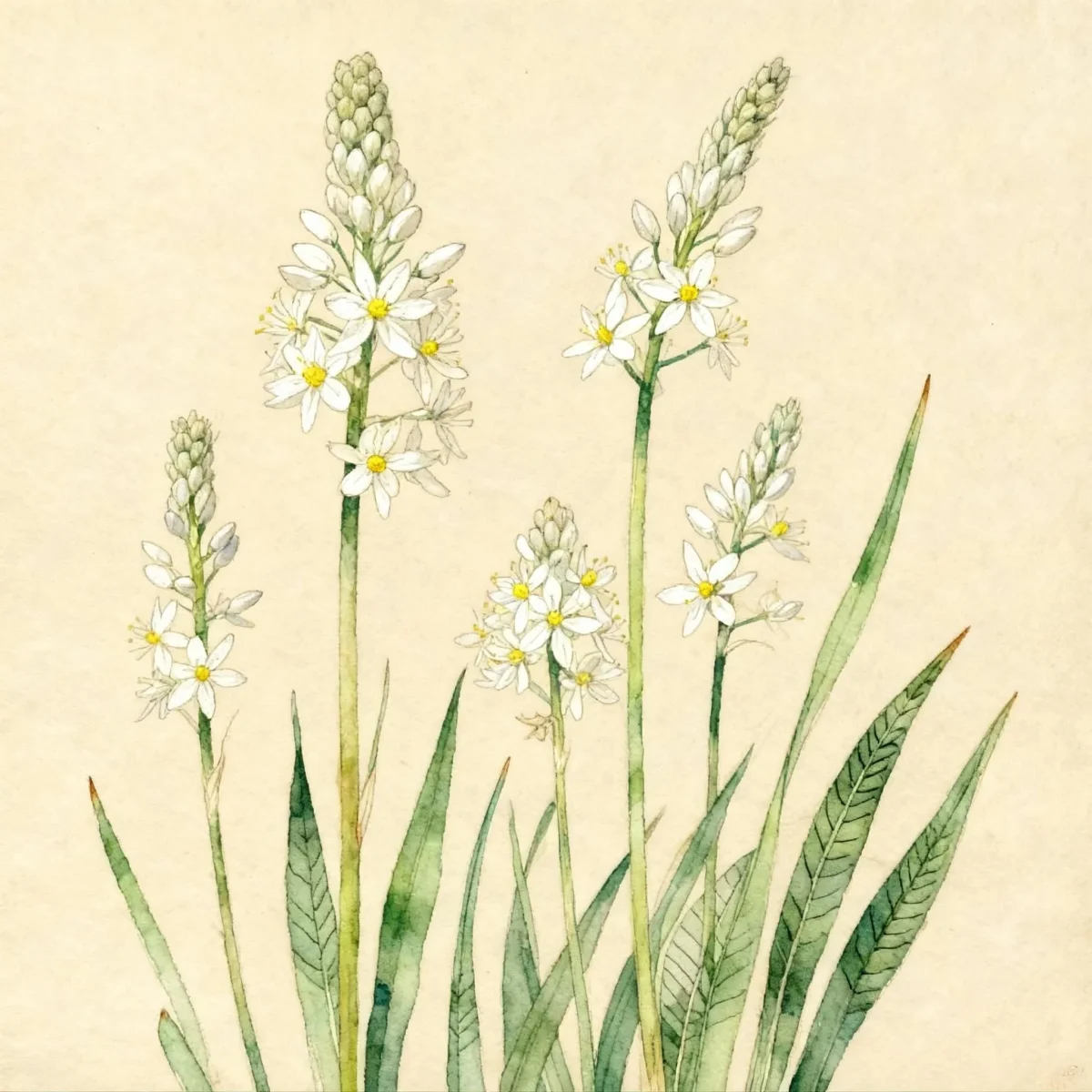
The Prairie camas (Camassia angusta) is a beautiful spring-flowering bulb, valued for its upright structure and delightful display of starry, lavender-to-pale-purple flowers that appear in late spring. Native to central and southeastern prairies, this perennial brings reliable, low-maintenance color to garden settings. Its vibrant bloom period sits perfectly as spring ephemerals fade and summer perennials begin to emerge, offering transitional beauty.
Once established, Camassia angusta naturalizes well, rewarding gardeners with increasing clumps over time. It thrives best in environments mimicking its native habitat: moist, well-drained soils during active growth. This bulb easily transitions to drier conditions once its foliage yellows, making it surprisingly adaptable once dormancy protection begins.
Gardeners appreciate the prairie camas for its sturdy, vertical flower stalks that rarely require staking. While its foliage fades post-bloom, its ease of care and stunning visual impact during May and June make it an excellent addition to mixed borders or naturalized meadows, easily handling the tough conditions often found in clay-heavy soils.
Fast Facts
- Plant Family: Asparagaceae
- Plant Type: Bulb
- Native Range: Central and southeastern United States
- Hardiness Zones: USDA Zones 5-8
- Size at Maturity:
- Height: 2-2.5 ft
- Spread: 1-1.5 ft
- Bloom Time: May to June
- Bloom Description: Lavender to pale purple
- Sun Exposure: Full sun to part shade
- Water Needs: Medium
- Maintenance Level: Low
How to Grow
The ideal time to plant Camassia angusta bulbs is in the fall. Choose a location that receives full sun for the best flower production, though they easily accommodate open woodland settings with part shade. Camassia angusta performs best in fertile, acidic, humusy, and well-drained soils, but it is noted for tolerating clay soils successfully. Plant the bulbs approximately 4 to 6 inches deep and space them 6 inches apart to encourage a full display.
During the spring growing season and while blooming, plants require regular moisture. Ensure consistent watering during this period. Once the flowers fade and the leaves begin to yellow as the plant heads toward summer dormancy, watering can be reduced, allowing the soil to dry somewhat.
These bulbs are best left undisturbed once planted, as they prefer to naturalize through bulb offsets and reseeding. While growing from seed is possible, be patient, as seedlings typically require three to four years to reach flowering maturity. Stems are naturally strong, meaning staking is seldom necessary, contributing to the low maintenance profile of this plant.
Landscape Uses
Camassia angusta excels when planted in mass groupings, recommending at least 15 bulbs together to create a significant impact of lavender color. This density turns the springtime display into a focal point within wildflower meadows or open woodland areas where lower light conditions prevail. While adaptable to borders, gardeners should be aware that the foliage of the Prairie camas can appear somewhat untidy after flowering concludes on its way to summer dormancy.
For landscape design, consider using Camassia angusta where its later bloom time can bridge the gap between early spring bloomers, like tulips, and emerging summer perennials. Its vertical accent also works well when placed as an accent plant near the periphery of a water garden or pond edge, provided drainage remains adequate throughout the year. Avoid placing it in a prominent front-border spot where its fading foliage will be immediately visible.
Standout Features
Flower Qualities
- Showy
Noteworthy Characteristics
Camassia angusta, commonly known as prairie camas, prairie hyacinth or wild hyacinth, is a spring-flowering, bulbous perennial of the lily family that typically produces one or more flowering stalks to 2 1/2’ tall which rise in spring from an upright to drooping basal foliage clump consisting of 6-12” long narrow, glabrous, linear to parallel-veined, strap-shaped, medium to dark green leaves (each to 14” long by 1” wide). Each flowering stalk is topped by a terminal raceme (to 4-12” long) of lavender to pale purple flowers (each to 3/4” across) which bloom sequentially from bottom to top in late spring (May-June). The leaves eventually turn yellow and wither after flowering as the plant heads toward its mid-summer dormancy.
Tolerances
- Clay Soil
Potential Problems
Plants of Camassia angusta are remarkably resilient and generally face no serious threats from insects or disease pathogens when grown in suitable conditions. The structural integrity of the stems is strong, ensuring they rarely require artificial support, even in heavy spring rains. Gardeners should prioritize proper drainage during the dormant summer months to prevent bulb rot, which is the most common issue if conditions become waterlogged after growth ceases.
Frequently Asked Questions
What hardiness zones is Prairie camas suitable for?
The Prairie camas (Camassia angusta) is best suited for USDA Hardiness Zones 5 through 8.
How large does Prairie camas grow?
This bulb typically reaches a height between 2 and 2.5 feet, with a spread ranging from 1 to 1.5 feet at maturity.
When does Camassia angusta bloom?
Camassia angusta produces its flowers primarily from May through June, displaying blooms described as lavender to pale purple.
What sun exposure does Camassia angusta need?
This species performs best in full sun but is notable for easily tolerating conditions ranging from full sun to part shade.
Conclusion
The delightful Prairie camas provides unparalleled, low-effort beauty with its late spring spike of lavender blooms, making Camassia angusta a reliable choice for naturalizing areas in USDA Zones 5-8. Its ability to handle clay soils and thrive without excessive pampering offers significant value to the native plant enthusiast. Check your site conditions and plan to plant these bulbs this fall for a stunning prairie display next season.
Companion Planting
When selecting companions for Camassia angusta, focus on plants that share similar cultural requirements concerning moisture availability during spring while also providing aesthetic contrast or covering the thinning summer foliage. Plants that emerge later in the season work exceptionally well adjacent to the prairie camas, as they can mask the foliage decline that occurs post-bloom. Consider planting alongside early-blooming irises or spring ephemerals that die back earlier.
Since Camassia angusta prefers fertile, acidic soil, choose companions that share this preference, such as certain native ferns or woodland phlox species if grown in part-shade areas. In sunnier meadow settings, group them with later-flowering native composites that tolerate medium moisture and don’t require constant, intense summertime dryness right where the camas bulbs are resting.
Propagation Tips
Propagating Camassia angusta is most effectively achieved through natural methods: bulb offsets and seed production. Once the plant is established, it reproduces reliably via bulb offsets, which leads to larger, denser clumps over time as the bulbs multiply beneath the soil line. Allow the plant to mature fully and do not divide the clumps frequently; they prefer to be left undisturbed.
Growing from seed is a longer-term project, as mentioned previously, requiring three to four years until flowering begins. If you collect seeds from the 1/3-inch seed capsules formed after flowering, sow them fresh, as they benefit from immediate planting rather than long-term dry storage. Ensure the seedbed mimics the natural soil—moist, fertile, and well-drained—to maximize germination rates.