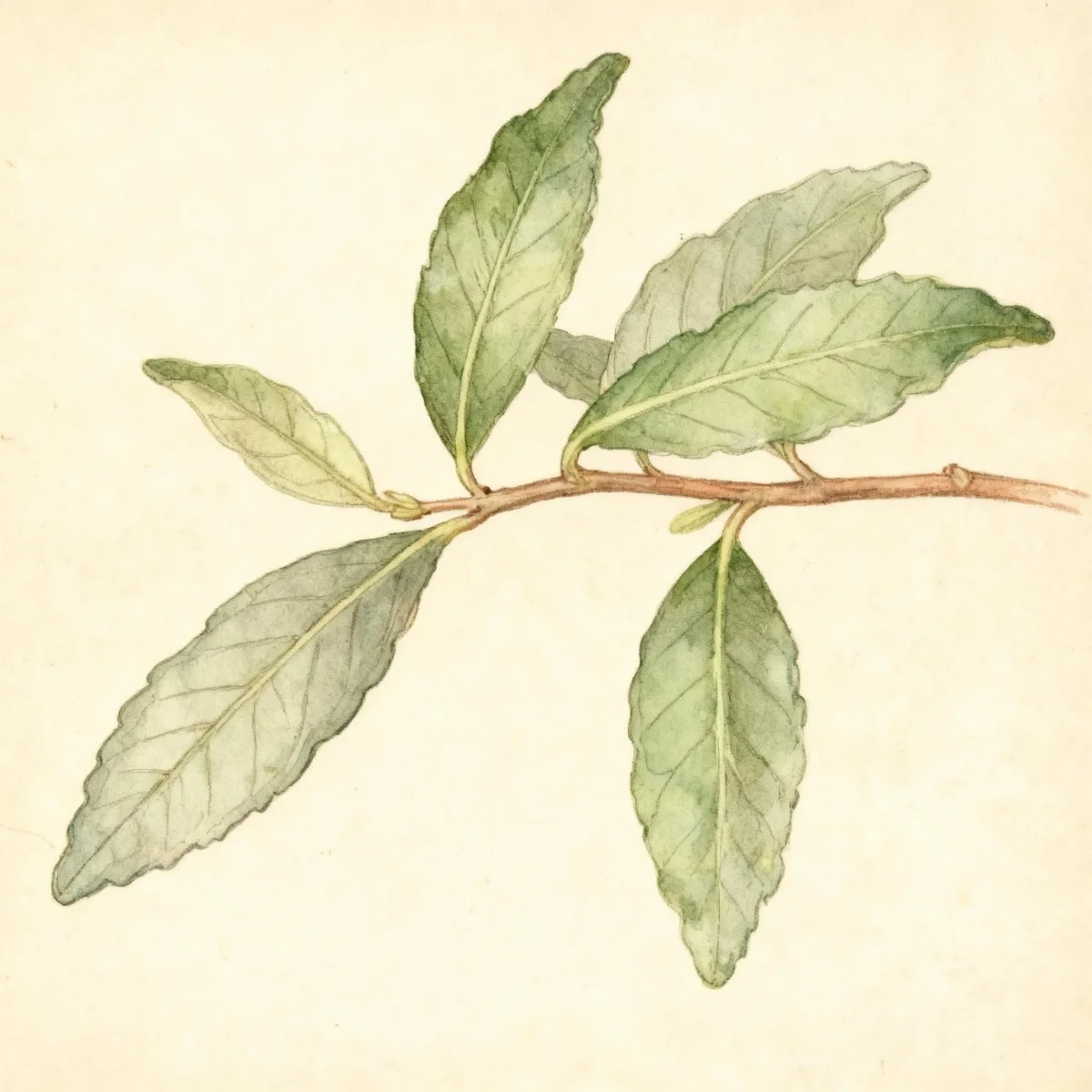
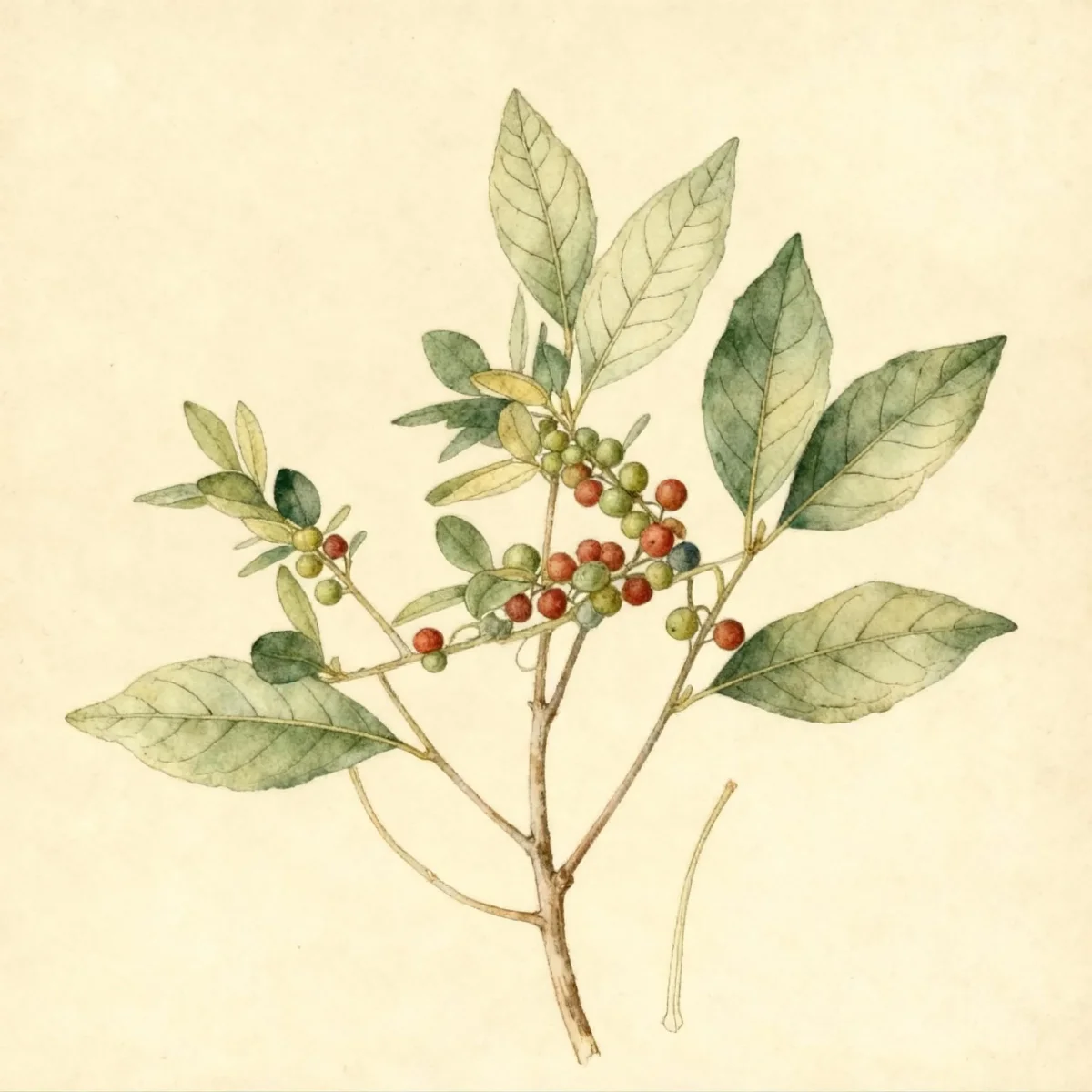
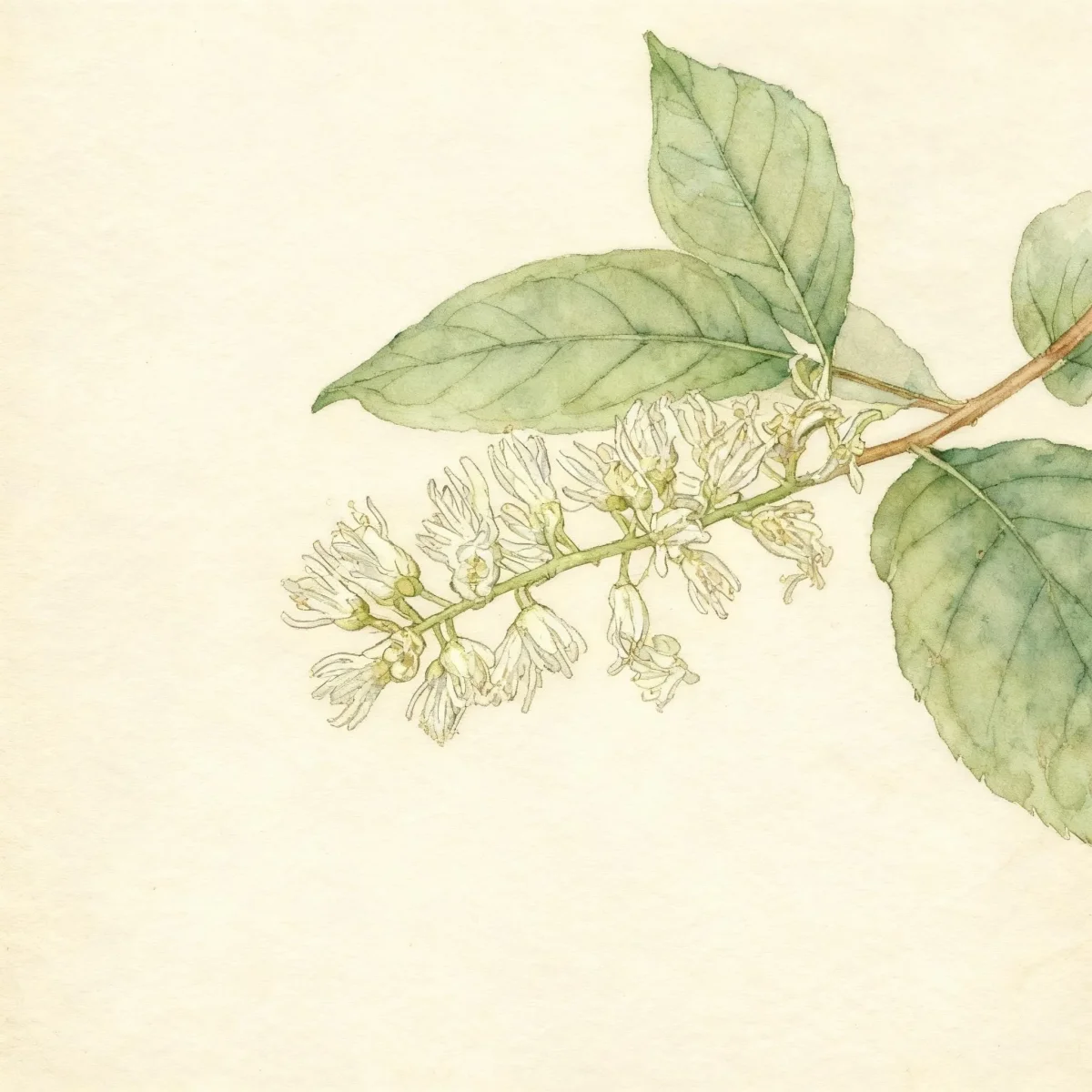
Wax myrtle (Morella cerifera 'Luray')
Morella cerifera 'Luray' is a versatile, low-maintenance, broadleaf evergreen Wax myrtle perfect for screens or wet sites.
Scroll down to discover growing tips, care requirements, companion plants, and more
Complete Plant Information
Overview
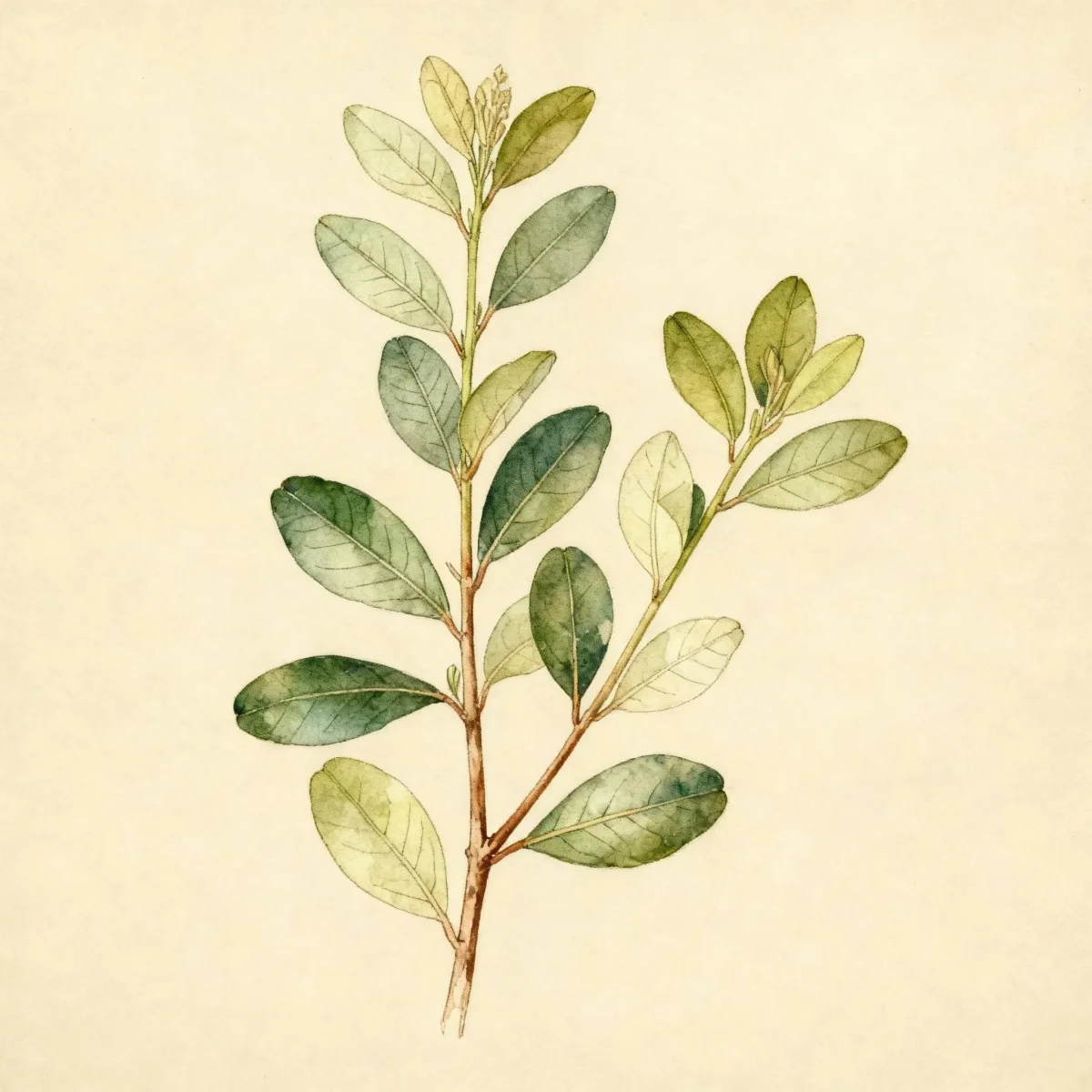
Morella cerifera ‘Luray’, commonly known as Wax myrtle, is a prized cultivar valued for its dense, semi-dwarf habit, making it highly manageable in residential landscapes. This broadleaf evergreen provides year-round structure, acting as an excellent informal hedge or screen with minimal fuss. As a nitrogen-fixing plant, it excels even in poor soils, offering ecological benefits alongside its aesthetic contributions.
This tough shrub is remarkably adaptable, thriving across USDA Zones 7 to 10 where it handles full sun to part shade exposure gracefully. The cultivar Morella cerifera ‘Luray’ typically stays between 4 to 8 feet tall, distinguishing itself from the larger species. Its ability to tolerate diverse conditions—from dry uplands to wet, swampy areas—solidifies its reputation as a reliable Southern landscape staple.
Gardeners appreciate the aromatic foliage and the showy, waxy fruits produced by female plants, which persist into the winter months and attract birds. While the flowers are inconspicuous, the overall ruggedness and low maintenance requirements of Wax myrtle make it a superb choice for foundation plantings or naturalized areas where flexibility is key.
Fast Facts
- Plant Family: Myricaceae
- Plant Type: Broadleaf evergreen
- Hardiness Zones: USDA Zones 7-10
- Size at Maturity:
- Height: 4-8 ft
- Spread: 3-6 ft
- Bloom Time: February to March
- Bloom Description: Drab yellow-green male flowers
- Sun Exposure: Full sun to part shade
- Water Needs: Medium to wet
- Maintenance Level: Low
How to Grow
When planting Morella cerifera ‘Luray’, ensure you select a site receiving full sun to light shade, especially if you desire maximum flower and fruit production. This shrub performs best when initially kept moist, but once established, it demonstrates incredible adaptability, tolerating everything from drought-prone uplands to consistently wet or even swampy soils. It is crucial to note that this species is dioecious; plant at least one male specimen if you wish to enjoy the attractive, waxy fruit display on female shrubs.
Maintenance for the Wax myrtle is generally low. It fixes atmospheric nitrogen, which reduces the need for supplemental fertilization. Pruning is usually only necessary to maintain formality, such as for hedging, or to remove suckers that may form at the base, potentially creating dense colonies. Because it is so adaptable, established shrubs require little supplemental irrigation except during severe, prolonged dry spells.
The tolerance of Morella cerifera ‘Luray’ to environmental stress makes it uniquely useful. It handles high winds and salt spray exceptionally well, making it an ideal specimen for coastal locations or roadside plantings where winter de-icing salts are used. In the colder northern reaches of its range (Zone 7), some leaf browning may occur during harsh winters, but the plant quickly recovers its evergreen appeal by spring.
Landscape Uses
The versatility of Wax myrtle positions it perfectly for numerous landscape roles. As its suggested use indicates, it forms an effective, informal screen or hedge, providing year-round cover due to its broadleaf evergreen nature. Its relatively contained height (4–8 ft) for the ‘Luray’ cultivar makes it manageable where taller specimens would overwhelm the space.
This shrub excels in challenging environmental spots. Its tolerance for wet soil makes it an outstanding choice for stream banks, pond margins, or rain gardens where periodic flooding is common. Furthermore, its salt tolerance allows it to serve usefully near salted driveways or coastal properties where many other ornamentals fail.
For a more structured look, consider grouping several Morella cerifera ‘Luray’ plants in woodland or shrub borders for textural variation. For an interesting design feature, remove the lower limbs to train a specimen into the shape of a small, fragrant tree. Its adaptability also allows for use on banks to help stabilize soil against erosion.
Standout Features
Flower Qualities
- Fragrant
- Insignificant
Fruit Qualities
- Showy
Noteworthy Characteristics
Morella cerifera, commonly known as southern wax myrtle or southern bayberry, is a large, irregularly-shaped, dense-branching, nitrogen-fixing, suckering, fast-growing, evergreen shrub (semi-evergreen in colder northern parts of the growing area) that typically grows to 10-15’ tall and 8-10’ wide, but occasionally reaches a tree-like height of 20’ tall or more. The leaves emit a distinctive bayberry candle fragrance when crushed, and pollinated female flowers are followed by small attractive clusters of tiny, globose, blue-gray fruits which persist through winter. This dense, semi-dwarf cultivar, ‘Luray’, is particularly valued for staying smaller, usually reaching only 4-8’ tall.
Tolerances
- Rabbit
- Deer
- Drought
- Erosion
- Wet Soil
Potential Problems
This plant generally experiences no serious insect or disease issues, representing a low-risk addition to the garden. The most common concern is cosmetic leaf browning, which can occur during extreme cold snaps in the northern extent of its hardiness range. Occasionally, watch for developing leaf anthracnose or leaf mosaic, especially in overly humid or crowded conditions. Proper spacing and ensuring adequate air circulation during planting will help mitigate disease potential for your Wax myrtle.
Frequently Asked Questions
What hardiness zones is Wax myrtle suitable for?
The Morella cerifera ‘Luray’ cultivar is hardy in USDA Zones 7 through 10.
How large does Wax myrtle grow?
This specific selection, Morella cerifera ‘Luray’, generally reaches a height of 4 to 8 feet with a spread of 3 to 6 feet.
What sun exposure does Wax myrtle need?
This shrub performs well in a range spanning from full sun exposure to partial shade conditions.
When does Wax myrtle bloom?
Bloom time occurs relatively early, between February and March, featuring small, drab yellow-green male flowers.
Conclusion
The versatility and resilience of Wax myrtle make Morella cerifera ‘Luray’ an outstanding choice for gardeners needing a dependable evergreen screen or specimen plant. Its adaptability to wet soil, drought, and salt spray ensures success across diverse Southern landscapes. Before planting your Morella cerifera ‘Luray’, confirm your site falls within USDA Zones 7-10 and plan for male and female placement if fruit display is desired.
Companion Planting
Selecting suitable companions for Morella cerifera ‘Luray’ often involves plants that tolerate high soil moisture or provide contrasting foliage textures. Given its preference for acidic to neutral soils often found in the Southeast, consider pairing it with evergreens like certain hollies (Ilex species) or native ferns that thrive in similar partial shade conditions. Where groupings are used on banks, groundcovers that enjoy intermittent wetness, such as swamp rose (Rosa palustris), can help enhance erosion control while providing seasonal color contrast to the Waxy myrtle’s dark green leaves.
Wildlife Benefits
The naturalized habits of the Wax myrtle offer significant ecological value beyond its use as an informal hedge. The small, waxy blue-gray fruits produced in autumn and persisting through winter are a critical food source for numerous bird species during the late fall and winter months. Furthermore, the dense branching structure of Morella cerifera ‘Luray’ provides excellent cover and nesting sites for smaller songbirds seeking protection from predators and harsh weather. Its nitrogen-fixing capabilities also improve the soil health around it, benefiting the entire local ecosystem.