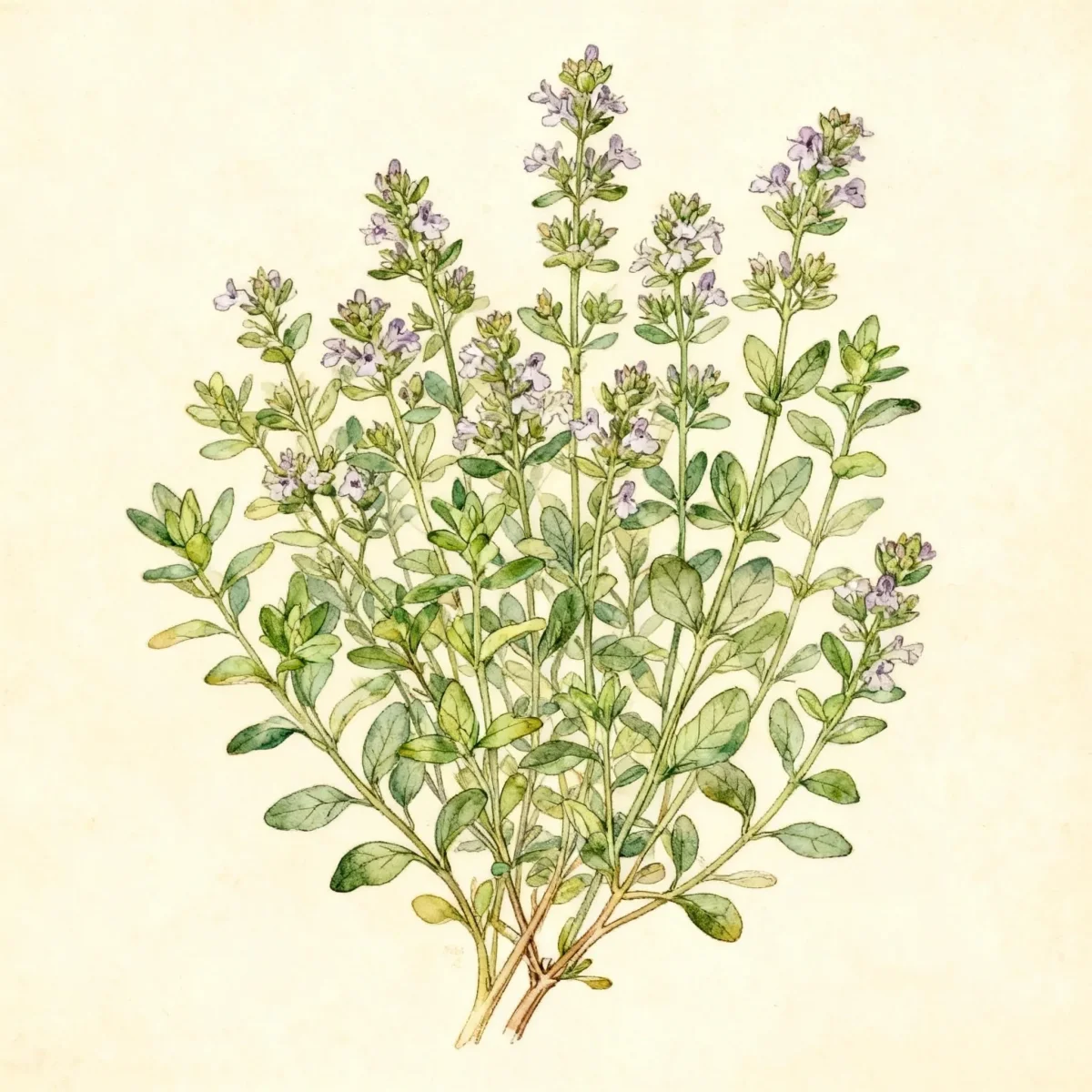
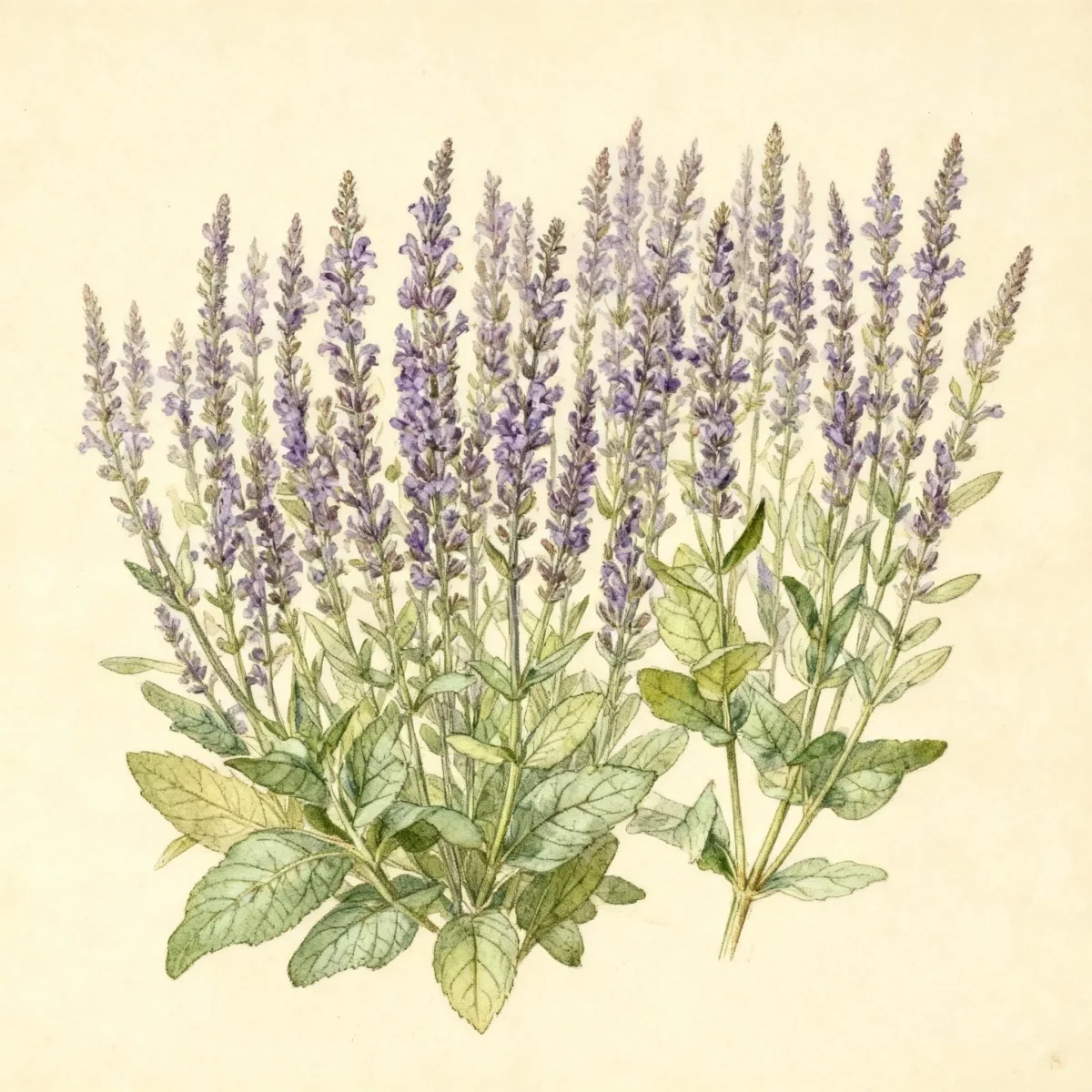
Limestone calamint (Clinopodium arkansanum)
Discover Limestone calamint (Clinopodium arkansanum), a fragrant, low-growing perennial for dry, sunny spots in USDA Zones 4-8.
Scroll down to discover growing tips, care requirements, companion plants, and more
Complete Plant Information
Overview
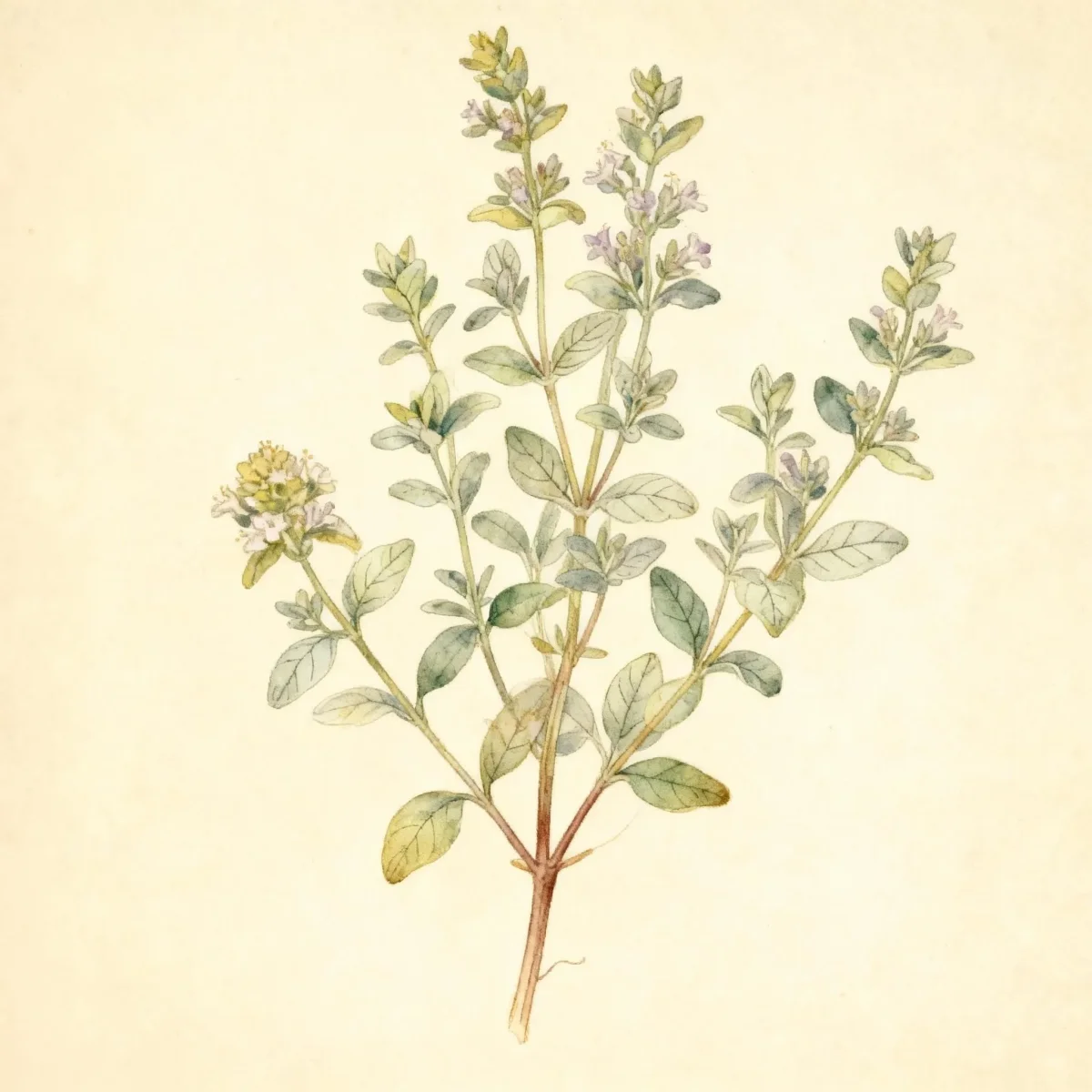
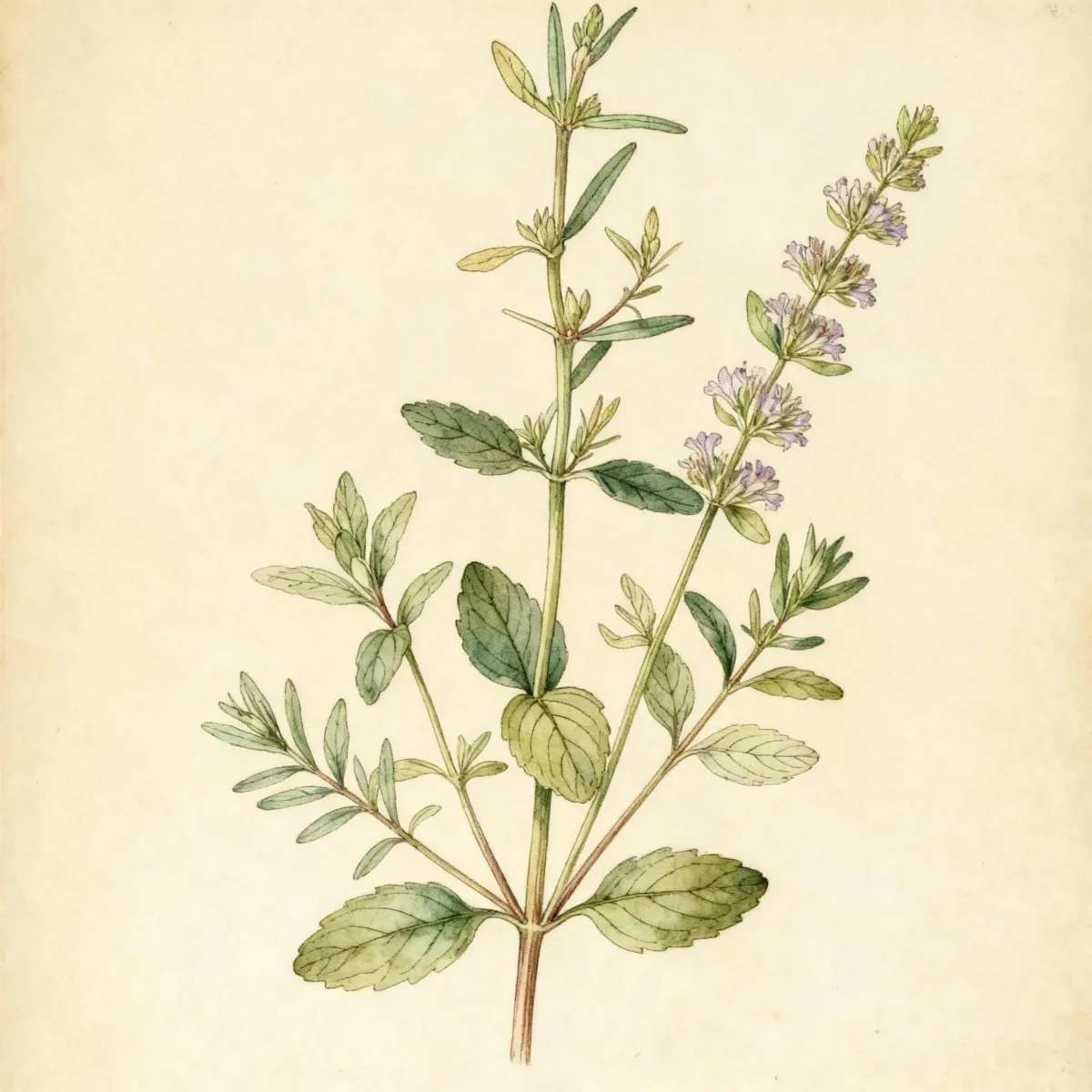
Clinopodium arkansanum, known widely as limestone calamint, is a valuable addition for low-maintenance native gardens, especially where soils tend to be poorer or drier. This rhizomatous perennial forms an attractive, dense mat of foliage that rarely exceeds 12 inches in height, making it perfect for softening edges or filling tight spaces. When crushed, the leaves release a noticeable fragrance, placing it firmly within the highly-regarded Mint family (Lamiaceae).
This species excels in sunny locations, forming a ground-hugging presence through the slow creep of runners, leading to a tidy display of white to light purple flowers through early summer. Its hardiness across USDA Zones 4 through 8, coupled with its low maintenance needs, makes Clinopodium arkansanum a robust choice for both novice and experienced gardeners seeking native texture and reliable performance.
Fast Facts
- Plant Family: Lamiaceae
- Plant Type: Herbaceous perennial
- Native Range: Central and eastern United States, Ontario
- Hardiness Zones: USDA Zones 4-8
- Size at Maturity:
- Height: 0.5-1 ft
- Spread: 0.5-1 ft
- Bloom Time: June to July
- Bloom Description: White to light purple
- Sun Exposure: Full sun
- Water Needs: Dry to medium
- Maintenance Level: Low
How to Grow
Plant limestone calamint in locations receiving full sun, although it will tolerate light shade. The ideal location features neutral to slightly alkaline soil that drains exceptionally well. While it prefers evenly moist conditions, this plant is highly adaptable, thriving even in the drier soils often found in natural limestone glades.
Maintenance for Clinopodium arkansanum is minimal. Avoid heavy fertilization, which can encourage overly lush growth and potentially weaken the plant’s structure. Water when first establishing, but once mature, its tolerance for dry soil means supplemental watering is rarely necessary outside of extended droughts.
To maintain a tidy appearance and encourage dense fresh growth, shear or cut back the flowering stems immediately following the main bloom period in July. This action also helps prevent unwanted, yet relatively easy, self-seeding. The plant spreads modestly by stolons, contributing to its ground-mat forming habit.
Landscape Uses
The low stature and spreading habit of Clinopodium arkansanum make it an excellent choice for naturalizing areas where groundcover is needed without excessive vigor. It performs beautifully along border fronts, establishing a neat, low edge that doesn’t obstruct the view of taller perennials planted behind it. Utilizing this species in rock gardens capitalizes on its preference for well-drained, even shallow, rocky soils.
For native plant gardens or open woodland edges where dappled light prevails, limestone calamint integrates seamlessly. Look for companions that share its love for dry to medium moisture and high sun exposure, such as certain Penstemons, native Sedums, or sparse grasses that thrive in lean soil conditions. Its eventual mat-forming habit suppresses weeds effectively once established.
Standout Features
Flower Qualities
- Showy
Noteworthy Characteristics
Clinopodium arkansanum, commonly called limestone calamint, is a rhizomatous perennial of the mint family that typically forms a dense, low-growing foliage mat with upright, leafy flowering stems rising to 12” tall. It is native from Ontario to Minnesota south to New York, Ohio, Illinois, Arkansas and Texas. Runners (stolons) clad with oval to elliptic leaves creep along the ground rooting at the nodes to form mats of foliage. The leaves are extremely fragrant when crushed, adding sensory appeal to the garden.
Tolerances
- Rabbit
- Deer
- Dry Soil
- Shallow-Rocky Soil
Potential Problems
This species enjoys a reputation for exceptional durability, suffering virtually no serious insect or disease problems when grown in appropriate conditions. Gardeners should note that deer and rabbits tend to avoid Clinopodium arkansanum, offering excellent browsing protection for gardens struggling with herbivore pressure. If the plant becomes too vigorous, the primary management strategy involves simple shearing after flowering to manage its spread via stolons and prevent excessive reseeding.
Frequently Asked Questions
What hardiness zones is Limestone calamint suitable for?
Limestone calamint is suitable for USDA Zones 4 through 8.
How large does Limestone calamint grow?
This perennial typically reaches a mature height and spread between 0.5 and 1 foot.
What sun exposure does Clinopodium arkansanum need?
Clinopodium arkansanum requires full sun for the best flowering performance.
When does Limestone calamint bloom?
Limestone calamint blooms primarily from June to July, bearing tiny white to light purple flowers.
Conclusion
Limestone calamint (Clinopodium arkansanum) provides reliable, fragrant foliage and attractive summer blooms with remarkably low maintenance needs, particularly favoring difficult, dry sunny spots. Incorporating Clinopodium arkansanum into your landscape design ensures you tap into a tenacious native resource. Always check your local hardiness zone compatibility before planting this wonderful perennial.
Companion Planting
When selecting partners for limestone calamint, focus on other drought-tolerant perennials that enjoy full sun and neutral to alkaline conditions. Plants with fine textures contrast beautifully with the foliage mat formed by this species. Consider pairing it with various native thymes (Thymus species) or low-growing ornamental grasses that won’t compete aggressively for root space.
In border applications, integrating this Lamiaceae member with sun-loving Coneflowers (Echinacea) or shorter varieties of Coreopsis creates layers of texture and extends the season of interest. Because Clinopodium arkansanum spreads slowly via runners, ensure companion plants are not overly aggressive, allowing the calamint space to establish its desired low groundcover.
Wildlife Benefits
While the primary benefit of limestone calamint is its rugged tolerance and fragrance, the tiny white to light purple flowers offer value to small, beneficial insects. As a member of the mint family, it attracts various small pollinators during its June and July bloom window. Positioning this plant near seating areas enhances the garden experience, as its crushed foliage releases the highly aromatic oils prized in herbal uses.