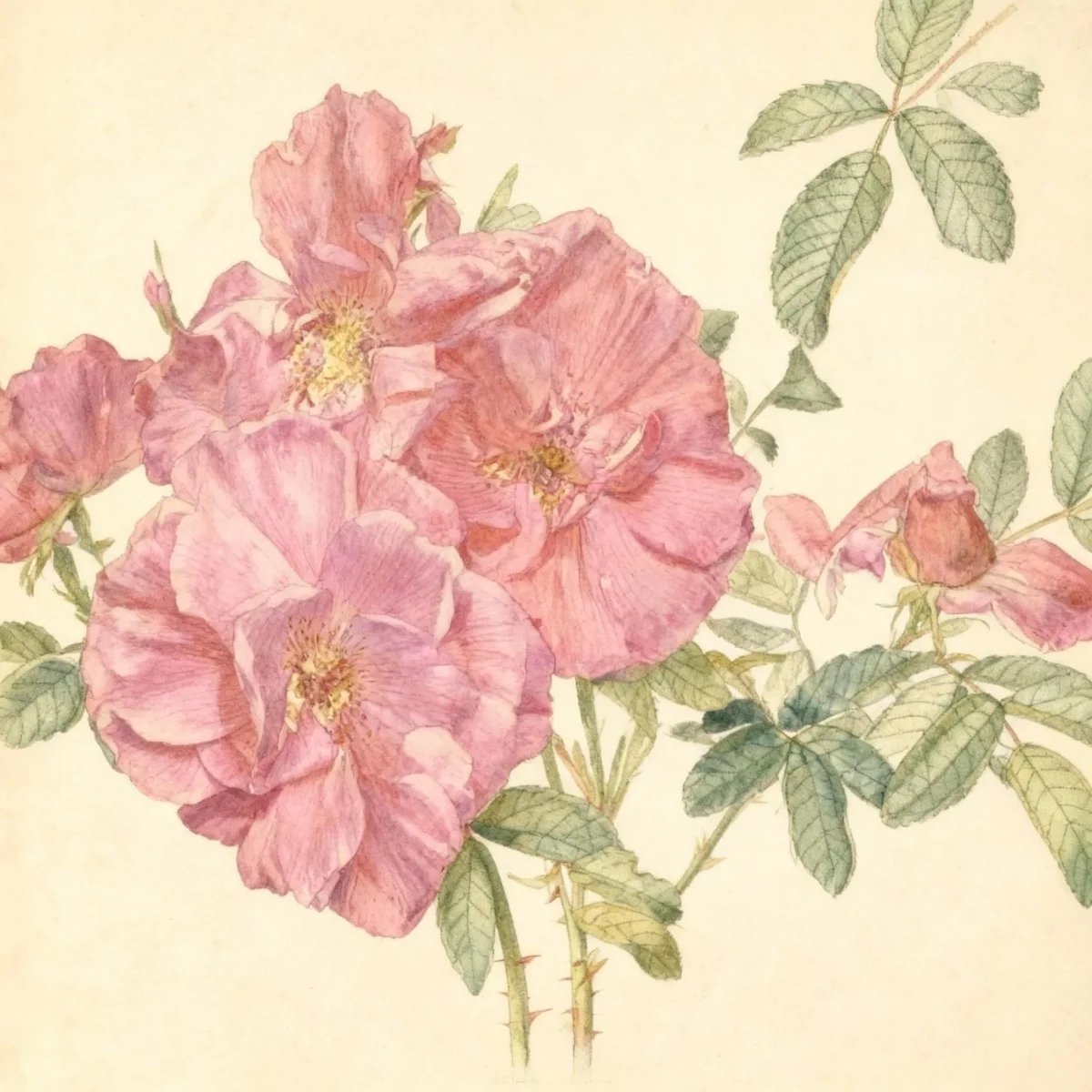
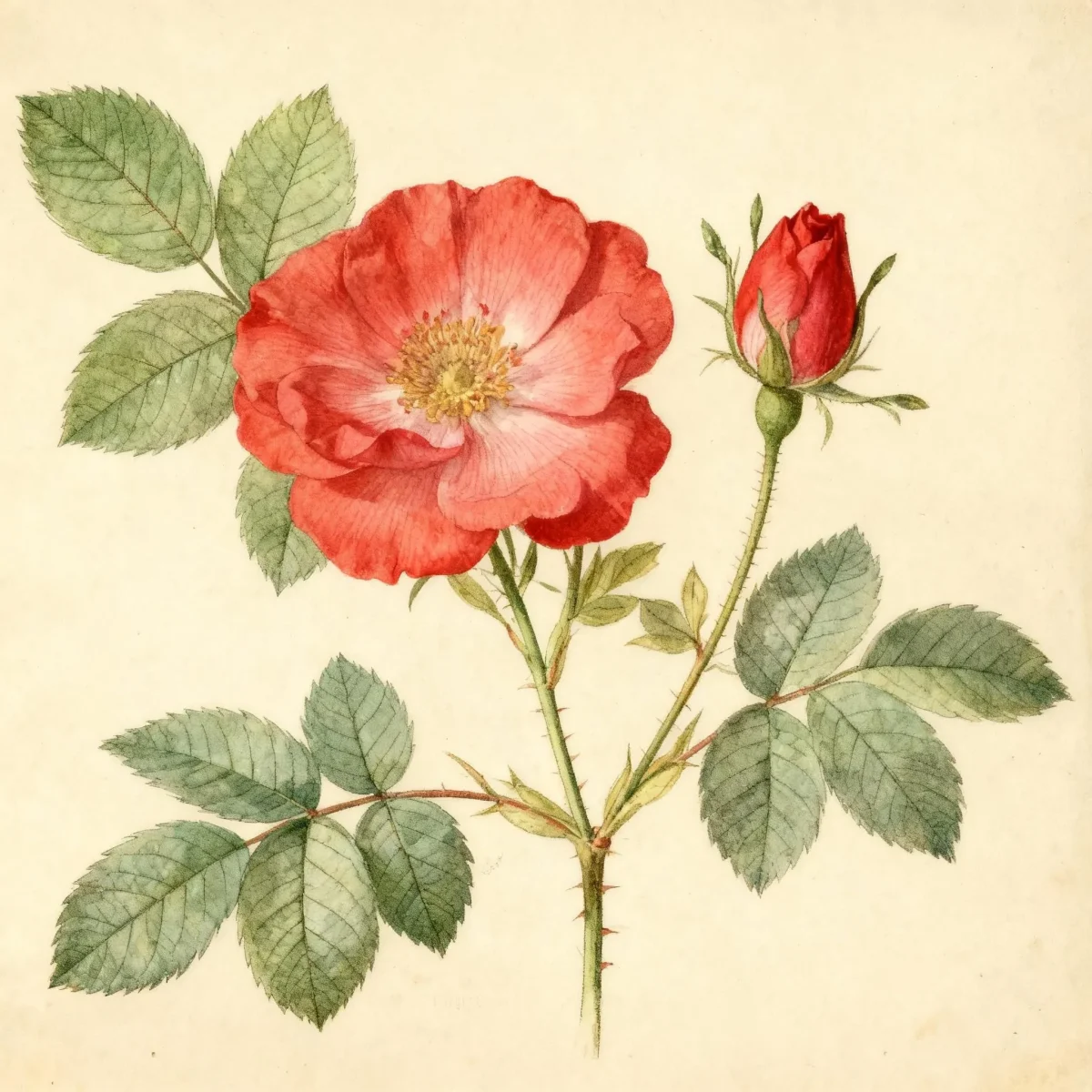
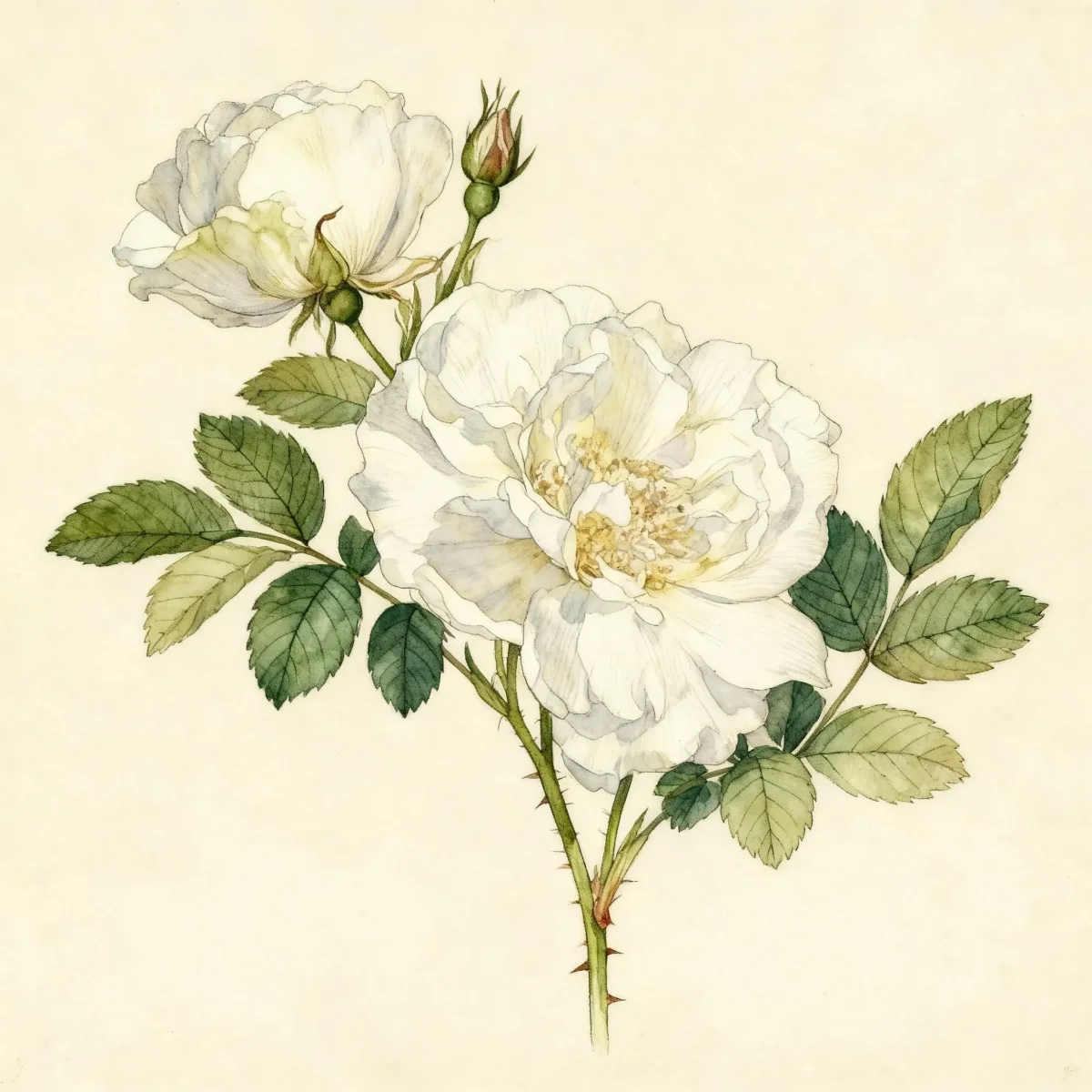
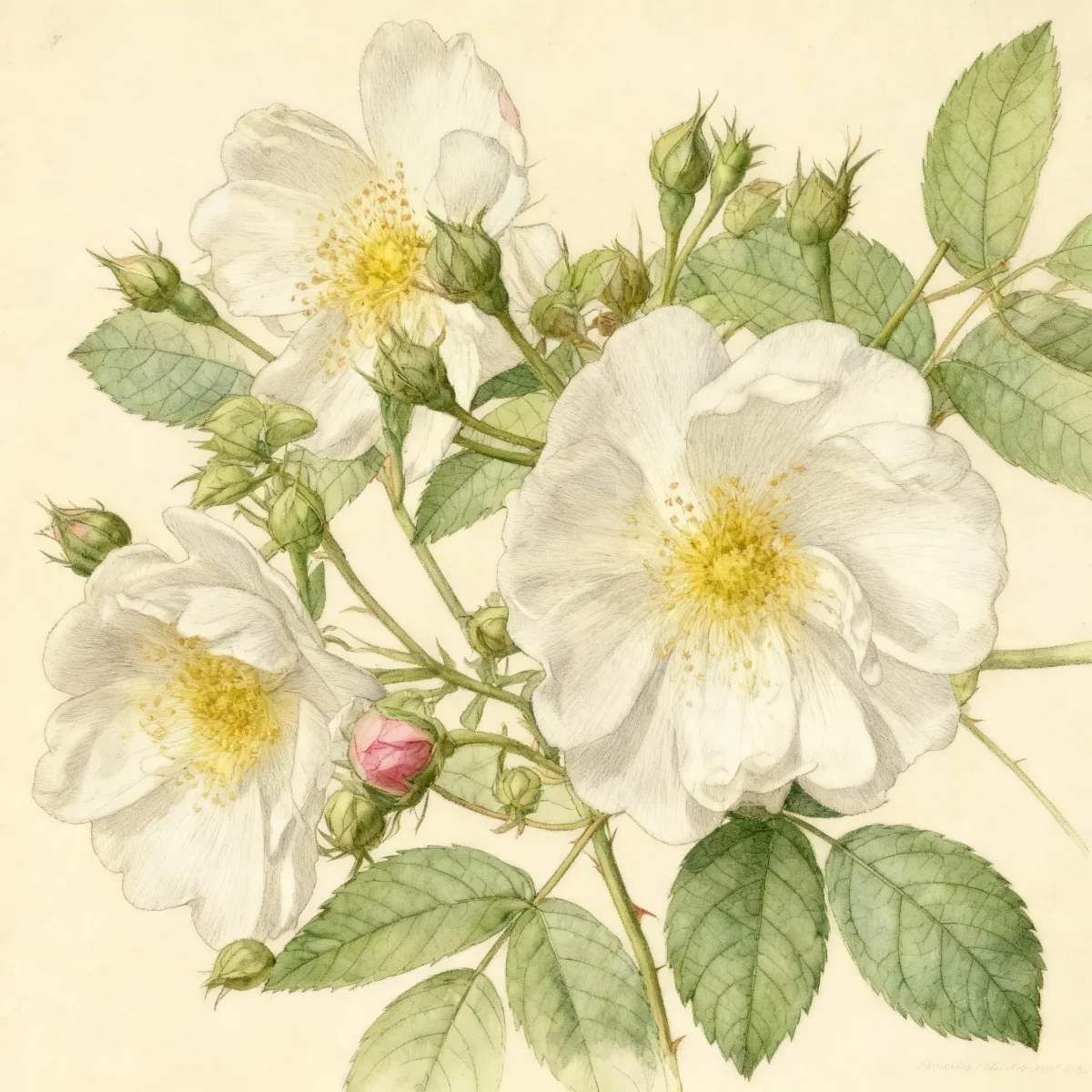
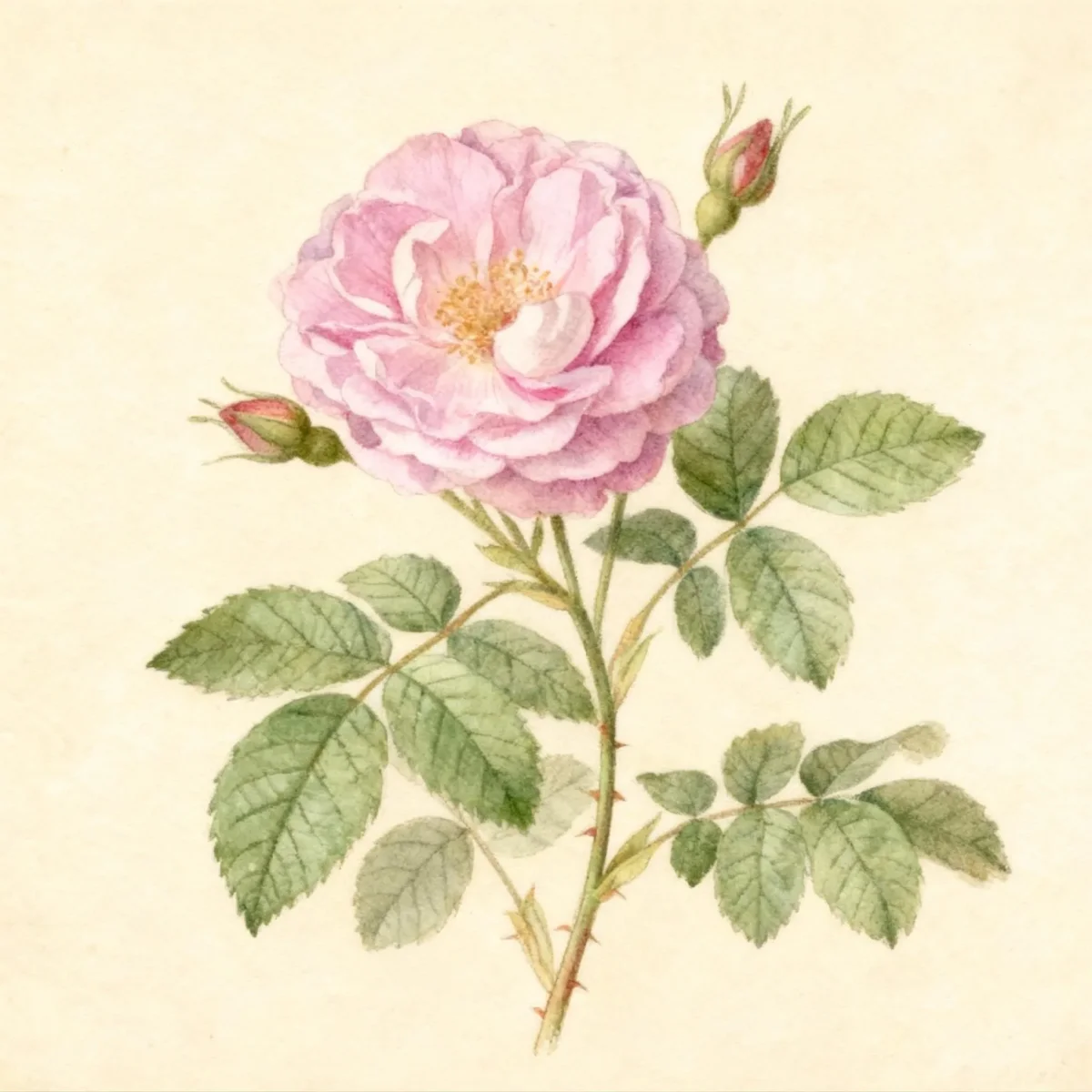
Siberian crabapple (Malus mandshurica)
The extremely hardy Siberian crabapple (Malus mandshurica) offers showy white spring blooms and edible fruit. Thrives in USDA Zones 2-7.
Scroll down to discover growing tips, care requirements, companion plants, and more
Complete Plant Information
Overview
The Siberian crabapple, scientifically known as Malus mandshurica, is an exceptionally hardy deciduous tree valued for its early spring display and ornamental fruit. This species offers gardeners a reliable specimen that provides significant visual interest across multiple seasons, starting with abundant blossoms before leaf-out. Its robust nature makes it suitable for challenging environments where many ornamental trees might struggle.
Native to areas spanning China, Japan, and the Russian Far East, Malus mandshurica is appreciated for its superior cold tolerance, reaching down to USDA Zone 2. In addition to its aesthetic contributions, the small, edible red crabapples make it a functional choice, attracting local bird populations while offering potential culinary use for the patient gardener.
Growing into a broad-rounded form reaching 30 to 40 feet tall and wide, the Siberian crabapple requires dedicated space to achieve its mature size. While classified as medium maintenance, careful attention to pruning timing is crucial to maintain health and maximize the spectacular, fragrant bloom period.
Fast Facts
- Plant Family: Rosaceae
- Plant Type: Deciduous shrub
- Native Range: China, Japan, Russian Far East
- Hardiness Zones: USDA Zones 2-7
- Size at Maturity:
- Height: 30-40 ft
- Spread: 30-40 ft
- Bloom Time: April to May
- Bloom Description: White
- Sun Exposure: Full sun
- Water Needs: Medium
- Maintenance Level: Medium
How to Grow
Malus mandshurica thrives when planted in full sun, ensuring the best possible flowering and fruit production. Successful establishment requires placement in medium-moisture, well-drained, acidic loam soils, although this species shows adaptability across a wide spectrum of soil types. Plant during the dormant season (late fall or early spring) to allow the root system time to establish before summer heat.
Water needs are rated as medium once established; trees exhibit notable drought tolerance after their first couple of years. Avoid excessive fertilization, as this often encourages lush vegetative growth at the expense of flower production. Monitor soil moisture during dry periods, especially in the first few growing seasons.
Pruning this Siberian crabapple should be done judiciously. The best time for necessary shaping or deadwood removal is in late winter while the tree is fully dormant. Crucially, avoid any spring pruning, as fresh wounds expose the vascular tissue to potential entry by the fireblight bacterium, a serious concern for the Malus genus.
Landscape Uses
The primary recommended use for Malus mandshurica is as a striking flowering tree, perfect for use as a specimen planting where its early spring display can be fully appreciated. Its mature size also makes it an excellent candidate for anchoring small groves or providing screening in larger landscapes. In urban settings, its proven disease resistance profile makes it suitable as a durable street tree, provided overhead clearance is adequate for its 30-40 foot spread.
When pairing this large deciduous shrub in mixed borders, consider companions that enjoy similar full-sun and acidic soil conditions. Spring-blooming bulbs planted beneath offer an early complementary display before the crabapple is in full glory. For year-round interest, pair it with evergreens that contrast nicely with its purplish-brown bark in winter.
Standout Features
Flower Qualities
- Showy
- Fragrant
Fruit Qualities
- Showy
- Edible
Noteworthy Characteristics
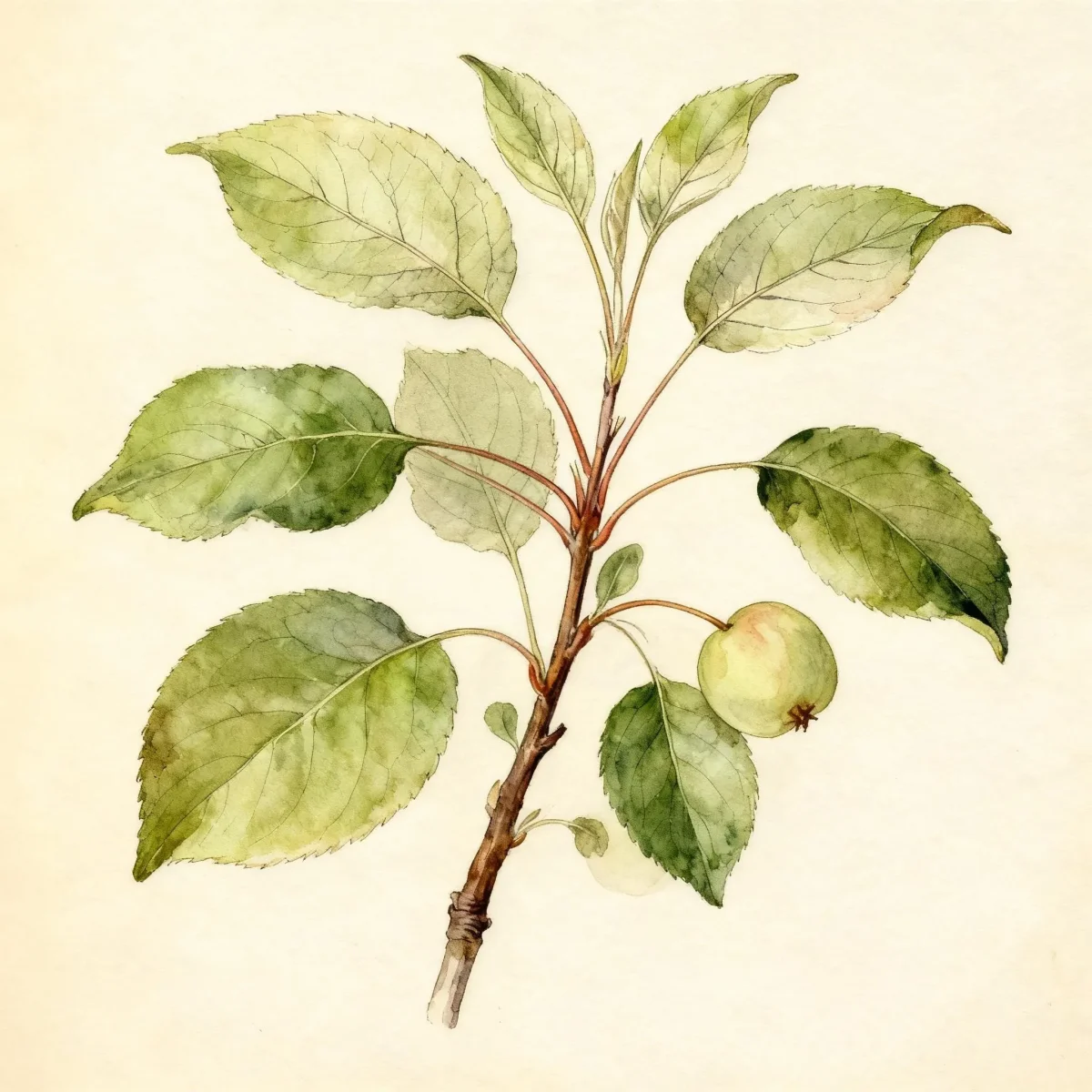
Malus mandshurica, commonly called Siberian crabapple, is an upright, deciduous, broad-rounded, early-flowering crabapple native to mixed forests in Manchuria, Russia, China, Korea, and Japan. This tree typically grows to 30-40’ tall and boasts excellent winter hardiness, surviving reliably down to USDA Zone 2. Following the April-May bloom of fragrant white flowers, tiny red crabapples (up to 5/8” diameter) mature, which are often consumed by birds.
Tolerances
- Air Pollution
Potential Problems
The Siberian crabapple generally displays good resilience against prime crabapple diseases like fire blight, cedar-apple rust, and leaf spot. However, gardeners should monitor for susceptibility to apple scab and powdery mildew, applying dormant oil or preventative fungicides if these issues become chronic. Insect pests are usually a lesser concern, though recurring infestations of tent caterpillars, fall webworms, aphids, borers, or scale warrant targeted treatment if populations become damaging.
Watch for signs of general stress that could invite secondary pests. Maintaining proper cultural conditions—full sun and good air circulation—is the first line of defense against fungal issues common to many Malus species.
Frequently Asked Questions
What hardiness zones is Siberian crabapple suitable for?
This resilient tree is suitable for USDA Hardiness Zones 2 through 7, making it one of the most cold-tolerant ornamental flowering trees available.
How large does Malus mandshurica grow?
At maturity, the Siberian crabapple typically reaches a height between 30 and 40 feet, with an equal spread of 30 to 40 feet, creating a broad, rounded canopy.
When does Siberian crabapple bloom?
Malus mandshurica produces its showy, fragrant white flowers throughout the late spring, generally blooming from April into May.
What sun exposure does Siberian crabapple need?
This tree requires full sun exposure to develop optimal flowering density and maintain overall plant vigor.
Conclusion
The Malus mandshurica offers exceptional value to northern gardeners due to its extreme cold hardiness, attractive spring flowers, and the bonus of showy, edible fruit. Integrating this robust Siberian crabapple into your landscape provides reliable early-season color and excellent wildlife appeal. Before planting, ensure your site receives full sun and confirm your location falls within USDA Zones 2 to 7 for guaranteed success.
Wildlife Benefits
Birds highly value the fruit produced by the Siberian crabapple, often consuming the tiny red crabapples throughout the fall and even into early winter after leaf drop. Planting Malus mandshurica specifically enhances local biodiversity by providing a late-season food source when other natural forage may be scarce, contributing significantly to the ecological health of your garden space.
Pruning Timing and Health
Proper pruning is essential for the long-term health of any Malus species, but it is particularly important for managing fire blight risk in Malus mandshurica. Always complete structural pruning or heavy shaping during dormancy in late winter. Avoid pruning during the active growing season, especially in spring, as vulnerable fresh cuts provide an entry point for disease spores.