Pineapple lily (Eucomis 'Freckles')
Eucomis 'Freckles' (Pineapple lily) boasts rose-red flowers & spotted leaves. Hardy in zones 7-10, offering medium maintenance interest.
Scroll down to discover growing tips, care requirements, companion plants, and more
Complete Plant Information
Overview
Eucomis ‘Freckles’, commonly known as the Pineapple lily, is a striking bulbous perennial valued for its unique architectural form and attractive summer blooms. This cultivar stands out due to its spotted foliage margin, which provides visual interest even when the plant is not in flower. As a member of the Asparagaceae family, it brings an exotic, sculptural element to the garden.
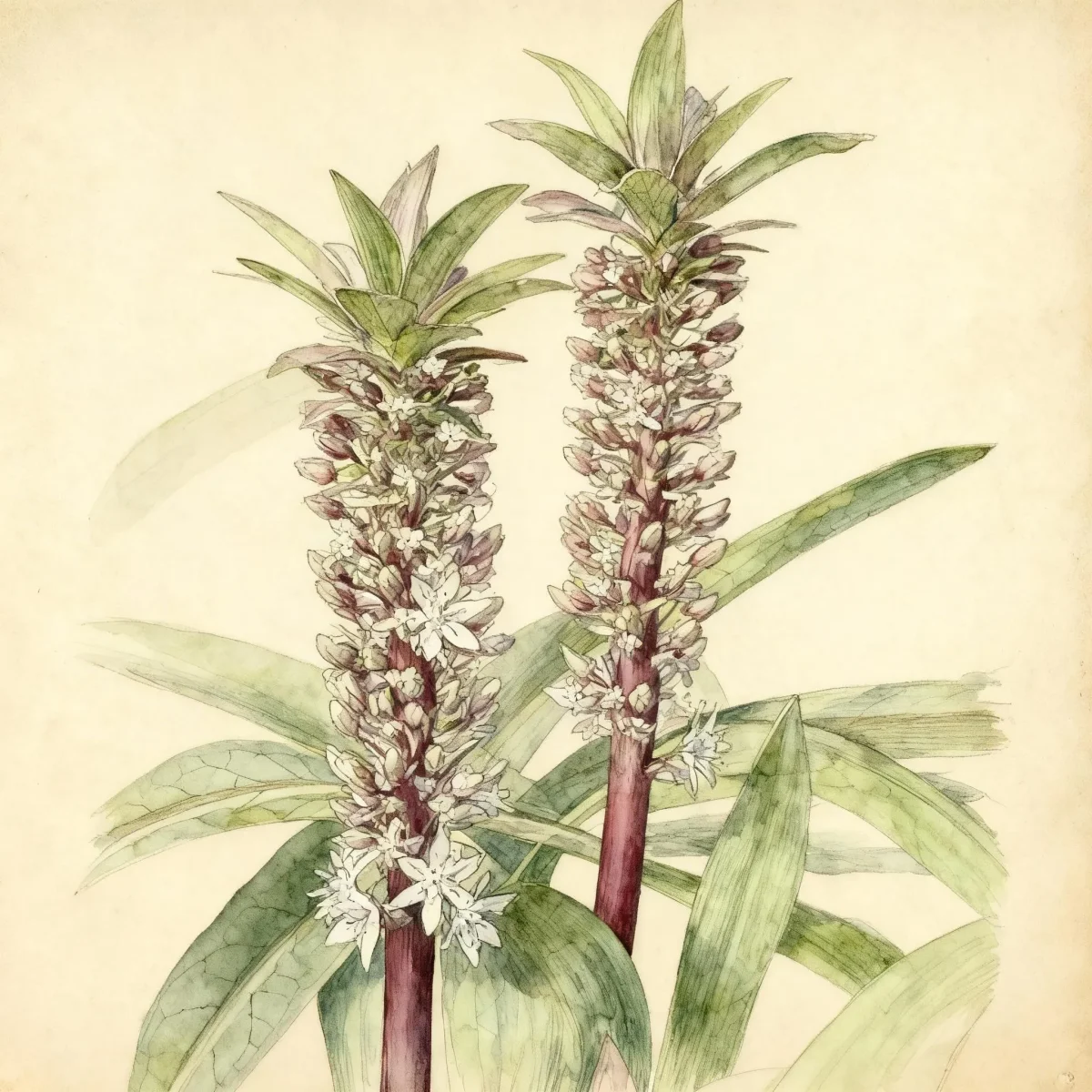
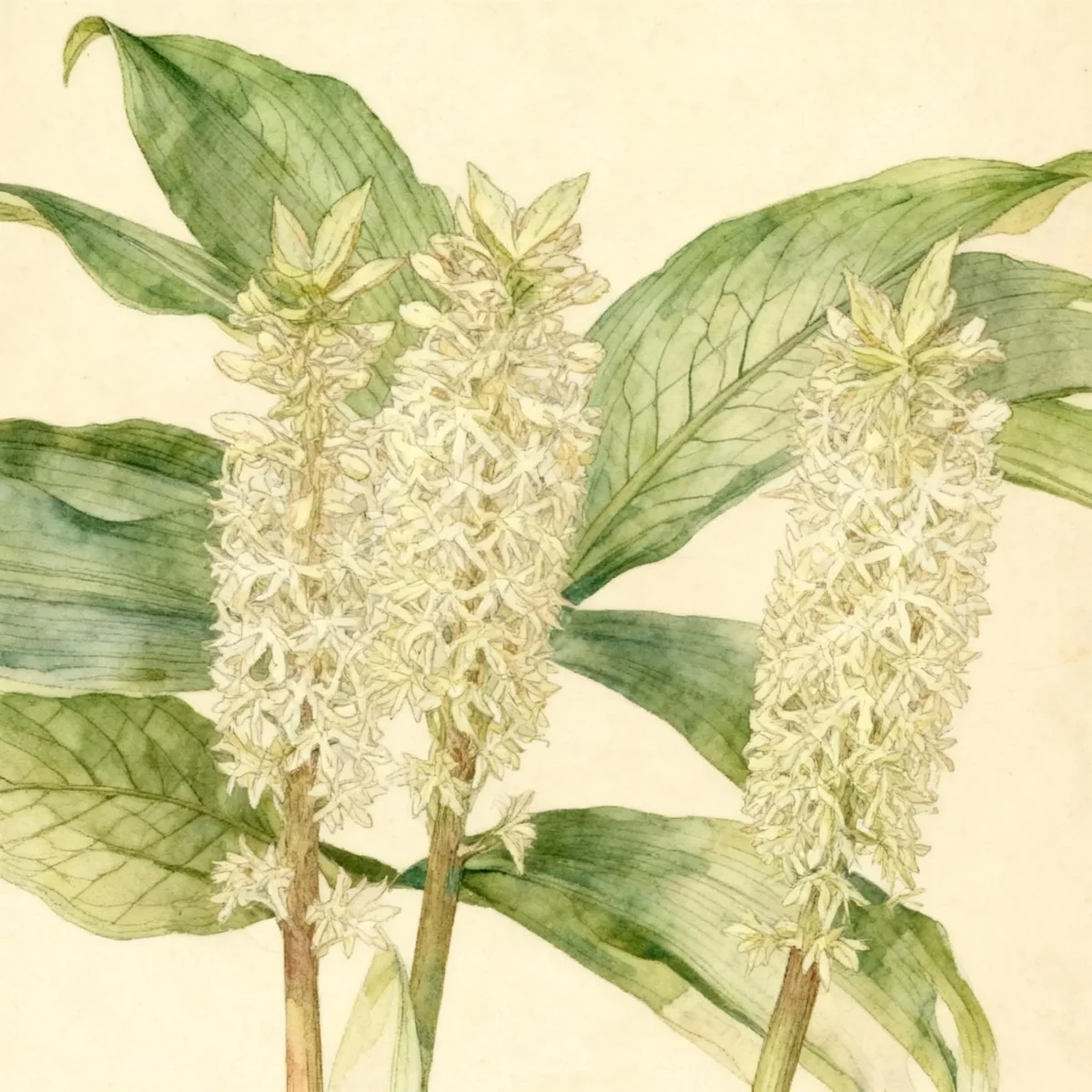
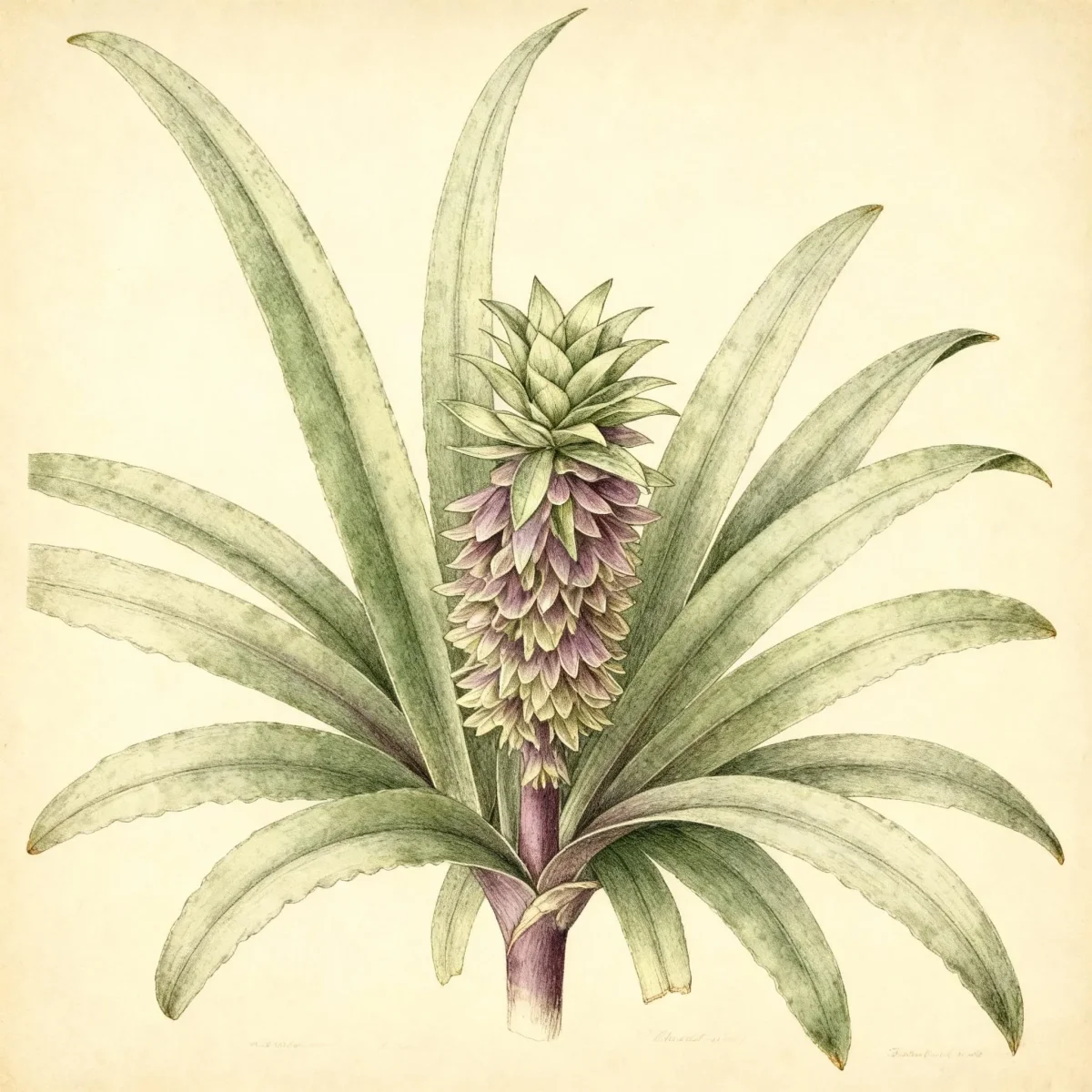
The Pineapple lily produces showy spikes of rose-red flowers, typically crowned by a tuft of leaves, resembling, as its name suggests, a small pineapple. Eucomis ‘Freckles’ generally reaches under a foot tall, making it perfectly sized for borders, edges, or dedicated container displays. Gardeners appreciate this plant for its reliable summer color display and its low-fuss nature, provided its basic moisture needs are met.
While easygoing in ideal conditions, successful cultivation of Eucomis ‘Freckles’ requires attention to winter dormancy, especially in cooler climates. By understanding its South African origin, growers can mimic its preferred environment of moist, richly amended soil and ample sunshine. This beautiful bulb offers a fantastic focal point for the mid-to-late summer garden.
Fast Facts
- Plant Family: Asparagaceae
- Plant Type: Bulb
- Hardiness Zones: USDA Zones 7-10
- Size at Maturity:
- Height: 0.75-1 ft
- Spread: 0.75-1 ft
- Bloom Time: July to August
- Bloom Description: Rose-red
- Sun Exposure: Full sun
- Water Needs: Medium
- Maintenance Level: Medium
How to Grow
Planting Eucomis ‘Freckles’ bulbs is best done in the spring after all danger of frost has passed. These bulbs thrive in moist, organically rich, well-drained soils. While they prefer full sun for the best flowering and foliage color, the Pineapple lily can tolerate some light shade during the hottest part of the afternoon.
Maintain medium water needs by ensuring the soil does not dry out completely during the growing season. Fertilize sparingly, focusing instead on enriching the soil with compost annually to maintain organic matter. Pruning involves simply deadheading spent flower spikes, although the foliage should be left intact until it yellows naturally in the fall to allow the bulb to store energy.
Winter care is critical outside of the warmest zones. In areas prone to hard freezes (below Zone 7), treat them as annuals or overwinter the bulbs. For containers, bring them indoors to a cool, dry location. If planted in the ground year-round, adventurous gardeners should plant bulbs 4-5 inches deep in a sheltered spot, like against a south-facing wall, and apply a thick layer of mulch for added insulation.
Landscape Uses
The compact size and unique texture of Eucomis ‘Freckles’ make it highly versatile in landscape design. They perform exceptionally well when incorporated into borders where their spotted leaves can contrast against finer-textured perennials. Due to their easy container culture, they are prized for patio displays or for adding tropical flair to decks and entryways.
When planting this Pineapple lily, consider grouping them with plants that enjoy similar moisture levels but offer different silhouettes, perhaps taller grasses or broad-leafed hostas in partial shade areas. Their mid-summer bloom provides a robust flash of color when many spring bloomers are finished, bridging the gap until fall interest arrives.
Standout Features
Flower Qualities
- Showy
Noteworthy Characteristics
Eucomis is a genus of about 15 species of bulbous plants native to South Africa and tropical southern Africa. They are commonly called pineapple lily or pineapple flower for their showy spikes of flowers topped with a rosette of leaves. Genus name comes from the Greek words eu meaning good and kome meaning hair and implying a beautiful head for the tufted leaves crowning the flower spike. ‘Freckles’ was selected from a crossing of Eucomis ‘Leia’ and Eucomis vandermerwei, featuring spotted leaves with a wavy margin and a vigorous clumping habit, topped with attractive rose-red flowers.
Tolerances
Potential Problems
Eucomis ‘Freckles’ generally experiences no serious insect or disease problems when grown according to its cultural needs. The primary concern for gardeners, especially outside of USDA Zone 8, is winter hardiness. If bulbs are left in the ground where winter temperatures drop too low, they are likely to rot or freeze.
For long-term success in marginal zones, the solution is to lift the bulbs immediately after the foliage dies back in autumn. Store them indoors in a cool location, ensuring they are kept dry, perhaps nestled in peat moss or sawdust, until spring planting time.
Frequently Asked Questions
What hardiness zones is Pineapple lily suitable for?
The Eucomis ‘Freckles’ cultivar is reliably hardy in USDA Zones 7 through 10.
How large does Eucomis ‘Freckles’ grow?
This Pineapple lily typically reaches a height between 0.75 and 1 foot tall, with an equal spread of 0.75 to 1 foot wide.
What sun exposure does Eucomis ‘Freckles’ need?
For optimal flowering and the best foliage coloration, the Pineapple lily requires full sun exposure.
When does Eucomis ‘Freckles’ bloom?
The typical bloom time for Eucomis ‘Freckles’ is from July through August, producing distinctive rose-red flowers.
Conclusion
The Eucomis ‘Freckles’ Pineapple lily offers a truly unique, architectural accent for mid-summer gardens, celebrated for its spotted foliage and striking rose-red blooms. Its medium maintenance and attractive form make it worthwhile, especially when its temperature sensitivities are respected. Before planting, confirm that your location falls within USDA Zones 7-10, or plan your winter storage strategy now to ensure this exotic bulb returns year after year.
Companion Planting
When planning the garden around your Eucomis ‘Freckles’, select companions that appreciate moisture and bright light but offer contrasting textures. Fine-textured ornamental grasses, such as varieties of Stipa or certain Pennisetum, can make the bold, broad leaves of the Pineapple lily pop. Similarly, pairing them with late-season bloomers like tall decorative salvias or sturdy daylilies (Hemerocallis) ensures continuous visual interest in the border.
Avoid planting the Pineapple lily directly adjacent to drought-tolerant Mediterranean herbs or succulents, as the consistent moisture required by Eucomis will stress those plants and potentially lead to bulb rot for the Eucomis when soil conditions are not ideal. Focus on companions that thrive in organically rich, well-drained soil that experiences consistent, medium watering throughout the summer heat.
Seasonal Care Calendar (Cooler Climates)
For gardeners in the borderline zones (like high-Zone 7), proactive seasonal care ensures the survival of the Eucomis ‘Freckles’ bulb. In very early spring, once the soil begins to warm, that is the ideal time to plant dormant bulbs directly into the ground, placing the tip of the bulb right at the soil surface. Similarly, if you are overwintering containers indoors, slowly introduce them back to light and resume watering only after the last expected frost date has passed.
Throughout the active growing season of summer, focus strictly on consistent hydration. Do not let the soil approach dryness, as the plant needs reliable moisture to support its substantial foliage and striking flower spike development. If you are lifting bulbs, do this promptly after the first light frost causes the leaves to yellow, usually late fall. Shake off excess soil and store the bulbs in a cool, dark, and dry medium until spring planting begins again.