Torch plant (Aloe aristata)
Discover Aloe aristata, the low-growing Torch plant, ideal for xeriscaping and containers with its unique rosettes and coral-orange blooms.
Scroll down to discover growing tips, care requirements, companion plants, and more
Complete Plant Information
Overview
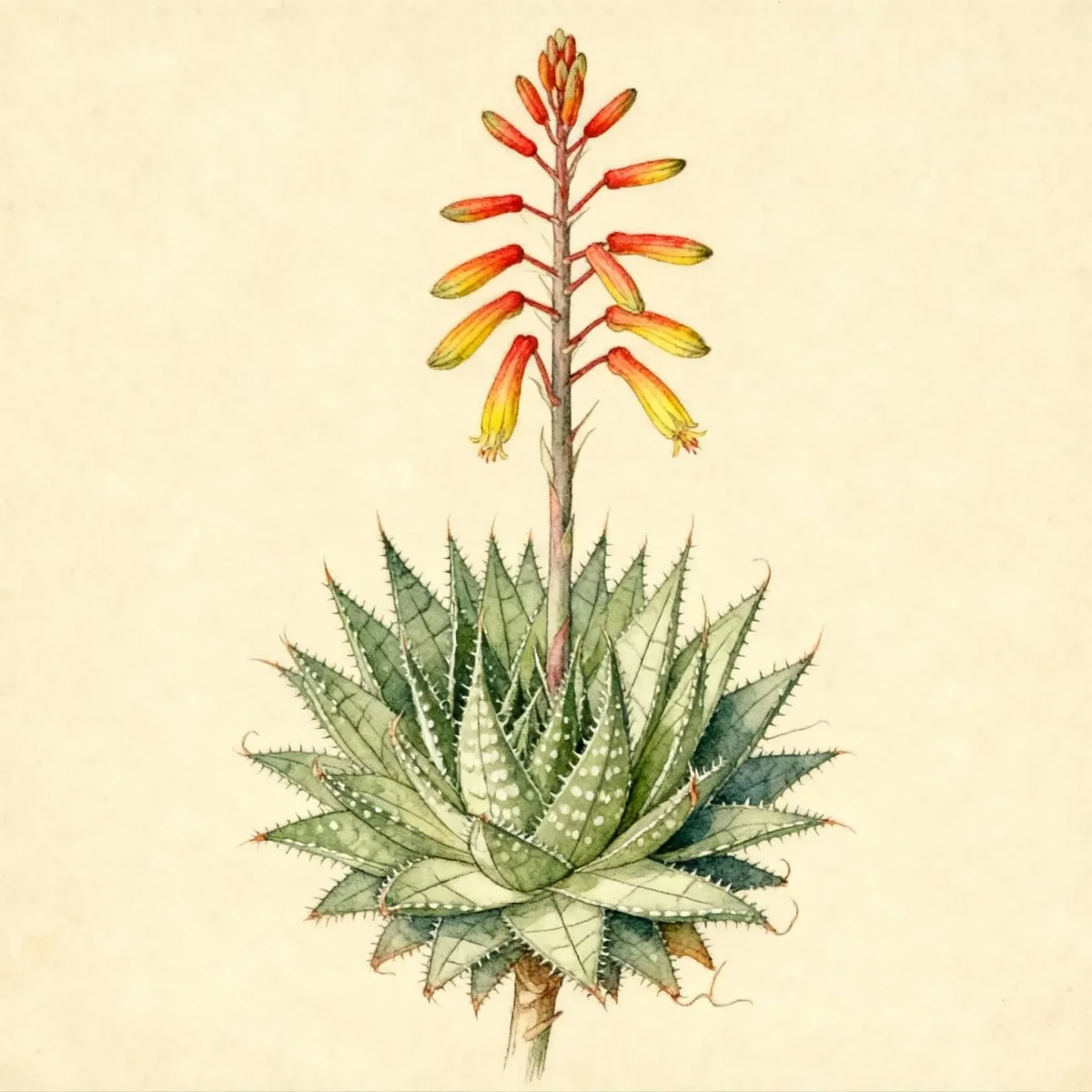
The Aloe aristata, widely known as the Torch plant or Lace Aloe, is a highly sought-after succulent prized for its geometric rosette form and fine textural details. This evergreen perennial forms tight clumps, creating outstanding visual interest even when not in bloom. Its dark, grey-green foliage, adorned with small white spots and delicate white marginal hairs, provides year-round structure in dry landscapes.
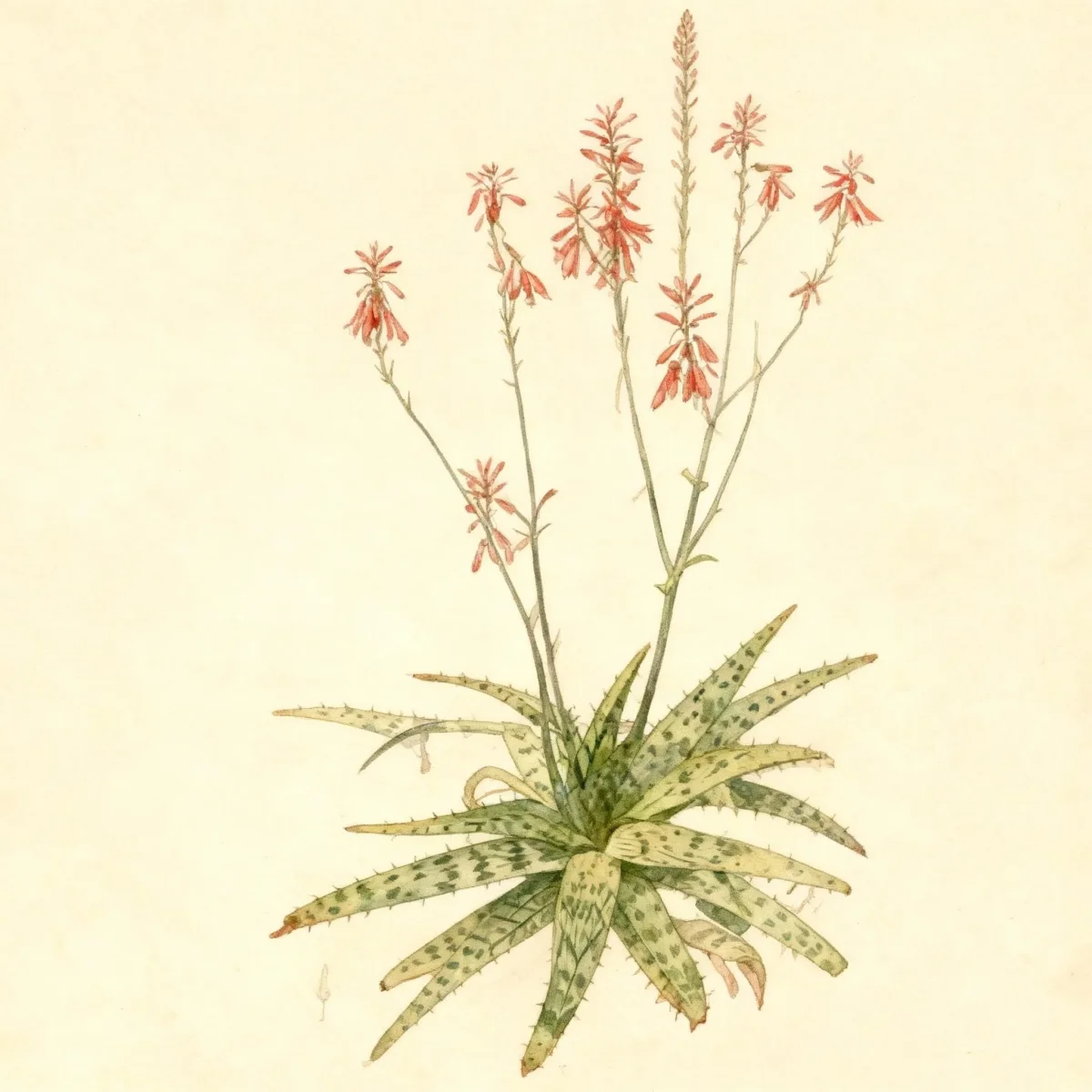
Native to the varied, sometimes harsh, environments of South Africa, the Torch plant thrives on neglect once established, making it a staple for low-maintenance gardening. In mid-summer, mature rosettes send up stalks bearing clusters of tubular, coral-orange flowers, giving the Aloe aristata its common moniker.
For gardeners in appropriate climates (Zones 7-10), this plant is excellent for xeriscaping and rock gardens. Indoors, the Aloe aristata functions beautifully as a compact houseplant, provided it receives the required intense light, offering tough, structural beauty throughout the year.
Fast Facts
- Plant Family: Asphodelaceae
- Plant Type: Broadleaf evergreen
- Native Range: South Africa
- Hardiness Zones: USDA Zones 7-10
- Size at Maturity:
- Height: 0.5-0.75 ft
- Spread: 1-2 ft
- Bloom Time: June to August
- Bloom Description: Coral-orange
- Sun Exposure: Full sun to part shade
- Water Needs: Dry
- Maintenance Level: Low
How to Grow
The Torch plant requires excellently draining media to thrive. Whether planted in the ground in its optimal zones or kept as a container specimen, ensure the soil is very lean and gritty. Plant during mild weather in spring or early fall. While it tolerates full sun, providing some light afternoon shade is beneficial if you live where summers are intensely hot.
Watering this succulent must be done judiciously. Allow the soil to dry out completely between waterings, reflecting its natural preference for Dry conditions. During the active growing season (spring through early autumn), water deeply but infrequently. Significantly reduce irrigation, especially when grown as a houseplant, during the winter dormancy period.
Maintenance for Aloe aristata is minimal. Fertilization is rarely necessary; overly rich soil can lead to softer growth. The plant is a relatively vigorous grower and readily produces offsets, which are the easiest method for propagation. Simply separate these side-growths when they are a manageable size and allow the cut end to callous over before planting.
Landscape Uses
The compact, clumping habitat of the Torch plant makes it incredibly versatile in landscape design. It is perfectly suited for creating texture in desert gardens and rock gardens where plants must endure shallow, rocky soil conditions. Furthermore, its low profile and drought tolerance make it a prime candidate for xeriscaping projects where water conservation is paramount.
As it generally only spreads to about 2 feet wide, it functions beautifully as an edging plant or dotted amongst larger, contrasting cacti and succulents. For gardeners in colder climates, the Aloe aristata excels as a container specimen. It can be moved outdoors during the warm months and brought inside to maximize bright light during the winter, serving as a reliable houseplant.
Standout Features
Flower Qualities
- Showy
Noteworthy Characteristics
Aloe aristata, commonly called torch plant or lace aloe, is a low-growing, evergreen, rosette-forming succulent native to a range of habitats in southern Africa. These include the dry sands of the Karoo region and cool, rocky slopes in Lesotho and KwaZulu-Natal. Lace aloe is often found growing in clumps of ten or more rosettes, forming a low mound up to 2’ wide. The rosettes can reach up to 8” in diameter and are made up of dark, grey-green, triangle shaped foliage (up to 6” long) with small white spots and fine, white hairs along their margins. In summer, flowering stalks (up to 15” tall) appear from mature rosettes bearing a cluster of tubular, pendulous, coral-orange blooms.
Tolerances
- Drought
- Dry Soil
- Shallow-Rocky Soil
Potential Problems
The primary concern when cultivating Aloe aristata relates to excessive moisture. Avoid overhead watering entirely, as water pooling within the central rosette structure is a common cause of immediate rot. Constantly wet or poorly draining soils also encourage fungal issues and decay, which can quickly spread through the clump. When grown indoors, diligent inspection is required to watch for common houseplant pests like mealy bugs and scale, which tend to congregate along the leaf bases or undersides.
Frequently Asked Questions
What hardiness zones is Torch plant suitable for?
The Torch plant, Aloe aristata, is reliably hardy in USDA Zones 7 through 10, requiring protection when temperatures dip below freezing.
How large does Aloe aristata grow?
This succulent remains relatively small, typically reaching only 0.5 to 0.75 feet tall, with a spread reaching between 1 and 2 feet wide at maturity.
When does Torch plant bloom?
The Aloe aristata typically produces its attractive flower stalks from June through August, culminating in coral-orange blooms.
What sun exposure does Torch plant need?
Aloe aristata appreciates full sun but benefits significantly from some light shade during the hottest part of the afternoon, especially in hotter summer climates.
Conclusion
The unique architectural form and low-maintenance nature of the Torch plant ensure its enduring popularity among succulent enthusiasts. With its striking foliage and vibrant summer flowers, Aloe aristata offers year-round appeal in the garden or on a sunny windowsill. Before planting, confirm that your site offers the necessary sharp drainage and review local hardiness zone compatibility.
Companion Planting for Dry Gardens
When designing a rock garden or xeriscape featuring the Torch plant, select companions that share the identical cultural requirements for drought tolerance and sharp drainage. Consider pairing it with slow-growing Sedums that offer contrasting leaf textures, perhaps featuring blue or silvery tones to highlight the dark green of the Aloe. Other excellent partners include various species of low-growing Agave or Yucca that offer vertical contrast without competing heavily for scarce water resources.
Propagation Tips
The easiest and most reliable way to multiply your Aloe aristata collection is through the separation of offsets, often referred to as “pups.” These small rosettes form around the base of the mother plant, eventually rooting themselves. Wait until the offset is reasonably established—ideally at least one-third the size of the parent—before gently twisting or cutting it away. Ensure you allow the cut surface of the new Torch plant to dry and form a protective scab, or ‘callus,’ for several days before planting it into dry, gritty soil mix.