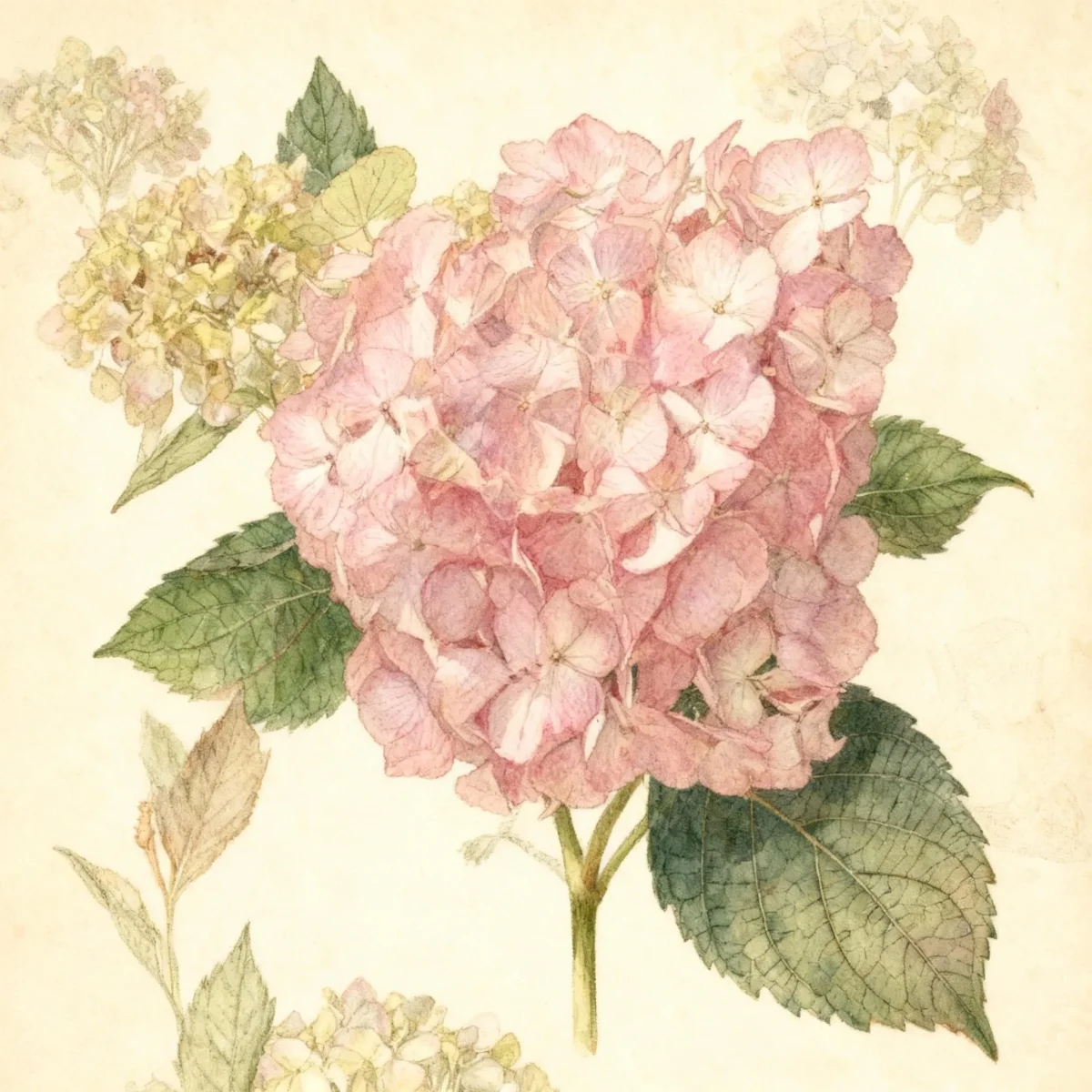
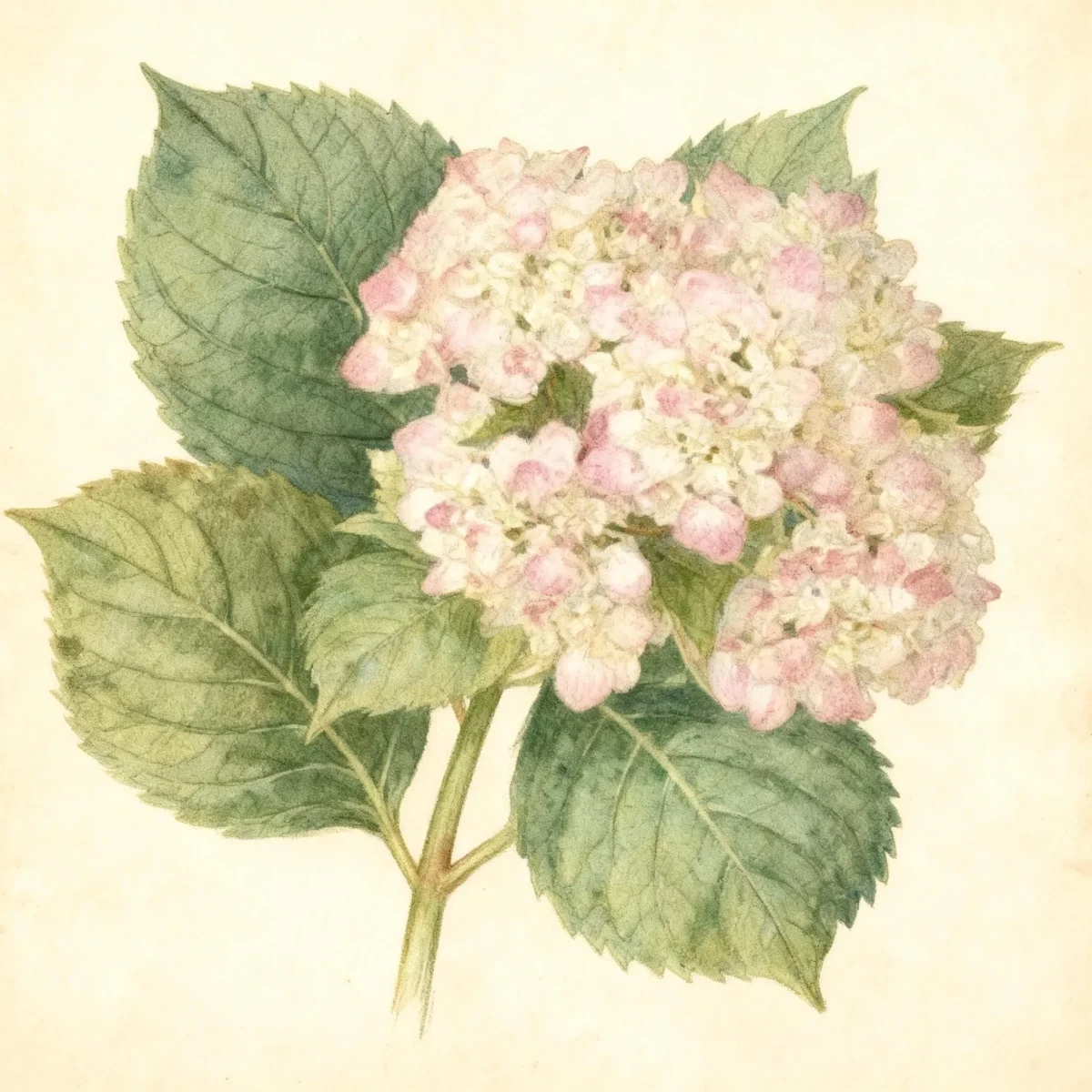
Bigleaf hydrangea (Hydrangea sargentiana)
Discover Hydrangea sargentiana, a reliable Bigleaf hydrangea from China, valued for its 3-6' size, summer blooms, and attractive foliage.
Scroll down to discover growing tips, care requirements, companion plants, and more
Complete Plant Information
Overview
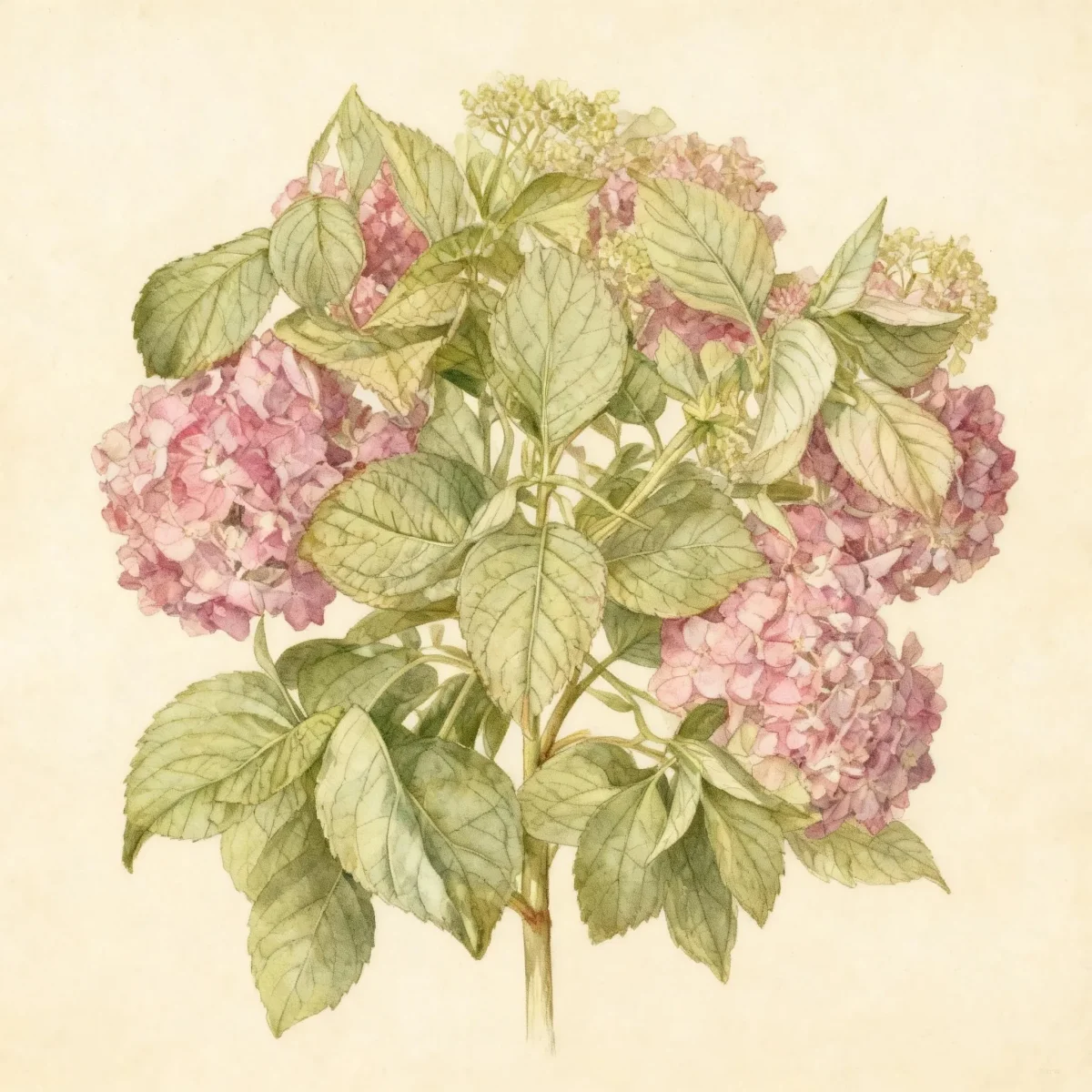
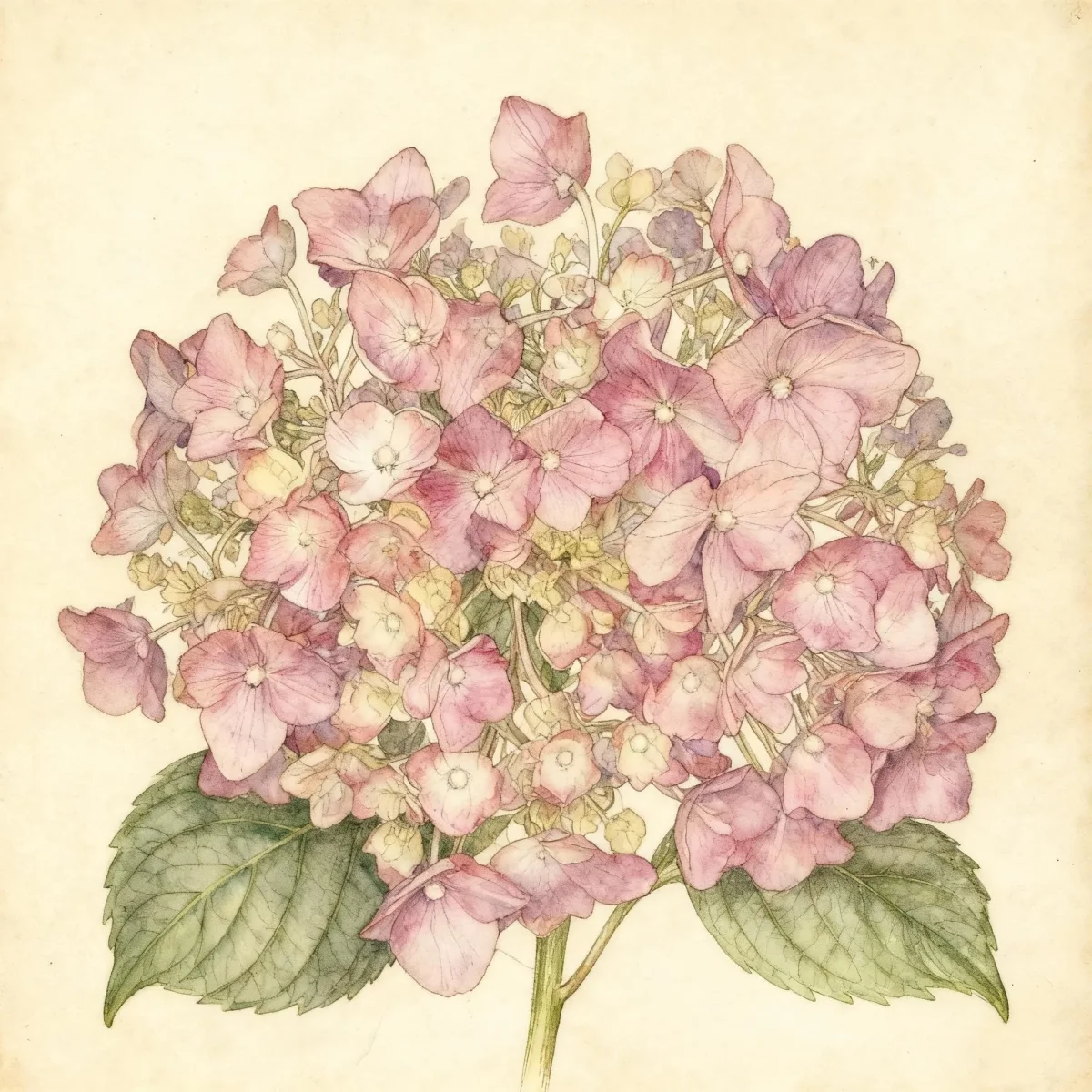
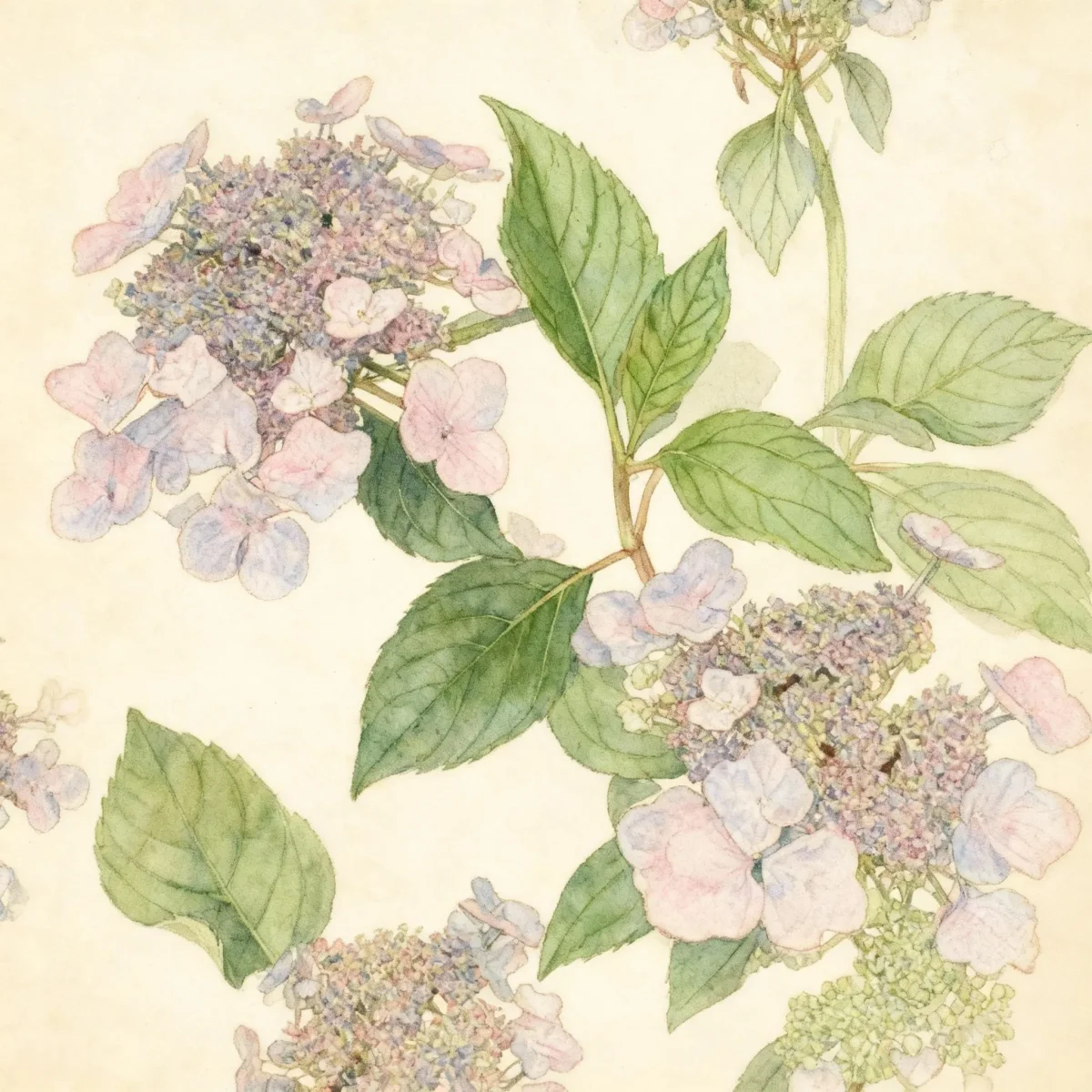
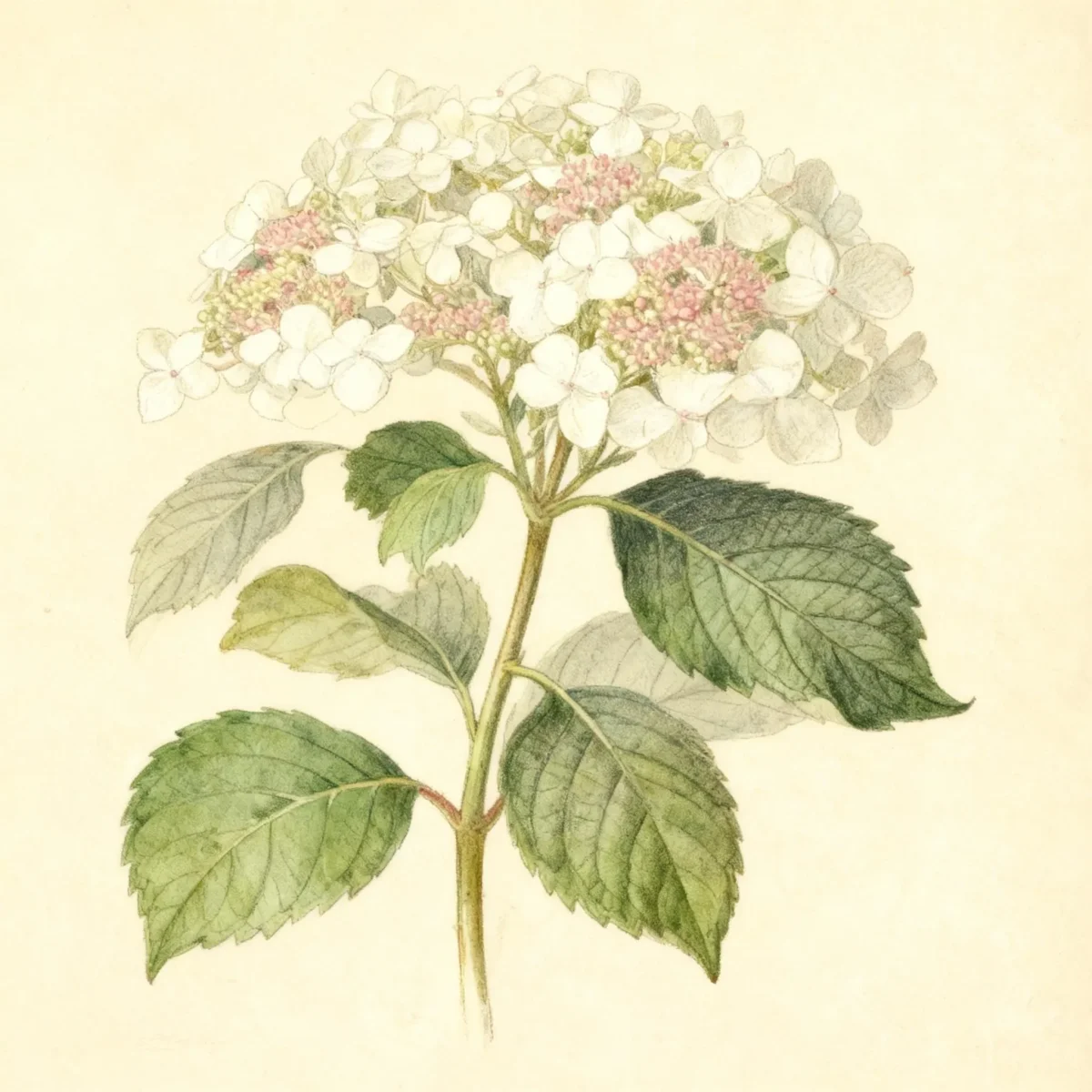
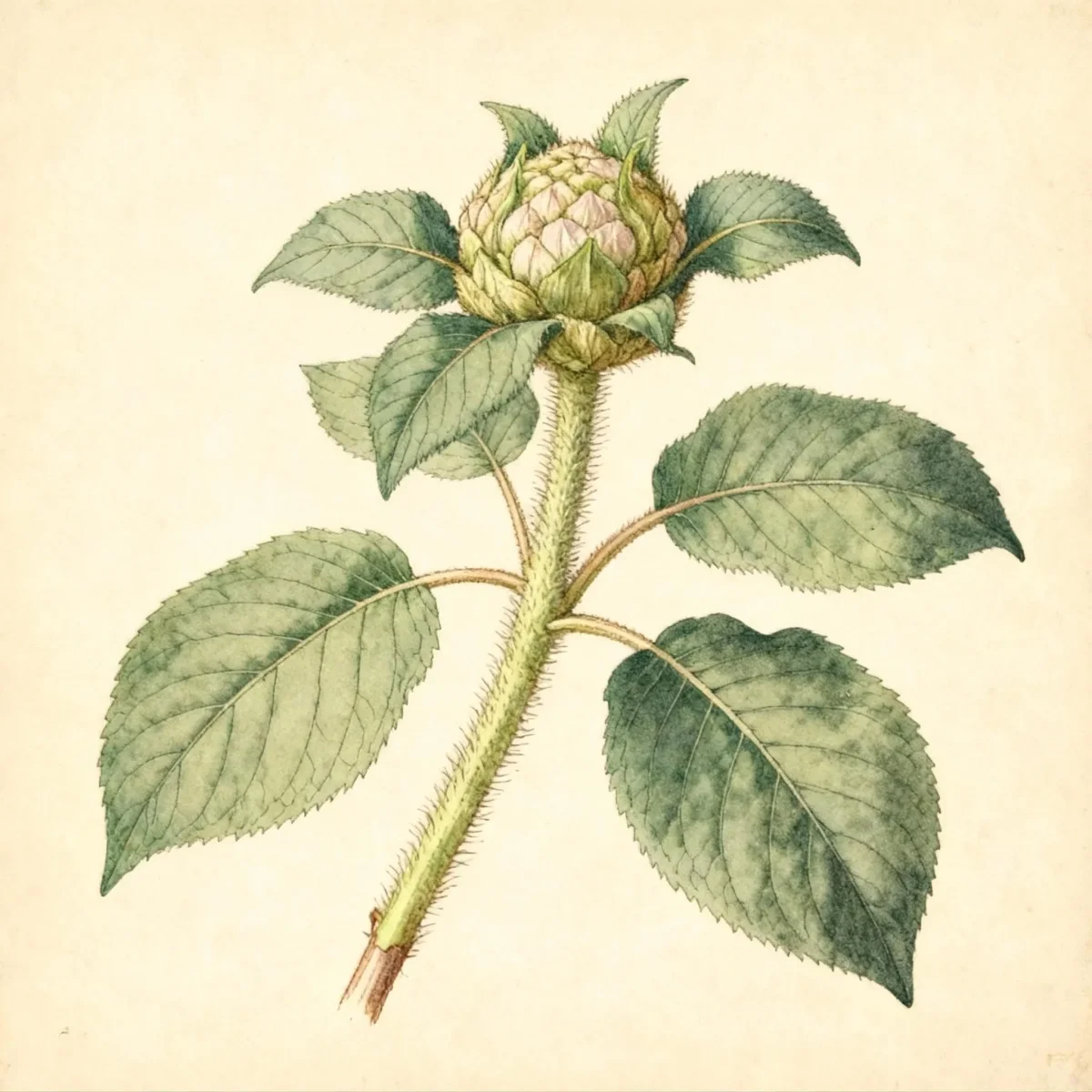
The Bigleaf hydrangea, Hydrangea sargentiana, is a sturdy, rounded deciduous shrub hailing originally from the dense forests of central China. It is prized by gardeners for its long-lasting summer bloom display, featuring flattened lacecap clusters punctuated by showy white ray flowers surrounding fertile blooms. This species offers excellent texture, with heavily pubescent, dark green leaves contrasting nicely with the peeling bark that develops as the shrub ages.
While classified as a Bigleaf hydrangea, Hydrangea sargentiana requires specific cultural considerations, thriving best when protected from intense afternoon sun. Successful cultivation focuses heavily on maintaining consistently rich, moist soil conditions throughout the growing season. Gardeners should note that the flower color dynamics are pH-dependent, offering an opportunity to customize the hue through soil amendments.
Functionally, this adaptable plant works wonderfully as a specimen accent near protected patios or integrated into a mixed shrub border where its reliable summer color can be best appreciated. While relatively trouble-free regarding pests, understanding its pruning needs, as it blooms on old wood, is crucial for maintaining a dense, attractive form of Hydrangea sargentiana.
Fast Facts
- Plant Family: Hydrangeaceae
- Plant Type: Deciduous shrub
- Native Range: China
- Hardiness Zones: USDA Zones 6-9
- Size at Maturity:
- Height: 3-6 ft
- Spread: 3-6 ft
- Bloom Time: July to September
- Bloom Description: Blue with white ray flowers
- Sun Exposure: Part shade
- Water Needs: Medium
- Maintenance Level: Medium
How to Grow
Hydrangea sargentiana establishes best when planted in early spring or fall, allowing the roots time to settle before extreme summer heat or deep winter freezes. The ideal location provides dappled or part shade, shielding the plant from the harshest afternoon sun. It demands rich, evenly moist, well-drained soils for optimal performance, a requirement that sometimes necessitates amending native soil structure.
Watering should be consistent, meeting the “Medium” needs throughout the growing season, especially if attempting to grow the Bigleaf hydrangea in sunnier spots, which only tolerate full sun with constant moisture. Pay close attention to soil pH, as this directly influences flower color; highly acidic soils yield bluer flowers, while alkaline conditions push blooms toward pink or purple. Adjusting pH with aluminum sulfate for blue or lime for pink should be done well in advance of blooming.
Pruning for this variety requires restraint since the flowers bloom on old wood. Limit structural pruning until immediately after flowering ceases, cutting stems back only to the first set of healthy, visible buds. In early spring, only prune away weak, crossing, or winter-damaged stems. In colder areas (Zone 6), protection from brisk winter winds using mulch or burlap wrap is advisable, as significant bud loss can occur in harsh winters, eliminating the following year’s display.
Landscape Uses
The recommended uses for Hydrangea sargentiana center around structured borders and specialized accent plantings where its medium size and attractive foliage can be showcased. Grouping or massing these shrubs creates a lush texture, particularly effective in the northern edges of their hardiness range where they benefit from collective protection. Use this Bigleaf hydrangea as a transition element between taller background plantings and low-growing perennials.
As a reliable hedge, Hydrangea sargentiana provides a soft, informal border that offers visual interest well into the late summer when many earlier-blooming shrubs have faded. Place specimens near patios or walkways where visitors can appreciate the contrast between the dark green, pubescent leaves and the delicate lacecap blooms. To support its cultural needs, pair it with other woodland-edge plants that appreciate similar filtered light and consistently moist conditions, such as woodland phlox or certain hostas.
Standout Features
Flower Qualities
- Showy
Noteworthy Characteristics
Hydrangea sargentiana, known as Sargent’s hydrangea, offers upright, rounded growth, typically reaching 3 to 6 feet tall and wide, often displaying peeling bark on mature branches. Its large, flattened lacecap flower clusters bloom reliably during late summer, featuring fertile inner flowers encircled by attractive white ray flowers, contrasting with its heavily pubescent, dark green foliage. This unique summer bloomer was introduced to horticulture by E. H. Wilson after successful collection trips in the forested slopes of central China.
Tolerances
Potential Problems
Hydrangea sargentiana generally benefits from a relatively clean bill of health, making it a low-fuss choice once established in the correct environment. However, gardeners should monitor for occasional issues like mildew, leaf spot, or bacterial wilt, though these are usually manageable with good air circulation and proper watering techniques. Aphids are sometimes noted as occasional visitors but rarely cause significant long-term damage.
Since this Bigleaf hydrangea blooms on last year’s growth, the primary management concern is protecting dormant winter buds from harsh freezes or drying winter winds. If pruning occurs at the wrong time—late winter dormancy instead of post-bloom—you risk removing the wood that would have flowered the following summer. Good cultural care, including adequate moisture and appropriate siting in part shade, is the best defense against most physiological stress or disease susceptibility.
Frequently Asked Questions
What hardiness zones is Bigleaf hydrangea suitable for?
Hydrangea sargentiana is winter hardy across USDA Zones 6 through 9, though extra winter protection is recommended in the colder end of this range.
How large does Hydrangea sargentiana grow?
This deciduous shrub typically matures to a size between 3 and 6 feet in height, with a corresponding spread of 3 to 6 feet, unless pruned or damaged by severe winter weather.
When does Bigleaf hydrangea bloom?
The flowering period for Hydrangea sargentiana extends through the peak of summer, specifically from July extending into September, providing reliably late-season color.
What sun exposure does Hydrangea sargentiana need?
This plant thrives best in conditions described as part shade, though it can manage exposure to full sun provided that the soil remains consistently moist throughout the day.
Conclusion
The Hydrangea sargentiana provides gardeners with a durable, medium-sized shrub that extends the Hydrangea season deep into late summer with its distinct lacecap flowers and attractive foliage. Successfully growing this Bigleaf hydrangea hinges on providing rich, consistently moist soil and site selection that offers afternoon shade protection. Before planting, confirm your location falls within USDA Zones 6-9 and plan your site preparation to achieve your preferred flower color.
Companion Planting
Selecting companions for Hydrangea sargentiana should prioritize plants that share its requirements for dappled light and moisture retention. Consider pairing this shrub with Japanese Forest Grass (Hakonechloa macra) for flowing, bright green texture beneath the canopy, or native ferns that thrive in similar understory conditions. These plants not only complement the visual structure but also help shade the soil, keeping the roots of the hydrangea cooler and more consistently moist.
For perennial structure, shade-tolerant plants like Astilbe or large-leaved Hosta varieties make effective partners. Astilbe echoes the late-summer bloom time, while the broad leaves of Hosta provide excellent ground coverage, further suppressing weeds and minimizing moisture evaporation from the soil. Ensure that companion selections do not aggressively compete for root space, allowing the Bigleaf hydrangea ample room to reach its mature 3-6 foot spread.
Seasonal Care Calendar
Spring is the time to address structural pruning by removing any dead or damaged wood before new leaf growth commences. This subtle pruning window is vital; avoid heavy cuts after this point to protect the summer bloom potential of the Hydrangea sargentiana. Focus on applying a slow-release, balanced fertilizer around the base of the shrub as temperatures begin to rise consistently, feeding the rich soil it requires.
Summer care is almost entirely focused on hydration; monitor soil moisture levels daily during dry spells, as this plant cannot tolerate drying out, especially in warmer climates. If you are actively managing flower color, make necessary pH adjustments to the soil early in the season so the chemicals have time to take effect to influence the July and subsequent blooms. Deadheading spent blooms is generally not required but can be done following pollination if desired.
Conclusion
The Hydrangea sargentiana provides gardeners with a durable, medium-sized shrub that extends the Hydrangea season deep into late summer with its distinct lacecap flowers and attractive foliage. Successfully growing this Bigleaf hydrangea hinges on providing rich, consistently moist soil and site selection that offers afternoon shade protection. Before planting, confirm your location falls within USDA Zones 6-9 and plan your site preparation to achieve your preferred flower color.