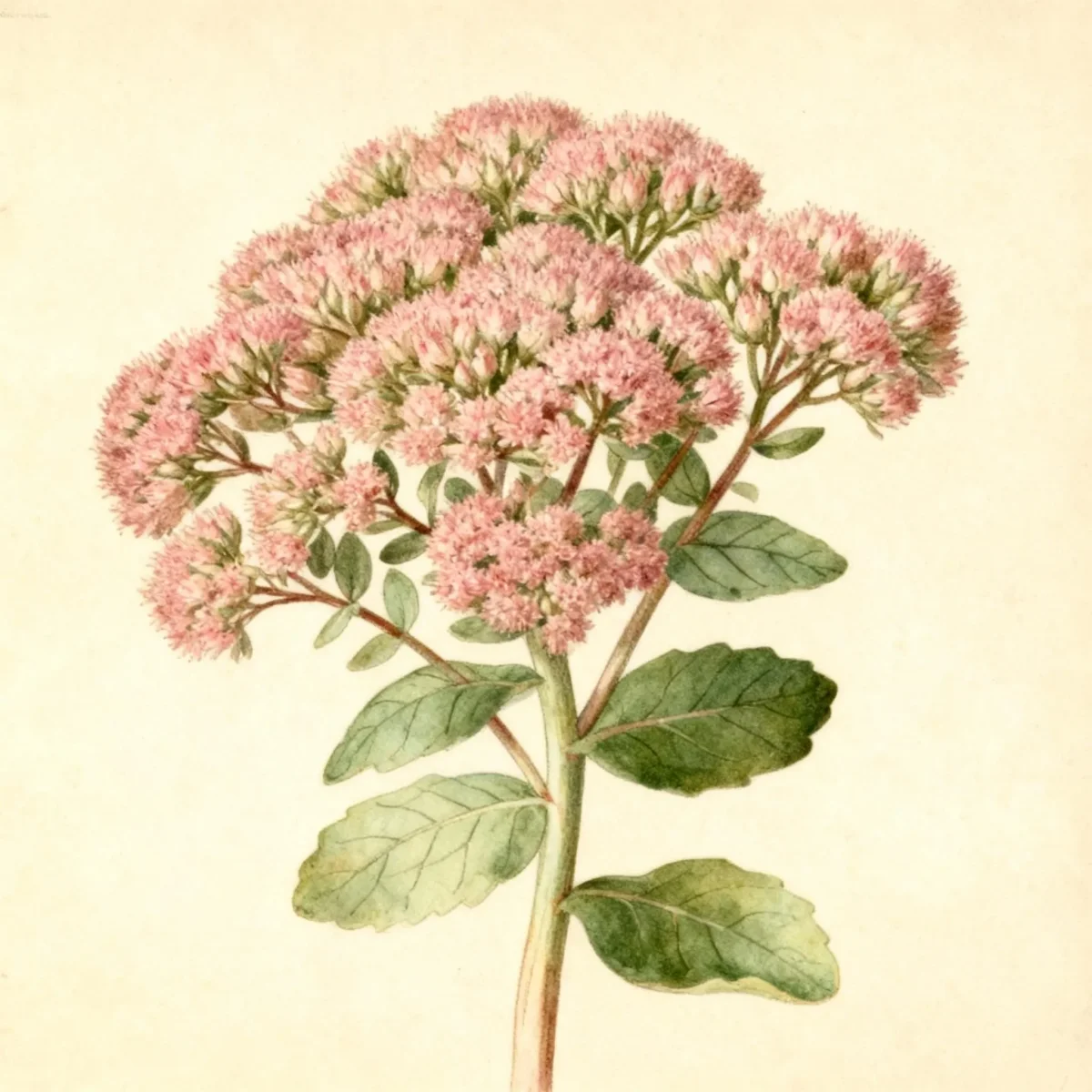
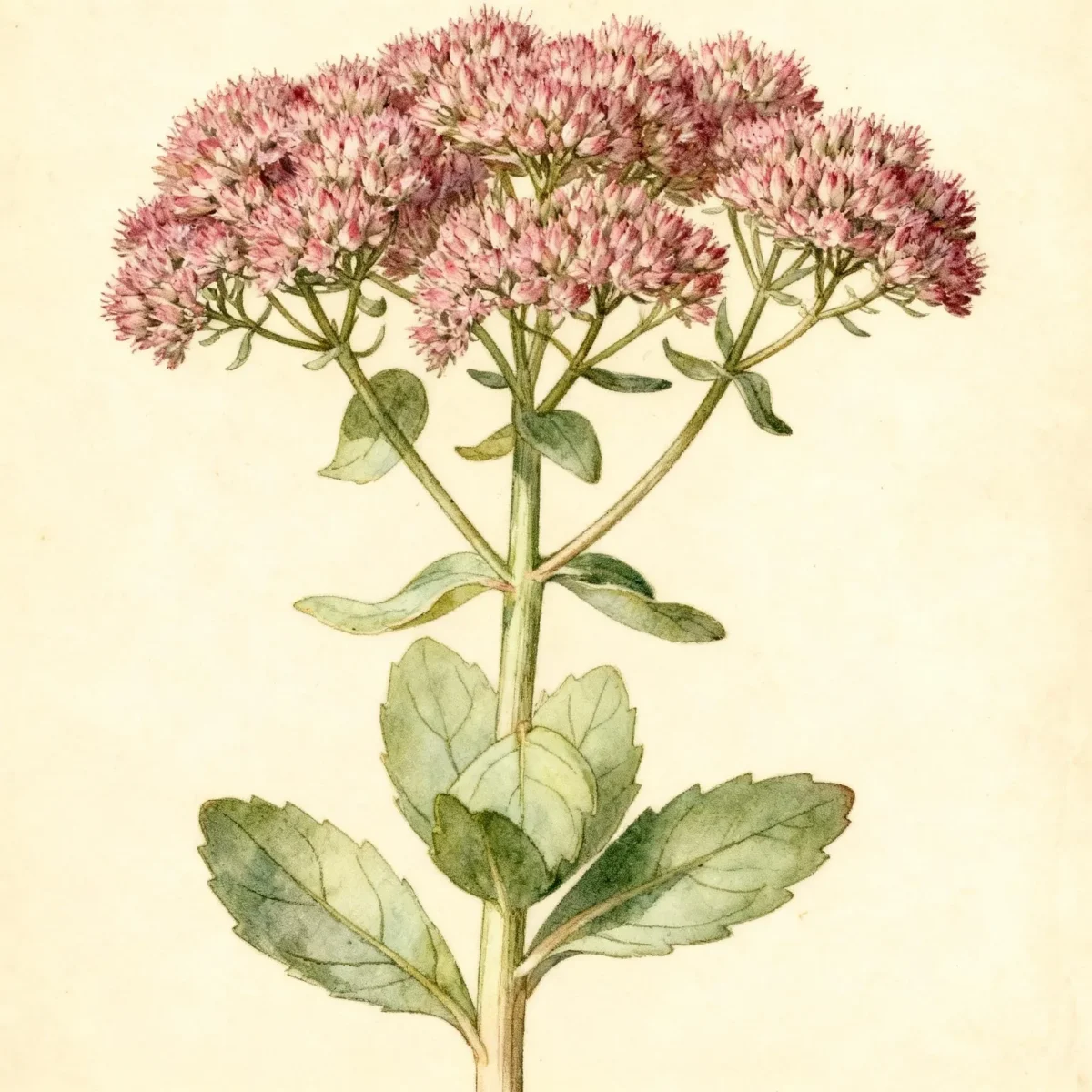
Stonecrop (Sedum 'Peace and Joy')
Sedum 'Peace and Joy' Stonecrop is a low-maintenance, drought-tolerant perennial blooming magenta in late summer.
Scroll down to discover growing tips, care requirements, companion plants, and more
Complete Plant Information
Overview
Sedum ‘Peace and Joy’ is a highly valued herbaceous perennial known for its superb toughness and late-season floral display. This Stonecrop cultivar offers reliable structure in the garden, featuring distinctive foliage often edged in red, providing visual interest even before the flowers emerge. As a member of the Crassulaceae family, it embodies exceptional resilience, easily thriving where other plants might struggle.
This particular Stonecrop cultivar is prized for its manageable size, forming neat, sturdy mounds perfect for edging or filling gaps in sunny borders. The late summer bloom period, presenting clusters of vibrant magenta flowers from August into September, offers crucial late-season color when many other perennials are fading. Sedum ‘Peace and Joy’ is an easy-to-grow perennial that demands little attention once established, making it a staple for low-maintenance landscapes.
Gardeners appreciate Sedum ‘Peace and Joy’ for its tolerance to challenging conditions, thriving in full sun and resisting extended dry spells. Its fleshy leaves are characteristic of succulents, allowing it to store water efficiently. This easy-to-grow perennial brings texture, structure, and late-season color without requiring rich conditions or excessive care.
Fast Facts
- Plant Family: Crassulaceae
- Plant Type: Herbaceous perennial
- Hardiness Zones: USDA Zones 4-9
- Size at Maturity:
- Height: 1-1.5 ft
- Spread: 1-1.5 ft
- Bloom Time: August to September
- Bloom Description: Magenta
- Sun Exposure: Full sun
- Water Needs: Dry to medium
- Maintenance Level: Low
How to Grow
Stonecrop varieties like Sedum ‘Peace and Joy’ thrive when planted in the spring or fall, allowing the roots to establish before extreme weather hits. The most critical requirement for success is ensuring excellent soil drainage; plants must have well-drained conditions to perform at their best. They prefer average, dry to medium soils and benefit from being situated in an area receiving full sun, although they can tolerate some light shade.
Once established, the watering needs of this Stonecrop are minimal. Focus efforts on consistent, deep watering during the first season; after that, allow the soil to dry out between waterings. Overly rich soils or excessive moisture should be strictly avoided, as these conditions lead to weak, floppy growth rather than sturdy stems topped with magenta flowers. No significant fertilization is typically required if the soil is average.
To maintain a compact structure, especially for taller sedum hybrids, pinch the growing tips back lightly in the spring. This technique forces the stems to grow thicker and bushier, dramatically reducing the potential for flopping later in the season. In the late winter or very early spring, clean up any old, dead foliage before new growth begins to emerge from the crown of the Sedum ‘Peace and Joy’.
Landscape Uses
Sedum ‘Peace and Joy’ excels in specific roles within the landscape where its sturdy habit and late-season coloring are maximized. It is perfectly suited for border fronts, acting as a tidy, low-growing edge that transitions neatly into taller plantings. Due to its drought tolerance and preference for lean soils, it is an outstanding choice for rock gardens where moisture retention is naturally low.
For maximum visual impact, this Stonecrop should be massed or planted in groups rather than dotted alone. Planting several together creates drifts of texture and color that truly highlight the magenta blooms against the complementary foliage. Furthermore, its compact yet robust nature makes Sedum ‘Peace and Joy’ an effective small area ground cover or an excellent anchor plant within mixed containers.
Because it develops into a clump-forming mound, consider siting it where both the unique foliage and the late flowers can be consistently appreciated throughout the season. Its relatively low profile ensures it won’t obscure smaller neighbors, making it a versatile design element in sunny perennial beds.
Standout Features
Flower Qualities
- Showy
- Good Dried
Noteworthy Characteristics
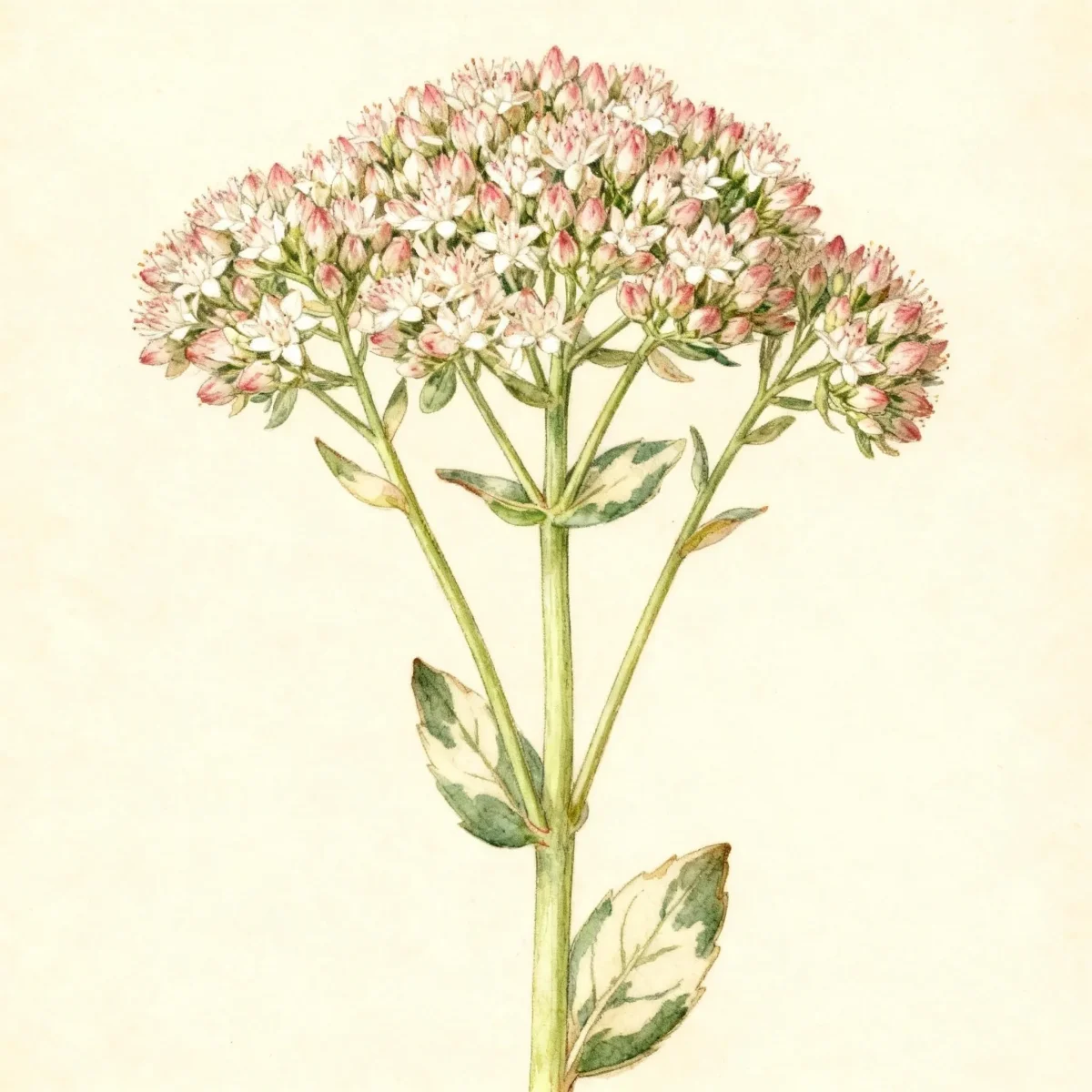
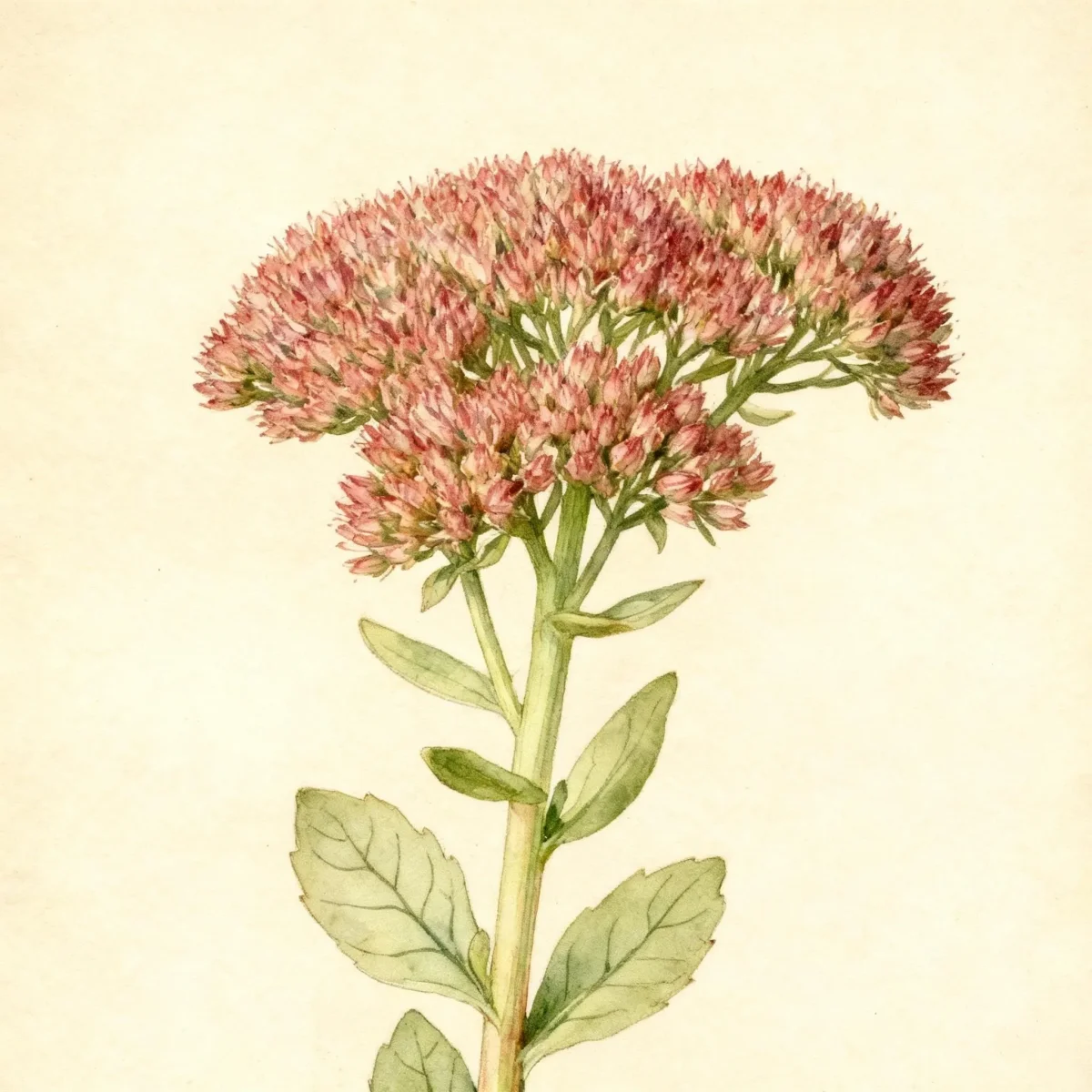
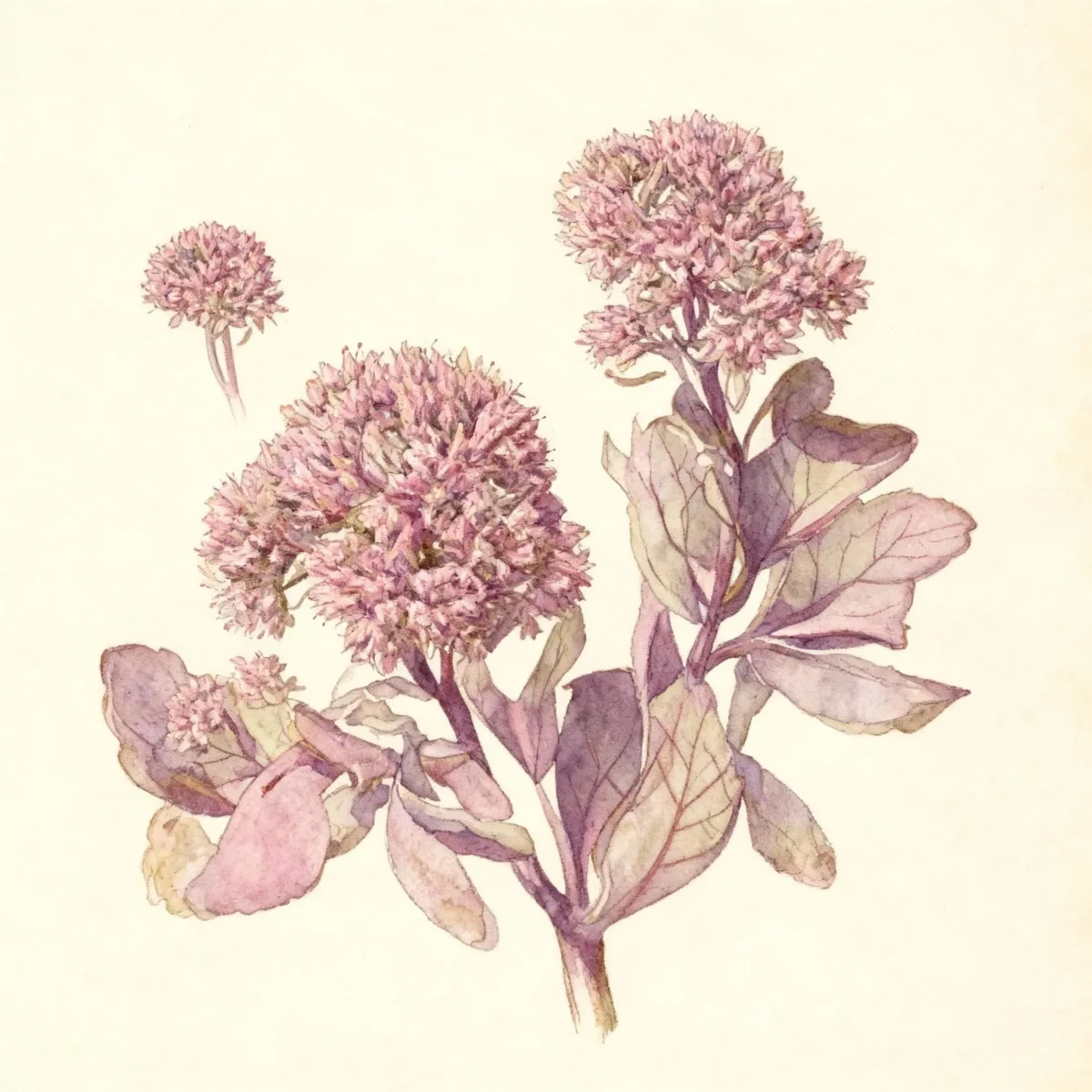
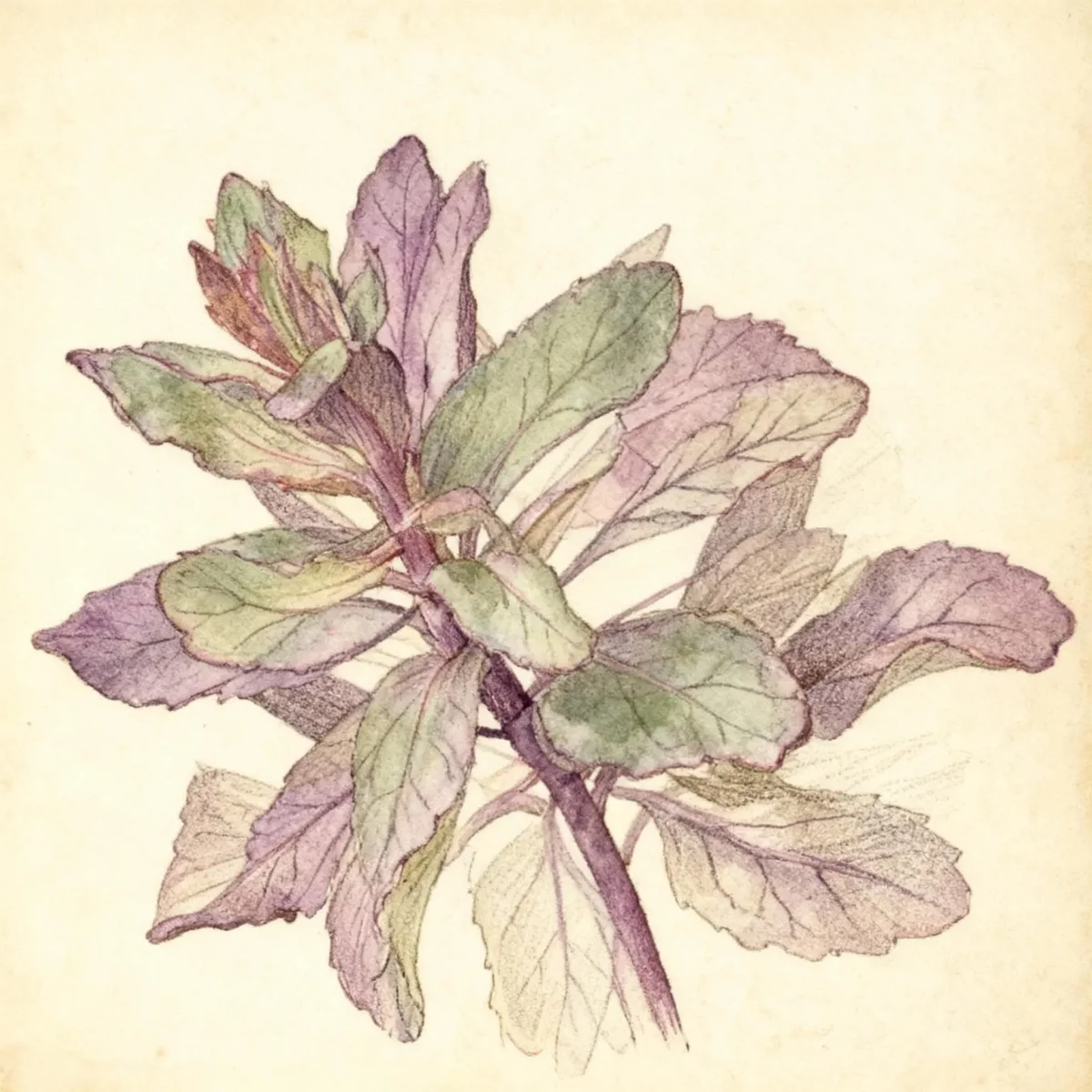
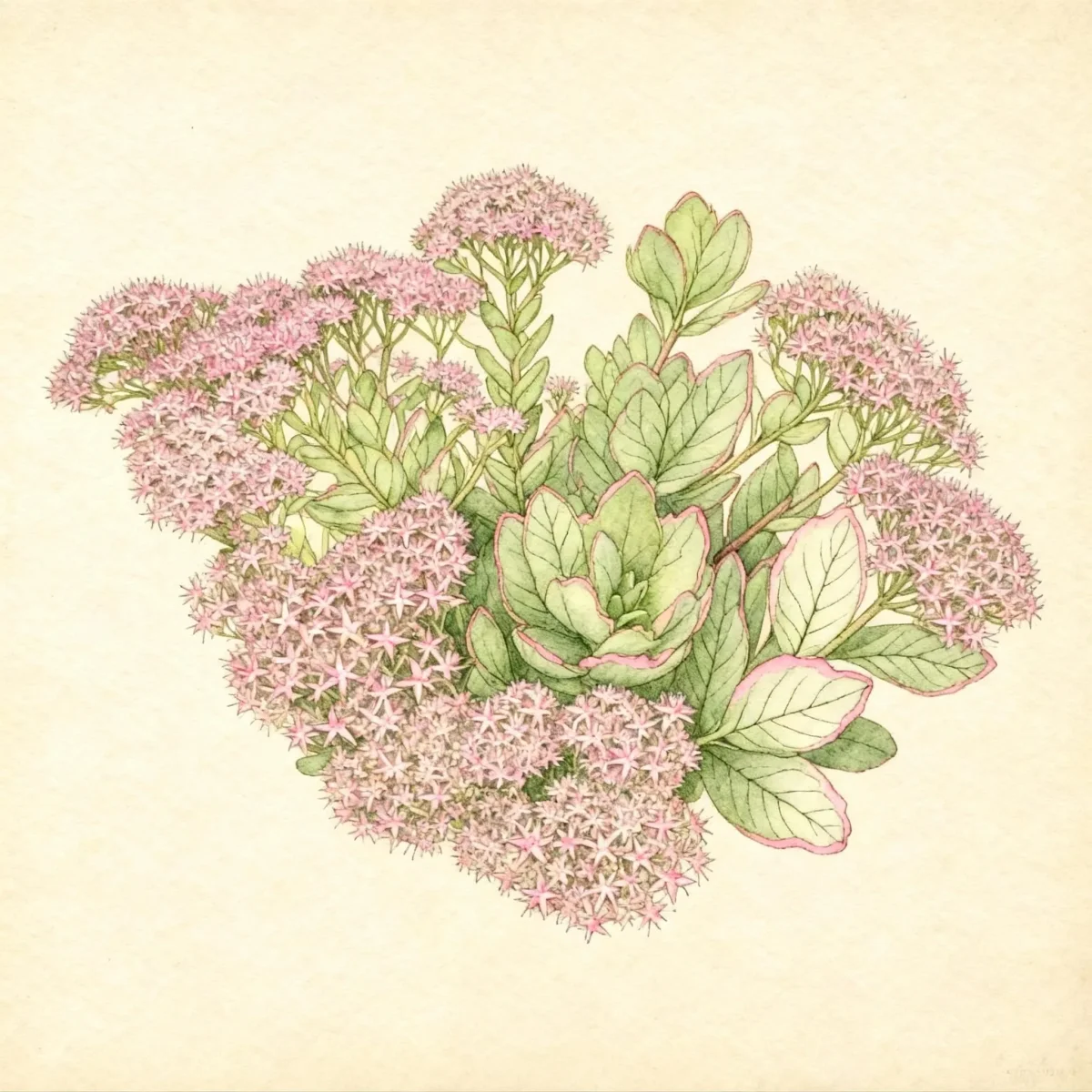
Sedum is a genus of about 400 species found mainly in the mountainous areas of North America but some also in dry area of South America. Most are succulent. They are tough, drought tolerant, easy-to-grow perennials that feature star-shaped flowers in clusters blooming on fleshy-leaved plants ranging from mat-forming ground covers to clump-forming upright mounds. ‘Peace and Joy’ is a cultivar in the Pure Joy series that features foliage with red margins and a late summer bloom period. It bears clusters of bi-color magenta and pink flowers on 1’ tall red-purple stems.
Tolerances
- Drought
- Dry Soil
- Shallow-Rocky Soil
Potential Problems
Sedum ‘Peace and Joy’ is generally robust, but vigilance against a few common issues ensures peak performance. The primary pests to monitor are slugs and snails, which may feed on the succulent foliage, especially during damp periods. Scale insects can occasionally cause problems, requiring localized treatment if infestations are severe.
The most significant cultural problem is root rot, which occurs readily if the plant is situated in overly wet or poorly drained soil conditions. To prevent this, always amend heavy soils or seek out grittier locations for planting. Additionally, while this cultivar is sturdy, taller sedum hybrids are susceptible to flopping over, particularly if they receive too little sun or are grown in overly moist, nutrient-rich soil.
Prevention is key: ensure excellent drainage and provide consistent full sun exposure to keep stems strong. If you notice weaker stems in the spring, the technique of pinching the growing tips can promote thicker, bushier lateral growth to support the later flower heads.
Frequently Asked Questions
What hardiness zones is Stonecrop suitable for?
Sedum ‘Peace and Joy’ is reliable in USDA Zones 4-9, offering excellent cold tolerance for northern gardens and adequate heat tolerance for southern areas.
How large does Stonecrop ‘Peace and Joy’ grow?
This Stonecrop typically reaches a mature height between 1 and 1.5 feet, with a similar spread of 1 to 1.5 feet, forming a manageable mound.
What sun exposure does Sedum ‘Peace and Joy’ need?
This perennial requires full sun to maintain its compact habit and best support its magenta flower clusters, although it can tolerate some light shade.
When does Sedum ‘Peace and Joy’ bloom?
You can expect Sedum ‘Peace and Joy’ to bloom late in the season, generally from August to September, providing valuable magenta color.
Conclusion
Sedum ‘Peace and Joy’ stands out as an indispensable, tough perennial perfect for gardeners seeking reliable, low-maintenance structure and vibrant late-season color. Its drought tolerance and adaptability to lean soils make it a practical choice for sunny, difficult spots. Ensure you evaluate your site’s drainage capabilities before planting this excellent Stonecrop cultivar this season.
Companion Planting
When selecting companions for Sedum ‘Peace and Joy’, focus on plants that share its cultural needs for full sun and excellent drainage. Plants that prefer rich, moist soil, such as Hostas or Astilbes, should be avoided as they will compete poorly and potentially encourage rot in the Stonecrop. Excellent partners include other sun-loving, drought-tolerant perennials like ornamental grasses, Russian Sage (Perovskia), or hardy Lavender.
Pairing the sturdy, upright mounds of Sedum ‘Peace and Joy’ with fine-textured grasses enhances the overall garden design. The fine blades provide movement that contrasts beautifully with the dense structures of the Stonecrop. This combination keeps interest high from spring through fall, with the Sedum providing reliable magenta punctuation marks late in the season.
Consider integrating plants that bloom earlier in the summer but have complementary foliage textures. This strategy ensures continuous color interest in the border while allowing the Sedum to take center stage when its late summer flowers emerge. The tough nature of this Stonecrop means fewer maintenance worries when grouped with similarly low-fuss companions.
Propagation Tips
One of the easiest ways to increase your stock of Sedum ‘Peace and Joy’ is through stem cuttings, a straightforward process beneficial in mid-summer before the main bloom. Simply take 3-to-4-inch cuttings from the non-flowering stems of your Stonecrop. Allow the cut ends to dry and callous over for a day or two in a shaded spot to prevent rot before planting them directly into light, gritty soil or coarse sand.
Alternatively, this herbaceous perennial can be easily multiplied in early spring through division. Dig up established clumps of Sedum ‘Peace and Joy’ and gently separate them into smaller sections, ensuring each division has a healthy mass of roots and several growing points. Replant these sections promptly at the same depth they were previously growing.
Even individual leaves from the Sedum can sometimes root if they are gently detached and laid on top of dry, well-draining potting mix. While division and cuttings are faster, the leaf propagation method is a simple way to generate many small new plants over time, proving the inherent toughness of this Stonecrop genus.