Chives (Allium 'Chivette')
Grow Allium 'Chivette' for fabulous, Kelly green, edible foliage and edible lavender-purple flowers. A low-maintenance herb.
Scroll down to discover growing tips, care requirements, companion plants, and more
Complete Plant Information
Overview
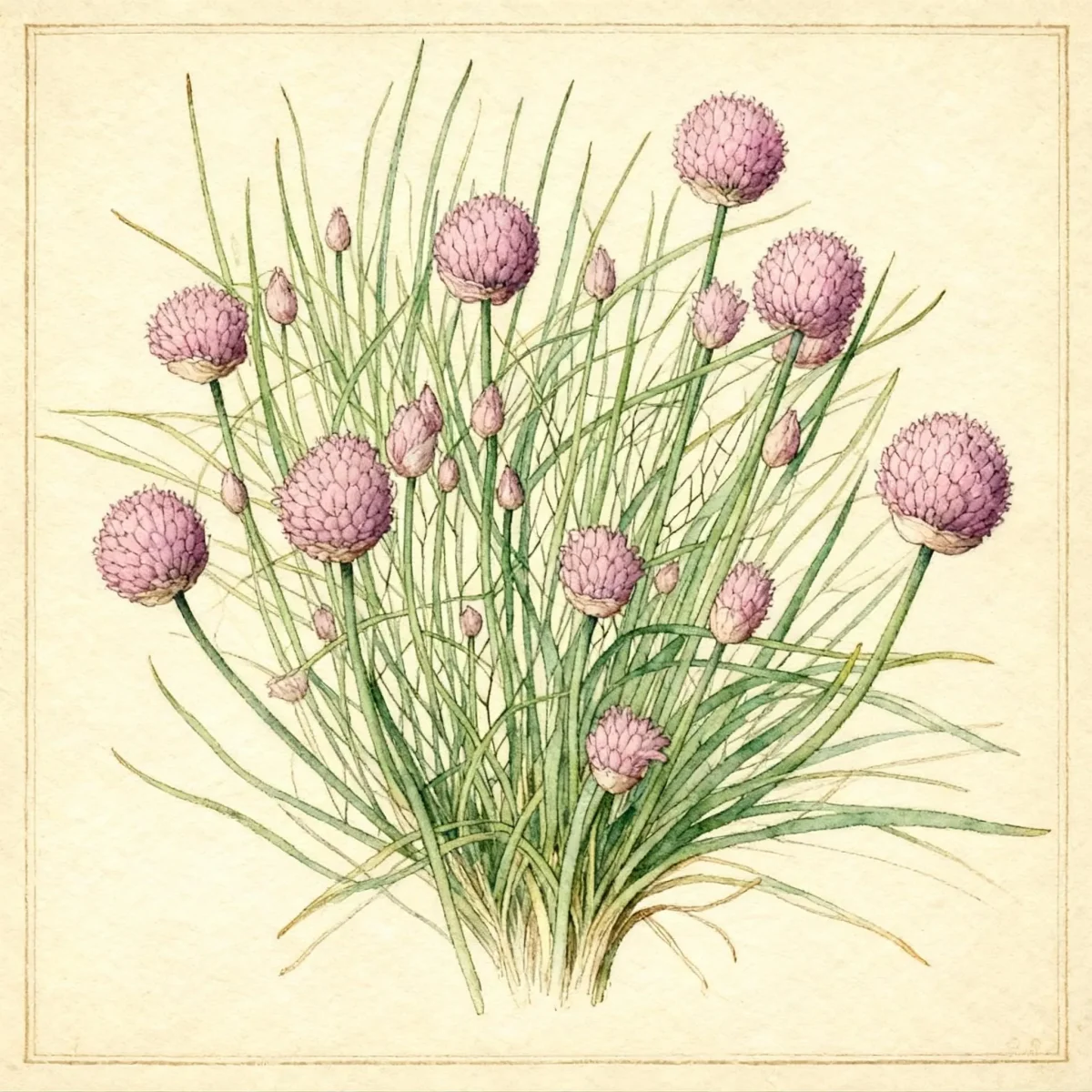
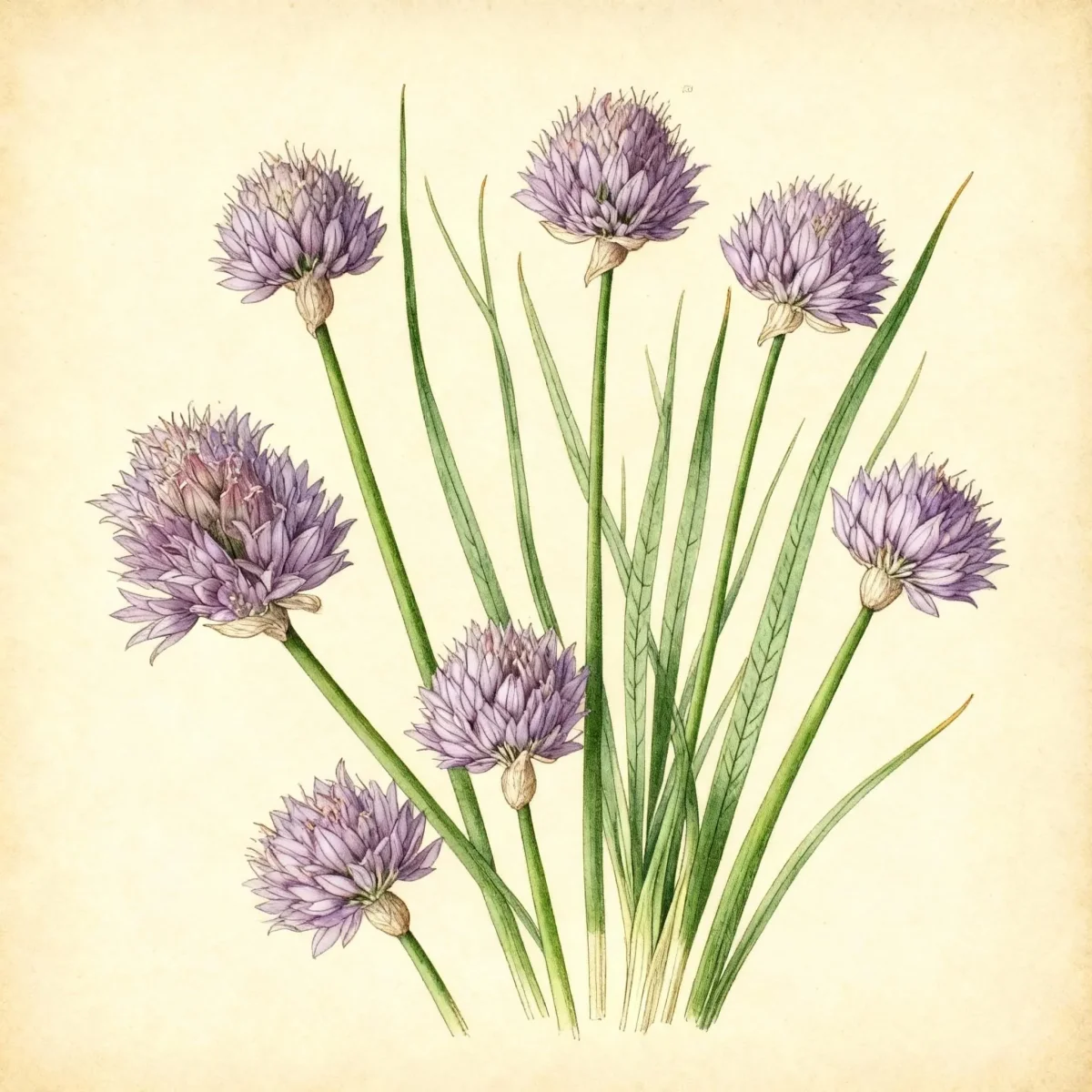
Allium ‘Chivette’ brings distinctive culinary and aesthetic appeal to the garden. This variation of common Chives is prized for its absolutely fabulous, Kelly green, linear foliage, which offers a constant supply for the kitchen. The plant forms neat clumps, rising to about 1 to 1.5 feet tall.
A major benefit of planting Allium ‘Chivette’ is its dual-purpose nature; it functions wonderfully as a low-maintenance herb while offering ornamental value. Gardeners appreciate its easygoing culture and resilience, making it perfect even for novice growers looking to incorporate edible landscaping.
When in bloom between May and June, you can expect delightful lavender-purple flower umbels held atop 12-inch stems, which are themselves edible additions to salads. As a mostly sterile chive, Allium ‘Chivette’ reduces unwanted reseeding, keeping garden beds tidy.
Fast Facts
- Plant Family: Amaryllidaceae
- Plant Type: Bulb
- Hardiness Zones: USDA Zones 4-8
- Size at Maturity:
- Height: 1-1.5 ft
- Spread: 0.75-1 ft
- Bloom Time: May to June
- Bloom Description: Lavender-purple
- Sun Exposure: Full sun to part shade
- Water Needs: Medium
- Maintenance Level: Low
How to Grow
For the best growth, plant the bulbs of Allium ‘Chivette’ in the fall. Choose locations receiving full sun, although light afternoon shade is beneficial during intense summer heat. This herb tolerates and performs well in a wide range of soils, including sandy types, but requires well-drained conditions. If your soil is heavy clay, incorporate compost to ensure adequate drainage to prevent issues.
Water needs for Chives are medium; aim for average moisture, allowing the soil to dry slightly between waterings. This plant requires low maintenance overall. An important cultural practice is deadheading the spent blooms soon after the lavender-purple flowers fade. This prevents unwanted reseeding throughout the garden area.
If you wish to propagate or rejuvenate the clump, the best time for division is either in the spring or early fall. For overwintering and extending your harvest indoors, divisions can be potted up in the fall and kept on a cool kitchen window sill.
Landscape Uses
The vertical, grass-like foliage of Allium ‘Chivette’ makes it an excellent choice for defining edges or adding texture to mixed borders. Recommended uses span from traditional herb gardens and vegetable patches to rock gardens where its drought tolerance shines. You can effectively plant Chives in groups or use mass plantings for a striking visual and edible repeat element near pathways.
These bulbs are also highly effective when grown as ornamental accents; even if you harvest the flavorful leaves regularly, the structure remains pleasing. For small spaces or patios, Allium ‘Chivette’ performs admirably in containers, offering easy access for culinary use right outside the kitchen door.
Standout Features
Flower Qualities
- Showy
Noteworthy Characteristics
The genus Allium contains over 700 species of bulbous or rhizomatous plants, many possessing oniony smelling flowers and foliage used for culinary or ornamental purposes. Plants typically produce showy flower umbels on naked scapes rising above a clump of linear grass-like leaves. ‘Chivette’ is specifically noted as being mostly sterile, providing fabulous Kelly green edible foliage, alongside 1-inch lavender-purple flowers that are also edible.
Tolerances
- Deer
- Drought
- Black Walnut
Potential Problems
Bulb rot is a significant concern if the soil remains overly moist, emphasizing the need for excellent drainage, especially in clay soils. Gardeners should also inspect foliage periodically for potential fungal issues like mildew, rust, or leaf spots, though these are not usually severe. Thrips can occasionally be an occasional pest to watch out for. A significant benefit is that deer and rabbits tend to avoid Allium ‘Chivette’, leaving your harvest intact.
Frequently Asked Questions
What hardiness zones is Chives suitable for?
Allium ‘Chivette’ is reliably hardy across USDA Zones 4 through 8.
How large does Chives grow?
Mature clumps of Chives typically reach a height between 1 and 1.5 feet, with a spread of 0.75 to 1 foot wide.
What sun exposure does Chives need?
This plant prefers full sun but will tolerate partial shade, especially if placed where it can escape the harshest afternoon sun.
When does Chives bloom?
Chives produce their lavender-purple blooms from May through June.
Conclusion
Allium ‘Chivette’ is an invaluable addition to any functional garden space, offering consistent, edible, Kelly green foliage alongside attractive seasonal flowers. Due to its low maintenance needs and wide soil tolerance, this Chives variety is easily integrated, provided you respect its need for well-drained soil. Before planting, confirm your location falls within USDA Zones 4-8 for the best long-term results.
Companion Planting
When planning your kitchen garden layout, Chives make excellent companions for several vegetables due to their mild deterrent effects on certain pests. Planting Allium ‘Chivette’ near carrots or tomatoes is often recommended, as the pungent scent is believed to confuse or repel common garden adversaries. Furthermore, its texture provides a nice contrast to broader-leafed herbs like basil or parsley.
When establishing ornamental groupings, utilize the low, clumping habit of Allium ‘Chivette’ along the front edge of herbaceous borders. They pair beautifully with low-growing perennials that share similar sun and water needs, such as creeping thyme or sedum varieties, creating textured, visually interesting, and edible landscapes.
Design Ideas
The visual appeal of Allium ‘Chivette’ extends beyond its culinary purpose, making it useful in formal and informal designs alike. Its upright, linear leaves create strong vertical accents in rock gardens where drainage is naturally excellent. Its shorter height (1 to 1.5 ft) prevents it from obscuring smaller companion plants.
Consider using groups of Allium ‘Chivette’ to line the edges of raised beds or segmented vegetable plots. This provides a neat, contained look while ensuring the foliage is readily accessible for snipping during cooking. The spring bloom adds a touch of purple punctuation before many summer flowers begin their main show.