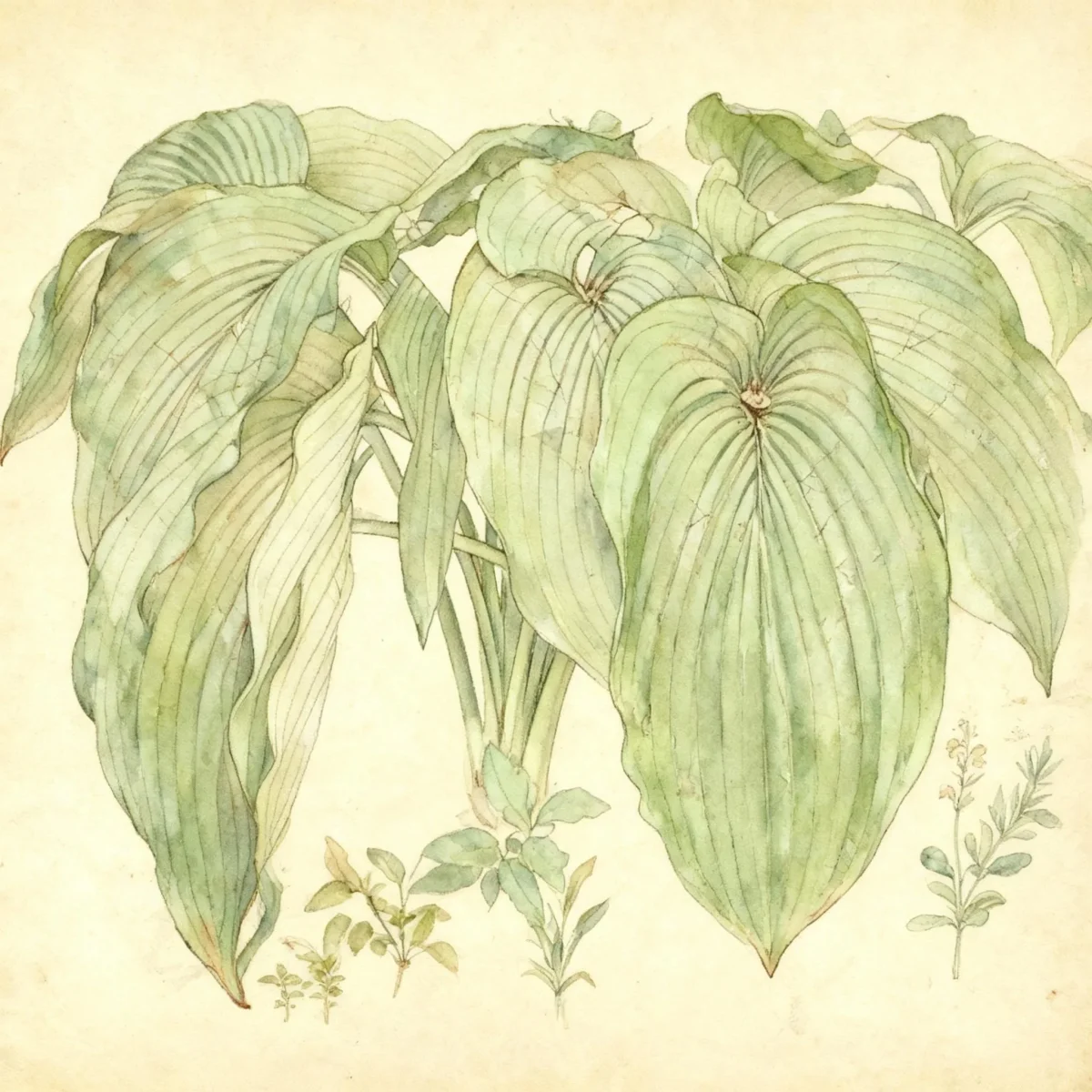
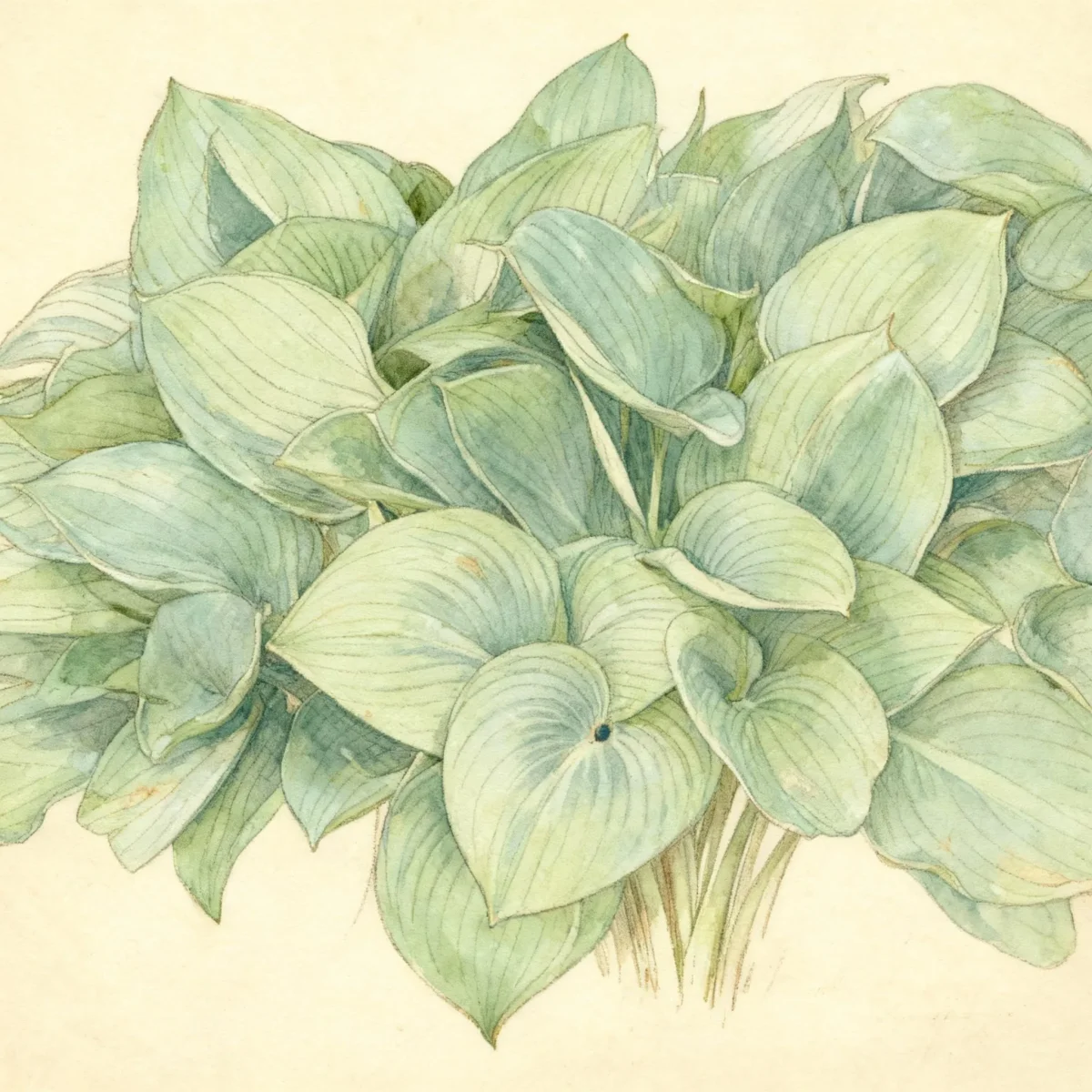
Hosta (Hosta 'Hasta Manana')
Hosta 'Hasta Manana' is a low-maintenance, colorful perennial perfect for deep shade gardens, valued for its chartreuse-gold foliage.
Scroll down to discover growing tips, care requirements, companion plants, and more
Complete Plant Information
Overview
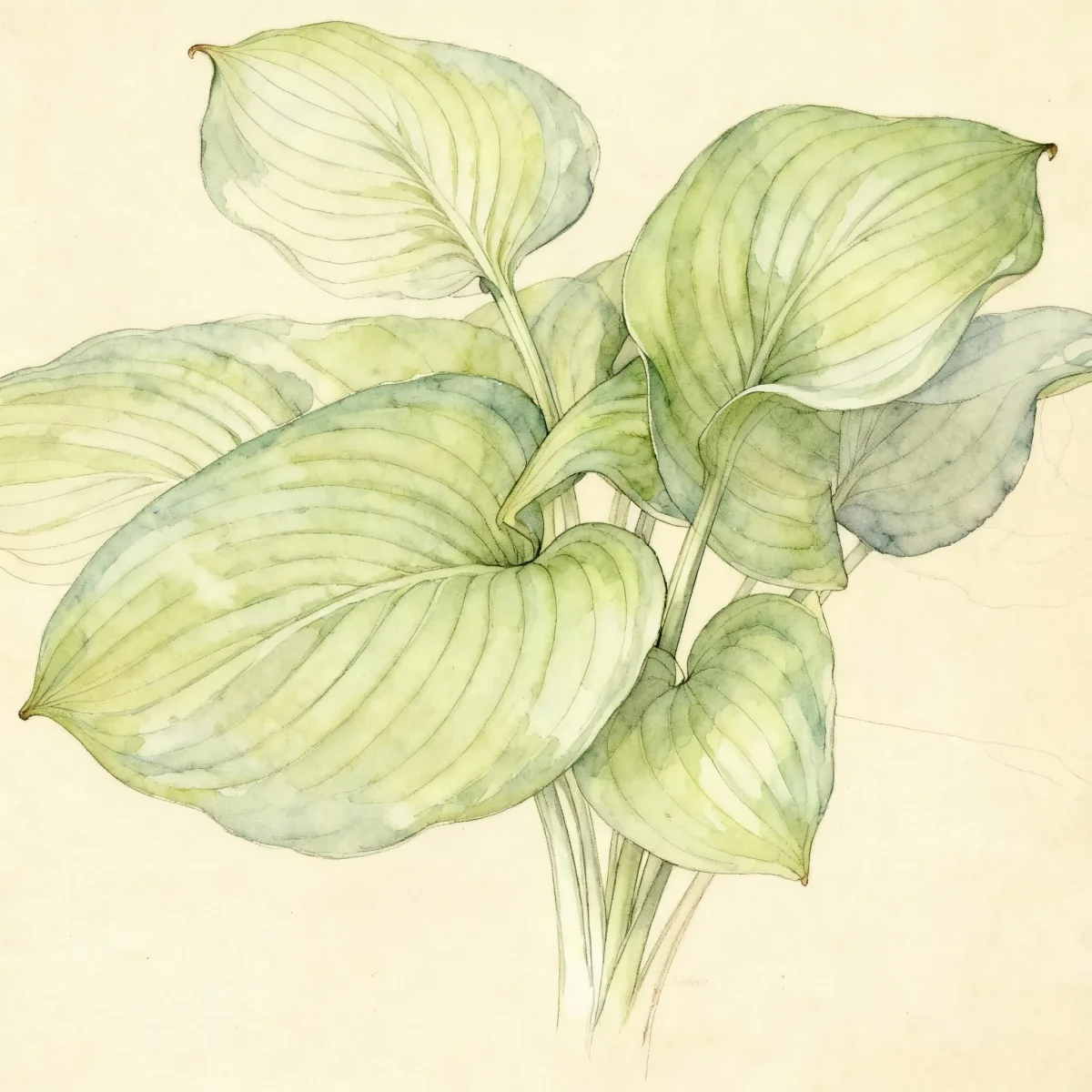
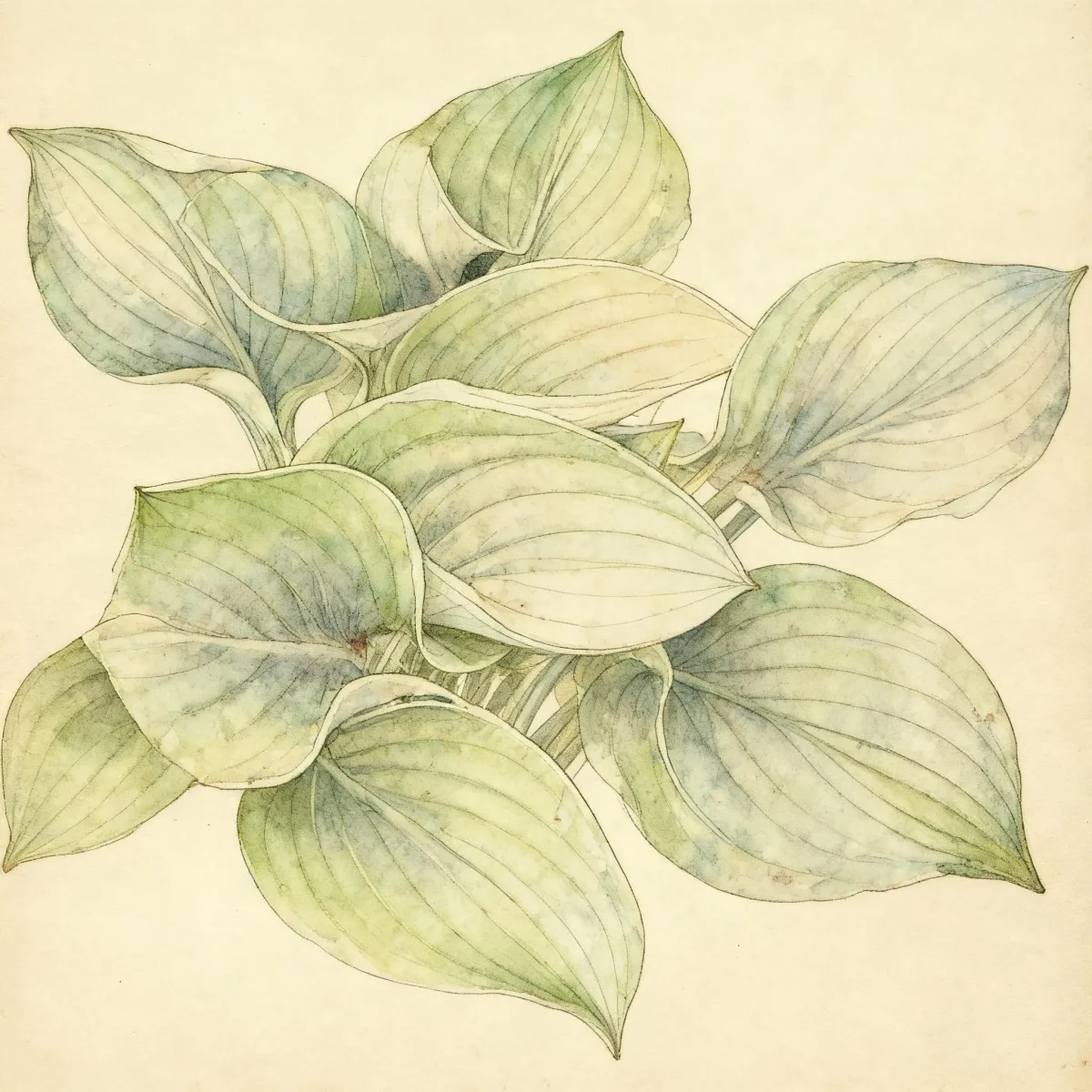
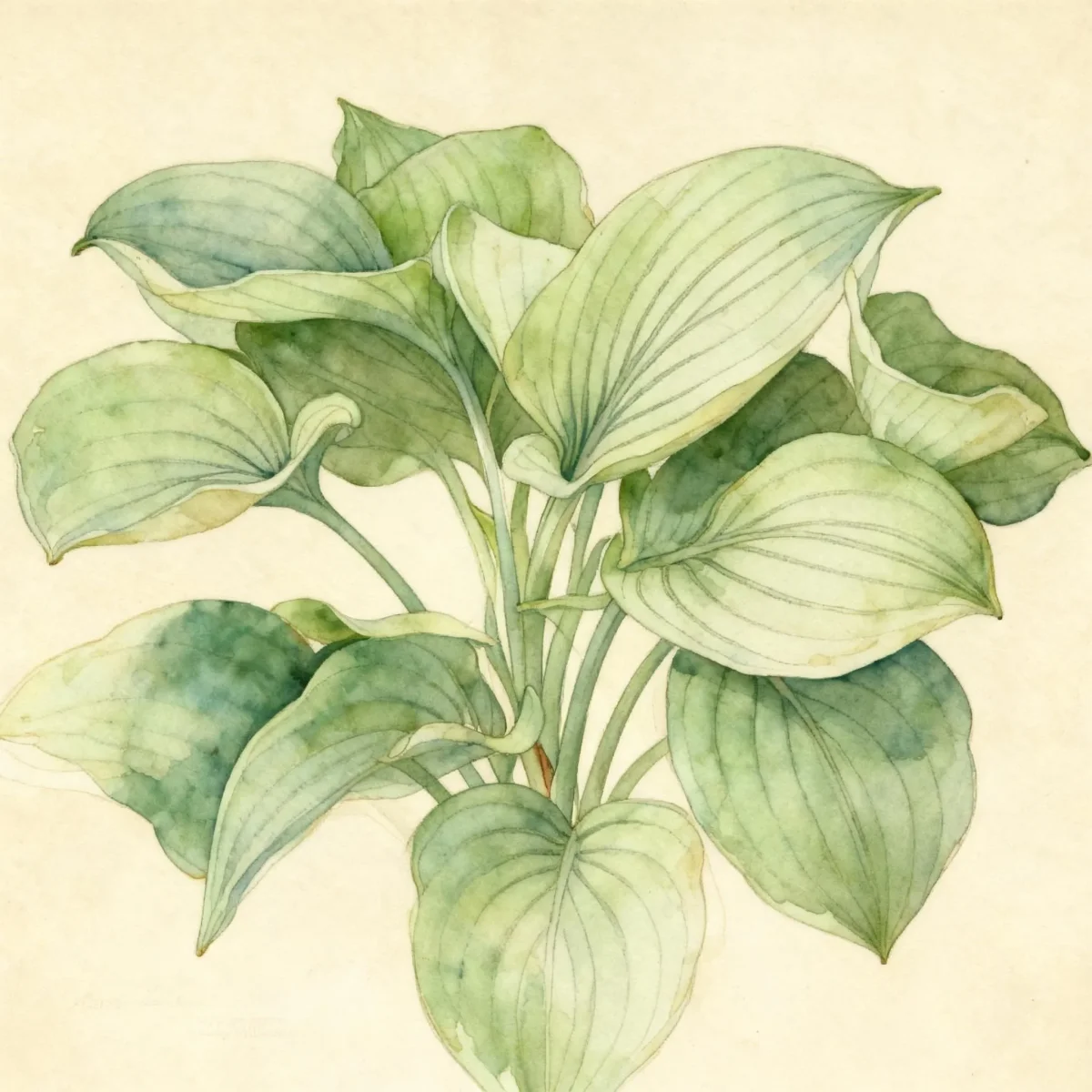
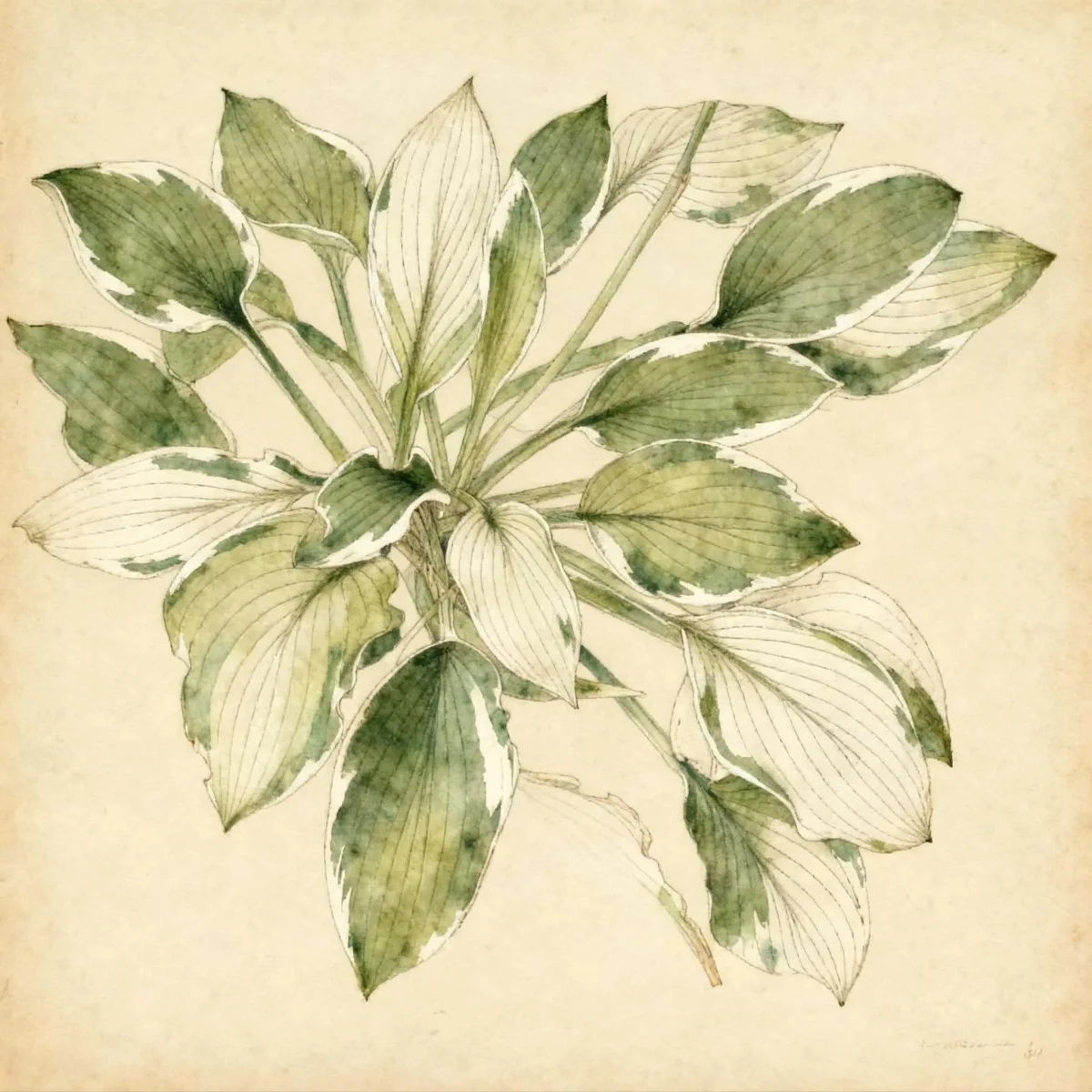
Hosta ‘Hasta Manana’ is celebrated for providing vibrant, long-lasting color even in the deepest shade areas of the landscape. This striking cultivar offers foliage that emerges bright apple green with a distinct white edge, quickly maturing to a beautiful chartreuse gold, ensuring continuous visual interest throughout the season. As a standard Hosta, it reliably forms dense, rounded mounds of foliage, functioning as the backbone for any successful shade garden design.
This herbaceous perennial is prized globally for its ornamental excellence rather than its blooms, though the light lavender flowers blooming mid-summer add a subtle accent. Hosta ‘Hasta Manana’ asks for relatively little in return for its beauty, boasting low maintenance needs once established in appropriate conditions. It brings structure and brilliant, often chartreuse, tone to dark corners where few other plants thrive.
Gardeners seeking reliable performance in challenging low-light environments will find Hosta ‘Hasta Manana’ indispensable. Its ability to tolerate heavy shade and difficult root competition (like Black Walnut) makes it a tough yet elegant solution for woodland settings or deep borders. Ensure consistent moisture for the best leaf quality and size for this gorgeous Hosta.
Fast Facts
- Plant Family: Asparagaceae
- Plant Type: Herbaceous perennial
- Hardiness Zones: USDA Zones 3-8
- Size at Maturity:
- Height: 1-1.5 ft
- Spread: 1.5-3 ft
- Bloom Time: July to August
- Bloom Description: Light lavender
- Sun Exposure: Part shade to full shade
- Water Needs: Medium
- Maintenance Level: Low
How to Grow
Planting Hosta ‘Hasta Manana’ is best done in the spring or autumn when the soil is workable, allowing the rhizomatous crown to establish before extreme weather hits. They require evenly moist, organically rich, well-drained soils. While they perform best in dappled sunlight or part shade, this specific Hosta handles deep shade well. To maximize the chartreuse coloring of the foliage, aim for morning sun or consistent dappled light rather than unrelieved darkness.
Watering is crucial for achieving full size and maintaining leaf crispness; soils should never be allowed to dry out completely, although established plants show tolerance for dry shade. When watering, direct moisture to the soil beneath the broad leaves to minimize leaf spotting and fungal issues. Hostas are generally low maintenance, requiring minimal fertilization if the soil is rich in organic matter.
Pruning mostly involves cleaning up old leaves in early spring before new growth emerges, though this is optional. Divide your Hosta clumps as needed, typically in early spring before the leaves unfurl, or in the fall. Always choose a location protected from harsh winds, as strong gusts can physically shred the ornamental leaves of the Hosta ‘Hasta Manana’.
Landscape Uses
Hostas are foundational components in any successful shade garden, and Hosta ‘Hasta Manana’ excels due to its bright foliage offering contrast against dark greens. These plants are extremely effective when massed together to create a solid carpet of color, or used individually as bold specimens. They serve excellently as accents near woodland paths or tucked beneath deciduous trees.
Beyond massing, this Hosta works beautifully as a mid-height border filler or combined with plants that thrive in similar moist, shady conditions. Consider pairing Hosta ‘Hasta Manana’ with ferns that offer textural contrast, or with Astilbe, which appreciates the shade and complements the Hosta foliage with its own upright plumes of color. The bright gold hue also works well near dark mulch or gray stepping stones for visual pop.
This plant is a mainstay for creating cool, lush woodland effects. For shady borders, it provides excellent background structure while its light-catching leaves illuminate dark areas, ensuring the garden remains appealing even when flowers are scarce.
Standout Features
Flower Qualities
- Showy
Noteworthy Characteristics
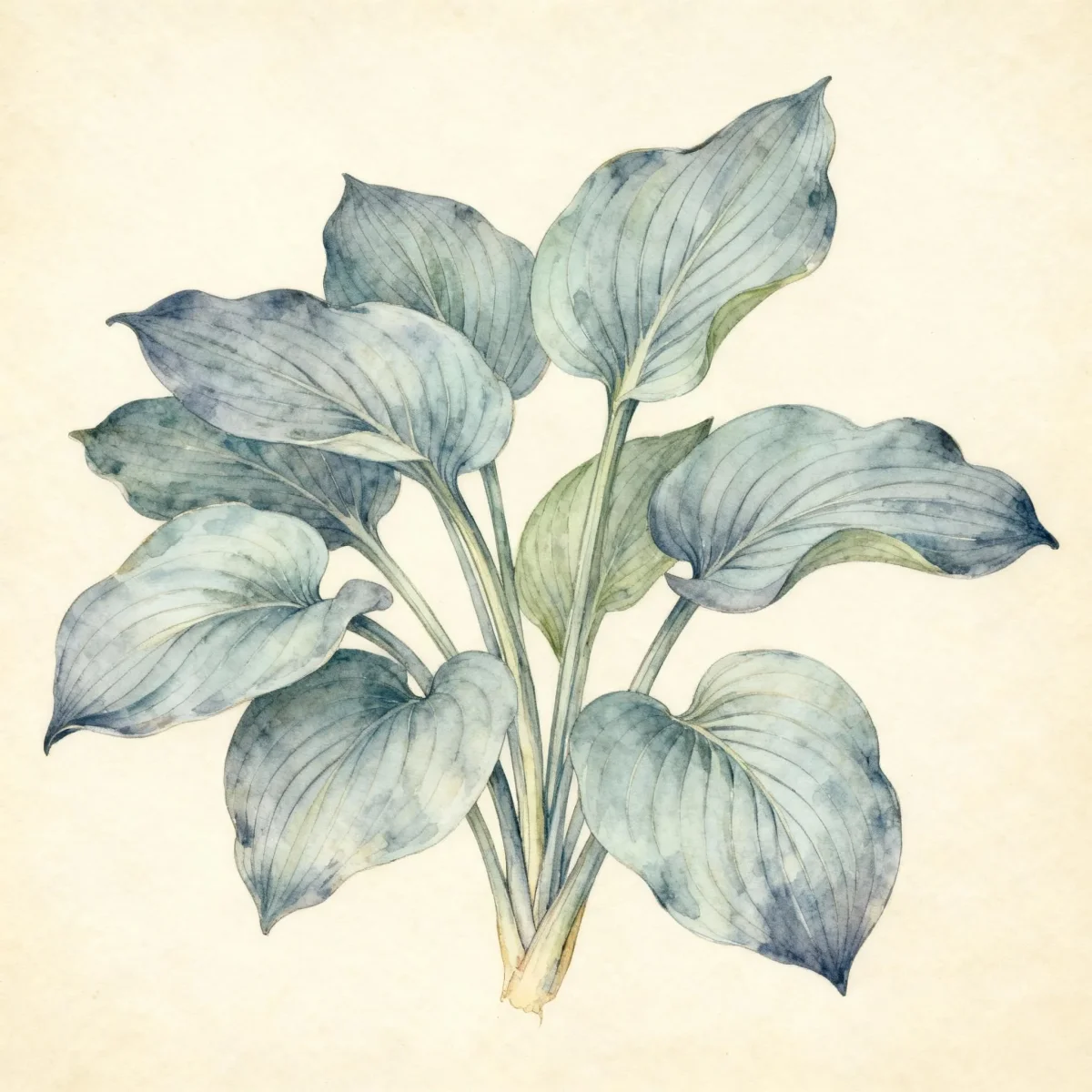
Hosta is a genus primarily grown for its ornamental foliage: stalked, conspicuously-veined, dense basal leaves rise from a rhizomatous crown to form a mound. ‘Hasta Manana’ specifically has foliage that emerges apple green with a white edge, swiftly fading to chartreuse gold, providing a dynamic color shift. Bell or funnel-shaped flowers bloom atop sleek scapes in summer. The cultivar name translates to “see you tomorrow” in Spanish.
Tolerances
- Heavy Shade
- Black Walnut
Potential Problems
The primary aesthetic threat to Hosta ‘Hasta Manana’ is damage from slugs and snails, which chew unsightly, jagged holes in the foliage. Inspect leaves regularly, especially after rain, and employ appropriate deterrents or hand-picking methods quickly, as damage accumulates fast. Foliar nematodes can cause interveinal browning, while leaf spots and crown rot appear less frequently, often linked to poor drainage or excessive humidity.
Protecting your Hosta from larger pests is also key; deer and rabbits frequently consume Hosta leaves voraciously. Furthermore, physical damage from hail storms can severely shred exposed leaves. Proactive monitoring throughout the growing season will help maintain the pristine quality of this beautiful Hosta foliage.
Frequently Asked Questions
What hardiness zones is Hosta suitable for?
Hosta ‘Hasta Manana’ is a reliable perennial suitable for USDA Zones 3 through 8.
How large does Hosta ‘Hasta Manana’ grow?
This cultivar typically reaches a height between 1 and 1.5 feet, spreading out to 1.5 to 3 feet wide, forming a substantial mound.
What sun exposure does Hosta need?
Hosta ‘Hasta Manana’ prefers part shade to full shade, thriving best with some protection from intense afternoon sun to keep the foliage clean.
When does Hosta bloom?
The flowers of Hosta ‘Hasta Manana’ appear between July and August, displaying a light lavender color atop the foliage mounds.
Conclusion
Hosta ‘Hasta Manana’ remains a premier choice for adding year-round structure and brilliant chartreuse color to shaded garden spaces with minimal effort. Its low maintenance profile and tolerance for tough spots, including dry shade under Black Walnut, solidify the Hosta genus as an unparalleled shade garden staple. Before planting, confirm that your location falls within USDA Zones 3-8 and plan for consistent moisture for the very best results with your new Hosta ‘Hasta Manana’.
Companion Planting in Shade
When integrating Hosta ‘Hasta Manana’ into a densely shaded area, selecting companions that thrive in similar moist, low-light conditions is essential. For textural contrast, consider evergreen groundcovers like Sweet Woodruff (Galium odoratum), whose fine texture offsets the broad leaves of the Hosta. Also, pairing the bright gold tones of Hosta ‘Hasta Manana’ with deep, matte greens from plants like Japanese Forest Grass (Hakonechloa macra) enhances the visual impact of both.
Consider plants that bloom when the Hosta is not flowering to ensure continuous interest. Bleeding Hearts (Dicentra spectabilis) offer early spring color, while Goatsbeard (Aruncus dioicus) provides a taller, airy presence behind a row of these shade-loving perennials. This layered planting technique turns dark corners into vibrant, multi-textured retreats.
Seasonal Care Calendar for Hosta
Spring is the most crucial time for preparing your Hosta for the growing season. Wait until new shoots are just starting to emerge before cutting back any remaining dead foliage from the previous year. This is also the ideal time for dividing overcrowded clumps of Hosta ‘Hasta Manana’ if you wish to propagate or reduce size.
During the summer months, focus primarily on consistent watering, especially during dry spells, making sure water reaches the root zone beneath the leaves. Monitor closely for pest activity, particularly early in the season when new leaves are tender and most attractive to slugs and snails. If flower scapes develop that you do not wish to see, deadheading them will redirect the plant’s energy back into foliage production, supporting the lushness of Hosta ‘Hasta Manana’.
In autumn, as temperatures cool, the foliage of this Hosta will begin to yellow naturally; allow leaves to remain until they fully die back before cutting them away. Resist the urge to mulch too heavily around the crown in winter; a light layer of organic matter is sufficient for winter protection in zones 3-8, preventing moisture buildup near the crown that can lead to rot.