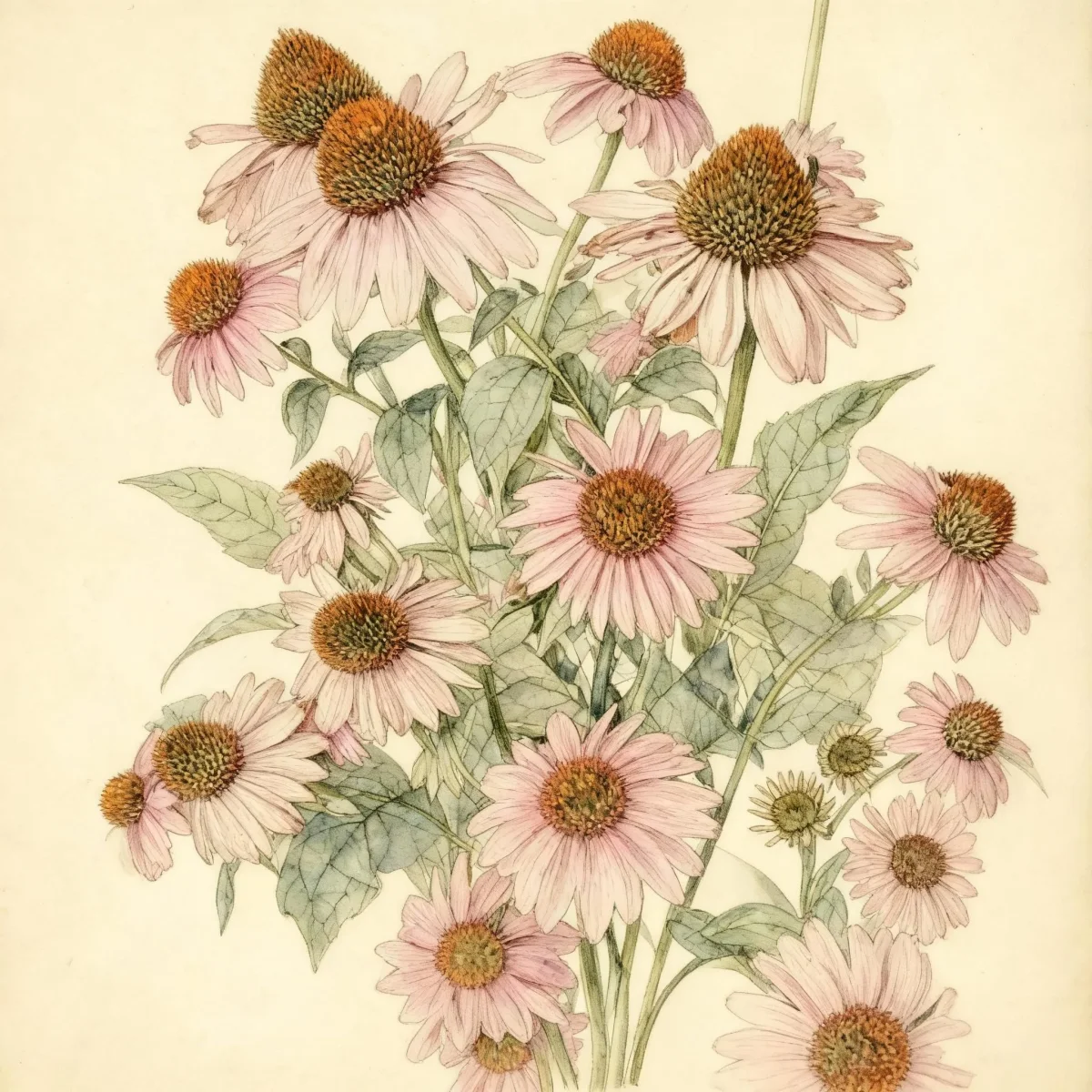
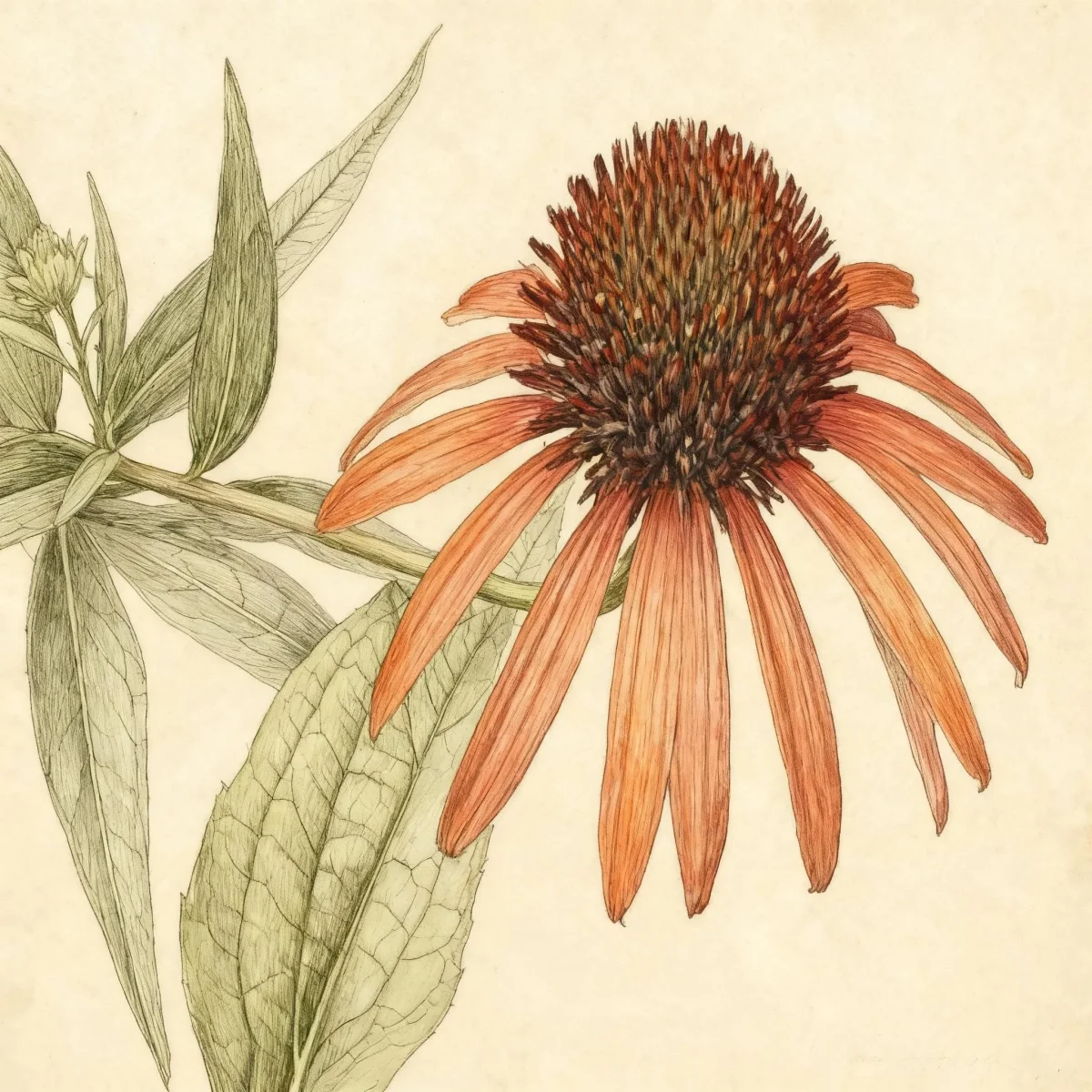
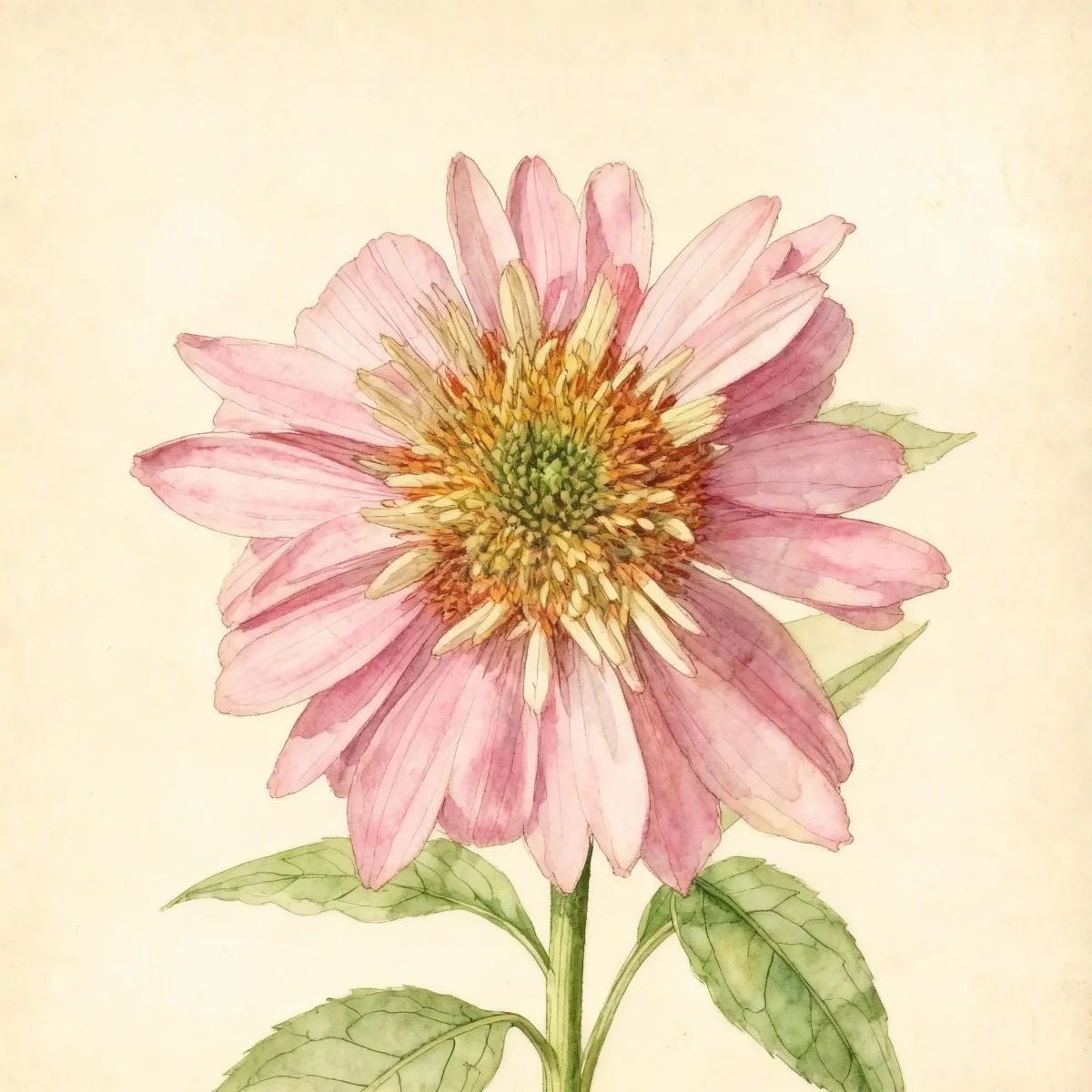
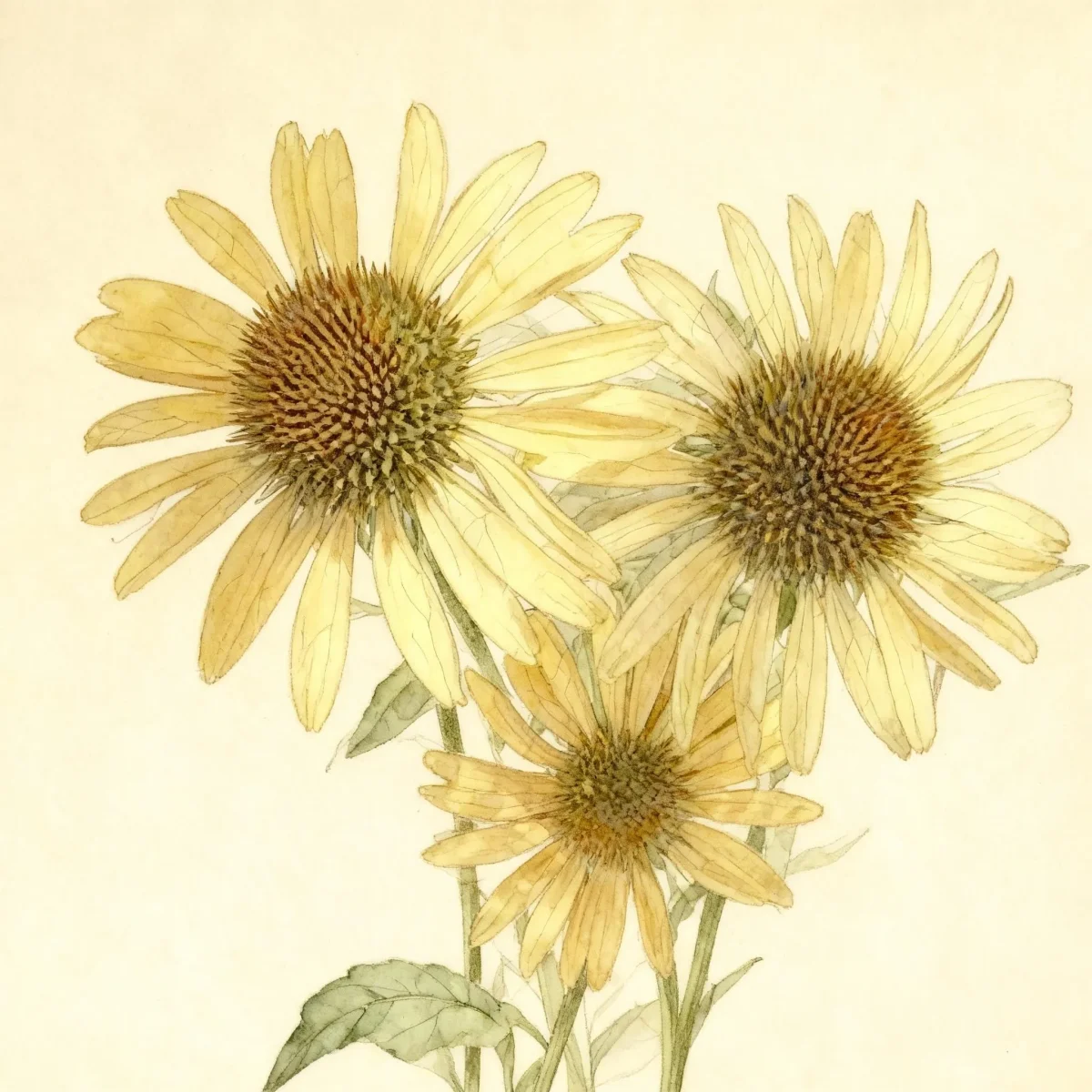
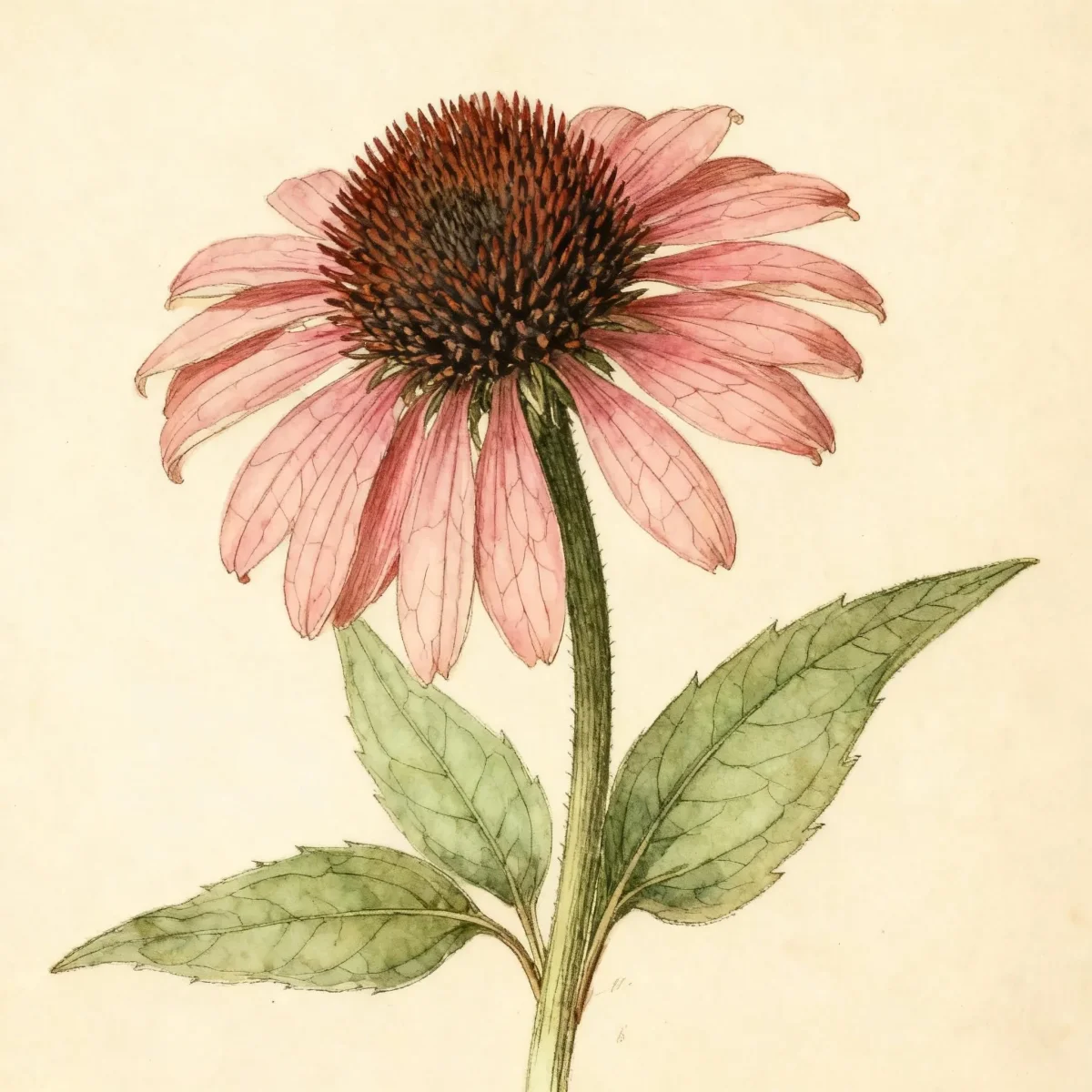
Coneflower (Echinacea 'TNECHKR' KISMET RASPBERRY)
Echinacea 'TNECHKR' KISMET RASPBERRY Coneflower offers showy, raspberry-pink blooms on dwarf plants. Low maintenance and drought tolerant.
Scroll down to discover growing tips, care requirements, companion plants, and more
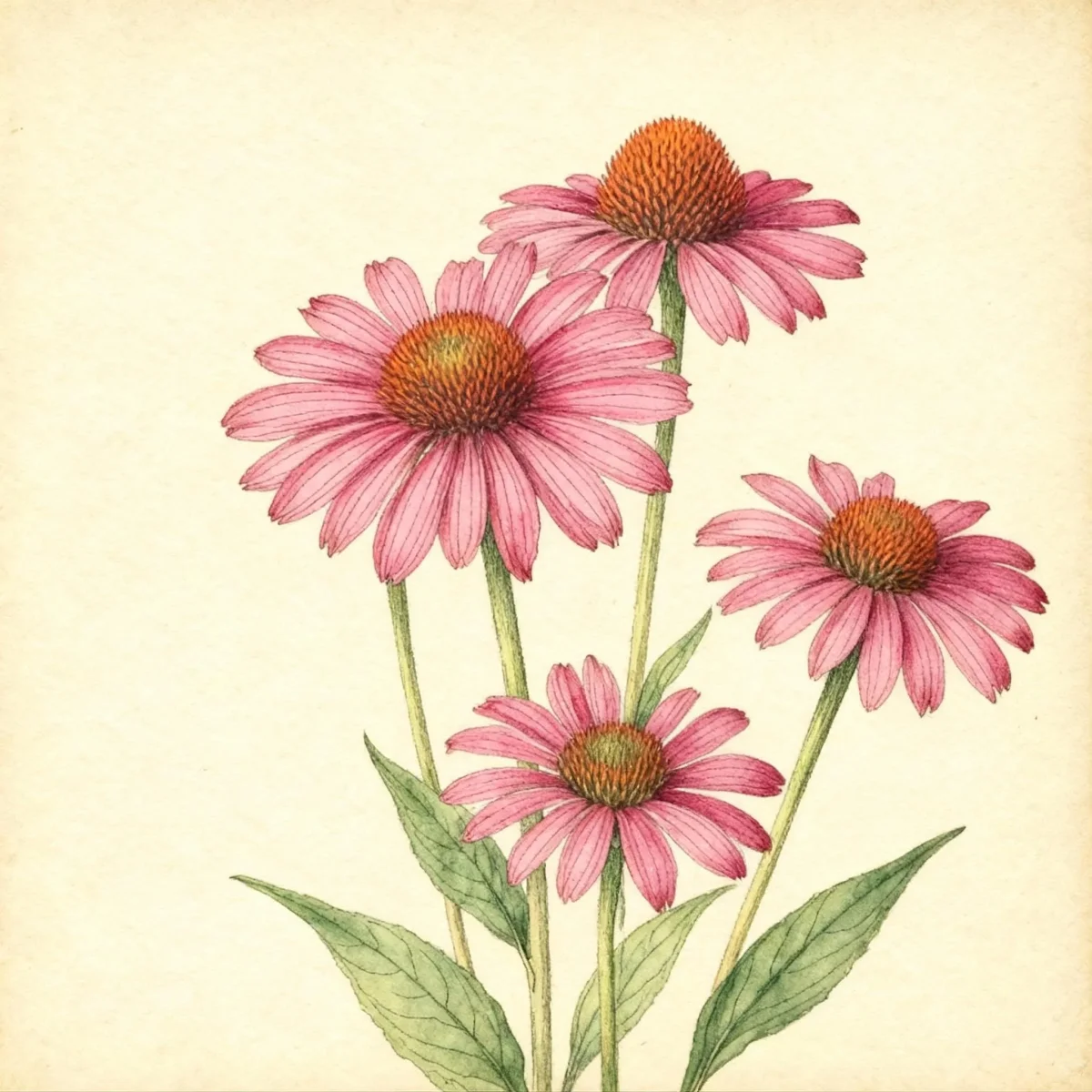
Complete Plant Information
Overview
Echinacea ‘TNECHKR’ KISMET RASPBERRY is a standout selection within the Coneflower family, prized for its abundant, long-lasting flowers. This variety features vibrant, raspberry-colored blooms that provide consistent color from early summer until the first hard frost. It offers significant aesthetic value without demanding intensive care, appealing to both novice and experienced gardeners.
As a hardy herbaceous perennial, this Coneflower establishes solid root systems and thrives across a wide range of climates, from Zone 4 through Zone 10. The compact, upright nature of Echinacea ‘TNECHKR’ KISMET RASPBERRY makes it versatile for various garden settings where space conservation is important. Its ability to adapt to tough conditions further cements its popularity in modern landscape design.
Beyond its visual appeal, the Coneflower supports local ecosystems by attracting essential insect pollinators during its long bloom window. Whether utilized as a specimen plant, massed together, or combined with contrasting textures, this cultivar provides excellent structure and reliable color, ensuring the garden remains engaging throughout the seasons.
Fast Facts
- Plant Family: Asteraceae
- Plant Type: Herbaceous perennial
- Hardiness Zones: USDA Zones 4-10
- Size at Maturity:
- Height: 1-1.5 ft
- Spread: 1.5-2 ft
- Bloom Time: June to frost
- Bloom Description: Bright pink
- Sun Exposure: Full sun to part shade
- Water Needs: Dry to medium
- Maintenance Level: Low
How to Grow
For optimal performance, plant Echinacea ‘TNECHKR’ KISMET RASPBERRY in well-drained soil. While adaptable to average soils, the plant strongly prefers locations receiving full sun, though it tolerates part shade. Planting during the spring allows the perennial sufficient time to establish its root structure before summer heat arrives.
Watering should be minimal once established; this Coneflower excels in dry to medium moisture conditions and possesses excellent drought tolerance. Overwatering in poorly draining soil is the quickest way to cause issues. Fertilizing is rarely necessary; the focus should remain on location and drainage quality.
Maintenance for this variety is generally low. Although plants rebloom well without intervention, prompt removal of spent flowers can encourage even more prolific blooming and maintain a tidy appearance. If clumps become overcrowded, dividing them every four years will refresh the vigor of the Echinacea ‘TNECHKR’ KISMET RASPBERRY patch.
Landscape Uses
The dwarf stature of Echinacea ‘TNECHKR’ KISMET RASPBERRY makes it an exceptional choice for border fronts where taller plants shouldn’t obscure views. Its vibrant display lends itself perfectly to mass planting schemes, creating swaths of rich raspberry color throughout the summer. Consider using this adaptable Coneflower in rock gardens for texture contrast or strategically placing it in partial shade areas of woodland gardens for structure.
This plant serves excellently as an accent specimen due to its continuous floral output and appealing habit. Because it is drought-tolerant, it pairs naturally with other heat-loving perennials like Sedums, ornamental grasses, or hardy Salvias that share similar low-water requirements once established.
Standout Features
Flower Qualities
- Showy
- Good Cut
- Good Dried
Noteworthy Characteristics
Echinacea is a genus of seven species all endemic to eastern and central North America. The genus name Echinacea comes from the Greek word echinos meaning hedgehog or sea urchin in reference to the spiny center cone found on most flowers in the genus. Echinacea ‘TNECHKR’, sold under the trade name of KISMET RASPBERRY, is noted for its large, raspberry-colored flowers on upright, dwarf, compact plants, boasting a long bloom time with abundant flowers of a deep rich color.
Tolerances
- Deer
- Drought
- Clay Soil
Potential Problems
Coneflowers, including Echinacea ‘TNECHKR’ KISMET RASPBERRY, are susceptible to a few common issues, primarily foliar diseases. Aster yellows, various fungal infections, and bacterial leaf spots can appear, often exacerbated by high humidity or overcrowding which restricts air circulation. Ensure good drainage and avoid overhead watering to mitigate these risks.
Insect pests to watch for include erythroid mites and Japanese beetles, although the overall low-maintenance profile suggests these are typically isolated incidents rather than widespread infestations. Healthy plants generally resist minor pest pressure more effectively.
Frequently Asked Questions
What hardiness zones is Coneflower suitable for?
Echinacea ‘TNECHKR’ KISMET RASPBERRY is reliably hardy in USDA Zones 4 through 10, making it suitable for a vast region of North America.
How large does Echinacea ‘TNECHKR’ KISMET RASPBERRY grow?
This compact variety typically reaches a height between 1 and 1.5 feet tall, spreading to occupy a space between 1.5 and 2 feet wide.
When does Coneflower bloom?
This specific Coneflower starts blooming in June and continues to flower consistently until the first frost arrives, producing bright pink coloration.
What sun exposure does Echinacea ‘TNECHKR’ KISMET RASPBERRY need?
It performs best in full sun but is adaptable enough to thrive in locations receiving only part shade, though sunlight is key for maximum flowering.
Conclusion
The Echinacea ‘TNECHKR’ KISMET RASPBERRY provides dependable, low-maintenance beauty with its long season of raspberry-pink flowers, offering excellent value for wildlife and garden structure. Incorporate this versatile Coneflower into your planting plan by ensuring you select a site that receives ample sunlight and has well-draining soil compatible with your local hardiness zone.
Companion Planting
When planning a mixed border around your Echinacea ‘TNECHKR’ KISMET RASPBERRY, selecting companions with similar textural and drought requirements will maximize health and visual impact. Consider pairing these coneflowers with plants that thrive in full sun and prefer dry to medium conditions. Good partners include Yarrow (Achillea), which offers flat-topped blooms contrasting nicely with the cone shape of the Echinacea, and various upright ornamental grasses that lend movement without demanding extra water.
Groundcovers that tolerate dry feet, such as creeping Thyme or certain varieties of creeping Phlox, can be used around the base to suppress weeds while accentuating the compact height of this perennial. Grouping the Coneflower with others in the Asteraceae family, like Rudbeckia, creates a cohesive, pollinator-friendly tapestry that blooms continuously through the summer months.
Wildlife Benefits
Coneflowers are superstars when it comes to supporting local insect life. The rich, accessible nectar in the heads of Echinacea ‘TNECHKR’ KISMET RASPBERRY attracts numerous butterflies, bees, and beneficial insects throughout its extended bloom period. The flowers are essential stops for pollinators looking for sustenance from June until frost.
Furthermore, letting the flowers mature past their prime offers a significant ecological benefit. The dried seed heads left standing through winter provide crucial food sources for seed-eating birds, notably goldfinches. This dual functionality—supporting pollinators while feeding birds—makes the Coneflower a high-value asset for naturalistic or wildlife-focused gardens.