Southern prickly-ash (Zanthoxylum clava-herculis)
Zanthoxylum clava-herculis, the Southern prickly-ash, is a spiny, low-maintenance tree native to the Southeast US.
Scroll down to discover growing tips, care requirements, companion plants, and more
Complete Plant Information
Overview
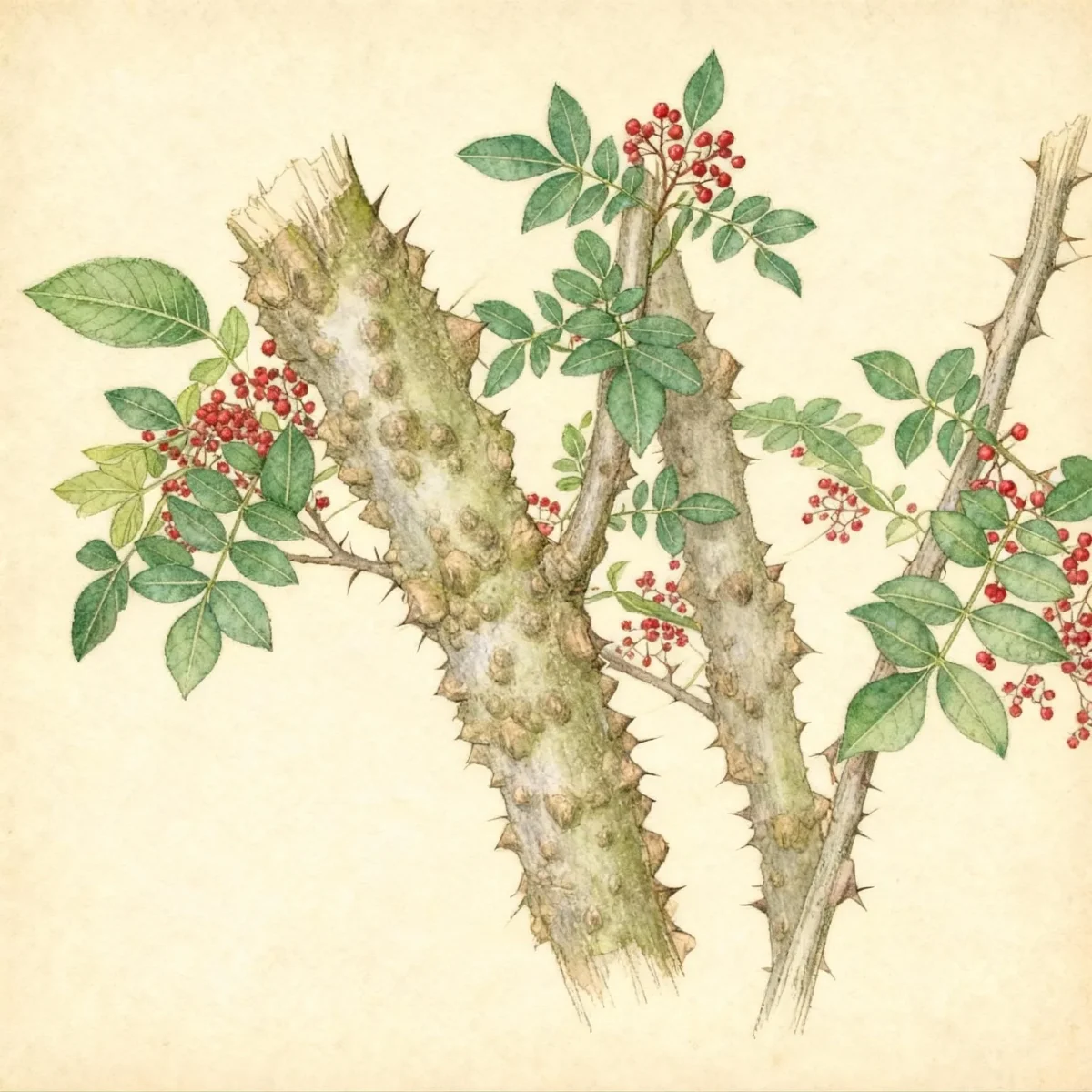
Zanthoxylum clava-herculis, commonly known as Southern prickly-ash, is a distinctive, small, deciduous tree native to the coastal plains of the Southeastern United States. It commands attention in the landscape due to its spiny trunk and branches, offering textural intrigue even when leafless. This member of the citrus family provides excellent structure and is remarkably well-suited for naturalized settings.
This plant provides low-maintenance appeal, thriving in conditions ranging from full sun to partial shade and tolerating somewhat poor soils. A key characteristic of Southern prickly-ash is its tendency to colonize areas by producing root suckers, often forming dense, somewhat impenetrable thickets suitable for screening or wildlife habitat.
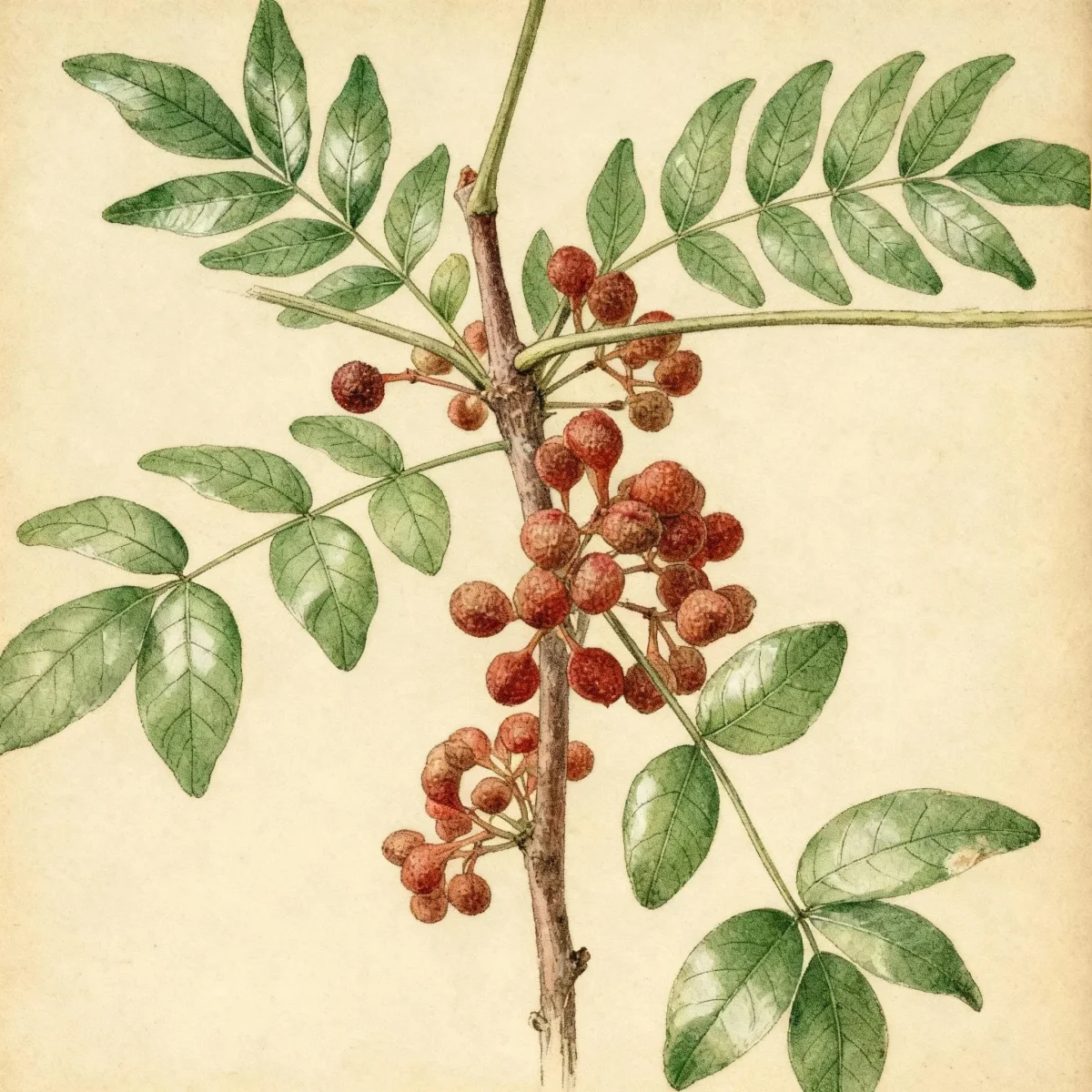
Beyond its structural form, Zanthoxylum clava-herculis offers subtle beauty with small, greenish-yellow to white flowers in spring, followed by interesting red seed pods on female specimens. Its aromatic foliage and bark provide multi-sensory interest, making it a uniquely valuable addition to native plantings across USDA Zones 7 through 9.
Fast Facts
- Plant Family: Rutaceae
- Plant Type: Tree
- Native Range: Southeastern United States
- Hardiness Zones: USDA Zones 7-9
- Size at Maturity:
- Height: 15-30 ft
- Spread: 10-25 ft
- Bloom Time: April to May
- Bloom Description: Greenish-yellow to white
- Sun Exposure: Full sun to part shade
- Water Needs: Medium
- Maintenance Level: Low
How to Grow
Planting Zanthoxylum clava-herculis is best achieved in spring or fall when conditions are cooler, allowing the root system to establish without heat stress. This species is highly adaptable, preferring moist, well-drained soils, but it tolerates poor soil conditions well, performing especially strongly in sandy coastal plain soils characteristic of its native habitats. Ensure the planting location offers at least partial sun exposure for optimal health.
Once established, Southern prickly-ash requires a medium level of water, generally benefiting from consistent moisture but capable of enduring brief dry spells, especially in its native sandy environments. Maintenance is inherently low; avoid heavy fertilization as this plant is adapted to nutrient-lean soils. Pruning is rarely required, though suckers should be managed if the dense thicket habit is undesirable.
The cultivation of Zanthoxylum clava-herculis requires understanding its dioecious nature—male and female flowers appear on separate trees. To ensure the appearance of the attractive red seed pods, you must have both male and female specimens planted nearby. This colonizing tendency means that while it excels in naturalized areas, it requires room to spread laterally via its root suckers.
Landscape Uses
While described as having somewhat limited purely ornamental value in highly manicured gardens, Zanthoxylum clava-herculis offers significant functional benefits for native landscaping. Its dense growth habit, facilitated by suckering, makes it exceptionally suitable for establishing tough, naturalized hedgerows or creating effective property screens where visual barriers are desired.
Integrate Southern prickly-ash into larger, naturalized woodland settings or native shrub borders where its unique texture and hardiness can be appreciated without the need for constant shaping. It thrives alongside other robust Southeastern natives that enjoy similar sun and soil profiles, such as various pines or native hollies, contributing to biodiverse habitats.
For informal borders or stabilizing slopes, the tough root system of the Southern prickly-ash is a major asset. It serves reliably in conservation planting schemes, providing shelter and food sources within a cohesive, low-input landscape design.
Standout Features
Flower Qualities
- Showy
- Fragrant
Noteworthy Characteristics
Zanthoxylum clava-herculis, commonly known as hercules-club, southern prickly ash, toothache tree, pepperbark or tingle tongue, is a small, spiny, often thicket-forming, gray-barked, small deciduous tree of the southeastern U.S. It is noted for its spiny trunk and branches plus its leathery compound leaves, often found growing in sandy soils on river banks, island bluffs or dunes. A unique feature is that Native Americans and early settlers chewed the bark and leaves of this tree as a toothache remedy, as the oils produce a tingling/numbing sensation in the mouth.
Tolerances
- The plant is highly tolerant of poor soils and is often found naturally in sandy environments.
Potential Problems
Zanthoxylum clava-herculis generally suffers from no serious insect or disease problems, making it an appealing, low-risk planting choice. Gardeners should be aware that Hercules-club serves as an important food plant for the larvae of the giant swallowtail butterfly. While natural browsing is a positive ecological interaction, if many caterpillars are present in a single season, considerable defoliation of the leaves may occur on your Southern prickly-ash specimens.
Frequently Asked Questions
What hardiness zones is Southern prickly-ash suitable for?
Zanthoxylum clava-herculis thrives in USDA Hardiness Zones 7 through 9.
How large does Southern prickly-ash grow?
This tree typically reaches a mature height between 15 and 30 feet, with a spread ranging from 10 to 25 feet wide.
What sun exposure does Southern prickly-ash need?
It establishes well in full sun but successfully tolerates partial shade conditions.
When does Zanthoxylum clava-herculis bloom?
The Southern prickly-ash flowers appear from April through May, displaying small greenish-yellow to white blooms.
Conclusion
The Zanthoxylum clava-herculis offers excellent structural interest and resilience, characterized by its easily identifiable spiny bark and aromatic foliage. As a relatively low-maintenance native, the Southern prickly-ash is a highly valuable asset for creating rugged, naturalized screens or woodland borders in the Southeast. Before planting, confirm your area falls within USDA Zones 7-9 and plan space for its natural spread.
Wildlife Benefits
The ecological value of Zanthoxylum clava-herculis extends significantly into local wildlife support. As noted, the leaves are a critical food source for the developing caterpillars of the magnificent giant swallowtail butterfly, directly supporting local insect populations. Furthermore, the fruits produced exclusively by female trees are red seed pods, which offer a food source for various bird species during the late fall and winter when other options may be scarce.
Planting both male and female specimens of Southern prickly-ash supports the entire lifecycle of these native insects and birds, enhancing backyard biodiversity significantly. Its dense, suckering habit also provides excellent cover and nesting opportunities for small game and birds seeking shelter from predators or harsh weather.
Propagation Tips
Propagation of Zanthoxylum clava-herculis is most successfully achieved using root cuttings or suckers rather than seeds, although seed collection is possible. For the root method, detach small suckers that have naturally appeared around the base of the mother plant, ensuring each cutting retains some healthy root tissue. These small plants can then be potted or planted directly into prepared soil during their dormant season.
If propagating by seed, collect the small red capsules in the fall after they mature on female trees. The seeds require cold stratification to break dormancy, often needing several months of chilling before they will germinate. This process naturally mimics winter conditions and is essential for successful germination of the seeds from the Southern prickly-ash.