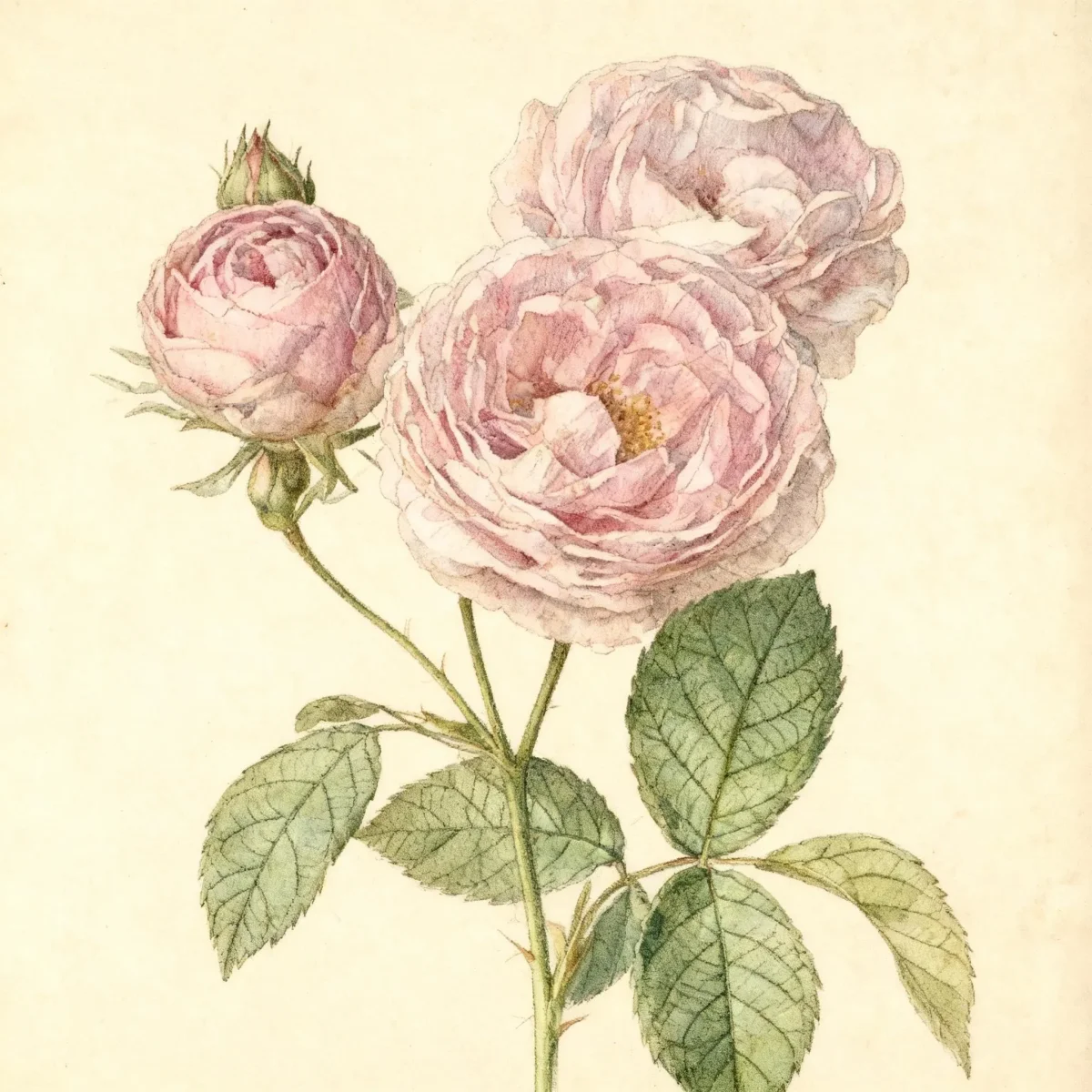
Shrub rose (Rosa 'BAIing' GRANDMA'S BLESSING)
The beautiful, disease-resistant Shrub rose Rosa 'BAIing' GRANDMA'S BLESSING offers dusty pink, fragrant blooms from May through frost in USDA Zones 4-9.
Scroll down to discover growing tips, care requirements, companion plants, and more
Complete Plant Information
Overview
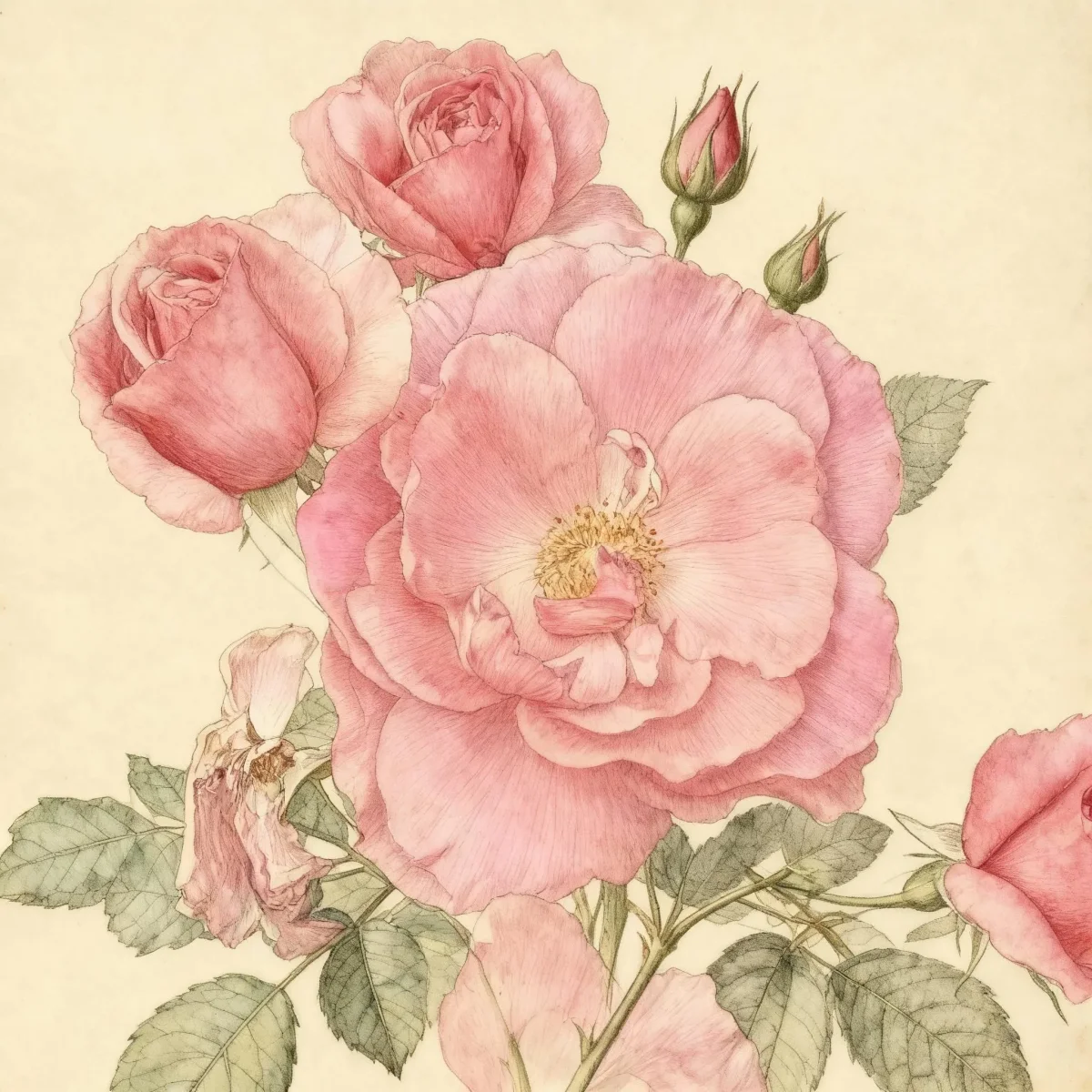
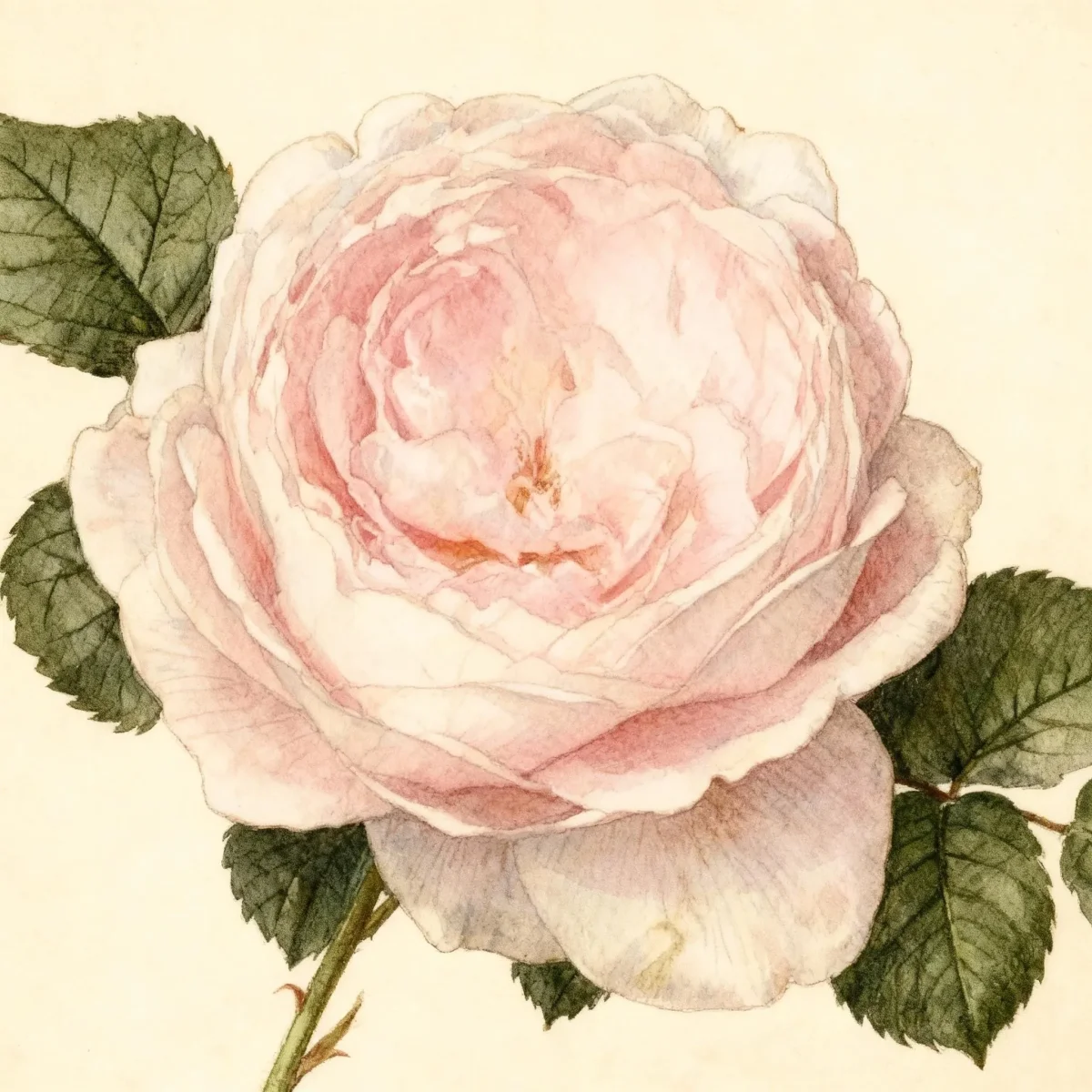
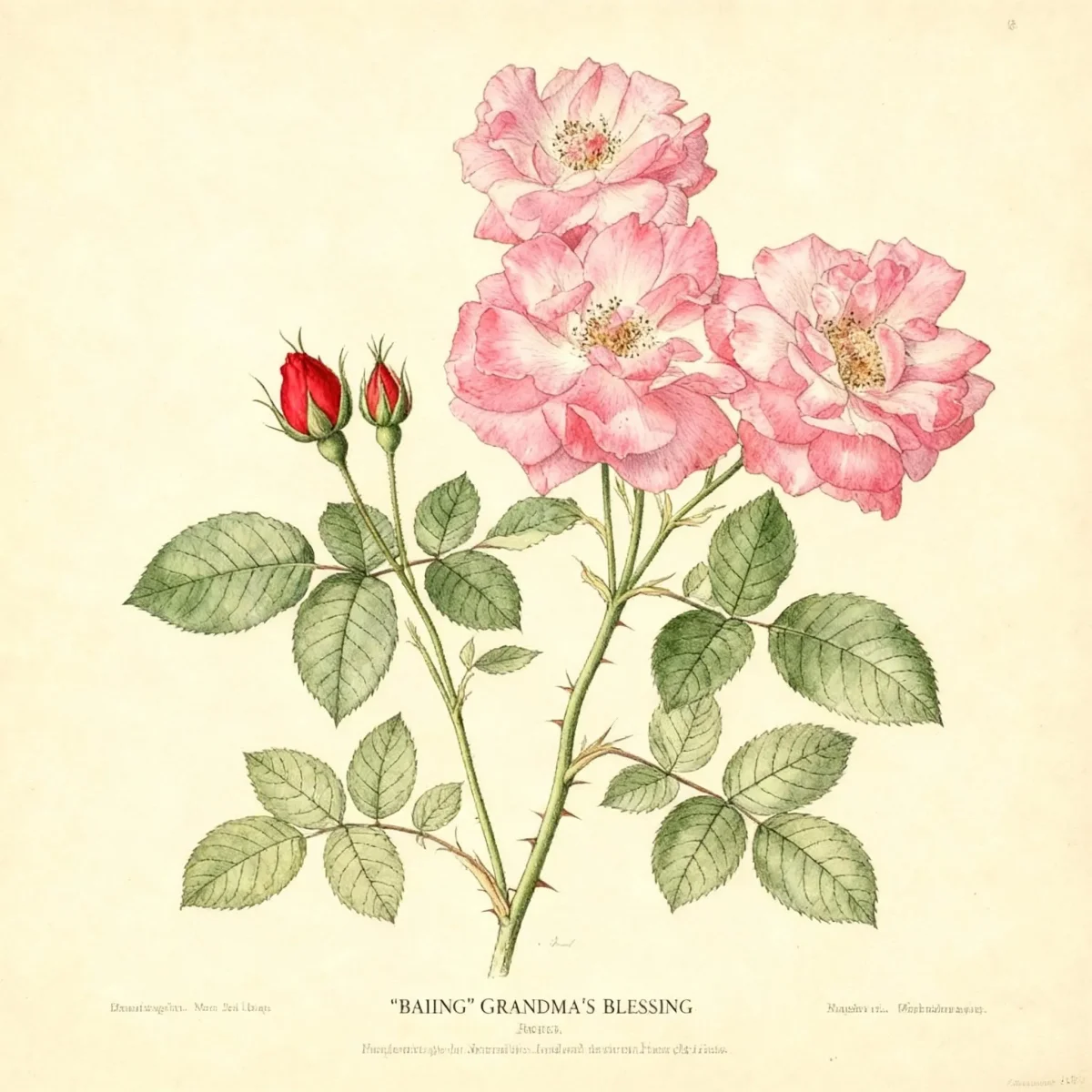
Rosa ‘BAIing’ GRANDMA’S BLESSING, commonly known as a Shrub rose, presents an upright, floriferous presence ideal for adding continuous color across the growing season. This cultivar stands out due to its inherent disease resistance, particularly against common issues like black spot and powdery mildew, making maintenance simpler for gardeners. Growing between 2.5 and 5 feet tall, this robust selection features glossy, dark green foliage that beautifully contrasts with its dusty pink, double flowers.
Gardeners appreciate Rosa ‘BAIing’ GRANDMA’S BLESSING for its reliability and excellent reblooming nature, providing steady color from late spring until the first hard frost. As an own-root selection, it offers superior integration into the landscape compared to grafted types. Whether used as a specimen or a functional hedge, this Shrub rose brings classic beauty and fragrance to mixed borders and cottage gardens.
The overall habit of Rosa ‘BAIing’ GRANDMA’S BLESSING leans towards being vase-shaped to gently rounded as it matures. Its slightly fragrant blooms ensure that this hardy variety contributes both visually and aromatically to any garden space where it is thoughtfully placed.
Fast Facts
- Plant Family: Rosaceae
- Plant Type: Deciduous shrub
- Hardiness Zones: USDA Zones 4-9
- Size at Maturity:
- Height: 2.5-5 ft
- Spread: 3-4 ft
- Bloom Time: May to frost
- Bloom Description: Pink
- Sun Exposure: Full sun
- Water Needs: Medium
- Maintenance Level: Medium
How to Grow
The best success for Rosa ‘BAIing’ GRANDMA’S BLESSING is achieved when planted in the late winter or early spring after the danger of severe frost has passed. It thrives best in medium moisture, slightly acidic, well-drained garden loams. While it tolerates part shade, best flowering performance and superior disease resistance are observed when the Shrub rose receives full sun exposure throughout the day.
Watering should be deep and consistent, ideally performed in the mornings to allow foliage to dry before evening. Avoid overhead watering to further mitigate fungal issues, as good air circulation is key to vigorous, healthy growth for this rose. Applying a layer of summer mulch helps conserve soil moisture, keeps the root zone cool, and suppresses competing weeds.
To encourage continuous rebloom through the season, diligently deadhead spent flowers throughout the summer. Pruning for shape and health should be performed in late winter or early spring before new growth begins. In colder reaches within its range (like Zone 4), providing winter protection for the crowns is advisable. Throughout the season, practice good sanitation by removing and destroying any diseased or dead leaves found beneath the plant.
Landscape Uses
Rosa ‘BAIing’ GRANDMA’S BLESSING is a versatile addition to the landscape, excelling when utilized as a formal or informal hedge due to its upright nature and reliable coverage. Beyond hedging, utilize this Shrub rose as a stunning specimen planting where its continuous bloom display can be fully appreciated, or integrate it massed in cottage gardens for a lush, romantic feel. It also works well positioned near foundations, provided adequate air circulation is maintained around the foliage.
This disease-resistant variety pairs beautifully with complementary structural plants that share its love for full sun, such as Russian Sage or ornamental grasses that soften its edges in the border. Consider pairing the dusty pink blooms of Rosa ‘BAIing’ GRANDMA’S BLESSING with white or pale yellow perennials for maximum contrast and brightness. Its manageable size also prevents it from overwhelming smaller beds, maintaining a neat structure year-round.
Standout Features
Flower Qualities
- Showy
- Fragrant
Noteworthy Characteristics
The genus Rosa is noted for its deciduous shrubs renowned for beautiful flowers, often fragrant, in single, semidouble, or double forms borne on prickly stems. Shrub roses like Rosa ‘BAIing’ GRANDMA’S BLESSING are diverse hybrids typically yielding clusters of flowers multiple times annually, requiring less rigorous pruning than hybrid teas. This specific selection, sometimes marketed as GRANDMA’S BLESSING, is highly valued for its upright, floriferous, and disease-resistant nature, featuring glossy, dark green leaves and dusty pink, slightly fragrant, double flowers reaching up to 5 feet tall.
Potential Problems
Roses, including this Shrub rose, face potential issues from diseases like black spot, powdery mildew, rust, and rose rosette. While good gardening practices are the first defense, regular preventative fungicide applications are often necessary, especially in humid climates susceptible to noticeable fungal outbreaks. Common insect pests to watch for involve aphids, scale, spider mites, and borers, though the superior resistance of Rosa ‘BAIing’ GRANDMA’S BLESSING limits the threat from black spot and powdery mildew significantly. Managing these issues involves prompt removal of diseased material and applying targeted treatments when cultural control proves insufficient.
Frequently Asked Questions
What hardiness zones is Shrub rose suitable for?
Rosa ‘BAIing’ GRANDMA’S BLESSING is generally suitable for USDA Hardiness Zones 4 through 9.
How large does Rosa ‘BAIing’ GRANDMA’S BLESSING grow?
This Shrub rose typically reaches a height between 2.5 to 5 feet tall and spreads approximately 3 to 4 feet wide at maturity.
What sun exposure does Rosa ‘BAIing’ GRANDMA’S BLESSING need?
For the best health and most abundant blooms, the plant requires full sun exposure.
When does Shrub rose bloom?
Rosa ‘BAIing’ GRANDMA’S BLESSING blooms consistently from May until frost, producing lovely pink flowers throughout this long season.
Conclusion
The Rosa ‘BAIing’ GRANDMA’S BLESSING Shrub rose is an outstanding choice for reliable garden performance, offering fragrant, showy pink blooms combined with enhanced disease resistance. Its moderate size and reblooming habit make it an excellent landscape workhorse. Ensure you check that your hardiness zone falls within USDA 4-9 and plan your planting during the optimal early spring window for best results with this valuable rose cultivar.
Companion Planting Ideas
Selecting appropriate companions is crucial for improving air circulation and aesthetics around your Shrub rose. Plants that prefer full sun and similarly well-drained soil will thrive alongside it. Consider using low-growing, drought-tolerant perennials like creeping thyme or sedums as groundcovers around the base, which help keep the root zone cool without competing excessively for moisture.
For vertical contrast, upright perennials such as Salvia ‘May Night’ or various ornamental grasses provide excellent texture while remaining far enough away to prevent shading the lower foliage of the Rosa ‘BAIing’ GRANDMA’S BLESSING. Avoid planting shallow-rooted, competitive annuals directly against the rose base, which can hinder air movement around the critical crown area.
Seasonal Care Calendar
In early spring, before active growth starts, this is the ideal time to perform any major pruning on your Rosa ‘BAIing’ GRANDMA’S BLESSING to shape the plant and remove dead wood. As summer progresses, focus on deadheading spent flowers consistently to maximize the duration of the bloom period extending toward frost.
Mid-summer is a critical time for aggressive sanitation; diligently remove and destroy any fallen or affected leaves, especially if you notice signs of fungal competition despite the plant’s resistance. Ensure deep watering continues through dry spells, always directing water to the base of the plant rather than overhead.
As autumn arrives, focus shifts to preparing the plant for winter protection if necessary, particularly in colder Zone 4 pockets. Cease heavy fertilization to encourage dormancy and ensure adequate cleanup of all fallen debris around the plant before the ground freezes solid.