Psephellus (Psephellus pulcherrimus)
Discover Psephellus pulcherrimus, a low-maintenance, drought-tolerant perennial offering showy rose-pink blooms in early summer.
Scroll down to discover growing tips, care requirements, companion plants, and more
Complete Plant Information
Overview
Psephellus pulcherrimus, often recognized by the common name Psephellus, brings vibrant color and resilience to the garden. This herbaceous perennial is valued for its striking, rose-pink cornflowers that brighten early summer landscapes. Its robust nature makes it an excellent choice for gardeners seeking high impact with minimal effort.
Originating from the rocky slopes of the Caucasus Mountains, Psephellus pulcherrimus thrives in conditions that challenge less forgiving plants. It handles dry soil and heat well once established, requiring only average, well-drained conditions in full sun. This adaptability ensures the plant remains a reliable performer year after year.
For gardeners looking to establish low-water borders or alpine features, this species offers significant aesthetic return. The unique coloration of the blooms contrasts beautifully with its gray-green foliage, establishing Psephellus as a standout plant in Mediterranean or xeriscaping designs.
Fast Facts
- Plant Family: Asteraceae
- Plant Type: Herbaceous perennial
- Hardiness Zones: USDA Zones 4-8
- Size at Maturity:
- Height: 1-1.5 ft
- Spread: 0.75-1 ft
- Bloom Time: June to July
- Bloom Description: Rose-pink
- Sun Exposure: Full sun
- Water Needs: Dry to medium
- Maintenance Level: Low
How to Grow
Plant Psephellus pulcherrimus in the spring or fall in a location that receives full sun exposure throughout the day. The primary requirement for establishing this plant successfully is excellent drainage; it performs well even in shallow or rocky soils that are considered poor by other standards. Perform initial watering to settle the roots, focusing on deep, infrequent watering until the plant is established.
Once established, the maintenance level for this perennial is decidedly low. Psephellus is notably drought tolerant, thriving in dry to medium moisture regimes. Avoid overwatering, which can lead to root issues, especially in heavy soils. It readily adapts to alkaline soil conditions, making it useful in challenging, high-pH garden sites.
To encourage continued flowering through the bloom period, promptly remove the spent flower stalks cut back to the ground after the initial flush in June and July. No routine fertilization is generally necessary, as rich soils can encourage weaker, floppier growth in this sun-loving alpine native.
Landscape Uses
Psephellus pulcherrimus excels in areas where hardiness and low water use are priorities. It is particularly useful when massed, transforming rock gardens or dry borders into vibrant focal points during the summer months. The plant’s moderate height (1 to 1.5 feet) positions it perfectly for the front or middle of a perennial border, offering texture and color just above ground cover plants.
Consider using this species in mixed dry-stone walls or scree gardens, capitalizing on its tolerance for shallow, rocky substrates. Companions should share similar sun and drainage needs; look towards other drought-tolerant Mediterranean natives like Sedum, Thyme, or certain varieties of Lavender that won’t swamp the relatively delicate structure of the Psephellus.
Its consistent, low-profile growth habit makes it an excellent edging plant where a neat and tidy silhouette is required. If you have areas of poor, dry native soil, planting Psephellus offers a guaranteed splash of rose-pink color where other perennials might struggle.
Standout Features
Flower Qualities
- Showy
Noteworthy Characteristics
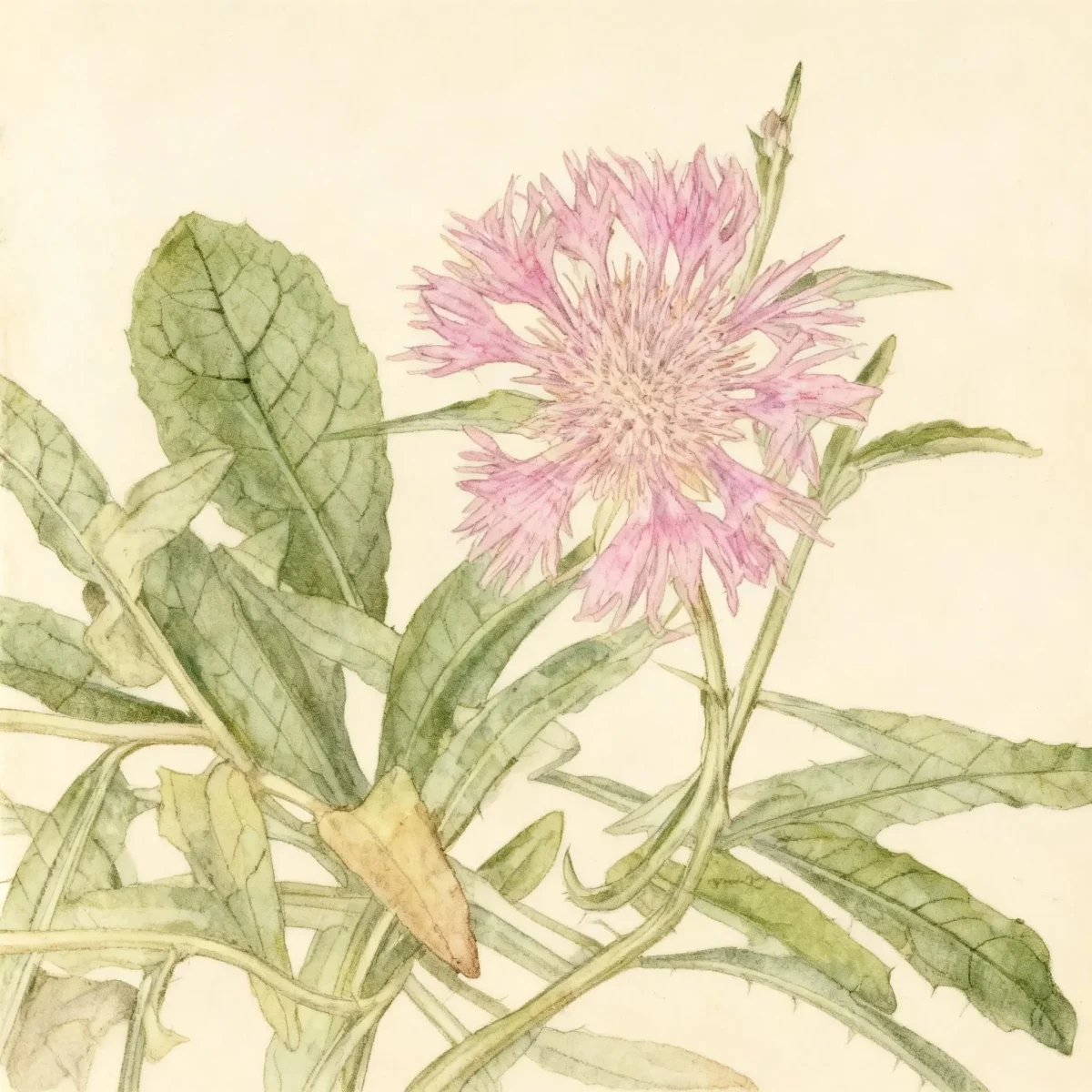
Psephellus pulcherrimus, sometimes called pink bachelor’s button, is an erect, clump-forming perennial that features rose-pink cornflowers (to 2” diameter) with pinkish-white centers and silvery-yellow involucre bracts. Flowers appear in late spring to early summer singly atop slender, unbranched, sparsely-leaved stems typically growing 12-16” tall. Pinnately-dissected, lance-shaped, gray-green basal leaves (to 10” long).
Tolerances
- Drought
- Dry Soil
- Shallow-Rocky Soil
Potential Problems
Fortunately, Psephellus pulcherrimus is generally quite resistant to serious pests and diseases. Care should be taken to ensure excellent soil drainage, as soggy conditions can predispose the plant to stem rot. While generally robust, gardeners may occasionally encounter fungal issues such as rust, particularly in periods of high humidity combined with poor air circulation.
Occasionally, observation may reveal signs of aster yellows, a serious, potentially debilitating disease spread by leafhoppers. Management involves promptly removing and destroying any infected plants to prevent further spread, as there is no chemical cure. Protecting your Psephellus by providing its preferred dry, sunny site is the best preventative measure against most common ailments.
Frequently Asked Questions
What hardiness zones is Psephellus suitable for?
This durable perennial, Psephellus pulcherrimus, is suitable for USDA Hardiness Zones 4 through 8.
How large does Psephellus grow?
At maturity, expect Psephellus pulcherrimus to reach a height between 1 and 1.5 feet tall, with a spread generally contained between 0.75 and 1 foot wide.
When does Psephellus bloom?
The flowering period for this plant is typically from June to July, displaying attractive rose-pink blooms.
What sun exposure does Psephellus need?
Psephellus requires full sun to perform best and develop the most durable, compact habit.
Conclusion
The reliability and aesthetic appeal of Psephellus pulcherrimus define it as an essential component for low-water, high-sun garden spaces. Its tough nature, coupled with its showy, rose-pink blooms available in early summer, ensures Psephellus will remain a favored choice for experienced and novice gardeners alike. Assess your site conditions; if you have full sun and well-draining soil, plan to incorporate this resilient perennial this coming planting season.
Companion Planting
When selecting neighbors for Psephellus pulcherrimus, focus on species that share its preference for bright light and low soil moisture. Plants native to rocky, sunny environments make natural companions. Consider pairing the height and texture of this perennial with creeping thyme (Thymus serpyllum) to cover the soil surface, or utilize low-growing stonecrops (Sedum) which offer contrasting foliage color and similar drought proofing.
For slightly taller companions that bloom later in the summer, look towards species like Russian Sage (Perovskia atriplicifolia) or certain varieties of ornamental grasses that thrive in dry heat. By selecting companions that do not require consistent moisture, you ensure that watering regimens remain consistent for the entire planting group, benefiting the overall health of your Psephellus.
Propagating Hardy Perennials
Though Psephellus pulcherrimus is easily grown from seed, division is often the simplest route for home gardeners looking to increase their stock or refresh older clumps. The best time for dividing this herbaceous perennial is in the early spring before new growth has significantly emerged, or in early fall after the worst of the summer heat has passed.
To divide, carefully lift the established clump using a sharp spade, ensuring you minimize root disturbance. Use a clean, sharp tool to separate the crown into sections, making sure each division has a healthy mass of roots and at least a few points of new growth. Replant the new divisions immediately at the same depth they were previously growing.
Immediate aftercare following division is crucial. Water the newly planted sections thoroughly to settle the soil around the roots, especially if dividing later in the season. Because Psephellus prefers dry conditions, avoid heavy mulching immediately over the crown of the new plants, which can hold too much moisture in the critical establishment phase.