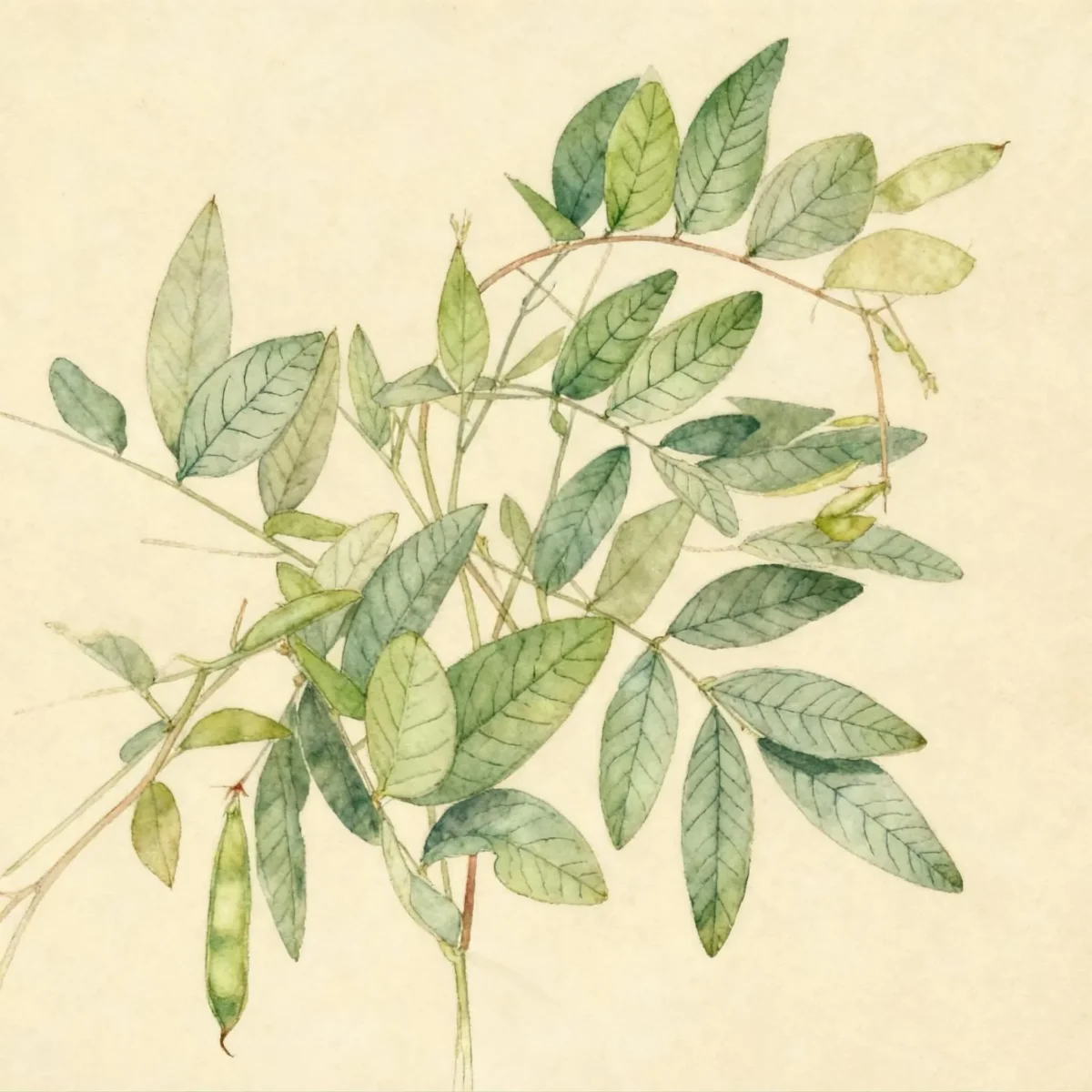
Gopherweed (Baptisia lanceolata)
Low-maintenance Baptisia lanceolata (Gopherweed) is a native perennial offering bright yellow blooms and drought tolerance in Zones 6-9.
Scroll down to discover growing tips, care requirements, companion plants, and more
Complete Plant Information
Overview
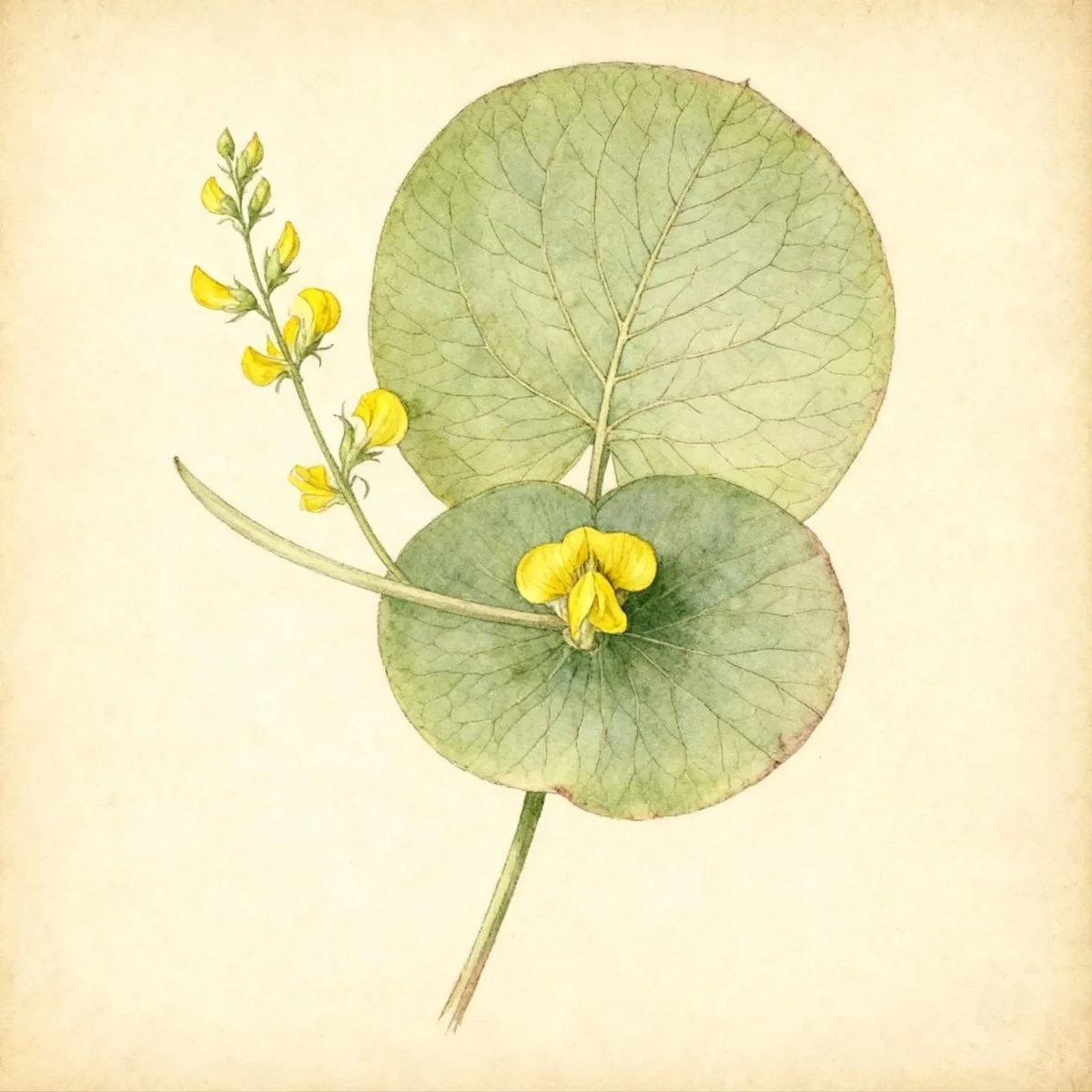
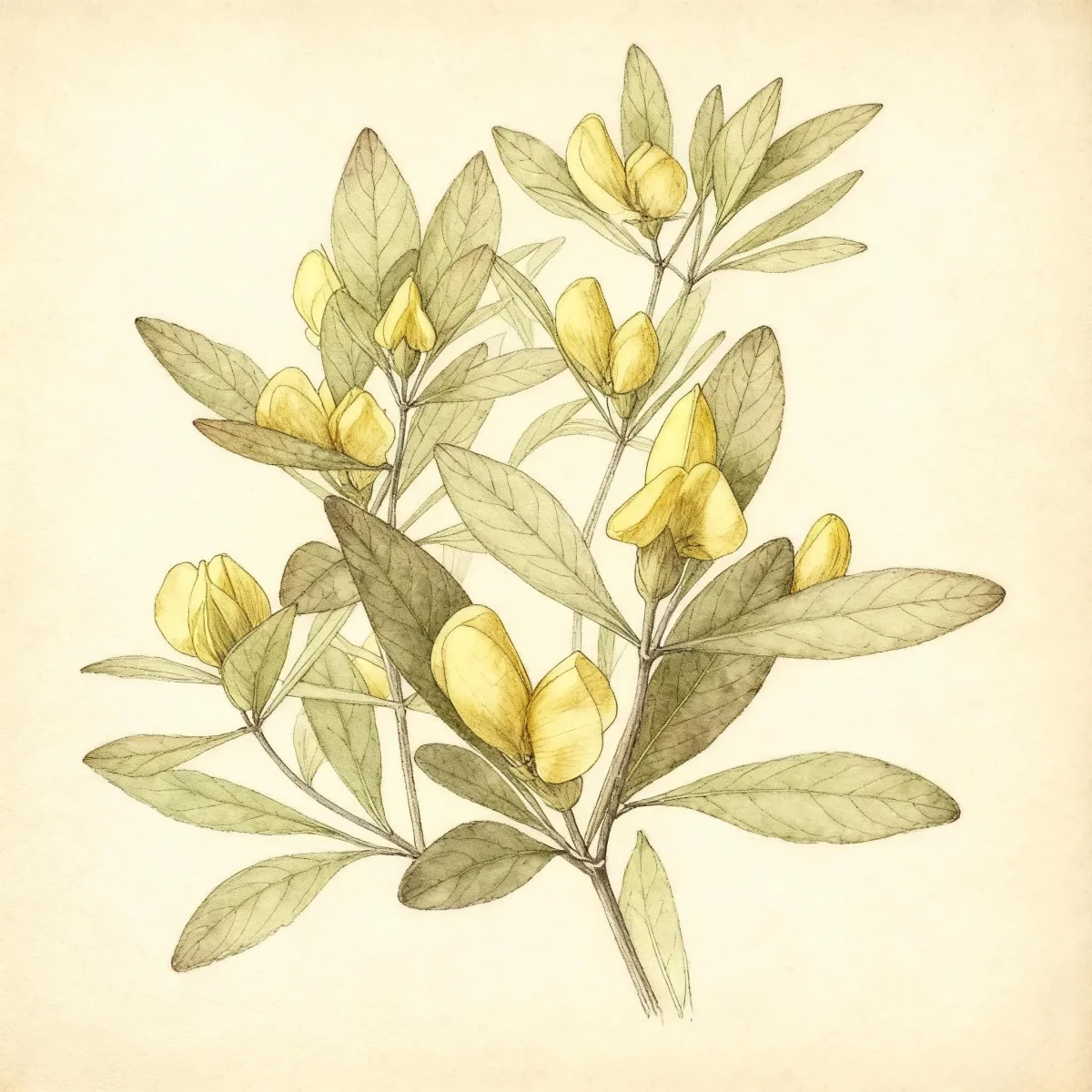
Gopherweed (Baptisia lanceolata) is a highly valued herbaceous perennial, particularly for native and low-water gardens within its southeastern native range. This robust plant develops an attractive, well-branched, rounded habit, providing excellent texture throughout the growing season. Its primary aesthetic draw is the display of bright yellow, pea-like flowers that emerge in late spring.
As a member of the Fabaceae family, Baptisia lanceolata offers significant ecological benefits, attracting numerous bees and insect pollinators to the garden landscape. Its resilience is noteworthy; once established, this plant handles dry conditions admirably, reducing the need for supplemental watering. Gardeners appreciate the long life and minimal upkeep associated with Gopherweed.
The structure of Baptisia lanceolata remains appealing even after flowering, thanks to persistent black seed pods that offer winter interest. Understanding its specific needs allows gardeners to successfully integrate this tough, native species into sunny, well-drained locations for years of reliable performance.
Fast Facts
- Plant Family: Fabaceae
- Plant Type: Herbaceous perennial
- Native Range: Southeastern United States
- Hardiness Zones: USDA Zones 6-9
- Size at Maturity:
- Height: 1-3 ft
- Spread: 1-3 ft
- Bloom Time: May to June
- Bloom Description: Yellow
- Sun Exposure: Full sun
- Water Needs: Dry to medium
- Maintenance Level: Low
How to Grow
The best time to establish Baptisia lanceolata is during the cooler, wetter periods of early spring or fall, allowing the deep roots time to anchor before summer heat sets in. Locate Gopherweed where it will receive full sun, as insufficient light can weaken the stems and reduce flowering potential. Optimal soil conditions mimic its native habitat: well-draining, sandy loams. While it tolerates dry soil, ensuring the site is not permanently waterlogged is crucial for success.
Once planted, water Baptisia lanceolata regularly until it becomes established, generally for the first growing season. Following establishment, this plant thrives on infrequent, deep watering, aligning with its “dry to medium” water needs. Fertilization is rarely necessary; these robust perennials generally source all needed nutrients without amendment.
Pruning is minimal. Deadheading spent flower stalks is optional, though leaving the structure allows the attractive seed pods to develop for autumnal interest. Avoid disturbing the roots heavily once planted, as Baptisias resent transplanting. The plant’s relatively slow growth means it rarely requires division or shaping to maintain its upright form.
Remember the cultural note: Best grown in evenly moist to dry, well-draining, sandy loams in full sun. Hardy in Zones 6-9. This drought tolerance makes Gopherweed a superb, sustainable choice for difficult sunny spots where other perennials might suffer.
Landscape Uses
Baptisia lanceolata excels as a reliable anchor plant in naturalistic and native garden designs. Because of its upright, bushy habit reaching up to three feet, it works perfectly toward the middle or back of perennial borders, providing structure that lasts all season long. The plant’s tolerance for dry, poor soil also makes it ideal for xeriscaping applications or slopes where water retention is low.
Integrating Gopherweed into native gardens establishes a strong ecological foundation, supporting local bee populations during its May to June bloom period. Consider pairing Baptisia lanceolata with other sun-loving, drought-tolerant natives like Coreopsis, Coneflowers (Echinacea), or native ornamental grasses. This blending creates a meadow-like aesthetic that emphasizes regional flora.
For rock gardens or woodland margins, where soil can often be shallow or rocky, this plant fulfills its specific cultural niche perfectly. Its deep taproot helps stabilize soil, minimizing erosion risks while adding a dependable patch of color where fussy plants fail.
Standout Features
Flower Qualities
- Showy
Fruit Qualities
- Showy
Noteworthy Characteristics
Baptisia lanceolata, commonly called gopherweed, is a herbaceous perennial native to sandy, dry woodlands and roadsides of parts of the southeastern United States. Mature plants have an upright, well-branched, rounded habit and will reach up to 3’ tall with an equal spread. The trifoliate leaves are made up of three elliptic to oblanceolate leaflets that can reach up to 5” long and 1.25” wide. The genus name Baptisia comes from the Greek word bapto meaning “to dye,” referencing historical uses of the plant.
Tolerances
- Dry Soil
- Shallow-Rocky Soil
Potential Problems
Gopherweed exhibits excellent pest and disease resistance, contributing to its low-maintenance profile. Gardeners should be aware of one significant environmental sensitivity: this plant is sensitive to juglone, a naturally occurring compound released by Black Walnut trees. Tends to perform poorly when planted close to black walnut trees due to this compound. To prevent issues, always maintain a significant buffer zone, ideally several feet, between Baptisia lanceolata and any nearby Black Walnut specimens. Otherwise, major pests are rare.
Frequently Asked Questions
What hardiness zones is Gopherweed suitable for?
Baptisia lanceolata is appropriately hardy for USDA Zones 6 through 9, thriving in environments ranging from the mid-south into the Southeast.
How large does Gopherweed grow?
This sturdy perennial typically achieves a mature size of 1 to 3 feet in height with a corresponding spread of 1 to 3 feet, forming a dense, mounding shape.
What sun exposure does Baptisia lanceolata need?
This species requires full sun exposure to develop its best habit and flowering display in the landscape.
When does Gopherweed bloom?
Gopherweed displays its distinctive flowers primarily from May through June, showcasing lovely yellow blooms.
Conclusion
The Gopherweed (Baptisia lanceolata) offers unparalleled durability and native beauty, making it a fantastic backbone plant for sunny, dry sites. Its requirement for low maintenance combined with robust architecture and pollinator appeal ensures its high value in modern landscaping. Before planting, confirm your location falls within USDA Zones 6-9 and ensure it receives ample sunlight for the best performance from your new Baptisia lanceolata.
Companion Planting
Selecting companions with similar cultural needs enhances group success. Because Baptisia lanceolata requires full sun and thrives in drier soil once mature, complement it with strong prairie natives like Butterfly Weed (Asclepias tuberosa) or various perennial Salvias. These plants share a similar resilience to heat and drought, ensuring no single plant demands significantly more or less water than the Gopherweed. Avoid moisture-loving plants near established Baptisia, as prolonged wet conditions at the crown can cause eventual rot.
Wildlife Benefits
The impact of Baptisia lanceolata on local ecosystems is significant, primarily through its role as a key nectar source. The bright yellow, pea-like flowers are irresistible to various specialist and generalist bee species during their late spring bloom window. Furthermore, Baptisia plants are host plants for the caterpillars of several species of butterflies and moths, contributing directly to the local insect lifecycle. Planting Gopherweed directly supports local biodiversity goals while providing reliable structure in the garden.