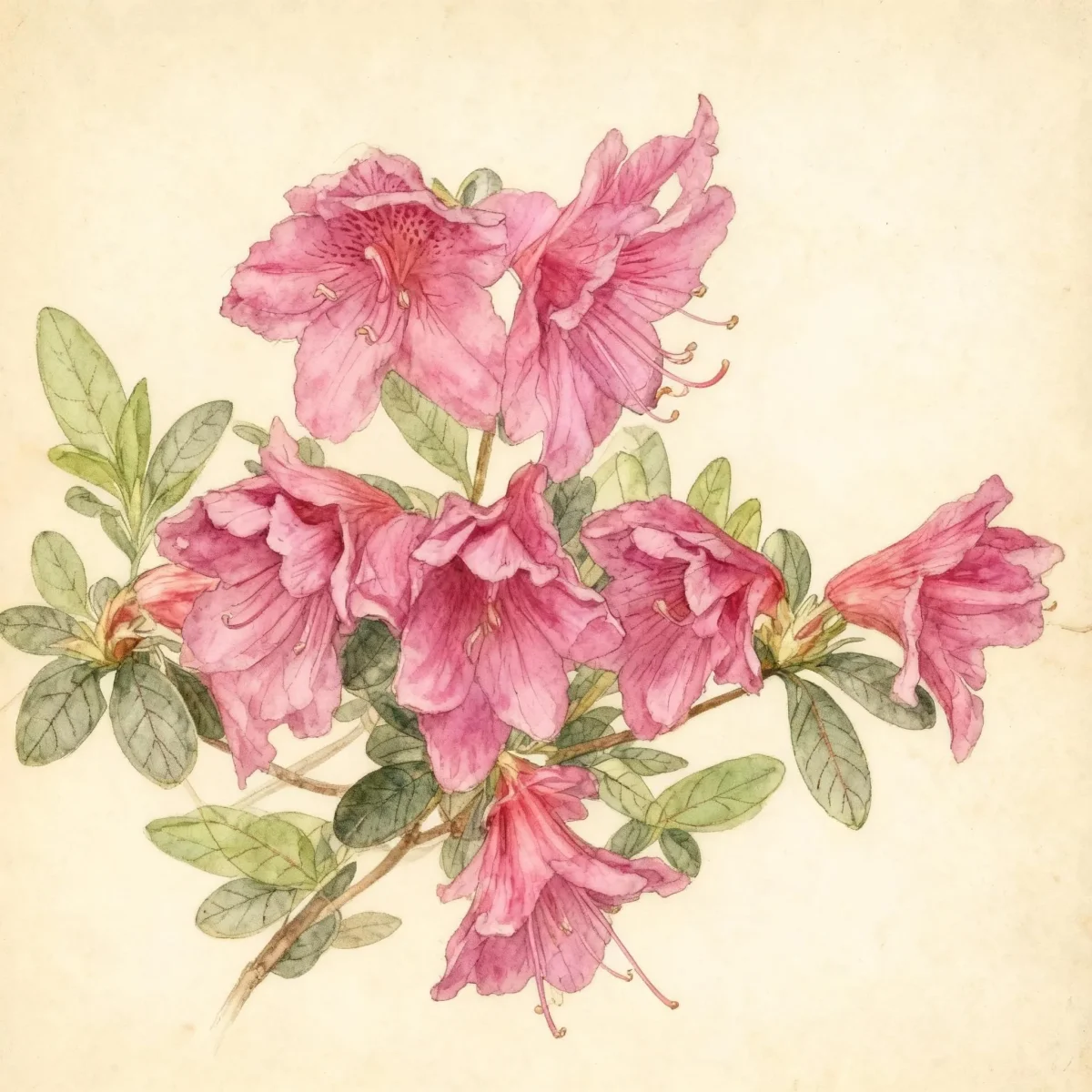
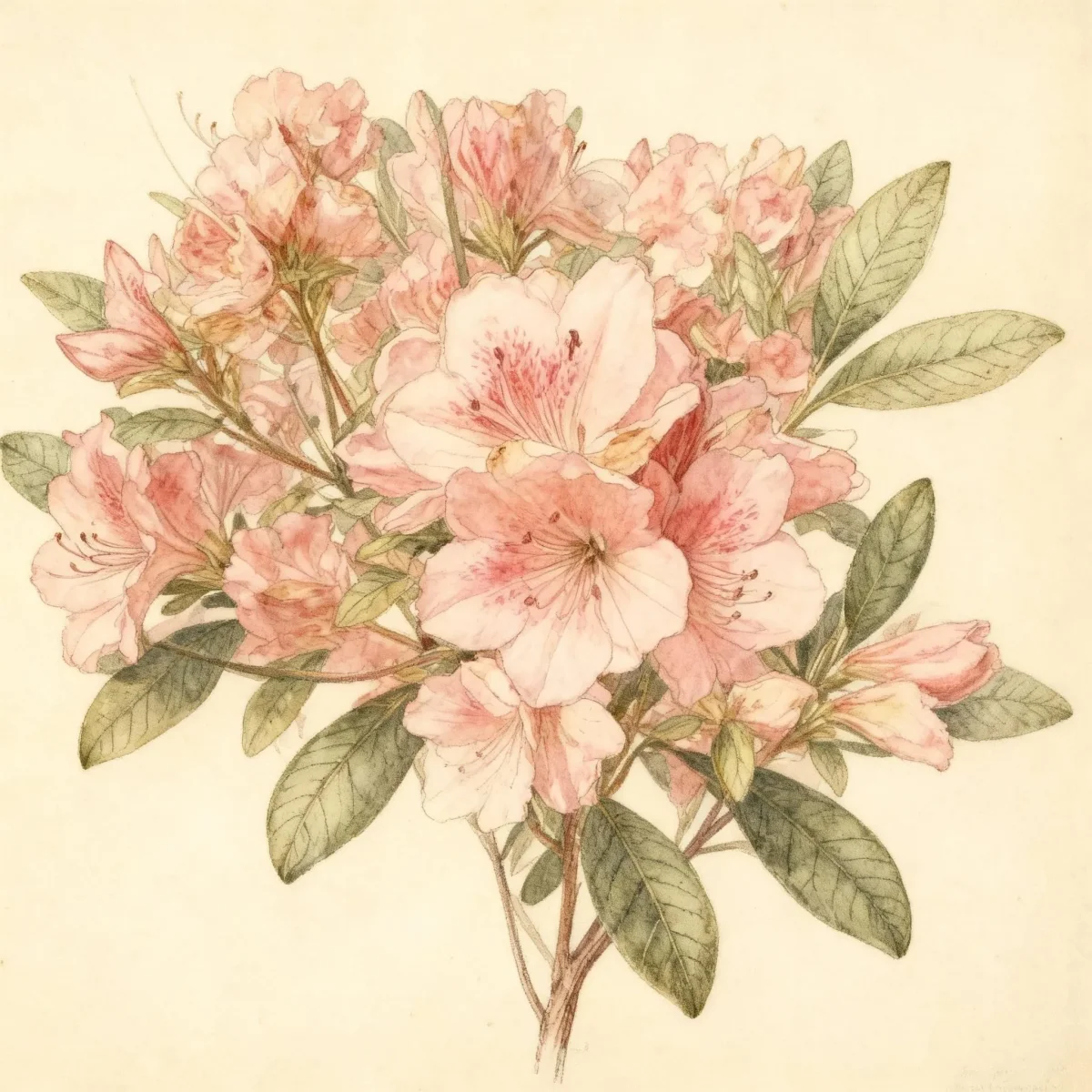
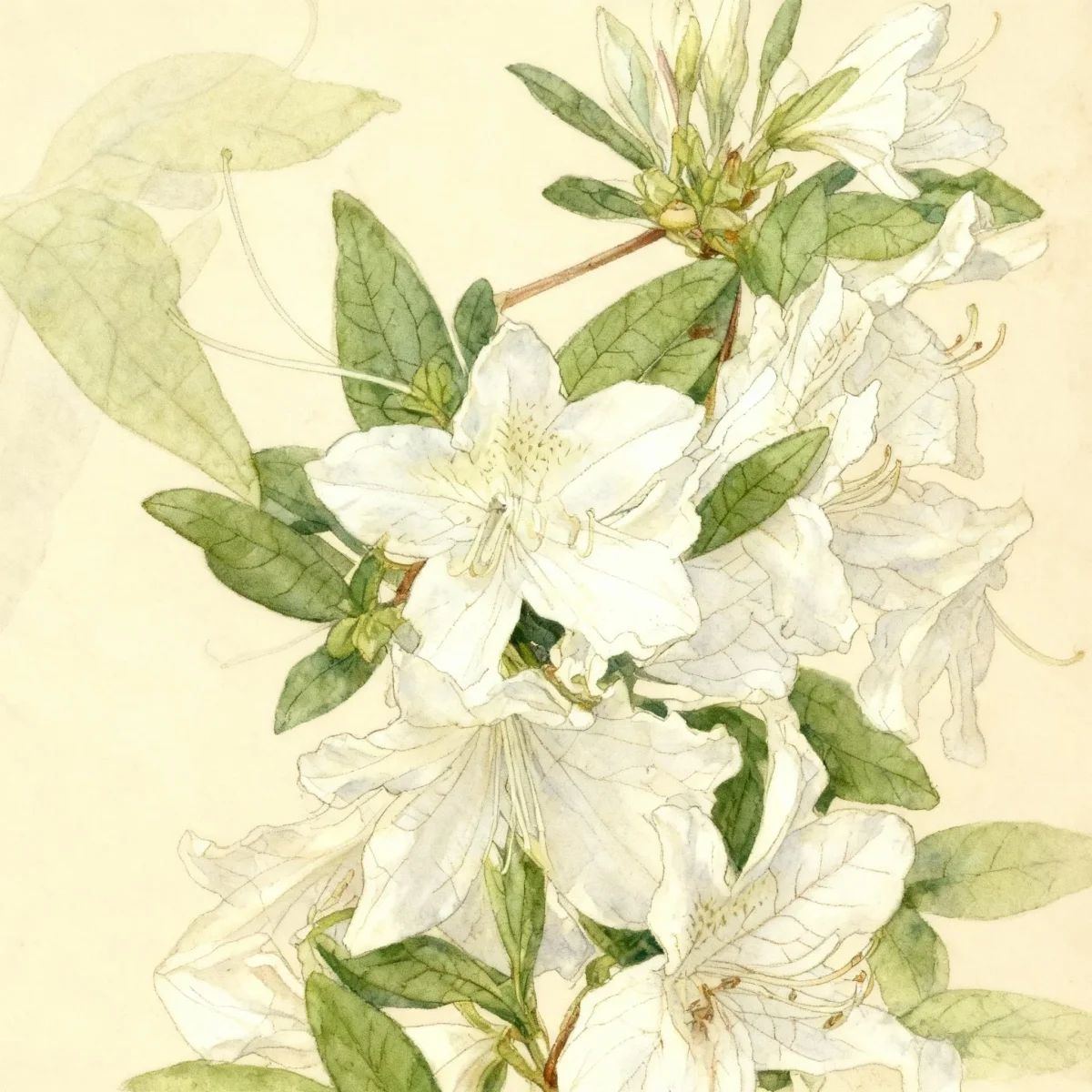
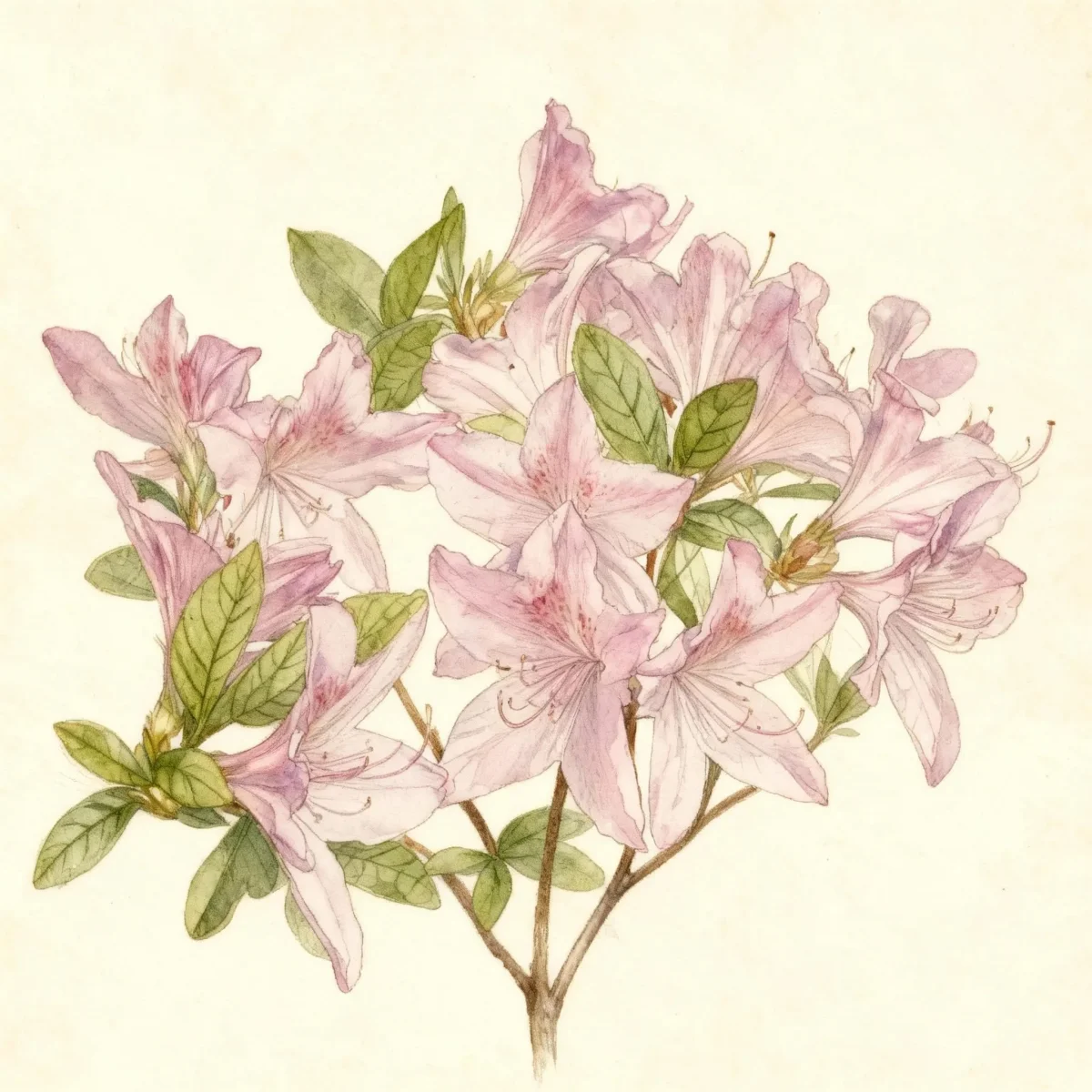
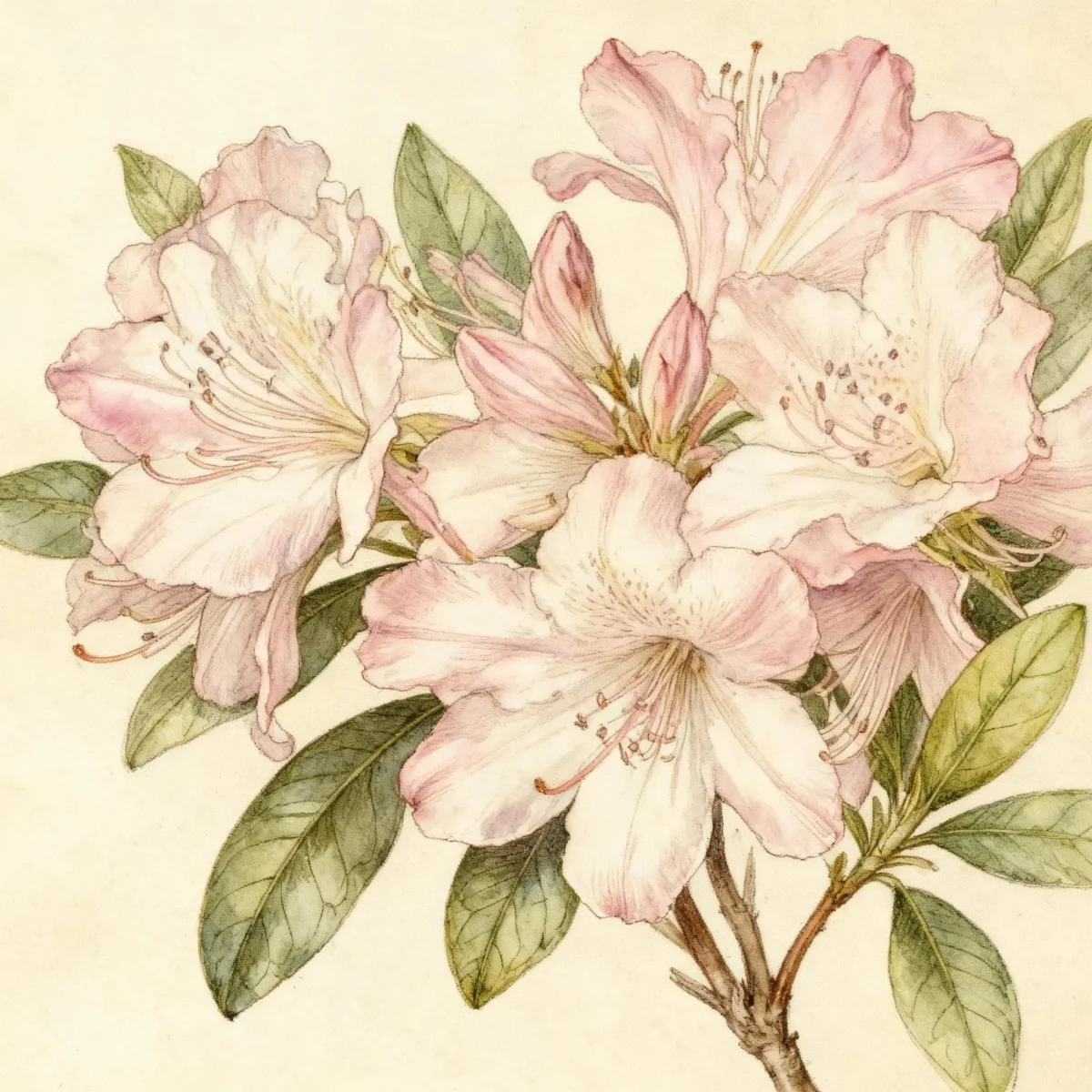
Evergreen azalea (Rhododendron 'Purple Splendor')
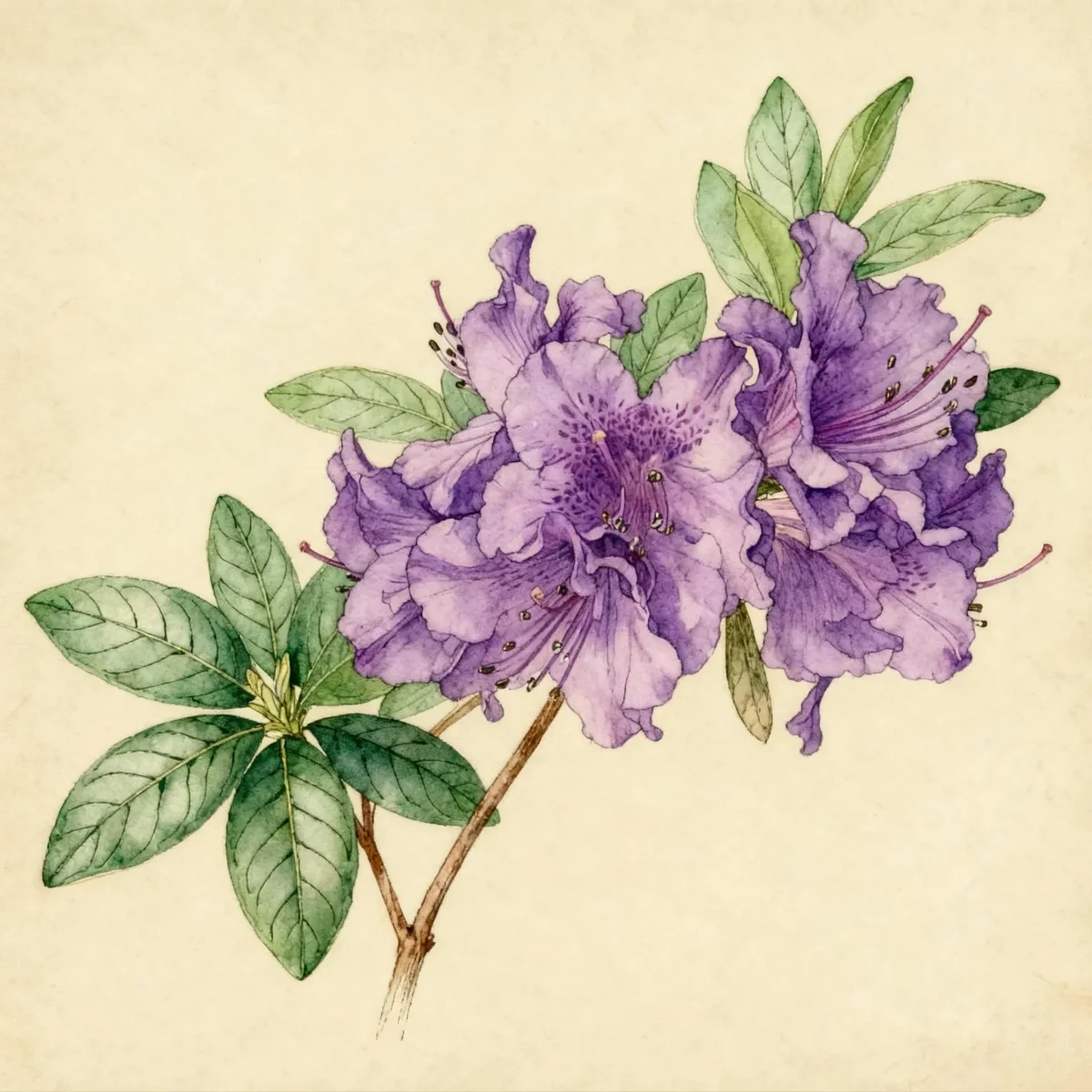
Rhododendron 'Purple Splendor' is a showy Evergreen azalea prized for its double purple blooms in May. Hardy in Zones 5-9.
Scroll down to discover growing tips, care requirements, companion plants, and more
Complete Plant Information
Overview
Rhododendron ‘Purple Splendor’ is a highly regarded Evergreen azalea, valued by gardeners for its resilient, multi-stemmed habit and stunning mid-season floral display. This cultivar offers dense, deep purple, double hose-in-hose flowers, providing exceptional texture and color against its medium, gray-green winter foliage. As a Gable hybrid, Rhododendron ‘Purple Splendor’ matures into an appealing upright mound perfect for adding structure to shaded borders.
This broadleaf evergreen thrives when provided with specific cultural conditions, centering on acidity, moisture retention, and protection from harsh elements. Successful cultivation ensures a reliable springtime show, making it a cornerstone in cooler temperate gardens where its evergreen nature offers year-round visual interest. Gardeners should prioritize soil preparation to ensure the success of this beautiful Evergreen azalea.
Functionally, this plant excels as a foundation accent or within woodland settings, offering a pop of vibrant color in May. Its manageable size, reaching 3 to 4 feet tall and wide, allows it to integrate beautifully into mass plantings or stand out as a specimen, making Rhododendron ‘Purple Splendor’ a versatile and rewarding choice.
Fast Facts
- Plant Family: Ericaceae
- Plant Type: Broadleaf evergreen
- Hardiness Zones: USDA Zones 5-9
- Size at Maturity:
- Height: 3-4 ft
- Spread: 3-4 ft
- Bloom Time: May
- Bloom Description: Purple
- Sun Exposure: Part shade
- Water Needs: Medium
- Maintenance Level: Medium
How to Grow
Planting successful Rhododendron ‘Purple Splendor’ requires thoughtful site selection, focusing on protection and soil constitution. Locate the plant where it receives dappled shade or high open shade; morning sun with afternoon shade is often ideal, especially avoiding intense, hot afternoon sunlight which can scorch the leaves. The soil must be acidic, ideally pH 5.0 to 5.5, and richly organic, ensuring it is humusy and retains moisture while remaining perfectly well-drained. Good drainage is paramount, as root rot results quickly from “wet feet.”
Ongoing care involves consistent hydration; maintain medium moisture levels, ensuring roots never dry out, especially since the fibrous root system is shallow. Mulching with materials like pine needles or wood chips is highly beneficial for stabilizing soil temperature and retaining this critical moisture. Cultivation directly around the plant should be avoided to protect these shallow roots.
Pruning mainly involves removing spent flower clusters immediately after blooming concludes, a process called deadheading, which encourages better flowering the following season. Soil adjustments are key; use sulfur or iron sulfate to lower pH if necessary. Protect the plant from high winds and remember to avoid planting near walnuts, as they produce toxins detrimental to most azaleas.
Landscape Uses
Rhododendron ‘Purple Splendor’ is an excellent performer in layered landscape designs, functioning beautifully when used in mass plantings to create sweeping drifts of spring color. Its evergreen nature makes it highly effective in foundation plantings, softening the harsh lines of structures year-round. For shrub borders, it provides crucial mid-height structure, pairing well with spring bulbs that emerge before its May bloom.
Consider using this particular Evergreen azalea near woodland margins where filtered light mimics its native habitat. It also functions exceptionally well when managed as a formal or informal hedge due to its dense, predictable growth habit, creating attractive borders within the garden space. Companion planting considerations should focus on other acid-loving plants such as camellias, rhododendrons, and ferns that share similar requirements for shade and humus-rich soil.
Standout Features
Flower Qualities
- Showy
Noteworthy Characteristics
Rhododendron is a genus of 500 to 900 species and includes both of what we commonly call rhododendrons and azaleas. Most are evergreen but some are deciduous. They originate mostly from the Northern Hemisphere with high concentrations in western China, the Himalayas and Myanmar (Burma). They are grown for their showy spring flowers and in the case of evergreen types for their attractive winter foliage. True rhododendrons have 10 stamens in a flower and azaleas have only 5. Much hybridization has resulted in a great number of hybrid cultivars. Of note to gardeners in cool temperate areas are the large and small leaved evergreen rhododendrons and the evergreen and deciduous azaleas. Evergreen azaleas develop as multi-stemmed plants from the ground and usually grow 3-5 feet tall. They retain their leaves throughout the year and are not as winter hardy as the deciduous azaleas. In cold winters flower buds may be frozen resulting in reduced or no flowering and foliage may winter burn (turn brown and be killed). Color range is mostly from white to pink, red, lavender and purple.Genus name comes from the Greek words rhodo meaning rose and dendron meaning tree. Transferred from the Greek name for Nerium oleander. Rhododendron ‘Purple Splendor’ is an evergreen azalea (Gable hybrid) that features double hose-in-hose purple flowers, maturing into an upright-rounded form.
Tolerances
- Rabbit
Potential Problems
Rhododendron ‘Purple Splendor’ is susceptible to various insect and disease issues common to the genus. Watch for common insect pests such as lacebugs, scale, and leafhoppers. On the disease front, root rot and crown rot are significant threats, almost always indicative of poor soil drainage rather than pathogenic infection alone.
Chlorosis, where leaves turn yellow, signals an underlying soil problem, usually high pH leading to iron deficiency. Prevention centers on establishing the plant correctly: proper soil acidity, excellent drainage, and placement in appropriate light (part shade). A healthy Evergreen azalea, situated optimally and receiving correct care, will naturally resist most issues.
Frequently Asked Questions
What hardiness zones is Evergreen azalea suitable for?
Rhododendron ‘Purple Splendor’ is typically suited for USDA Hardiness Zones 5 through 9, allowing it to succeed across a wide swath of temperate climates.
How large does Evergreen azalea grow?
This variety usually matures to a height between 3 and 4 feet, matching its spread, resulting in a compact, rounded shape suitable for smaller landscapes or defining border edges.
What sun exposure does Rhododendron ‘Purple Splendor’ need?
This desirable Evergreen azalea prefers part shade. Too much direct, hot afternoon sun can lead to leaf scorch, though it can handle more sun in cooler northern summers.
When does Evergreen azalea bloom?
Rhododendron ‘Purple Splendor’ displays its rich purple flowers reliably during the month of May.
Conclusion
The Evergreen azalea, specifically Rhododendron ‘Purple Splendor’, offers gardeners a robust, four-season shrub highlighted by its stunning double purple blooms in mid-spring. Its manageable size and evergreen foliage make it a perfect textural element for shady borders and foundation plantings. Before planting, ensure your site offers the acidic, well-drained soil conditions necessary for this beautiful plant to reach its full potential.
Companion Planting
When planning a garden around your Rhododendron ‘Purple Splendor’, select companions that share its love for acidic, humus-rich soils and dappled sunlight. Hostas are excellent companions, providing contrasting leaf textures and colors that thrive in the same part shade conditions often required by azaleas. Other ericaceous plants, such as shorter varieties of Rhododendron or Mountain Laurel (Kalmia), integrate seamlessly culturally and aesthetically.
For perennial interest beneath the canopy of your Evergreen azalea, consider plants like Astilbe or Bleeding Heart (Dicentra spectabilis), both of which appreciate the cool, moist soil that mulching helps retain around the shallow roots of this shrub. These pairings create a classic woodland garden effect, emphasizing texture and shade tolerance.
Seasonal Care Calendar
Spring care focuses heavily on monitoring post-bloom health; clip off spent flowers promptly to direct energy into root and leaf growth rather than seed production. Begin springtime feeding once new growth starts, using fertilizers formulated specifically for acid-loving plants like the Evergreen azalea.
Summer is primarily about consistent moisture management. Resist the urge to cultivate near the base; instead, replenish the mulch layer to keep soil temperatures steady and conserve water, preventing root stress that could affect next year’s flowers on Rhododendron ‘Purple Splendor’.
In autumn and winter, focus on protection. Ensure the plant is well-watered before the ground freezes solid in colder zones to mitigate winter burn on the evergreen leaves. Avoid heavy pruning in fall, saving structural shaping for late winter or early spring before bud break.