Coral bells (Heuchera 'Blondie')
Heuchera 'Blondie' coral bells are valued for their compact habit and summer bloom of creamy yellow flowers in USDA Zones 4-9.
Scroll down to discover growing tips, care requirements, companion plants, and more
Complete Plant Information
Overview
Heuchera ‘Blondie’, commonly known as coral bells, is a compact and highly ornamental herbaceous perennial celebrated for its dual seasonal interest from foliage and flowers. This cultivar offers a dense, mounding habit, making it an excellent addition to numerous garden settings where space is a consideration. While many coral bells are primarily grown for leaf color, Heuchera ‘Blondie’ also provides a long-lasting floral display.
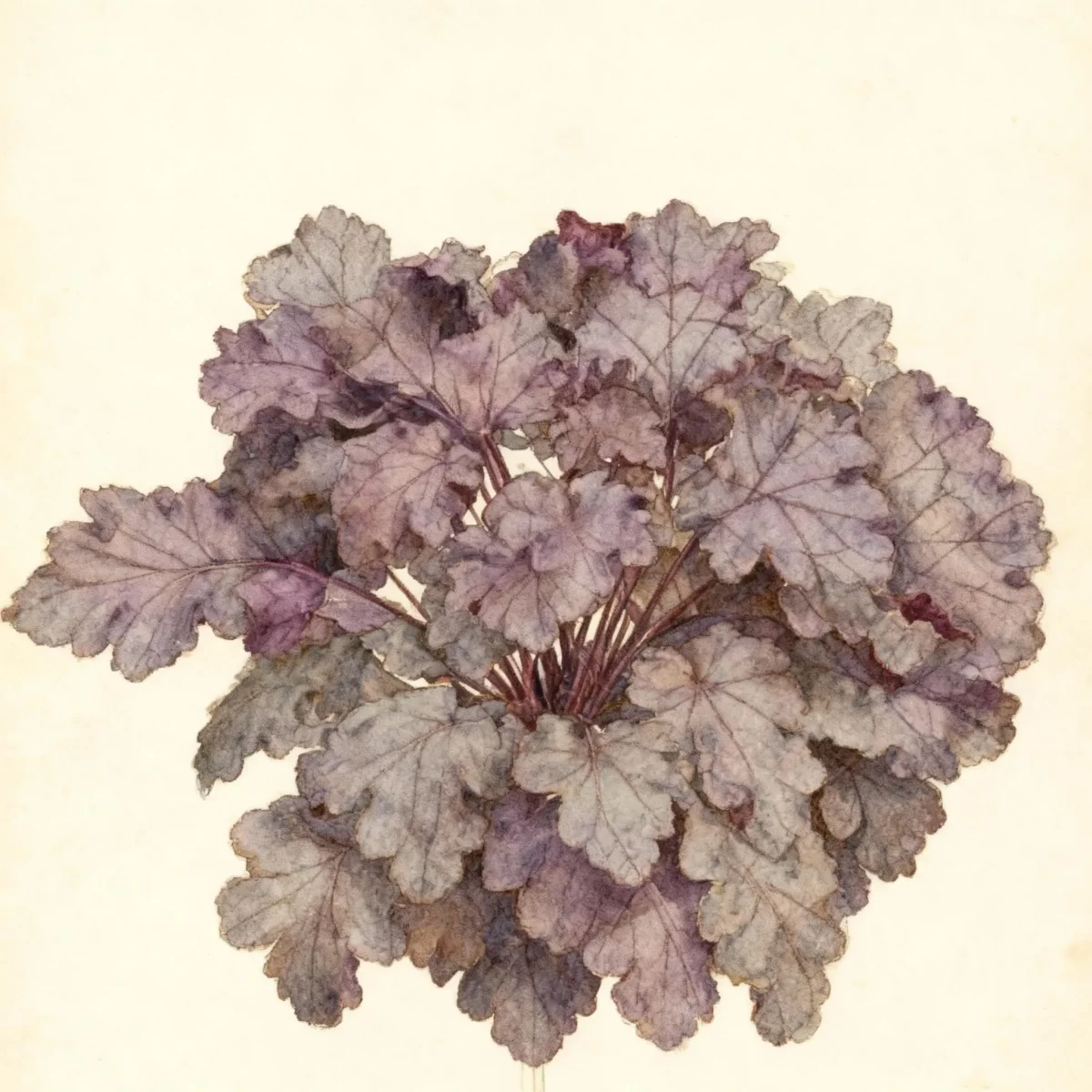
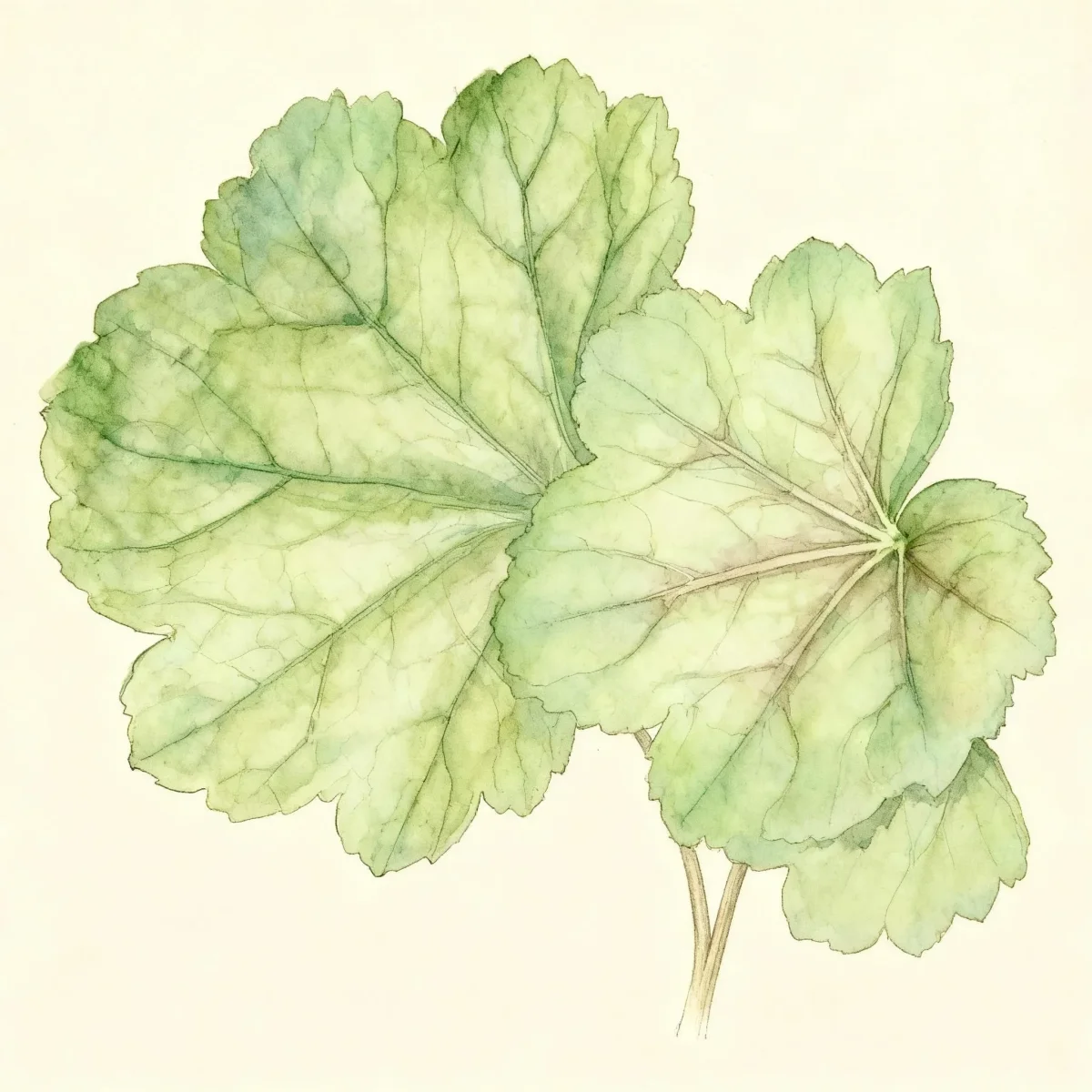
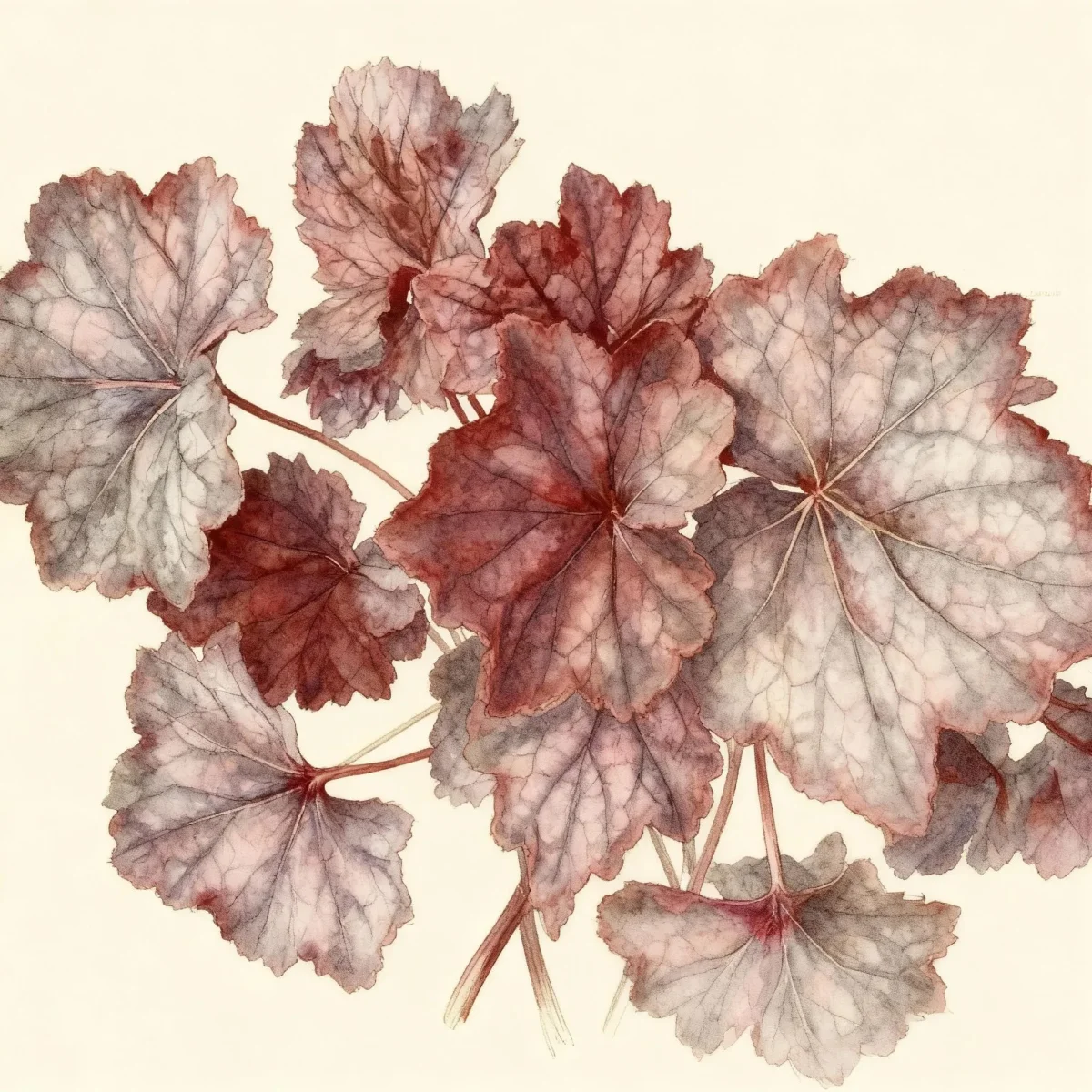
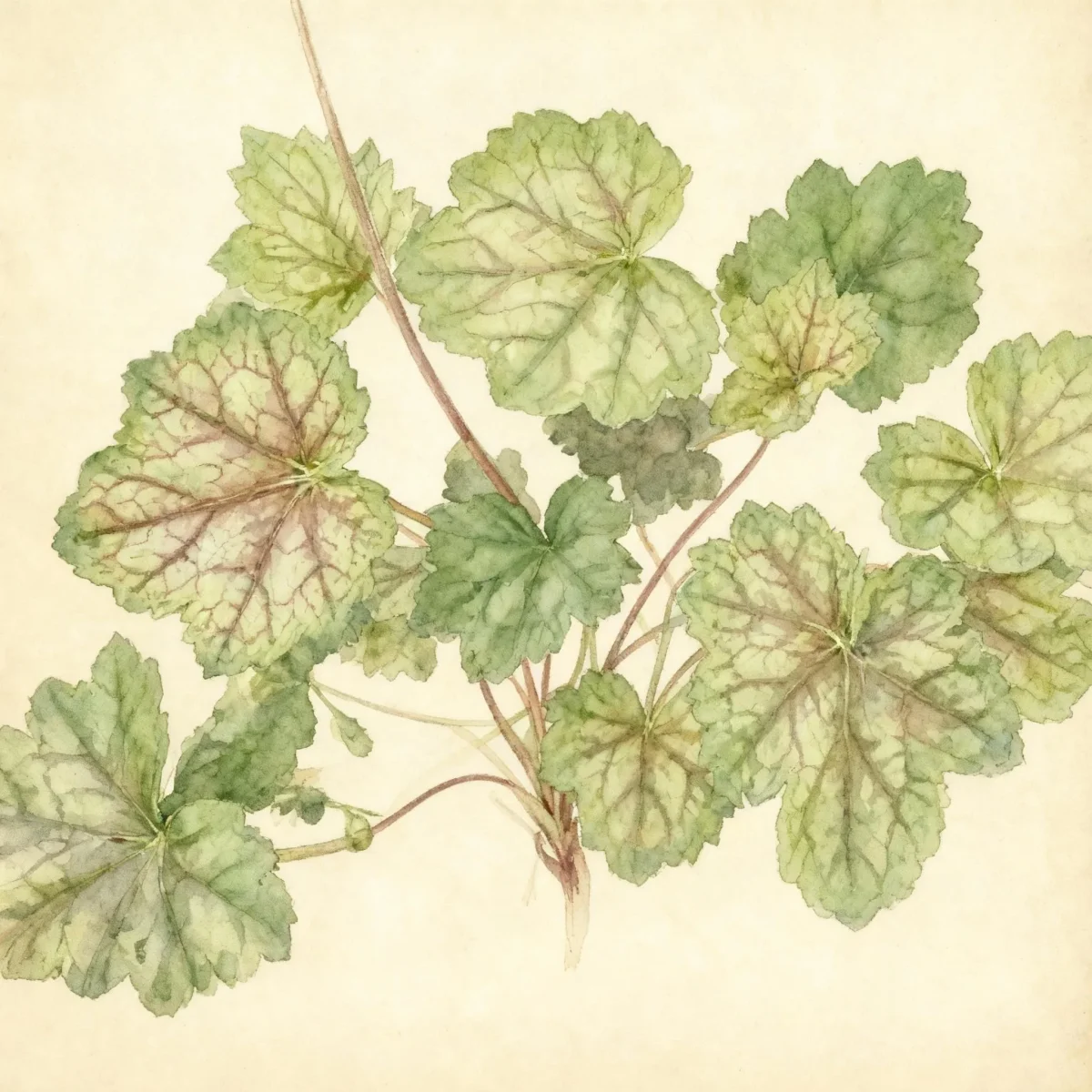
This hybrid selection matures to just about one foot tall and wide, maintaining its neat profile throughout the growing season. Its foliage emerges with reddish tones before settling into a sophisticated grey-green hue accented by notable red venation. Gardeners appreciate Heuchera ‘Blondie’ for providing continuous texture and color where many other plants fade after their initial spring flush.
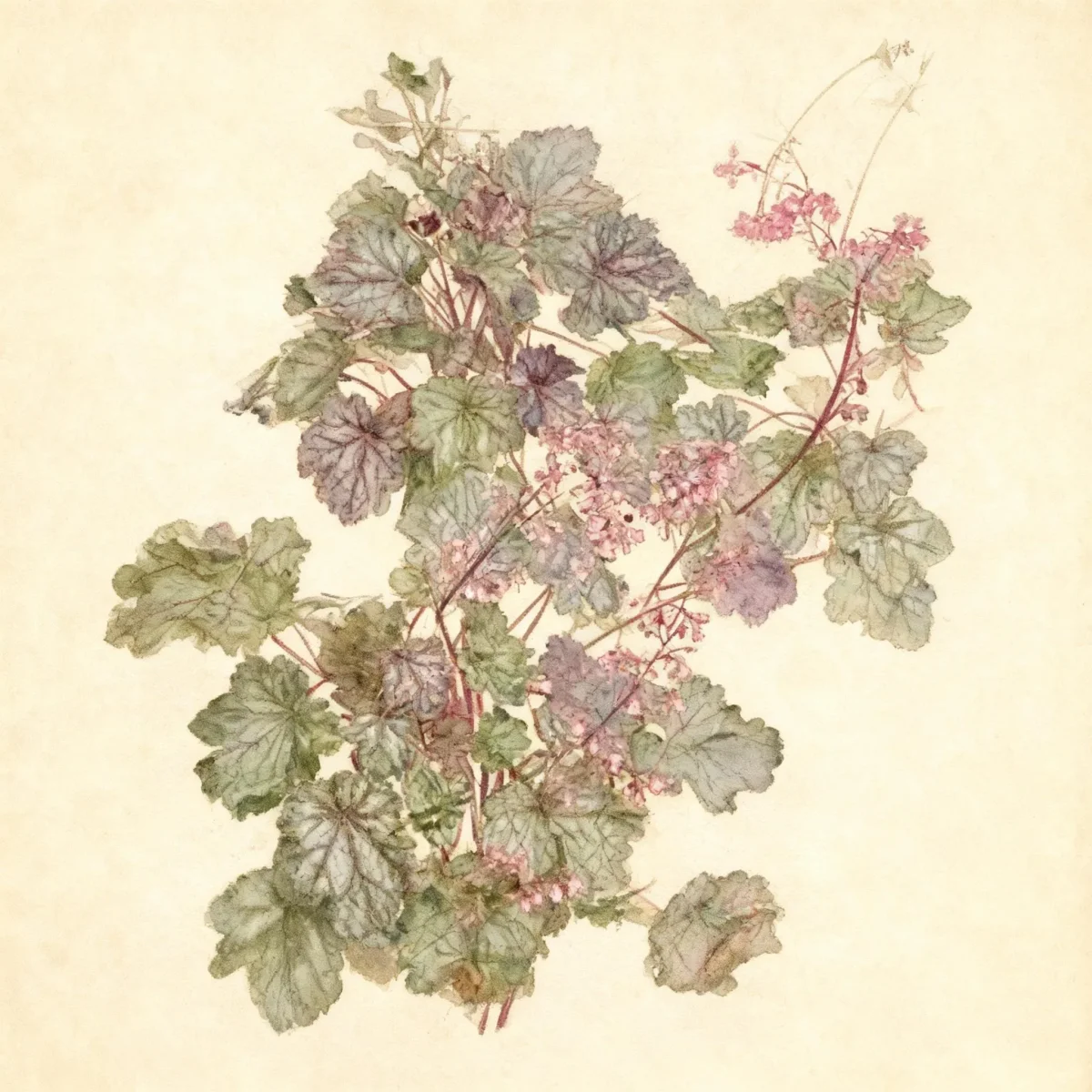
The creamy yellow flowers rise above the mound from late spring into midsummer, offering a soft contrast to the textured leaves below. Successful cultivation of Heuchera ‘Blondie’ relies on matching its needs to the location—part shade is generally ideal, though it can tolerate full sun provided consistent moisture is maintained. This makes Heuchera ‘Blondie’ a versatile and low-fuss choice for adding sophisticated structure to borders and rock gardens.
Fast Facts
- Plant Family: Saxifragaceae
- Plant Type: Herbaceous perennial
- Hardiness Zones: USDA Zones 4-9
- Size at Maturity:
- Height: 0.5-1 ft
- Spread: 0.5-1 ft
- Bloom Time: May to July
- Bloom Description: Creamy yellow
- Sun Exposure: Full sun to part shade
- Water Needs: Medium
- Maintenance Level: Medium
How to Grow
The ideal location for Heuchera ‘Blondie’ requires organically rich, humusy, medium-moisture, and exceptionally well-drained soil. While these coral bells can manage full sun, especially in cooler northern climates, they significantly benefit from partial shade, particularly shielding them from intense afternoon heat south of Hardiness Zone 6. If you choose a sunnier spot, remember that consistent moisture is crucial; letting the soil dry out can cause leaf scorch and decline.
Planting should ideally occur in spring or early fall when temperatures are mild. Ensure the crown of the plant is neither buried too deeply nor left exposed above the soil line, as this can contribute to root heaving issues in winter. Avoid heavy, poorly aerated soils that retain too much water, which can lead to root rot, the primary concern for many Heuchera hybrids.
Ongoing care involves maintaining consistent moisture, especially during dry spells. Pruning mainly consists of removing the spent flower stems (deadheading) after the May to July bloom period to encourage any possible rebloom, though the foliage remains the main draw. In cold winter regions, apply organic mulch after the ground freezes to insulate the roots and prevent winter damage from freeze-thaw cycles.
To maintain vigor, divide overcrowded clumps of Heuchera ‘Blondie’ every three to four years during the spring. This rejuvenation process ensures the plants remain vigorous and prevents crowding, which can inhibit air circulation and potentially invite mildew issues later in the season.
Landscape Uses
Heuchera ‘Blondie’ excels as an edging plant, its neat, mounding form creating a clean, low border along walkways and paths where its foliage can be easily appreciated. Due to its compact size, it is perfectly suited for rock gardens, lending a touch of refined texture among stones and smaller alpine selections.
For designing borders, group several coral bells together in masses to maximize the impact of their leaf structure, even when flowers are not present. Consider placing them near plants with complementary textures, such as fine-bladed ornamental grasses or broad-leafed Hostas that thrive in similar part-shade conditions. The creamy yellow blooms of Heuchera ‘Blondie’ pair beautifully with blues, purples, and deeper reds in the surrounding plantings.
These plants adapt well to woodland garden settings, evoking their native habitat conditions, provided the soil drains impeccably. Their ability to handle both sun (with water) and shade makes them flexible fillers in mixed perennial beds, bridging the gap between sun-loving annuals and deeper shade perennials.
Standout Features
Flower Qualities
- Showy
Noteworthy Characteristics
Heuchera species are native to North America and are typically evergreen to semi-evergreen perennials found in diverse habitats ranging from woodlands to rocky cliffs. Hybrid coral bells, like Heuchera ‘Blondie’, feature an expanded palette of foliage colors and flower hues compared to their wild ancestors. ‘Blondie’ specifically is notable for its compact, dwarf structure and the continuous sweep of small, creamy yellow flowers displayed from mid-spring well into summer, all held above foliage that matures to grey-green with defined red venation.
Tolerances
- Frost heaving of roots may occur when winter temperatures fluctuate widely. Potential disease problems include powdery mildew, rust, and bacterial leaf spot. Potential insect problems include weevils and foliar nematodes.
Potential Problems
Frost heaving is a significant concern, particularly when winter sees wild temperature swings, causing the roots to push up out of the soil. To mitigate this, use a compost mulch applied only after the soil has frozen solid in late fall.
Disease pressure for Heuchera ‘Blondie’ relates heavily to air circulation and moisture management. Watch for powdery mildew, rust, and bacterial leaf spot, especially if planted too closely or if foliage stays wet overnight. Proper spacing during planting and ensuring high drainage reduces these fungal risks significantly.
Insect pests are generally minor but look out for weevils and foliar nematodes, which can damage the attractive leaves that make this plant desirable. Quick removal of any heavily damaged foliage helps prevent the spread of minor infestations.
Frequently Asked Questions
What hardiness zones is Coral bells suitable for?
Heuchera ‘Blondie’ coral bells are reliably hardy in USDA Zones 4 through 9, offering flexibility for many regions.
How large does Heuchera ‘Blondie’ grow?
Mature plants of Heuchera ‘Blondie’ generally reach a height between 0.5 and 1 foot, with a similar spread of 0.5 to 1 foot, maintaining a neat, compact habit.
What sun exposure does Coral bells need?
This plant thrives best in part shade but can successfully grow in locations receiving full sun, provided you diligently maintain medium soil moisture levels.
When does Heuchera ‘Blondie’ bloom?
This variety produces dense panicles of small, creamy yellow flowers, with peak bloom time occurring reliably from May through July.
Conclusion
Heuchera ‘Blondie’ is an essential choice for gardeners seeking reliable texture and a long season of interest from a compact form. The combination of its mounding habit, distinctive foliage veining, and summer-long creamy yellow flowers ensures that Coral bells remain valuable year-round features. Before planting, confirm that your site’s drainage is excellent and assess if the afternoon sun will be too intense for this cultivar in your specific growing zone.
Companion Planting
When selecting companions for Heuchera ‘Blondie’, prioritize plants that share the preference for rich, well-drained soil and partial shade, ensuring uniform management across the bed. Hostas with contrasting leaf size and color—such as blue or gold varieties—create excellent visual foils against the fine texture of the coral bells’ leaves. Ferns also complement Heuchera, echoing the woodland origins of many species, providing shade relief during the hottest parts of the afternoon.
For pops of complementary color during the summer, group Heuchera ‘Blondie’ with plants that bloom in blues and violets, such as Brunnera or certain shade-tolerant Geraniums. Since this coral bells selection is relatively low-growing (reaching only 1 foot), place taller companions toward the back of the border so they do not overshadow and block light from the ‘Blondie’ foliage.
Propagation Tips
While species Heuchera can be successfully grown from seed, established hybrid cultivars like Heuchera ‘Blondie’ are almost always propagated via division in the garden. Division should take place in the spring, allowing the individual crowns adequate time to establish roots before summer heat or winter cold arrives.
Gently lift the entire clump using a sharp spade or pitchfork, taking care not to damage the developing roots or crowns. Separate the plant into smaller sections, ensuring each piece has at least two or three healthy growth points (leaf nodes). Replant these divisions immediately into prepared, humus-rich soil at the correct depth.
Ensure the newly divided sections receive consistent moisture for several weeks following the process to minimize transplant shock. This regular division every three to four years ensures the health of your Heuchera ‘Blondie’ collection and provides you with free, genetically identical replacements.