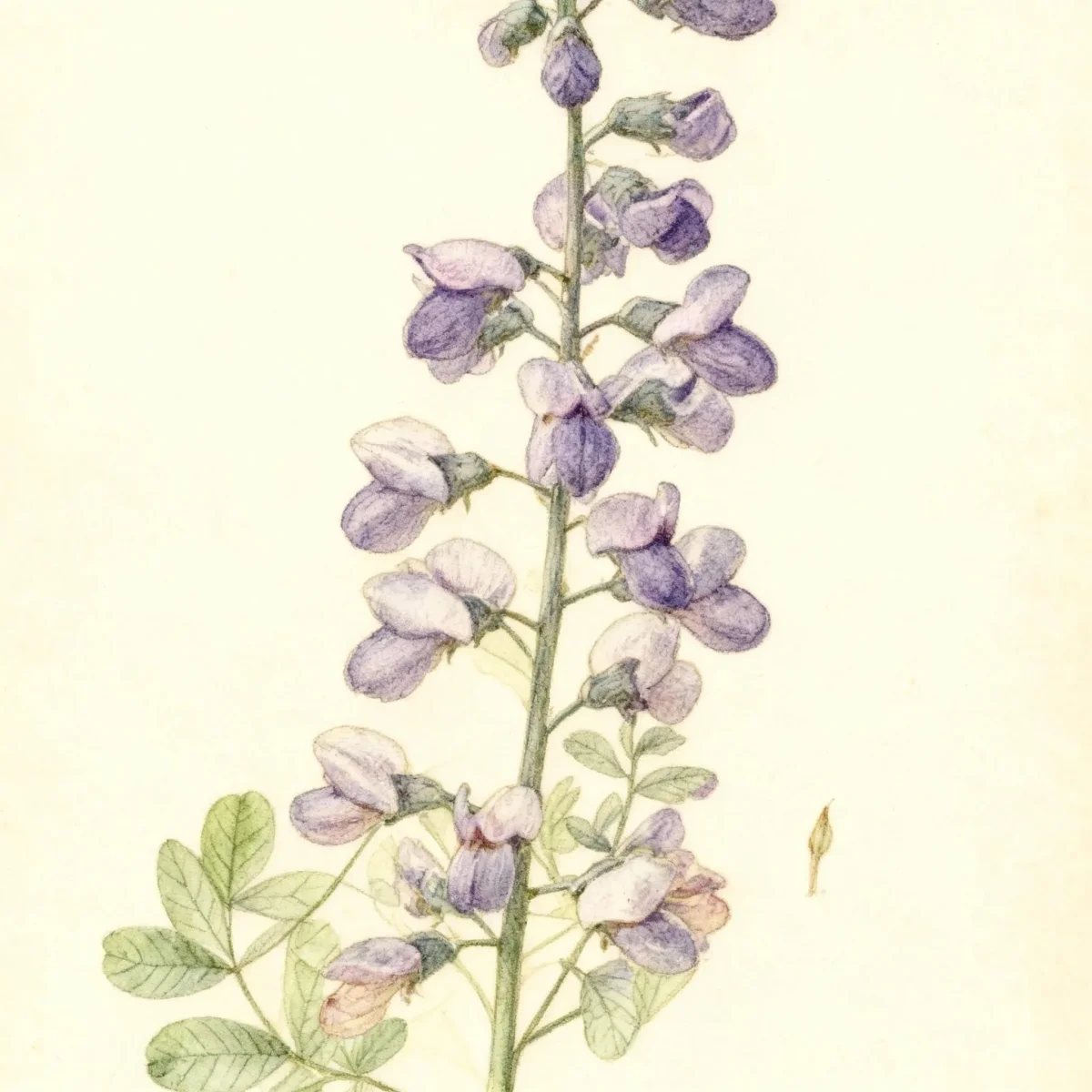
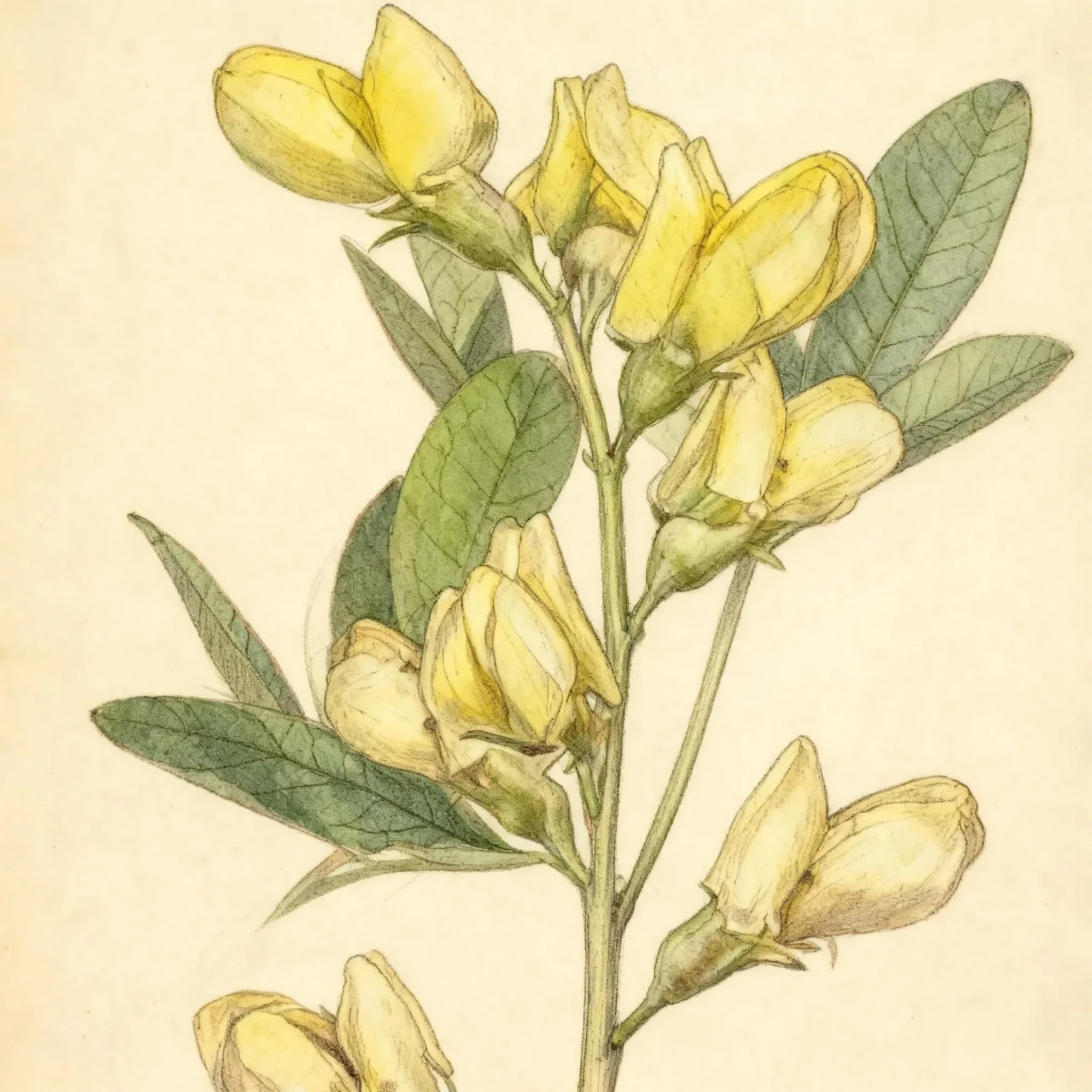
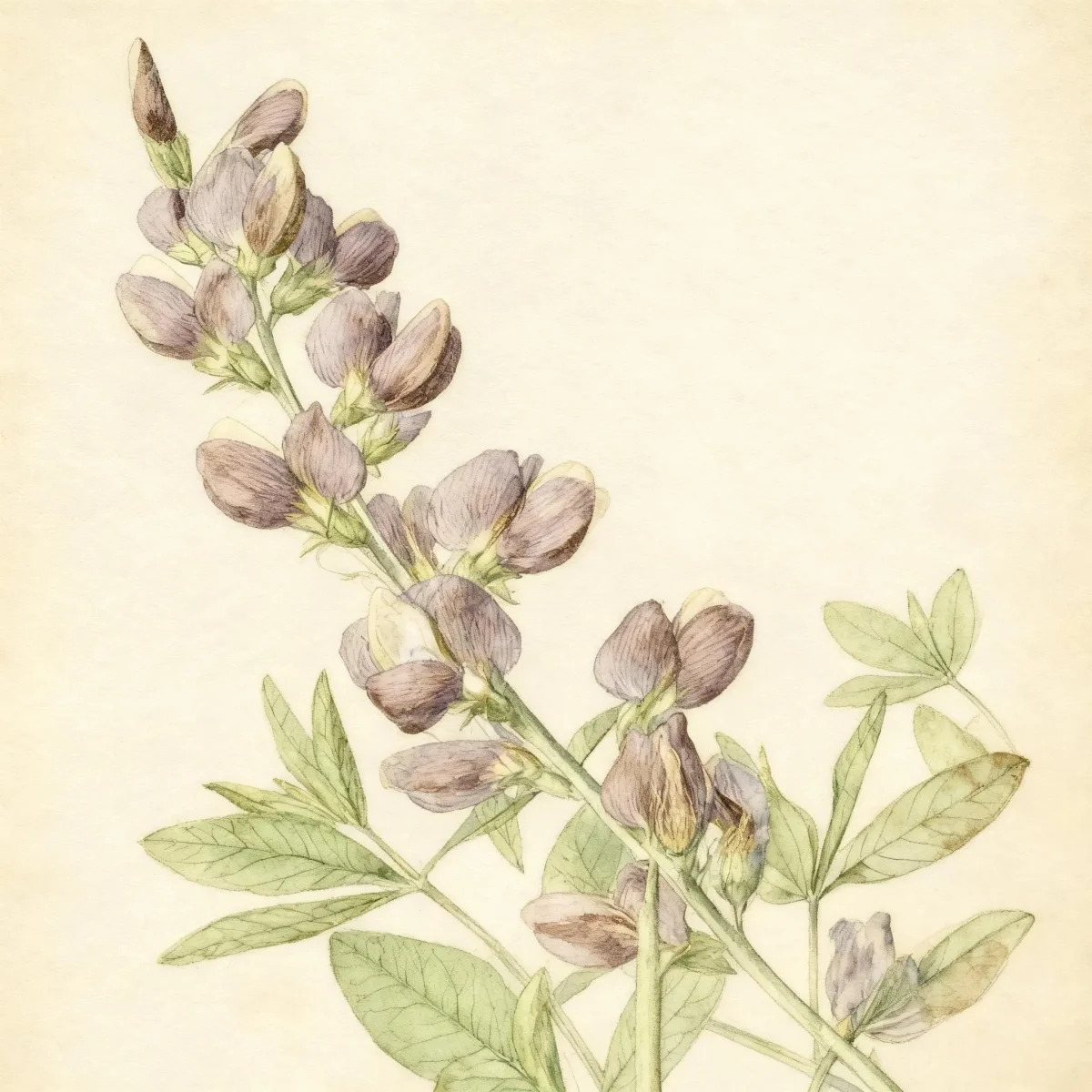
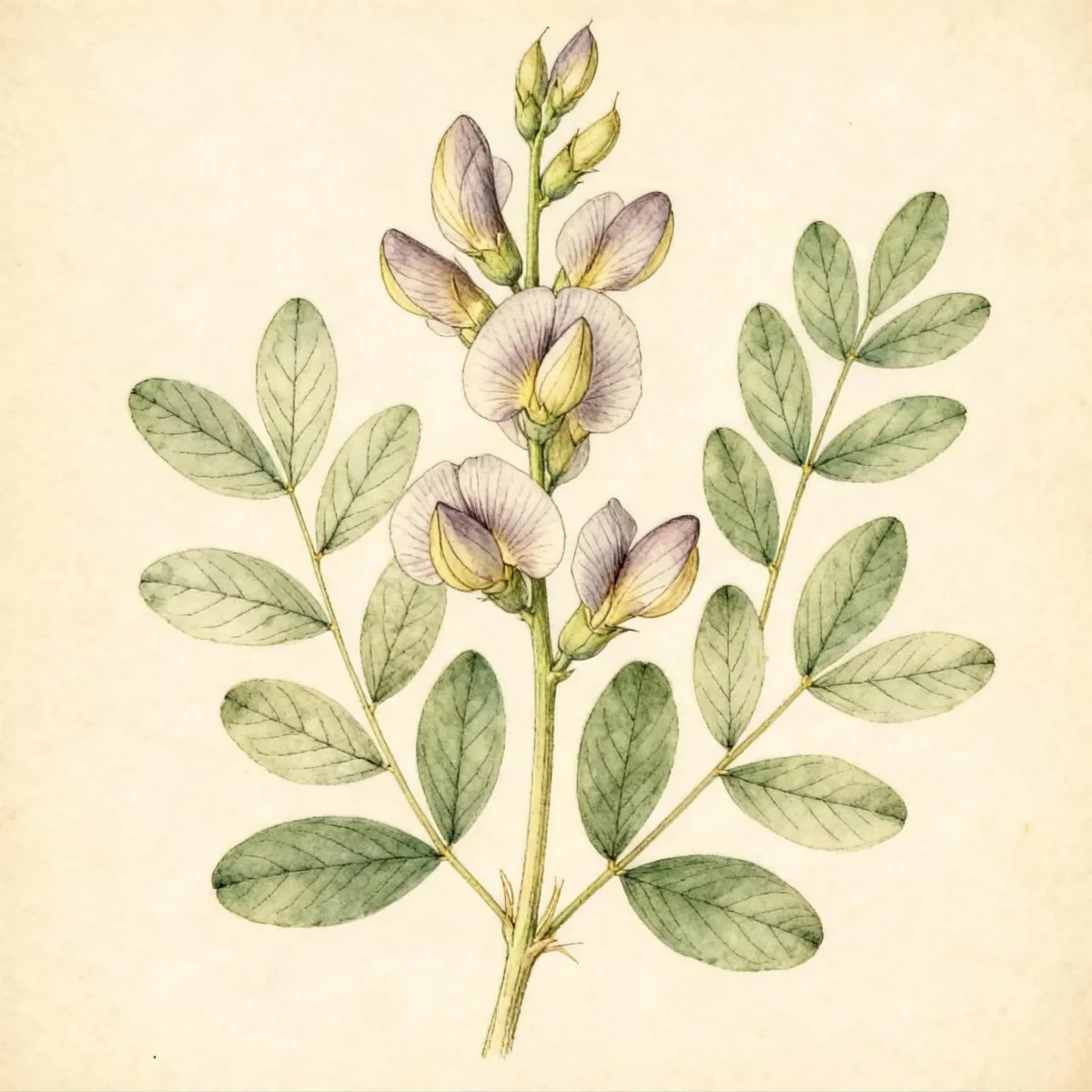
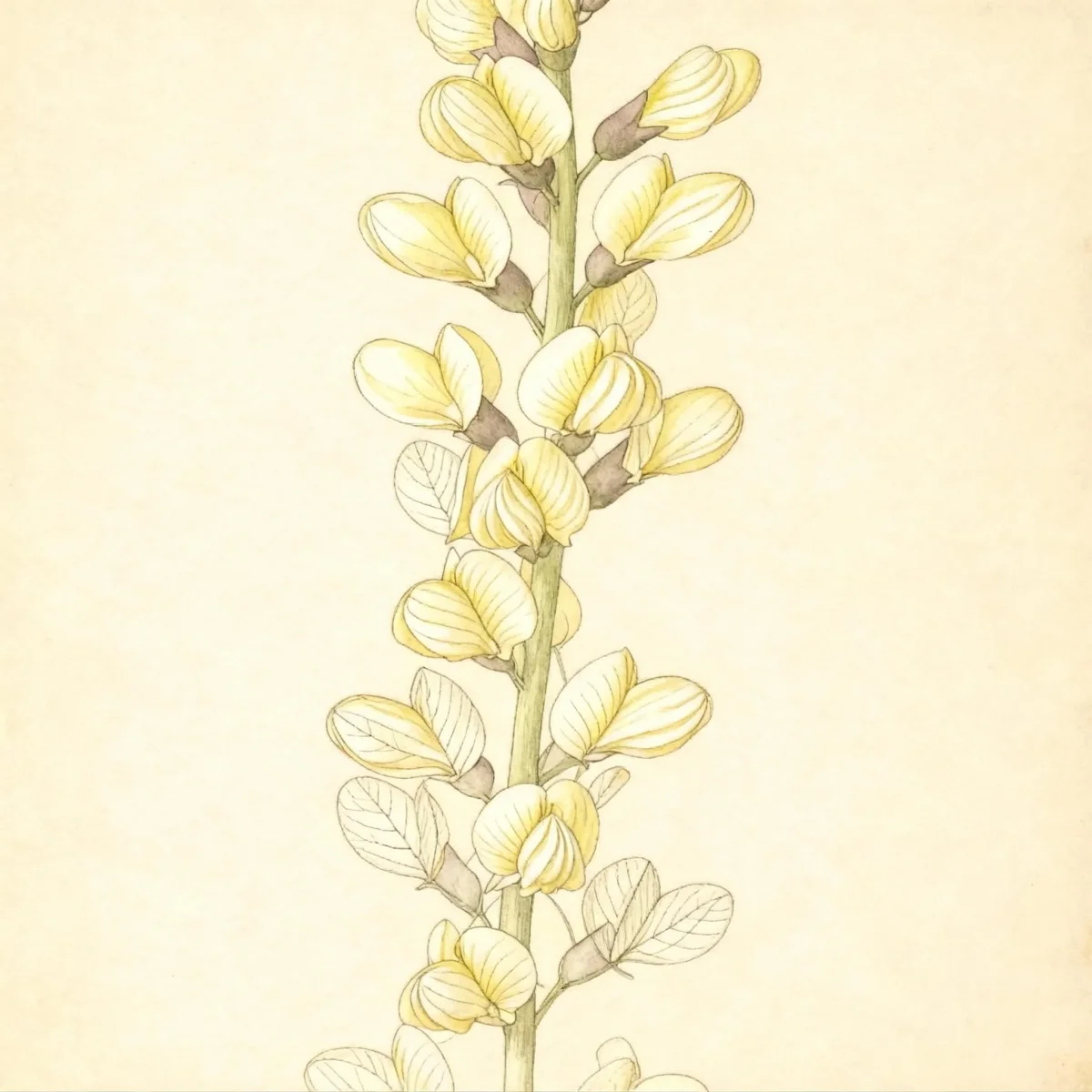
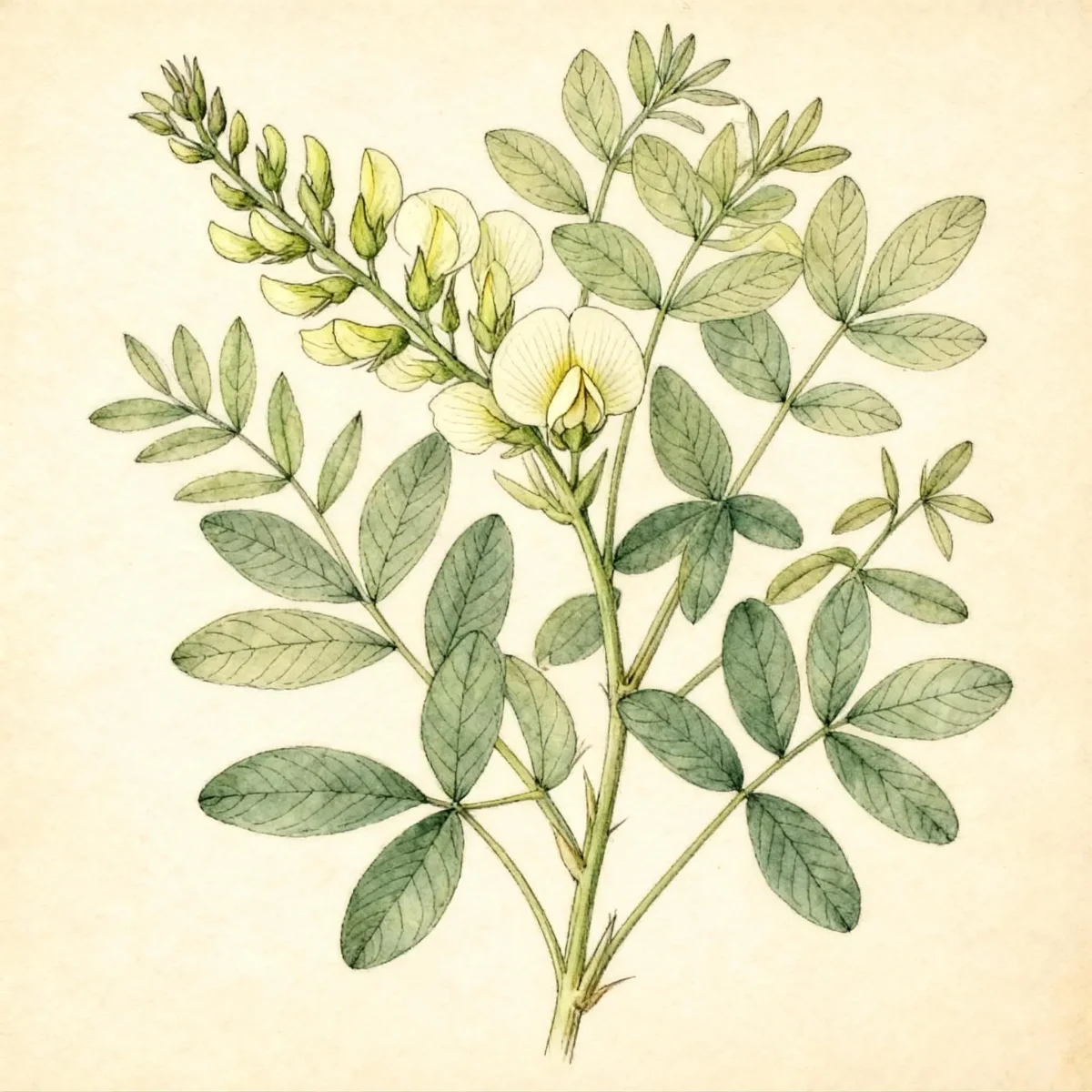
False indigo (Baptisia 'Pink Lemonade' DECADENCE DELUXE)
Captivating False indigo, Baptisia 'Pink Lemonade' DECADENCE DELUXE, offers showy, bicolored blooms. Low maintenance and highly drought tolerant.
Scroll down to discover growing tips, care requirements, companion plants, and more
Complete Plant Information
Overview
Baptisia ‘Pink Lemonade’ DECADENCE DELUXE is a spectacular herbaceous perennial celebrated for its unique bicolored flowers emerging in spikes from May through June. This particular cultivar of False indigo establishes impressive, dense mounds reaching up to four feet tall, providing substantial architectural structure in the garden long after the blooms fade. Gardeners prize this variety because it transitions seamlessly from vibrant early-season color to attractive, architectural foliage and persistent seed pods.
Like other False indigo varieties, Baptisia ‘Pink Lemonade’ DECADENCE DELUXE develops a deep, strong taproot system, contributing significantly to its noted low maintenance requirements and excellent drought tolerance once established. Although it can take several seasons for the plant to reach peak performance, the resulting robust clump offers reliable color and texture in the middle border. The genus name Baptisia nods to its historical, albeit inferior, use as a dye source substitute for true indigo.
Beyond its colorful display, this specific False indigo cultivar provides crucial food sources for native insect pollinators, making it a valuable addition for wildlife enthusiasts. Its upright, compact habit, particularly when grown in full sun, minimizes the need for staking, although some support may be required in shadier placements. Cultivating Baptisia ‘Pink Lemonade’ DECADENCE DELUXE brings reliable, long-lived beauty to sustainable and low-input garden designs.
Fast Facts
- Plant Family: Fabaceae
- Plant Type: Herbaceous perennial
- Hardiness Zones: USDA Zones 4-9
- Size at Maturity:
- Height: 3.5-4 ft
- Spread: 3.5-4 ft
- Bloom Time: May to June
- Sun Exposure: Full sun to part shade
- Water Needs: Dry to medium
- Maintenance Level: Low
How to Grow
Plant Baptisia ‘Pink Lemonade’ DECADENCE DELUXE in the spring or fall, focusing on excellent soil preparation. This perennial thrives in average, well-drained soil, though it performs best with full sun exposure, particularly in acidic or somewhat poor soil conditions. Due to its rapidly developing large taproot, established plants absolutely must be left undisturbed; transplanting established False indigo often results in significant decline or failure.
Once in the ground, watering should be moderate; this plant exhibits good drought tolerance after establishment. Avoid consistently wet or soggy conditions which can harm the deep root system. Fertilization is rarely necessary, as these native-area plants are adapted to lean soils. Remember that plants usually require about three years to fully establish their impressive framework and bloom capacity.
Allow the spectacular terminal flower spikes to finish blooming to enjoy the showy, inflated seed pods that follow. If the plant tends to flop open after flowering, you may prune the foliage back after the bloom period concludes. Cutting the foliage back promotes compact, bushier growth that stays attractive through late summer without staking, but be aware this action eliminates the ornamental seed pods.
Landscape Uses
Baptisia ‘Pink Lemonade’ DECADENCE DELUXE integrates beautifully across various landscape settings due to its sturdy structure and long season of interest. It is highly recommended for defining the middle or back of perennial borders where its height (up to 4 feet) can anchor surrounding lower plantings. Its structure also makes it a superb individual specimen planting or used sparingly in small groups to create focal points.
Consider using this False indigo in cottage gardens where its relaxed yet defined form complements traditional plantings, or introduce it into prairies and meadows for a more naturalized aesthetic. Its inherent toughness and tolerance for erosion and dry soil make it excellent for stabilizing slopes, provided the site gets adequate light. Baptisia ‘Pink Lemonade’ excels where you desire long-term impact without constant fuss.
Standout Features
Flower Qualities
- Showy
Noteworthy Characteristics
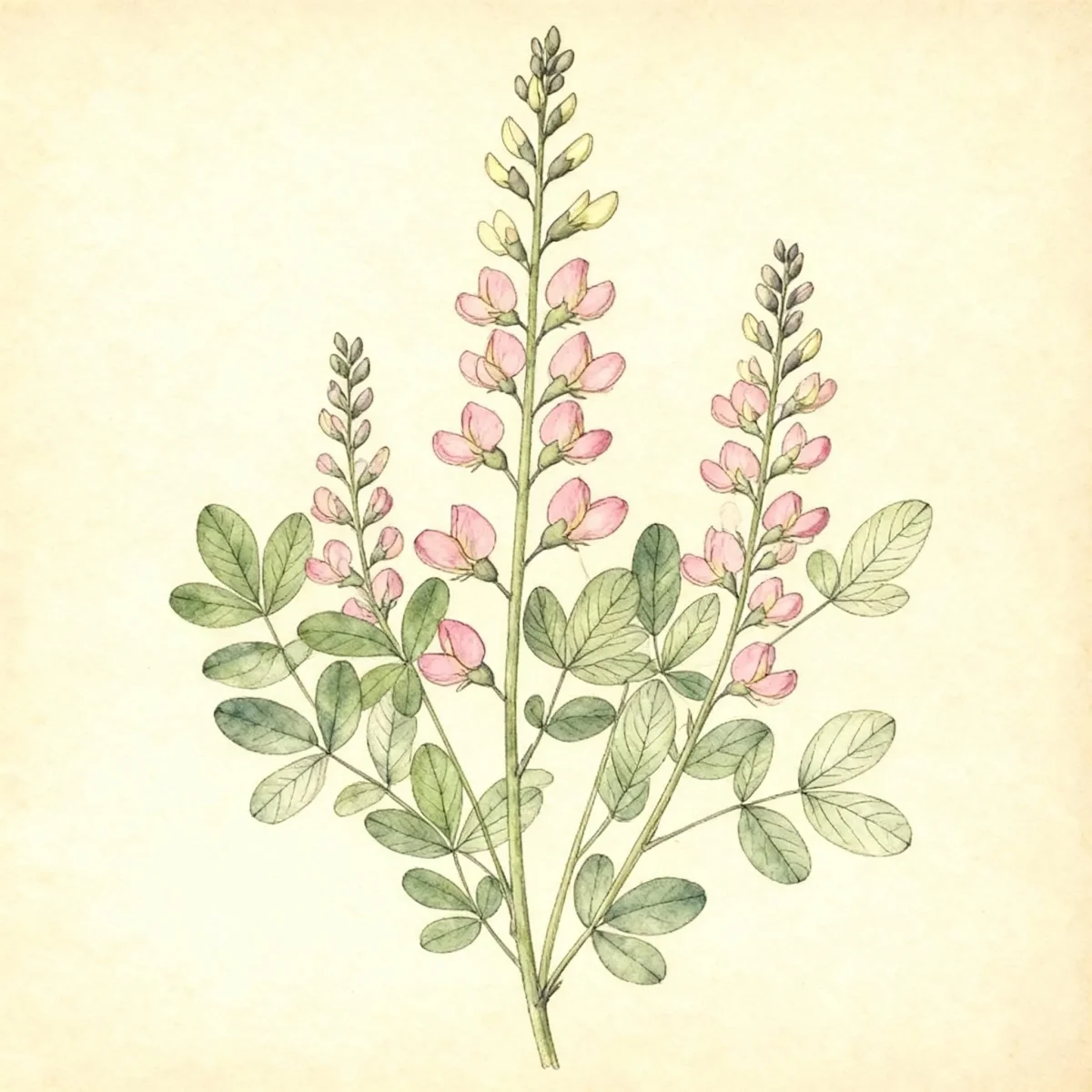
Baptisia is a genus of about 20 species of herbaceous perennials growing mainly in dry woodland and grassland areas of eastern and southern U.S. Often found growing in dry, gravelly soils they are deep-rooted plants with good drought and erosion tolerance. The showy terminal flower spikes are followed by inflated seed pods. The pea-like flowers are attractive to butterflies and other insect pollinators.The genus name Baptisia comes from the Greek word bapto meaning “to dye”.The common name of false indigo refers to the use of certain native baptisias by early American colonists as a substitutes, albeit inferior, for true indigo (genus Indigofera) in making dyes. ‘Pink Lemonade’ is a hybrid false indigo cultivar that features bicolored flowers on long racemes and an upright, compact, and busy habit. Mature clumps will reach up to 4’ tall and spread to fill a similar area. The terminal, spike-like racemes of flowers can reach up to 2’ long. The flowers emerge pale yellow and mature to a raspberry-mauve pink. Commonly sold at nurseries and garden centers under the name DECADENCE DELUXE. Plant patent number PP30669 applies to this cultivar
Tolerances
- Drought
- Erosion
- Dry Soil
Potential Problems
This False indigo variety is celebrated for its robust constitution, generally suffering from no serious insect or disease problems throughout the growing season. The primary structural concern involves taller plants, especially those situated in partial shade, which may lean or collapse after flowering, necessitating support cages or tying before summer progresses. Gardeners should take note of chemical sensitivities: Baptisia is known to be sensitive to juglone, the chemical compound produced by black walnut trees, and tends to perform poorly when planted in close proximity to them.
Frequently Asked Questions
What hardiness zones is False indigo suitable for?
Baptisia ‘Pink Lemonade’ DECADENCE DELUXE is reliably hardy in USDA Zones 4 through 9.
How large does False indigo grow?
Mature clumps typically reach a height between 3.5 and 4 feet, spreading to be nearly as wide, creating a substantial presence in the perennial border.
When does False indigo bloom?
This cultivar displays its showy, bicolored flowers primarily during the late spring and early summer months, usually from May into June.
What sun exposure does Baptisia ‘Pink Lemonade’ DECADENCE DELUXE need?
For the best performance, Baptisia ‘Pink Lemonade’ DECADENCE DELUXE requires full sun exposure, though it can tolerate light afternoon shade (part shade).
Conclusion
Baptisia ‘Pink Lemonade’ DECADENCE DELUXE provides outstanding structure, unique coloring, and exceptional longevity, making it a cornerstone plant for sustainable, low-maintenance gardening. This spectacular False indigo remains attractive for years with minimal intervention, rewarding patient gardeners with reliable spring beauty. Before planting, confirm that your site falls within USDA Zones 4-9 and ensure the soil drains well to maximize the lifespan of this magnificent perennial.
Companion Planting
Selecting companions for Baptisia ‘Pink Lemonade’ DECADENCE DELUXE should prioritize plants that can tolerate similar dry-to-medium soil conditions and appreciate comparable sun exposure. Since Baptisia takes a few years to mature and bloom heavily, pairing it with early spring bloomers that disappear by early summer works well, avoiding competition once the False indigo reaches its full height. Consider incorporating spring-blooming bulbs like irises or early peonies, which will provide foreground color while the False indigo is emerging.
For summer interest once the Baptisia flowers fade, integrate drought-tolerant partners that offer contrasting texture, such as ornamental grasses, Russian Sage (Perovskia), or Coneflowers (Echinacea). These textural contrasts work especially well as the Baptisia foliage naturally loosens up late in the season. Always ensure companions are placed far enough away to avoid disturbing the deep, sensitive taproot of the Baptisia ‘Pink Lemonade’ DECADENCE DELUXE.
Wildlife Benefits
As a member of the Fabaceae (Pea) family, False indigo is inherently valuable to native insect populations, attracting butterflies and other specialized pollinators seeking its pea-like flowers. The genus Baptisia supports several specialized butterfly species, including the larvae of the Wild Indigo Duskywing butterfly (Erynnis baptisiae). Including this plant directly supports local insect biodiversity in your garden ecosystem.
The unique, persistent seed pods that follow the bloom are also a functional feature, sometimes providing winter interest and potentially serving as a food source for certain bird species later in the year. By choosing Baptisia ‘Pink Lemonade’ DECADENCE DELUXE, you are selecting a perennial that offers food, structure, and shelter across multiple seasons for garden wildlife.