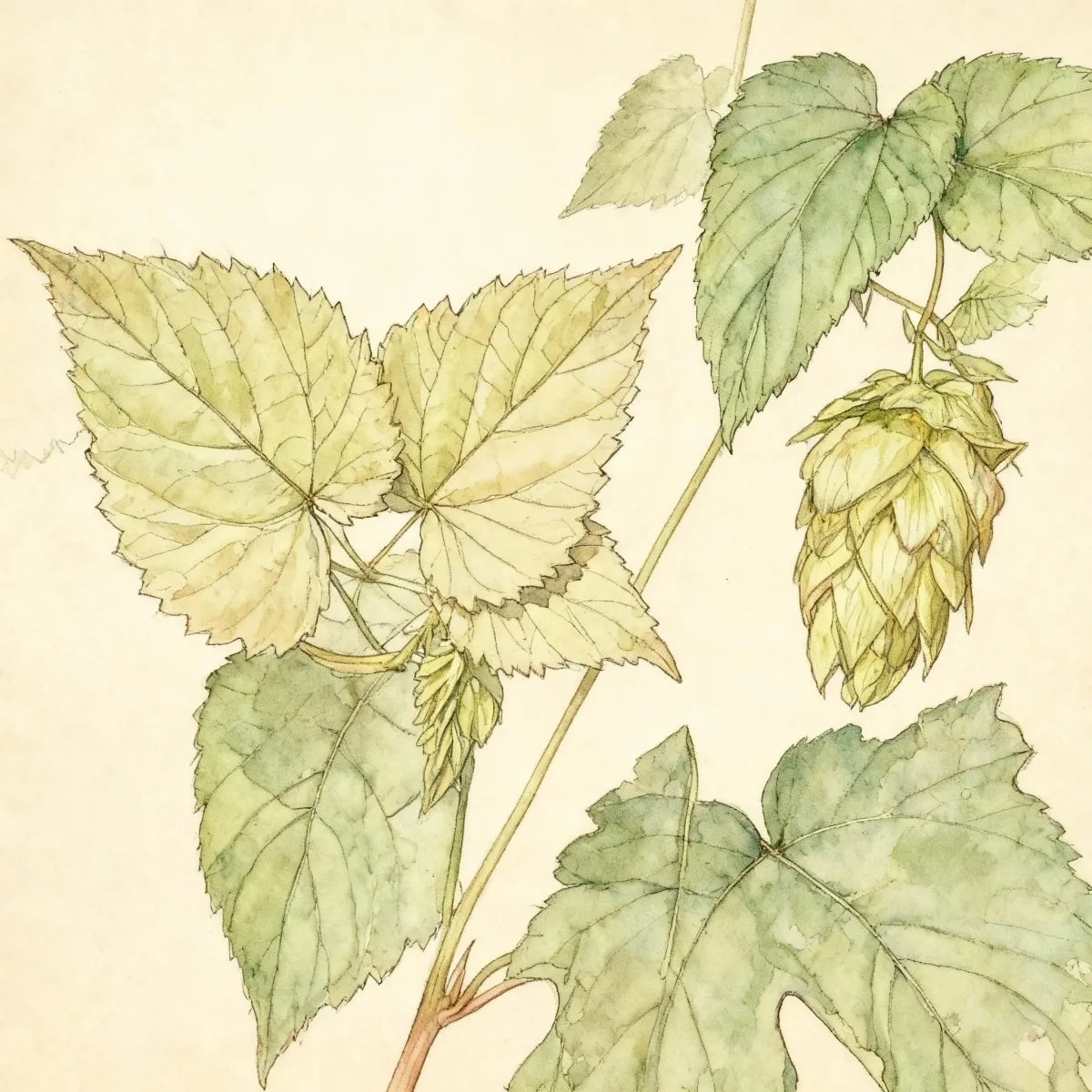
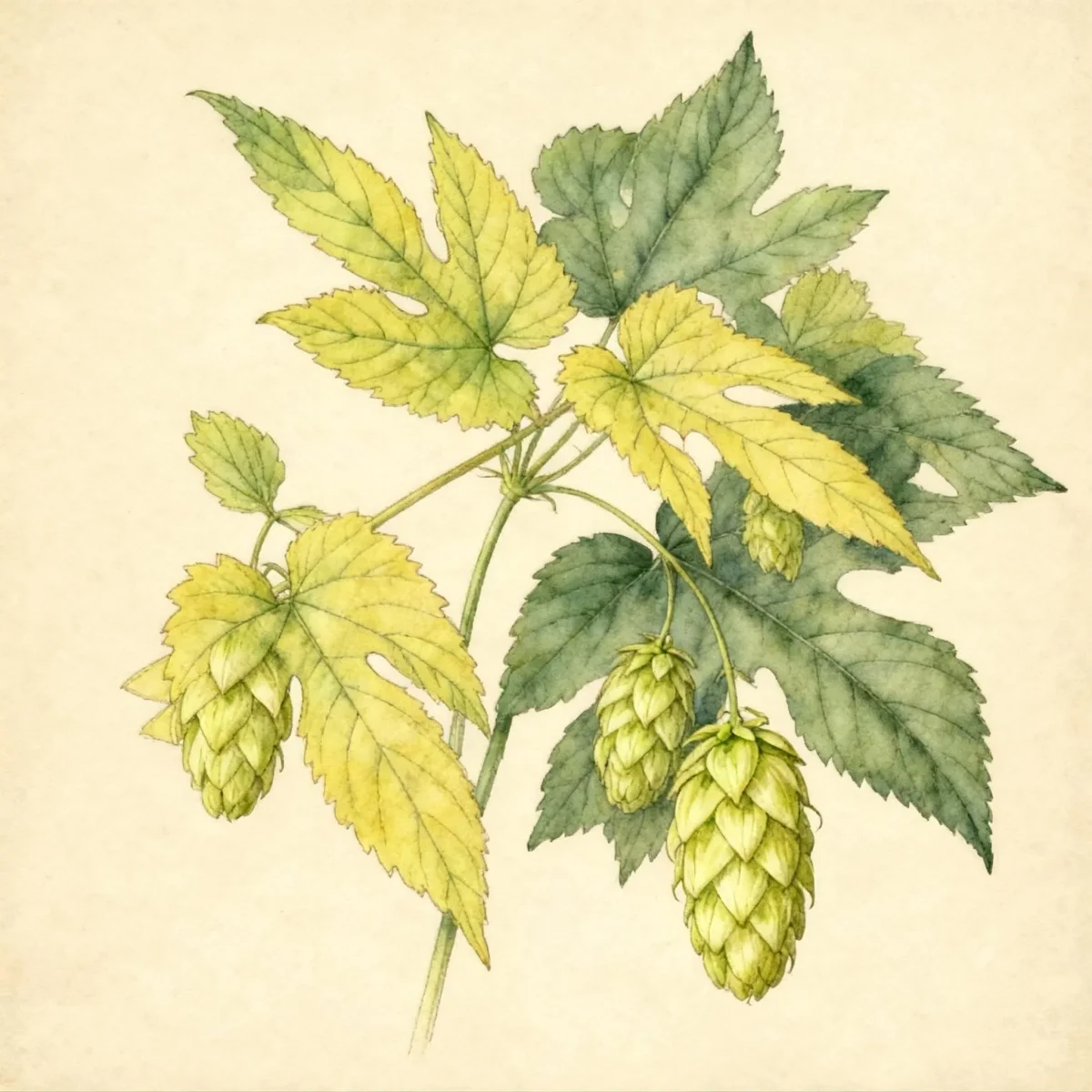
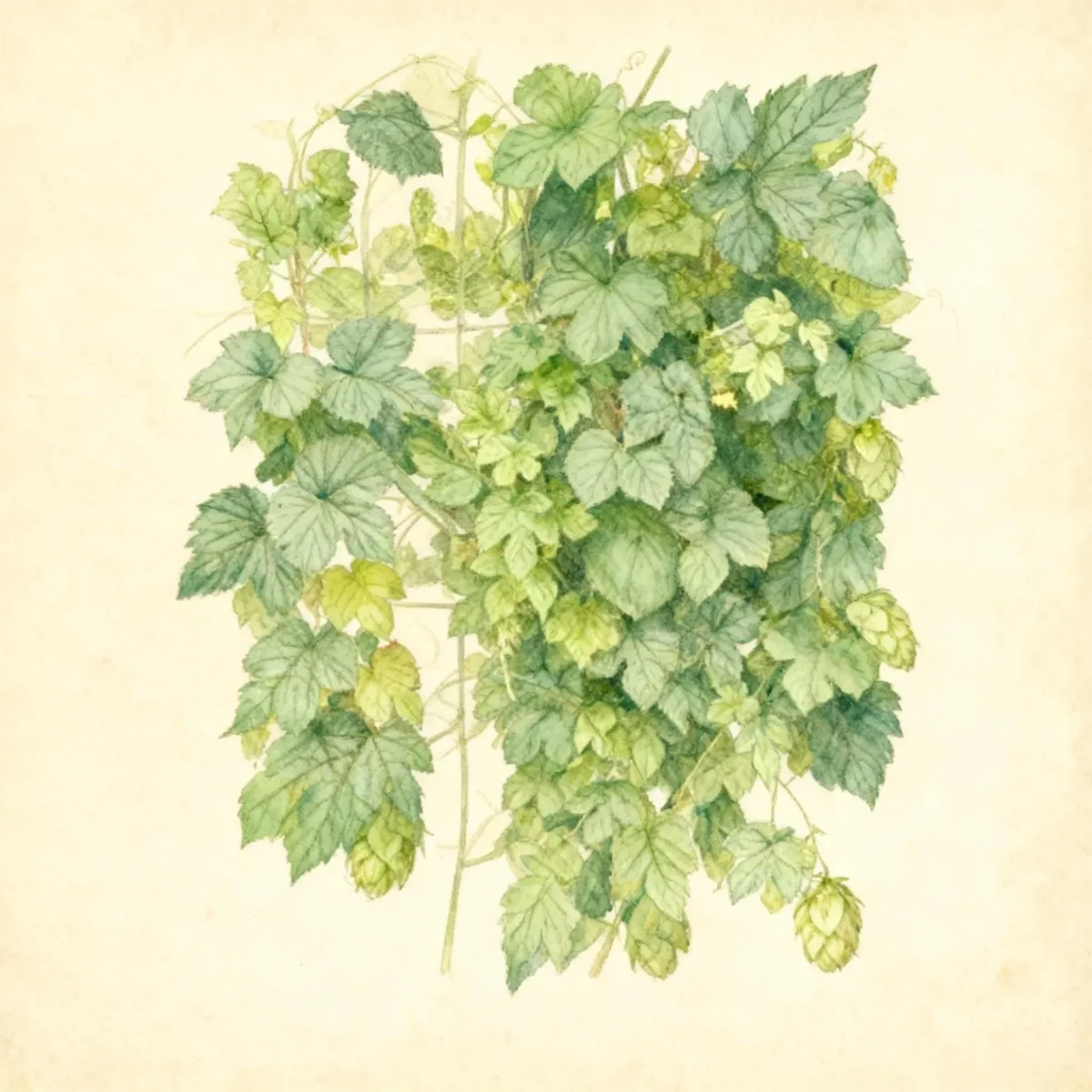
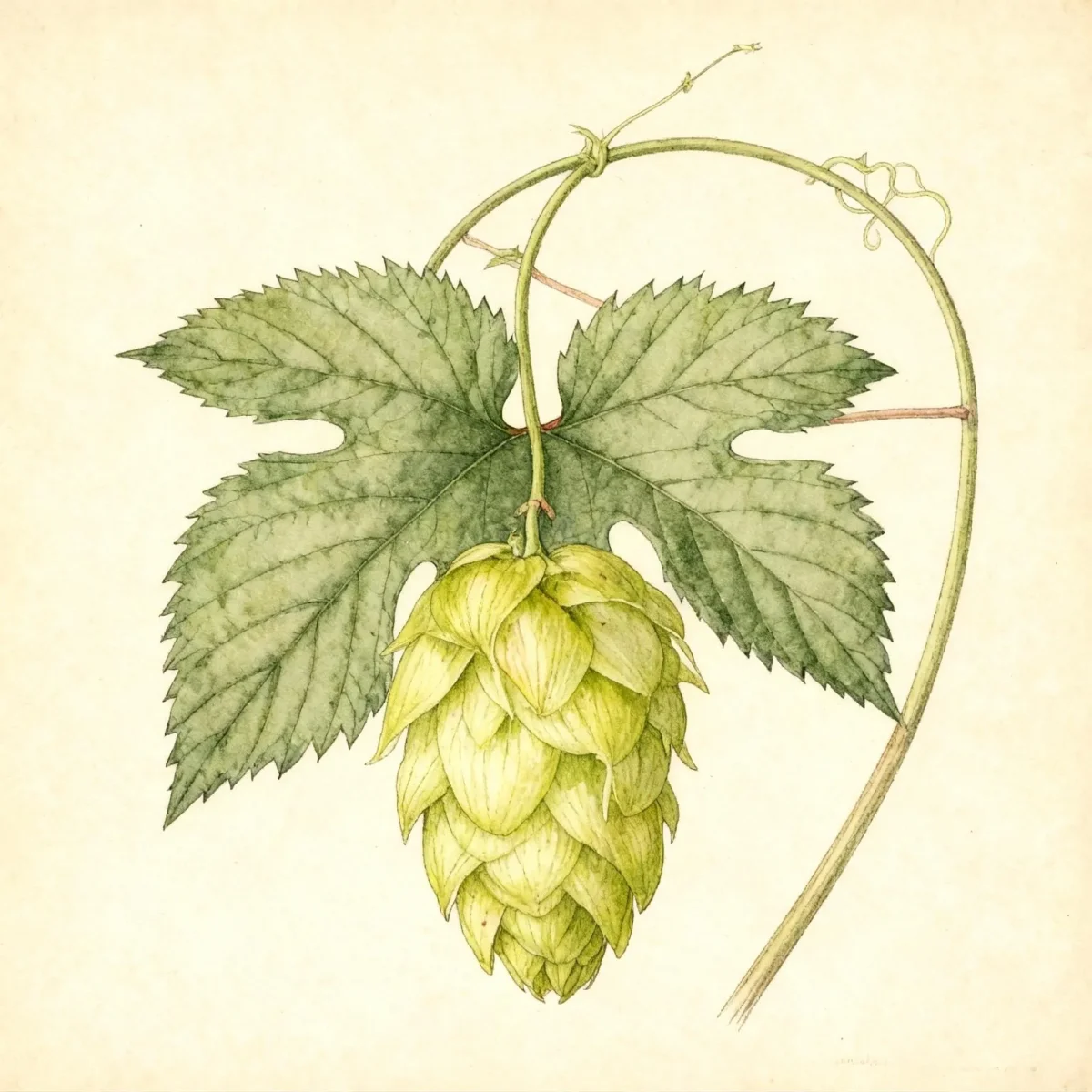
Common hop (Humulus lupulus 'Cascade')
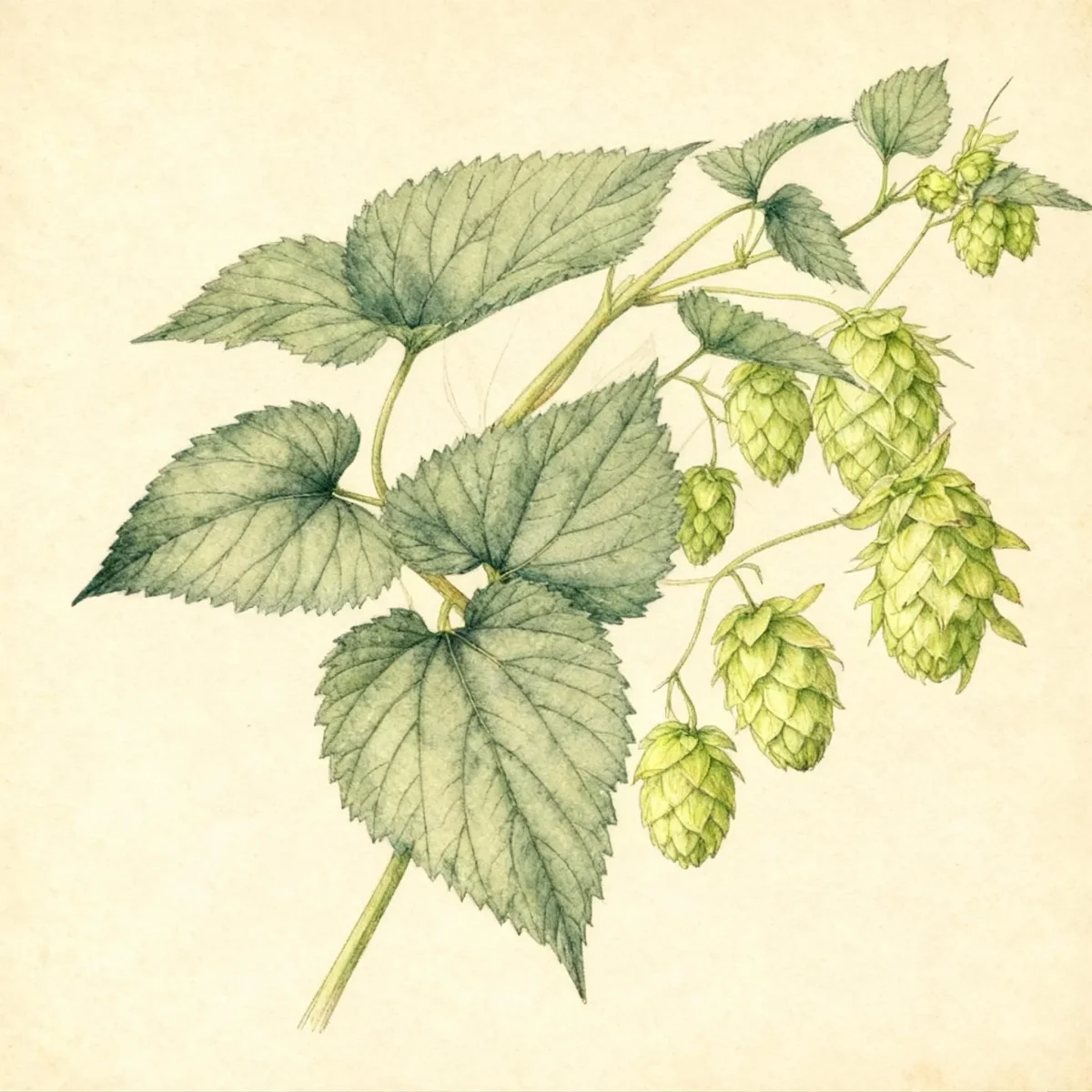
Humulus lupulus 'Cascade', or Common hop, is a vigorous, fast-growing vine prized for fragrant brewer's cones and rapid screening.
Scroll down to discover growing tips, care requirements, companion plants, and more
Complete Plant Information
Overview
Humulus lupulus ‘Cascade’, commonly known as Common hop, is a highly vigorous, rhizomatous vine celebrated globally by brewers for its cones, which impart floral and citrus notes to beer. Gardeners value this plant for its exceptionally rapid growth, capable of covering 15 feet or more in a single season, making it excellent for temporary screening or quickly blanketing large vertical structures. The cultivar ‘Cascade’ specifically is known for its dark green foliage and desirable, large, light green flower clusters.
As a perennial twining vine, the Common hop requires significant support to display its best form. Though the above-ground stems die back completely in winter, the established perennial roots reliably send up new growth each spring. This rapid-growing nature, combined with its fragrant flowers, makes Humulus lupulus ‘Cascade’ a practical and beautiful addition to any garden requiring quick vertical impact.
Fast Facts
- Plant Family: Cannabaceae
- Plant Type: Vine
- Hardiness Zones: USDA Zones 4-9
- Size at Maturity:
- Height: 12-15 ft
- Spread: 10-12 ft
- Bloom Time: September to October
- Bloom Description: Green
- Sun Exposure: Full sun to part shade
- Water Needs: Medium
- Maintenance Level: Low
How to Grow
The best time to establish Humulus lupulus ‘Cascade’ is when initiating new growth in the spring, planting it in average, well-drained soils. While it prefers consistently moist and rich soil conditions, the Common hop exhibits fair tolerance for drought once established, fitting well into medium water-need landscapes. Ensure the location chosen has robust structural support, such as a sturdy trellis, arbor, or strong wires, as this vine will quickly climb.
Maintain watering consistently, especially during the first season, moving towards moderate watering schedules thereafter, checking the soil moisture before irrigating. Fertilization is generally not required if the soil starts rich, but a balanced feed can encourage more vigorous growth. Pruning is straightforward: stems can be cut back completely to the ground level in the autumn after a hard frost has caused them to die back naturally.
A unique consideration for growers is that hops are dioecious, meaning male and female plants are separate. If your goal is to harvest the cone-like floral structures (strobiles) used in brewing or for ornamental structure, you must have female plants present. Male plants are necessary nearby to ensure pollination, though male plants do not produce the desirable cones.
Landscape Uses
Humulus lupulus ‘Cascade’ excels as an interesting ornamental vine, rapidly developing texture and screening capabilities. It is an ideal choice for covering unattractive utility boxes, old fences, or creating temporary green partitions in the landscape. Growers intending to harvest the famous ‘Cascade’ hop cones should dedicate a sunny spot for them, often framing them on a robust pergola or arbor.
When planning companion plantings, select perennials or shrubs that appreciate similar sun exposure (full sun to part shade) and can handle rich, well-drained conditions. Due to its aggressive climbing nature, avoid placing the Common hop immediately next to delicate, small plants that might be easily smothered by its rapid spread.
Standout Features
Flower Qualities
- Showy
- Fragrant
Noteworthy Characteristics
Humulus lupulus, commonly known as common hop, is a dioecious, rhizomatous, twining perennial vine that is grown commercially for harvest of female fruits which are used by breweries to preserve and flavor beer. It is also an easy-to-grow ornamental plant that can be grown on a variety of support structures. ‘Cascade’ is a vigorous, climbing brewer’s hop with dark green foliage and large, light green flower clusters (sometimes called cones), readily reaching up to 15 feet long and covering trellises quickly.
Tolerances
- Drought
Potential Problems
The Common hop generally faces no serious insect or disease problems under good cultural conditions, making maintenance relatively low. The primary necessity when growing Humulus lupulus ‘Cascade’ is providing adequate support, as the stems are climbers and need something substantial to twine upon. Be aware that skin contact with the foliage or stems may induce dermatitis in sensitive individuals, so gloves are recommended during pruning.
Frequently Asked Questions
What hardiness zones is Common hop suitable for?
Humulus lupulus ‘Cascade’ is suitable for growing in USDA Hardiness Zones 4 through 9.
How large does Common hop grow?
This vigorous vine typically achieves a height between 12 and 15 feet, with a spread ranging from 10 to 12 feet at maturity.
What sun exposure does Common hop need?
Humulus lupulus ‘Cascade’ performs best when situated in full sun, although it can tolerate partial shade locations.
When does Common hop bloom?
The characteristic cone-like structures of the Common hop emerge and mature between September and October, presenting a green visual display.
Conclusion
The Humulus lupulus ‘Cascade’ offers unparalleled speed in achieving vertical coverage, coupled with the aromatic qualities valued by homebrewers. This low-maintenance vine provides structure and fragrance throughout the late summer and fall. Before planting, ensure you have a sturdy support system in place and confirm your location falls within USDA Zones 4-9 for best year-round success with this Common hop variety.
Propagation Tips
Propagation of Humulus lupulus ‘Cascade’ is most easily achieved vegetatively through cuttings of the runners, or suckers, that emanate directly from the established crown roots. This method ensures that the new plants are clones of the desirable female ‘Cascade’ specimen, guaranteeing true characteristics and cone production. Since the perennial roots survive winter even after top-kill from frost, division of the root clumps in early spring is also an effective way to multiply your stock.
Companion Planting
Because the Common hop requires rich soil and steady moisture, good companion plants are those that enjoy similar conditions and don’t compete aggressively below ground. Consider pairing established perennials that benefit from vertical screening, such as late-blooming ornamental grasses or vigorous clematis varieties, ensuring adequate space is left for the hop’s potentially aggressive root system to establish itself without restriction.