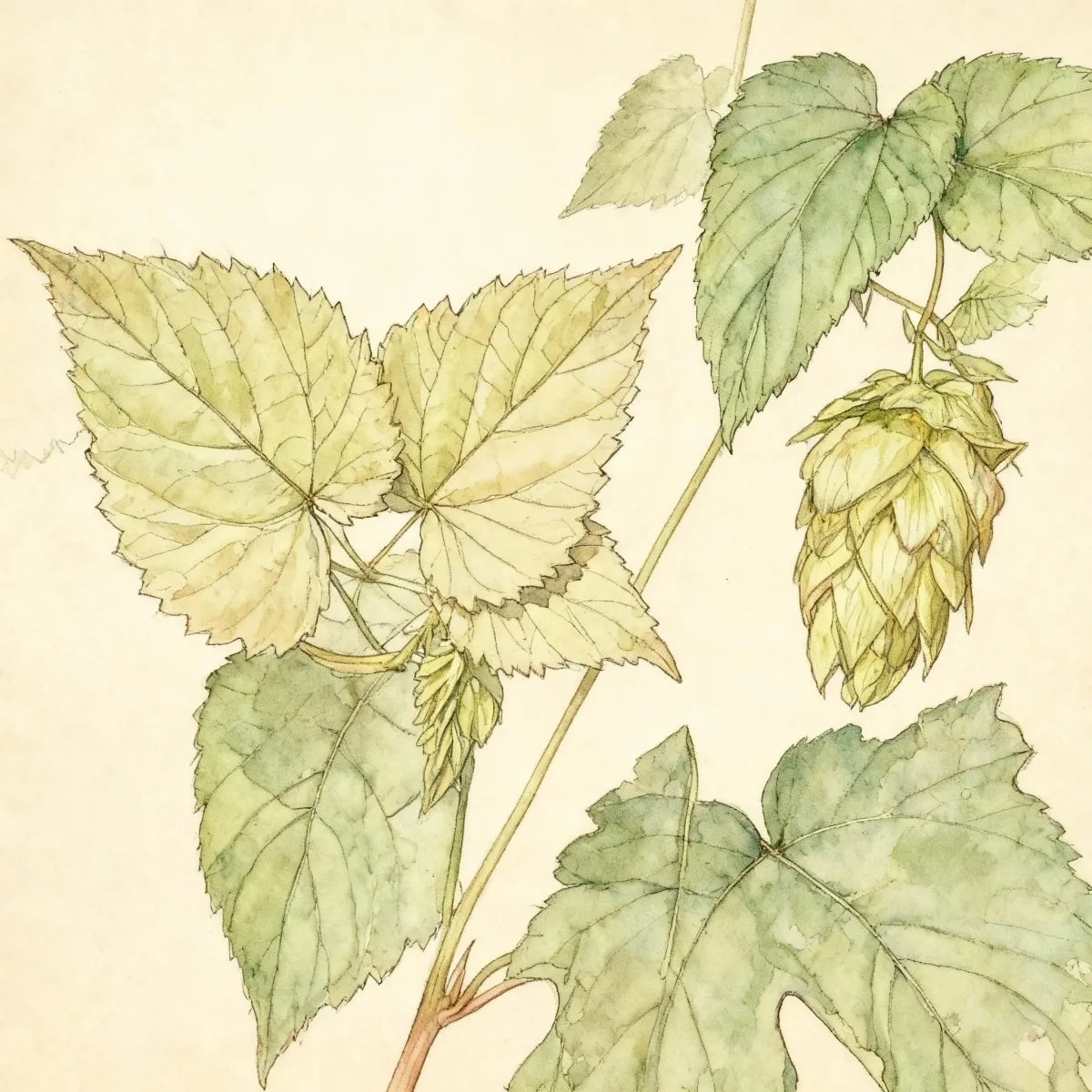
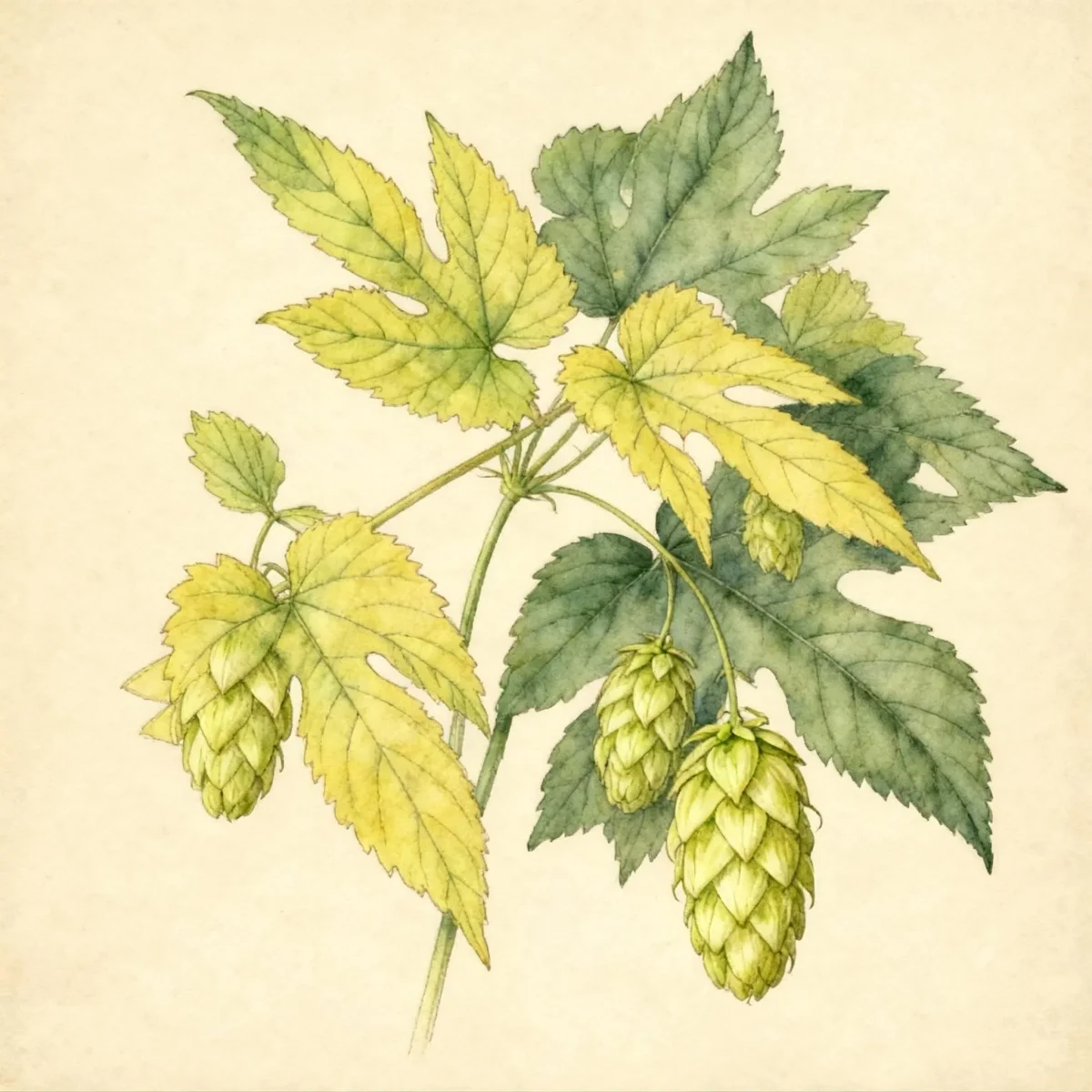
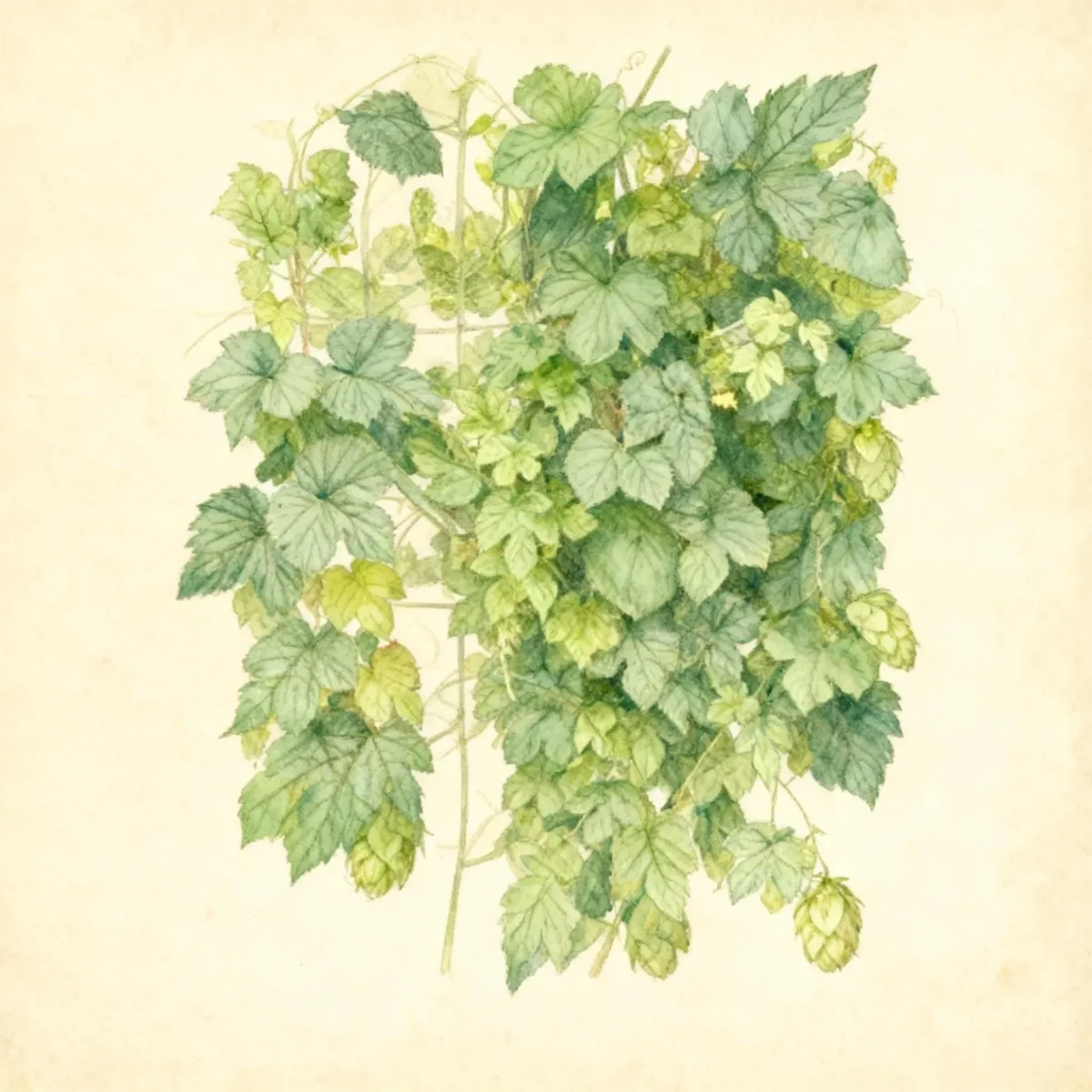
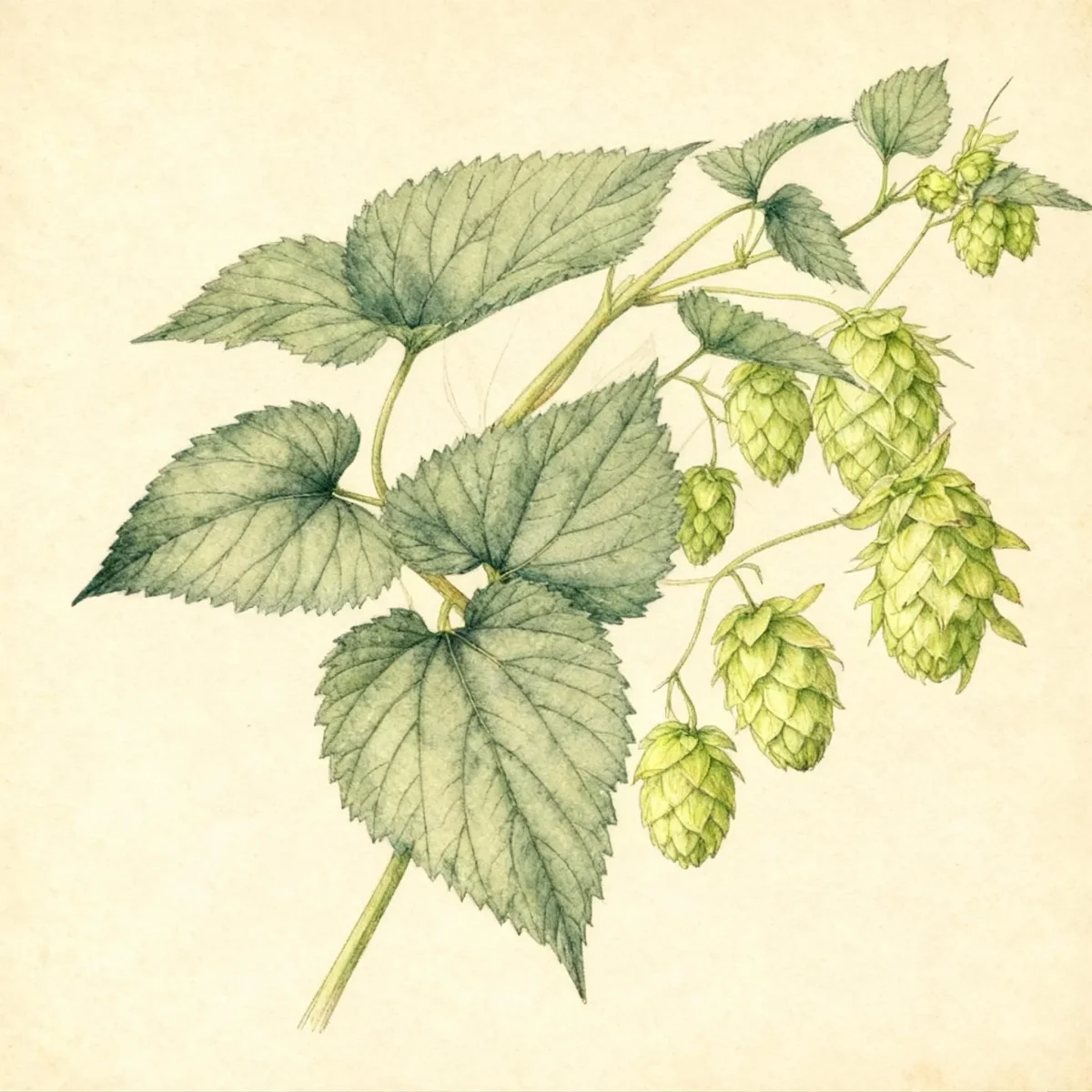
Common hop (Humulus lupulus 'Centennial')
Humulus lupulus 'Centennial' is a vigorous, fast-growing Common hop vine ideal for arbors, providing fragrant, showy summer blooms.
Scroll down to discover growing tips, care requirements, companion plants, and more
Complete Plant Information
Overview
Humulus lupulus ‘Centennial’, known commonly as Common hop, is a highly vigorous, twining perennial vine valued both for its rapid growth and its historically significant floral harvest. This variety is particularly esteemed for its large flower clusters, which impart desirable floral, citrus, and slightly bitter notes when used in brewing. As an ornamental, Humulus lupulus ‘Centennial’ quickly covers large vertical structures, making it an excellent, fast-growing screening plant.
Gardeners appreciate this rhizomatous vine for its resilience; although the top growth dies back annually, the perennial roots reliably send up new shoots each spring. It thrives quickly, often reaching 15 to 20 feet high, provided robust support is available. The foliage is dark green and coarsely lobed, adding substantial texture to trellises or pergolas throughout the growing season.
Beyond its brewing utility, the Common hop offers fantastic aesthetic appeal with its rapid vertical ascent and attractive bloom time in early to mid-summer. It is considered an easy-to-grow specimen that provides functional shade or screening while adding a unique, fragrant element to the landscape.
Fast Facts
- Plant Family: Cannabaceae
- Plant Type: Vine
- Hardiness Zones: USDA Zones 4-8
- Size at Maturity:
- Height: 15-20 ft
- Spread: 2-4 ft
- Bloom Time: June to July
- Bloom Description: Green
- Sun Exposure: Full sun to part shade
- Water Needs: Medium
- Maintenance Level: Low
How to Grow
Planting Humulus lupulus ‘Centennial’ should occur when the danger of hard frost has passed, allowing the perennial roots to establish immediately. The ideal location receives full sun, although it tolerates partial shade, which may slightly reduce vigor. While preferring deeply moist, rich soils, this vine adapts well to rich, average soils having medium moisture. Ensure the planting site offers excellent drainage, as standing water can harm the roots.
Ongoing care for the Common hop requires dedication to providing adequate moisture, especially during dry spells, living up to its “Medium” water need rating. Although it exhibits drought tolerance once established, consistent watering encourages the most vigorous growth desirable for screening. Fertilization is usually unnecessary if planted in rich soil. Because this plant is dioecious, remember that male plants are required near females if you intend to harvest seeds, though the attractive cones (strobiles) will still form without pollination.
The vigorous stems of Humulus lupulus ‘Centennial’ require pruning management, as they die back completely to the ground each winter. After a hard frost signals dormancy (typically late autumn), stems can be cut back to the ground. New growth emerges swiftly from the crowns in spring. Propagation is straightforward via cuttings taken from runners emanating from the central crown.
Landscape Uses
The primary landscape function of the Common hop is rapid vertical coverage, making it an outstanding natural screen for obscuring unattractive walls, utility boxes, or fences. Its structure makes it perfect for growing on sturdy trellises, tall pergolas, arbors, and porches where its 20-foot reach can be fully utilized. Furthermore, integrating Humulus lupulus ‘Centennial’ into an herb garden setup recognizes its agricultural heritage.
Due to its sprawling, vigorous nature, ensure spacing is adequate—a spread of 2 to 4 feet is manageable, but the density of foliage demands attention. When selecting companions, choose plants that appreciate similar moisture and sun conditions but do not compete aggressively for ground space, as hops are assertive growers. The fragrant summertime flowers also make this an excellent addition to areas near patios or outdoor seating where the scent profile can be easily enjoyed.
Standout Features
Flower Qualities
- Showy
- Fragrant
Noteworthy Characteristics
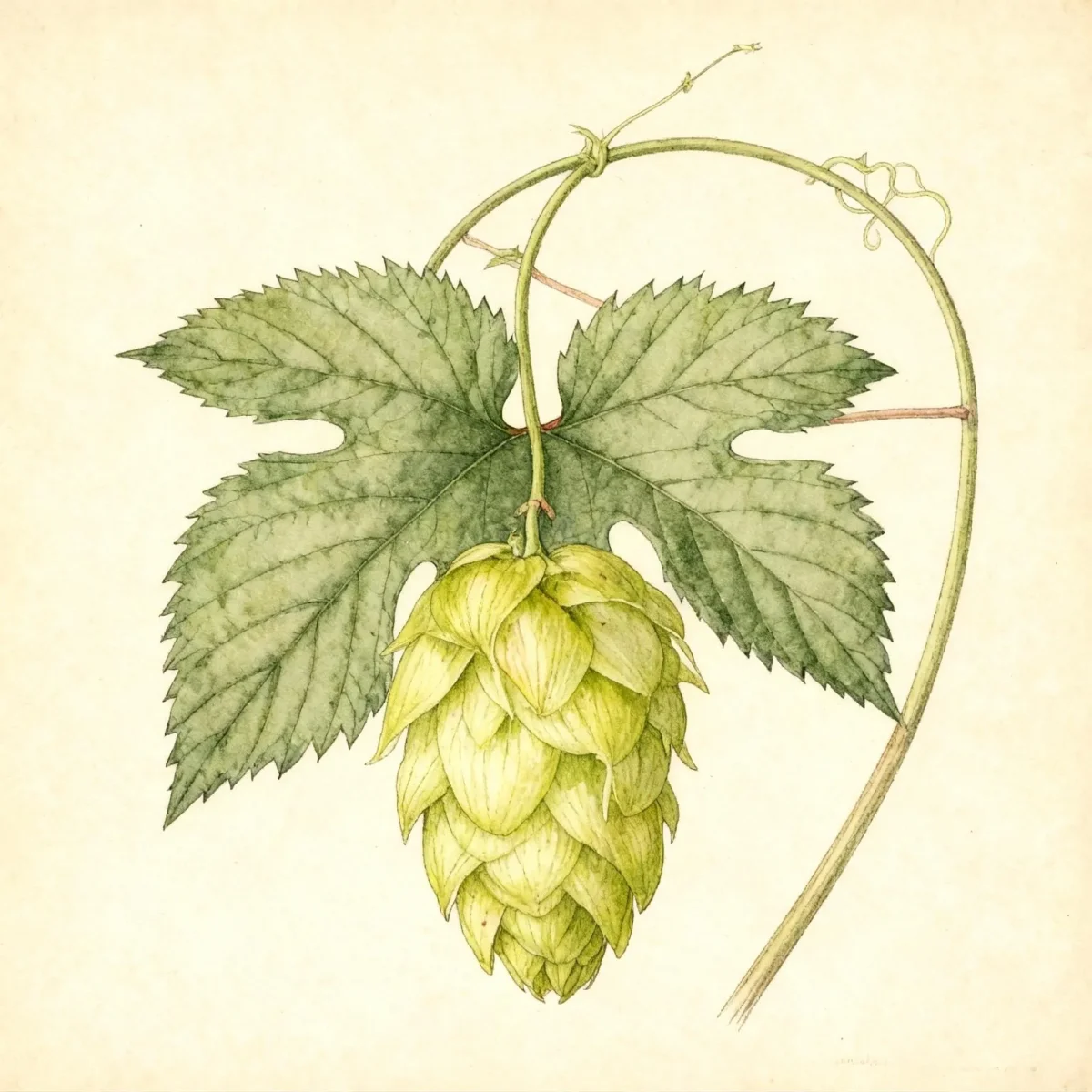
Humulus lupulus, commonly known as common hop, is a dioecious, rhizomatous, twining perennial vine that is grown commercially for harvest of female fruits which are used by breweries to preserve and flavor beer. It is also an easy-to-grow ornamental plant that can be grown on a variety of support structures. ‘Centennial’ is a vigorous, climbing brewer’s hop with dark green, coarsely-lobed foliage and large, light green flower clusters (sometimes called cones) which are used to impart floral, citrus, and lightly bitter notes to beers and ales. The vines can easily reach up to 20’ long and will quickly cover an arbor or trellis.
Tolerances
- Drought
Potential Problems
The Common hop generally exhibits few serious insect or disease issues, which simplifies its maintenance level. The most critical concern is structural: this vine absolutely requires a sturdy support structure on which to climb, or it will sprawl across the ground. A minor note for sensitive individuals is that skin contact with the stems or foliage may occasionally cause dermatitis, so gloves are recommended during heavy pruning.
Frequently Asked Questions
What hardiness zones is Common hop suitable for?
Humulus lupulus ‘Centennial’ is reliably hardy in USDA Zones 4 through 8, allowing for widespread cultivation across temperate regions.
How large does Humulus lupulus ‘Centennial’ grow?
This fast-growing vine typically achieves heights between 15 and 20 feet, with a spread of 2 to 4 feet, rapidly covering vertical surfaces.
What sun exposure does Humulus lupulus ‘Centennial’ need?
For optimal growth and flower production, aim for full sun exposure, though this species adapts well to locations receiving part shade.
When does Common hop bloom?
The blooming period for this variety occurs from June through July, producing green, fragrant flower clusters.
Conclusion
Humulus lupulus ‘Centennial’ delivers immense value as a fast-growing, low-maintenance perennial vine, offering both strong ornamental screening and historically significant fragrant blooms. The ability of the Common hop to thrive in various conditions while quickly covering structures makes it a gardener favorite. Check your local hardiness zone compatibility and ensure you have robust support structures planned before planting this vigorous grower.
Companion Planting
When integrating Humulus lupulus ‘Centennial’ into a mixed border, consider companions that tolerate similar moisture and richness, such as robust perennial sunflowers or tall ornamental grasses. Because the hop vine aggressively covers vertical space, pairing it with low-growing edible herbs or groundcovers can maximize use of lower light areas created by the vine’s canopy. Avoid planting delicate or slow-growing perennials directly adjacent, as the vigorous runners of the Common hop can quickly overwhelm them.
Propagation Tips
Propagation of Humulus lupulus ‘Centennial’ is reliably accomplished vegetatively, bypassing the genetic variability associated with seeds. The most effective method involves taking cuttings of the runners that emanate from the main plant crown, typically during the active growing season. These root cuttings should be well-established before separating them from the parent plant. This technique ensures you retain the exact characteristics of the ‘Centennial’ cultivar year after year.