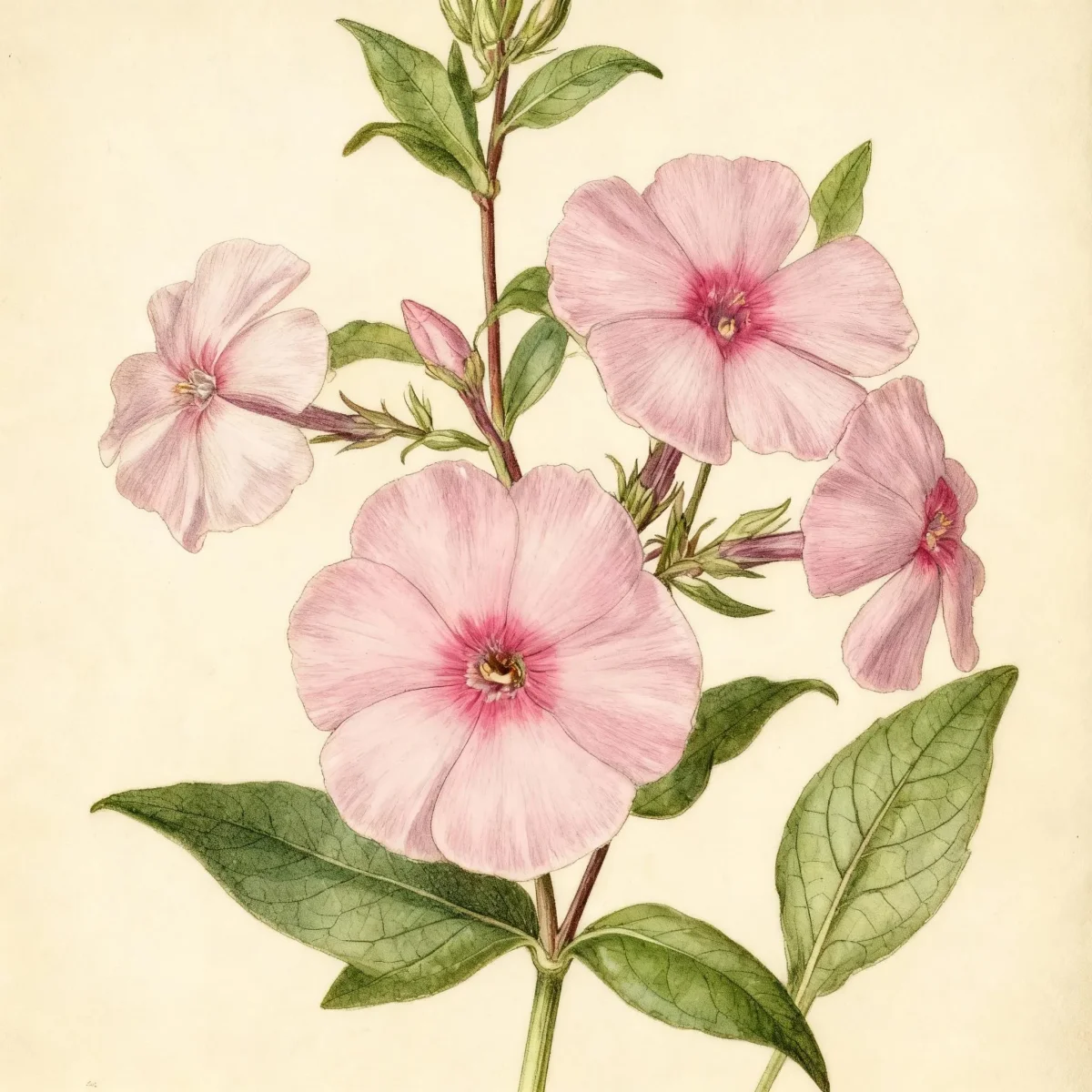
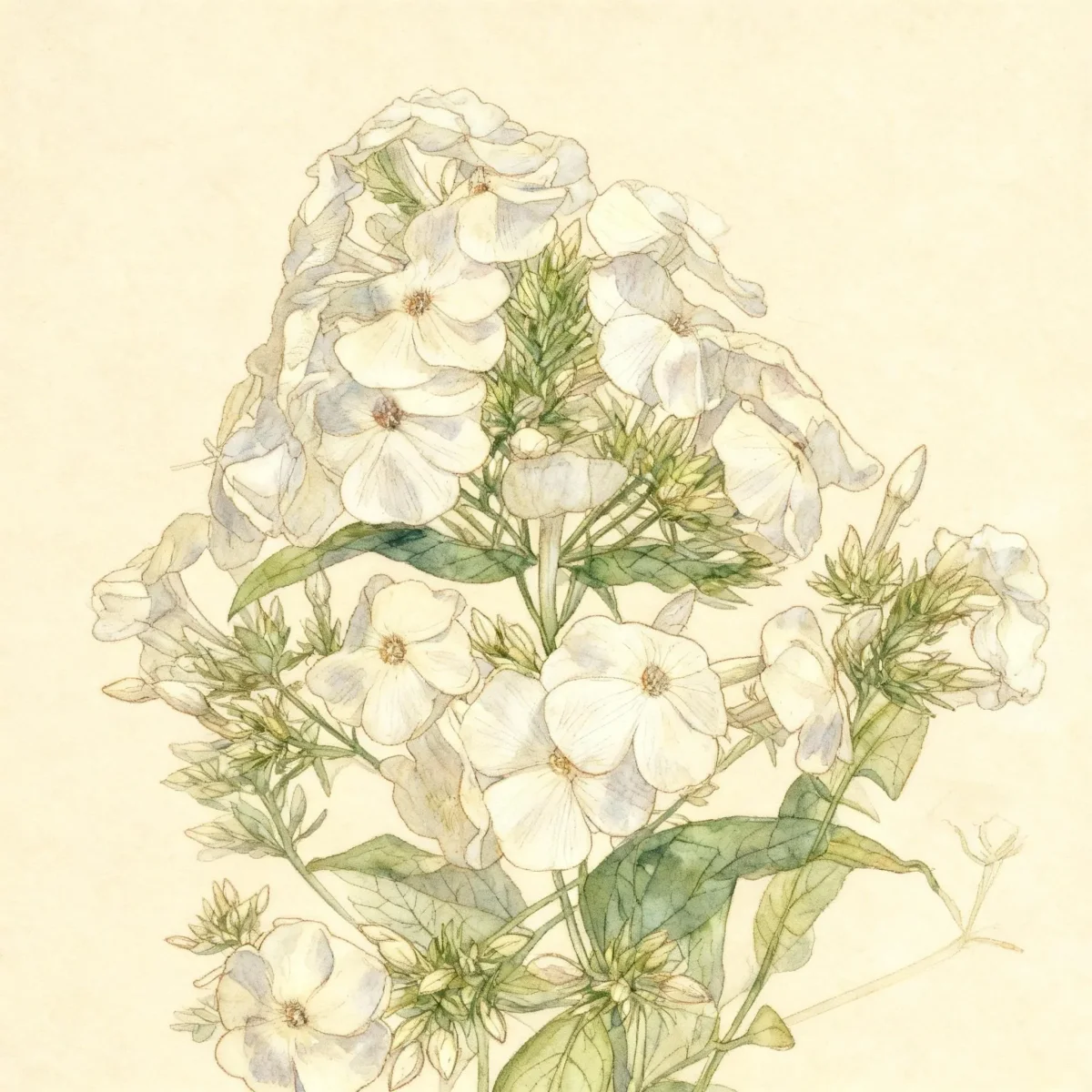
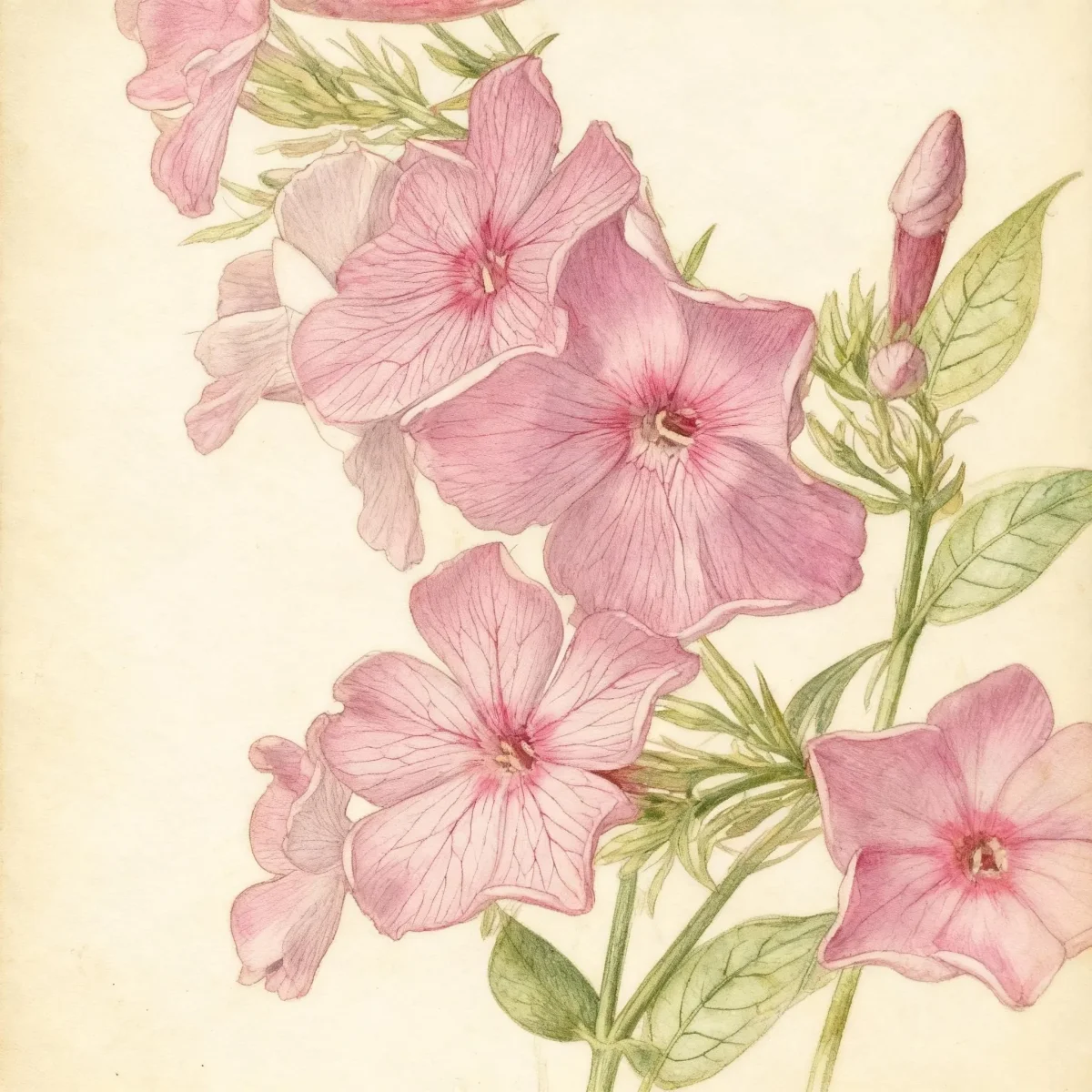
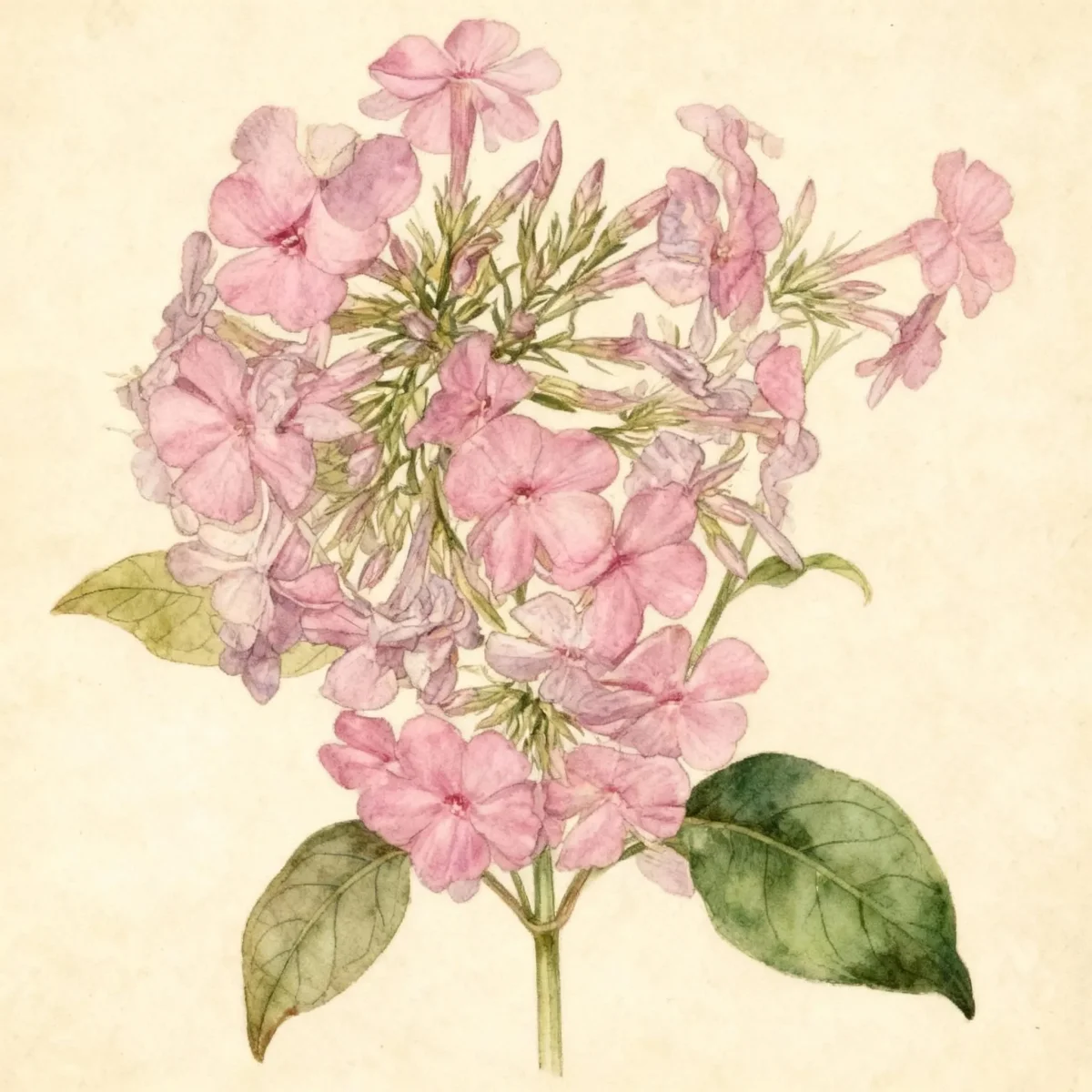
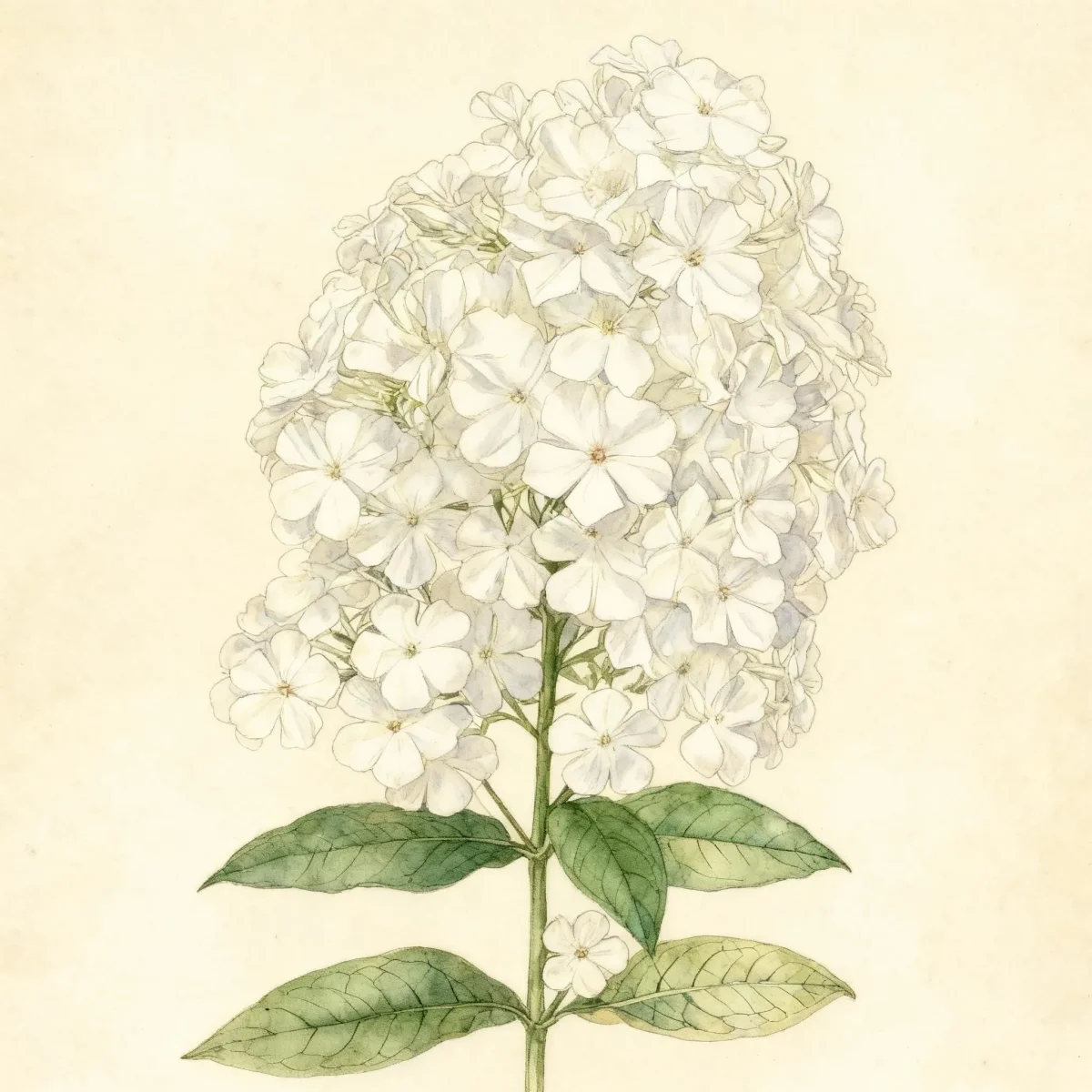
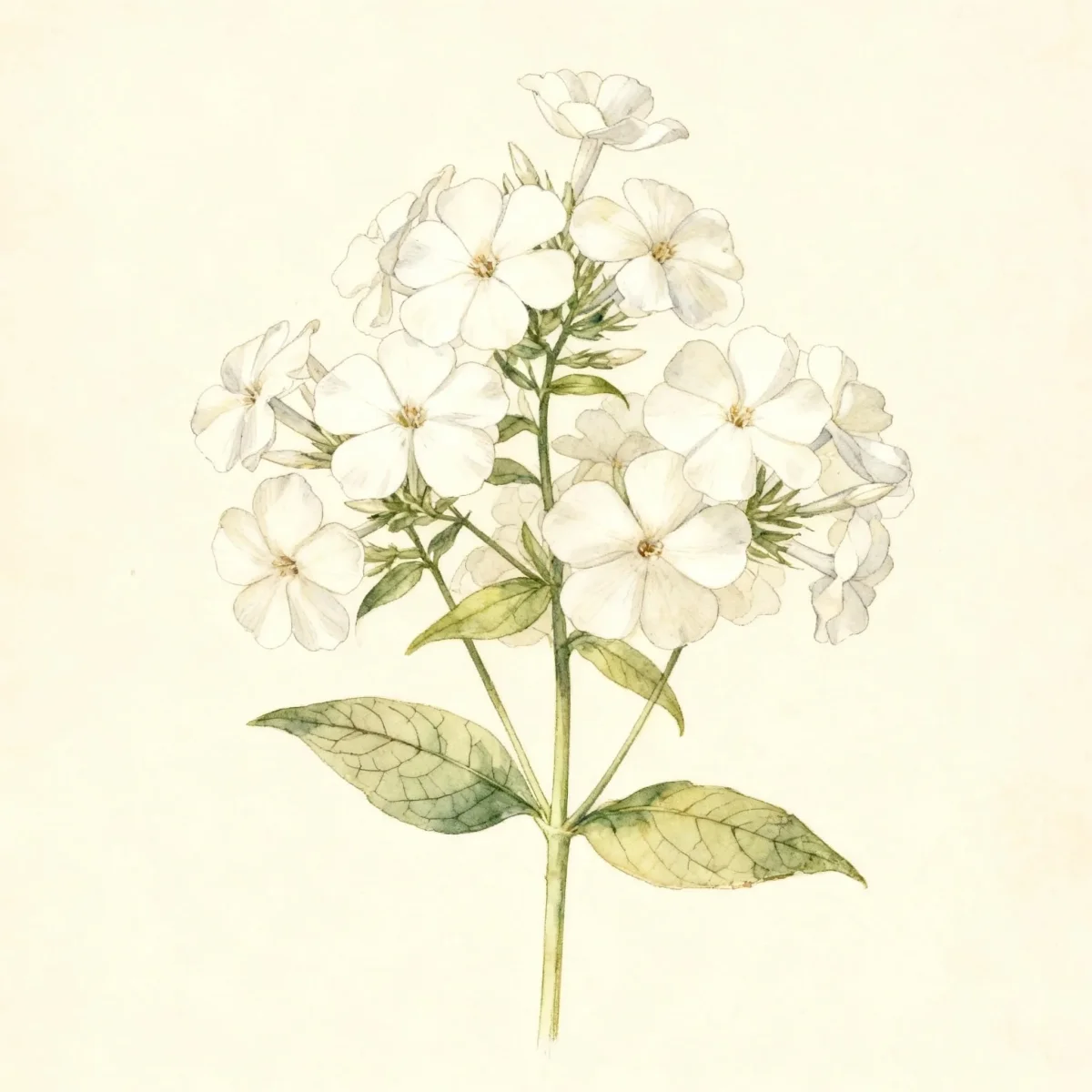
Garden phlox (Phlox paniculata 'Candy Twist')
Phlox paniculata 'Candy Twist' offers showy, fragrant white flowers with lilac-pink stripes. This Garden phlox thrives in zones 4-8.
Scroll down to discover growing tips, care requirements, companion plants, and more

Complete Plant Information
Overview
Phlox paniculata ‘Candy Twist’, a vibrant cultivar of Garden phlox, brings exceptional color and fragrance to the summer garden. This variety is highly valued for its distinctive white florets adorned with striking lilac-pink pinwheel stripes, offering visual interest across the garden border. As an upright perennial, this Garden phlox provides vertical structure and attracts beneficial pollinators throughout its long blooming season.
Growing reliably in USDA Zones 4 through 8, Phlox paniculata ‘Candy Twist’ matures to a manageable height of 1-2 feet tall and wide. Though thriving best in milder summer climates, this selection exhibits improved heat and humidity tolerance compared to older types of garden phlox. Effective air circulation and appropriate cultural practices are key to maximizing the aesthetic appeal of this beautiful perennial phlox.
Fast Facts
- Plant Family: Polemoniaceae
- Plant Type: Herbaceous perennial
- Hardiness Zones: USDA Zones 4-8
- Size at Maturity:
- Height: 1-2 ft
- Spread: 1-2 ft
- Bloom Time: July to September
- Bloom Description: White and lilac-pink bicolor
- Sun Exposure: Full sun to part shade
- Water Needs: Medium
- Maintenance Level: Medium
How to Grow
Plant Phlox paniculata ‘Candy Twist’ in spring or fall in a location receiving full sun, though light afternoon shade is acceptable. This Garden phlox performs best when established in moderately fertile, rich, medium-moisture soil that is well-drained. Amending the soil with organic matter before planting helps ensure robust performance throughout the growing season.
Maintain consistent moisture levels, as this plant is intolerant of drought and requires watering during dry spells, though overhead watering should be avoided to mitigate disease spread. Mulching around the base during summer is beneficial as it keeps the root zone cool. Deadheading faded flower panicles is recommended to encourage prolonged blooming, although cultivars like Phlox paniculata ‘Candy Twist’ generally do not come true from seed if you allow them to set seed.
Good air circulation is vital for managing the common challenges associated with summer phlox. Ensure adequate spacing between plants and consider thinning out interior stems as needed to promote airflow and help combat powdery mildew. For winter preparation, cut the stems back to the ground after the foliage dies back naturally and clean the area thoroughly to reduce fungal spores for the following year.
Landscape Uses
Garden phlox is a cornerstone for the traditional cottage or perennial border, offering strong mid-to-late summer color when many spring bloomers have faded. Phlox paniculata ‘Candy Twist’ mixes beautifully with late-blooming asters, coneflowers, and ornamental grasses, creating layered visual depth. Its fragrant, showy blooms make it an indispensable choice for filling the middle ground of a mixed border scheme.
Furthermore, the rich nectar provides an excellent food source, making this perennial phlox a star attraction for hummingbirds and butterflies. Consider planting groupings of this Garden phlox near patios or windows where the summertime fragrance can be easily enjoyed. The stiff, upright habit provides structural interest throughout the season.
Standout Features
Flower Qualities
- Showy
- Fragrant
Noteworthy Characteristics
Phlox paniculata, commonly known as garden phlox, has escaped gardens and naturalized into areas beyond its original native range. This is an upright perennial that grows in a clump on stiff stems clad with conspicuously veined, deep green leaves. Fragrant, tubular florets are densely packed in large, tiered, domed terminal clusters over a long July to September bloom period. ‘Candy Twist’ is a garden phlox selection that features white flowers with contrasting, lilac-pink, pinwheel stripes, maturing to about 2 feet tall.
Tolerances
- Deer
- Clay Soil
- Black Walnut
Potential Problems
Phlox can present challenges, primarily in the form of pests and diseases. Phlox bugs, root rot, and powdery mildew are common issues that can impact the health and appearance of your stand of Garden phlox. Spider mites may also appear, especially when conditions turn hot and dry.
Fortunately, Phlox paniculata ‘Candy Twist’ has been bred for better resilience. This cultivar specifically offers improved resistance to powdery mildew and better tolerance of heat and humidity than the straight species. To manage potential problems, ensure proper spacing for airflow and avoid overhead watering to prevent fungal issues. Taller stems may occasionally require staking for support, especially in exposed locations.
Frequently Asked Questions
What hardiness zones is Phlox paniculata ‘Candy Twist’ suitable for?
This Garden phlox variety is suitable for USDA Hardiness Zones 4 through 8.
How large does Phlox paniculata ‘Candy Twist’ grow?
Mature plants typically reach a height between 1 and 2 feet, with a similar spread between 1 and 2 feet.
When does Garden phlox bloom?
This perennial phlox blooms reliably from July through September, offering white and lilac-pink bicolor flowers.
What sun exposure does Garden phlox need?
It prefers full sun but successfully tolerates partial shade conditions.
Conclusion
Phlox paniculata ‘Candy Twist’ is a highly rewarding, fragrant, and visually unique perennial ideal for adding reliable mid-summer structure to borders. By meeting its needs for rich, moist soil and good air circulation, you can ensure your Garden phlox maintains its striking bicolor display. Before planting, confirm that your local climate falls within USDA Zones 4-8 to guarantee the best performance from this selection.
Companion Planting
When designing where to plant Phlox paniculata ‘Candy Twist’, consider pairing it with species that share similar moisture and sun requirements. Since garden phlox performs best with regular moisture, companion plants like Hosta, Astilbe, or Ligularia work well if placed in the partial shade zone. For full-sun borders, look to plants that bloom later in the season, such as Sedum ‘Autumn Joy’ or ornamental grasses, which can help mask the fading foliage of the phlox later in fall.
Wildlife Benefits
The tubular flowers of Phlox paniculata are perfectly shaped to attract long-tongued pollinators, making this an excellent plant for any area focused on wildlife gardening. Butterflies are constant visitors to the dense flower heads throughout the blooming season. If you are looking to create a high-impact pollinator garden, ensuring a mass planting of Garden phlox will provide a reliable nectar source when many other plants are slowing down.