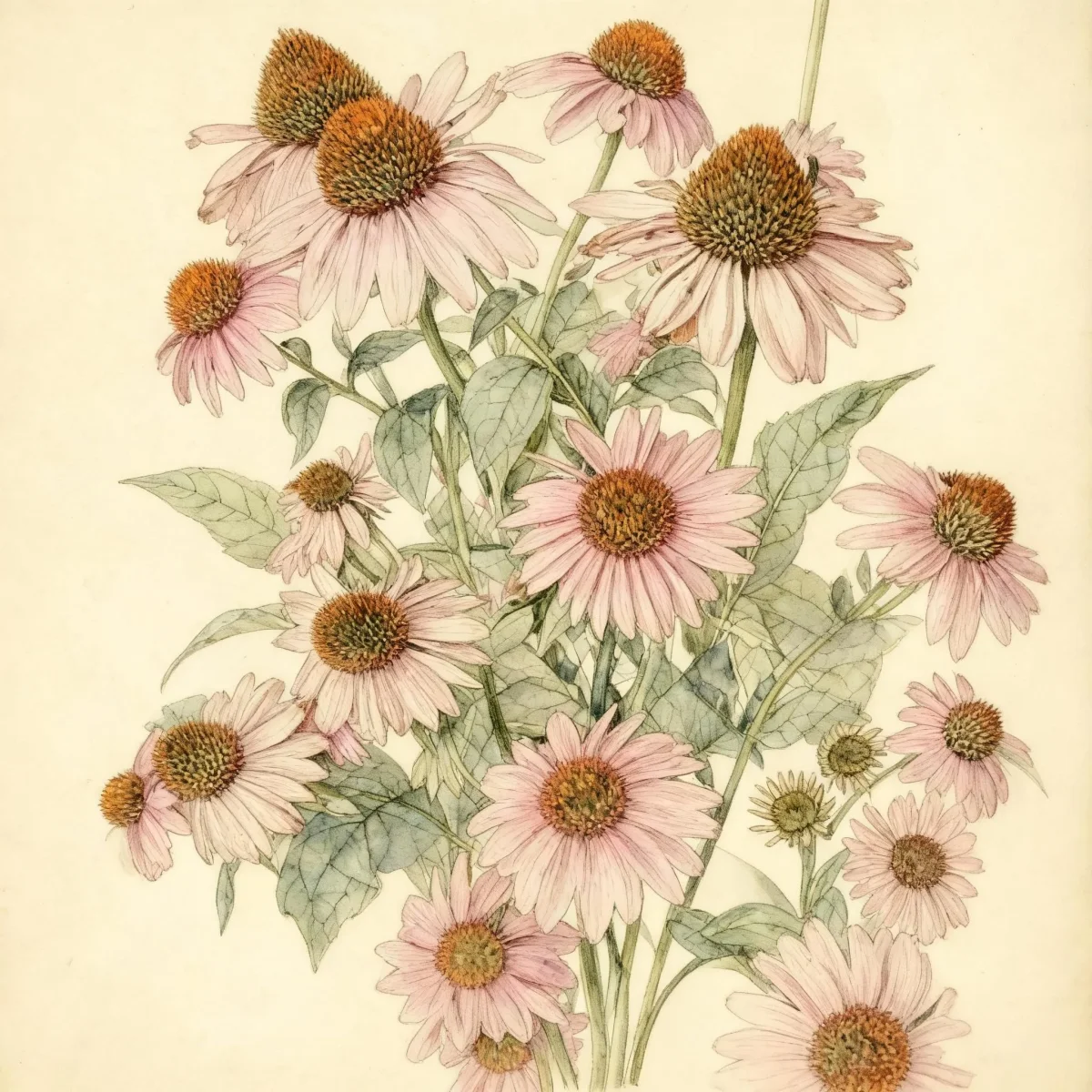
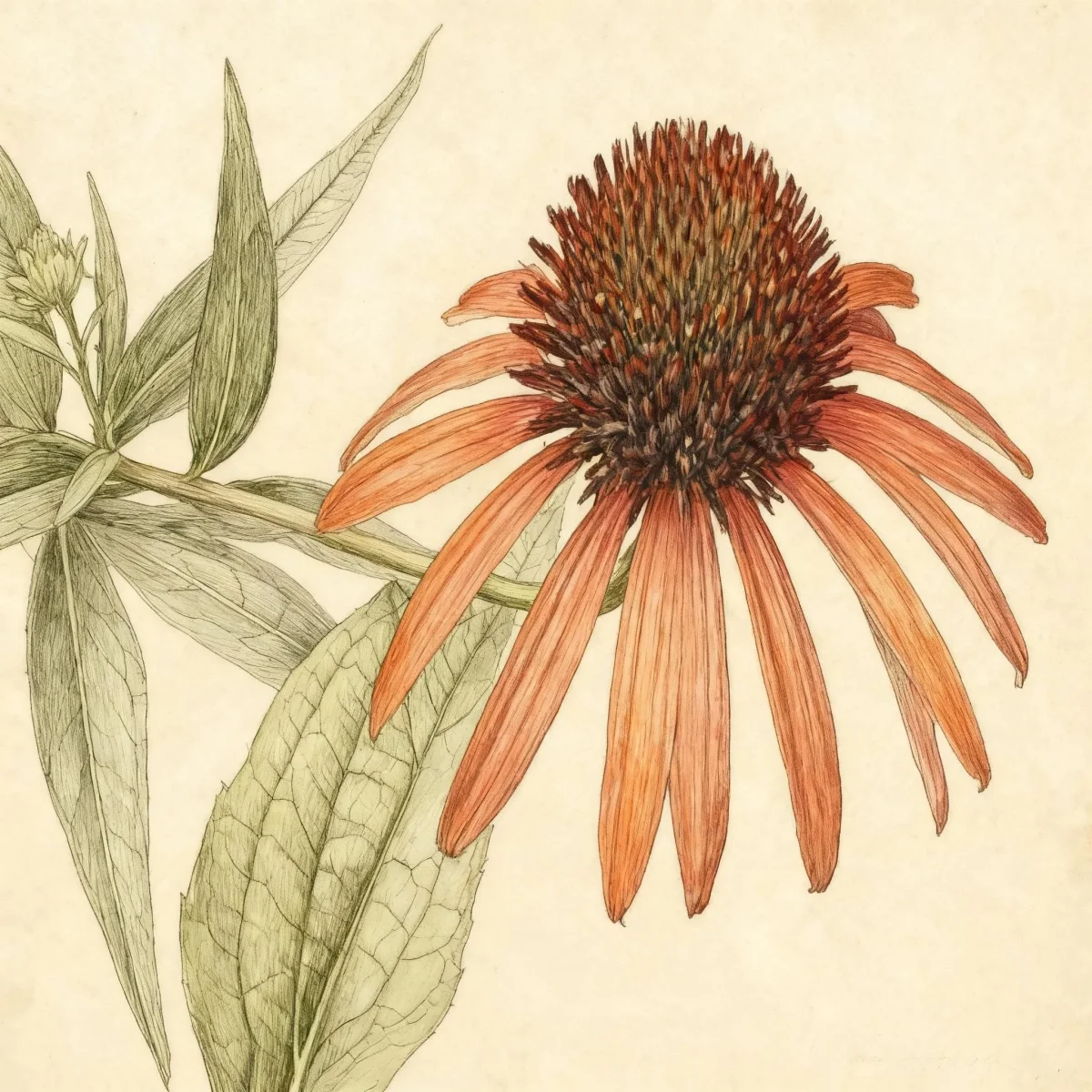
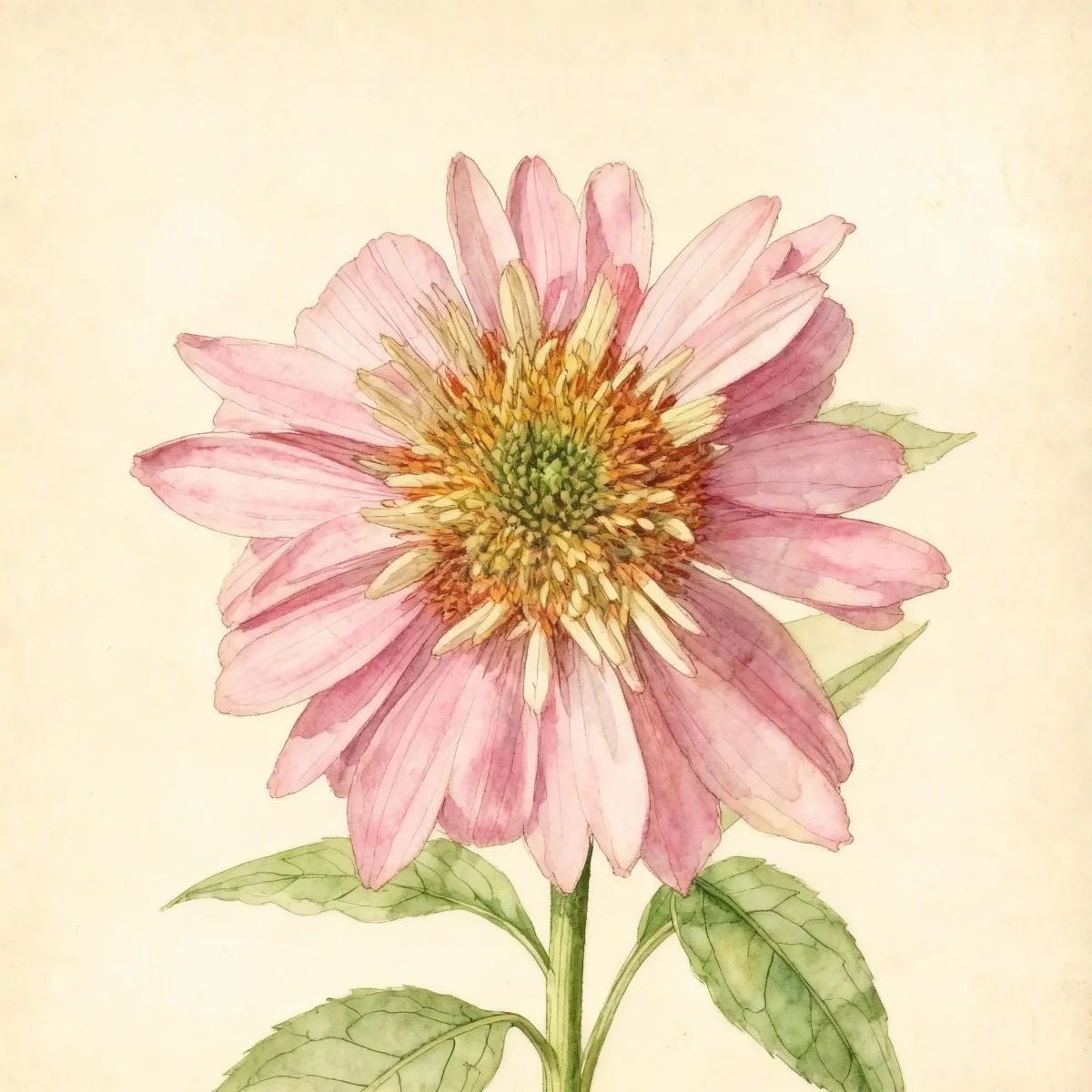
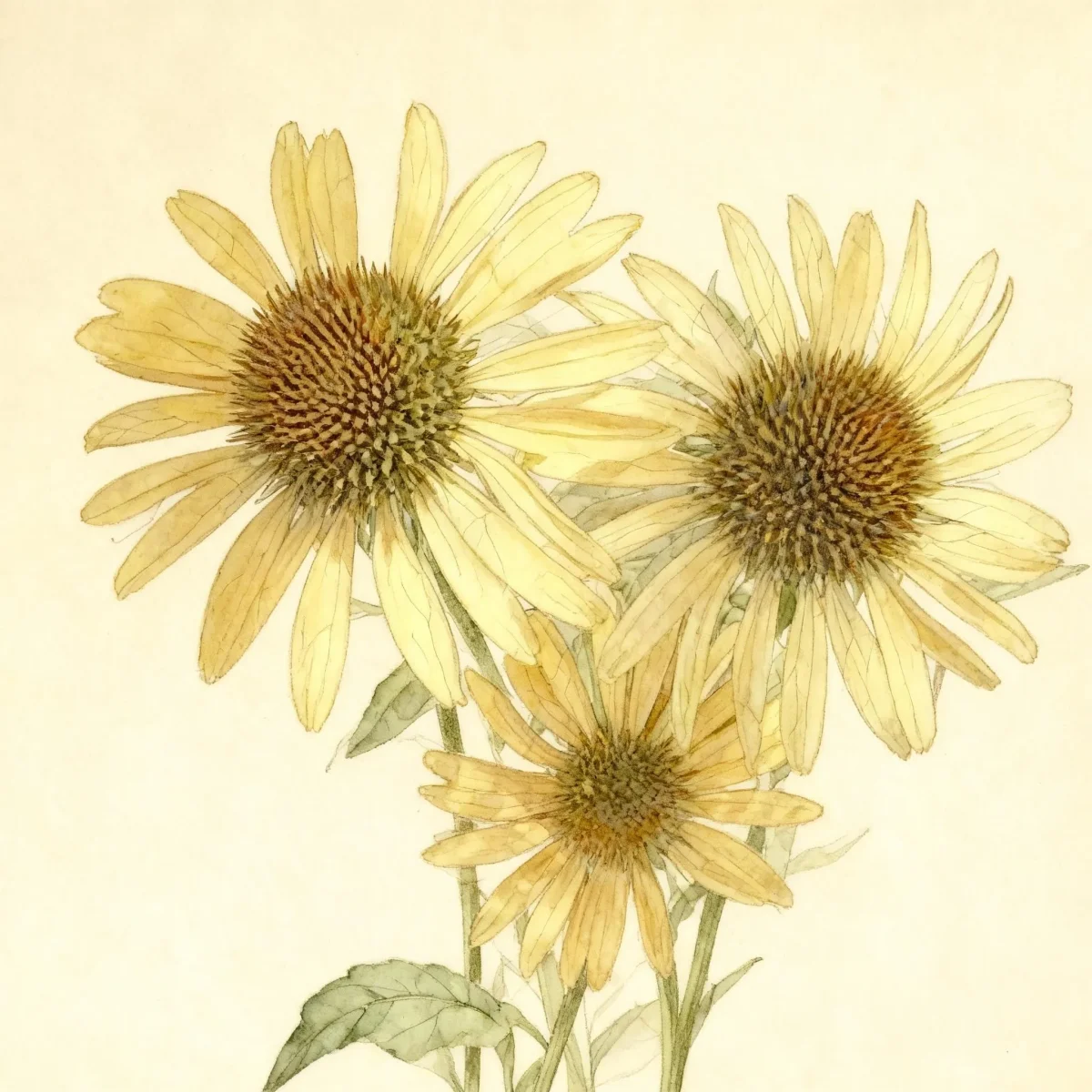
Coneflower (Echinacea PUFF VANILLA)
Echinacea PUFF VANILLA Coneflower offers showy, drought-tolerant white and pale yellow blooms from June to August.
Scroll down to discover growing tips, care requirements, companion plants, and more
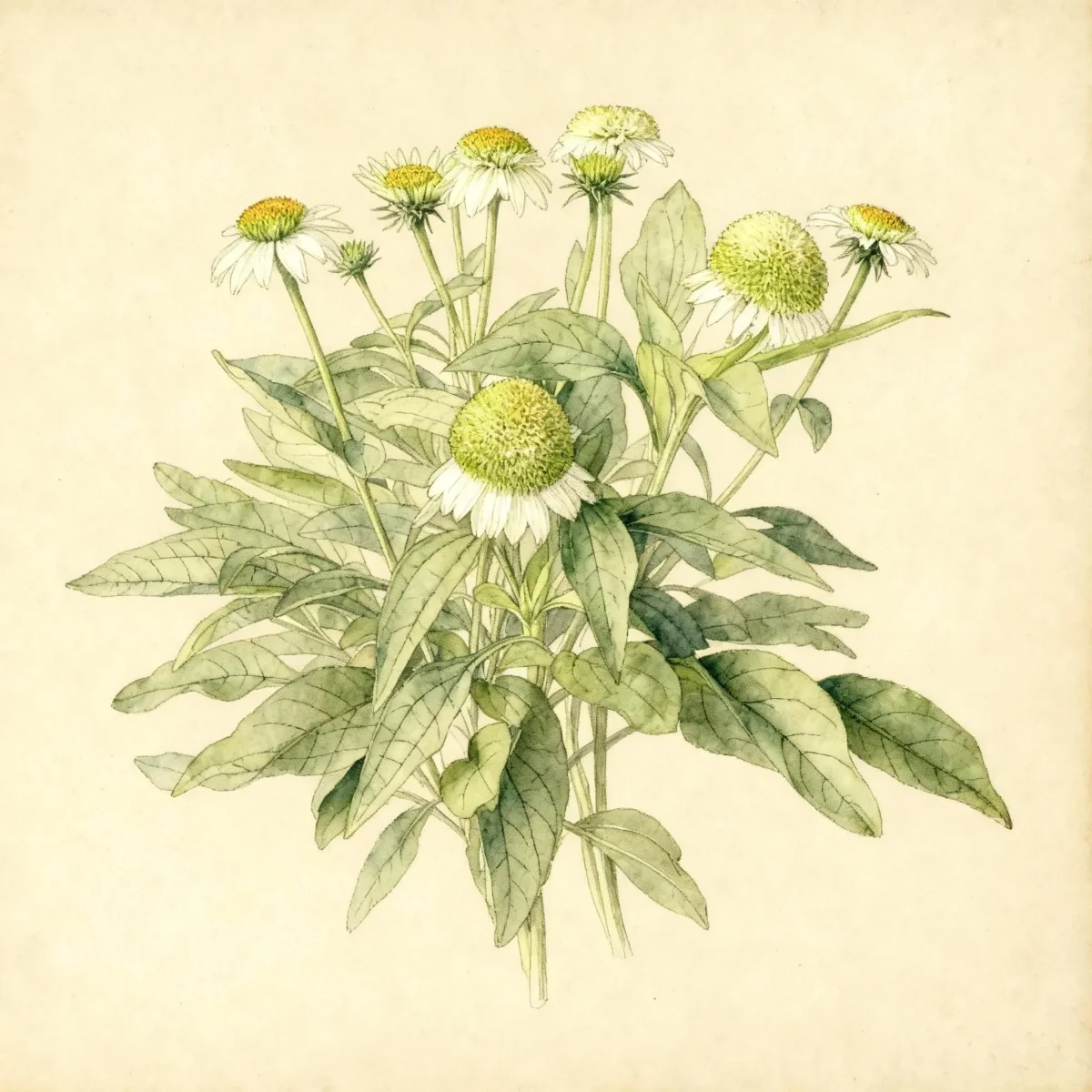
Complete Plant Information
Overview
The Echinacea PUFF VANILLA Coneflower is a vigorous and compact cultivar highly valued for its unique double flower presentation and reliable summer performance. This selection of Coneflower brightens borders with terminal white ray florets surrounding a delightful, rounded mound of pale yellow disc florets. As an adaptable herbaceous perennial, it thrives in challenging conditions, making it a dependable choice for mid-summer structure in the perennial garden.
This particular cultivar reaches a manageable height of nearly two feet, offering substantial bloom power without excessive flopping. While beautiful to observe, gardeners should note that the double nature of the Echinacea PUFF VANILLA blooms might slightly reduce appeal for certain pollinators compared to single-flowered varieties. Nonetheless, this resilient plant brings enduring elegance and low maintenance to any sunny installation.
Fast Facts
- Plant Family: Asteraceae
- Plant Type: Herbaceous perennial
- Hardiness Zones: USDA Zones 4-9
- Size at Maturity:
- Height: 1.5-2 ft
- Spread: 1.5-2 ft
- Bloom Time: June to August
- Bloom Description: White rays with pale yellow disc florets
- Sun Exposure: Full sun to part shade
- Water Needs: Dry to medium
- Maintenance Level: Low
How to Grow
Plant Echinacea PUFF VANILLA during the spring or fall, ensuring it receives full sun for the best flowering performance, though it tolerates light afternoon shade. This Coneflower prefers average, well-drained soils, but it is exceptionally adaptable, tolerating heat, humidity, and even poor soil conditions gracefully. Good drainage is crucial for long-term success.
Once established, watering needs are minimal; allow the soil to dry out between deep waterings, as this plant is highly drought-tolerant. Fertilization is rarely necessary, as high fertility can sometimes lead to weaker stems. Deadheading is not strictly required for rebloom, but prompt removal of spent flowers (spent flowers) will tidy the appearance and may encourage further sporadic blooming throughout the summer season.
For clump health, plan to divide established Echinacea PUFF VANILLA clumps every four years when they begin to look overcrowded. This process rejuvenates the plants and ensures robust flowering for years to come. Gardeners should leave some spent seed heads standing through winter, as the dried cones are attractive features and provide foraging opportunities for winter birds.
Landscape Uses
The manageable size and excellent structural form of Echinacea PUFF VANILLA make it ideal for use in border fronts, providing texture right where the eye meets the garden space. Grouping these plants or planting them in mass displays greatly enhances their visual impact during their peak bloom from June through August. They work beautifully interspersed among shorter groundcovers or toward the front of mixed perennial beds.
Due to their tolerance for less-than-ideal soils, Coneflowers are perfect candidates for drier areas of the landscape, rock gardens, or the edges of woodland areas that receive filtered light. Consider pairing Echinacea PUFF VANILLA with other sun-loving, drought-tolerant perennials like Ornamental Grasses, Russian Sage (Perovskia), or Sedum ‘Autumn Joy’ for contrasting textures and complementary late-season color.
Standout Features
Flower Qualities
- Showy
- Good Cut
- Good Dried
Noteworthy Characteristics
Echinacea PUFF VANILLA is a vigorous, compact selection of Coneflower featuring double flowers and a well-branched habit. The flowers display white ray florets and a rounded mound of pale yellow disc florets, maturing to about 2 feet tall. The genus name Echinacea derives from the Greek word echinos, referencing the plant’s spiny center cone.
Tolerances
- Deer
- Drought
- Clay Soil
- Dry Soil
- Shallow-Rocky Soil
Potential Problems
All coneflowers, including Echinacea PUFF VANILLA, are susceptible to aster yellows, a phytoplasma disease transmitted by leafhoppers that causes yellowing and stunted growth. Fungal and bacterial leaf spots can also appear, often exacerbated by high humidity or overcrowding; ensure good air circulation to mitigate this risk. Vigilant scouting is required for pests like erythroid mites and Japanese beetles, which can chew foliage and may affect the bloom quality.
For management, promptly remove heavily infected foliage to prevent disease spread, ensuring disposal in the trash, not the compost. While this Coneflower is extremely tough, minimizing overhead watering during damp periods can help prevent fungal issues.
Frequently Asked Questions
What hardiness zones is Coneflower suitable for?
USDA Zones 4-9 define the reliable planting range for successfully growing Echinacea PUFF VANILLA.
How large does Echinacea PUFF VANILLA grow?
Mature clumps typically reach 1.5 to 2 feet in height and spread to a similar width of 1.5 to 2 feet.
When does Coneflower bloom?
This Coneflower variety generally blooms from June to August, showcasing white rays with pale yellow disc florets.
What sun exposure does Echinacea PUFF VANILLA need?
It performs best in full sun but is capable of establishing well in sites receiving part shade.
Conclusion
The Echinacea PUFF VANILLA Coneflower offers distinctive light-colored double blooms and exceptional tolerance for dry, difficult soils, making it an invaluable, low-effort perennial for summer color. Integrating this reliable plant into your perennial borders or naturalized areas brings consistent beauty and structure. Before planting, simply confirm that your location falls within USDA Zones 4 through 9 for optimal year-over-year success.
Companion Planting
Selecting the right neighbors enhances the appeal of your Echinacea PUFF VANILLA display. Because this Coneflower prefers well-drained conditions and full sun, look for companions that share these cultural needs. Plants like Lavender (Lavandula), Russian Sage (Perovskia atriplicifolia), or silvery foliage like Lamb’s Ears (Stachys byzantina) complement the texture and require similar low-water conditions once established.
Avoid using heavy feeders or moisture-loving companions immediately next to Coneflower, as excessive competition for water might stress the plant, particularly during peak summer heat. The upright habit of Echinacea PUFF VANILLA also pairs well with lower-growing edging plants that don’t obscure the blooms but help shade the soil surface.
Wildlife Benefits
While the double flowers of Echinacea PUFF VANILLA may be less accessible to generalized pollinators than single types, the plant genus remains fundamentally important to local ecosystems. The seeds produced in the brown cones left standing through winter are a critical food source for seed-eating birds, especially goldfinches, later in the season.
Furthermore, the structure of Echinacea plants provides essential habitat and landing spots for various beneficial insects throughout the growing season. By leaving seed heads intact until late winter cleanup, you contribute valuable winter interest and avian sustenance to your garden landscape.