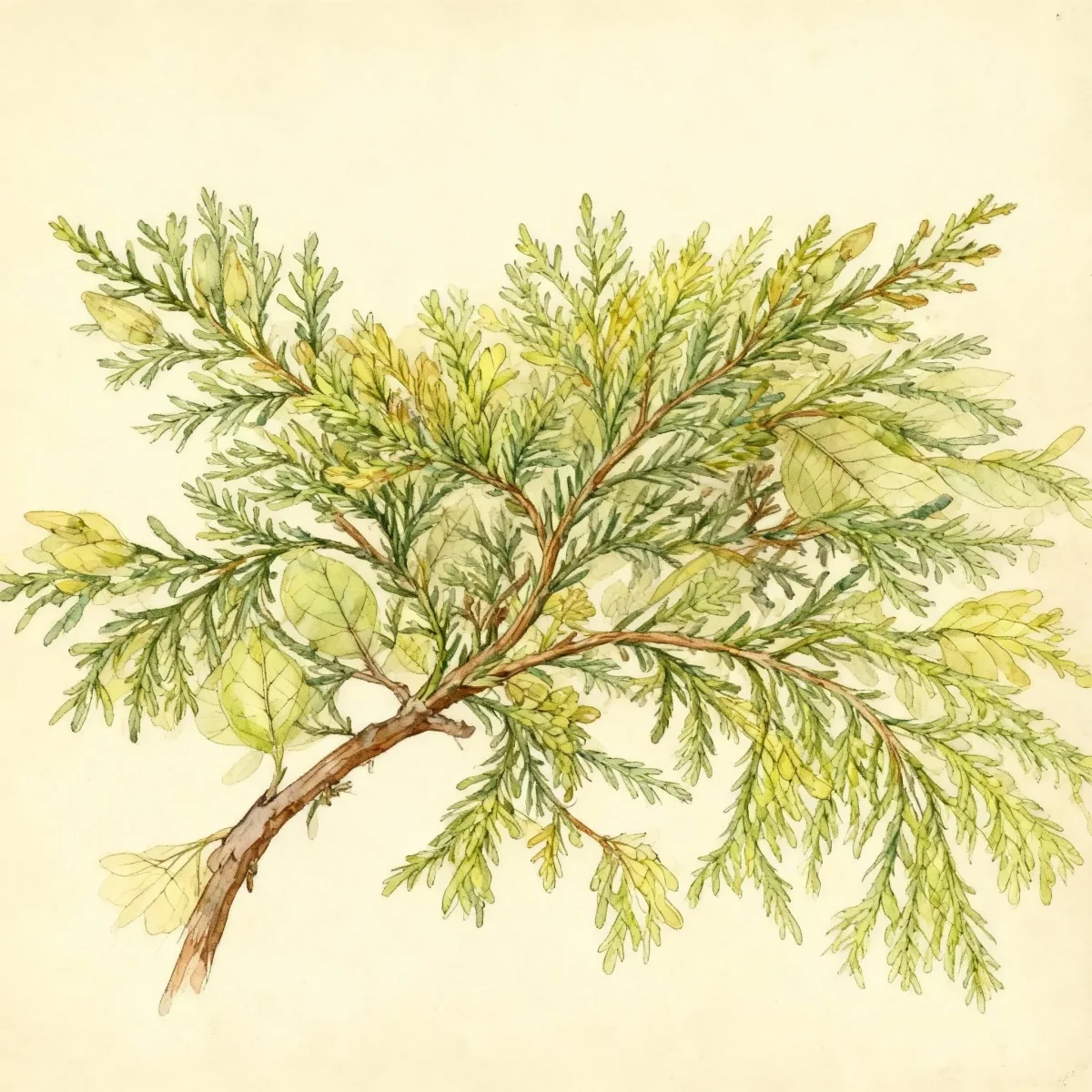
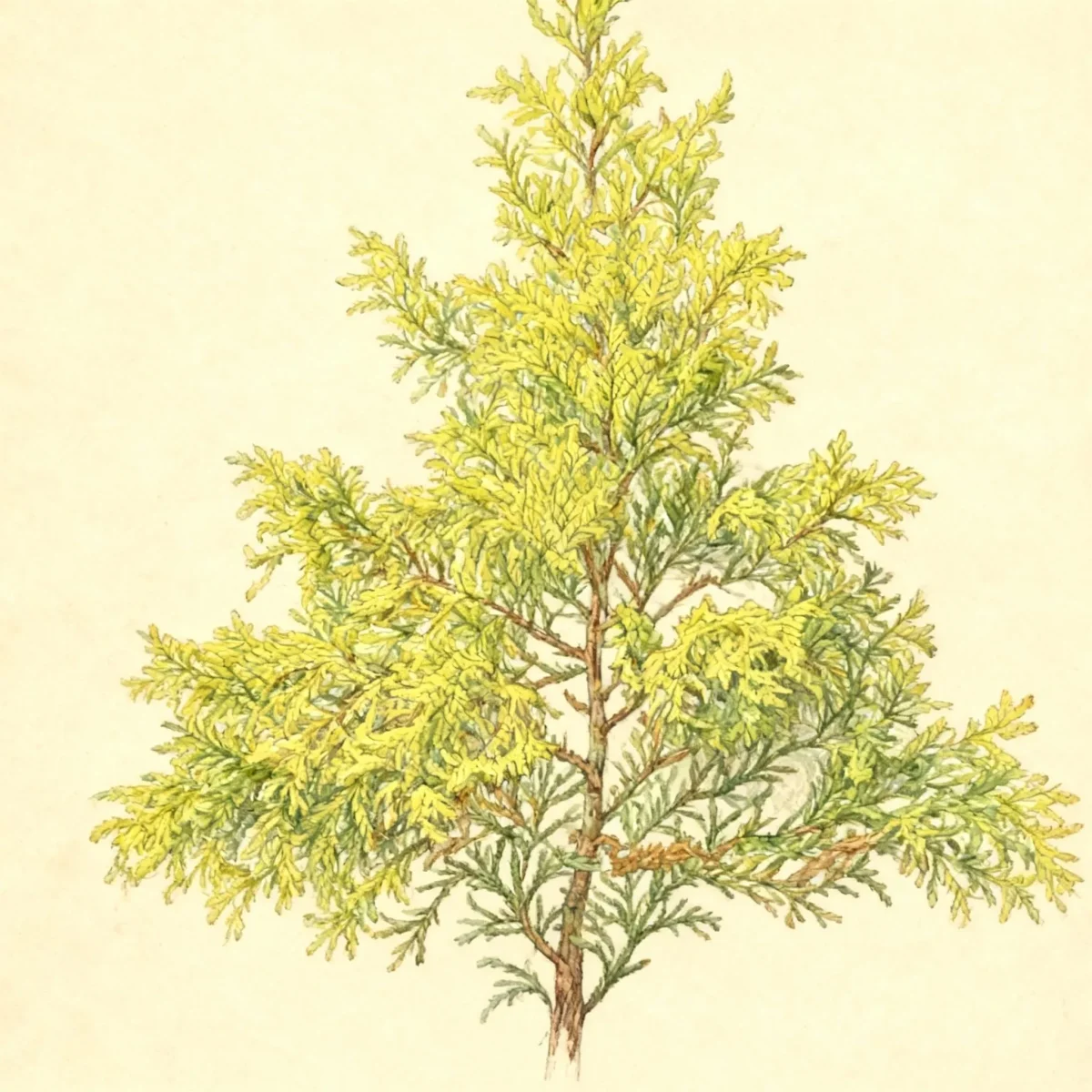
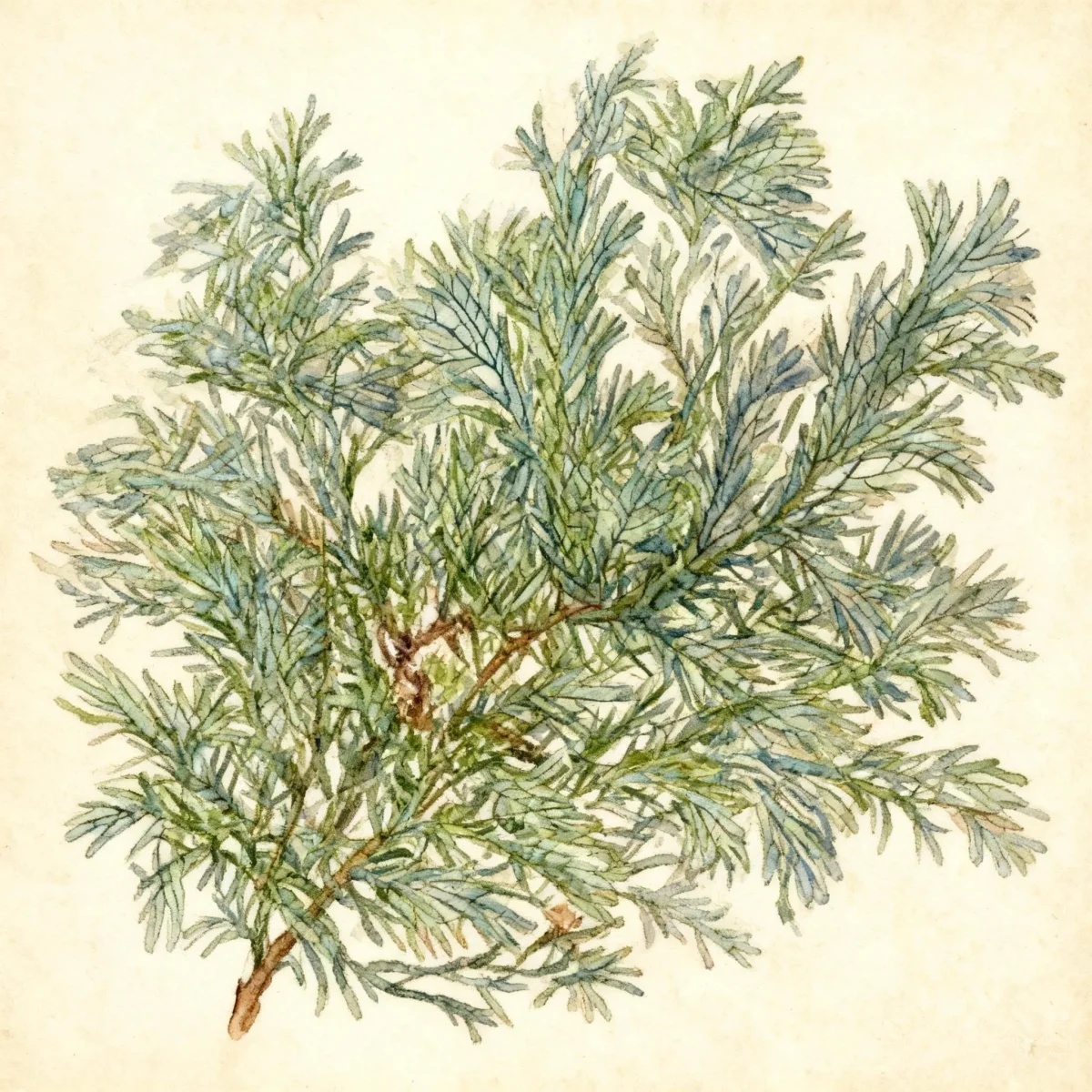
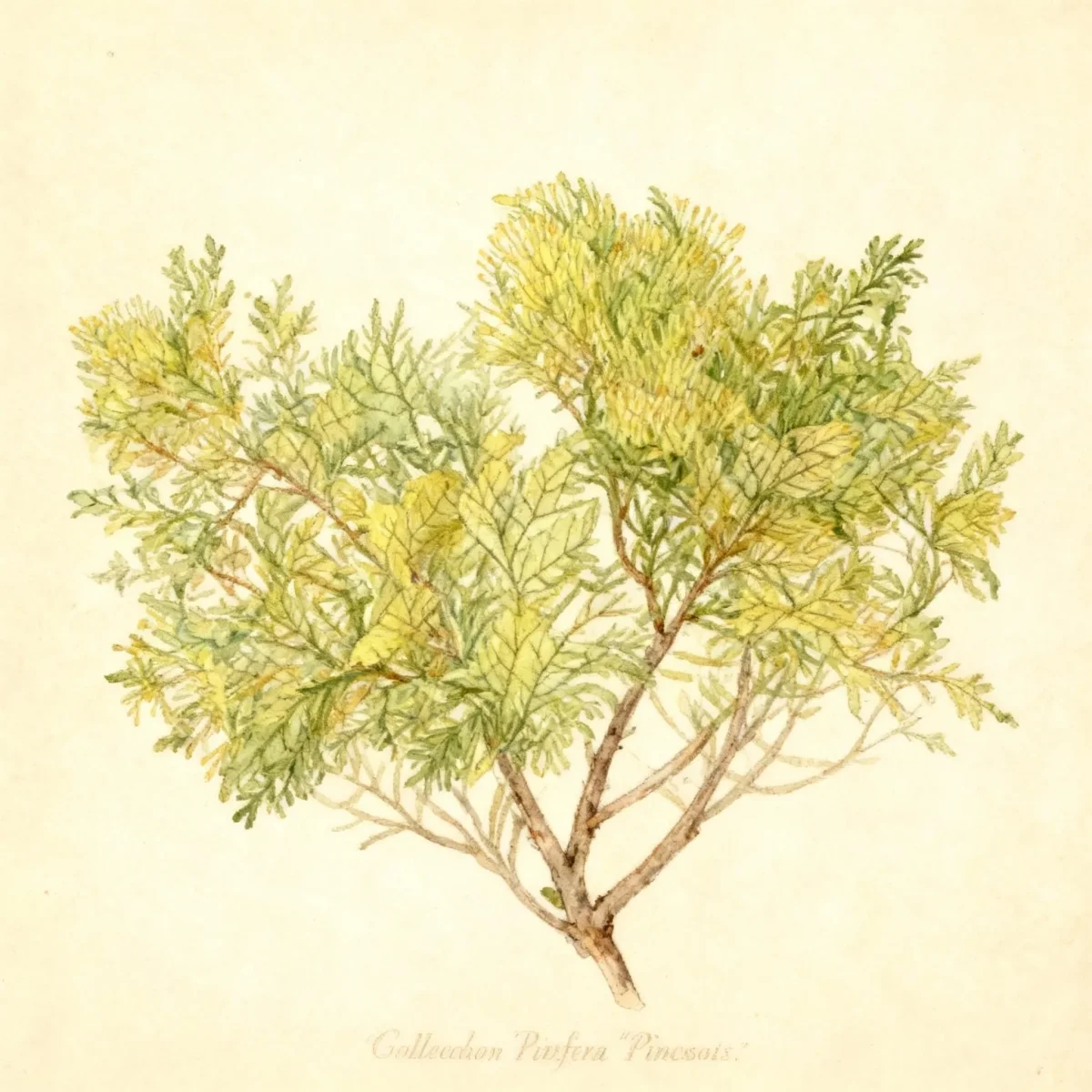
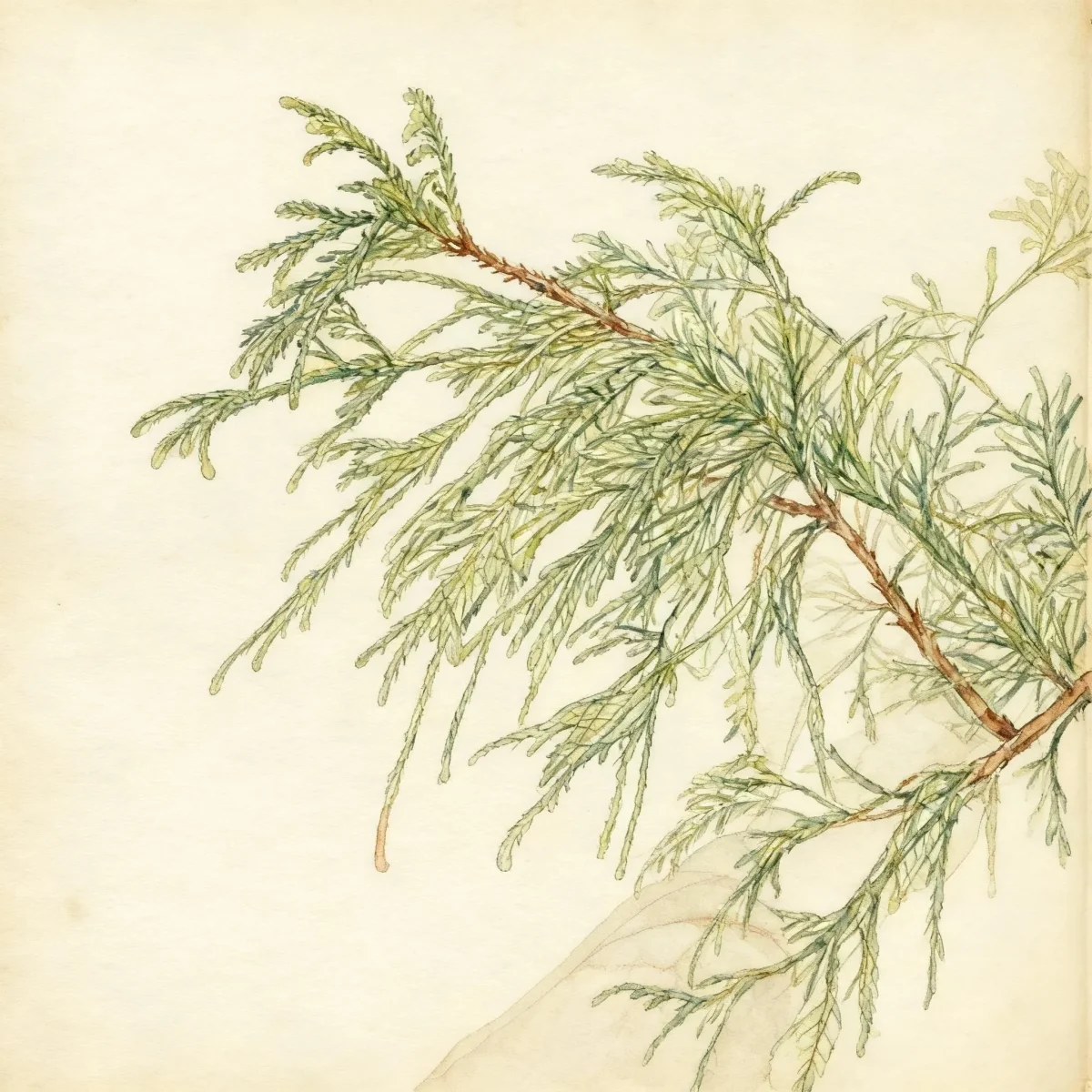
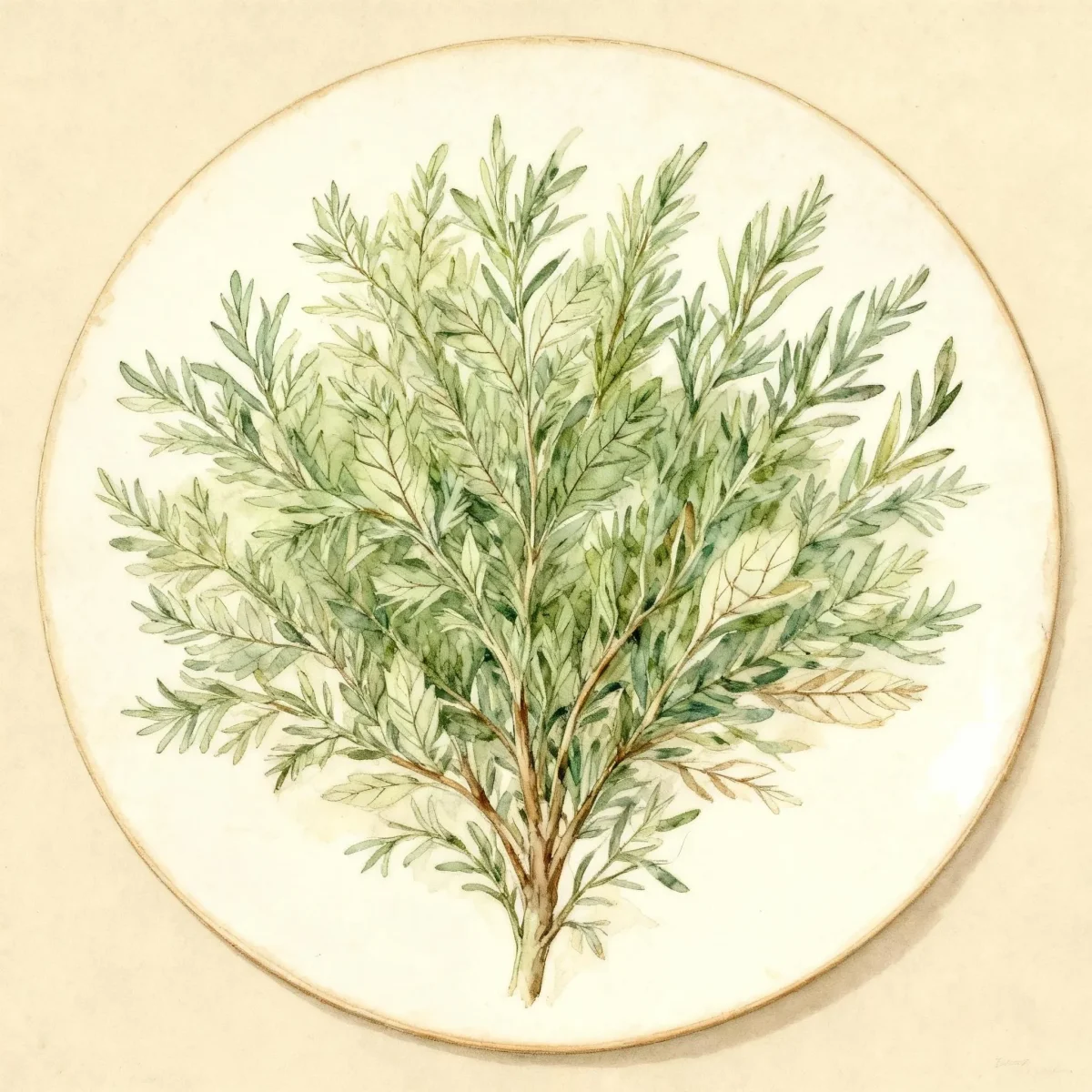
Japanese falsecypress (Chamaecyparis pisifera 'Golden Charm')
Chamaecyparis pisifera 'Golden Charm' is a low-maintenance, dwarf Japanese falsecypress offering bright yellow spring foliage and excellent texture.
Scroll down to discover growing tips, care requirements, companion plants, and more
Complete Plant Information
Overview
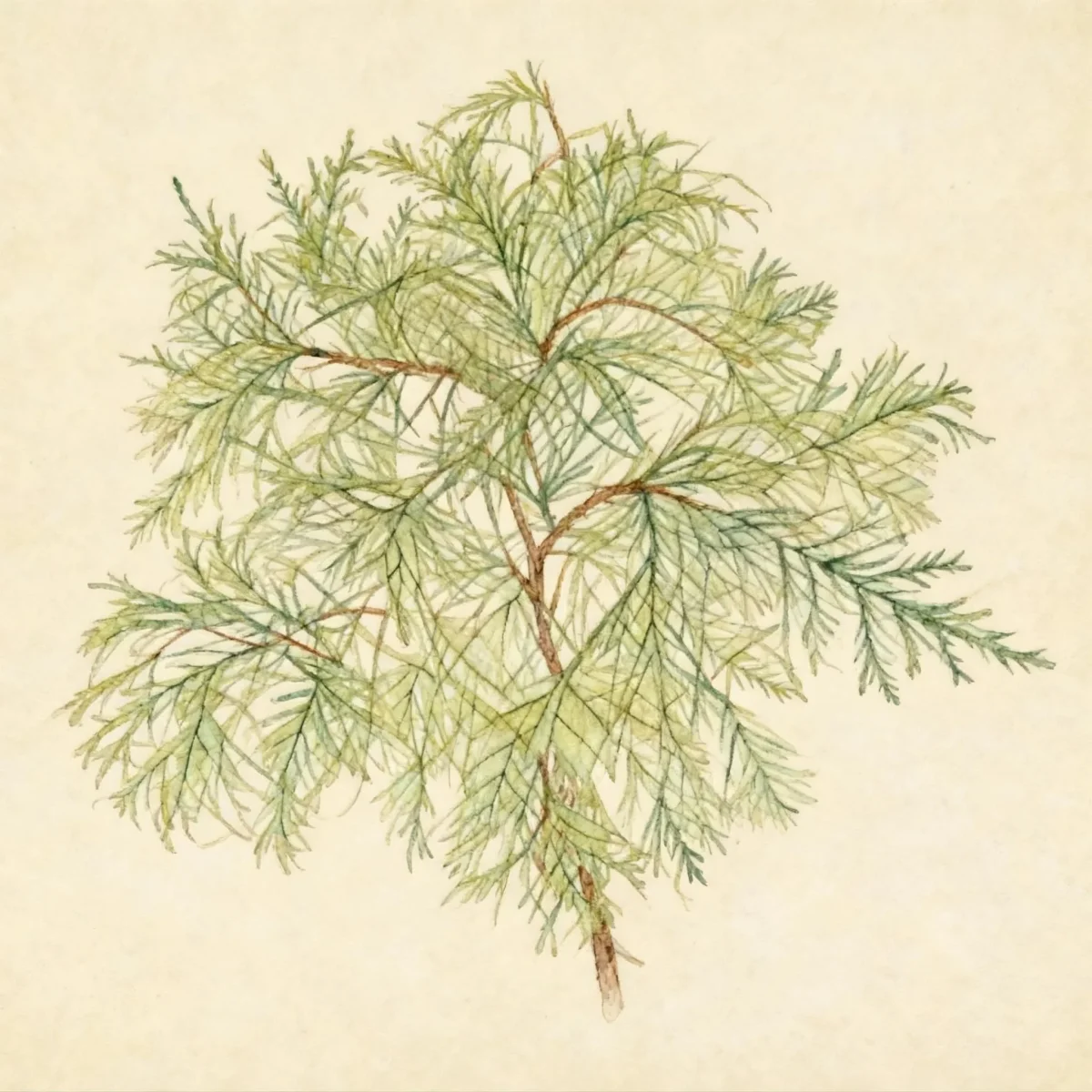
Chamaecyparis pisifera ‘Golden Charm’, a distinguished cultivar of the Japanese falsecypress, provides exceptional year-round color interest without demanding constant care. Its striking bright yellow new growth in spring transforms into rich golden hues by autumn, making this dwarf conifer a standout feature in smaller gardens. This Sawara cypress selection maintains a manageable, albeit broad, structure perfect for defining spaces where larger evergreens would overwhelm.
Gardeners value this variety, known commonly as Japanese falsecypress, for its fine texture and glowing color palette that brightens shady corners. It establishes easily, thriving in average soil provided drainage is excellent. The low maintenance requirements mean that once established, Chamaecyparis pisifera ‘Golden Charm’ provides reliable structure and color with minimal intervention.
This dwarf cultivar offers a unique architectural element due to its spreading habit, making it highly versatile across various landscape designs. It’s an excellent choice for gardeners seeking durable, low-growing evergreen structure enhanced by seasonal golden color shifts.
Fast Facts
- Plant Family: Cupressaceae
- Plant Type: Needled evergreen
- Hardiness Zones: USDA Zones 4-8
- Size at Maturity:
- Height: 5-6 ft
- Spread: 7-8 ft
- Bloom Time: Non-flowering
- Bloom Description: Non-flowering
- Sun Exposure: Full sun to part shade
- Water Needs: Medium
- Maintenance Level: Low
How to Grow
Planting Chamaecyparis pisifera ‘Golden Charm’ is best achieved in spring or early fall, allowing the plant time to establish roots before extreme weather hits. Site selection is crucial, as this Japanese falsecypress prefers full sun to achieve its best color, though afternoon shade is beneficial in hot climates. Ensure the soil is well-drained; this plant strongly dislikes sitting in wet conditions, making a location avoiding low spots essential. It thrives in average, fertile, medium-moisture soils.
Regular watering is necessary during the first growing season to encourage deep root development. Afterward, the need for supplemental water lessens, classifying it as moderate in water needs, though it appreciates consistent moisture, especially during dry spells. Pruning is generally unnecessary for development, as ‘Golden Charm’ is a slow-growing dwarf selected for its natural habit. If shaping is desired, trim lightly in early spring before new growth hardens off.
Sheltering Chamaecyparis pisifera ‘Golden Charm’ from harsh, drying winter winds will help prevent needle burn and maintain the integrity of the golden foliage. Avoid heavy mulching directly against the trunk to prevent moisture buildup, which can contribute to root rot issues. A light layer of mulch kept a few inches away from the base is ideal for moisture retention and temperature moderation.
Landscape Uses
The broad, slightly informal habit of Chamaecyparis pisifera ‘Golden Charm’ makes it exceptionally adaptable in the landscape. Dwarf cultivars like this are perfect for softening the foundation plantings of a home, adding structure where a strict upright shape is unwanted. Its vibrant golden foliage contrasts beautifully with deep green or blue conifers and broadleaf evergreens.
Use this Japanese falsecypress as an attention-grabbing specimen plant in a mixed border where its texture can be appreciated up close. It also functions well in rock gardens due to its relatively compact mature spread of up to 8 feet. Unlike its larger relatives, this compact form is not ideal for screening but excels at providing low-level focal points throughout the year.
Consider planting under larger, established deciduous trees where it receives dappled or partial shade; this location often enhances the yellow tones while protecting the needles from summer scorch, providing a lovely transition zone in the garden design.
Standout Features
Noteworthy Characteristics
Chamaecyparis pisifera, commonly known as Sawara cypress, is botanically fascinating, though garden forms are often smaller than their wild counterparts. The specific epithet references the plant’s very small, pea-like cones. The cultivar ‘Golden Charm’ is prized specifically as a dwarf selection of Sawara cypress that showcases brilliant yellow new growth emerging in spring, transitioning into distinctive golden yellow fall coloration, reaching a manageable size of up to 6 feet tall and spreading to fill an 8-foot area.
Tolerances
- Shelter from strong winds
Potential Problems
Fortunately, Chamaecyparis pisifera ‘Golden Charm’ generally exhibits robust health, with no serious insect or disease problems commonly reported. Gardeners should remain vigilant, however, as there is some reported susceptibility to juniper blight. Root rot is a significant concern if drainage is poor, which reinforces the need for well-aerated soil placement during planting. Occasionally, common pests like bagworms may appear; these are usually manageable through manual removal or targeted organic insecticide applications when damage is first observed.
Frequently Asked Questions
What hardiness zones is Japanese falsecypress suitable for?
Chamaecyparis pisifera ‘Golden Charm’ is ideally suited for USDA Hardiness Zones 4 through 8, providing reliable evergreen performance across a broad temperate range.
How large does Chamaecyparis pisifera ‘Golden Charm’ grow?
This dwarf cultivar typically matures to a height between 5 and 6 feet, with a wider spread ranging from 7 to 8 feet, forming a mounding, rather than strictly upright, silhouette.
What sun exposure does Chamaecyparis pisifera ‘Golden Charm’ need?
For the best golden coloration, this Japanese falsecypress prefers full sun, though it tolerates partial shade; however, ensure it receives adequate light to prevent dulling of the yellow foliage.
When does Chamaecyparis pisifera ‘Golden Charm’ bloom?
As a conifer in the Cypress family, this plant is non-flowering and does not produce ornamental blooms; its aesthetic appeal relies entirely on its colorful, textural foliage.
Conclusion
The Chamaecyparis pisifera ‘Golden Charm’ offers incredible aesthetic value to the landscape, delivering vibrant golden foliage and a low-maintenance, dwarf profile ideal for contemporary gardens. Ensure you properly site this Japanese falsecypress to maximize its golden displays while protecting it from excessive wind and poorly draining sites. Before planting, confirm your location falls within USDA Zones 4–8 to guarantee success with this handsome Sawara cypress cultivar.
Design Ideas: Color Blocking with Conifers
To make the golden tones of Chamaecyparis pisifera ‘Golden Charm’ truly pop, use contrasting colors adjacent to it. Planting this conifer next to deep blue varieties of Juniper or evergreen shrubs with dark green needles maximizes visual impact throughout the year. The bright yellow serves as a perfect counterpoint to purple-leafed plants like certain Japanese Maples or Barberry cultivars, creating dynamic, year-round interest in the border.
Companion Planting: Focusing on Soil Needs
Because this Sawara cypress requires excellent drainage, companion plants should share similar cultural needs, particularly avoiding water-loving species. Pair it with other low-water, low-maintenance specimens such as certain Sedums, Artemisia, or drought-tolerant ornamental grasses once established. This ensures that an intensive watering schedule aimed at one plant doesn’t inadvertently harm the Chamaecyparis pisifera ‘Golden Charm’ by creating overly saturated soil conditions.