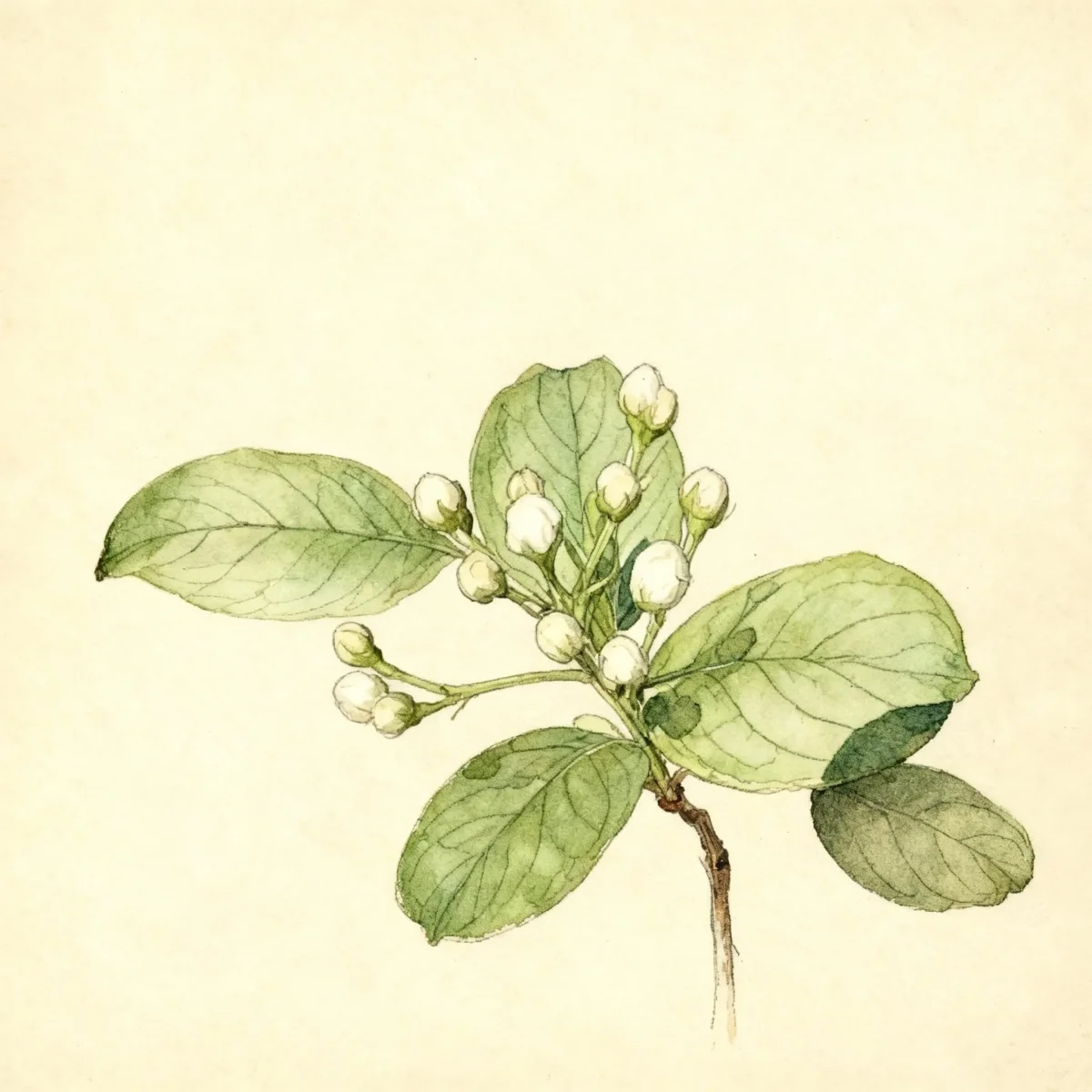
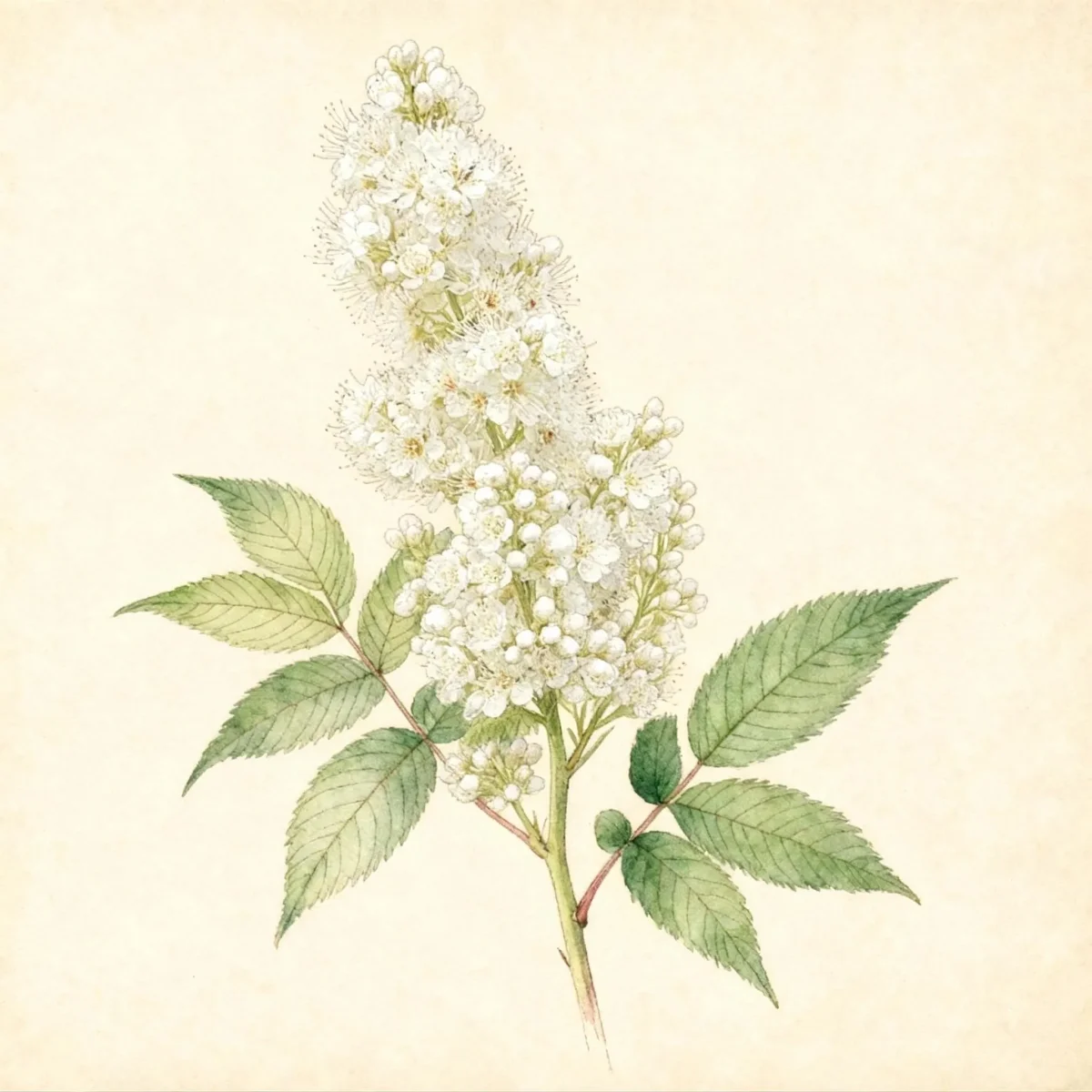
False spiraea (Sorbaria sorbifolia 'Sem')
Sorbaria sorbifolia 'Sem' (False spiraea) is a colorful, medium-sized shrub offering chartreuse foliage and white summer blooms. Hardy in Zones 2-8.
Scroll down to discover growing tips, care requirements, companion plants, and more
Complete Plant Information
Overview
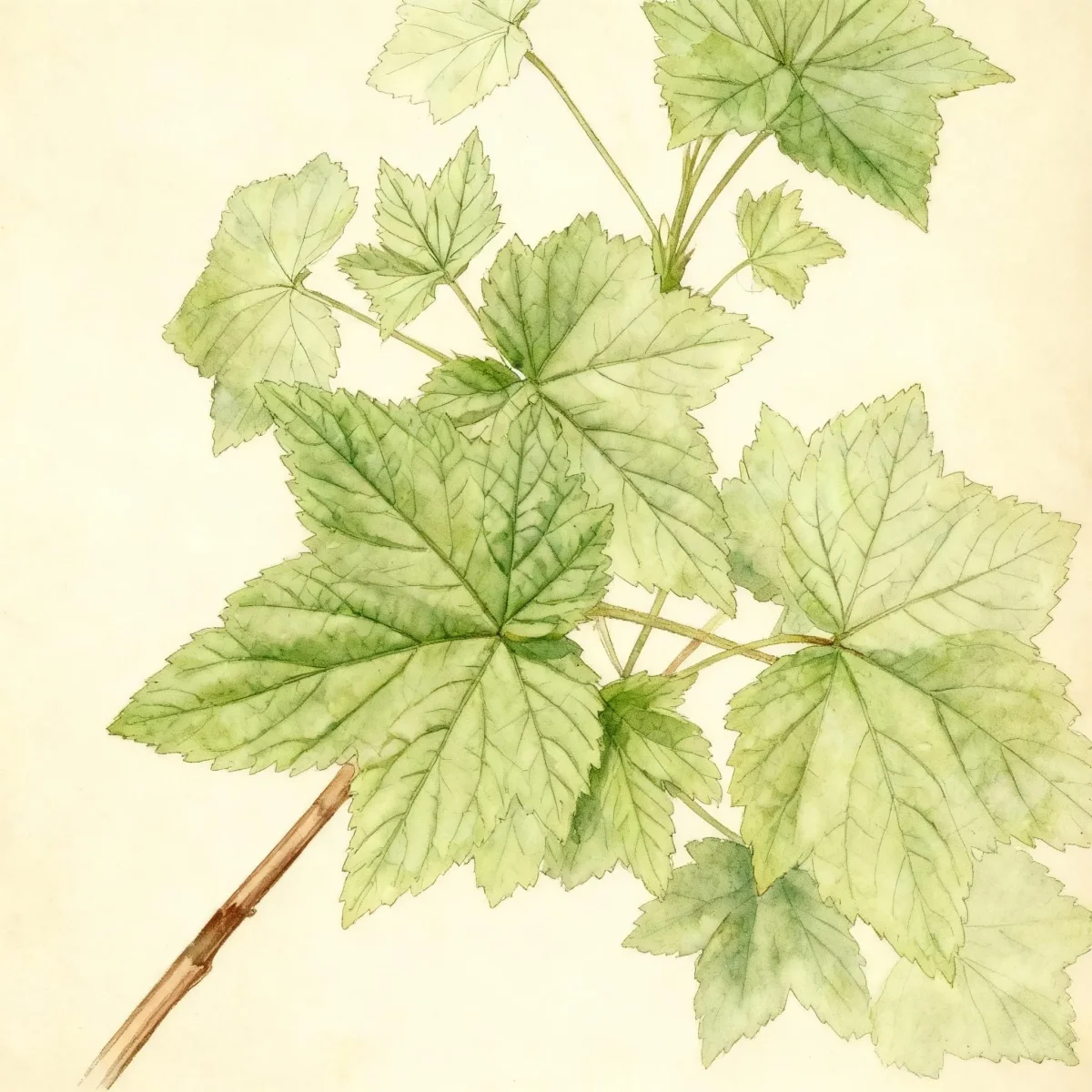
Sorbaria sorbifolia ‘Sem’, commonly known as False spiraea, provides exciting seasonal color in the landscape with its unique foliage palette. This deciduous shrub emerges with striking pinkish-bronze tones before transitioning to bright chartreuse and finally settling into a dark green hue by mid-summer. Its value lies not only in its visual interest but also in its reliable performance across a wide range of cold climates.
The False spiraea reaches a manageable mature size of 3 to 4 feet tall and spreads 5 to 6 feet wide, making it an excellent choice for filling spaces where a more contained texture is desired compared to the species form. Throughout the summer, this cultivar produces terminal panicles of small, fluffy white flowers, adding a soft contrast to the vibrant leaves.
While the straight Sorbaria sorbifolia can be quite aggressive, the patented ‘Sem’ cultivar features a noticeably less aggressive suckering habit, which simplifies maintenance for many home gardeners. It is a robust plant ideal for providing texture, color, and screening capacity when sited correctly.
Fast Facts
- Plant Family: Rosaceae
- Plant Type: Deciduous shrub
- Hardiness Zones: USDA Zones 2-8
- Size at Maturity:
- Height: 3-4 ft
- Spread: 5-6 ft
- Bloom Time: June to August
- Bloom Description: White
- Sun Exposure: Full sun to part shade
- Water Needs: Medium
- Maintenance Level: Medium
How to Grow
To ensure the best performance and most brilliant foliage color from your False spiraea, select a planting site that receives full sun, although it will tolerate light shade. Best results occur when plants are situated in average, medium-moisture soils that are organically rich and possess excellent drainage. Avoid areas where water puddles, as high soil moisture without drainage can lead to root issues.
Establish your Sorbaria sorbifolia ‘Sem’ during cool seasons, typically spring or fall, providing consistent, medium water the first year to help it establish a deep root system. Once mature, this shrub handles moderate drought but performs best with regular irrigation during extended dry spells. Fertilization is rarely necessary if planted in rich garden soil, but a balanced, slow-release fertilizer applied in early spring can support vigorous growth.
Pruning should be undertaken in late winter or early spring just as new buds begin to swell. If heavy rejuvenation is needed, the entire plant can be cut close to the ground; otherwise, thin out old wood to maintain an open structure. A critical maintenance task, especially when trying to control its spread, is promptly cutting out any root suckers that emerge outside the desired boundary. Remember that the ‘Sem’ variety is less prone to spreading than the species, but vigilance ensures neat borders.
Landscape Uses
False spiraea excels in applications where its textural foliage and manageable size bring year-round interest. This shrub is perfectly suited for mass planting, particularly on banks and slopes where its root system can assist with erosion control, though care must still be taken regarding suckering. It forms wonderful, dense shrub borders, providing a bright, airy transition between lawn areas and taller structures.
For design purposes, pair Sorbaria sorbifolia ‘Sem’ with plants that contrast its chartreuse summer tones, such as dark purple foliage shrubs or deep green conifers. Its airy white summer blooms blend seamlessly with cottage garden plantings or more contemporary architectural landscapes. Because it maintains a relatively tidy habit, it can effectively serve as a backdrop for perennials.
If you are looking for a screen that offers seasonal color changes, the 4-foot height of the False spiraea is ideal for mid-level coverage. Avoid placing it immediately next to formal hedges that require perfectly sharp lines, as the natural tendency of even the less aggressive ‘Sem’ is to spread slightly over time.
Standout Features
Flower Qualities
- Showy
Noteworthy Characteristics
Sorbaria sorbifolia, called Ural false spirea, is a coarse, suckering, deciduous shrub which typically grows 5-8’ tall (less frequently to 10’) and as wide. Features tiny white flowers in dense, terminal, pyramidal panicles (to 10” long) in early summer. Compound, odd-pinnate, deep green foliage resembles that of mountain ash (Sorbus) to which it is related. ‘Sem’ features colorful foliage and a less aggressive suckering habit compared to the species, with pinnately compound leaves emerging pinkish-bronze before turning chartreuse and maturing to dark green. This plant is protected by patent number PP16336.
Tolerances
- Erosion
Potential Problems
Generally, Sorbaria sorbifolia ‘Sem’ is known for being free of serious insect or disease problems, which contributes to its low-maintenance appeal. The primary management concern revolves around its potential to spread aggressively via root suckers. This spreading is especially pronounced in looser, sandier soils, so gardeners must be diligent about removing unwanted shoots to keep the plant contained. In contrast, it tends to be less invasive when grown in heavy clay soils.
To mitigate unwanted spread, establish a physical or cultural barrier if necessary, and inspect the root zone frequently during the growing season. Pruning out suckers when they are small is significantly easier than dealing with established woody shoots later in the season. Beyond this habit, the plant is robust throughout its life cycle provided basic cultural needs—medium water and good drainage—are met.
Frequently Asked Questions
What hardiness zones is False spiraea suitable for?
The Sorbaria sorbifolia ‘Sem’ is highly adaptable and successfully grown in USDA Hardiness Zones 2 through 8.
How large does False spiraea grow?
Mature plants typically reach a height between 3 and 4 feet and spread out to cover an area 5 to 6 feet wide.
What sun exposure does Sorbaria sorbifolia ‘Sem’ need?
For the best and most colorful foliage performance, plant this shrub in full sun, although it tolerates conditions featuring partial shade.
When does False spiraea bloom?
This shrub produces its signature white flowers in dense, terminal panicles throughout the summer months, usually from June into August.
Conclusion
The False spiraea, specifically the valued ‘Sem’ cultivar, offers outstanding seasonal foliage color, reliable hardiness, and fluffy white summer texture, making it a versatile and robust addition to the landscape. Utilizing the Sorbaria sorbifolia ‘Sem’ successfully hinges on ensuring excellent drainage and managing its natural spreading tendency through occasional pruning of suckers. Before planting, confirm that the USDA zone compatibility fits your region and prepare your site in rich, well-drained soil for the best display.
Companion Planting
When planning garden beds around your False spiraea, consider plants that thrive in similar cultural conditions—medium moisture, rich soil, and partial to full sun exposure. Darker foliage plants create a dramatic backdrop that really makes the chartreuse leaves of Sorbaria sorbifolia ‘Sem’ pop during the summer. Good companions include dark purple Ninebark cultivars (Physocarpus) or deep green, shade-tolerant Japanese Forest Grass (Hakonechloa macra).
Since the shrub handles pruning well, incorporating later-blooming perennials that appreciate similar moisture levels, such as Astilbe or certain Hostas (if site conditions lean towards shade), will ensure continuous visual appeal after the shrub’s summer blooms fade. Avoid pairing it with very aggressive spreaders unless you are intending to use them together specifically for bank stabilization.
Design Ideas
The airy, soft texture of the False spiraea makes it an excellent choice for informal or naturalistic garden settings where structured lines are less important than movement and color variation. Consider planting Sorbaria sorbifolia ‘Sem’ in drifts rather than single specimens to maximize the impact of its color-changing leaves across the growing season. It pairs well in mixed shrub borders, where it can soften the edges of more rigid evergreen plantings.
For low-budget landscaping or large-scale installations focused on reclaiming space, mass planting this shrub is highly effective for rapid coverage and erosion control on sloped areas. Due to its moderate size (under 4 feet mature height), it functions perfectly as a middle layer in a multi-tiered border, sitting in front of taller specimen trees or large pines.