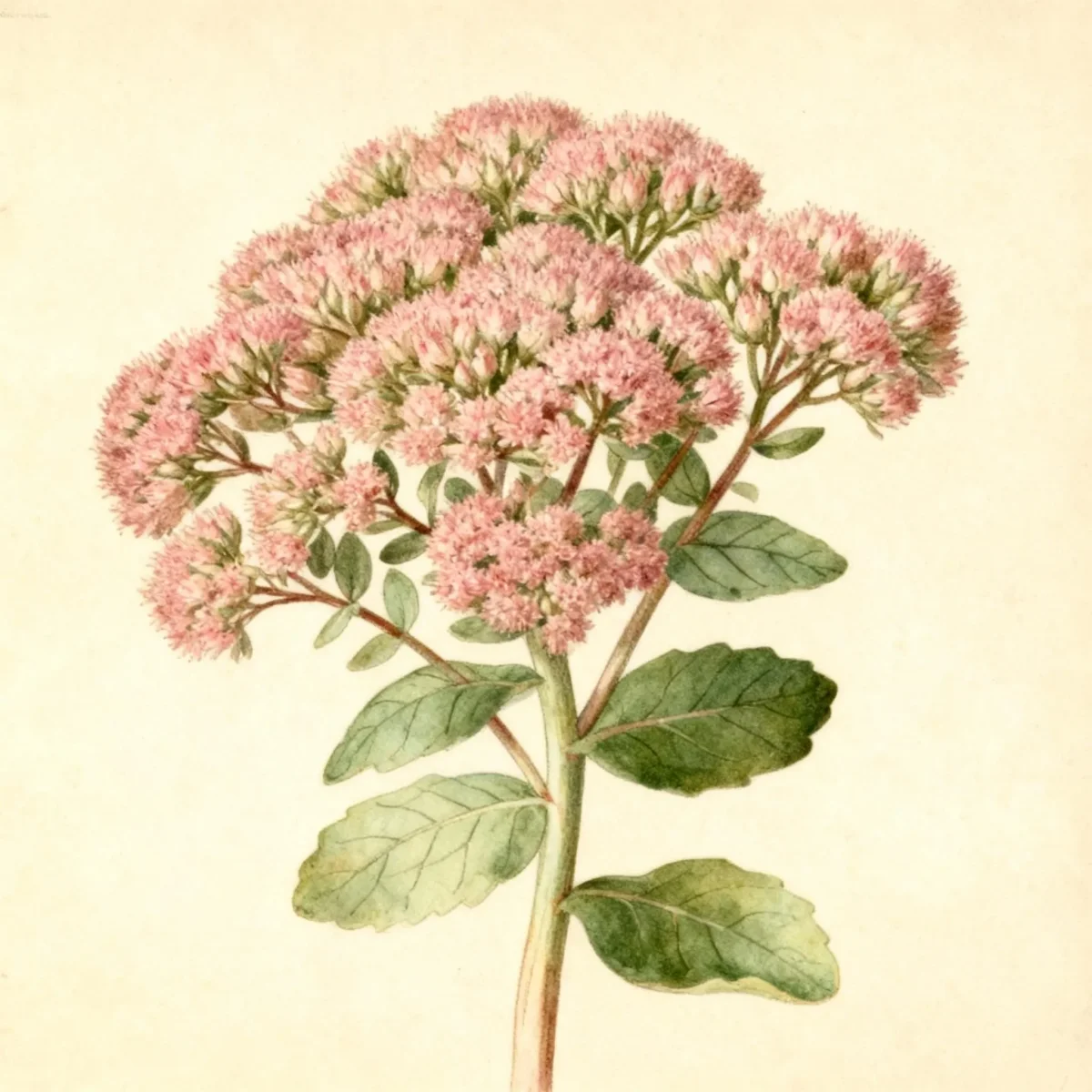
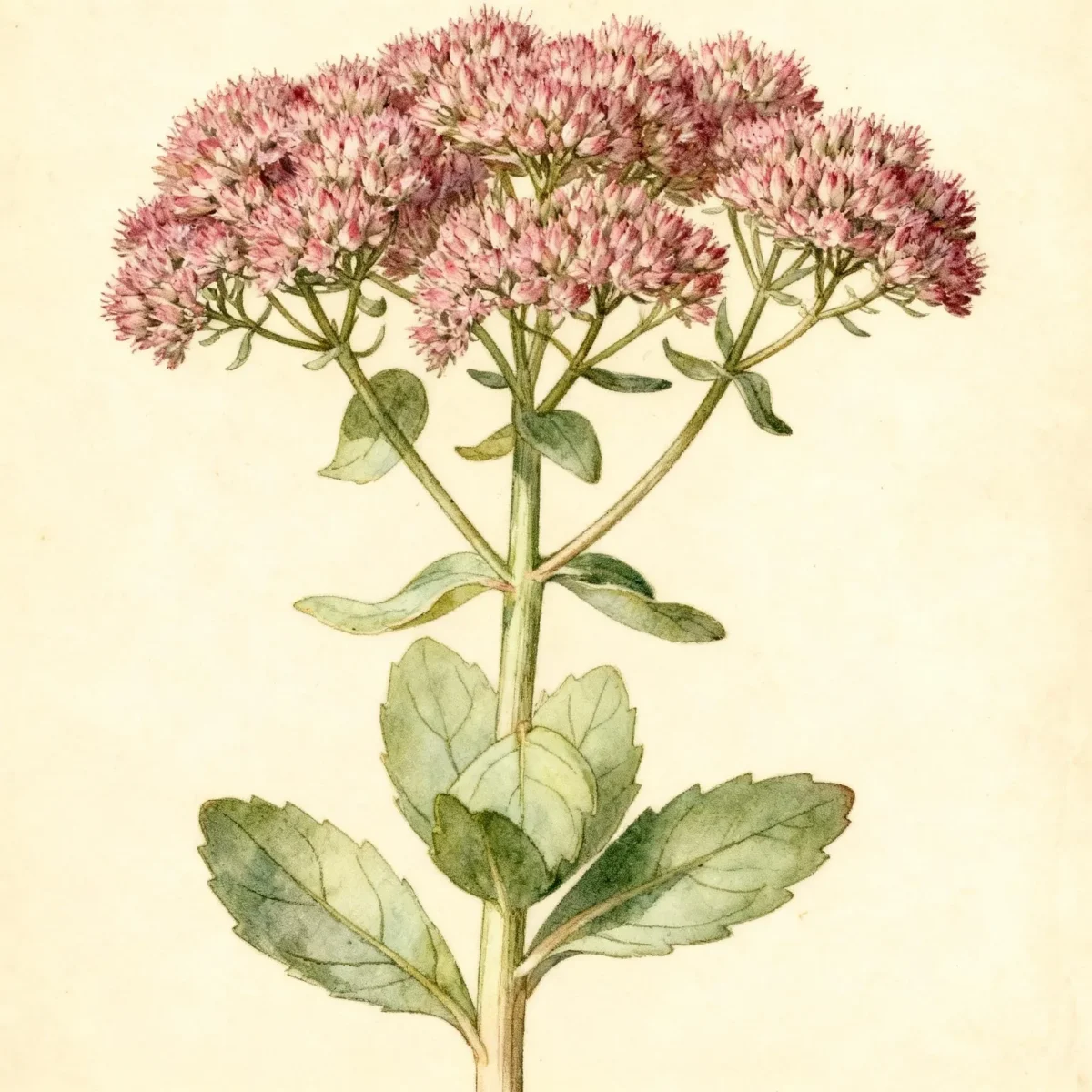
Stonecrop (Hylotelephium 'Maestro')
Hylotelephium 'Maestro' Stonecrop is a low-maintenance perennial offering blue-green foliage and deep pink fall blooms.
Scroll down to discover growing tips, care requirements, companion plants, and more
Complete Plant Information
Overview
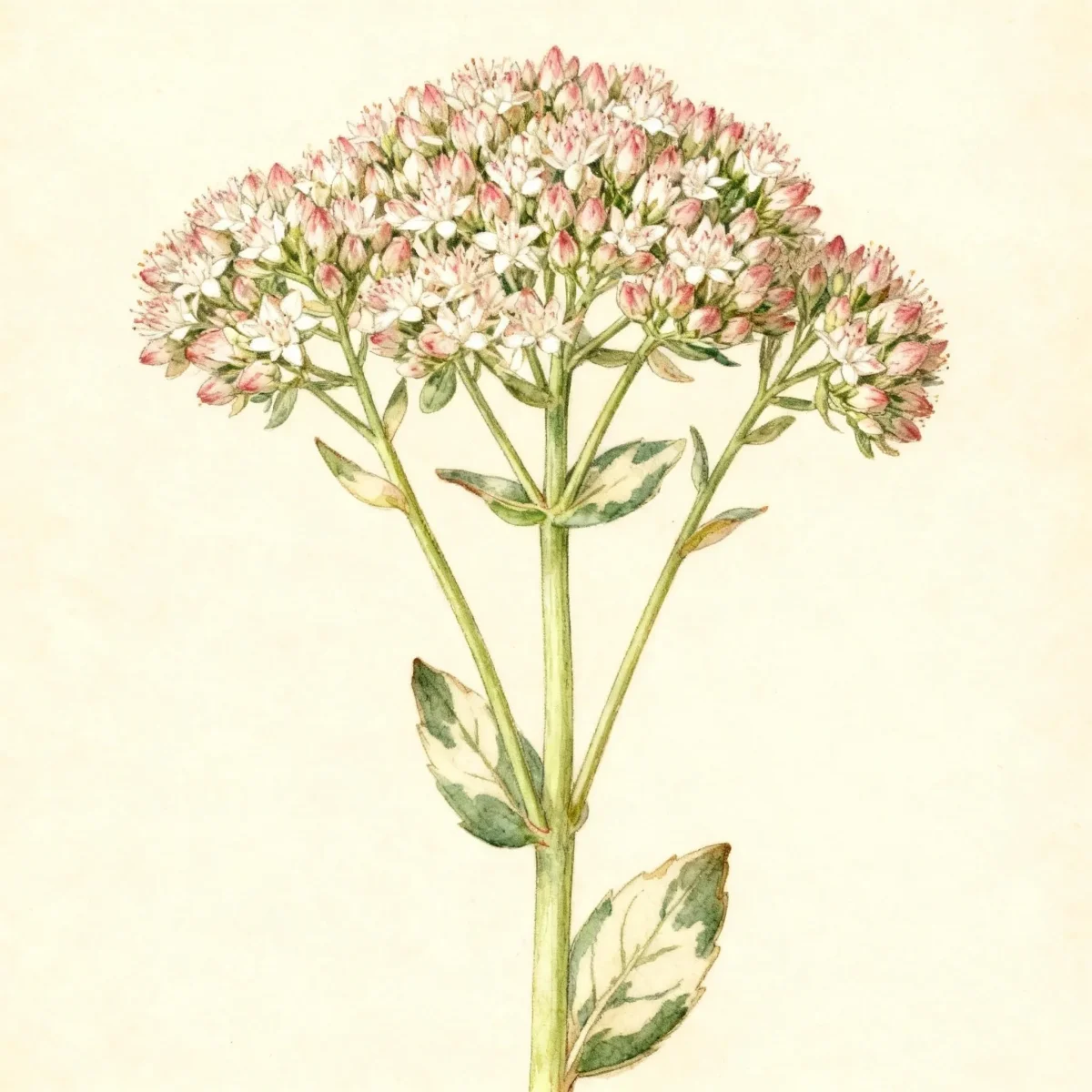
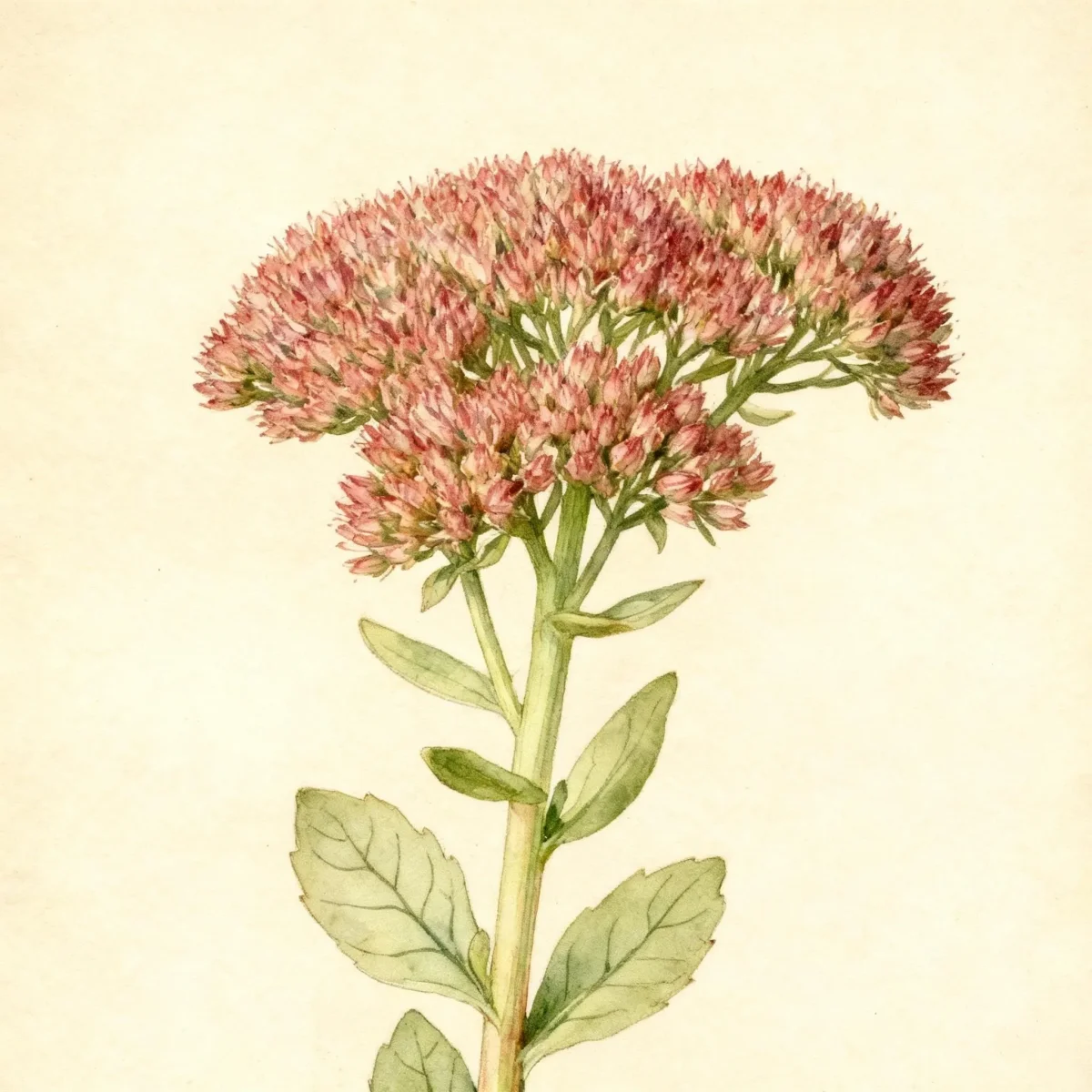
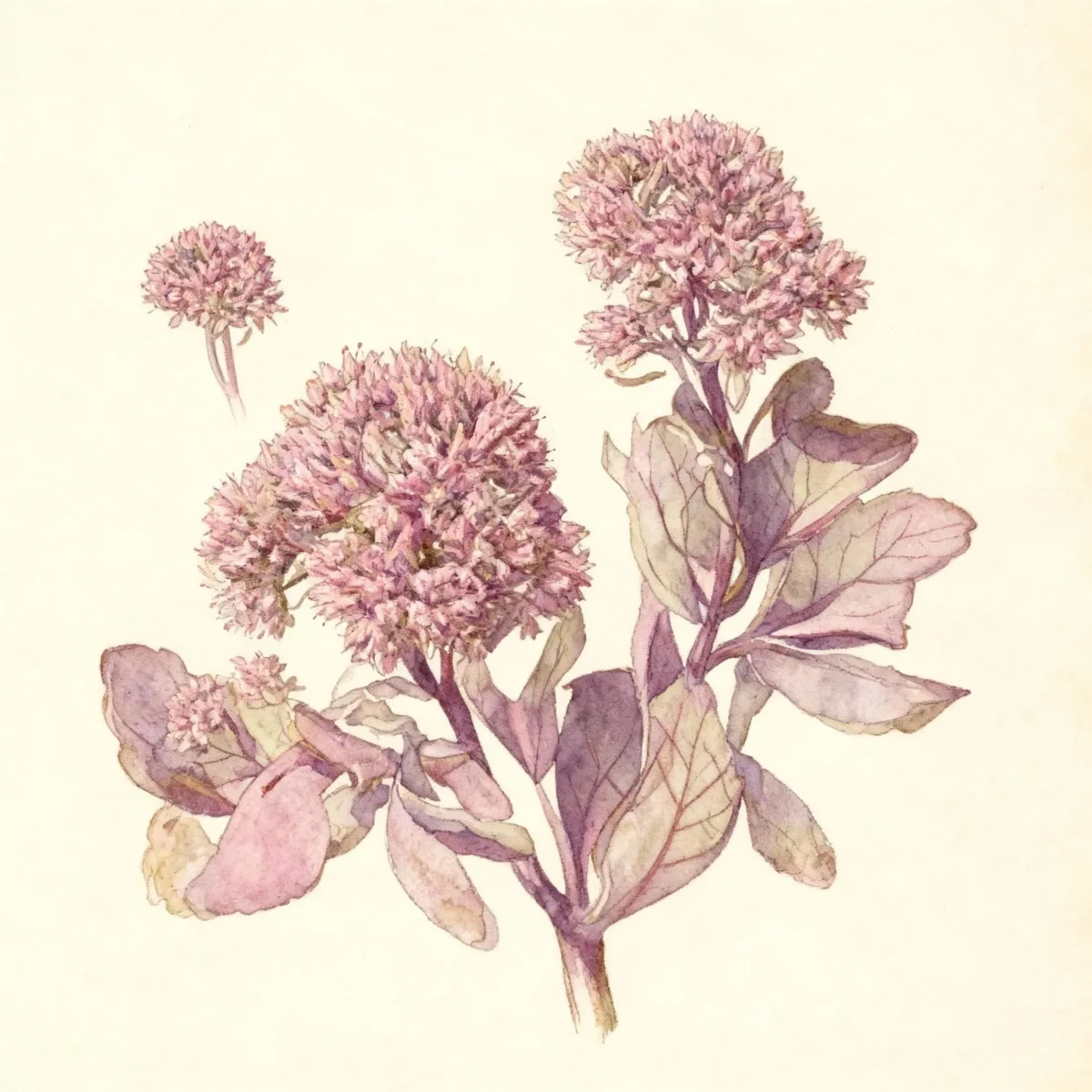
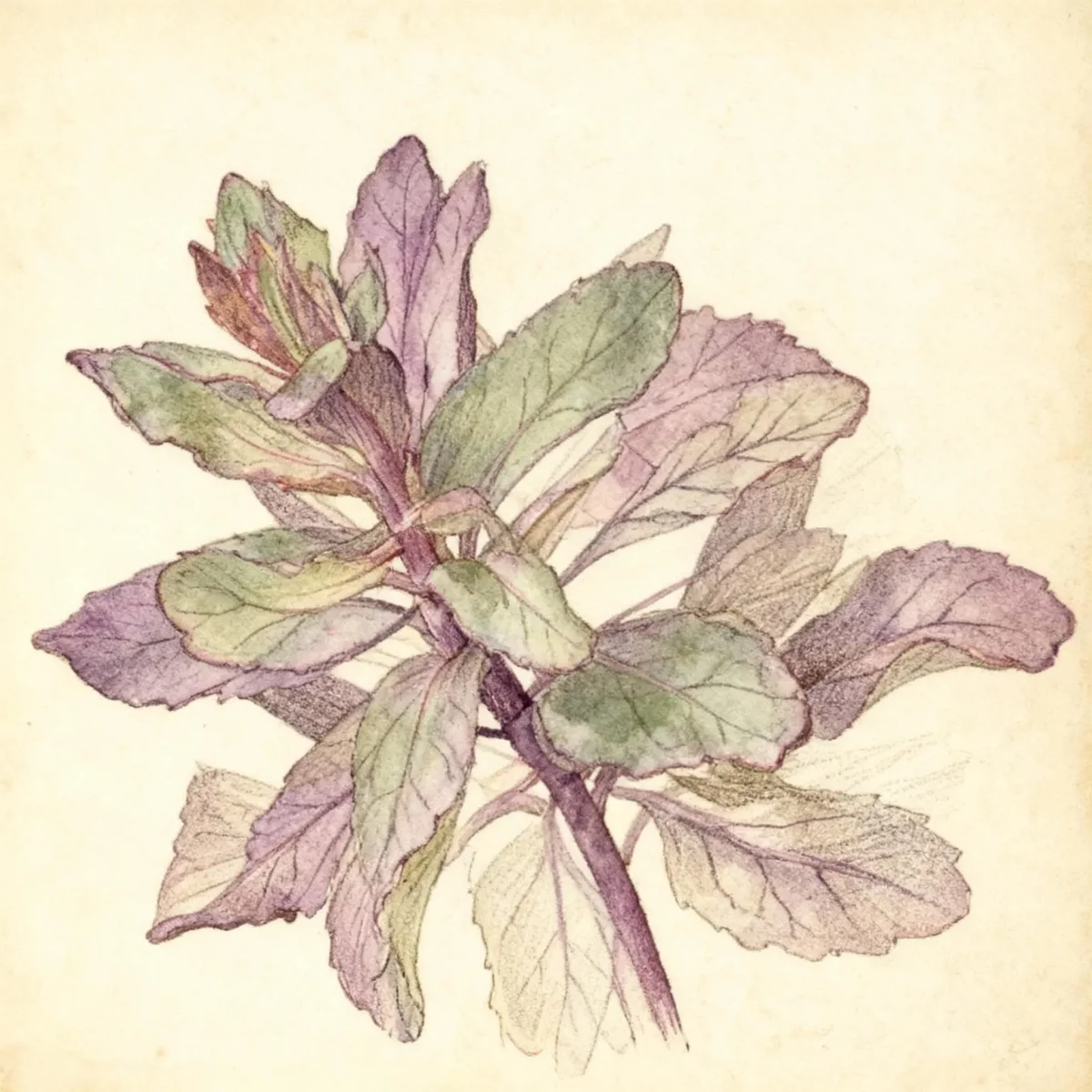
Hylotelephium ‘Maestro’ is an outstanding herbaceous perennial highly valued for its late-season color and sturdy structure. This cultivar of Stonecrop forms a neat, bushy mound of succulent blue-green foliage, providing essential texture throughout the growing season. Its most celebrated attribute is the emergence of large clusters of tiny, deep pink flowers held aloft on branching purple stems late in the summer and into autumn.
As a reliable Stonecrop variety, Hylotelephium ‘Maestro’ demands minimal fuss, making it perfect for gardeners seeking impactful, low-maintenance displays. It thrives where many other perennials struggle, preferring average, well-drained soils and full sun exposure. These characteristics ensure that Hylotelephium ‘Maestro’ remains an excellent structural plant for borders and rock gardens as summer fades.
This dependable cultivar requires excellent soil drainage to prevent root issues, but once established, it offers exceptional drought tolerance. Its robust nature and reliable late bloom ensure that your garden maintains visual interest long after peak summer color has passed, earning it the nickname Livelong in many regions.
Fast Facts
- Plant Family: Crassulaceae
- Plant Type: Herbaceous perennial
- Hardiness Zones: USDA Zones 3-9
- Size at Maturity:
- Height: 2-2.5 ft
- Spread: 1.5-2 ft
- Bloom Time: August to September
- Bloom Description: Deep pink
- Sun Exposure: Full sun
- Water Needs: Dry to medium
- Maintenance Level: Low
How to Grow
Planting Hylotelephium ‘Maestro’ should occur in spring or fall, ensuring it is situated in full sun for the best performance. This Stonecrop thrives in average, dry to medium soils, particularly those that are sandy or gravelly with moderate to low fertility. Adequate soil drainage is crucial; avoid heavy, perpetually moist locations to prevent rot.
Care is very straightforward for this robust plant. Water sparingly once established, as it is highly drought tolerant. Fertilization is generally unnecessary; rich soils can lead to weak, floppy growth, which compromises the dense mound habit of Hylotelephium ‘Maestro’.
To maintain a compact habit, plants may be cut back in late spring. This pinching forces the stems to grow thicker and bushier, preventing potential flopping later in the season, especially near the heavy flower heads. Propagate easily in spring by division or take stem cuttings during the summer, which root readily in soil.
Landscape Uses
The structural nature and late flowering timeline make this Stonecrop incredibly versatile for landscape design. It is highly recommended for use in rock gardens, where its preference for lean, stony substrates is satisfied, or along border fronts where its upright habit can provide structure. Consider planting Hylotelephium ‘Maestro’ in specimen plantings or groups to showcase the dense foliage mound.
Due to its excellent drought tolerance and ability to handle clay soil, this plant serves exceptionally well in low-water or naturalized areas where maintenance needs to be minimal. It also performs admirably when featured in containers, providing textural contrast against finer-leaved annuals or softer perennials.
As an excellent plant for fall gardens, group Hylotelephium ‘Maestro’ with late-blooming asters or ornamental grasses for a cohesive late-season scene that benefits pollinators visiting the late flowers.
Standout Features
Noteworthy Characteristics
Hylotelephium is a genus of about 33 species of drought-tolerant herbaceous perennials native to Asia, Europe and North America. They are commonly called stonecrop and are excellent plants for fall gardens. Many species and hybrids were formerly place in the genus Sedum.Genus name probably honor Telephus, King of Mysia and son of Hercules.Many hylotelephiums and sedums are commonly called stonecrop in reference to the frequent sighting of the genus in the wild growing on rocks or stony ledges. ‘Maestro’ is a dependable cultivar with succulent blue-green foliage that forms a bushy mound with tiny, deep pink flowers forming large clusters on branching purple stems. ‘Maestro’ is a sport of ‘Matrona’ discovered by Gary Trucks of Amber Wave Gardens in Michigan.
Tolerances
- Rabbit
- Deer
- Drought
- Erosion
- Clay Soil
- Dry Soil
Potential Problems
Potential issues for this Stonecrop generally stem from cultural mistakes rather than inherent weakness. Slugs, scale, mealybugs, nematodes, aphids, and weevils may occasionally appear, requiring standard IPM practices for management. The most significant environmental risk is rotting out, which occurs if the plant is subjected to wet and/or poorly drained conditions.
Taller sedum hybrids, including those with large flower heads like Hylotelephium ‘Maestro’, are susceptible to flopping over, especially after heavy rain. This aesthetic issue can be entirely avoided by ensuring the plant receives full sun and is grown in soils that are not overly rich or too moist.
For proactive management, pinching the stems back in the spring encourages the plant to develop a thicker, denser, and bushier structure. This practice effectively reduces stem length before the weight of the flower heads develops, promoting greater resilience against wind and rain.
Frequently Asked Questions
What hardiness zones is Stonecrop suitable for?
Hylotelephium ‘Maestro’ is reliably hardy across USDA Zones 3 through 9.
How large does Hylotelephium ‘Maestro’ grow?
This cultivar typically reaches a height between 2 and 2.5 feet, with a spread ranging from 1.5 to 2 feet wide.
When does Stonecrop bloom?
Expect vibrant deep pink flower clusters to appear late in the season, generally from August into September, providing excellent late-season color.
What sun exposure does Hylotelephium ‘Maestro’ need?
This plant requires full sun to develop its best, most compact form and to prevent susceptibility to flopping.
Conclusion
Hylotelephium ‘Maestro’ offers gardeners a tremendously valuable, low-maintenance option for extending color into the late season. Its succulent foliage and sturdy performance cement its status as a premier fall garden staple. Check your native soil’s drainage, ensure full sun placement, and enjoy years of dependable beauty from this exceptional Stonecrop cultivar.
Companion Planting
When selecting companions for Hylotelephium ‘Maestro’, focus on plants that share similar cultural needs: full sun and excellent drainage. Good partners include ornamental grasses like Hakonechloa or Miscanthus, which offer contrasting movement, or other drought-tolerant perennials such as Russian Sage (Perovskia atriplicifolia) or hardy Geraniums. Avoid moisture-loving plants, as mixing them will necessitate overwatering the Stonecrop.
Propagation Tips
One of the easiest features of Hylotelephium ‘Maestro’ is its adaptability for propagation, allowing you to multiply your favorite plants easily. The most common method is division, which is best performed in early spring before new growth begins actively. Alternatively, stem cuttings taken during the summer root readily when placed directly into dry, well-draining soil. Interestingly, even detached, healthy leaves can be laid on soil and will often root to form entirely new plants over time.