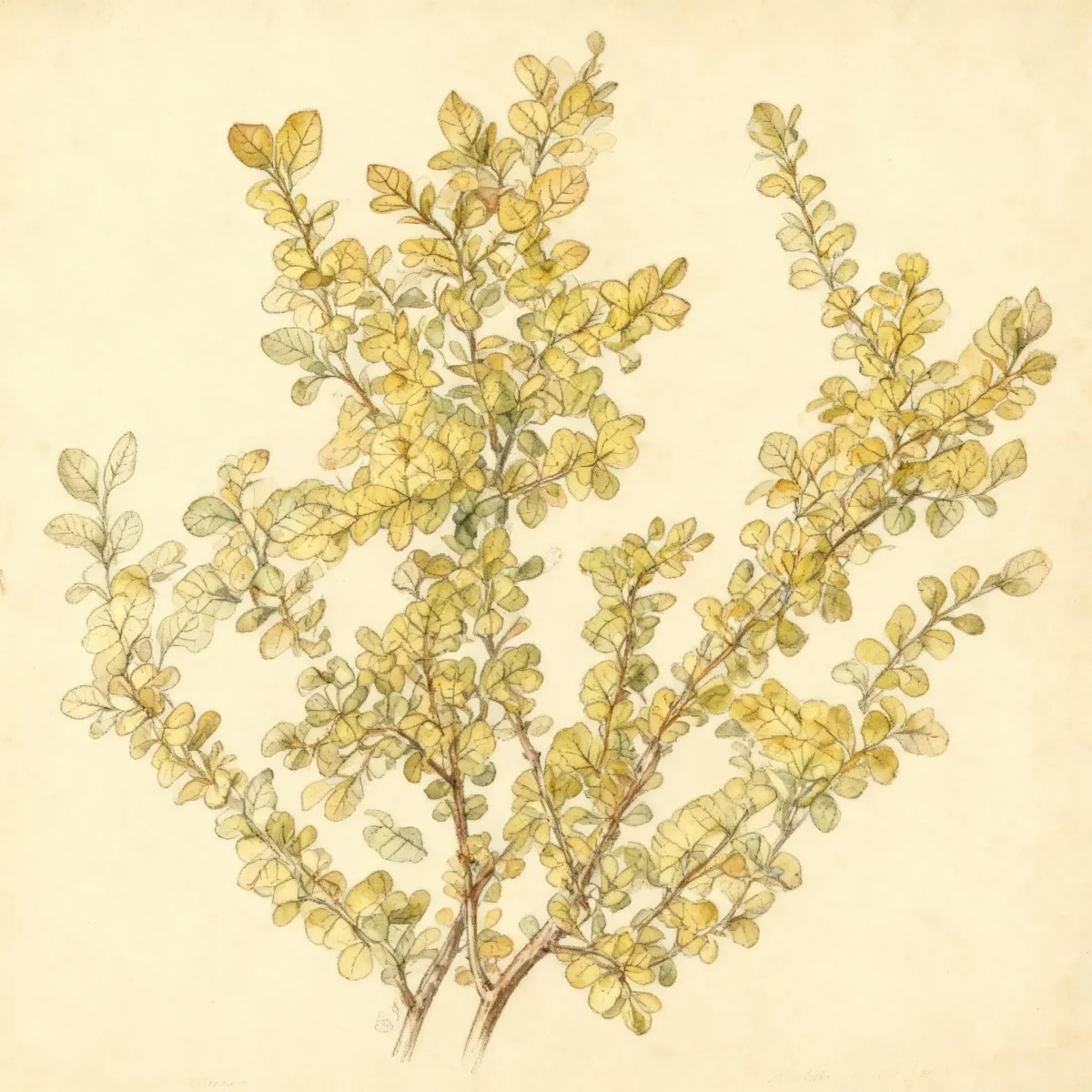
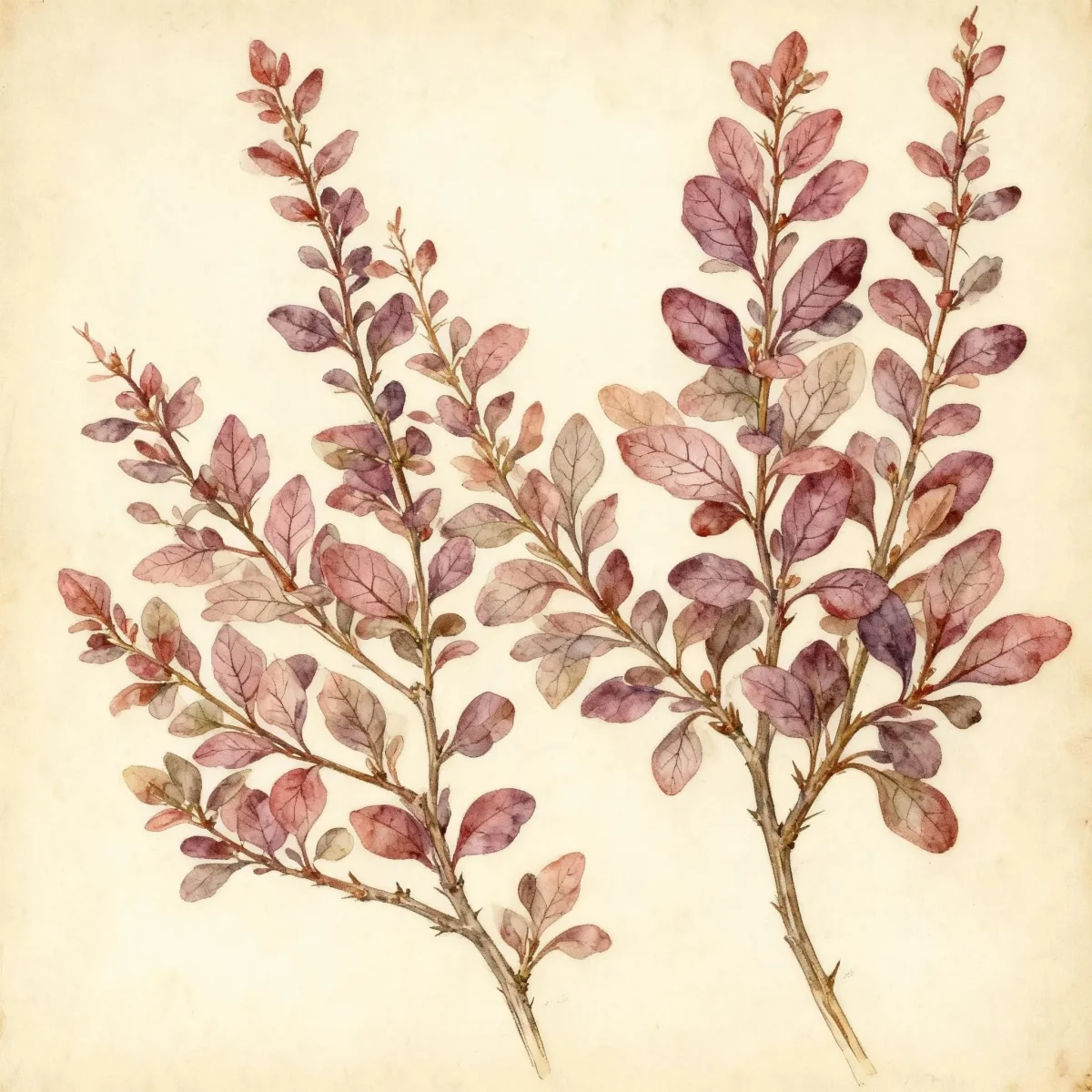
Japanese barberry (Berberis thunbergii 'Pygruzam' PYGMY RUBY)
Discover Berberis thunbergii 'Pygruzam' PYGMY RUBY, a dwarf, red-leaved Japanese barberry perfect for low-maintenance borders and hedges.
Scroll down to discover growing tips, care requirements, companion plants, and more
Complete Plant Information
Overview
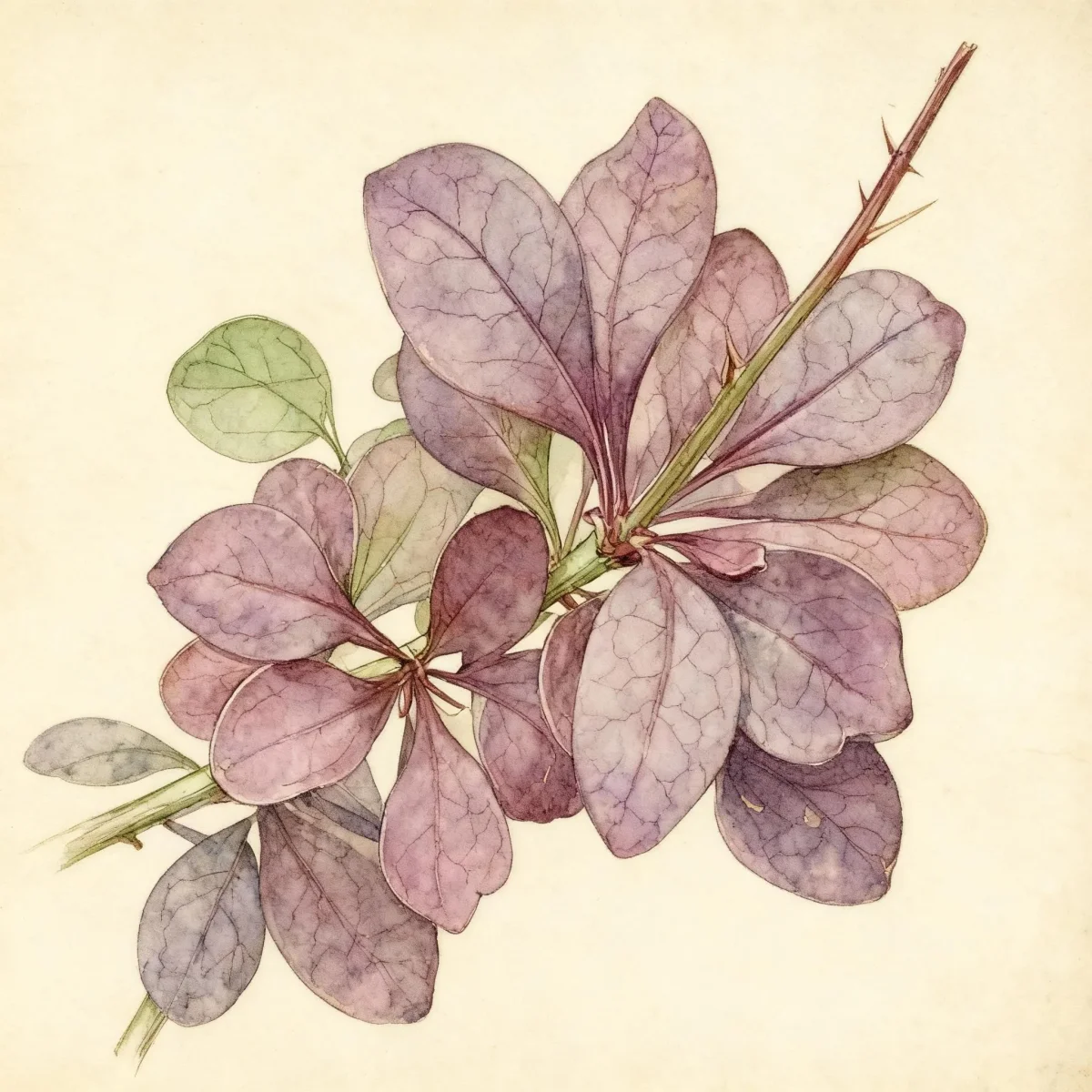
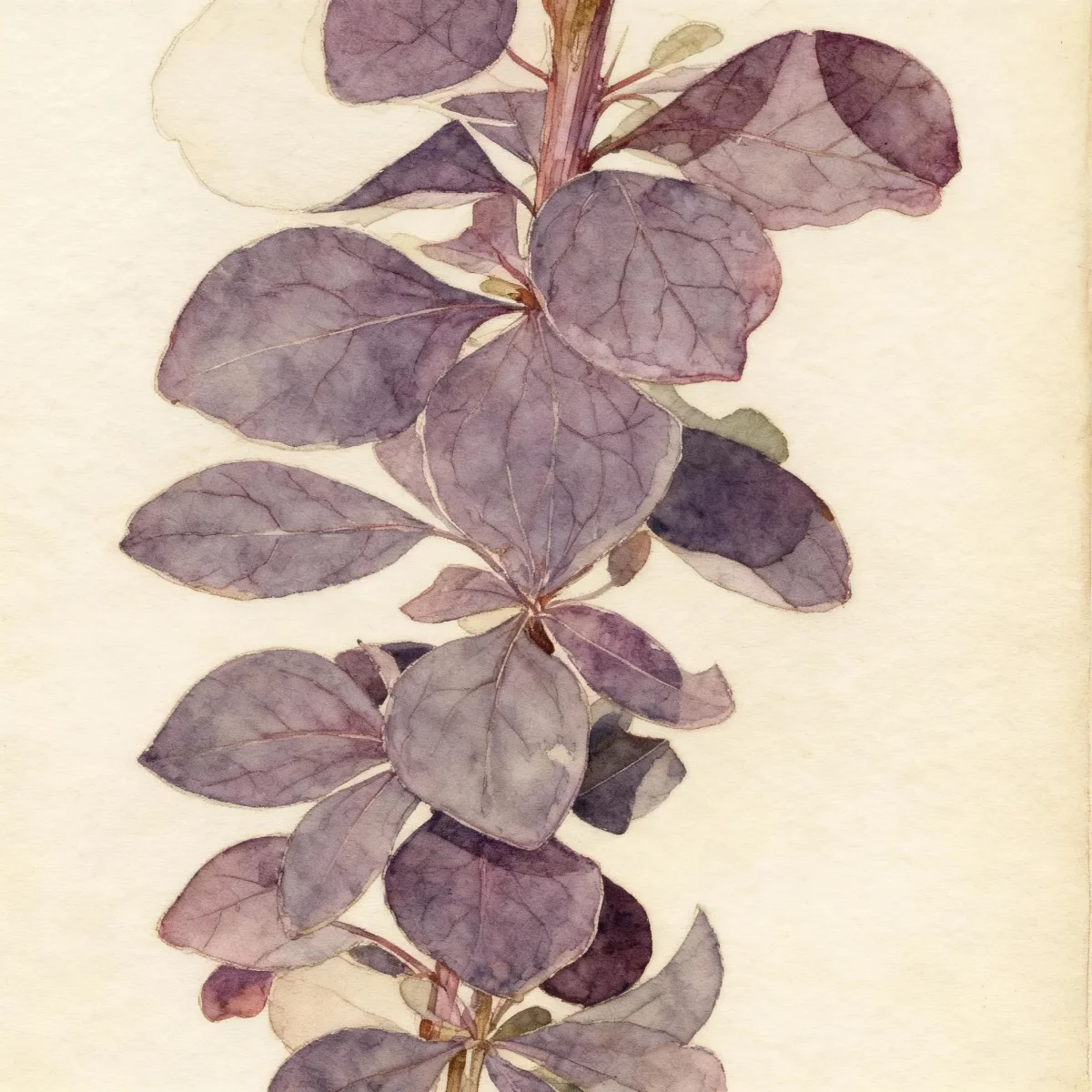
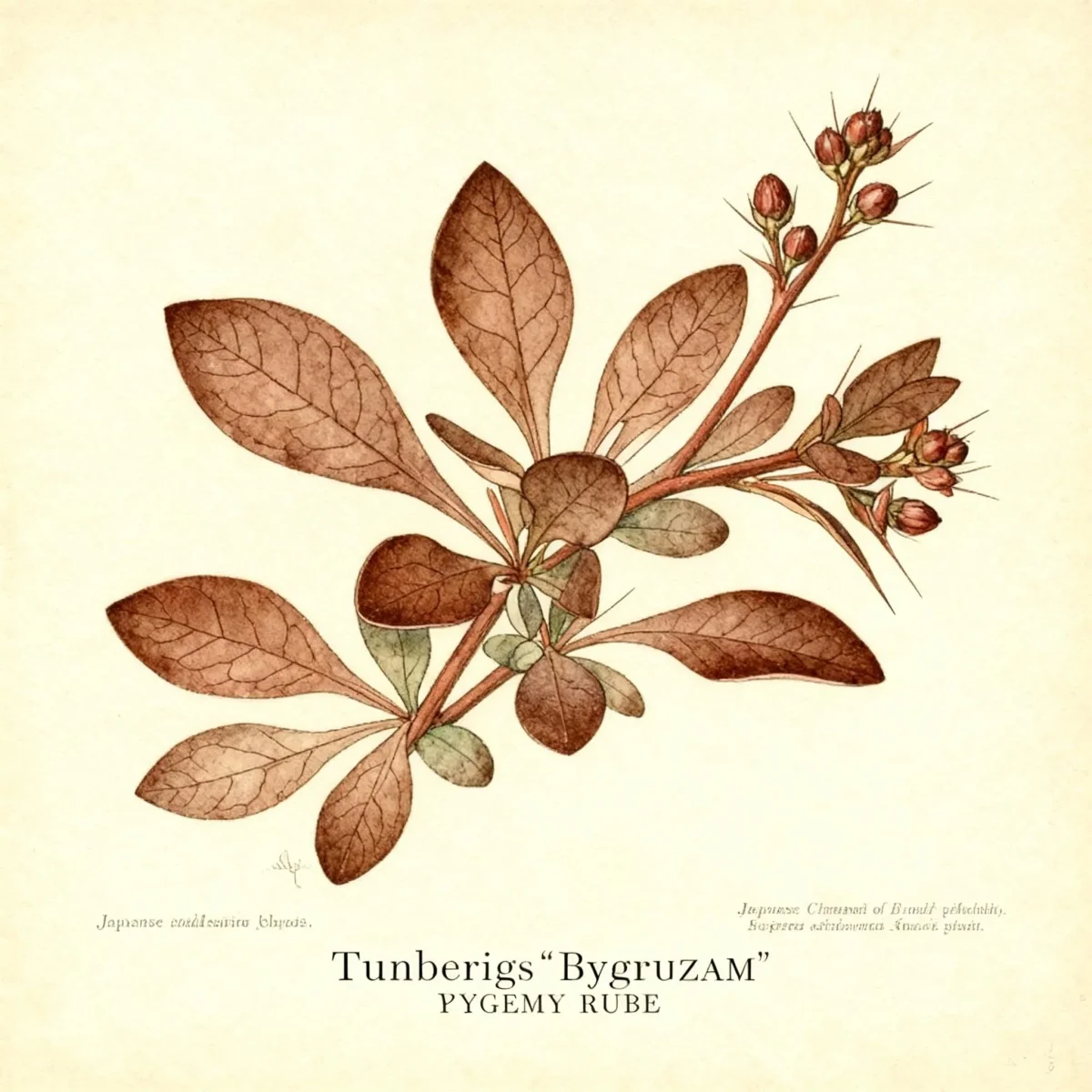
The Berberis thunbergii ‘Pygruzam’ PYGMY RUBY is a highly valued dwarf cultivar of the Japanese barberry, prized for its dense, rounded habit and vibrant red foliage. This compact deciduous shrub offers consistent color and structure without demanding extensive care, making it an excellent choice for defined low hedges or foundation plantings where space is limited. Gardeners appreciate this variety for its adaptability to challenging urban environments and its superior drought tolerance once established.
As a notable selection, Berberis thunbergii ‘Pygruzam’ PYGMY RUBY matures at a manageable 1 to 1.5 feet tall, maintaining a neat, contained shape. While featuring small, inconspicuous blooms, its primary appeal lies in its striking visual presence provided by its small thorns and dense branching structure. Whether used as an edger or an accent, this Japanese barberry brings year-round interest to the landscape with minimal fuss.
Fast Facts
- Plant Family: Berberidaceae
- Plant Type: Deciduous shrub
- Hardiness Zones: USDA Zones 4-8
- Size at Maturity:
- Height: 1-1.5 ft
- Spread: 2-3 ft
- Bloom Time: Flowers not showy
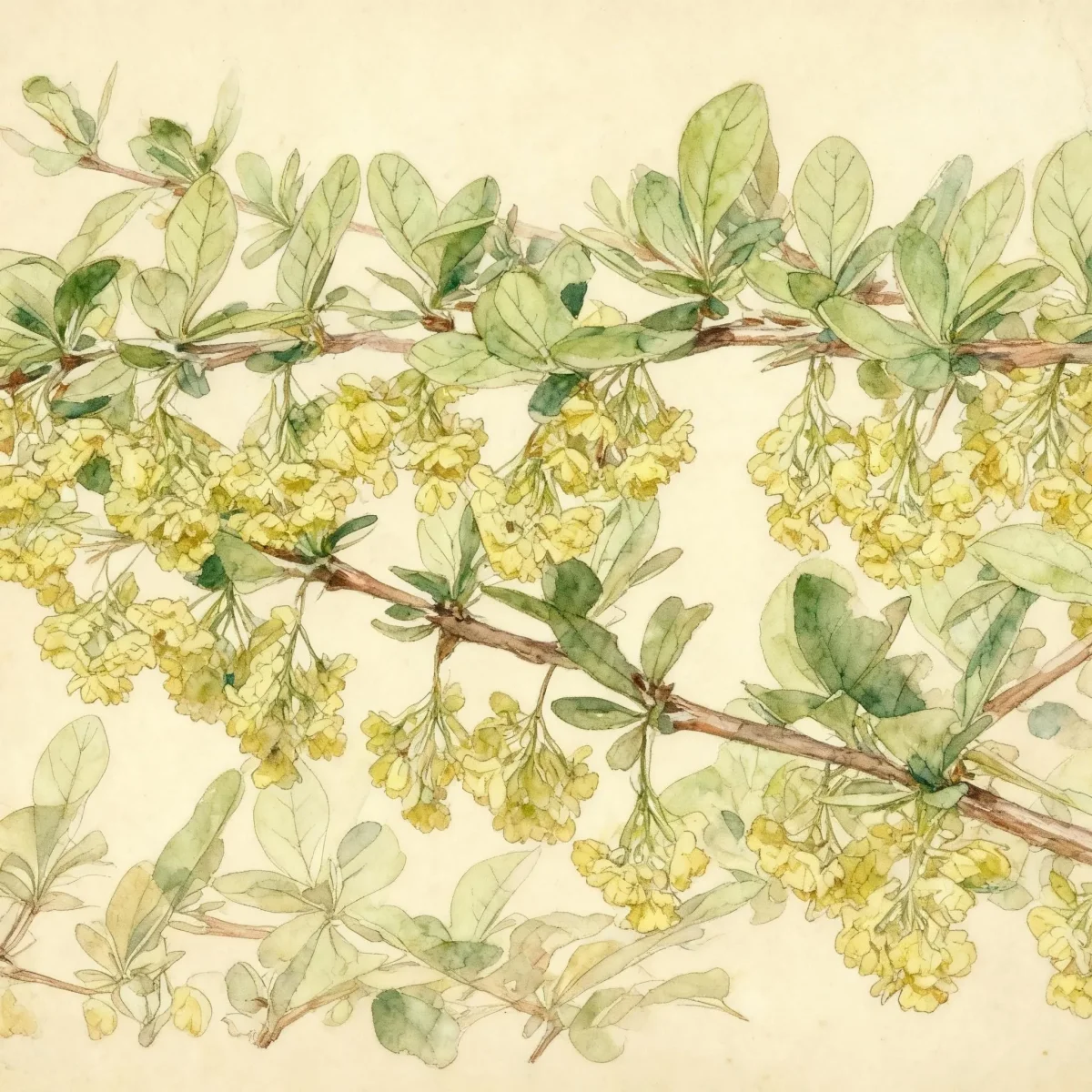
- Bloom Description: Inconspicuous blooms
- Sun Exposure: Full sun
- Water Needs: Dry to medium
- Maintenance Level: Low
How to Grow
Planting the Berberis thunbergii ‘Pygruzam’ PYGMY RUBY is best done during the dormant seasons—early spring or late fall—to ensure better establishment before extreme weather hits. Ensure placement is in full sun for the richest leaf color; while it tolerates part shade, the deep red tones of this Japanese barberry will become muted green in lower light situations. It thrives in average, well-drained soil but is remarkably adaptable, handling dry conditions well, though it strongly dislikes overly wet or poorly drained sites.
Maintenance for this dwarf shrub is commendably low. Watering should be consistent during the first growing season, transitioning to deep, infrequent watering once established, as it handles drought well. Fertilization is rarely necessary unless the soil is extremely poor. Pruning is generally limited to shaping; its naturally condensed habit means major shearing is usually avoided, keeping the work minimal.
A key consideration when growing Berberis thunbergii ‘Pygruzam’ PYGMY RUBY is its cultural note regarding spread. This species can spread slowly by creeping roots and is known to self-seed, often dispersed by birds consuming the small red fruits. While excellent for urban conditions where pollution tolerance is needed, in some eastern North American regions, gardeners must be aware of its invasive potential and manage self-seeding accordingly.
Landscape Uses
The compact size and dense branching of the dwarf Japanese barberry make it an invaluable asset for structured landscape design. Berberis thunbergii ‘Pygruzam’ PYGMY RUBY excels when used as a formal or informal low hedge, cleanly defining borders along walkways or property lines where a ground-hugging plant is required. Its vibrant foliage contrasts beautifully against foundation plantings or brighter green evergreens.
Due to its spiny texture, this cultivar is fantastic when employed as a natural, low-maintenance barrier plant, deterring unwanted traffic along steep banks or sensitive areas. Use it as an accent in small landscape sections where substantial size is problematic, or line it up in mass plantings for a striking monochromatic block of deep red color throughout the growing season.
Standout Features
Flower Qualities
- Insignificant
Noteworthy Characteristics
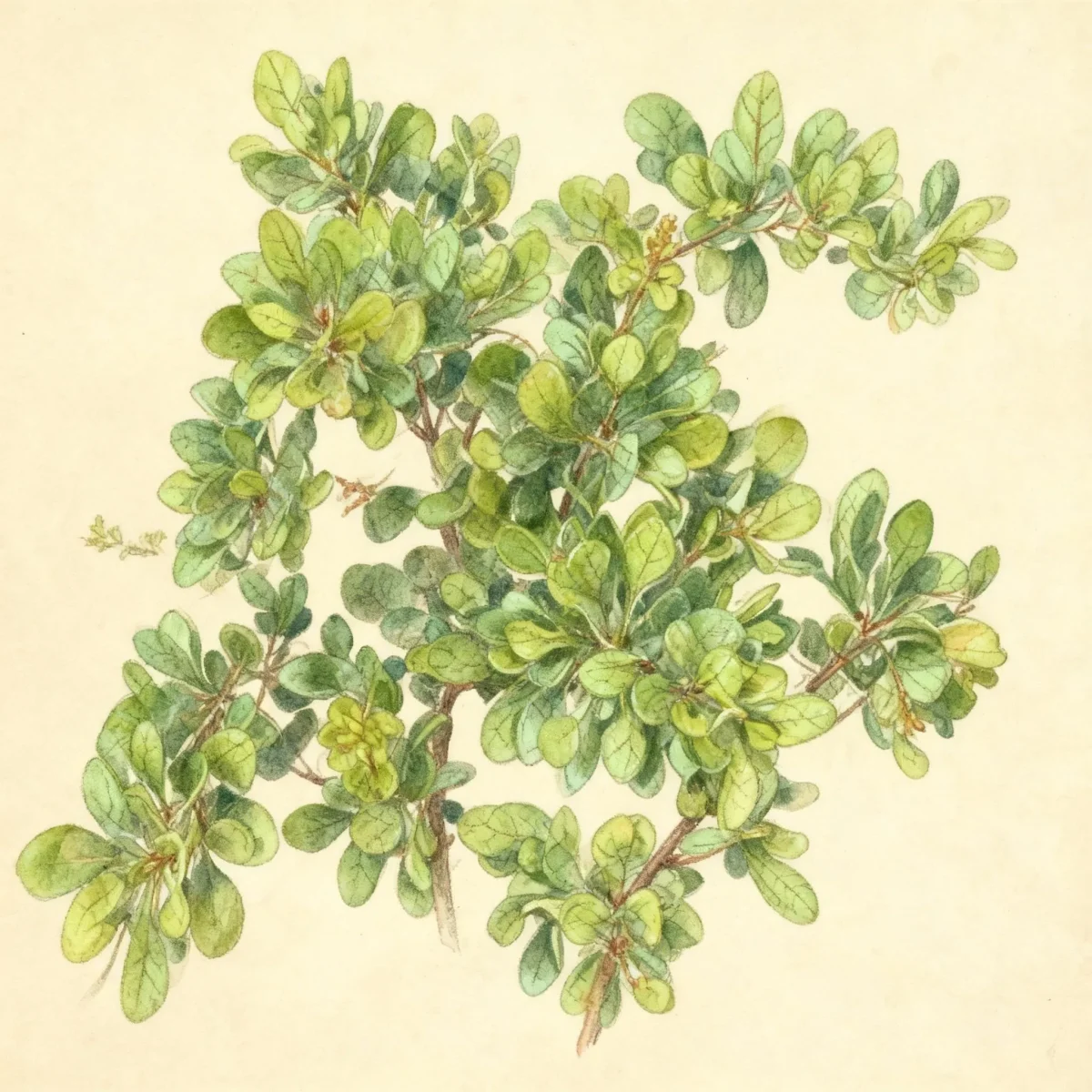
Berberis thunbergii, commonly called Japanese barberry, is a spiny, broad-rounded, deciduous shrub with obovate green leaves. It typically matures to 5’ tall and as wide. Leaves (variably sized to 1 1/4” long) typically turn attractive shades of orange, yellow and red in fall.Gen us name comes from the Latinized form of the Arabian name for the fruit. Specific epithet honors Swedish botanist Carl Peter Thunberg (1743-1828) who reportedly identified this species in Japan in 1784. ‘Pygruzam’ PYGMY RUBY is a red-leaved, dwarf selection of Japanese barberry which will grow slowly to reach up to 1.5’ tall with a 3’ spread. It has a dense, rounded growth habit with small thorns along its branches. The inconspicuous flowers will ripen to small, red berries which are eaten by birds.
Tolerances
- Deer
- Drought
- Air Pollution
Potential Problems
This cultivar generally avoids severe pest infestations, maintaining a relatively clean bill of health. However, gardeners should watch for minor issues such as susceptibility to bacterial leaf spot, anthracnose, root rots, and wilt, especially if drainage is poor. Common pests include aphids, barberry webworm, and scale, which can usually be managed with horticultural oils or targeted sprays if infestations become heavy.
The spiny nature, while beneficial as a barrier, can lead to a practical issue: wind-blown debris and trash can get caught and accumulate among the branches, requiring occasional manual cleanup. Furthermore, gardeners must be aware that this specific species of Japanese barberry is considered highly invasive in many regions of the eastern U.S. Proactive removal of seedlings is essential to prevent thicket formation that crowds out native understory plants.
Frequently Asked Questions
What hardiness zones is Berberis thunbergii ‘Pygruzam’ PYGMY RUBY suitable for?
This dwarf Japanese barberry is suitable for USDA Hardiness Zones 4 through 8.
How large does Japanese barberry ‘Pygruzam’ PYGMY RUBY grow?
Berberis thunbergii ‘Pygruzam’ PYGMY RUBY grows slowly to a height of 1 to 1.5 feet, spreading between 2 and 3 feet wide.
What sun exposure does Berberis thunbergii ‘Pygruzam’ PYGMY RUBY need?
For the best possible color and densest growth, this shrub requires full sun exposure.
Conclusion
The Berberis thunbergii ‘Pygruzam’ PYGMY RUBY provides exceptional low-maintenance structure, brilliant red foliage, and excellent tolerance for urban conditions ranging from heat to drought. As a top selection in the Japanese barberry family, its compact size makes it perfect for formal lines or small accent spots. Check your USDA zone compatibility and plan for early spring planting to enjoy this durable, colorful shrub for years to come.
Design Ideas
The inherent structure and dwarf size of Berberis thunbergii ‘Pygruzam’ PYGMY RUBY lend themselves particularly well to formal, geometric designs. Utilize this plant in precisely clipped, low borders following gravel paths or along the edge of low retaining walls where a sharp, clean line is desired. Its dense red form provides an excellent visual anchor against lighter-colored hardscaping materials like pale stone or white fencing.
For color contrast in mixed borders that receive full sun, pair the deep red foliage of the Pygmy Ruby variety with lighter green or gold-leafed companions that share similar dry soil needs. Consider pairing it with low-growing variegated hostas (if shade is acceptable) or golden spire-type evergreens planted slightly behind it to maximize the color contrast between the yellow/gold and the deep ruby red of the Japanese barberry.