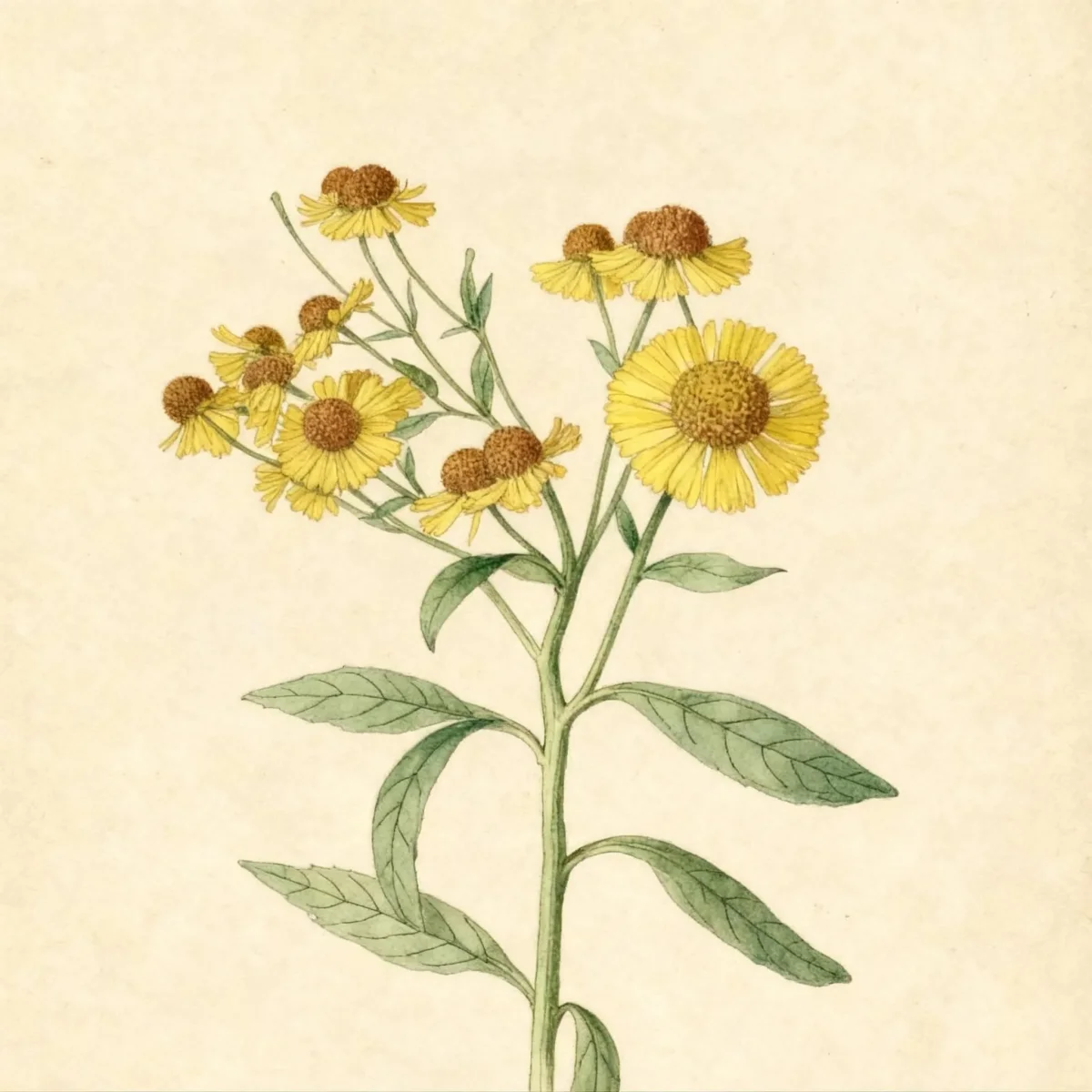
Sneezeweed (Helenium 'Sombrero')
Helenium 'Sombrero' Sneezeweed is a compact, yellow-blooming perennial ideal for wet soils, thriving in full sun from July to September.
Scroll down to discover growing tips, care requirements, companion plants, and more
Complete Plant Information
Overview
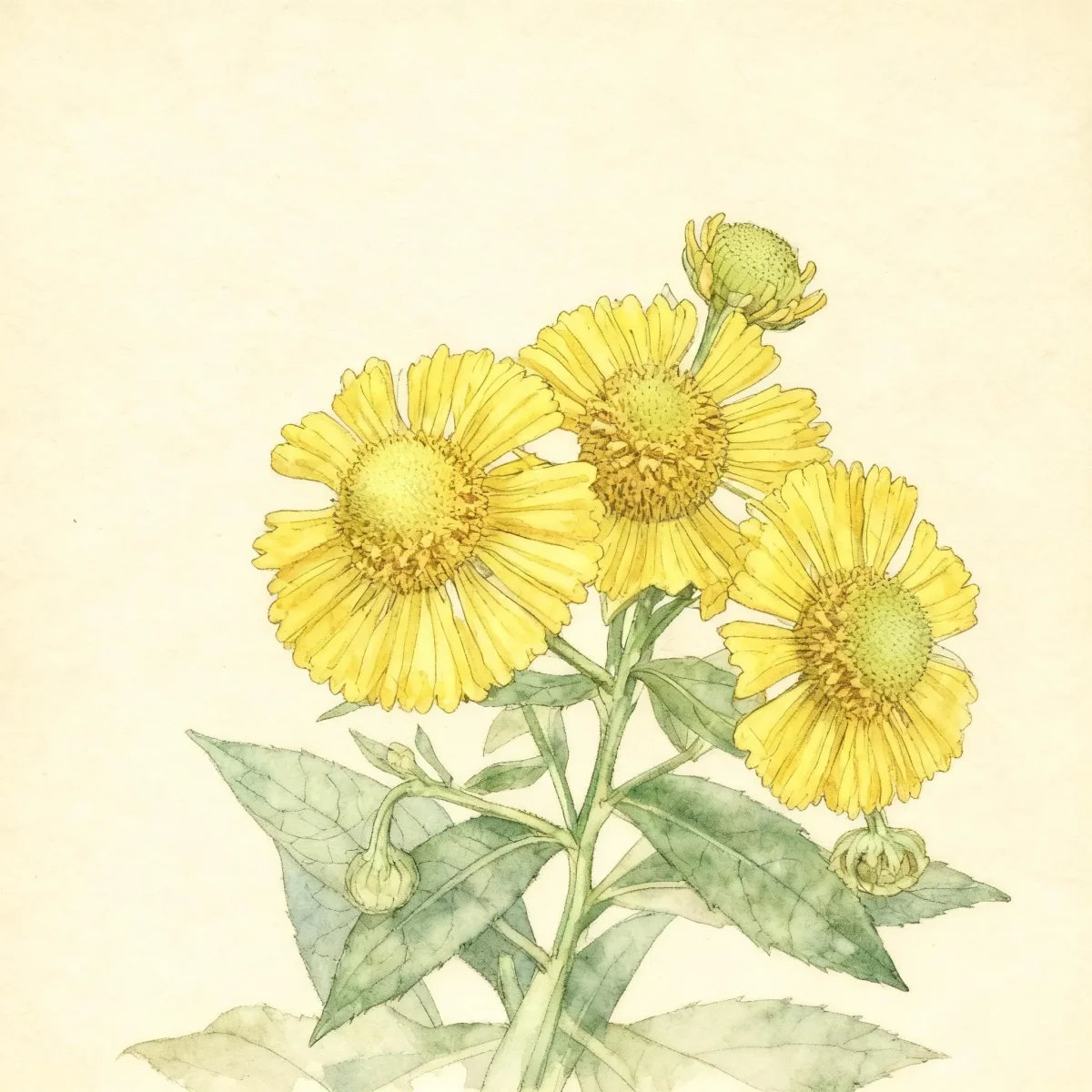
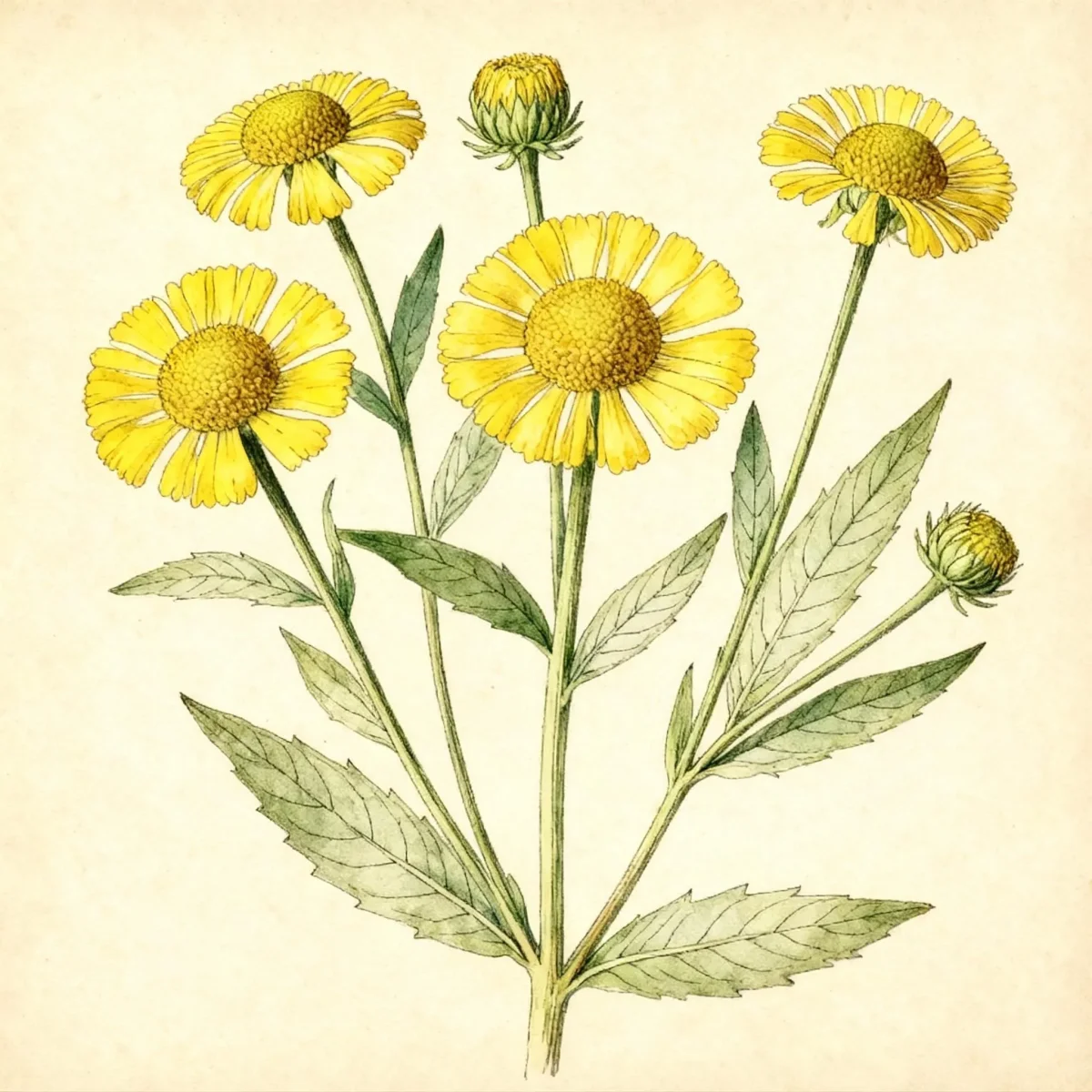
Helenium ‘Sombrero’ is a sought-after herbaceous perennial known for injecting vibrant color into the late-season garden. This cultivar, part of the Mariachi™ series, offers reliable, compact growth reaching about two feet tall, making it an excellent choice for borders where space is at a premium. As a type of Sneezeweed, it produces cheerful, classic daisy-like flowers boasting golden yellow rays and striking yellow center cones.
This variety of Sneezeweed is highly valued not only for its extended bloom time from mid-summer into autumn but also for its improved garden resilience. It attracts a host of pollinators like butterflies and hummingbirds, adding dynamic activity to flower beds during the transition months. Gardeners appreciate the sturdy stems of Helenium ‘Sombrero’, which contribute significantly to its low-maintenance appeal.
Cultivating Helenium ‘Sombrero’ is straightforward, provided its essential need for consistent moisture is met. It thrives best when positioned in full sun, making it a robust performer throughout the heat of summer. Its ability to tolerate challenging conditions like wet soil and clay makes this Sneezeweed a versatile backbone plant for moist garden areas.
Fast Facts
- Plant Family: Asteraceae
- Plant Type: Herbaceous perennial
- Hardiness Zones: USDA Zones 3-9
- Size at Maturity:
- Height: 1.5-2 ft
- Spread: 1.5-2 ft
- Bloom Time: July to September
- Bloom Description: Yellow
- Sun Exposure: Full sun
- Water Needs: Medium to wet
- Maintenance Level: Medium
How to Grow
Planting Helenium ‘Sombrero’ is best done in the spring after the danger of frost has passed, ensuring the soil is rich and consistently moist from the start. This plant demands full sun exposure to produce the best flower display and maintain compact habits; insufficient light can lead to legginess. While it tolerates clay and wet soils, providing amendment with compost will help enrich the structure without encouraging overly tall, weak growth.
Watering is crucial for this perennial. Helenium performs best where the soil remains medium to wet; it is distinctly intolerant of dry conditions. Avoid over-fertilization, as excessive nutrients can cause the robust stems of Helenium ‘Sombrero’ to become overly tall and susceptible to lodging.
Pruning and maintenance are key to managing the height of Sneezeweed. Gardeners can employ an early June cutback (pinching halfway back, at least six weeks before flowering) to reduce final height and encourage branching, leading to a denser, more floriferous bloom. Throughout the season, deadhead spent flowers to promote sporadic rebloom. After the main flowering period concludes, plants should be cut back by half before winter sets in. Regular division every 3-4 years helps maintain plant vigor.
Landscape Uses
Helenium ‘Sombrero’ excels in situations where consistent moisture is available, making it a superb component for borders and cottage gardens. Its vertical structure and late-season brilliance position it perfectly toward the middle or rear of perennial groupings, providing structure as summer annuals start to fade. It blends beautifully alongside prairie grasses or moisture-loving companions like astilbes or ligularia.
For naturalized settings, consider planting this Sneezeweed in wetter areas adjacent to ponds or stream banks where other cultivars might struggle during extended wet periods. Its upright habit also makes it an excellent addition to wild gardens or meadow plantings that receive regular moisture. The sturdy stems of Helenium ‘Sombrero’ ensure that even in mass plantings, the effect remains tidy.
As a dependable source of late-season color, this plant serves well in mixed borders where continuous visual interest is desired. Its deer tolerance further enhances its utility in open gardens where browsing may be an issue. Plan groupings such that its bright yellow flowers can contrast against blues, purples, or deep reds from neighboring autumn bloomers.
Standout Features
Flower Qualities
- Showy
Noteworthy Characteristics
Helenium autumnale, commonly called sneezeweed, is an erect, clump-forming, Missouri native perennial which occurs in moist soils along streams, ponds or ditches and in spring-fed meadows, prairie and wet open ground throughout most of the State (Steyermark). ‘Sombrero’ is a compact, yellow flowering cultivar in the Mariachi™ series developed by AB Cultivars in the Netherlands. The late summer blooms are golden yellow with yellow center cones and held on sturdy, branching stems, offering excellent powdery mildew resistance and attracting many pollinators.
Tolerances
- Deer
- Clay Soil
- Wet Soil
Potential Problems
This robust perennial generally avoids serious insect or disease problems, but gardeners should remain aware of potential fungal issues. The foliage of Helenium is susceptible to powdery mildew, leaf spot, and rust, particularly in humid conditions or if air circulation is poor. Ensuring the plant receives full sun and adequate space between specimens will mitigate these risks. Staking or pinching back plants early in the season, as detailed above, is the best proactive measure against weak stems, though the ‘Sombrero’ cultivar is known for its strong structure. Deer tend to avoid this plant entirely.
Frequently Asked Questions
What hardiness zones is Sneezeweed (Helenium ‘Sombrero’) suitable for?
Helenium ‘Sombrero’ is reliably hardy across USDA Zones 3 through 9.
How large does Sneezeweed (Helenium ‘Sombrero’) grow?
This compact cultivar typically reaches a mature height between 1.5 to 2 feet tall, with a spread of 1.5 to 2 feet.
When does Sneezeweed (Helenium ‘Sombrero’) bloom?
The primary bloom time for Helenium ‘Sombrero’ is from July extending through September, displaying beautiful yellow flowers.
What sun exposure does Sneezeweed (Helenium ‘Sombrero’) need?
For optimal performance and flowering, Helenium ‘Sombrero’ requires full sun exposure throughout the growing season.
Conclusion
Helenium ‘Sombrero’ offers gardeners an outstanding, reliable blast of late-season color coupled with exceptional hardiness, especially for moist locations. The vigor and compact size of this Sneezeweed make it an indispensable asset to the perennial border, attracting vital pollinators right up to frost. Before planting, confirm that your site offers the necessary full sun exposure and medium to wet soil conditions to ensure the best possible display from your Helenium ‘Sombrero’.
Wildlife Benefits
The late-season flowering window of Helenium ‘Sombrero’ is critically important for sustaining pollinator populations as autumn approaches. Its plentiful, nectar-rich blooms are highly attractive to butterflies migrating or preparing for winter. Furthermore, the prominent central cones, characteristic of all Sneezeweed, often mature into seed heads that provide valuable food sources for small seed-eating birds later in the season.
Companion Planting
When integrating Helenium ‘Sombrero’ into a vibrant border, select companions that share its preference for consistent moisture and full sun. Plants with contrasting foliage or bloom times work best to maximize texture through the season. Consider pairing the upright yellow blooms of Sneezeweed with late-blooming Purple Coneflower (Echinacea purpurea), tall ornamental grasses like Switchgrass (Panicum virgatum), or deep blue varieties of Sedum (Hylotelephium) for dramatic color contrast.