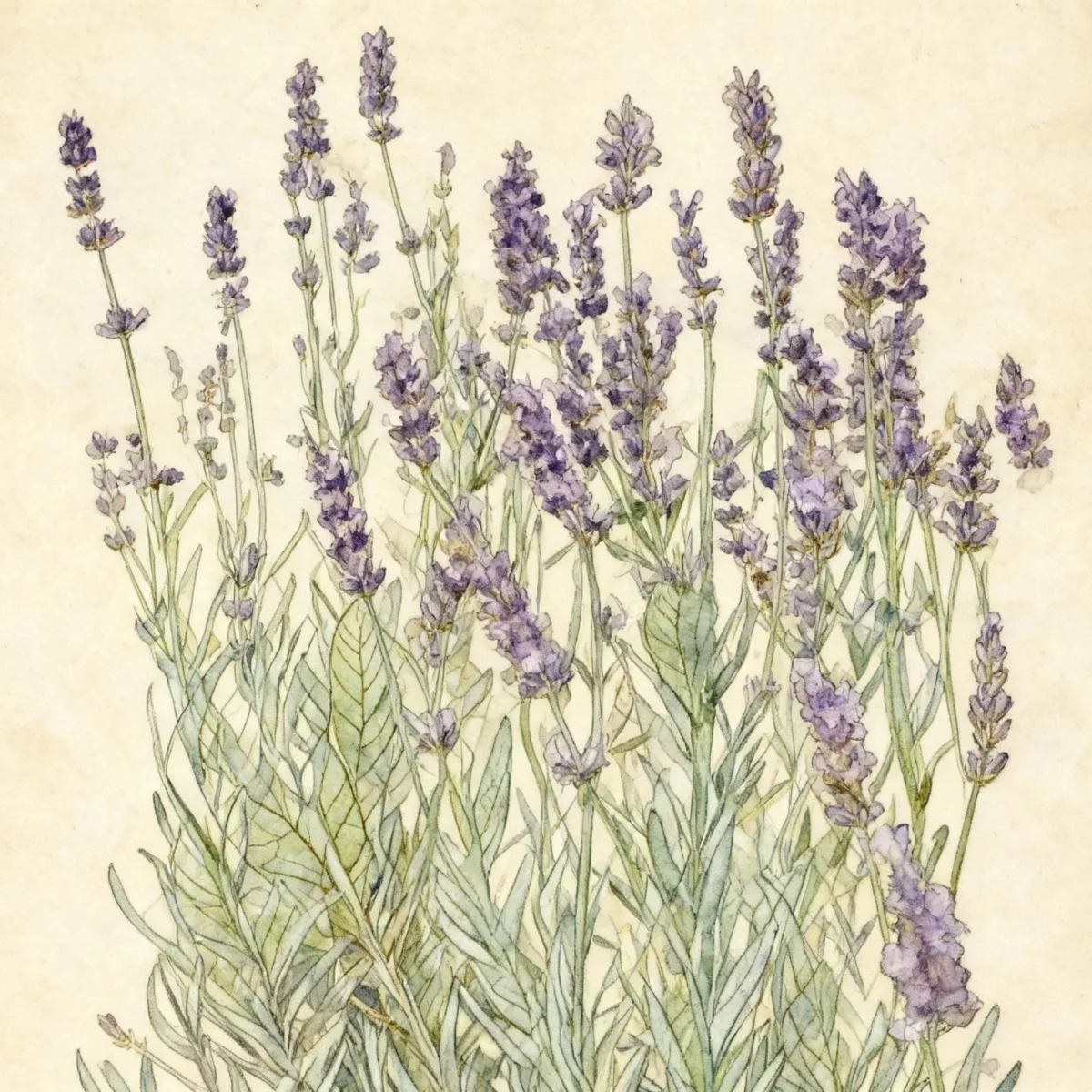
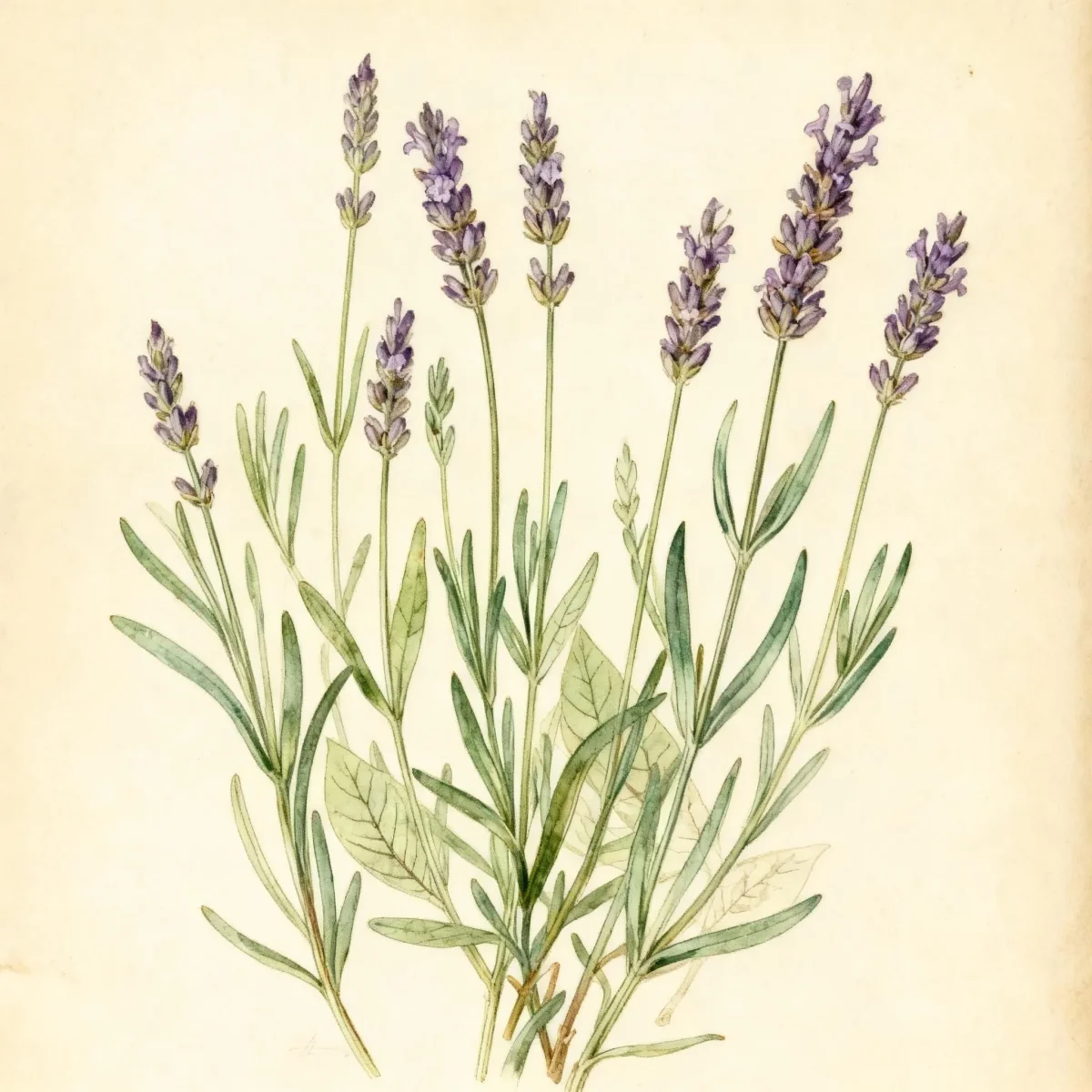
Lavandin (Lavandula × intermedia 'Fred Boutin')
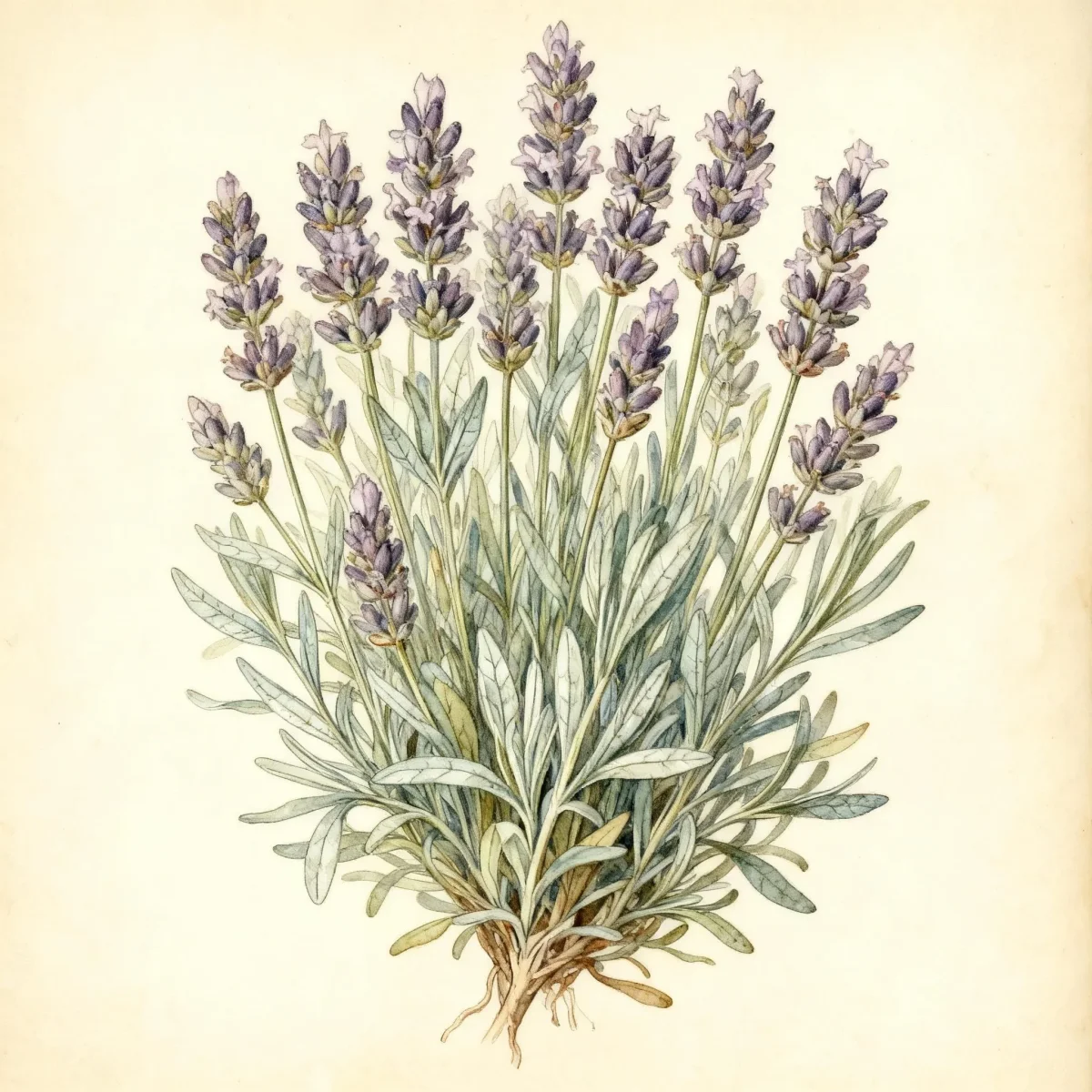
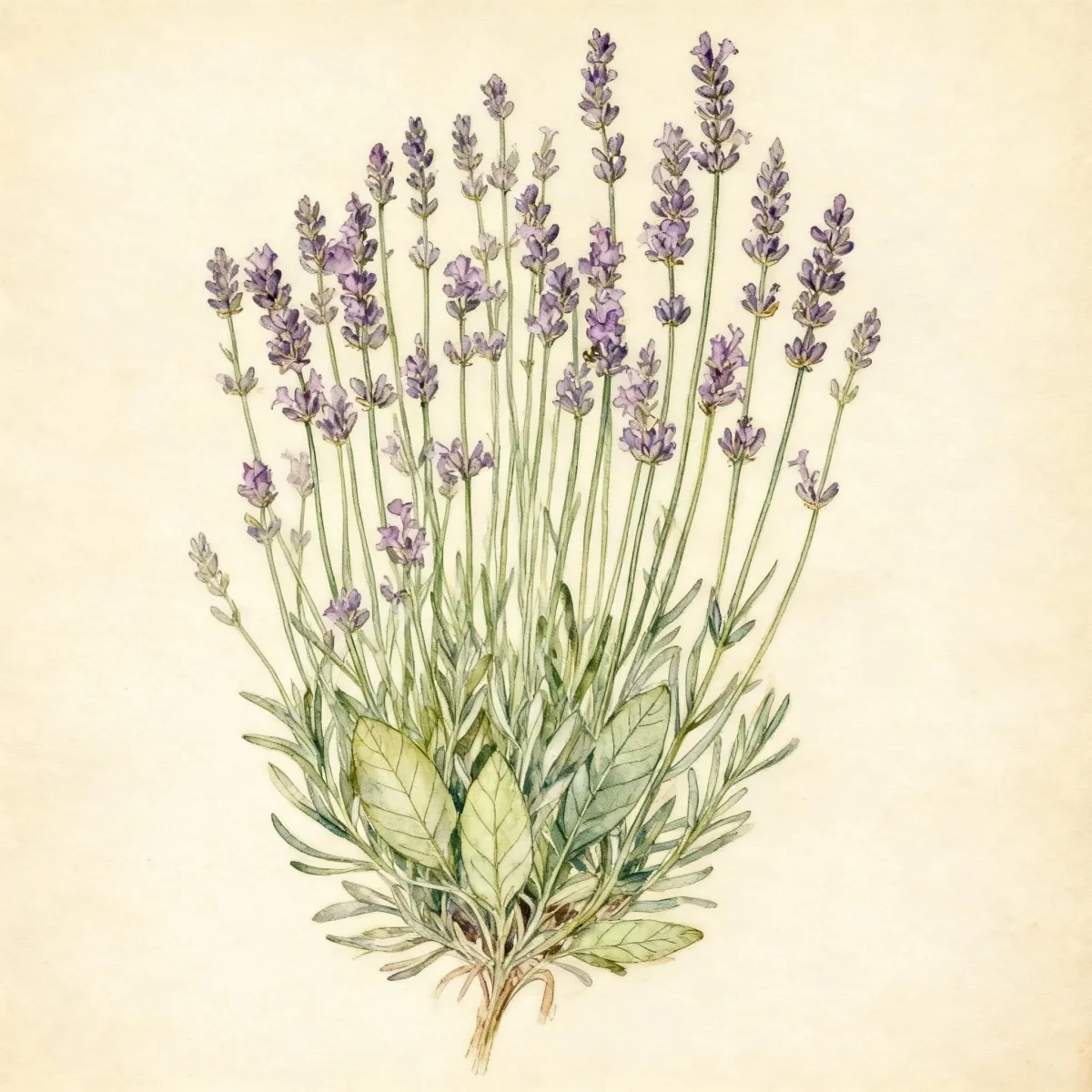
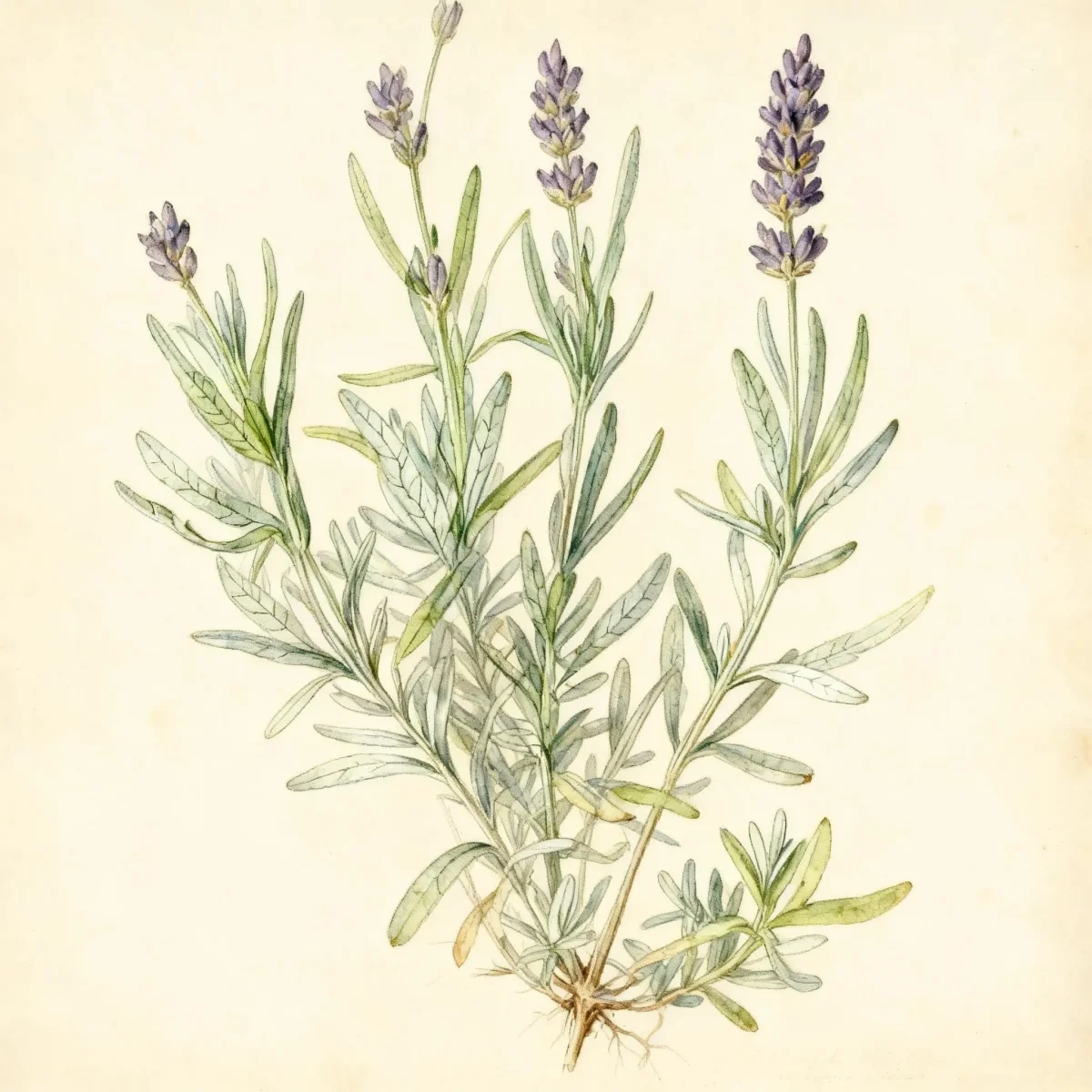
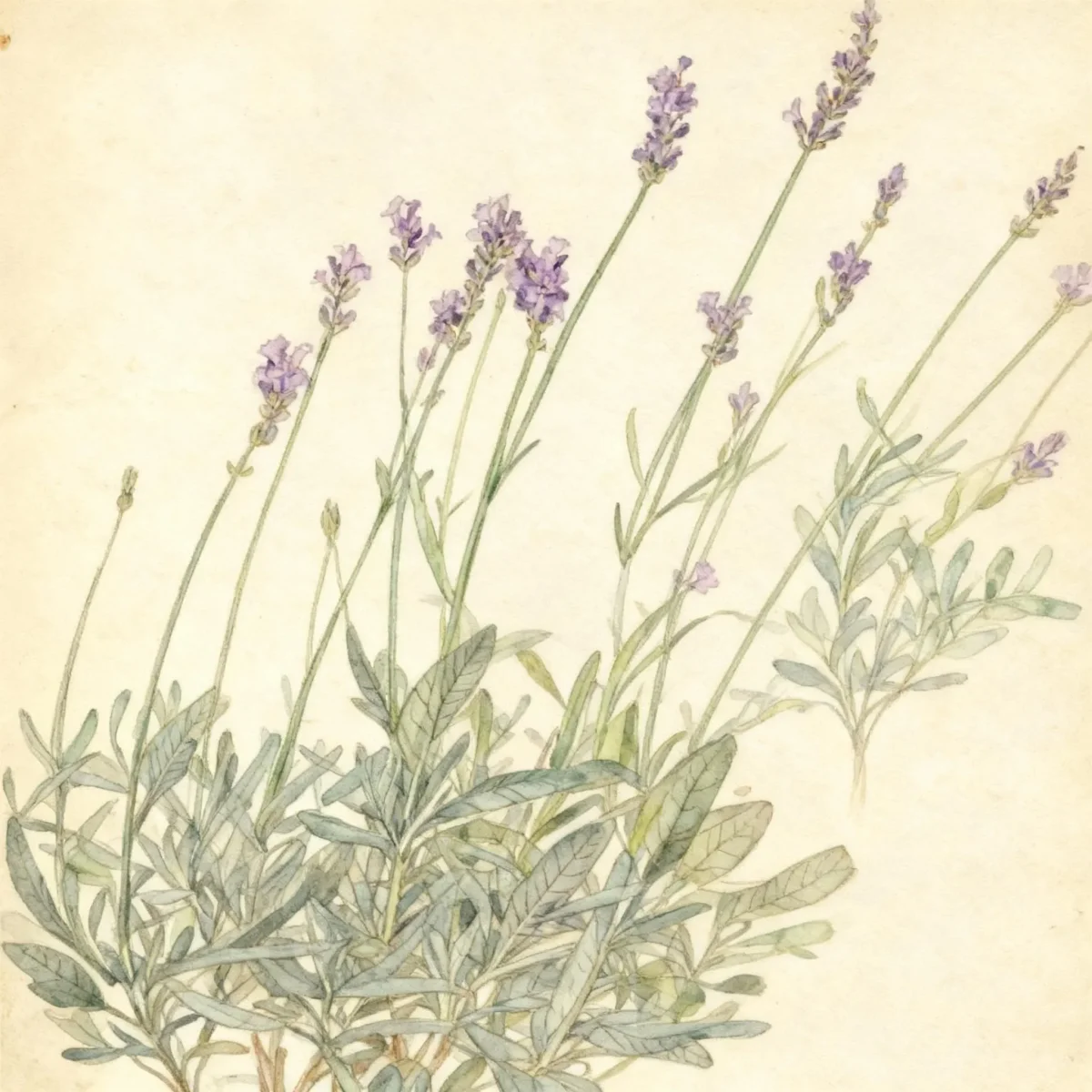
Lavandin 'Fred Boutin' offers fragrant, silver-green foliage and long spikes of violet-purple blooms, ideal for drying.
Scroll down to discover growing tips, care requirements, companion plants, and more
Complete Plant Information
Overview
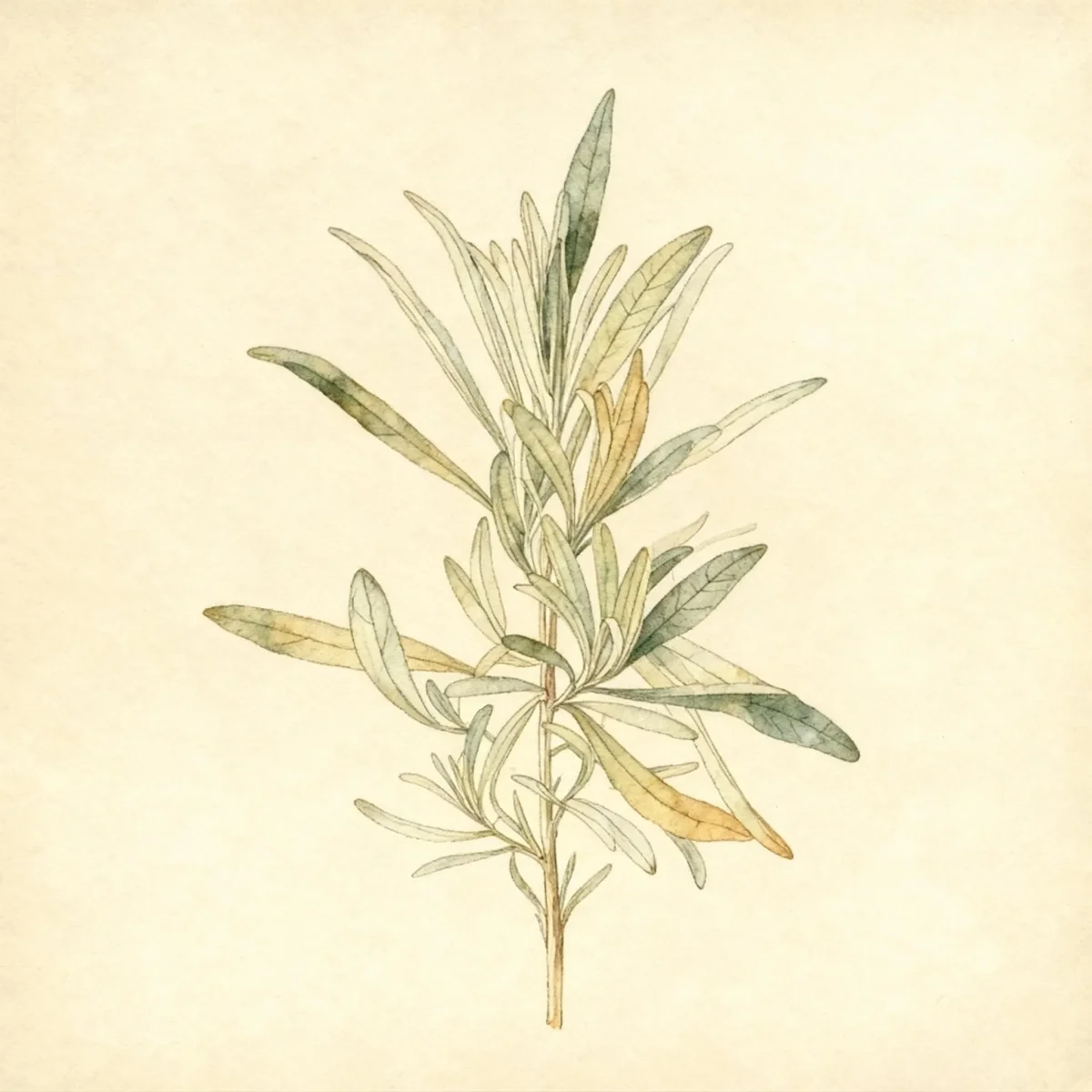
Lavandula × intermedia ‘Fred Boutin’, commonly known as Lavandin, is a highly valued hybrid for its robust growth habit and exceptional foliage. This semi-evergreen perennial produces fragrant, silver-green leaves that provide excellent textural contrast in mixed borders throughout the growing season. Its structure forms a tidy, clump-forming mound, making it a dependable centerpiece in focused herbal plantings.
The extended bloom period, running from July through September, showcases long spikes of violet-purple flowers, making Lavandula × intermedia ‘Fred Boutin’ popular even if the flowers themselves are not intensely scented. Beyond garden aesthetics, both the foliage and flowers are highly aromatic, lending themselves well to crafts and aromatherapy applications. Gardeners prize this specific cultivar for its hardiness relative to true lavender, though attention must be paid to drainage.
As a hybrid selection, the ‘Fred Boutin’ variety bridges some characteristics of its parents, resulting in a plant that offers significant visual impact and aromatic benefits. It is particularly effective when used where its silver foliage can reflect light, brightening up the front of a sunny perennial border or rock garden setting.
Fast Facts
- Plant Family: Lamiaceae
- Plant Type: Herbaceous perennial
- Hardiness Zones: USDA Zones 6-9
- Size at Maturity:
- Height: 1.5-2 ft
- Spread: 2.75-3.25 ft
- Bloom Time: July to September
- Bloom Description: Lavender
- Sun Exposure: Full sun
- Water Needs: Dry to medium
- Maintenance Level: Medium
How to Grow
Establish Lavandin in a location receiving full, direct sun throughout the day, as insufficient light promotes floppiness and reduces fragrance. The paramount cultural requirement for Lavandula × intermedia ‘Fred Boutin’ is excellent drainage; grow it in average, well-drained, alkaline soil, preferring light or sandy compositions with somewhat low fertility. Poorly drained spots must be avoided, as root rot is a common failure point, especially during wet winters.
Watering should be kept on the drier side once established, matching its dry to medium water needs. In very humid climates like the St. Louis area, manage humidity stress by opting for rock mulch instead of traditional organic mulch, which can hold too much moisture around the crown. For gardeners in Zone 5, this plant may require winter protection or a sheltered microclimate to establish reliably.
Maintenance is medium, focusing primarily on pruning. Promptly remove faded flower spikes to encourage a second, smaller flush of blooms through the late summer. The primary pruning occurs in spring after new growth emerges; prune lightly to shape, but every three years, cut back the stems sharply to about 8 inches to control size and rejuvenate woody growth, ensuring robust future flowering for your Lavandin.
Landscape Uses
Lavandula × intermedia ‘Fred Boutin’ is an exceptionally versatile garden perennial far exceeding general herb garden status. Its combination of silver-green foliage and late-season violet-purple flowers makes it a fantastic textural element near the front of perennial borders or as a neat, scented edging plant. Mass plantings are particularly effective, creating a sweeping ribbon of color and fragrance that attracts numerous insect pollinators.
The extended flower spikes are considered excellent for cutting and subsequent drying, allowing gardeners to bring the aroma indoors long after the summer season ends. Consider pairing this Lavandin with sun-loving, drought-tolerant companions such as ornamental grasses, Sedums, or hardy Coneflowers (Echinacea) which thrive in similar alkaline, well-drained conditions. The gray-green leaves provide cool contrast against hotter reds and yellows.
Standout Features
Flower Qualities
- Showy
- Good Cut
- Good Dried
Noteworthy Characteristics
Lavandin (L. Angustifolia × L. Latifolia) is a popular hybrid lavender for the herb garden, favored more for sachets and potpourri than culinary use. ‘Fred Boutin’ specifically is a hardy, semi-evergreen to evergreen, clump-forming lavandin distinguished by fragrant, silver-green foliage and long flowering spikes of violet-purple to blue flowers. These long stalks make the finished blooms perfect for cutting and drying, and the plant remains attractive to butterflies throughout its mid to late summer bloom period.
Tolerances
- Rabbit
- Deer
- Shallow-Rocky Soil
Potential Problems
The primary threats to Lavandula × intermedia ‘Fred Boutin’ revolve around moisture management during stressful periods. The plant is susceptible to leaf spot, especially when humidity is high, and root rot is a serious concern if drainage is inadequate, particularly in winter. To prevent winter mortality, ensure the soil is never waterlogged when temperatures drop near or below freezing; dry, well-drained soil is the best defense.
Deer and rabbits generally avoid browsing this aromatic shrub, offering security in open garden settings. If root rot does become an issue, improving soil texture with sand or grit—or switching from organic mulch to rock mulch—can quickly improve conditions for your Lavandin.
Frequently Asked Questions
What hardiness zones is Lavandin suitable for?
This Lavandin cultivar is generally suitable for USDA Zones 6 through 9, though winter protection may be needed in the cooler end of this range.
How large does Lavandula × intermedia ‘Fred Boutin’ grow?
This selection typically reaches a height between 1.5 and 2 feet tall and spreads between 2.75 and 3.25 feet wide at maturity.
What sun exposure does Lavandin need?
Lavandula × intermedia ‘Fred Boutin’ requires full sun exposure to thrive, ensuring strong stems and abundant blooms.
When does Lavandin bloom?
The primary bloom time for this plant is from July through September, featuring lavender-colored flowers on long stalks.
Conclusion
Lavandula × intermedia ‘Fred Boutin’ is a superior landscape choice for sunny, dry sites, providing long-lasting fragrance and striking silver foliage that brightens any garden space. Its suitability for both cutting and drying makes this resilient Lavandin exceptionally functional. Before planting, ensure your site offers excellent drainage and full sun exposure to guarantee success with this handsome hybrid.
Companion Planting
When planning your border around Lavandin, select neighbors that share similar xeriscaping or preference for lean soil. Plants that flourish in full sun and tolerate dry conditions will complement the cultural needs of Lavandula × intermedia ‘Fred Boutin’. Consider pairing it with low-maintenance, drought-tolerant perennials such as Yarrow (Achillea), Catmint (Nepeta), or various ornamental Sages (Salvia species). These combinations create a cohesive, low-water aesthetic that thrives together through the heat of summer.
Wildlife Benefits
While deer and rabbits steer clear of the aromatic foliage, the long spikes of the ‘Fred Boutin’ cultivar are highly attractive to beneficial insects. The flowers act as a reliable summer nectar source, drawing in numerous types of butterflies that are essential for local ecosystem health. Planting this Lavandin ensures you are supporting pollinator populations from mid-summer well into the early fall months.