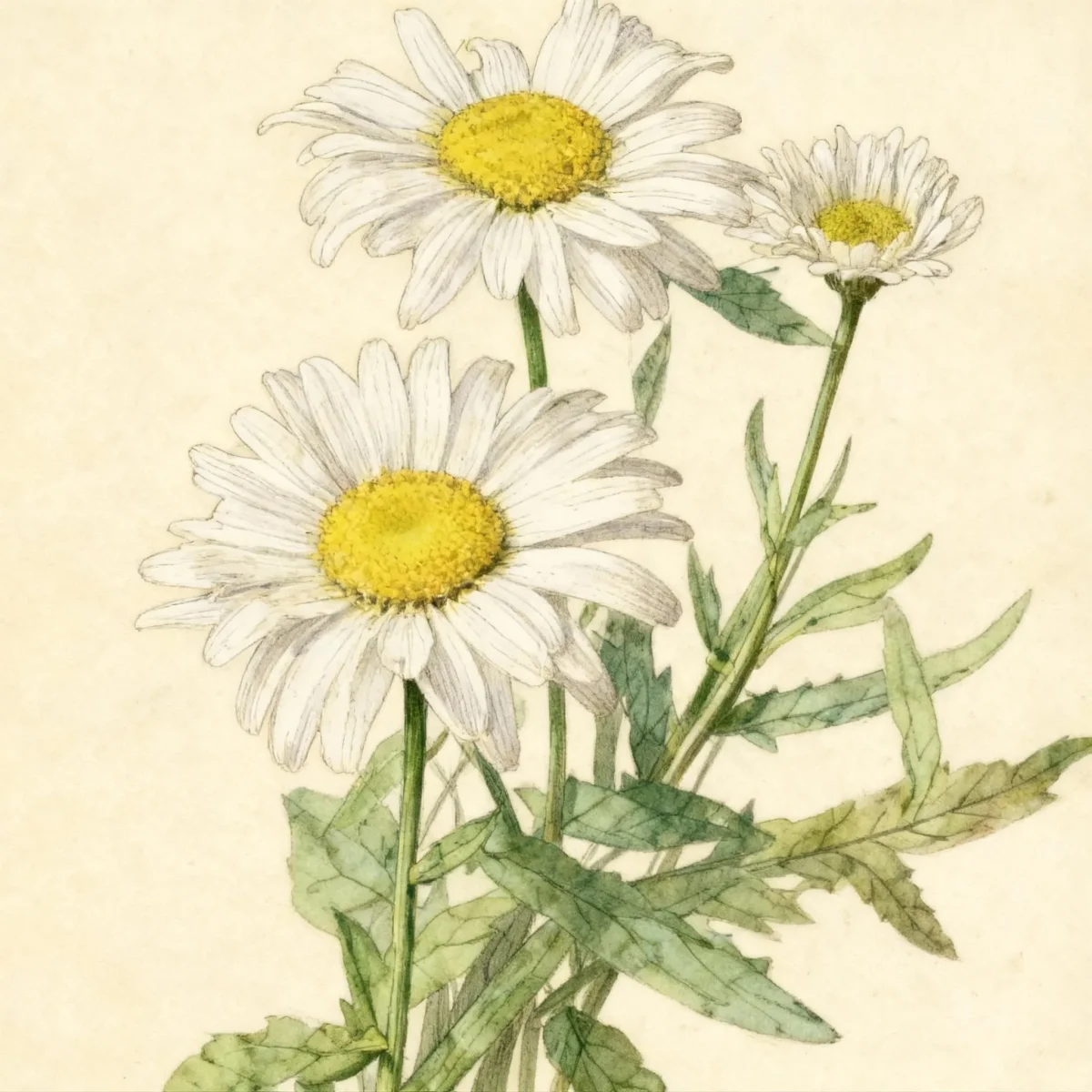
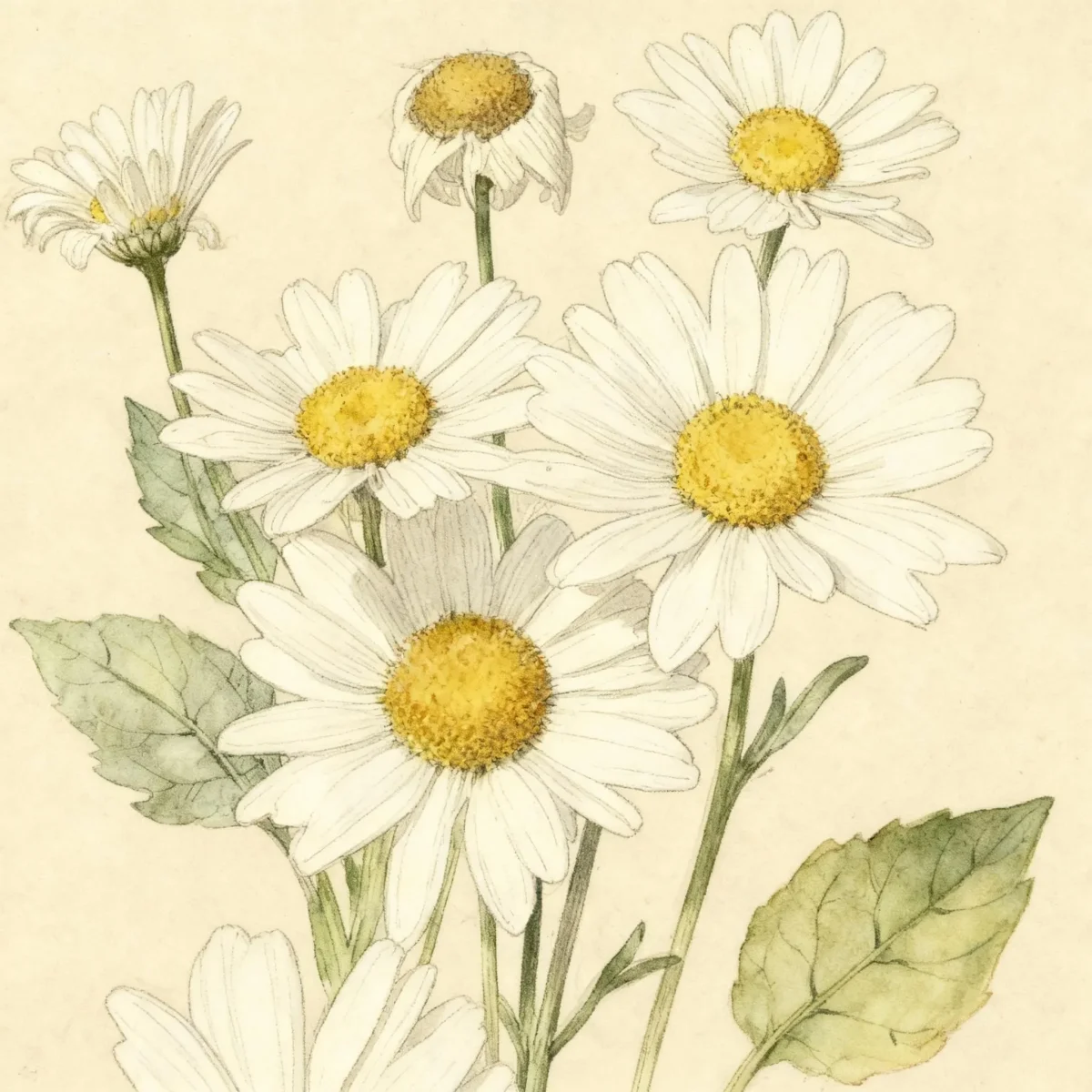
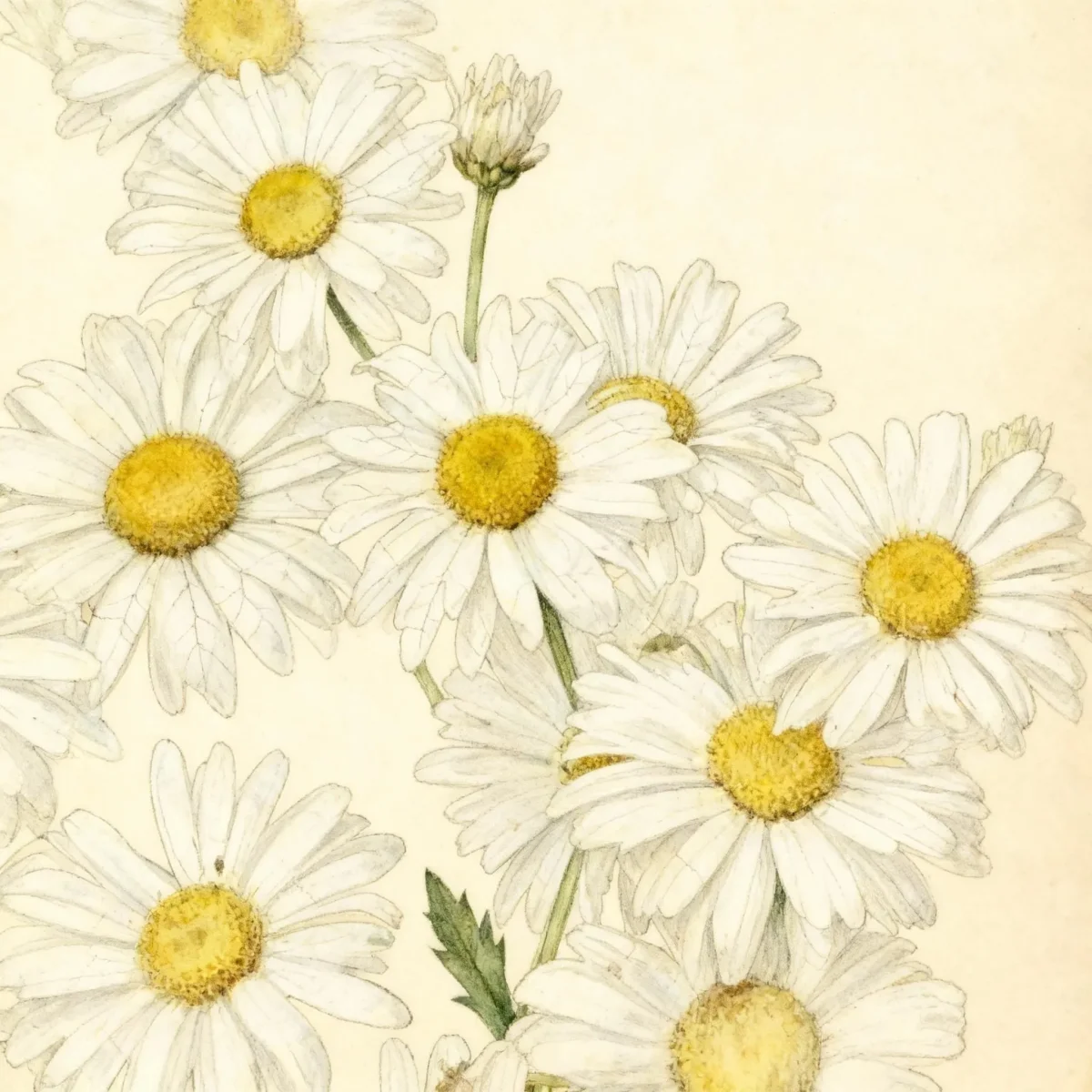
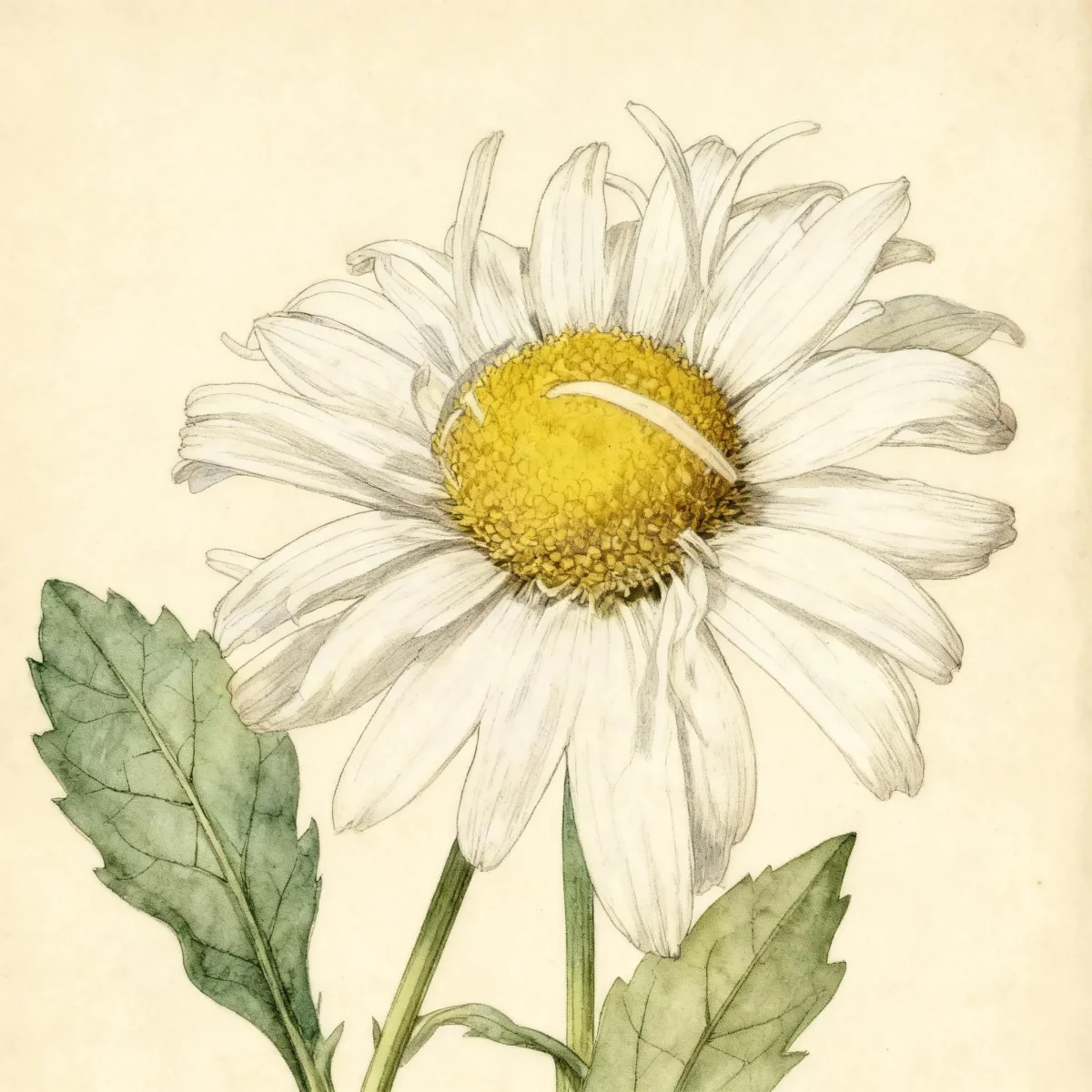
Shasta daisy (Leucanthemum × superbum 'Real Dream')
Leucanthemum × superbum 'Real Dream' is a compact, low-maintenance Shasta daisy offering light yellow summer blooms. Excellent cut flower.
Scroll down to discover growing tips, care requirements, companion plants, and more
Complete Plant Information
Overview
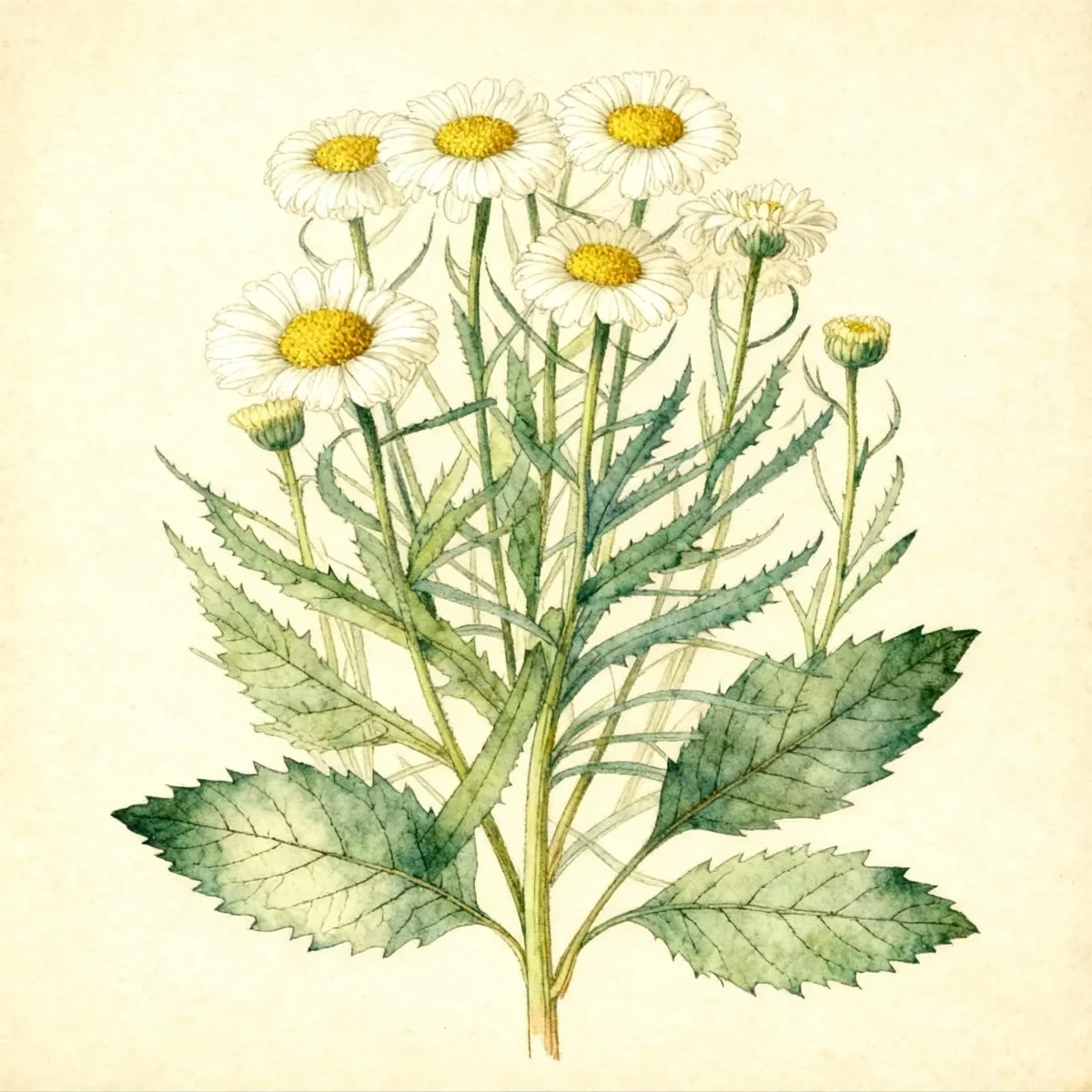
Leucanthemum × superbum ‘Real Dream’ is a highly valued, vigorous selection of the classic Shasta daisy known for its season-long performance. This cultivar stands out by featuring distinctive light yellow ray petals that gradually mature to a creamy white, encircling a prominent golden central disk. Gardeners appreciate the Shasta daisy for its reliability in sunny borders and its exceptional suitability as a long-lasting cut flower.
This herbaceous perennial produces dense clumps of deep green foliage, maintaining a neat, compact habit perfect for modern garden designs without excessive sprawling. The sturdy stems ensure that the blooms remain upright, offering consistent color from early summer well into the fall months. Its low-maintenance nature, combined with good disease resistance, makes Leucanthemum × superbum ‘Real Dream’ a dependable foundation plant.
As a modern introduction in the Realflor® series, this variety maintains the cheerful appeal of the traditional daisy while excelling in form and vigor. It attracts numerous insect pollinators, adding vital life to the summer landscape. For gardeners seeking resilient, sunny perennials, incorporating Leucanthemum × superbum ‘Real Dream’ provides superb texture and bright floral accents.
Fast Facts
- Plant Family: Asteraceae
- Plant Type: Herbaceous perennial
- Hardiness Zones: USDA Zones 5-9
- Size at Maturity:
- Height: 1.25-1.5 ft
- Spread: 1-1.25 ft
- Bloom Time: June to September
- Bloom Description: Light yellow
- Sun Exposure: Full sun
- Water Needs: Dry to medium
- Maintenance Level: Low
How to Grow
Plant Leucanthemum × superbum ‘Real Dream’ in the spring or fall after the danger of hard frost has passed, selecting a location that receives full, unobstructed sun for the best flowering performance. The primary cultural requirement for this Shasta daisy is excellent drainage; it thrives in average soils but will quickly succumb if subjected to perpetually wet conditions, especially during winter dormancy. While it tolerates light shade, intense afternoon shade in hot climates can reduce bloom duration.
Care for your Leucanthemum × superbum ‘Real Dream’ by watering moderately, allowing the soil to dry out between waterings, as it prefers dry to medium moisture levels once established. Fertilization is rarely required; overly rich soil can promote lush foliage at the expense of blooms. To encourage continuous flowering throughout the season, deadhead spent flower heads diligently.
To maintain optimal plant health and vigor, plan to divide the clumps every two to three years, as these plants can become short-lived if left undisturbed too long. After the main flush of bloom concludes, consider trimming the stems back down to the basal foliage. This practice not only tidies the plant but may also help conserve energy, potentially extending the plant’s useful life in the border year after year.
Landscape Uses
Leucanthemum × superbum ‘Real Dream’ is exceptionally versatile, bringing its cheerful, sturdy blooms to a multitude of garden settings. Its manageable 1.5-foot height makes it perfect for the middle or front of the perennial border where it pairs beautifully with structural plants. It is highly recommended for creating classic cottage gardens, offering the quintessential daisy look without the fragility of some annuals.
For those designing cutting gardens, the firm stems and long vase life of this variety ensure a plentiful harvest of showy flowers all summer long. This disease-resistant selection also performs well in rock gardens where drainage is naturally superb. Consider mass planting drifts of this Shasta daisy alongside complementary colors like deep purples (salvia or Russian sage) or soft blues for a vibrant, traditional English garden effect that also appeals strongly to butterflies.
Standout Features
Flower Qualities
- Showy
- Good Cut
Noteworthy Characteristics
Leucanthemum × superbum, commonly called Shasta daisy, is a hybrid developed by Luther Burbank (1849-1926) in the 1890s near snow covered Mt. Shasta in northern California. Burbank crossed L. Vulgare (European oxeye daisy), L. Maximum (Pyrenees chrysanthemum), L. Lacustre (Portuguese field daisy) and Nipponanthemum nipponicum (Japanese field daisy) to produce Leucanthemum × superbum which was given the common name of Shasta daisy. ‘Real Dream’ is a vigorous, clump-forming selection of Shasta daisy in the Realflor® series developed by PlantHaven International. It features light yellow ray petals that fade to creamy white surrounding a large, golden central disk; the blooms are held on sturdy, upright flowering stalks above compact foliage.
Tolerances
- Deer
Potential Problems
Leucanthemums, including the popular Shasta daisy, possess some inherent susceptibility to common fungal issues like verticillium wilt, various leaf spots, and stem rots under unfavorable conditions. Insect pests such as aphids, leaf miners, and mites may occasionally appear, though ‘Real Dream’ is noted for its increased resistance to common leaf diseases compared to older cultivars. Proactive garden management, such as ensuring excellent air circulation and avoiding overhead watering during humid periods, helps mitigate fungal risks. If pests are observed, they are usually minor and can often be managed with horticultural soap or hand removal.
Frequently Asked Questions
What hardiness zones is Shasta daisy suitable for?
Leucanthemum × superbum ‘Real Dream’ performs reliably in USDA Hardiness Zones 5 through 9.
How large does Leucanthemum × superbum ‘Real Dream’ grow?
This cultivar typically reaches a height between 1.25 to 1.5 feet tall with a spread spanning 1 to 1.25 feet wide at maturity.
What sun exposure does Shasta daisy need?
The Shasta daisy requires full sun exposure to develop the strongest stems and produce the maximum number of blooms throughout the season.
When does Leucanthemum × superbum ‘Real Dream’ bloom?
This variety features prolific blooms, starting in June and continuing reliably through September, displaying a light yellow color palette.
Conclusion
Leucanthemum × superbum ‘Real Dream’ brings dependable, cheerful summer color and excellent value to the garden due to its low maintenance and attractive, disease-resistant vigor. Incorporating this specific Shasta daisy provides proven performance and superb cutting material every year. Before planting, confirm your garden site offers the full sun and excellent drainage necessary for this superb hybrid to thrive.
Companion Planting
Selecting appropriate neighbors is key to maximizing the success of Leucanthemum × superbum ‘Real Dream’ in the perennial border. Since this Shasta daisy prefers dry to medium soil conditions and excellent drainage, pair it with other sun-loving, drought-tolerant perennials once established. Excellent companions include ornamental grasses, which provide contrasting texture, and silver-leaved plants like Artemisia or Lamb’s Ears (Stachys byzantina).
For color contrast, complement the light yellow flowers of the daisy with plants offering deep jewel tones. Consider deep purple or blue flowering companions such as Catmint (Nepeta), Russian Sage (Perovskia atriplicifolia), or hardy Geraniums. Placing these companions nearby helps offset the slightly shorter stature of Leucanthemum × superbum ‘Real Dream’, creating balanced visual interest throughout the summer season.
Wildlife Benefits
The large, open flower structure of the Shasta daisy is highly attractive to various beneficial insects in the garden ecosystem. Specifically, Leucanthemum × superbum ‘Real Dream’ acts as a strong beacon for many types of butterflies seeking nectar during the peak bloom months of June through September. Planting significant numbers of this daisy helps bolster local pollinator populations during the height of summer when many early spring blooms have faded.
In addition to butterflies, the central disk of mature flowers contains seed heads that can provide a modest late-season food source for small seed-eating birds once the plant is allowed to go dormant naturally later in the fall. Although the foliage is avoided by deer, the flowers are actively sought out by beneficial predatory wasps and various small bees, enhancing your garden’s overall biological activity.