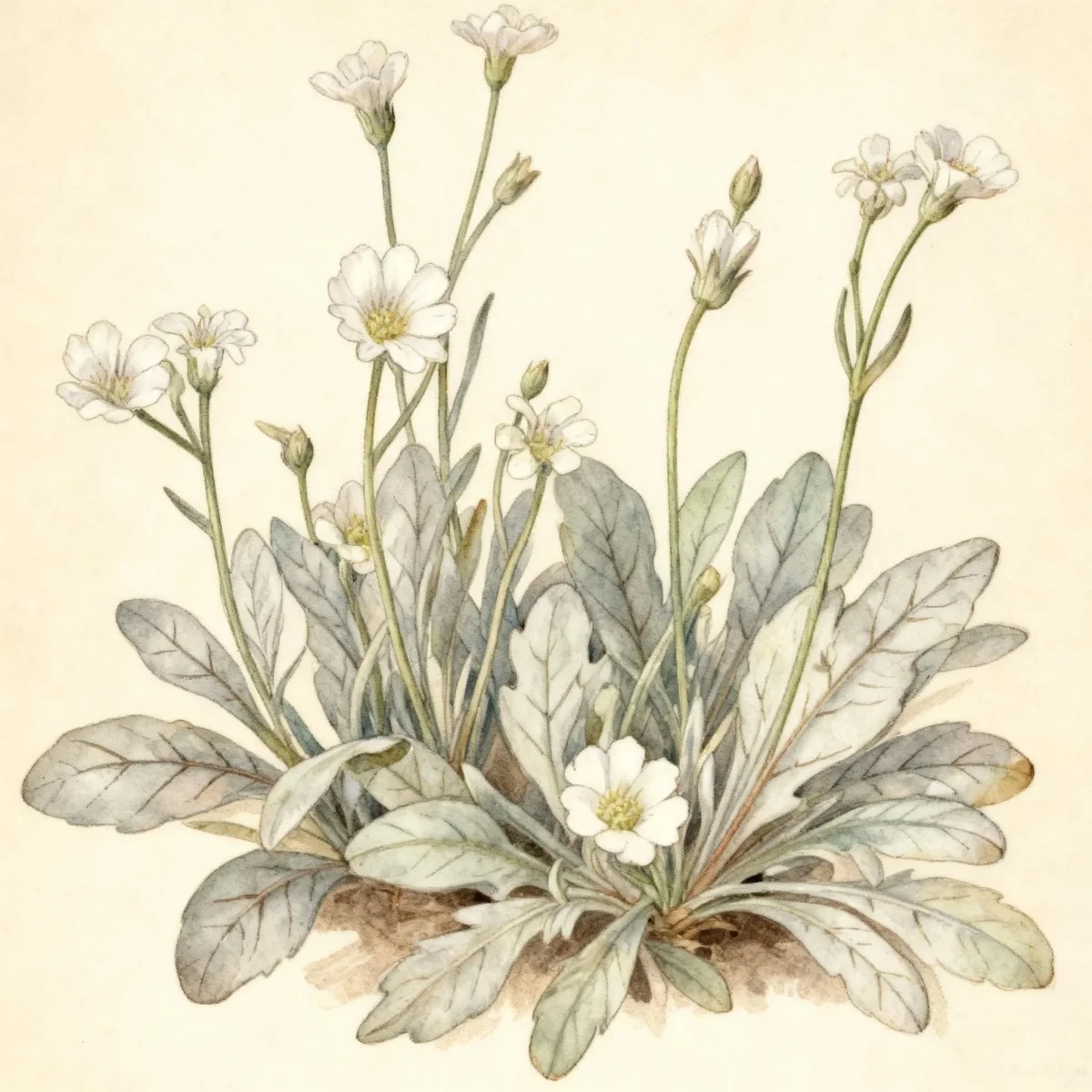
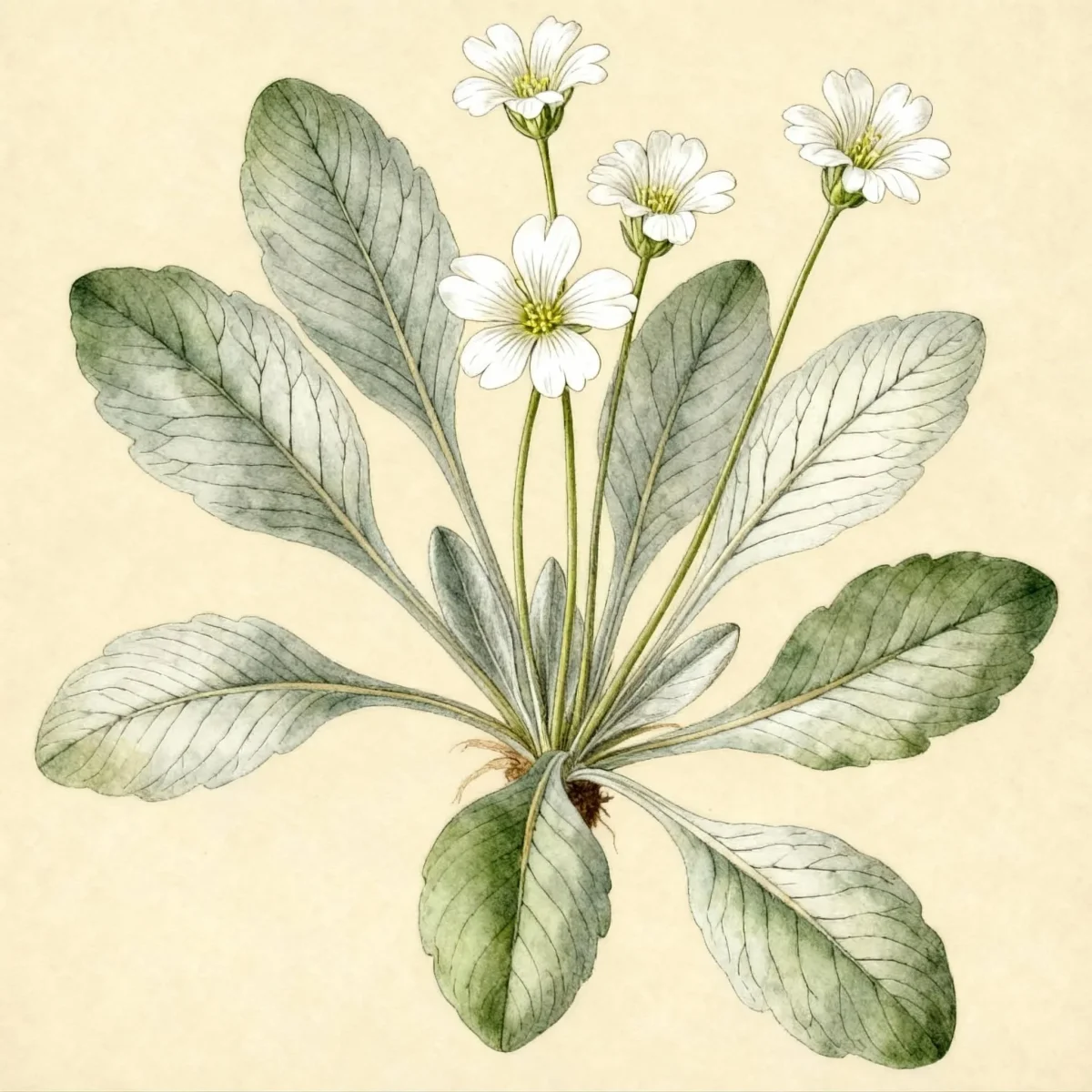
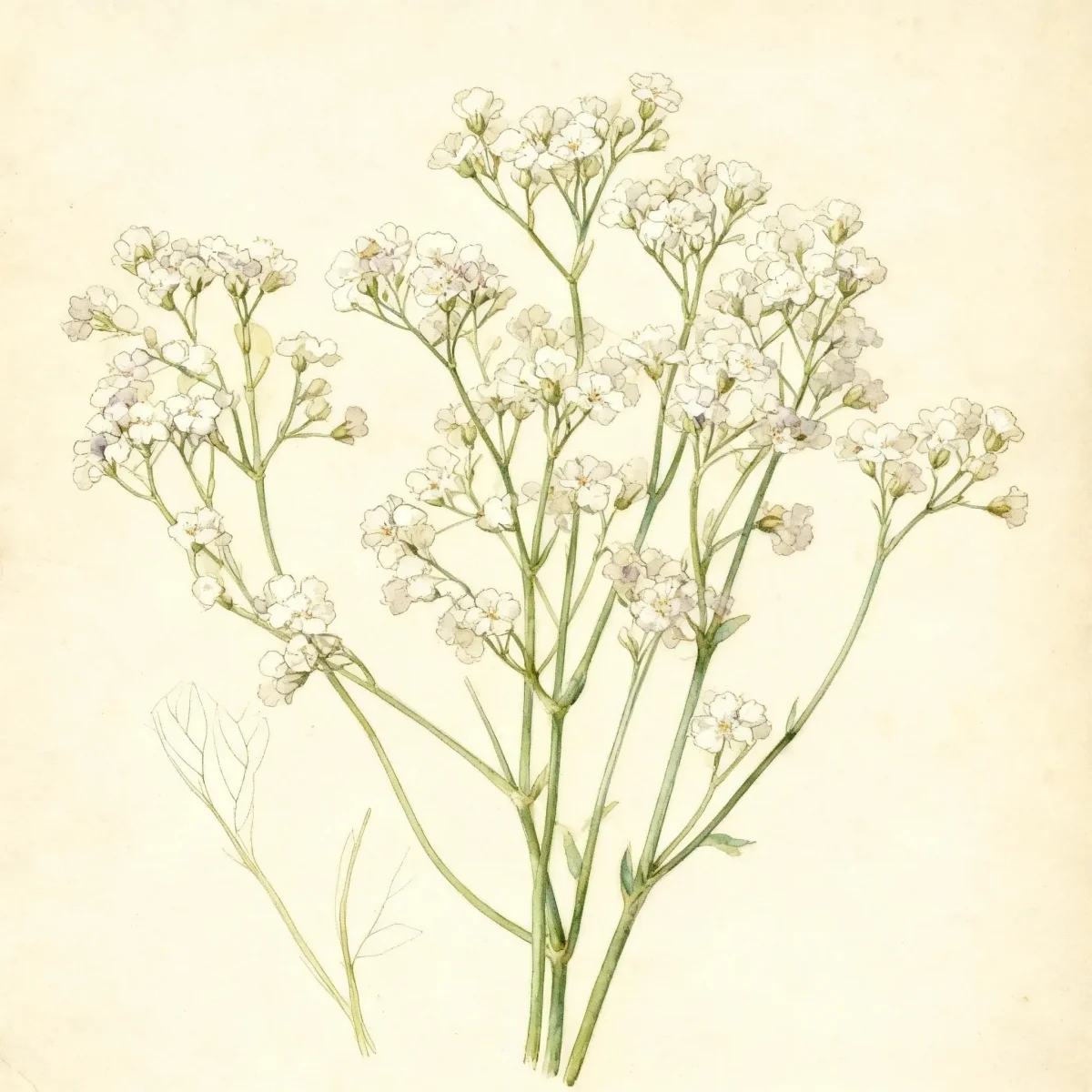
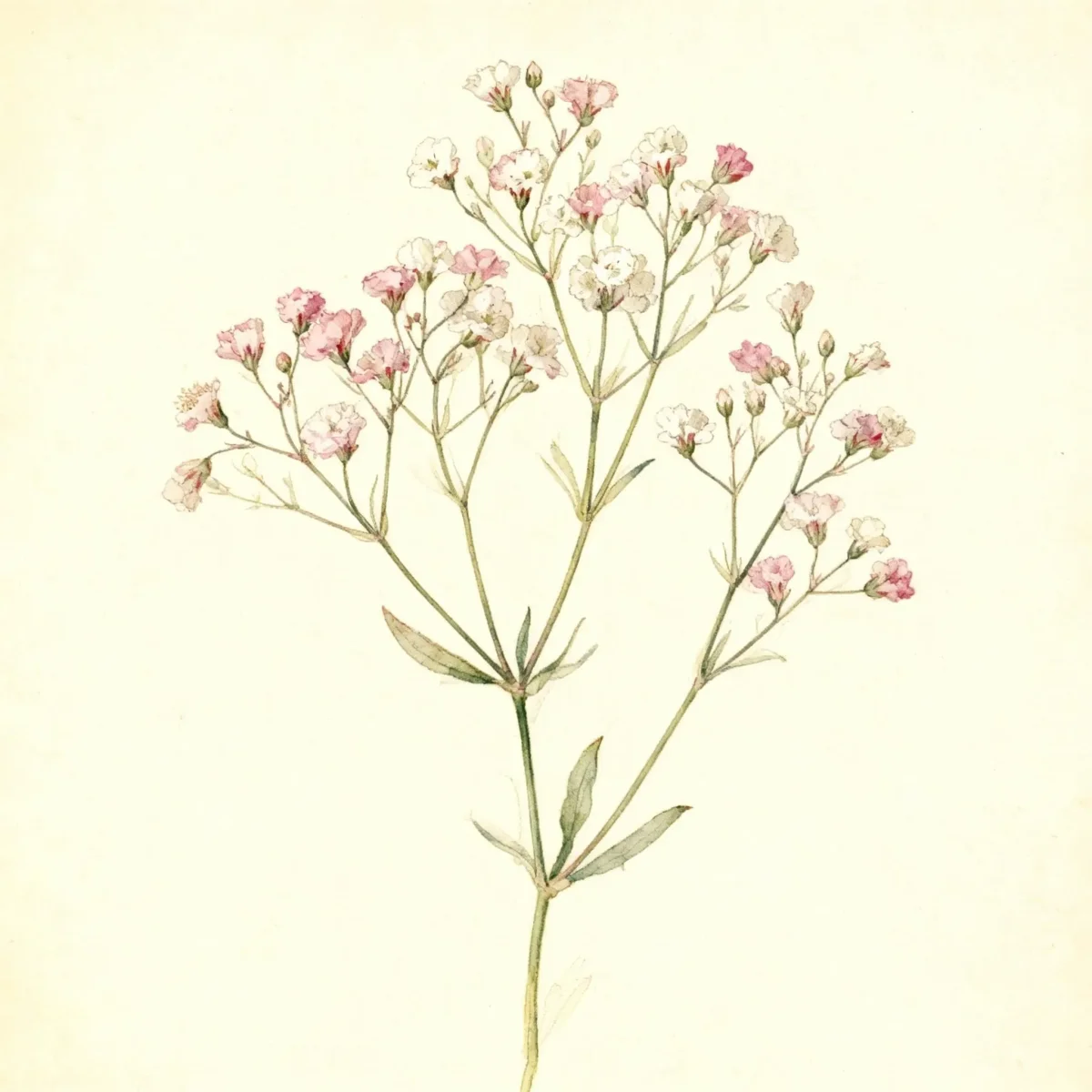
Snow-in-summer (Cerastium tomentosum 'Olympia')
Cerastium tomentosum 'Olympia', or Snow-in-summer, creates a silvery mat carpeted in white blooms, perfect for dry, sunny ground cover.
Scroll down to discover growing tips, care requirements, companion plants, and more
Complete Plant Information
Overview
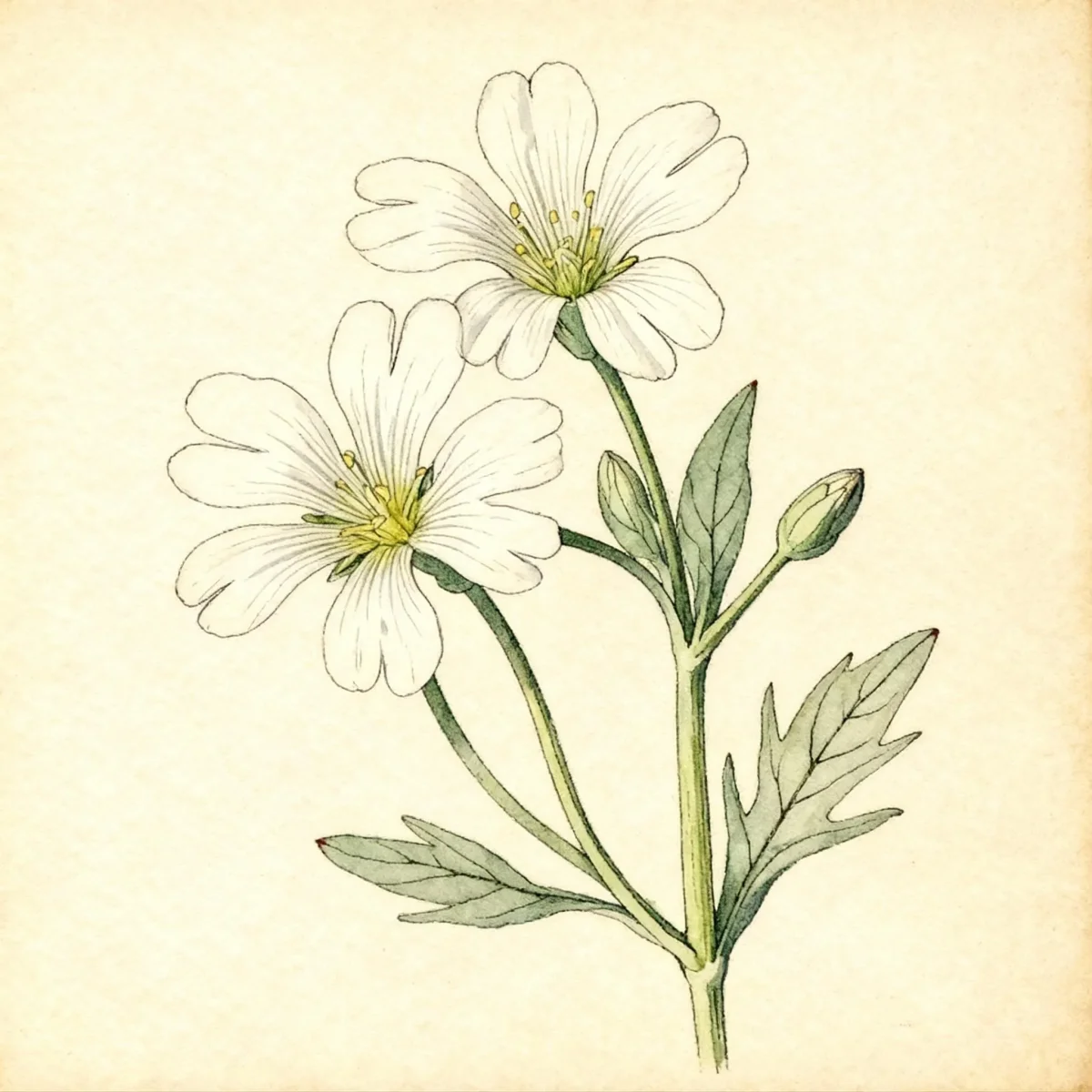
Cerastium tomentosum ‘Olympia’, commonly known as Snow-in-summer, is cherished by gardeners for its dramatic late spring display, where its low, silvery foliage is completely obscured by a dense carpet of bright white flowers, mimicking fresh snow. This herbaceous perennial forms a tidy, mat-forming ground cover perfect for brightening arid or difficult sunny locations in the landscape. While the showy blooms are temporary, the evergreen, woolly foliage provides year-round silvery texture.
The cultivar ‘Olympia’ is favored because it tends to form a more compact and less sprawling mat compared to the species, offering neatness while still quickly covering large areas. It excels in hot, dry conditions where many other ground covers struggle, making Cerastium tomentosum ‘Olympia’ an invaluable choice for rock gardens and border fronts. This plant thrives when given full sun and excellent drainage, rewarding minimal effort with maximum visual impact.
Fast Facts
- Plant Family: Caryophyllaceae
- Plant Type: Herbaceous perennial
- Hardiness Zones: USDA Zones 3-8
- Size at Maturity:
- Height: 0.5-1 ft
- Spread: 1.25-1.5 ft
- Bloom Time: May to June
- Bloom Description: White
- Sun Exposure: Full sun
- Water Needs: Dry
- Maintenance Level: Medium
How to Grow
The success of Snow-in-summer hinges entirely on providing excellent drainage. Plant Cerastium tomentosum ‘Olympia’ in dry, sandy, well-drained soils, ensuring you avoid any area where water might pool after heavy rain, as poorly-drained soils rapidly cause root rot. Full sun is essential for compact growth and abundant flowering. Starter plants should be spaced 9-12 inches apart to quickly establish the desired dense mat.
Watering requirements are minimal once established; these plants thrive on neglect and dry conditions. Fertilizing is generally unnecessary, as rich soil can encourage excessive vegetative growth at the expense of blooms. Maintenance is key to keeping the patch tidy. Best practice is to shear off the spent flower stems immediately after the main bloom period in June. This action prevents unwanted self-seeding, reduces foliage decline later in the season, and helps maintain the compact nature of the silvery mat.
For large established beds of Cerastium tomentosum ‘Olympia’, you can employ the unique method of mowing the entire area on a high setting after flowering concludes. If the mat becomes too large or patchy after several years—as the species can be short-lived—divide the clumps annually or biennially to refresh vigor and maintain tight boundaries.
Landscape Uses
Snow-in-summer is unparalleled as a functional and aesthetic ground cover for wide, sunny expanses where its silvery texture can contrast against darker greens. It is perfectly suited for softening the harsh edges of rock gardens or cascading over the faces of dry stone walls, effectively filling planting pockets between stones. The low profile of Cerastium tomentosum ‘Olympia’ makes it ideal for use as a border front, ensuring that lower-growing plants are not smothered.
Consider using this carpet of silver to act as an effective “living mulch” around bulbs, emerging in spring just as the flowers fade, helping to cover up dying bulb foliage. Its drought tolerance also makes it a prime candidate for naturalizing on slopes or in xeriscaping projects where supplemental irrigation is undesirable or unavailable.
Standout Features
Flower Qualities
- Showy
Noteworthy Characteristics
Cerastium tomentosum, known as snow-in-summer, is a short-lived, low-growing, mat-forming perennial which is typically massed in sunny locations as a ground cover. Tufts of narrow, gray-green leaves (each to 1” long and 1/4” wide) form a 6” tall foliage mat. Flowers rise above the foliage carrying clusters of white blooms which form a snow-like carpet (hence the common name). The cultivar ‘Olympia’ will form a tidy clump of evergreen, silvery foliage 6-8” tall and up to 18” wide, blooming profusely in late spring to early summer.
Tolerances
- Deer
- Dry Soil
- Shallow-Rocky Soil
Potential Problems
Cerastium tomentosum ‘Olympia’ is generally resilient regarding pests and diseases, boasting no serious insect or disease issues under proper conditions. The primary threat comes from cultural issues, particularly moisture mismanagement. Root rot is a serious concern if the soil retains too much water; always ensure fast drainage to prevent this fatal issue. In areas with high humidity or excessive shade, damping off can occur, especially on young plants. Gardeners should also note that Snow-in-summer is inherently short-lived, often developing dead patches after several years. Furthermore, in climates characterized by hot, humid summers, the attractive foliage tends to decline significantly as the season progresses, sometimes necessitating heavy shearing to clean it up.
Frequently Asked Questions
What hardiness zones is Snow-in-summer suitable for?
Cerastium tomentosum ‘Olympia’ is winter hardy across USDA Zones 3 through 8, making it suitable for a wide range of gardeners, especially those in cooler northern regions.
How large does Cerastium tomentosum ‘Olympia’ grow?
This cultivar establishes a low mat, typically reaching only 0.5 to 1 foot in height, with a spread ranging from 1.25 to 1.5 feet wide.
When does Snow-in-summer bloom?
Snow-in-summer features its characteristic white flowers most reliably from May through June, blanketing the foliage mat.
What sun exposure does Cerastium tomentosum ‘Olympia’ need?
This perennial requires full sun exposure to maintain its dense, neat form and achieve its best flowering display.
Conclusion
The combination of year-round silvery texture and the stunning, temporary white floral display makes the Snow-in-summer cultivar ‘Olympia’ a high-value, low-water addition to sunny landscapes. As a durable mat former that resists deer damage, Cerastium tomentosum ‘Olympia’ solves many common ground cover challenges. Before planting, verify your native soil drains exceptionally well to ensure longevity, and plan for post-bloom shearing to keep the mat tidy.
Companion Planting
When placing Snow-in-summer in your garden design, select companions that share its preference for dry soil and full sun. Xerophytic companions, such as Sedums (stonecrops) and Sempervivums (hens-and-chicks), thrive alongside the silvery foliage of Cerastium tomentosum ‘Olympia’ and offer contrasting texture and color interest, particularly in rock gardens. Avoid moisture-loving perennials, as their needs will conflict, potentially leading to root rot in the chickweed.
Propagation Tips
While Snow-in-summer can self-seed lightly, the most efficient way to propagate or renew aging clumps of Cerastium tomentosum ‘Olympia’ is through division. Because the plant spreads via runners, established mats are easily broken apart. In early spring, carefully dig up sections of healthy, rooted foliage and replant them immediately at the desired distance to quickly fill gaps or start new areas.