Ice plant (Delosperma cooperi 'Jewel of Desert Peridot')
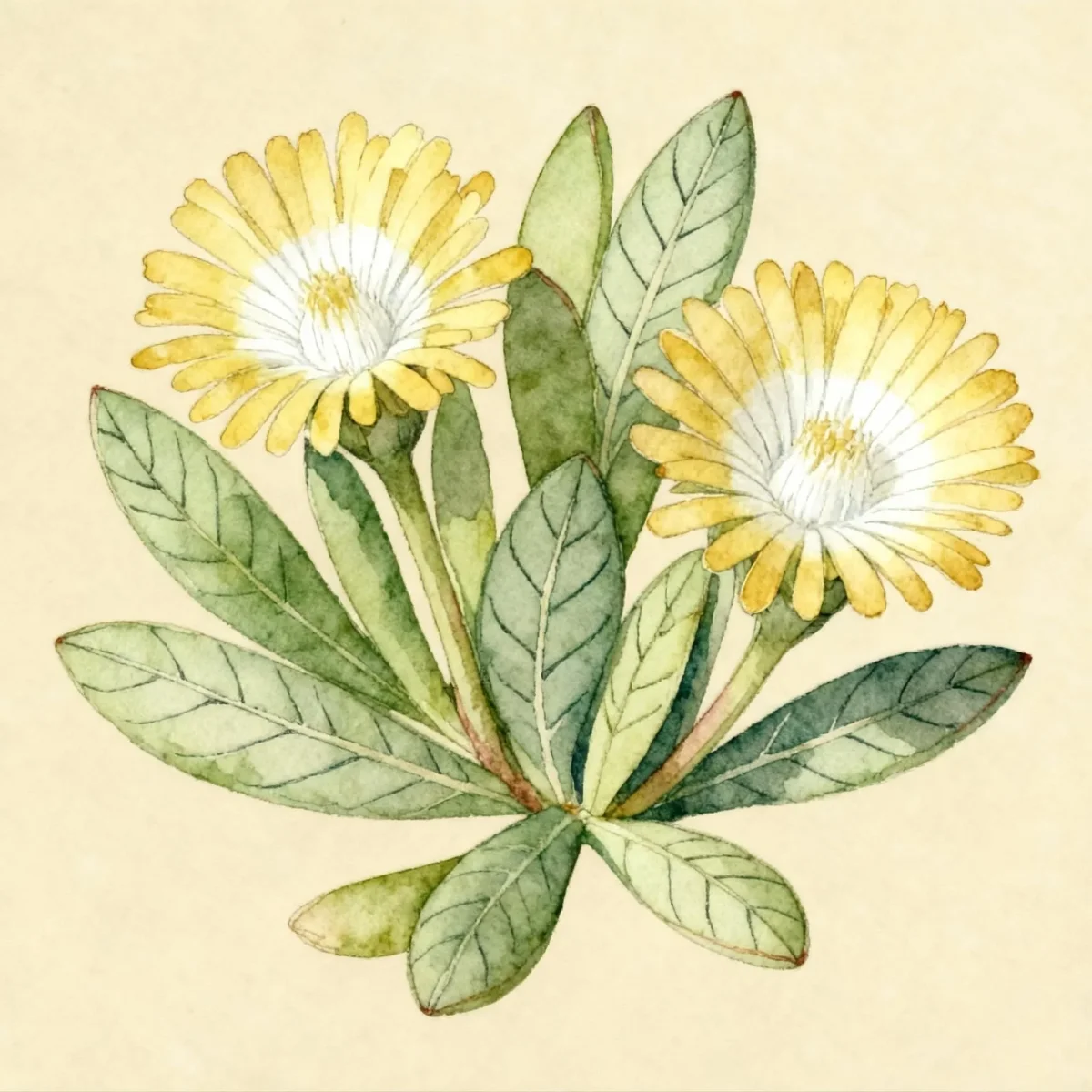
Delosperma cooperi 'Jewel of Desert Peridot', an Ice plant, features showy yellow blooms from June to Sept. Ideal for dry, full sun locations in Zones 5-10.
Scroll down to discover growing tips, care requirements, companion plants, and more
Complete Plant Information
Overview
The Delosperma cooperi ‘Jewel of Desert Peridot’ is a stunning, low-growing succulent prized for its unrelenting summer color, making it a superstar in hot, dry landscapes. This variety of Ice plant forms a dense, spreading mat, which effectively suppresses weeds while offering exceptional visual impact from early summer well into the fall. Its succulent foliage retains moisture, contributing to its high tolerance for drought and heat once established.
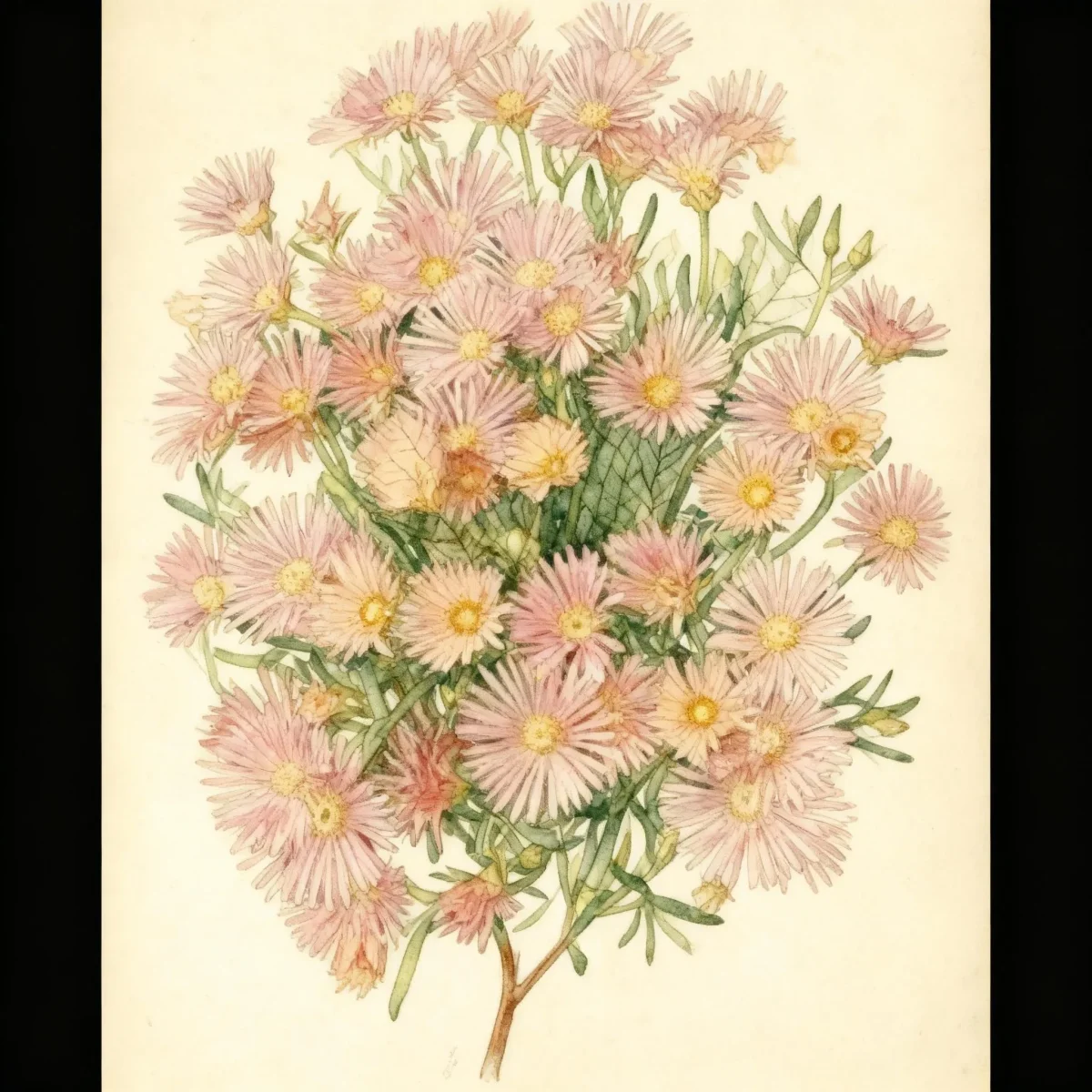
This herbaceous perennial, belonging to the Aizoaceae family, typically thrives in full sun conditions, rewarding gardeners with profusions of bright yellow flowers centered with white. While native to South Africa, the adaptability of this specific Ice plant cultivar makes it a reliable ground cover choice, provided its crucial need for sharp drainage is met. Gardeners must prioritize soil quality to ensure the long-term success of Delosperma cooperi ‘Jewel of Desert Peridot’.
Functionally, this plant excels in filling challenging, sunny spots where traditional turf or bedding plants struggle. Its nearly evergreen nature in warmer climates, combined with its outstanding flower power, ensures year-round texture and seasonal drama. Whether used as an edger or allowed to naturalize on slopes, the Ice plant offers vibrant, low-maintenance coverage.
Fast Facts
- Plant Family: Aizoaceae
- Plant Type: Herbaceous perennial
- Hardiness Zones: USDA Zones 5-10
- Size at Maturity:
- Height: 0.25-0.5 ft
- Spread: 0.75-1 ft
- Bloom Time: June to September
- Bloom Description: Yellow with white center
- Sun Exposure: Full sun
- Water Needs: Dry
- Maintenance Level: Medium
How to Grow
Planting Delosperma cooperi ‘Jewel of Desert Peridot’ should occur when the threat of frost has passed, ensuring the location receives uncompromising full sun throughout the day. The single most critical requirement for this Ice plant is sharply-drained soil; this plant will grow poorly or die in any soil that is not well-drained. Avoid using heavy, unamended clay soils entirely, as moisture retention is fatal. It happily tolerates average to lean soils, including sandy and gravelly substrates common in xeriscapes.
Watering should be minimal once the Delosperma cooperi ‘Jewel of Desert Peridot’ is established. Water sparingly during the primary growing season, allowing the soil to dry out completely between irrigations. Fertilization is generally unnecessary, as lean soils suit its succulent nature best. Minimal pruning is required, perhaps only trimming stray runners to maintain desired margins, though it naturally forms a neat ground cover.
A key consideration for gardeners in challenging zones is winter protection. While plants have good tolerance for heat and drought, they are not reliably winter hardy north of Zone 7. In borderline areas, site the Ice plant in sheltered locations that benefit from winter protection and continue to guarantee sharp drainage throughout the dormant season.
Landscape Uses
The compact, spreading habit of this Ice plant makes it an exceptional choice for ground cover use, where its mat-forming characteristic efficiently blankets the soil. Delosperma cooperi ‘Jewel of Desert Peridot’ is excellent placed along border fronts to provide a low, colorful transition to walkways or lawn edges. These succulents also perform admirably when naturalized on sunny, dry slopes where their root systems help stabilize the terrain.
This variety takes well to container culture, especially in mixed succulent arrangements or shallow troughs where sharp drainage is easily controlled. For desert gardens or rock gardens, the brilliant yellow blooms offer a striking, heat-resistant texture contrast against stone or gravel mulch. Avoid planting near moisture-loving perennials that require regular watering.
Standout Features
Flower Qualities
- Showy
Noteworthy Characteristics
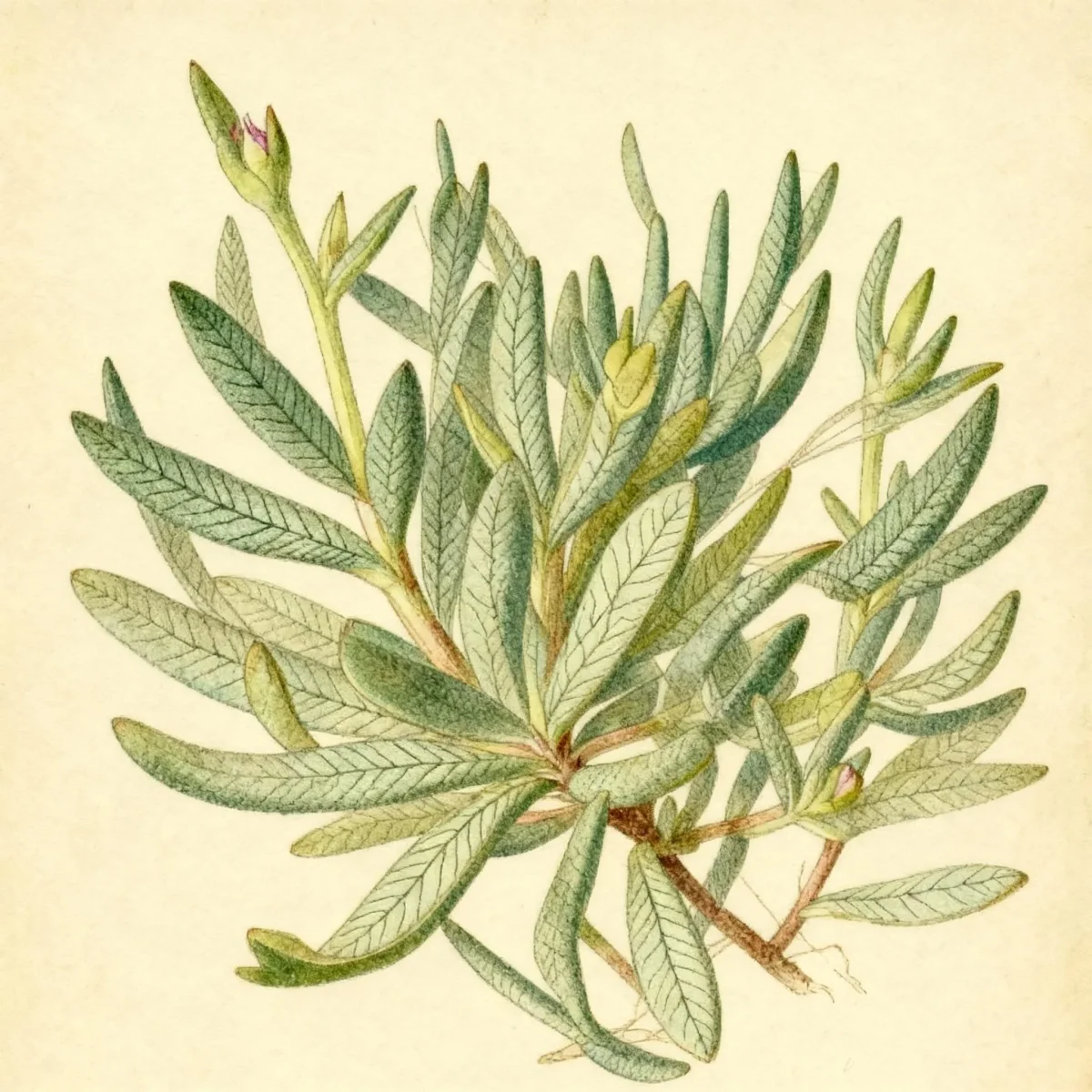
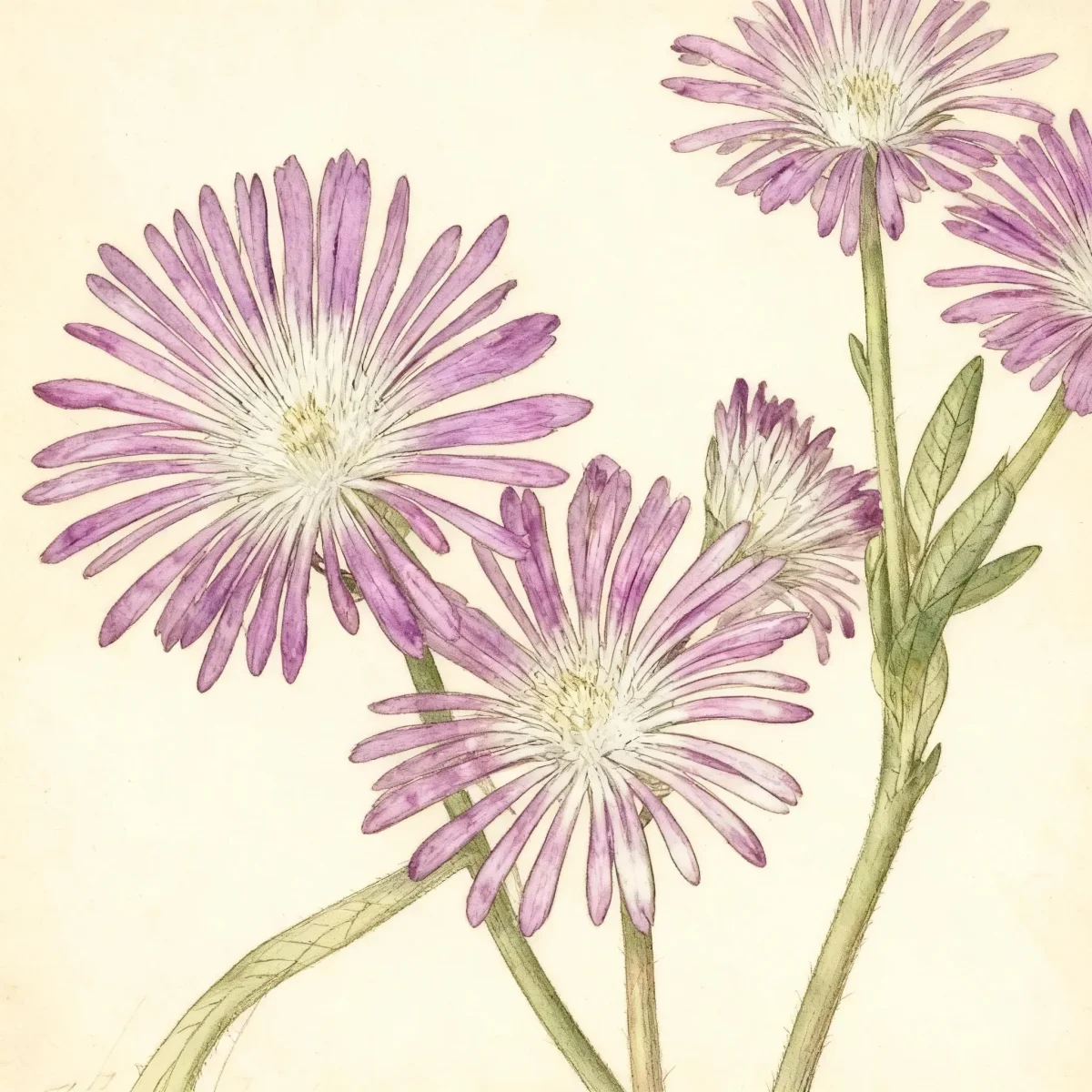
Foliage is covered with transparent flakes that somewhat resemble tiny pieces of ice, hence the common name Ice plant. Delosperma cooperi, commonly called ice plant, is native to South Africa and typically forms a vigorous, succulent, spreading ground cover in warmer regions. The cultivar ‘Jewel of Desert Peridot’ provides a profusion of lemon yellow blooms with white centers (2” in diameter) appearing from early summer into the fall above the small, evergreen foliage.
Tolerances
- Rabbit
- Deer
- Drought
- Dry Soil
- Shallow-Rocky Soil
Potential Problems
This Ice plant generally presents no serious insect or disease problems when sited correctly, which largely means avoiding overly wet conditions. The main horticultural issue is winter hardiness outside of its optimal range; for instance, winter survival in St. Louis can be unpredictable, necessitating sheltered locations with winter protection. Occasionally, aphids and mealybugs may visit, particularly if the plant is stressed or overcrowded.
Management for minor pests like aphids involves dabbing them with rubbing alcohol on a swab or applying insecticidal soap sparingly. Since water retention is the biggest killer, never overwater, particularly as temperatures drop in the fall. Ensure pruning occurs only for shape, not heavily, to maintain the protective succulent mat.
Frequently Asked Questions
What hardiness zones is Delosperma cooperi ‘Jewel of Desert Peridot’ suitable for?
The Ice plant is suitable for USDA Zones 5 through 10, though reliably evergreen performance is best seen in the warmer end of that range.
How large does Ice plant grow?
This cultivar typically reaches a height between 0.25 to 0.5 feet tall, spreading outward to cover an area between 0.75 to 1 foot wide at maturity.
What sun exposure does Delosperma cooperi ‘Jewel of Desert Peridot’ need?
This succulent requires full sun exposure to achieve its best growth and the longest flowering display.
When does Ice plant bloom?
The flowers appear from June through September, featuring a lovely shade of yellow with a distinct white center.
Conclusion
The Delosperma cooperi ‘Jewel of Desert Peridot’ stands out as a supremely drought-tolerant, vibrant succulent perfect for sunny, dry zones 5-10. Its prolonged bloom period and mat-forming habit offer immense aesthetic and functional value in modern landscaping. Before planting, confirm your local hardiness zone and ensure your soil profile guarantees sharp drainage to maximize the return on your Ice plant investment.
Companion Planting
When selecting companions for Delosperma cooperi ‘Jewel of Desert Peridot’, prioritize other plants that share its love of intense sun and dry, lean soils. Excellent partners include various Sedums (stonecrops), Sempervivums (hens and chicks), and other low-growing, drought-tolerant alpine plants. These combinations create textural interest while maintaining a unified, water-wise planting scheme that requires minimal intervention once established.
Consider edging pathways or rockeries with this Ice plant alongside ornamental grasses suited for arid conditions, such as Blue Fescue (Festuca glauca), or spiky Yuccas for dramatic architectural contrast. Ensuring that no companion plant requires rich soil or heavy, frequent summer water is the key to keeping your Delosperma cooperi looking its best throughout the season.
Propagation Tips
Propagation of this mat-forming Ice plant is incredibly straightforward, primarily achieved through stem cuttings, a simple and highly reliable method for gardeners. You can easily root sections of the succulent stems by taking cuttings just a few inches long, ensuring a few nodes are present, and allowing the cut end to callus over for a day or two before planting directly into dry, gritty potting mix. Given its vigorous spreading nature, this Ice plant may even root where stem sections touch the soil during the active growing season, effectively naturalizing its presence.
If utilizing seeds, remember that germination can be slower and less predictable than vegetative propagation. However, starting seeds indoors under bright lights and warm conditions allows you to produce many new plants efficiently. Due to the hardiness limitations of Delosperma cooperi ‘Jewel of Desert Peridot’ in cooler climates, propagating new stock each year provides insurance against winter loss.