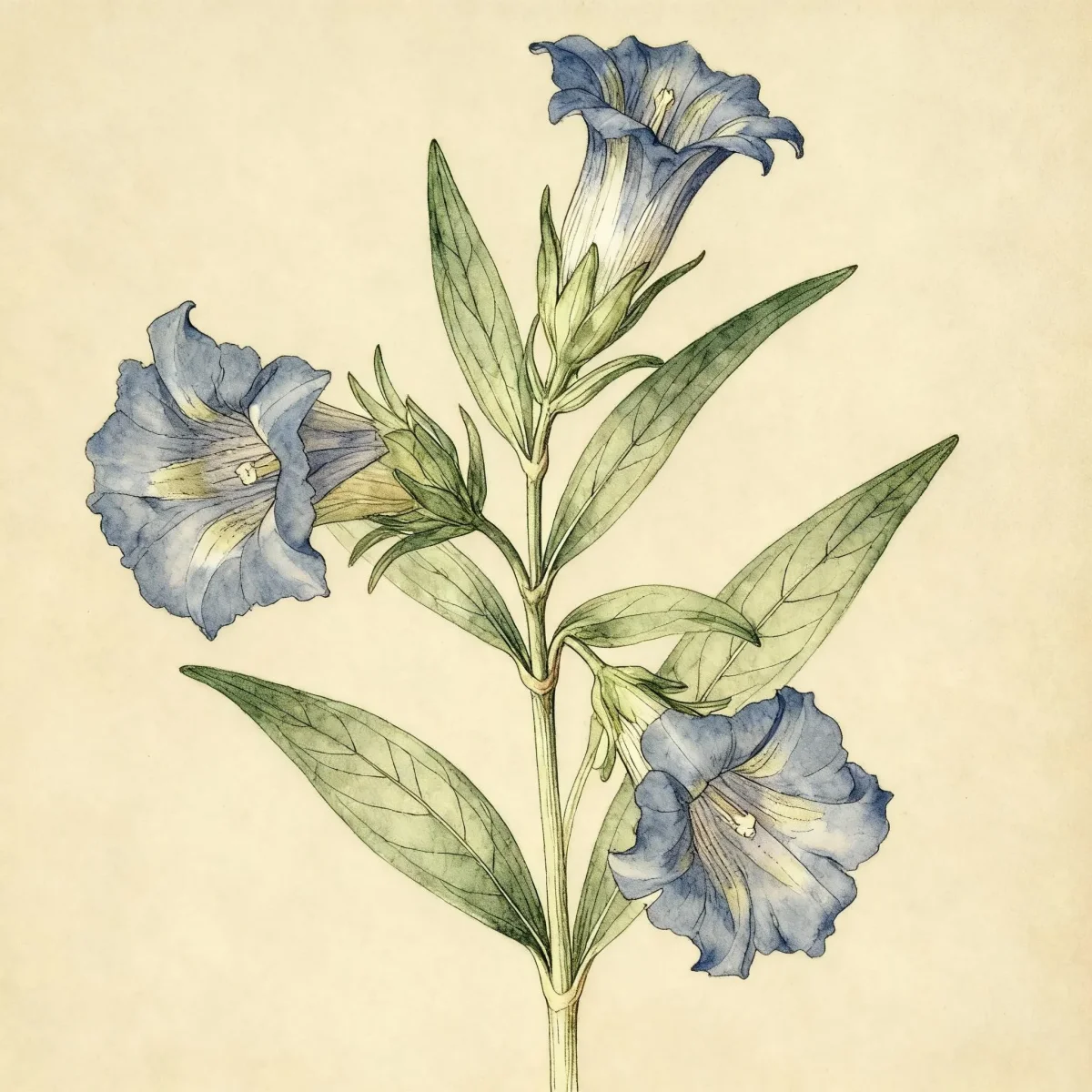
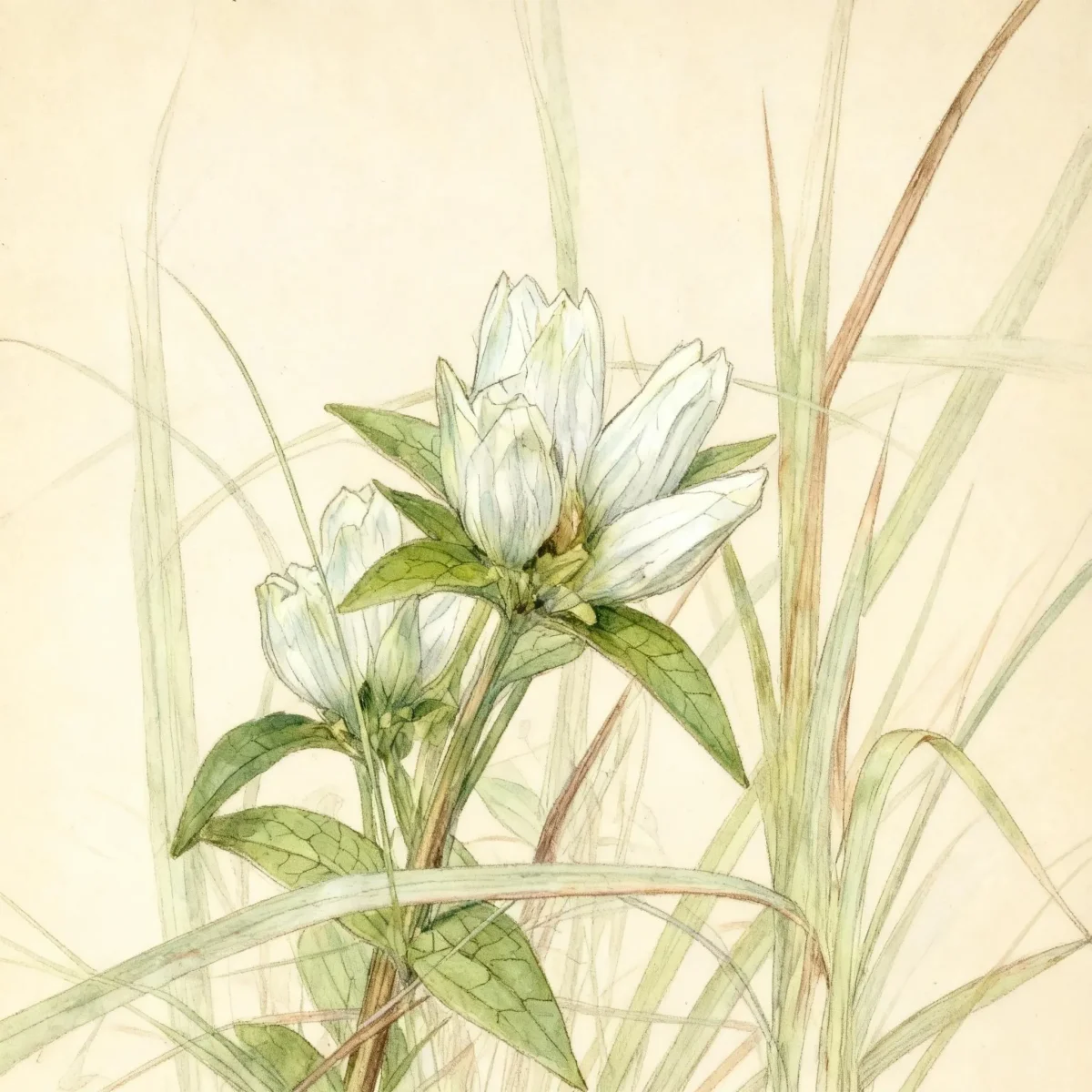
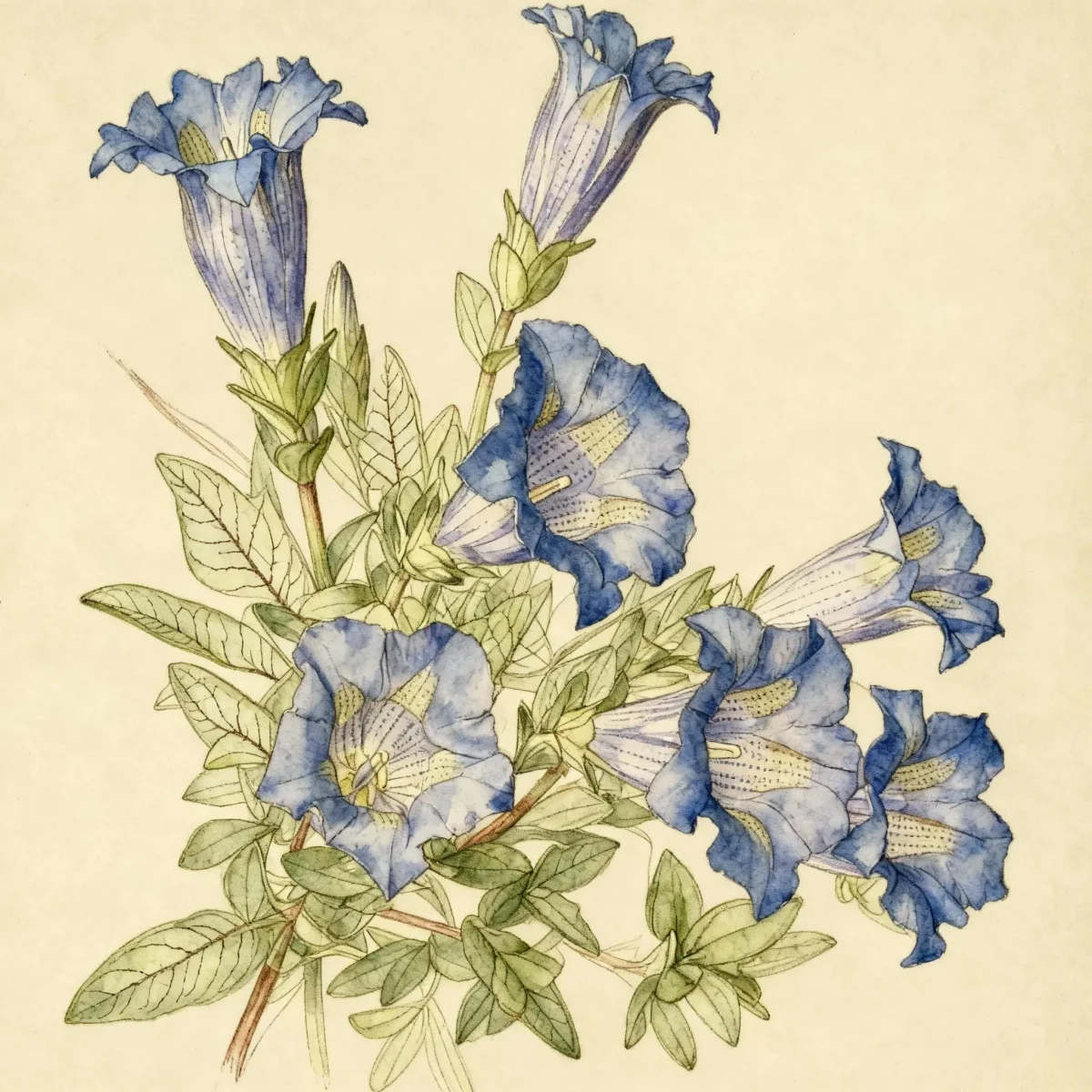
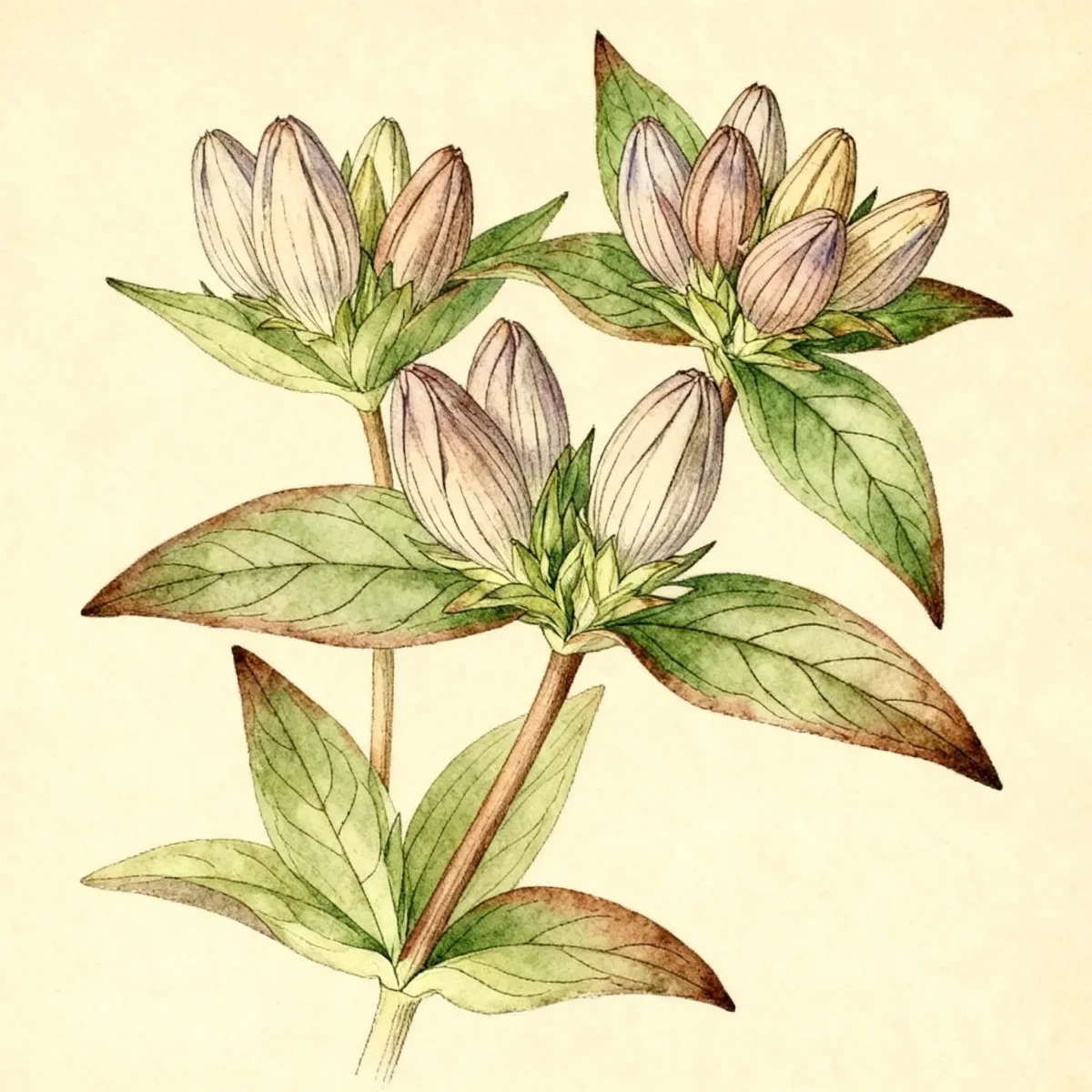
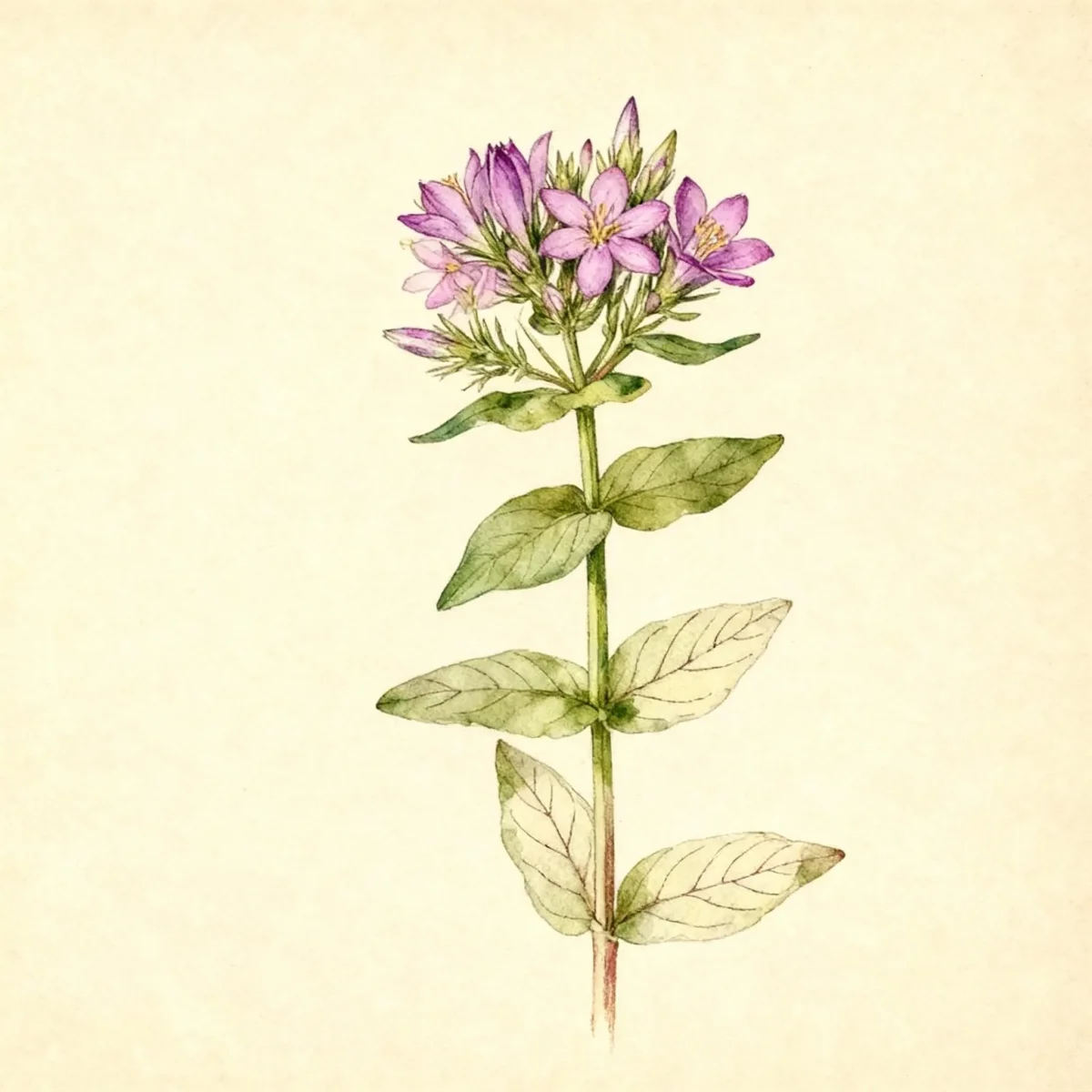
Cross gentian (Gentiana cruciata 'Blue Cross')
Stunning blue blooms for late summer gardens, Gentiana cruciata 'Blue Cross' is an easy, drought-tolerant Cross gentian perennial.
Scroll down to discover growing tips, care requirements, companion plants, and more
Complete Plant Information
Overview
The Gentiana cruciata ‘Blue Cross’, commonly known as Cross gentian, offers gardeners a reliable source of intense blue color late in the season when many other perennials are fading. This herbaceous perennial forms neat, compact clumps featuring glossy green foliage, setting the stage for its star attraction: clusters of truly blue, trumpet-shaped flowers. It is particularly valued as an easier alternative to more temperamental Gentian species.
This cultivar is highly adaptable, thriving in conditions ranging from full sun to partial shade, and it demonstrates surprising resilience, handling clay soil and periods of drought once established. The late-season display provided by the Cross gentian is irresistible to late-season pollinators, including hummingbirds and butterflies, adding significant ecological value to the garden space.
Ideal for the front of borders or rock gardens, Gentiana cruciata ‘Blue Cross’ provides structure and brilliant color approximately 8 to 12 inches tall. Its compact nature and low maintenance requirements make it a perfect choice for modern gardens seeking impact without high upkeep demands.
Fast Facts
- Plant Family: Gentianaceae
- Plant Type: Herbaceous perennial
- Hardiness Zones: USDA Zones 3-7
- Size at Maturity:
- Height: 0.75-1 ft
- Spread: 1-1.75 ft
- Bloom Time: August to September
- Bloom Description: Blue
- Sun Exposure: Full sun to part shade
- Water Needs: Medium
- Maintenance Level: Low
How to Grow
For successful establishment, plant Gentiana cruciata ‘Blue Cross’ in the early spring or fall, ensuring the spot provides moist, well-draining soil. While beautiful blue blooms are the reward, ensure the site receives plenty of light, favoring full sun or sun shifting to part shade in the hottest afternoon locations. This Cross gentian is noted for being tolerant of many soil types, including clay, which simplifies site selection compared to other members of the genus.
Once established, this perennial requires medium water input, though it is remarkably drought-tolerant. Avoid excessive fertilization; robust feeding often leads to weaker stems and less vibrant flowering. The primary cultural consideration involves root disturbance: plants strongly resent being moved once settled in, so choose the final location carefully.
Regarding maintenance, cleanup is minimal. In early spring, just as new growth begins to emerge, is the ideal time to divide large clumps if necessary. This vigorous division timing helps minimize stress on the sensitive root system of the Gentiana cruciata ‘Blue Cross’.
Landscape Uses
The diminutive yet sturdy presence of Gentiana cruciata ‘Blue Cross’ makes it an excellent performer where structure is needed without height. Picture it lining the edge of a mixed perennial border where its late-summer color can bridge the gap between summer saturation and autumn displays. Its excellent tolerance for clay soil means it can be integrated into garden beds that might be challenging for more delicate species.
This Cross gentian also shines in specialized settings like rock gardens, where its compact mound complements the texture of stone. Furthermore, given its high-quality blooms, it is suitable for container plantings, provided drainage is excellent, and it makes an excellent, unique addition to a cutting bucket.
Standout Features
Flower Qualities
- Showy
- Good Cut
Noteworthy Characteristics
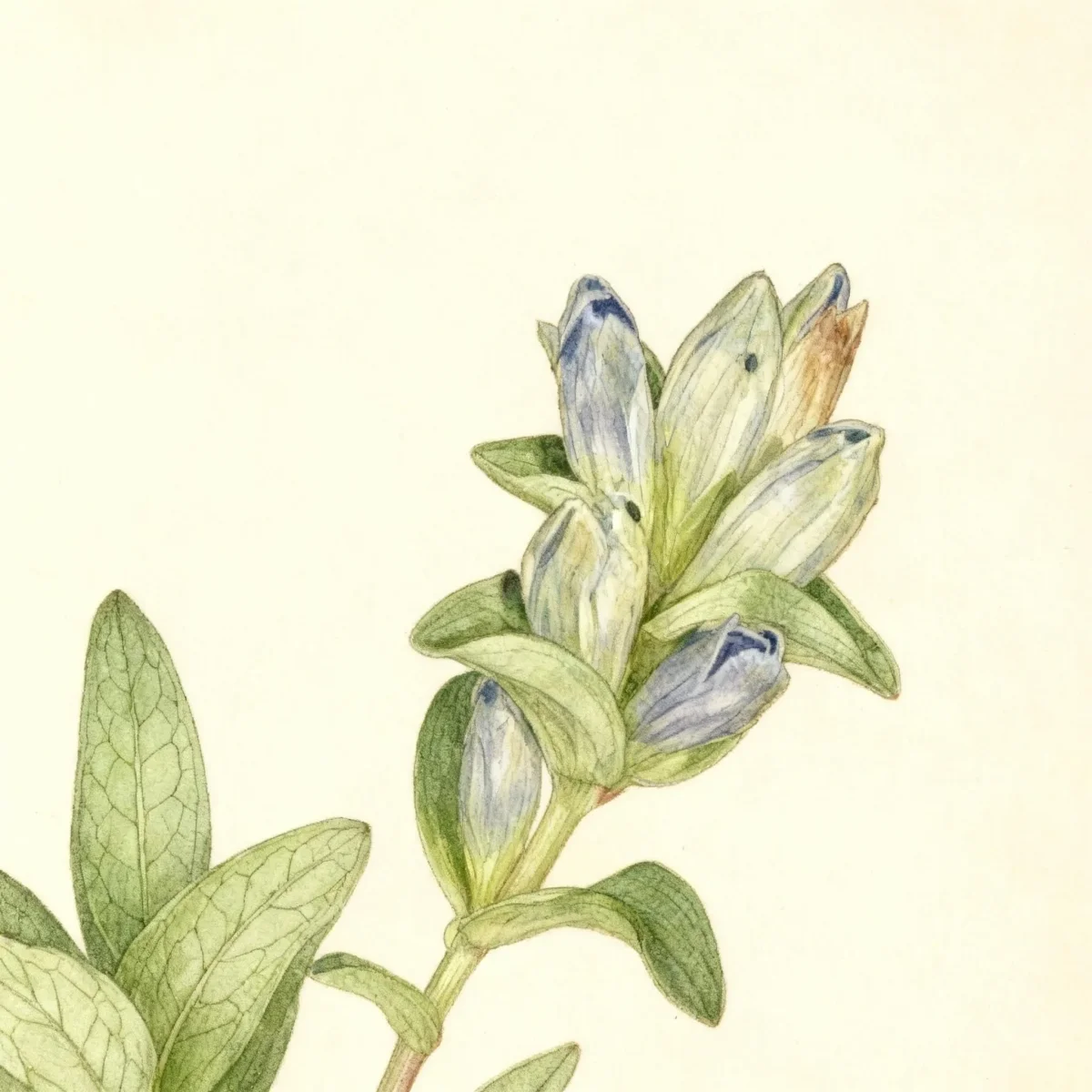
Gentiana cruciata, commonly called cross gentian, is a herbaceous perennial native to forest edges, rocky pastures, grasslands, and dry meadows in Europe and western Asia. This plant slowly forms a clump about 8-12” tall and 12-18” wide, featuring bright green, glossy, oppositely attached leaves. The truly blue, trumpet-shaped flowers emerge in a cluster tucked into the leaf axils on the upper part of the stems from late summer into fall and are attractive to pollinators. The specific epithet cruciata refers to the shape of the leaves as viewed from above, and the ‘Blue Cross’ cultivar maintains a compact habit, often displaying creamy white unopened buds that deepen to rich blue upon maturity.
Tolerances
- Rabbit
- Deer
- Drought
- Clay Soil
Potential Problems
The Gentiana cruciata ‘Blue Cross’ is celebrated in the gardening world because it suffers from virtually no major pest or disease problems when grown in suitable conditions. Its strong defense against common garden nibblers like deer and rabbits further confirms its status as a reliable planting choice. If you encounter issues, they are usually related to excessive moisture or root disturbance rather than insect pressure.
Because plants strongly dislike transplanting once established, allowing the Cross gentian room to mature undisturbed is the best form of preventative care. Ensure adequate drainage to prevent root rot, especially in heavier clay soils, where careful soil preparation during initial planting is crucial for long-term health.
Frequently Asked Questions
What hardiness zones is Cross gentian suitable for?
The Gentiana cruciata ‘Blue Cross’ is hardy across USDA Zones 3 through 7, offering reliable perennial performance across a wide climatic range.
How large does Gentiana cruciata ‘Blue Cross’ grow?
This variety typically reaches a mature height between 0.75 and 1 foot tall, with a spread of 1 to 1.75 feet, forming a dense, bushy clump.
What sun exposure does Cross gentian need?
For the best flowering display and compact habit, Gentiana cruciata ‘Blue Cross’ requires full sun to part shade exposure.
When does Gentiana cruciata ‘Blue Cross’ bloom?
This dependable perennial features its characteristic blue, trumpet-shaped blooms in late summer, typically flowering reliably from August into September.
Conclusion
The Gentiana cruciata ‘Blue Cross’ brings reliable, jewel-toned blue color to the late season garden while demanding very little in return, thanks to its drought tolerance and tolerance for clay soils. Its low maintenance profile and resistance to pests make it an essential component for gardeners seeking dependable beauty. Before planting, verify your location falls within USDA Zones 3-7 and prepare well-draining soil for the best outcome with this superior Cross gentian cultivar.
Wildlife Benefits
One of the key advantages of incorporating Gentiana cruciata ‘Blue Cross’ into your landscape is its strong appeal to beneficial insects late in the growing season. As many primary summer bloomers begin to fade, the late-blooming tubular flowers of this Cross gentian provide vital nectar resources.
Specifically, the bright blue trumpets are highly attractive to critical pollinators, including butterflies and hummingbirds seeking sustenance before the onset of cooler weather. Planting this variety helps extend the foraging window for these creatures, supporting local biodiversity.
Companion Planting Suggestions
When planning where to place your Gentiana cruciata ‘Blue Cross’, consider pairing it with plants that share similar sun and moisture requirements but bloom at different times. Since this plant performs best in moist but well-draining soil, complementing it with dry-tolerant ornamental grasses or Sedum varieties can create visually interesting textural contrasts.
For the front of the border, consider low-growing, silvery foliage plants or plants that provide spring color, which the Gentian will anchor once it begins its summer growth. Avoid positioning it near aggressive spreaders, as the Cross gentian dislikes root disturbance and should not have to compete vigorously for space once settled.